Unlock the potential of Logistics with our comprehensive guide. Explore essential terms and concepts to excel in the e-commerce realm with Lark's tailored solutions.
Try Lark for Free
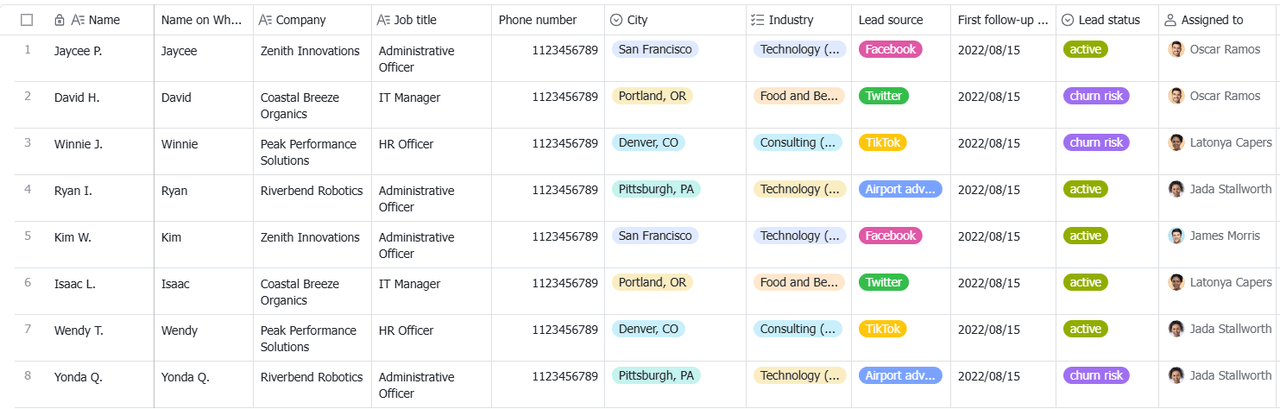
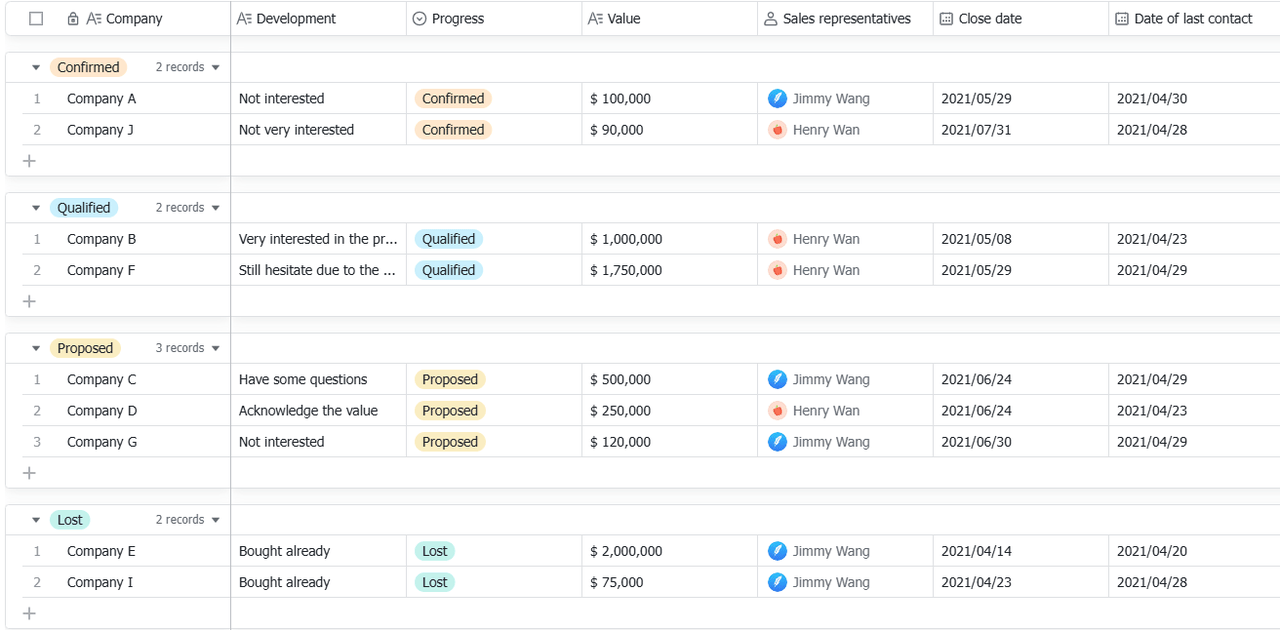
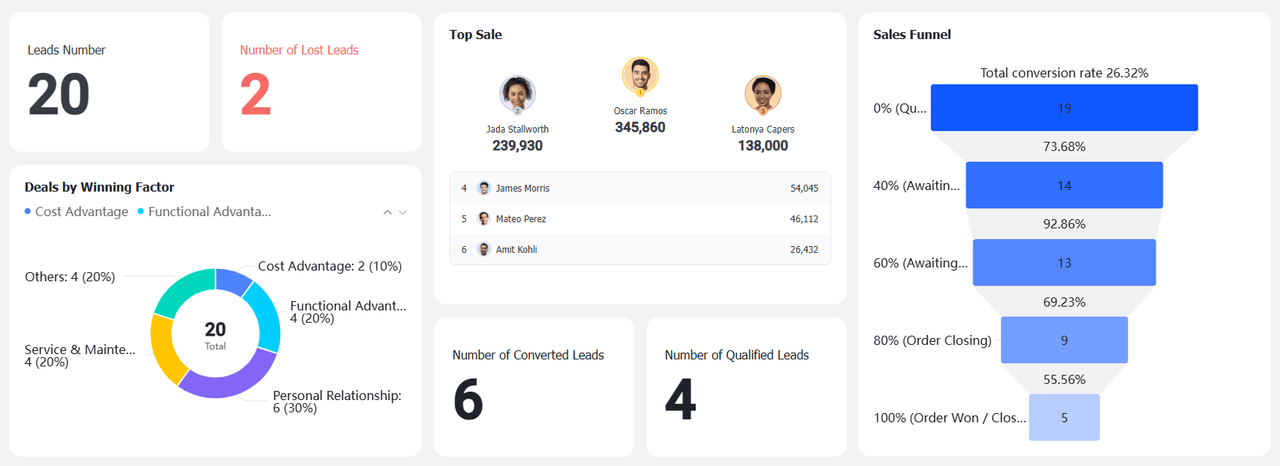
Leverage the full capabilities of Lark Base to streamline, oversee, and successfully execute your e-commerce strategies and initiatives.
Maximizing the potential of logistics in e-commerce
In today's ever-evolving digital landscape, logistics plays a crucial role in the success of e-commerce businesses. As we look towards the year 2024, it is important for online retailers to understand the impact and significance of logistics in the e-commerce ecosystem. This strategic guide aims to provide a comprehensive overview of logistics in the context of e-commerce, highlighting its potential benefits, challenges, and best practices for implementation.
Understanding logistics in 2024's e-commerce landscape
Logistics in e-commerce has come a long way since its inception. In 2024, it encompasses the management and coordination of various processes involved in the movement of goods, including inventory management, order fulfillment, shipping, and delivery. It serves as the backbone of the e-commerce industry, ensuring smooth and efficient operations.
Logistics has become increasingly important in the world of e-commerce. As customer expectations continue to rise, businesses must prioritize fast and reliable shipping, accurate order tracking, and seamless returns. In 2024, we can expect to see emerging trends such as same-day delivery, drone delivery, and enhanced visibility through advanced tracking technologies.
There are several misconceptions surrounding logistics in e-commerce that need to be addressed. One common misconception is that logistics is only relevant for large-scale online retailers. In reality, businesses of all sizes can benefit from implementing effective logistics strategies. Another misconception is that logistics is a one-size-fits-all solution. In truth, logistics needs to be tailored to the unique requirements of each e-commerce business.
Logistics is an integral part of the broader e-commerce ecosystem. It is deeply intertwined with other aspects such as marketing, customer experience, and technology. By seamlessly integrating logistics into their operations, online retailers can enhance customer satisfaction, improve brand reputation, and drive business growth.
Maximizing roi and performance metrics
As we look towards 2024, it is essential for online retailers to set clear goals and establish key performance indicators (KPIs) related to logistics. These KPIs may include metrics such as order fulfillment time, on-time delivery rate, return rate, and customer satisfaction. By tracking these metrics and continuously optimizing logistics processes, businesses can maximize their return on investment (ROI).
To gauge the effectiveness of their logistics operations, online retailers can refer to industry benchmarks and performance standards. These benchmarks provide a benchmark against which businesses can measure their performance and identify areas for improvement. By striving to meet or exceed these standards, e-commerce businesses can stay competitive in the market.
Real-world case studies can offer valuable insights into the impact of logistics on online sales. By examining successful implementations of logistics strategies, businesses can learn from best practices and apply them to their own operations. These case studies can highlight the importance of efficient inventory management, streamlined order fulfillment processes, and reliable shipping and delivery services.
Logistics has a direct impact on customer lifetime value and retention. By providing fast and reliable shipping, businesses can enhance the overall customer experience, leading to increased customer loyalty and repeat purchases. Monitoring metrics such as customer retention rate, average order value, and repeat purchase rate can help businesses understand the long-term impact of logistics on their bottom line.
Learn more about Lark x E-Commerce
Implementing logistics in your online store
When it comes to implementing logistics in your online store, there are several best practices to consider. Firstly, ensure seamless integration between your e-commerce platform and logistics management software. This integration enables real-time inventory updates, automated order processing, and accurate tracking information. Additionally, prioritize scalability and flexibility to accommodate future growth and changing market dynamics.
Integrating logistics into existing operations requires careful planning and execution. Here is a step-by-step guide to help you navigate the process:
In 2024, there are numerous tools and technologies available to streamline logistics for digital retail. These include:
Implementing logistics in an online retail environment comes with its own set of challenges. Some common challenges include:
To overcome these challenges, businesses should invest in robust logistics management systems, establish clear processes and workflows, and continuously monitor and optimize their logistics operations.
Implementing logistics in your online store requires careful resource allocation and budget considerations. It is important to allocate sufficient resources to acquire and implement the necessary software and technologies. Additionally, businesses should factor in ongoing maintenance and support costs, as well as investments in employee training and development. By budgeting effectively, businesses can ensure a successful and sustainable logistics implementation.
Industry insights and e-commerce benchmarks
Gaining insights from industry experts can provide valuable perspectives on logistics in digital retail. In 2024, it is advisable to seek insights from experts who have a deep understanding of the e-commerce landscape and can offer strategic guidance on logistics implementation. These experts can provide insights into emerging trends, best practices, and potential challenges in the ever-changing world of e-commerce logistics.
Examining success stories from leading online stores across various sectors can inspire and inform your own logistics strategies. By studying how businesses in your industry have successfully implemented logistics, you can learn from their experiences and apply similar principles to your own operations. These success stories can shed light on the specific challenges and opportunities faced by businesses in different sectors.
Logistics implementation can vary significantly depending on the e-commerce niche. Conducting a comparative analysis of logistics strategies in different niches can help businesses identify industry-specific best practices and tailor their own logistics approach accordingly. By understanding the unique requirements and challenges of their niche, businesses can optimize their logistics operations and gain a competitive edge.
Learning from the mistakes of others can save businesses time, money, and frustration. By studying the pitfalls and challenges faced by businesses in logistics implementation, you can proactively address these issues in your own operations. Common pitfalls to avoid include inadequate inventory management, poor communication with shipping partners, and failure to prioritize customer experience throughout the logistics process.
Learn more about Lark x E-Commerce
Omnichannel integration strategies
In an increasingly omnichannel retail landscape, businesses must seamlessly integrate their online and offline logistics processes. This integration ensures a consistent and unified experience for customers, regardless of the sales channel they choose. By connecting inventory management systems, order fulfillment workflows, and shipping processes, businesses can optimize their logistics operations and provide a seamless omnichannel experience.
Unified commerce experiences are essential in today's digital age. By integrating logistics across multiple touchpoints, businesses can provide customers with a cohesive and personalized journey. This integration involves connecting online and offline inventory, enabling click-and-collect options, and ensuring consistent shipping and delivery experiences across all sales channels. By creating a unified commerce experience, businesses can enhance customer satisfaction and drive loyalty.
Logistics plays a vital role in enhancing the customer experience in omnichannel retail. By offering flexible delivery options, accurate tracking information, and hassle-free returns, businesses can exceed customer expectations and build loyalty. Additionally, leveraging logistics data can enable businesses to personalize the customer experience further. For example, by analyzing shipping preferences and order history, businesses can offer tailored recommendations and promotions.
Examining case studies of successful omnichannel integration involving logistics can offer valuable insights and inspiration. These case studies can showcase how businesses have effectively connected their online and offline logistics processes to create seamless and personalized customer experiences. By studying these examples, businesses can gain practical ideas and strategies to implement in their own operations.
Customer experience and personalization
Logistics plays a crucial role in enhancing customer satisfaction and loyalty. By providing fast and reliable shipping, businesses can exceed customer expectations and leave a positive impression. Additionally, offering flexible delivery options, such as same-day or next-day delivery, can further enhance customer satisfaction. By consistently delivering on their promises, businesses can foster trust and build long-term customer loyalty.
Logistics data can be leveraged to power personalized strategies in e-commerce. For example, by analyzing customer preferences and purchase history, businesses can offer personalized product recommendations, tailored promotions, and customized shipping options. Personalization powered by logistics can create a unique and memorable customer experience, leading to increased customer satisfaction and repeat purchases.
In the age of automation, it is crucial to strike a balance between automation and the human touch in customer interactions. While automation can streamline processes and improve efficiency, it is important not to overlook the value of human interaction. Businesses should prioritize personalized customer service, prompt responses to inquiries, and empathetic handling of customer issues. By finding the right balance between automation and the human touch, businesses can create meaningful and memorable customer interactions.
Measuring and optimizing customer experience in the context of logistics requires the use of key performance indicators (KPIs) and customer feedback. KPIs related to customer experience may include metrics such as delivery time, order accuracy, and customer satisfaction ratings. By continuously monitoring these metrics and actively seeking customer feedback, businesses can identify areas for improvement and optimize their logistics processes to enhance the overall customer experience.
Learn more about Lark x E-Commerce
The future of online retail: 2024 and beyond
As we look towards the future of online retail, several emerging technologies and trends related to logistics are worth considering. These include:
By staying informed about these emerging technologies and trends, businesses can future-proof their logistics operations and stay ahead of the competition.
Predictive analysis can provide insights into the future evolution of logistics in e-commerce. By analyzing data and trends, businesses can make informed decisions and anticipate changes in the industry. Predictive analysis can help businesses identify potential challenges, such as increased shipping costs or changes in consumer behavior, and develop proactive strategies to address them.
The future of logistics in e-commerce will undoubtedly bring both challenges and opportunities. Businesses should proactively prepare for these changes by investing in scalable and flexible logistics solutions, staying abreast of industry trends, and fostering a culture of innovation. By embracing change and actively seeking out opportunities, businesses can position themselves for long-term success in the evolving e-commerce landscape.
To stay competitive with logistics in the long term, businesses should focus on continuous improvement and innovation. This may involve investing in advanced technologies, adopting sustainable practices, and prioritizing customer-centricity. By constantly evaluating and optimizing their logistics operations, businesses can adapt to changing customer expectations and market dynamics, staying ahead of the competition.
2024 action plan for e-commerce success
To optimize logistics for your online store in 2024, follow these comprehensive steps:
When implementing logistics initiatives, it is important to prioritize based on their potential impact and feasibility. Use the following framework to prioritize your logistics initiatives:
Implementing logistics initiatives often requires changes to existing processes and workflows. To ensure a smooth implementation, follow these change management strategies:
To track the progress and success of your logistics initiatives, monitor the following key performance indicators (KPIs):
By tracking these KPIs, businesses can assess the effectiveness of their logistics initiatives and make data-driven decisions to drive continuous improvement.
Related:
E CommerceLearn more about Lark x E-Commerce
Conclusion
In conclusion, logistics plays a critical role in the success of e-commerce businesses in 2024 and beyond. By understanding the impact and significance of logistics in the e-commerce ecosystem, businesses can optimize their operations, enhance the customer experience, and stay competitive in the rapidly evolving digital landscape. By following the strategies and best practices outlined in this strategic guide, online retailers can unlock the full potential of logistics and drive e-commerce success.
Leverage the full capabilities of Lark Base to streamline, oversee, and successfully execute your e-commerce strategies and initiatives.