














The workspacewhere AI delivers
Bring your team's knowledge, tools, and workflows together so AI has everything it needs to act.


 App Store








Bring all context into one AI workspace
Unify conversations, knowledge, systems, and workflows
so AI can act with full context.


Connect to your preferred AI models


Fewer tools, fewer costs
Cut software bloat while keeping teams fast, clear, and connected.
Unlock your savingsUnlock your savingsUnlock your savings
10
x
operational efficiency
39
%
more productive
70
%
cost savings
Move faster from trends to launch
Spot high-potential topics before they peak
Generate multi-channel assets in minutes
Detect customer intent and sentiment shifts in real time


How every team runs smarter with Lark


Move faster from trends to launch
Spot high-potential topics before they peak
Generate multi-channel assets in minutes
Detect customer intent and sentiment shifts in real time
Turn signals into deals with an end-to-end AI sales loop
Score and prioritize high-fit leads
Build deal-specific pitches in minutes
Track deal progress and flag risks early
How every team runs smarter with Lark
Move faster from trends to launch
Spot high-potential topics before they peak
Generate multi-channel assets in minutes
Detect customer intent and sentiment shifts in real time
Speed up hiring from posting to offer
Draft job posts straight from your hiring needs
Track candidates, feedback, and status in one place
Identify best-fit candidates and route approvals
How every team runs smarter with Lark
Move faster from trends to launch
Spot high-potential topics before they peak
Generate multi-channel assets in minutes
Detect customer intent and sentiment shifts in real time
Turn scattered IT requests into fast, trackable resolution
Answer questions 24/7 from the knowledge base
Route tickets by urgency and owner
Turn incidents into clear next steps
How every team runs smarter with Lark
Move faster from trends to launch
Spot high-potential topics before they peak
Generate multi-channel assets in minutes
Detect customer intent and sentiment shifts in real time
Resolve operational issues in real time
Assign follow-up tasks automatically
Route frontline feedback to the right teams
Flag operational issues before they escalate
How every team runs smarter with Lark
Move faster from trends to launch
Spot high-potential topics before they peak
Generate multi-channel assets in minutes
Detect customer intent and sentiment shifts in real time

Modernize every team's workflow with AI
Move faster from trends to launch
Spot high-potential topics before they peak
Generate multi-channel assets in minutes
Detect customer intent and sentiment shifts in real time


A day of work. AI moves it forward.
See how AI helps teams stay informed, make faster decisions,
and keep work moving.
- 8:00 AM
- 10:00 AM
- 2:00 PM
- 4:00 PM
- 5:00 PM

The foundation for AI that works
A capable model isn't enough. AI also needs the right environment to operate across your business.
Hear from leading organizations
Recognized by G2. Trusted by 2,000+ Global Leaders.
Join teams across 125+ countries who use Lark to streamline workflows, collaborate seamlessly, and drive results with confidence.
Book your customized demoBook your customized demoBook your customized demo






See how organizations achieve real results
Read all customer storiesRead all customer storiesRead all customer stories


4,000+ stores, same standards
Scaled HQ standards across every store for consistent execution and quality.


3,000+ employees, 1 platform
One secure, integrated workspace with fewer tools, fewer silos, and lower costs.


60,000+ admin hours saved
70% of queries automated, giving staff instant answers for consistent service.

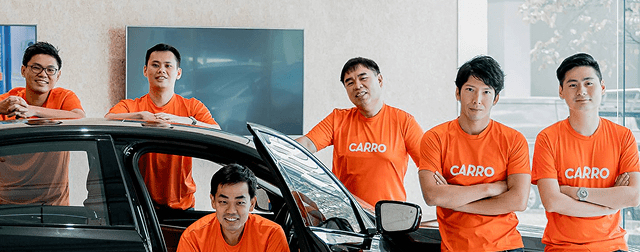
100+ workflows,zero code
Ops, HR, and sales teams automate daily tasks effortlessly without IT dependency.


40+ countries, moving as one
Global teams work across time zones and languages to drive innovation and growth.
4,000+ stores, same standards
Scaled HQ standards across every store for consistent execution and quality.
3,000+ employees, 1 platform
One secure, integrated workspace with fewer tools, fewer silos, and lower costs.
60,000+ admin hours saved
70% of queries automated, giving staff instant answers for consistent service.
100+ workflows,zero code
Ops, HR, and sales teams automate daily tasks effortlessly without IT dependency.
40+ countries, moving as one
Global teams work across time zones and languages to drive innovation and growth.
4,000+ stores, same standards
Scaled HQ standards across every store for consistent execution and quality.











Robust security and compliance









Plans that scale with you
Starter
For small teams with simple communication needs
$0
/ user / month


Basic
For growing companies with basic collaboration needs
$6
/ user / month
Pro
For companies with comprehensive collaboration and management needs
$12
/ user / month

Enterprise
For large companies with advanced security and organizational management needs
Get a personalized demo and pricing
Pro
For companies with comprehensive collaboration and management needs
$12
/ user / month
Explore more and unlock Lark's full power


Move faster and operate smarter with Lark.



2026 Lark Technologies Pte. Ltd.
Headquartered in Singapore with offices worldwide.





