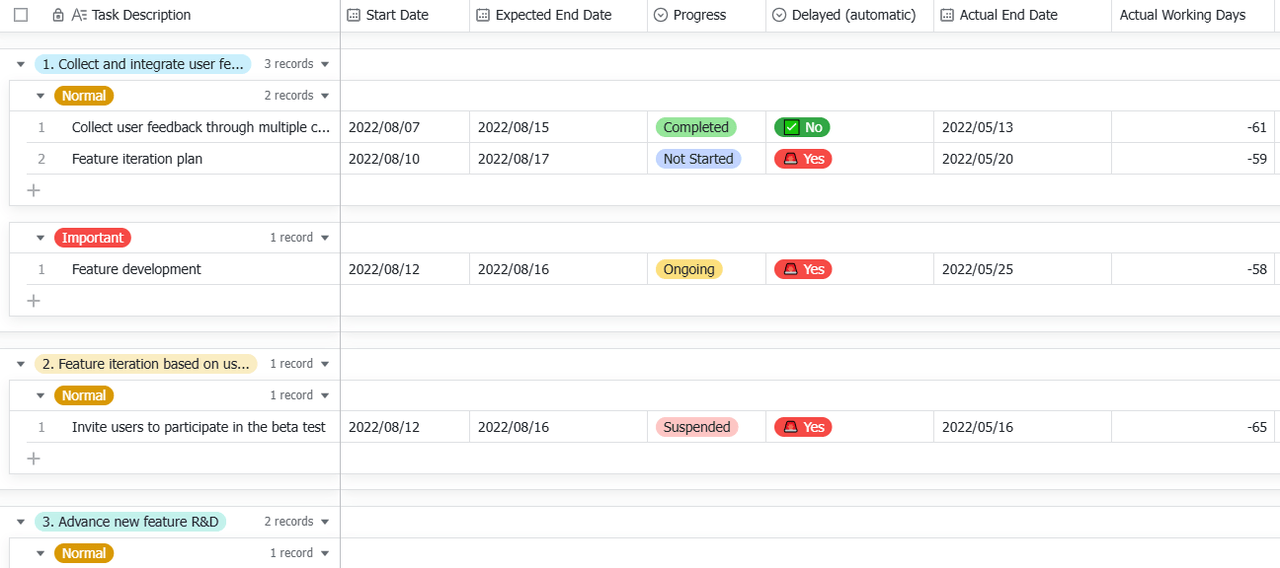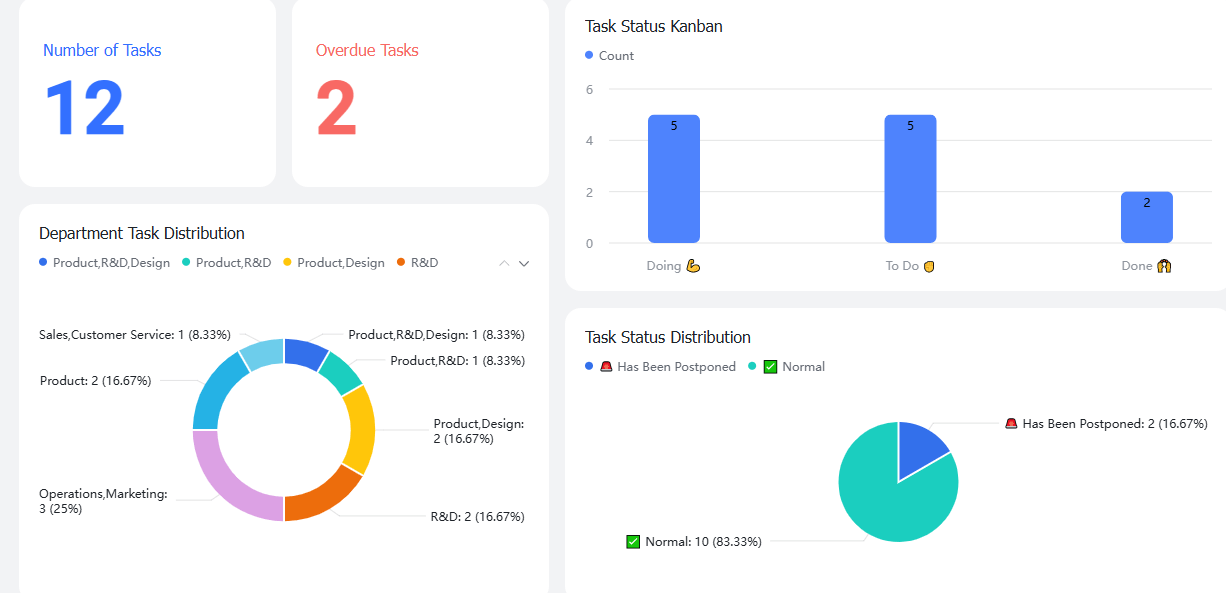
Unlock the power of moscow method for sustainability and csr teams with our comprehensive guide. Explore key goal setting techniques and frameworks to drive success in your functional team with Lark's tailored solutions.
Try Lark for Free
In today's corporate landscape, the integration of sustainable practices and corporate social responsibility (CSR) is imperative for fostering positive relationships with stakeholders and driving long-term success. This article delves into the Moscow Method, shedding light on its significance for sustainability and CSR teams. By understanding this method and its benefits, organizations can elevate their commitment to environmental and social responsibility, thus making a meaningful impact in the world.
Leverage Lark OKR for enhanced goal setting within your team.
Understanding moscow method
The Moscow Method represents a strategic framework that enables organizations to prioritize and manage their projects and initiatives effectively. The method emphasizes the management of Must-Haves, Should-Haves, Could-Have, and Won't-Haves - prioritizing tasks and processes to streamline sustainable practices within a business context. This structured approach allows sustainability and CSR teams to allocate resources efficiently, ensuring a focus on critical aspects that align with the organization's values and objectives.
Benefits of moscow method for sustainability and csr teams
The implementation of the Moscow Method yields significant advantages for sustainability and CSR teams, including:
Steps to implement moscow method for sustainability and csr teams
Learn more about Goal Setting for Teams with Lark
Common pitfalls and how to avoid them in sustainability and csr teams
One example of leveraging the Moscow Method within sustainability and CSR teams is the optimization of sustainable sourcing initiatives. By categorizing must-haves, should-haves, could-haves, and won't-haves, organizations can focus on prioritizing ethical and environmentally-responsible sourcing practices, ensuring the procurement of goods and services aligns with their sustainability commitments.
Another illustrative example is the application of the Moscow Method in developing community engagement programs. By classifying and prioritizing initiatives, sustainability and CSR teams can allocate resources to critical community projects while identifying areas for expansion and potential long-term collaborations.
Organizations can also utilize the Moscow Method to effectively manage corporate waste. By categorizing initiatives, teams can prioritize waste reduction and recycling efforts, allocate resources for continuous improvement projects, while determining non-critical activities for future consideration.
Do's and dont's
| Do's | Dont's |
|---|---|
| Engage in stakeholder consultation before prioritizing initiatives | Neglect stakeholder inputs in prioritization |
| Regularly review and adapt the Moscow Method for relevance | Implement the method once and consider it final |
| Communicate the rationale behind the prioritization process | Disregard transparency in decision-making |
| Implement clear monitoring and reporting mechanisms | Underestimate the importance of tracking impact |
Learn more about Goal Setting for Teams with Lark
People also ask (faq)
Stakeholder engagement is fundamental in the Moscow Method, ensuring that diverse perspectives are considered in the categorization and prioritization of sustainability and CSR initiatives. By involving stakeholders, sustainability teams can foster alignment with stakeholder expectations, enhancing the method's effectiveness.
Integrating the Moscow Method with existing sustainability frameworks involves aligning the prioritization principles with the organization's overarching sustainability objectives. This integration enables a comprehensive approach to managing sustainability initiatives and ensures synergy with established sustainability practices.
Key metrics for evaluating the success of the Moscow Method include resource allocation efficiency, impact on critical sustainability KPIs, stakeholder satisfaction, and the adaptability of the method to changing environmental and social landscapes.
Adapting the Moscow Method to dynamic regulatory environments necessitates regular assessments of the method's alignment with evolving regulations and compliance standards. Organizations should remain agile, updating the method to ensure compatibility with changing legislative frameworks.
Sustainability teams can foster a culture of continuous improvement within the Moscow Method by engaging in regular reviews, soliciting feedback from internal and external stakeholders, and celebrating successes to fuel motivation and engagement.
The Moscow Method serves as a valuable framework for sustainability and CSR teams, providing a structured approach to prioritize and manage initiatives effectively. By embracing this method, organizations can bolster their commitment to sustainability and corporate social responsibility while driving positive environmental and social impact.
Incorporating the outlined steps, leveraging the benefits, and avoiding common pitfalls, sustainability and CSR teams can navigate their sustainable initiatives with focus, efficiency, and adaptability, steering them towards enduring success in their sustainability endeavors.
Leverage Lark OKR for enhanced goal setting within your team.