Deepen your understanding of analytics and optimize your strategies for success with Lark's tailored solutions designed to meet the unique demands of the marketing industry.
Try Lark for Free
Marketing analytics is an essential tool for businesses striving to understand and optimize their marketing efforts effectively. In today's dynamic and competitive landscape, the ability to harness data and derive actionable insights is crucial for driving strategic marketing decisions and achieving sustainable growth. This article aims to explore the significance of analytics in marketing, emphasizing its practical implications, actionable tips for leveraging it effectively, and related terms and concepts crucial for businesses to maximize their potential through analytics.
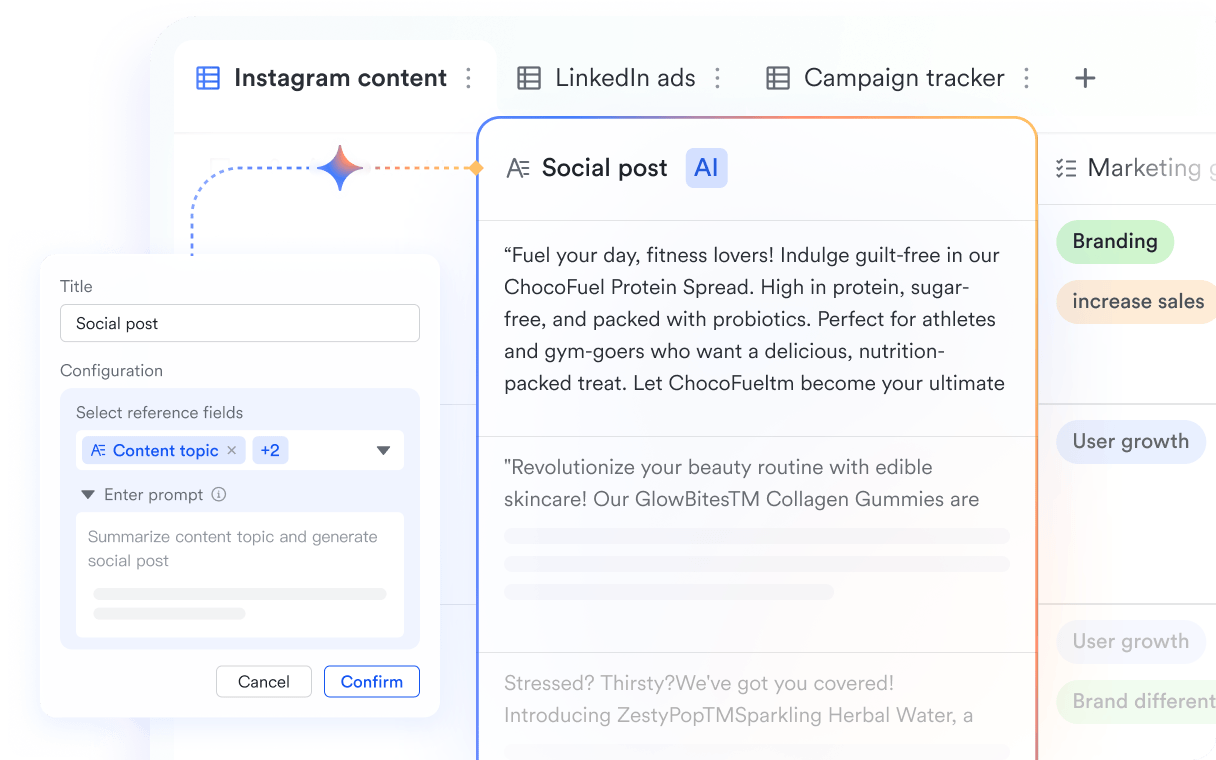
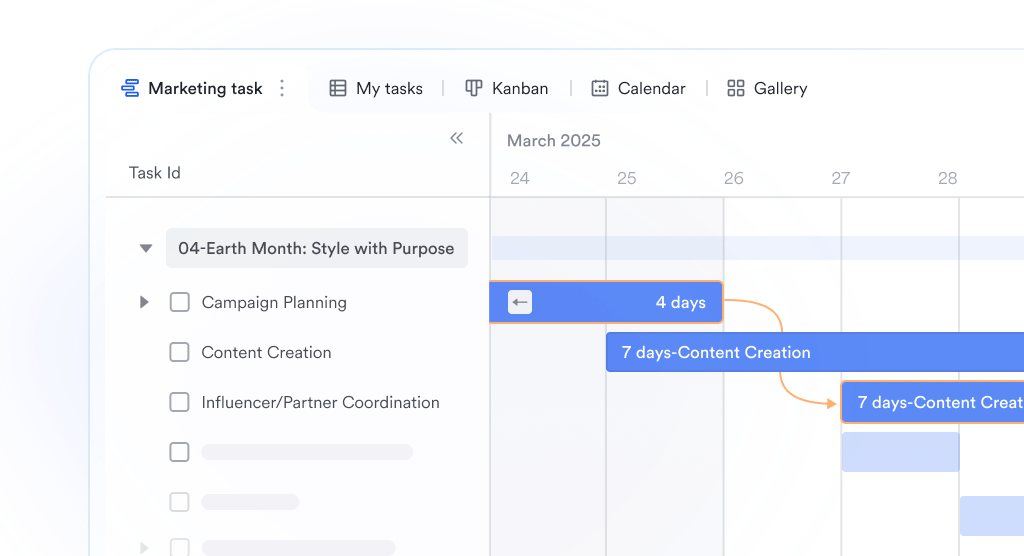
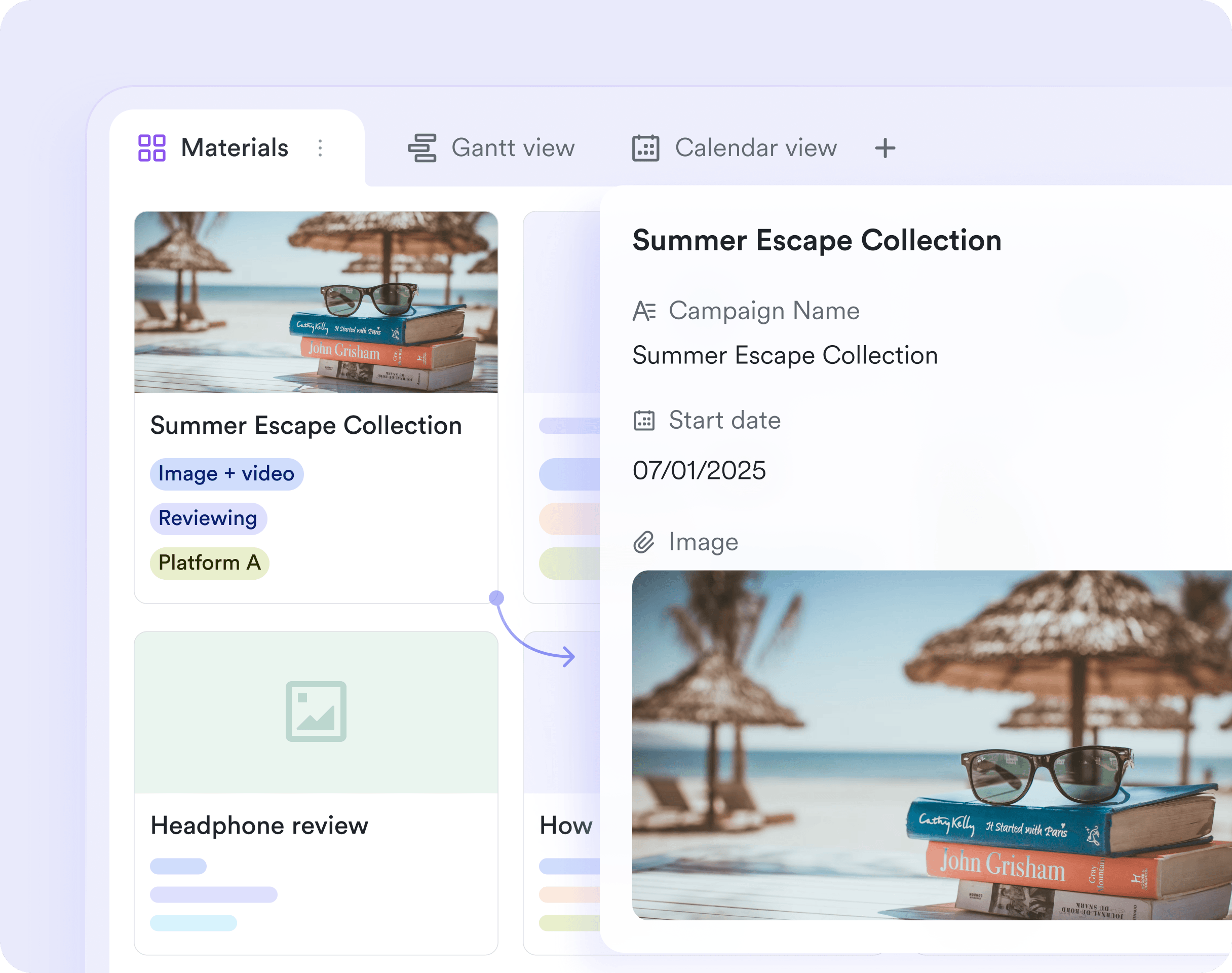
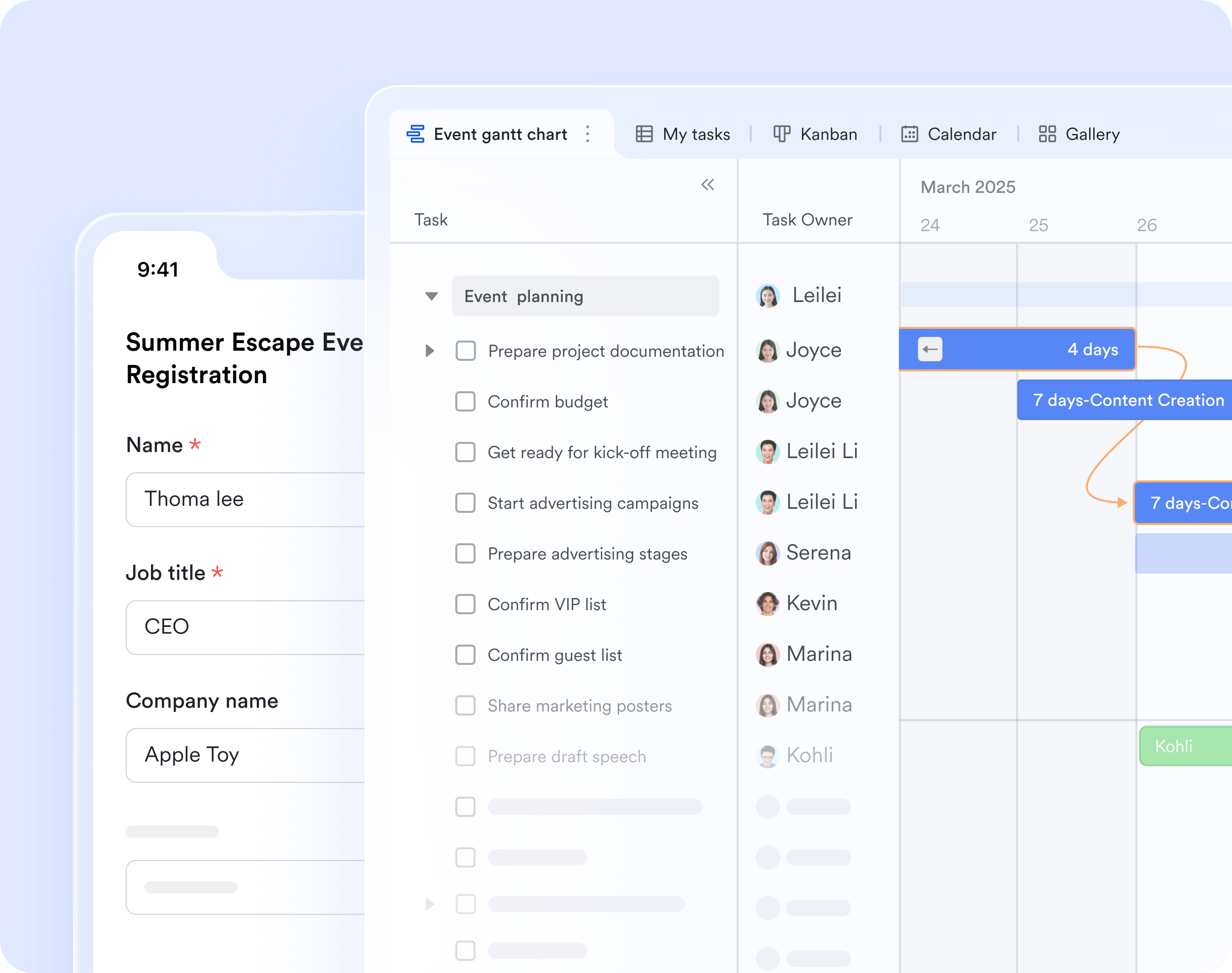
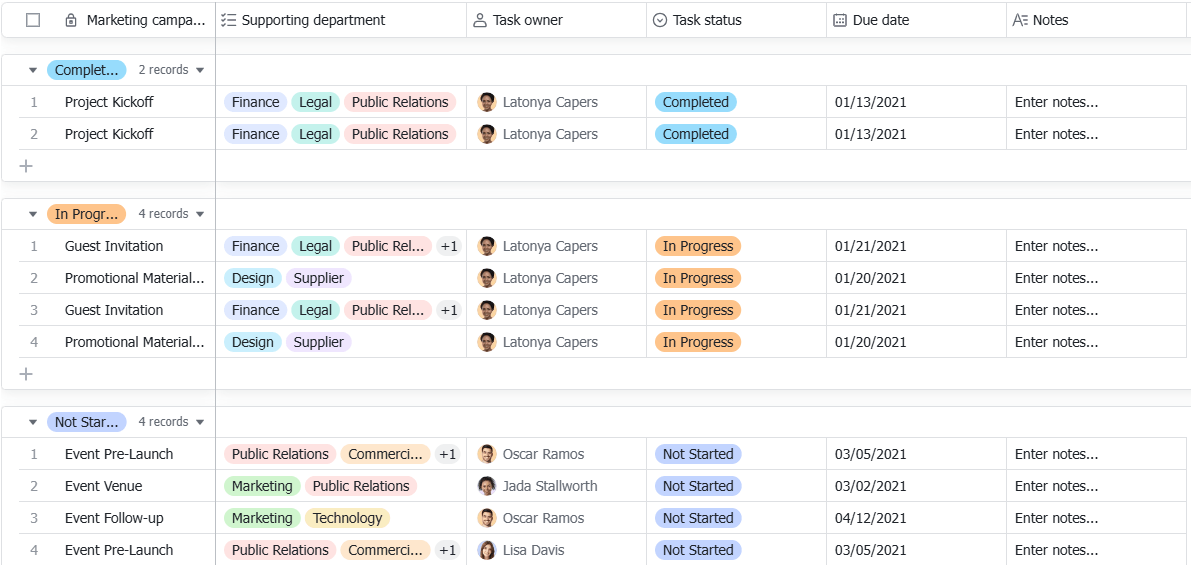
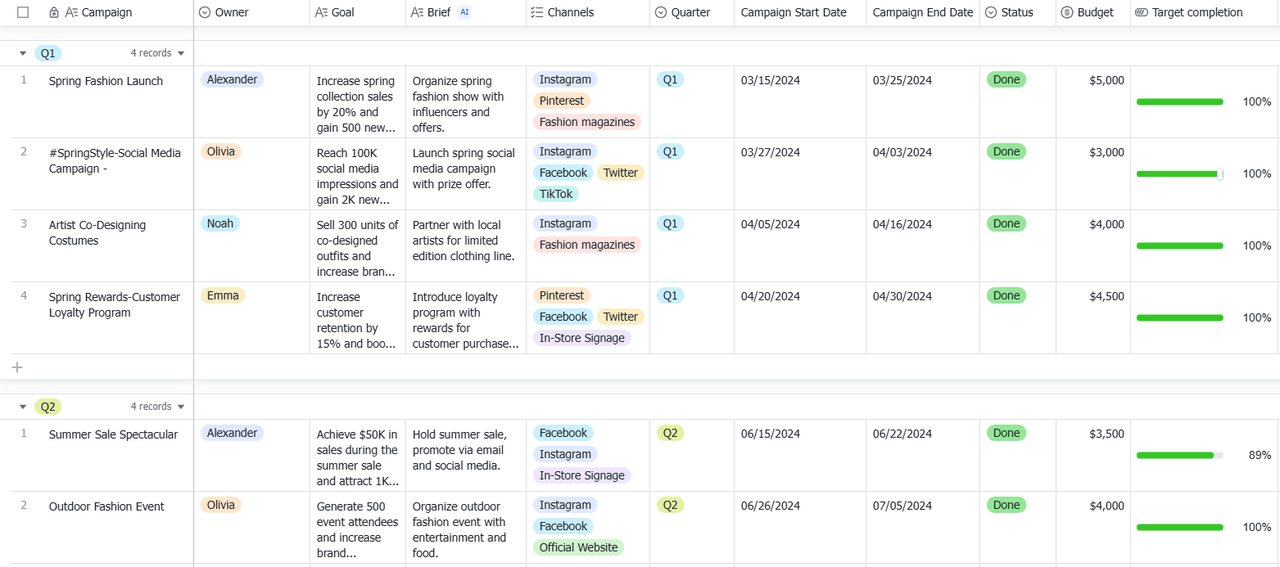
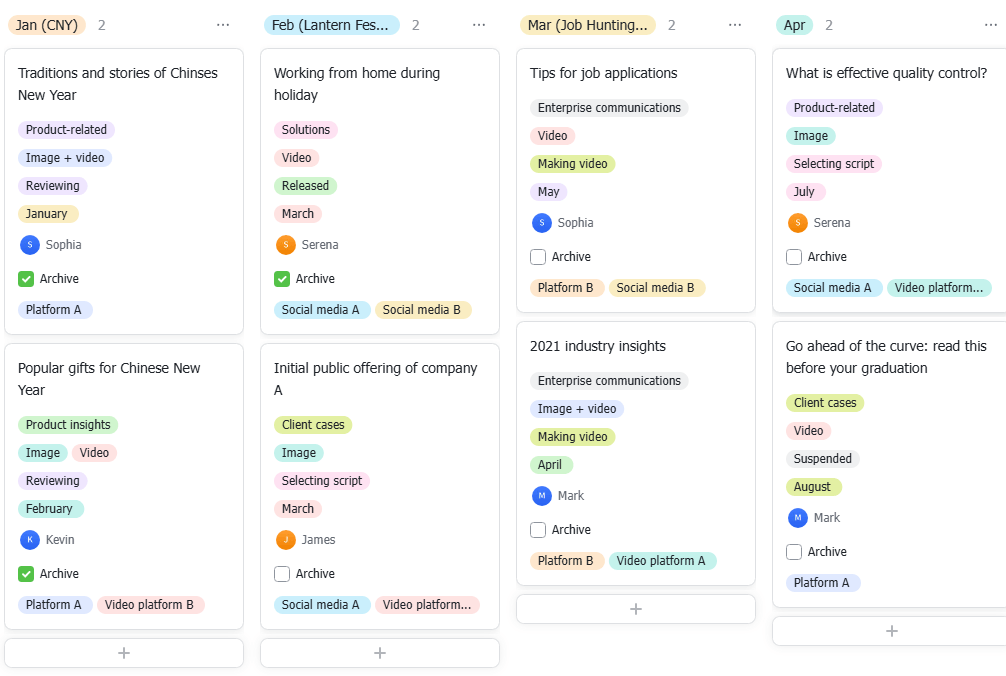
Use Lark Base for orchestrating, executing, monitoring, and delivering marketing initiatives.
Introduction to analytics in marketing
Analytics in marketing refers to the systematic analysis of data related to marketing strategies and the performance of marketing campaigns. It involves tracking, measuring, and interpreting various metrics to gain insights into consumer behavior, market trends, and the effectiveness of marketing initiatives. Analytics plays a pivotal role in empowering businesses with the knowledge to make data-driven decisions that drive growth and enhance customer engagement.
Understanding analytics is paramount for businesses in the digital age, where every aspect of marketing can be quantified and analyzed. By harnessing the power of analytics, businesses can gain a comprehensive understanding of their target audience, measure the impact of their marketing efforts, and adapt their strategies to achieve optimal results. Whether it's evaluating the performance of social media campaigns, optimizing website user experience, or tailoring content to specific consumer segments, analytics serves as the cornerstone for informed marketing strategies.
Analytics in marketing extends its benefits to various stakeholders within the business ecosystem. Marketers can utilize analytics to measure the effectiveness of their campaigns and refine their strategies based on real-time insights. Sales teams can leverage analytics to identify potential leads and tailor their approach to maximize conversions. Moreover, executives and decision-makers can rely on analytics to understand market trends, manage risks, and allocate resources effectively. Overall, analytics empowers every facet of the organization to make data-informed decisions that fuel growth and success.
Understanding analytics in marketing
In the realm of marketing, analytics influences a diverse set of stakeholders, each with unique requirements and expectations:
Utilizing analytics to identify consumer preferences and tailor marketing strategies accordingly:
Imagine a fashion retailer utilizing analytics to analyze customer purchase patterns and preferences, allowing them to personalize their marketing efforts, optimize product offerings, and enhance customer satisfaction.
Implementing analytics to track and optimize ROI on marketing campaigns:
A technology company leverages analytics to measure the return on investment (ROI) for its digital marketing campaigns. By analyzing this data, they can optimize their marketing budget allocation and refine their strategies to achieve enhanced ROI.
Leveraging analytics to forecast market trends and adapt business strategies proactively:
An e-commerce business leverages analytics to forecast upcoming market trends, enabling them to adapt their product offerings and marketing strategies proactively, gaining a competitive edge in the market.
Adopting a data-driven approach to marketing decision-making:
By incorporating data-driven insights into their decision-making processes, businesses can ensure that their marketing strategies are aligned with real-time consumer preferences and market trends, maximizing their effectiveness.
Implementing advanced analytics tools to uncover actionable insights:
The integration of advanced analytics tools allows businesses to delve deeper into their data, uncovering actionable insights that can drive impactful marketing strategies and deliver measurable results.
Integrating predictive analytics to enhance future marketing strategies:
Predictive analytics empowers businesses to anticipate future consumer behavior and market trends, enabling them to craft preemptive marketing strategies that resonate with their target audience, fostering long-term success.
Leveraging analytics effectively
Utilizing A/B Testing to Optimize Website and Campaign Performance: A/B testing involves comparing two versions of a web page or marketing material to determine which performs better. By leveraging this approach, businesses can refine their website design, content, and marketing campaigns for maximum impact.
Implementing User Behavior Analytics to Refine Customer Journey and Experience: By gaining insights into user behavior on digital platforms, businesses can optimize the customer journey, enhance user experience, and boost customer retention.
Using Social Media Analytics to Understand Audience Engagement and Preferences: Social media analytics provides valuable insights into audience engagement, content performance, and demographic trends, enabling businesses to tailor their social media strategies effectively.
Learn more about Lark x Marketing
Related terms and concepts to analytics in marketing
Advanced analytics encompasses various sophisticated techniques and tools for data analysis, including predictive modeling, data mining, machine learning, and text analytics. By harnessing advanced analytics, businesses can unearth profound insights that drive strategic decisions and lead to competitive advantages.
Predictive analytics involves the application of statistical algorithms and machine learning techniques to analyze historical data and forecast future trends and outcomes. By leveraging predictive analytics, businesses can anticipate customer behavior, identify potential opportunities and risks, and optimize their marketing strategies accordingly.
Data-driven marketing revolves around utilizing customer data and insights to craft targeted and personalized marketing initiatives. By integrating customer data from various touchpoints, businesses can create tailored marketing campaigns that resonate with their audience, driving higher engagement and conversions.
Conclusion
In conclusion, the integration of analytics in marketing presents businesses with unparalleled opportunities to drive growth, enhance customer engagement, and stay ahead in the competitive landscape. By understanding the practical implications, leveraging actionable tips, and embracing related concepts, businesses can harness the full potential of analytics to optimize their marketing strategies effectively. Moreover, the continuous evolution of analytics and data-driven insights accentuates the importance of ongoing learning and adaptation, empowering businesses to navigate the dynamic marketing environment with confidence and agility.
Related:
Marketing MeetingLearn more about Lark x Marketing
Use Lark Base for orchestrating, executing, monitoring, and delivering marketing initiatives.