Cross-Channel Marketing

Deepen your understanding of cross-channel marketing and optimize your strategies for success with Lark's tailored solutions designed to meet the unique demands of the marketing industry.

Lark Editorial TeamLark Editorial Team | 2024/3/15
Try Lark for Free
an image for cross-channel marketing

In today's rapidly evolving digital landscape, businesses are continually seeking innovative approaches to enhance their brand visibility and engage with their target audiences effectively. One such pivotal strategy that has gained prominence in the marketing domain is cross-channel marketing. This comprehensive approach integrates various marketing channels to create a seamless and unified experience for customers. In this article, we delve into the nuances of cross-channel marketing, its relevance in modern marketing strategies, and how businesses can effectively leverage this approach to maximize their marketing impact.

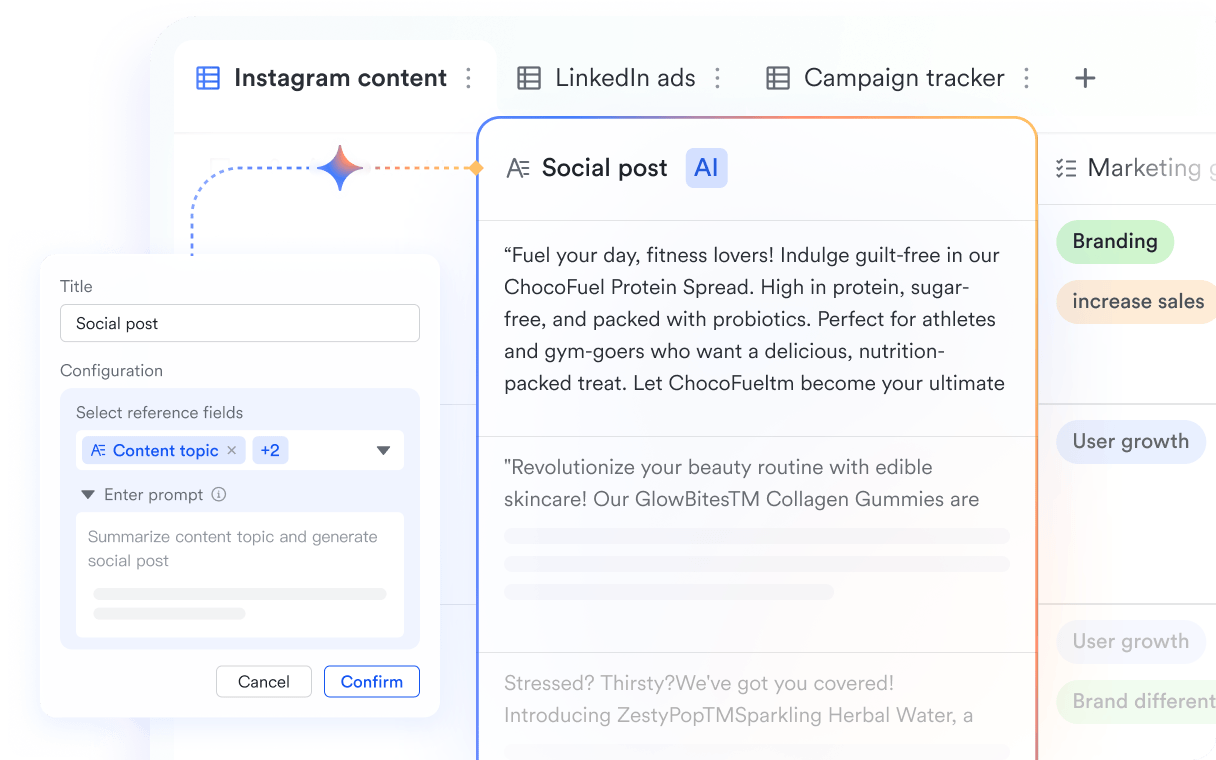
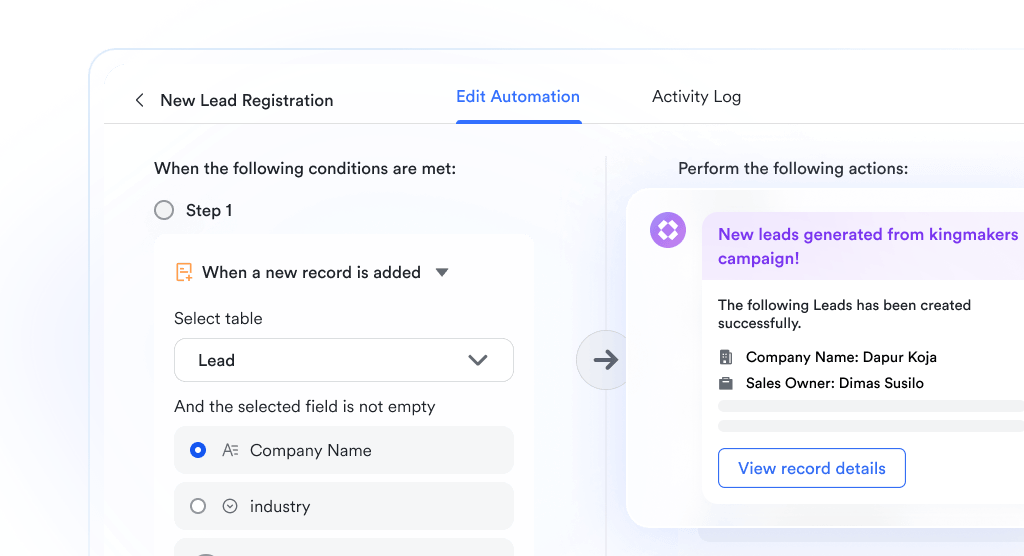
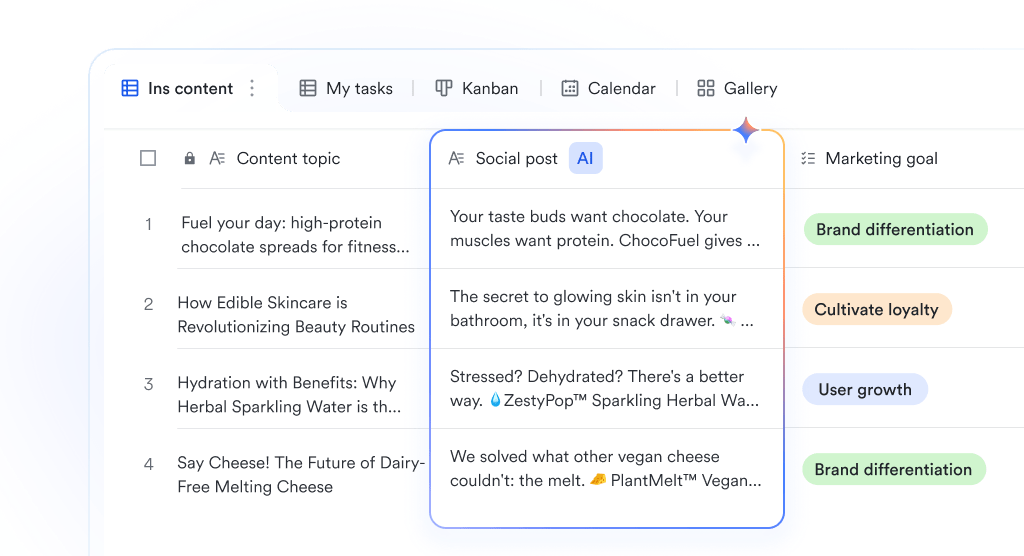
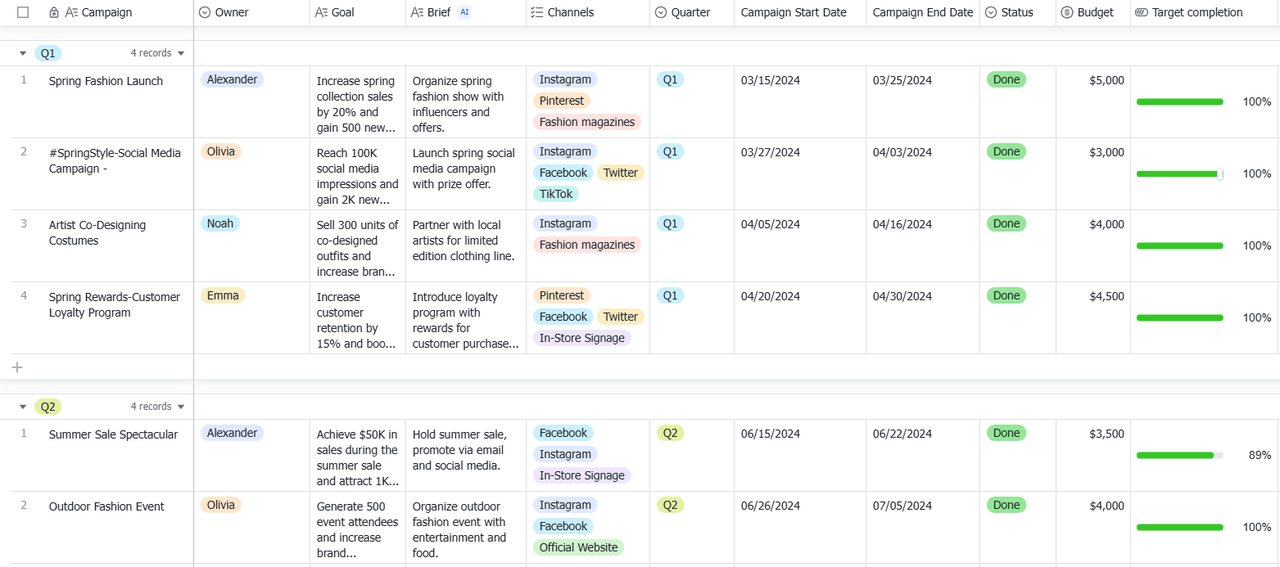
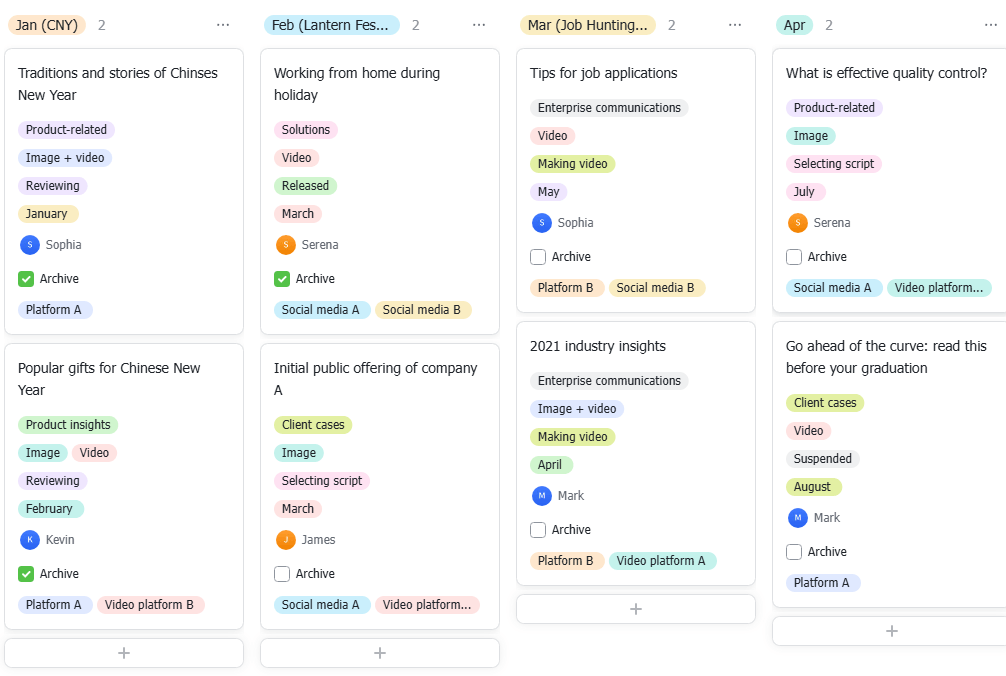
Use Lark Base for orchestrating, executing, monitoring, and delivering marketing initiatives.

Try for Free

Introduction to integrated marketing strategies

Integrated marketing strategies encompass the harmonious coordination of various marketing elements to deliver a unified and consistent message to the target audience. These strategies enable businesses to align their messaging and branding across multiple channels, reinforcing their brand identity and creating an immersive experience for customers.

Defining cross-channel marketing

Cross-channel marketing can be defined as the strategic utilization of multiple marketing channels to interact with customers, ensuring a seamless and integrated experience regardless of the channel or device used. This approach emphasizes the importance of maintaining consistency in messaging, branding, and customer interaction across diverse marketing platforms, including social media, email, search engines, and more.

Significance of cross-channel marketing

The essence of cross-channel marketing lies in its ability to unify a brand's presence across various marketing touchpoints, ensuring a cohesive and holistic customer experience. By aligning marketing efforts across channels, businesses can amplify their brand visibility, foster customer loyalty, and drive enhanced engagement.

The impact of cross-channel marketing on businesses

Implementing a robust cross-channel marketing strategy yields several tangible benefits for businesses navigating the dynamic marketing landscape. This approach offers a nuanced understanding of customer behavior, enhances brand recall, and facilitates a seamless transition between online and offline interactions.

Stakeholders in cross-channel marketing

The impact of cross-channel marketing extends beyond the business itself and encompasses an array of stakeholders, including customers, marketing teams, and the broader industry. Each stakeholder crucially contributes to and is influenced by the cross-channel marketing ecosystem.

How cross-channel marketing works for businesses

The practical implications of cross-channel marketing offer businesses a comprehensive framework to orchestrate their marketing endeavors effectively. The following practical implications and best practices underscore the significance of cross-channel marketing in driving marketing success.

Practical Implications

  1. Personalized Customer Engagement: By harnessing cross-channel marketing, businesses can tailor their communication to individual customer preferences, delivering personalized and relevant content.
  2. Data-Driven Decision-Making: Leveraging data insights from diverse channels enables businesses to make informed marketing decisions, optimizing their strategies for maximum impact.
  3. Enhanced Customer Journey Mapping: Through cross-channel integration, businesses can map and analyze the customer journey comprehensively, identifying touchpoints for optimization.

Best Practices for Cross-Channel Marketing

The implementation of cross-channel marketing is underpinned by several best practices, ensuring that businesses harness the full potential of this integrated approach.

  • Consistent Brand Messaging: Maintain a coherent brand voice and messaging across all channels to reinforce brand identity and resonate with target audiences.
  • Seamless Cross-Device Experience: Ensure a cohesive experience for customers across various devices, enabling effortless transitions and interactions.

Actionable Tips for Leveraging Cross-Channel Marketing

Incorporating cross-channel marketing into a business's strategy requires a nuanced approach. The following actionable tips provide a guide for businesses to optimize their implementation of this integrated marketing strategy.

  • Prioritize Audience Insight: Gain a deep understanding of customer behavior and preferences across channels, enabling targeted and effective communication strategies.
  • Integration of Analytics Tools: Utilize advanced analytics tools to gather comprehensive data insights, facilitating informed decision-making and strategy optimization.

Related Terms and Concepts

In exploring cross-channel marketing, it is imperative to understand the associated terminologies and complementary concepts that enrich the understanding of integrated marketing dynamics.

  • Multi-Channel Marketing
  • Omnichannel Marketing
  • Customer Journey Mapping

Conclusion

The exploration of cross-channel marketing underscores its pivotal role in shaping contemporary marketing strategies. Businesses that embrace and master cross-channel marketing stand to gain a competitive advantage, fostering enduring customer relationships and optimizing their marketing endeavors. This approach epitomizes the significance of continual adaptation and learning in navigating the evolving marketing terrain.

Faqs

Cross-channel marketing empowers businesses to amplify their brand visibility, deliver personalized customer experiences, and gain comprehensive insights into customer behavior, fostering enhanced engagement and loyalty.

Businesses can ensure consistent messaging by developing a robust brand style guide, leveraging integrated marketing platforms, and regularly auditing their communication strategies.

Cross-channel marketing holds relevance across diverse industries, with its integrated approach proving beneficial for businesses seeking to engage with customers through multiple touchpoints and channels.

Data analytics serves as a cornerstone in refining cross-channel marketing strategies, enabling businesses to derive actionable insights, optimize customer engagement, and measure the effectiveness of their marketing initiatives.

Integrating online and offline efforts involves creating an interconnected customer experience, employing cohesive messaging, and utilizing technologies such as QR codes and geotargeting for unified interactions.

Businesses should prioritize data security, customer privacy, and regulatory compliance while implementing cross-channel marketing initiatives, ensuring ethical and responsible marketing practices.

This comprehensive exploration of cross-channel marketing sheds light on its pivotal role in shaping modern marketing strategies and its enduring impact on businesses across diverse industries.

Now let's proceed with the step-by-step guide section.

Crafting an effective cross-channel marketing strategy necessitates a systematic approach and an appreciation of various elements crucial to its success. The following step-by-step guide offers a comprehensive roadmap for businesses seeking to navigate and optimize their cross-channel marketing endeavors.

  1. Audience Segmentation and Persona Development

    • Identify distinct audience segments and construct detailed personas, enabling tailored messaging and personalized interactions across channels.
  2. Channel Selection and Integration

    • Evaluate the most relevant channels for engaging with the target audience and devise a strategy for seamless integration to ensure consistent branding and messaging.
  3. Content Development and Distribution

    • Create compelling and relevant content tailored to each channel while aligning it with the overall brand messaging and objectives. Implement a distribution plan that optimizes content delivery across chosen channels.
  4. Data Analytics and Measurement

    • Implement robust analytics tools to track and measure customer interactions, campaign performance, and return on investment (ROI), facilitating informed decision-making and strategy refinement.
  5. Optimization and Iteration

    • Continuously assess the performance of cross-channel marketing initiatives, identify areas for improvement, and adapt strategies to enhance overall effectiveness and engagement.

By following these practical steps, businesses can orchestrate a cohesive and impactful cross-channel marketing strategy, optimizing their reach and impact across diverse marketing touchpoints.

| Do's | Dont's | | ------------------------------------------------------ | ----------------------------------------------------------- | | Align messaging and branding across all channels | Overlook the importance of consistent customer experiences | | Prioritize customer privacy and data security | Neglect the integration of online and offline marketing | | Utilize data analytics for informed decision-making | Disregard the need for regulatory compliance and ethics | | Maintain a cohesive customer journey mapping strategy | Underestimate the significance of audience segmentation |

This table highlights the critical aspects that businesses should adhere to and avoid when implementing cross-channel marketing strategies, ensuring ethical and effective marketing practices.

This concluding section of the article underscores the significance of embracing integrated marketing strategies and fortifying businesses with the knowledge and insights needed to navigate the dynamic marketing landscape effectively.

Use Lark Base for orchestrating, executing, monitoring, and delivering marketing initiatives.

Try for Free

Lark, bringing it all together

All your team need is Lark

Contact Sales