Mentorship Meeting

This guide will walk you through the essential elements of use mentorship meeting to keep your attendees aligned and engaged.

Lark Editorial TeamLark Editorial Team | 2024/1/31
Try Lark for Free
an image for mentorship meeting

Mentorship meetings play a pivotal role in fostering personal and professional growth. They offer a structured platform for experienced individuals, known as mentors, to share their knowledge, insights, and guidance with mentees who are seeking to advance in their careers or personal development. These meetings provide a unique opportunity for mentees to gain valuable perspectives and navigate their journey with the support of a trusted advisor. In this comprehensive guide, we'll explore the significance of mentorship meetings, how to conduct them effectively, and tips for maximizing their impact on mentorship relationships.

Use Lark Meetings to turn meetings into true collaborative experiences.

Try for Free

What is a mentorship meeting?

Understanding Mentorship Meetings

A mentorship meeting is a one-on-one interaction between a mentor and a mentee, specifically focused on sharing knowledge, advice, and guidance. These meetings are a fundamental component of mentorship relationships, providing mentees with access to the wisdom and expertise of their mentors.

Goals of a mentorship meeting

Fostering Growth and Learning

The primary goals of a mentorship meeting include:

  • Knowledge Transfer: Facilitating the transfer of knowledge, skills, and experiences from the mentor to the mentee.
  • Personal Development: Supporting the personal and professional development of the mentee.
  • Goal Achievement: Helping mentees set and achieve their career or personal goals.
  • Feedback and Reflection: Providing feedback and a space for mentees to reflect on their progress and challenges.

Who should attend a mentorship meeting?

Key Participants

Mentorship meetings involve two key participants:

  • Mentor: An experienced individual who serves as a guide, advisor, and source of wisdom for the mentee.
  • Mentee: An individual seeking guidance, mentorship, and knowledge from the mentor.

Topics, agenda, and structure of a mentorship meeting

Structuring the Meeting

A mentorship meeting typically follows a flexible agenda based on the needs and objectives of the mentee. Common components of a mentorship meeting may include:

  1. Welcome and Introduction: Establishing a comfortable and welcoming atmosphere for the meeting.
  2. Progress Review: Discussing the mentee's progress and achievements since the last meeting.
  3. Challenges and Questions: Addressing any challenges or questions the mentee is currently facing.
  4. Goal Setting: Setting or revisiting goals and objectives for the mentee's growth.
  5. Knowledge Sharing: Sharing insights, advice, and knowledge on relevant topics.
  6. Action Planning: Defining actionable steps and strategies for the mentee.
  7. Feedback and Reflection: Providing constructive feedback and facilitating mentee reflection.
  8. Next Steps: Outlining action items and follow-up for both the mentor and mentee.

How to conduct an effective mentorship meeting?

Step-by-Step Guide

Conducting an effective mentorship meeting requires a structured approach and a commitment to the mentee's growth. Follow these steps for a successful mentorship meeting:

  1. Preparation: Both the mentor and mentee should prepare for the meeting by reviewing previous discussions and setting clear objectives.
  2. Agenda Setting: Collaboratively create an agenda that outlines the topics to be discussed during the meeting.
  3. Active Listening: The mentor should actively listen to the mentee's thoughts, concerns, and aspirations.
  4. Goal Alignment: Ensure that the meeting focuses on the mentee's goals and development.
  5. Two-Way Communication: Encourage the mentee to share their perspective, challenges, and questions.
  6. Feedback Delivery: Provide constructive feedback and guidance based on the mentee's needs.
  7. Action Planning: Define clear action items, responsibilities, and timelines for follow-up.
  8. Documentation: Keep records of discussion points, action items, and commitments.
  9. Follow-Up: Ensure that action items are tracked and discussed in subsequent meetings.

How often should you hold mentorship meetings?

Meeting Frequency

The frequency of mentorship meetings can vary based on the mentee's needs and the mentor's availability. Some mentorship relationships may involve monthly meetings, while others may meet less frequently. The key is to maintain a cadence that allows for meaningful discussions and progress tracking.

Key differences between mentorship meetings and similar meetings

Understanding Distinctions

Mentorship meetings have unique characteristics that distinguish them from other types of one-on-one interactions:

  • Knowledge Transfer: Mentorship meetings focus on knowledge sharing, guidance, and mentorship.
  • Personal Development: They prioritize the mentee's personal and professional growth.
  • Long-Term Relationships: Mentorship relationships often extend over an extended period for continuous support.

Common pitfalls of mentorship meetings

Avoiding Mistakes

To ensure the success of mentorship meetings, be cautious of these common pitfalls:

  • Lack of Preparation: Both the mentor and mentee should prepare for the meeting to maximize its value.
  • Ineffective Communication: Failing to foster open and honest communication between the mentor and mentee.
  • Neglecting Goals: Losing sight of the mentee's goals and objectives during the meeting.
  • Limited Feedback: Not providing constructive feedback or guidance when necessary.

Tips for maximizing the impact of mentorship meetings

Enhancing Effectiveness

To make the most of mentorship meetings, consider implementing these tips:

  • Goal-Centric Approach: Keep the mentee's goals at the center of the discussions and actions.
  • Active Listening: Encourage active listening and empathetic understanding between the mentor and mentee.
  • Feedback Balance: Provide a balance of constructive feedback and positive reinforcement.
  • Development Plan: Collaboratively create a development plan with actionable steps and milestones.

Examples

Real-world scenarios

Let's explore three real-world scenarios of successful mentorship meetings in various contexts

:

Scenario 1: Career Mentorship Meeting

Brief Content: A seasoned executive mentors a junior manager in a technology company to help them navigate their career path. The mentorship meeting is held in the mentor's office.

Detailed Content: The mentorship meeting begins with a warm welcome and a review of the mentee's recent career progress. The junior manager shares their challenges in balancing work responsibilities and career aspirations. The mentor provides valuable insights on career development strategies, including networking, skill-building, and setting career goals. They collaboratively define actionable steps for the mentee, such as attending industry events and seeking leadership opportunities within the company. The meeting concludes with a sense of clarity and motivation for the junior manager's career advancement.

Scenario 2: Entrepreneurial Mentorship Meeting

Brief Content: An experienced entrepreneur mentors a startup founder in the early stages of their business. The mentorship meeting takes place in a co-working space.

Detailed Content: The mentorship meeting begins with a discussion of the startup's progress and challenges. The founder seeks advice on scaling the business and attracting investors. The mentor shares personal experiences and lessons learned in the entrepreneurial journey. They provide guidance on fundraising strategies, market expansion, and product development. Together, they outline a strategic plan for the startup, including marketing initiatives and milestones for the next quarter. The meeting concludes with the founder feeling empowered and equipped to navigate the challenges of entrepreneurship.

Scenario 3: Academic Mentorship Meeting

Brief Content: A professor mentors a graduate student pursuing a research project. The mentorship meeting takes place in a university lab.

Detailed Content: The mentorship meeting begins with a review of the student's research progress and data analysis. The graduate student expresses concerns about data interpretation and experimental design. The professor offers guidance on refining research methodologies and conducting a literature review. They discuss potential sources of funding and collaboration opportunities with other researchers. The mentor encourages the student to present their findings at upcoming conferences and provides guidance on effective presentation skills. The meeting concludes with the student feeling more confident and supported in their research endeavors.

Tips for do's and don'ts

Best Practices and Pitfalls to Avoid

Follow these do's and don'ts to ensure productive and effective mentorship meetings:

Do'sDon'ts
Prepare for the meeting by reviewing previous discussions and setting clear objectives.Don't neglect preparation or arrive at the meeting unprepared.
Foster open and honest communication between the mentor and mentee.Avoid dominating the conversation or failing to engage the mentee in discussion.
Keep the mentee's goals and objectives at the center of discussions and actions.Neglect to provide constructive feedback or guidance when necessary.
Collaboratively create a development plan with actionable steps and milestones.Fail to follow up on action items or track progress in subsequent meetings.

Use Lark Meetings to turn meetings into true collaborative experiences.

Try for Free

A Game Changer for Mentorship Meeting: Empower your team with Lark Meetings

In the fast-paced and dynamic world of modern business, effective communication and collaboration are crucial for success of Mentorship Meeting. Here we introduce Lark Meetings to serve as a centralized hub for all communication needs.

Transform your meetings into collaborative endeavors

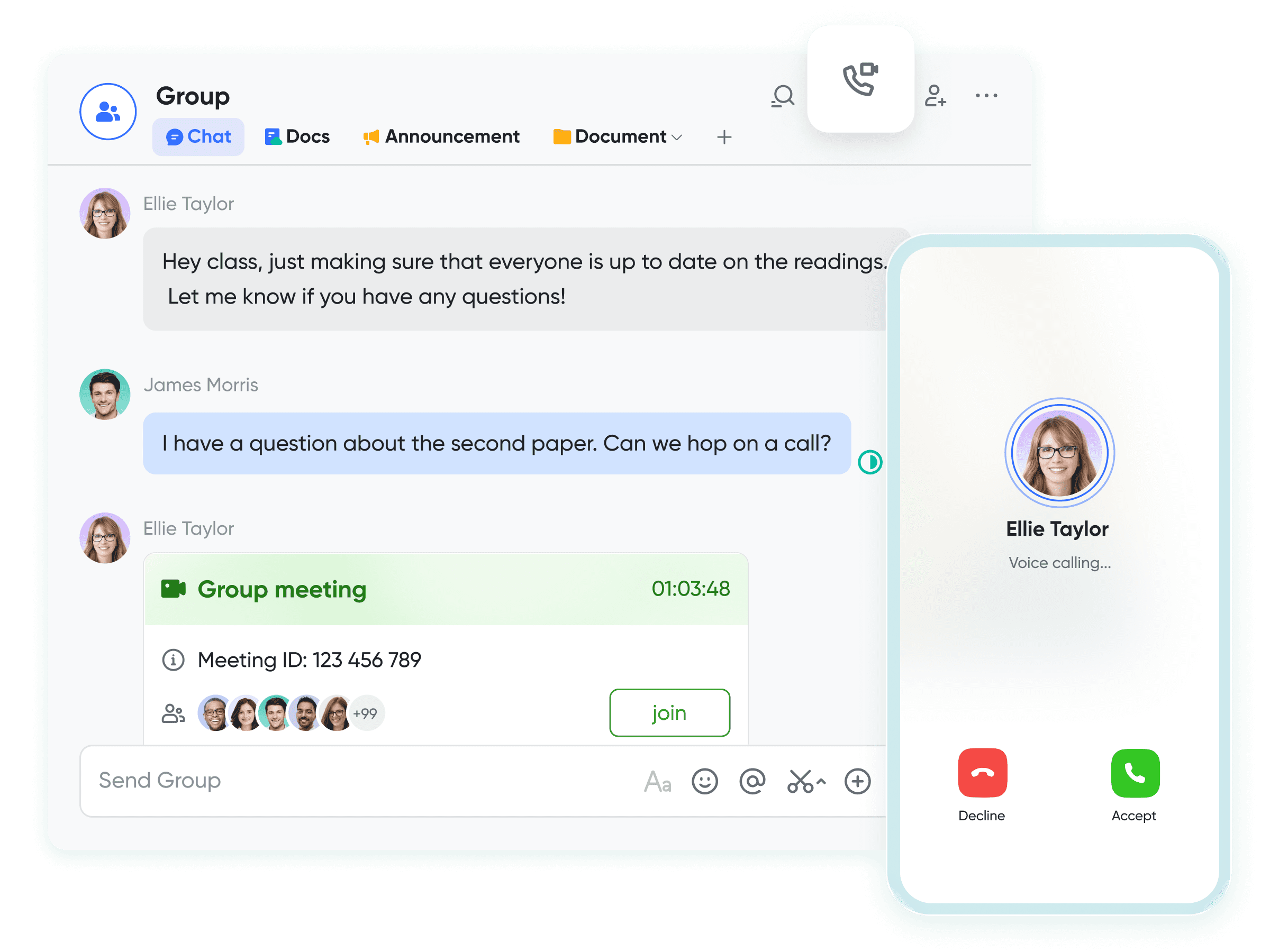
Lark Meetings collaborative interface, highlighting a platform designed for seamless teamwork and cooperative engagement.

Leverage the potency of in-call document sharing, intelligent meeting minutes, and mobile-optimized features to enhance productivity collaboratively, irrespective of your location or schedule.

Seamlessly collaborate in real-time, across any device

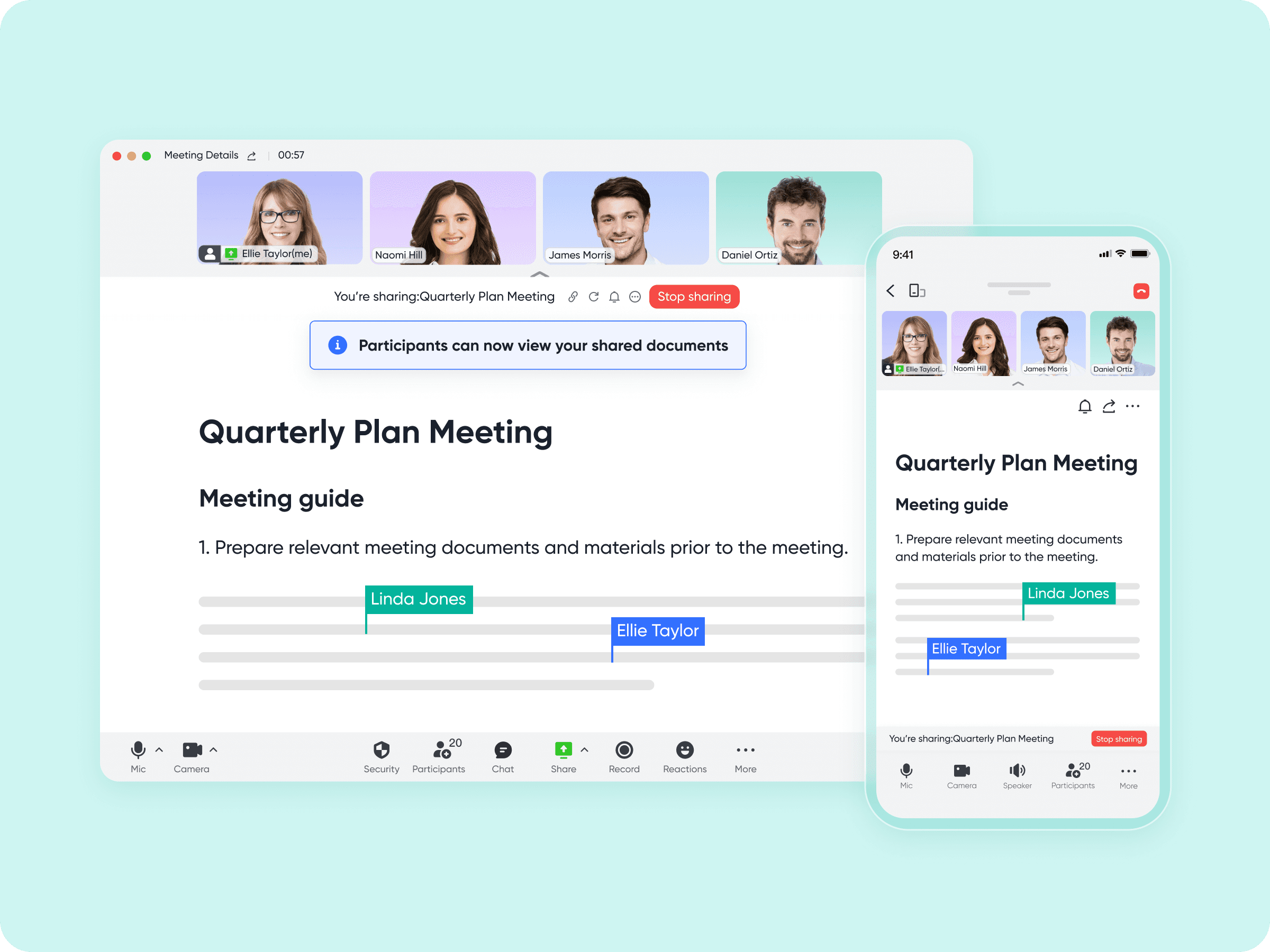
Mobile-friendly interface of Lark Meetings, demonstrating optimized accessibility for smartphones and tablets.

Share live documents instead of just screen views. Participants can navigate and edit simultaneously within the video call window, even while on the move.

Shift your focus to engagement, not note-taking

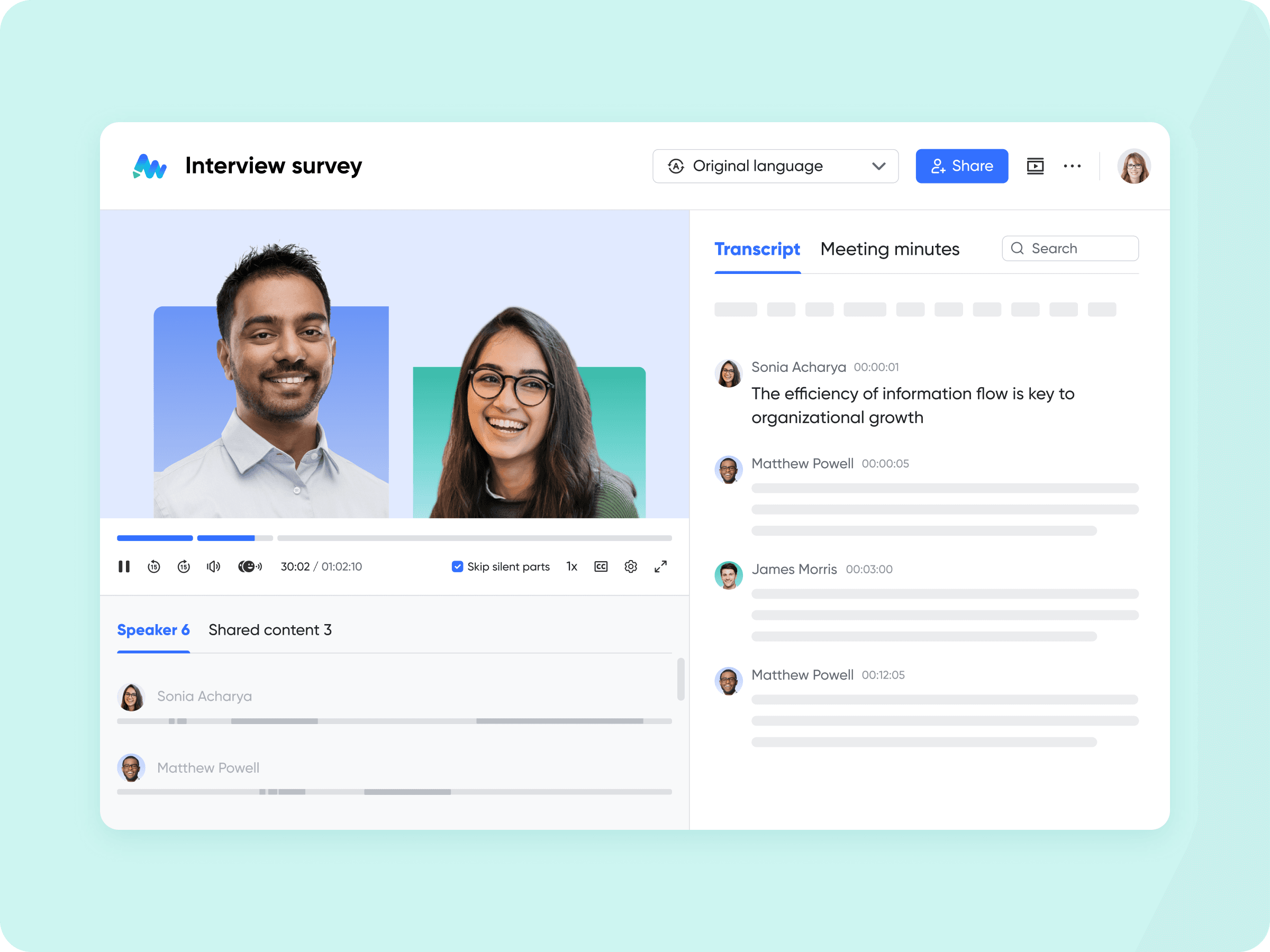
Lark Minutes Interface, showcasing a user-friendly platform designed for efficient and collaborative meeting note-taking and transcription.

Lark Minutes automatically converts video meetings into transcripts, facilitating easy viewing, searching, and collaborative editing. Stay in the loop asynchronously, even if you can't attend the live meeting. Lark Minutes for meeting minutes support translation into 10+ different languages.

Break language barriers in communication

Lark Meetings Live Translation feature, illustrating real-time language translation capabilities for seamless and inclusive communication.

Lark Meetings provide real-time translation for subtitles, allowing individuals from diverse backgrounds to express themselves in their native languages. Ensure every voice is heard, regardless of geographical location. Live subtitles currently support translations from English, Chinese, and Japanese to 10+ different languages. See more translation feature in Lark.

Connect with larger audiences

Host dynamic online meetings and events accommodating up to 1,000 participants, with the flexibility of up to 50 breakout sessions for intimate group discussions within the larger meeting context. Try more Lark features for free.

Lark, bringing it all together

All your team need is Lark

Contact Sales