Budget Management for Design and User Experience Teams

Explore budget management for design and user experience teams, ensuring efficiency and successful project management outcomes.

Lark Editorial TeamLark Editorial Team | 2024/1/14
Try Lark for Free
an image for budget management for design and user experience teams

Welcome to our comprehensive guide on budget management for design and user experience teams. In this article, we will explore the key considerations and strategies that can help these teams optimize their budgetary processes, leading to improved efficiency and impactful outcomes. Whether you're a seasoned professional or just starting in the industry, understanding the nuances of budget management is essential for the success of design and user experience initiatives.

Leverage Lark for project management within your team.

Try for Free

Understanding budget management

Budget management for design and user experience teams involves the strategic allocation and oversight of financial resources to support the development and delivery of innovative and user-centric solutions. It encompasses the identification, estimation, and control of costs associated with various projects, ensuring that the allocated funds are utilized effectively to achieve the desired objectives while maintaining high standards of quality.

A well-structured budget management framework provides teams with a clear roadmap for financial planning, enabling them to make informed decisions, optimize resource allocation, and mitigate financial risks. By fostering a disciplined approach to financial stewardship, organizations can enhance their capacity to sustainably invest in design and user experience initiatives, ultimately driving business growth and user satisfaction.

Benefits of budget management for design and user experience teams

Improving Efficiency and Quality of Deliverables

Effective budget management empowers design and user experience teams to streamline their operations, allowing them to focus on delivering high-quality outputs within the defined financial parameters. By aligning financial resources with project requirements, teams can minimize wastage, enhance productivity, and ensure that their deliverables meet or exceed the expected standards. This approach not only fosters a culture of responsible resource utilization but also contributes to the overall reputation and credibility of the team within the organization.

Facilitating Resource Allocation

An efficiently managed budget serves as a strategic tool for optimizing resource allocation, enabling design and user experience teams to prioritize initiatives based on their impact and strategic value. By gaining a clear understanding of resource availability, teams can make data-driven decisions, directing investments towards areas that yield the highest returns, nurturing innovation, and driving sustainable growth. This proactive approach to resource management fosters an environment where teams can experiment, learn from their endeavors, and continuously enhance their capabilities.

Cost Savings and Enhanced Return on Investment

By implementing robust budget management practices, design and user experience teams can identify opportunities for cost optimization, enabling them to achieve more with existing resources. This focus on financial efficiency not only leads to tangible cost savings but also amplifies the impact of investments, resulting in enhanced return on investment (ROI). Additionally, it instills a sense of accountability within the teams, promoting prudent decision-making and instilling a culture of fiscal responsibility, which is critical for long-term success and sustainability.

Steps to implement budget management for design and user experience teams

Conducting a Comprehensive Needs Assessment

  1. Identify Project Requirements: Begin by thoroughly understanding the specific needs and requirements of each design and user experience project. Engage with stakeholders, gather insights, and assess the scope of work to determine the financial implications.

  2. Evaluate Resource Availability: Review the existing resources, including human capital, tools, and technology, to ascertain the availability and potential constraints. Understand the skill sets required and the associated costs for procuring external resources if necessary.

  3. Forecast Expenditures: Develop a detailed forecast of anticipated expenditures, considering all relevant factors, such as personnel costs, software licenses, equipment, and any other direct or indirect expenses associated with the projects.

  4. Risk Evaluation: Identify potential risks that could impact the financial aspects of the projects, such as market volatility, unexpected changes in project scope, and regulatory considerations. Develop contingency plans to mitigate these risks.

Developing a Realistic Budget Plan

  1. Establish Clear Objectives and Key Metrics: Define clear project objectives and establish key performance indicators (KPIs) that align with the organization's overarching goals. This will serve as a reference point for evaluating the effectiveness of the budget management process.

  2. Allocation of Funds: Based on the needs assessment, allocate funds to different elements of the project, ensuring that the distribution aligns with the project's priorities and potential impact areas.

  3. Contingency Planning: Incorporate contingency reserves within the budget to accommodate unforeseen circumstances. This proactive approach ensures that the budget remains flexible and resilient in the face of unexpected challenges.

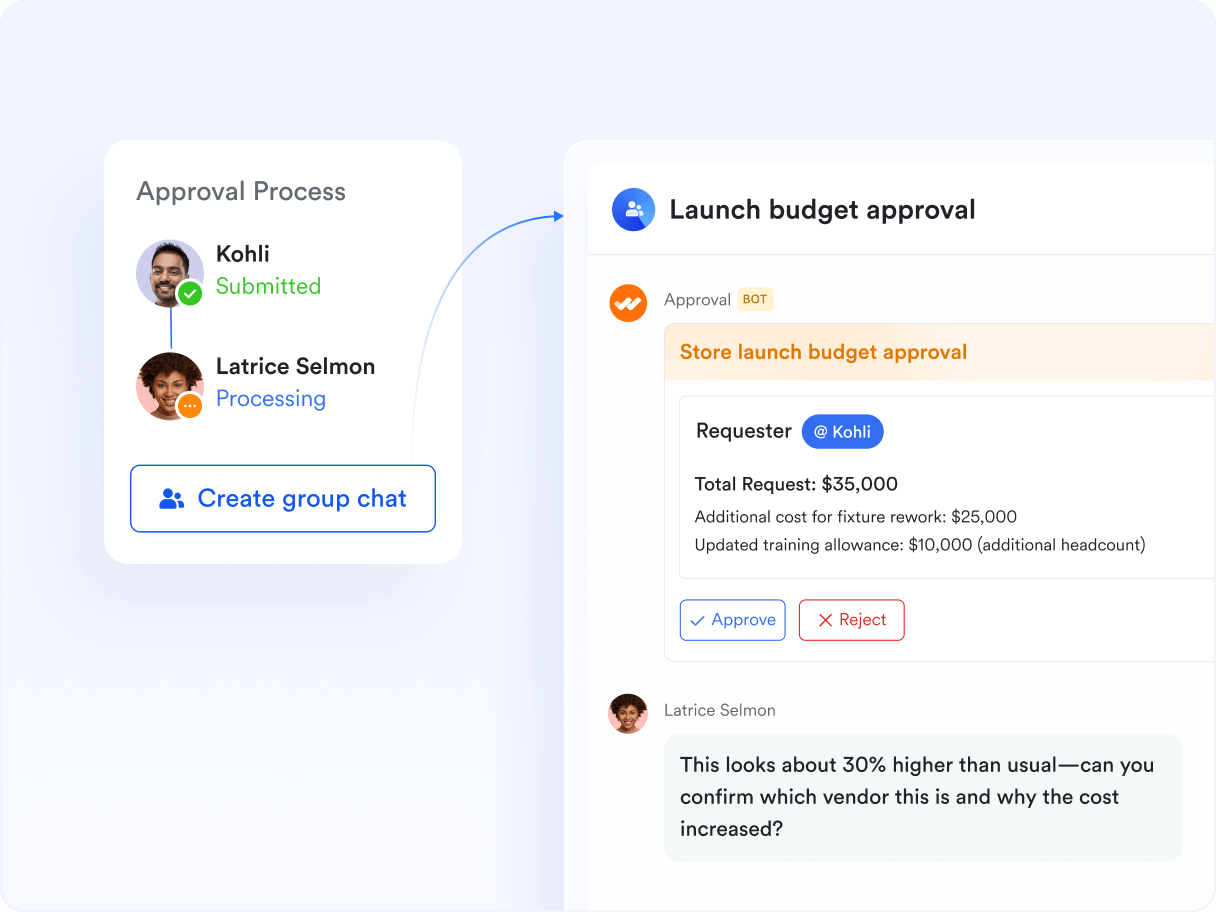
  4. Seek Alignment and Approval: Engage with relevant stakeholders to present the budget plan, seeking their input and alignment with the proposed allocations. Secure necessary approvals to proceed with the planned budget.

Identifying and Prioritizing Necessary Expenditures

  1. Determine Essential Costs: Identify essential expenses required to support the design and user experience initiatives, such as personnel costs, software subscriptions, and user testing resources.

  2. Prioritization Framework: Establish a structured prioritization framework that aligns with the strategic objectives of the organization. Categorize the expenditures based on their criticality and potential impact on project outcomes.

  3. Resource Optimization: Explore opportunities for resource optimization, such as leveraging existing tools and technologies, cross-utilization of skills, and seeking cost-effective alternatives without compromising quality.

  4. Documentation and Transparency: Maintain clear documentation of the planned expenditures and the rationale behind prioritization decisions. This transparency fosters accountability and enables effective communication with stakeholders regarding budget utilization.

Monitoring and Adjusting the Budget as Needed

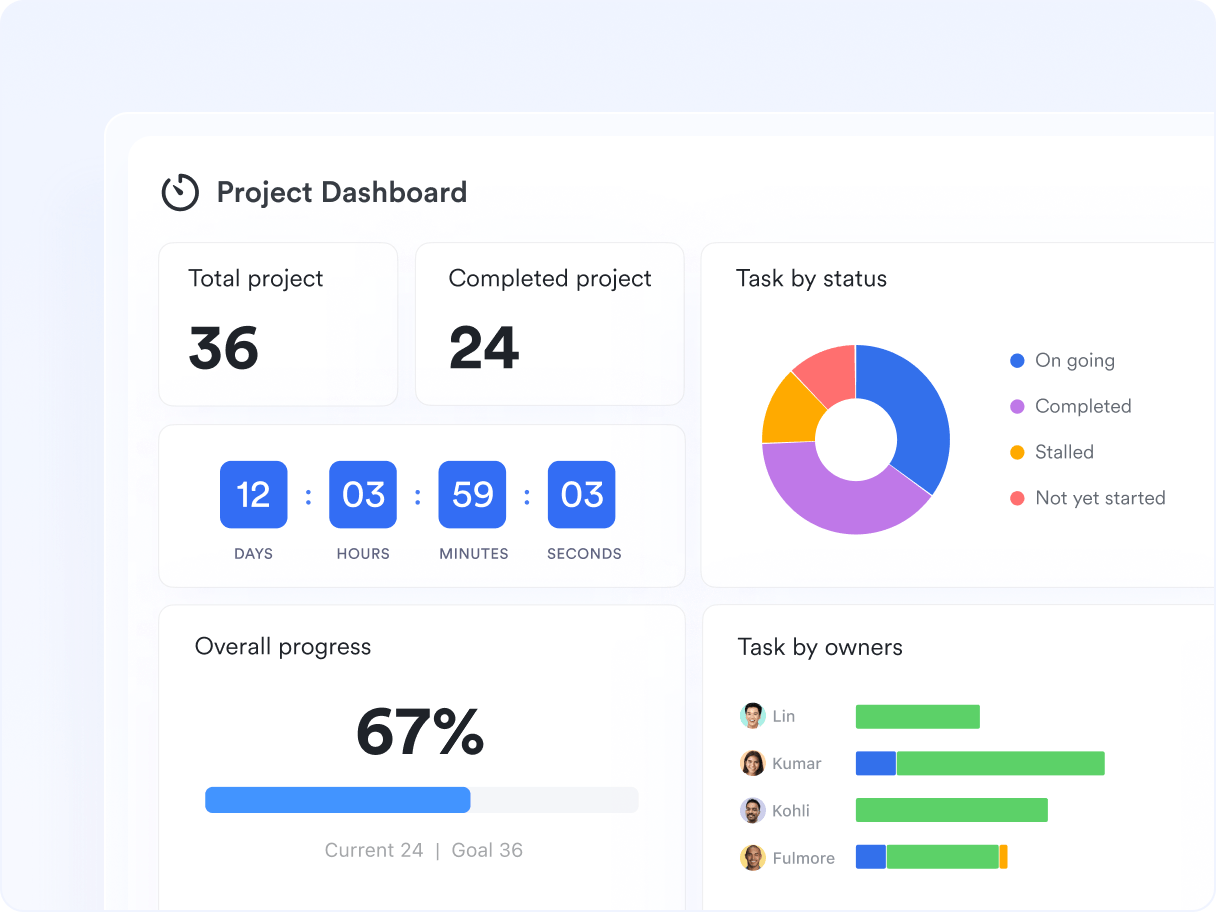
  1. Regular Performance Reviews: Establish a cadence for reviewing the financial performance of ongoing projects. Assess actual expenditures against the budgeted allocations, identifying any variances and their underlying causes.

  2. Course Correction: In case of budgetary deviations, initiate timely corrections by reallocating funds or implementing cost-saving measures. Periodic adjustments ensure that the projects remain on track in alignment with the budgeted parameters.

  3. Continuous Optimization: Continuously evaluate opportunities for optimizing budget utilization without compromising the quality of deliverables. Encourage feedback from the team members to identify potential areas for improvement.

  4. Communication and Transparency: Foster a culture of open communication regarding budget performance, ensuring that the team members are aware of the budget status and are empowered to contribute to its effective management.

Collaborating and Communicating Effectively

  1. Stakeholder Engagement: Regularly engage with the stakeholders to provide updates on budget performance, highlighting achievements, challenges, and opportunities. Solicit their feedback and support for ongoing budget management activities.

  2. Cross-functional Collaboration: Foster collaboration across different functional areas within the organization to align budget management with broader strategic initiatives. Leverage collective insights to refine the budgeting process and drive alignment with organizational goals.

  3. Transparency and Accountability: Uphold transparency in all budget-related communications, ensuring that the team members understand the budgetary constraints and their role in optimizing resource utilization. Establish accountability frameworks to reinforce responsible financial behaviors.

  4. Continuous Learning and Improvement: Encourage a culture of continuous learning and improvement, providing opportunities for team members to enhance their financial acumen and contribute to evolving budget management practices within the organization.

Common pitfalls and how to avoid them in design and user experience teams

Overlooking Unforeseen Expenses

Design and user experience projects often encounter unforeseen expenses, ranging from emergent user research needs to sudden shifts in project scope. Failing to account for these potential costs can lead to budget overruns and compromised project delivery. To mitigate this risk, teams should:

  • Embrace Agile Budgeting: Adopt an iterative budgeting approach that allows for adaptive planning and enables the incorporation of potential new requirements as they emerge during the project lifecycle.
  • Establish Contingency Reserves: Allocate specific portions of the budget as contingency reserves to address unforeseen expenses, thereby ensuring that the overall budget remains resilient in the face of uncertainties.

Underestimating the Importance of Flexibility

Rigid budgetary structures can stifle innovation and limit a team's ability to respond to evolving project dynamics. To maintain flexibility within the budget while adhering to financial discipline, teams can:

  • Implement Agile Budget Reviews: Regularly review the budget to identify opportunities for reallocation based on changing project priorities and evolving stakeholder requirements.
  • Facilitate Scalable Investments: Allocate funds in a manner that allows for scalability, enabling adjustments based on project feedback, user insights, and market dynamics.

Failing to Align Budget with Project Goals

A lack of alignment between the budget and the strategic goals of design and user experience initiatives can impede the team's ability to achieve intended outcomes. To ensure alignment and maximize the impact of budgetary allocations, teams should:

  • Link Budget to KPIs: Establish a direct correlation between budget allocations and key performance indicators, ensuring that financial resources are directed towards activities that contribute to the achievement of project objectives and desired outcomes.
  • Emphasize Value-driven Budgeting: Prioritize investment in areas that generate tangible value for the end-users and align with the overarching organizational goals, thereby fostering a results-oriented approach to budget management.

People also ask (faq)

An effective budget plan for design and user experience teams should include:

  • Thorough Needs Assessment: Comprehensive understanding of project requirements and resource constraints.
  • Realistic Budget Allocations: Clear distribution of funds aligned with project priorities and strategic impact areas.
  • Contingency Reserves: Proactive incorporation of contingency reserves to address unforeseen expenses.
  • Continuous Monitoring: Regular reviews and course corrections to ensure budget compliance and optimization.

Effective budget management contributes to project success by ensuring optimal resource utilization, proactive risk mitigation, and enhanced focus on value-driven deliverables. It enables teams to align their activities with strategic objectives, fostering a culture of accountability and fiscal responsibility.

Common challenges in budget management for design and user experience teams include navigating unforeseen expenses, maintaining flexibility within budgetary frameworks, and ensuring alignment with project goals and strategic objectives. Overcoming these challenges requires a combination of proactive planning, continuous monitoring, and a value-driven approach to resource allocation.

To ensure accountability in budget management, design and user experience teams should establish clear documentation of budgetary decisions, foster transparent communication regarding budget status, and encourage collective ownership of financial stewardship. Regular performance reviews and stakeholder engagement also contribute to a culture of accountability.

Effective budget management can positively influence the culture of a design and user experience team by promoting a sense of responsibility, encouraging a focus on value-driven activities, and fostering a culture of continuous learning and improvement. It can also contribute to cross-functional collaboration and broader organizational alignment, ultimately shaping a culture of financial prudence and strategic focus.

Budget management is a foundational pillar that underpins the success and sustainability of design and user experience initiatives. By implementing effective budget management practices, teams can optimize their financial resources, enhance their capacity for innovation, and ultimately deliver exceptional experiences that resonate with end-users while driving business growth. Through proactive planning, continuous monitoring, and fostering a culture of financial responsibility, design and user experience teams can navigate financial complexities and achieve lasting impact in their endeavors, contributing to the overall success of their organizations.

Leverage Lark for project management within your team.

Try for Free

Lark, bringing it all together

All your team need is Lark

Contact Sales