Understand what Kiasu means in Singlish context with this comprehensive glossary guide. Explore other essential Singlish terms and how Lark is loved by Southeast Asian customers and beyond.
Try Lark for Free
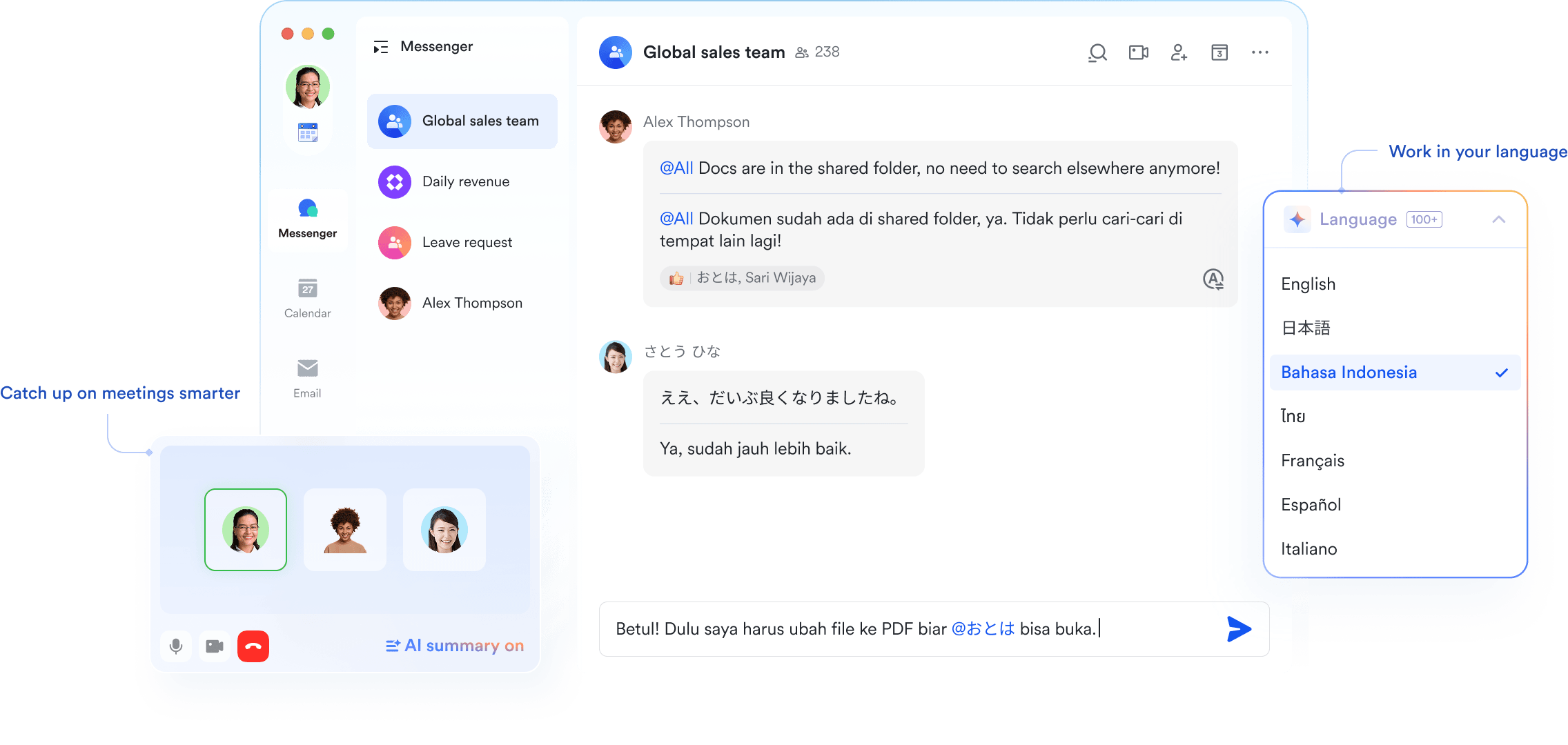
Use Lark to work with your global teams in different locations and langauges.
What does kiasu mean in singlish?
In Singlish, a colloquial language spoken in Singapore, "Kiasu" is a term that describes a person who is overly competitive, afraid of missing out, or excessively eager to win or be ahead of others. It is derived from a Hokkien phrase, "kia" meaning "afraid" and "su" meaning "lose."
Examples of saying kiasu
Singlish is a unique language that blends English, Malay, Hokkien, and other languages commonly spoken in Singapore. Here are some examples of situations where Singaporeans would use the term "Kiasu" in both business and personal settings:
How did the word kiasu come about?
The term "Kiasu" gained popularity in Singlish due to the cultural mindset in Singapore that emphasizes competition and the fear of missing out. Singaporeans are often driven by the desire to succeed and be ahead of others, which is reflected in the widespread use of the term. The term has become ingrained in the local culture and is used to describe various behaviors associated with being overly competitive or afraid of losing.
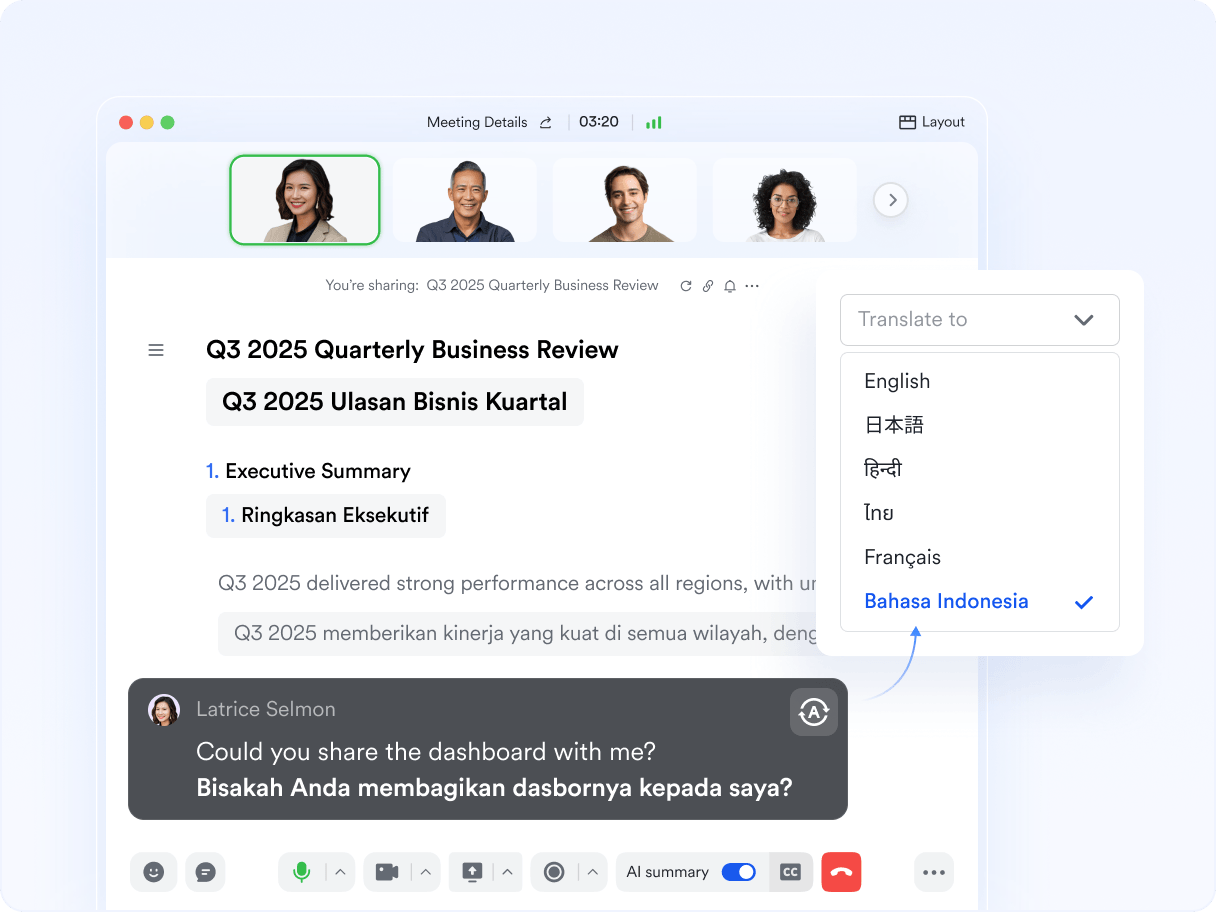
Learn how Lark is embracing diverse cultures and languages as a global next-gen productivity tool.
The alternative ways of saying kiasu in english
For those who are not familiar with Singlish, there are alternative ways to describe the concept of "Kiasu" in English. Some possible alternatives include:
Real-life examples of singaporeans saying kiasu
Example 1
During a company meeting, a Singaporean employee might say, "Don't be so Kiasu, let's share the workload equally and collaborate instead of trying to outdo each other."
Example 2
At a shopping mall, a Singaporean shopper might comment, "Everyone is so Kiasu during the sale, pushing and shoving just to get the best bargains."
Example 3
During a conversation with friends, a Singaporean might share, "My neighbor is always bragging about her child's achievements; she's so Kiasu, always trying to one-up everyone else."
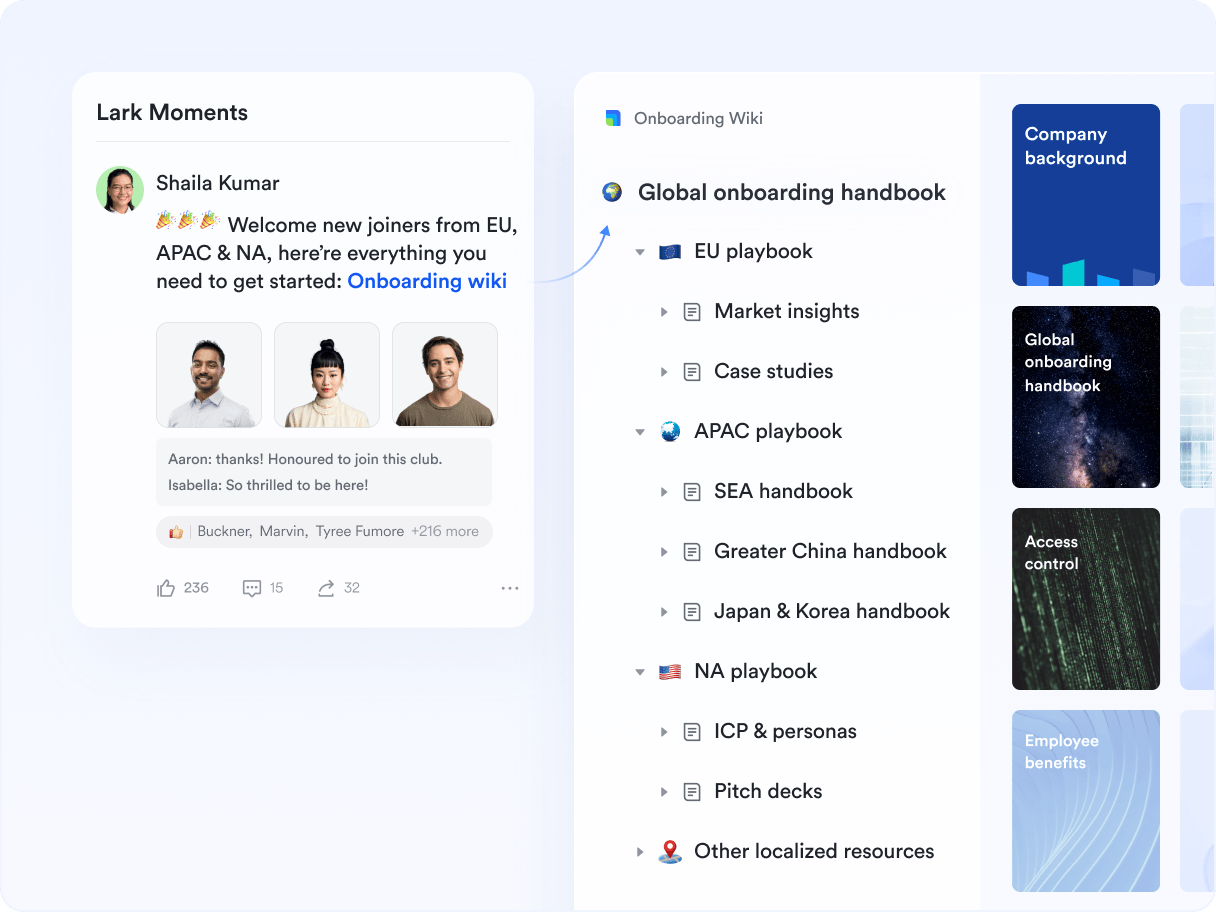
Learn how Lark is embracing diverse cultures and languages as a global next-gen productivity tool.
Related terms and concepts to kiasu in singlish context
"Kiasi" is another term commonly used in Singlish, which is similar to "Kiasu." It refers to being afraid of dying or being overly cautious. While "Kiasu" mainly focuses on the fear of losing out, "Kiasi" emphasizes the fear of negative outcomes or consequences.
"Kia" is a term that is often used in Singlish and refers to being afraid or timid. It is often combined with other words to describe different fears or anxieties. For example, "Kia suay" means being afraid of embarrassment, and "Kia pai" means being afraid of trouble.
"FOMO" is an acronym commonly used in both Singlish and English to describe the fear of missing out. It is similar to the concept of "Kiasu" and refers to the anxiety or unease one feels when they believe others are having more rewarding experiences or opportunities.
Conclusion
In Singlish, the term "Kiasu" describes a person who is overly competitive, afraid of missing out, or excessively eager to win or be ahead of others. It has become a widely used term in Singaporean culture and is often used to describe behaviors both in business and personal settings. Understanding the concept of "Kiasu" can help individuals navigate and interpret interactions within the Singlish-speaking community.
Learn how Lark is embracing diverse cultures and languages as a global next-gen productivity tool.
Faq
Singlish is a colloquial language spoken in Singapore, blending English, Malay, Hokkien, and other languages commonly used in the country. It is characterized by unique grammar, vocabulary, and pronunciation.
While "Kiasu" behavior can be seen as negative in some contexts, it is important to recognize that it is deeply ingrained in Singaporean culture. It is often driven by the competitive nature of society and the desire for success. However, excessive "Kiasu" behaviors can hinder collaboration and create a sense of unease among individuals.
In certain situations, being Kiasu can lead to positive outcomes, such as increased motivation and productivity. It can drive individuals to strive for excellence and push their limits. However, it is crucial to strike a balance and not let "Kiasu" behavior negatively impact relationships or create unnecessary stress.
While "Kiasu" behavior is deeply rooted in Singaporean culture, individuals can develop self-awareness and work towards managing their competitive tendencies. This can be achieved through reflection, mindfulness, and a focus on collaboration rather than individual success.
To avoid being seen as Kiasu, it is important to strike a balance between competitiveness and collaboration. Focus on building positive relationships, valuing teamwork, and celebrating the success of others. Be mindful of others' needs and avoid excessive self-promotion or comparison.
To embrace the positive aspects of Kiasu culture, channel your competitive drive towards personal growth and continuous improvement. Set goals, work hard, and strive for excellence while maintaining a supportive and collaborative mindset. Celebrate achievements, both your own and others', and use competition as a means to motivate yourself rather than solely focusing on winning at the expense of others.
Use Lark to work with your global teams in different locations and langauges.