Enhance your understanding of business model canvas and optimize your strategies for success with Lark's tailored solutions designed for the unique needs of the investment landscape.
Try Lark for Free
In today's ambitious and dynamic business landscape, the need for a well-crafted business model canvas cannot be overstated. This essential tool serves as a foundational blueprint for startups seeking to navigate the intricate world of venture capital. By meticulously outlining the key components of a business model, entrepreneurs can effectively illustrate their venture's value proposition, infrastructure, customers, and finances. In this article, we will delve into the pivotal role of business model canvas in the context of venture capital, elucidating its significance, practical implications, best practices, and actionable tips for leveraging its potential. Additionally, we will explore related terms and concepts to provide a comprehensive understanding of this vital tool.
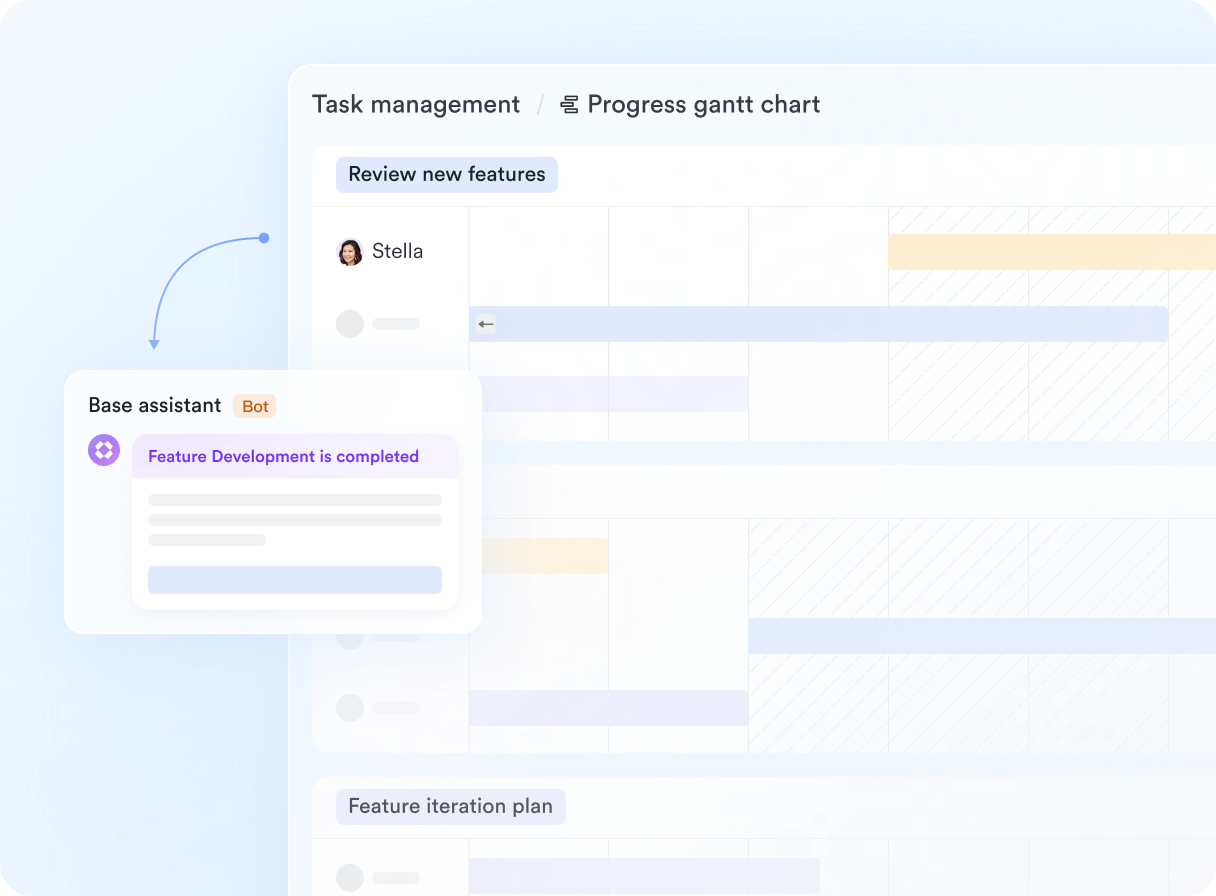
Use Lark Base to plan, execute, track, and deliver. From venture capital firms to your startup office.
Introduction to business model canvas
The business model canvas, popularized by Alexander Osterwalder, is a strategic management template that enables entrepreneurs to describe, design, challenge, invent, and pivot their business model. It comprises nine interdependent building blocks, including customer segments, value propositions, channels, customer relationships, revenue streams, key resources, key activities, key partnerships, and cost structure. This comprehensive framework provides startups with a holistic view of their business and aids in identifying potential areas for improvement and innovation.
Understanding business model canvas
The business model canvas encapsulates the essence of a startup's business model in a single page, offering a visual representation of how a company intends to create value, deliver it to customers, and capture some of that value. Each of the nine building blocks serves a distinct purpose, contributing to the overall understanding of the venture's operations and strategies. The clarity provided by this tool empowers entrepreneurs to align their activities and create a coherent narrative for their business.
The venture capital landscape thrives on disruptive innovation and scalable business models, making the business model canvas an invaluable asset for startups seeking to secure funding. Understanding the intrinsic relationship between a compelling business model and venture capital is crucial for entrepreneurs. By employing the business model canvas, startups can demonstrate a deep understanding of their market, value proposition, and revenue streams, thereby instilling confidence in potential investors.
Stakeholders and business model canvas
In the venture capital ecosystem, founders and entrepreneurs lie at the heart of the startup's inception and growth. For them, the business model canvas serves as a guiding light, aiding in the systematic identification of opportunities, potential pitfalls, and areas for refinement within their business model. By using this tool, founders can effectively communicate their vision to potential investors and stakeholders, laying a solid foundation for future growth and success.
Investors play a pivotal role in shaping the trajectory of startups by providing crucial funding and support. When presented with a well-crafted business model canvas, investors can gain a comprehensive understanding of the startup's value proposition, market positioning, and revenue generation model. This, in turn, enables them to make informed investment decisions, as the canvas provides a clear roadmap of the startup’s strategic vision and growth prospects.
Business model canvas also has a significant impact on a startup's customers. By mapping out the key components of their business model, startups can better identify their target customer segments and tailor their offerings to meet specific needs. This direct alignment with customer requirements can enhance engagement and loyalty, creating a sustainable value exchange that benefits both the startup and its clientele.
Learn more about Lark x Venture Capital
Business model canvas for startups
The practical implications of embracing the business model canvas are far-reaching. Startups can use this framework to identify potential revenue streams, assess the viability of their offerings, and design effective strategies for customer acquisition and retention. By doing so, they can craft a robust business model that is aligned with market realities and consumer demands, fostering long-term sustainability and growth.
When considering and implementing the business model canvas, startups should adhere to several best practices. Ensuring that the canvas is regularly updated to reflect evolving market conditions, conducting exhaustive competitive analysis, and seeking insights from industry experts are essential steps in maximizing the canvas's utility. Moreover, fostering a collaborative approach within the startup team for canvas creation and review can lead to comprehensive and insightful outcomes.
Actionable tips for leveraging business model canvas
Related:
Lark for StartupsLearn more about Lark x Venture Capital
Related terms and concepts to business model canvas
In addition to the business model canvas, several complementary frameworks and concepts can further augment a startup's strategic planning and execution. These include "lean startup methodology," "value proposition canvas," and "blue ocean strategy." Understanding and integrating these related terms and concepts can empower entrepreneurs to develop a well-rounded and effective approach to business planning and growth.
Conclusion
In conclusion, the business model canvas stands as a vital instrument in aiding startups to navigate the intricate landscape of venture capital. By meticulously outlining critical components of a business model, entrepreneurs can effectively articulate their venture's value proposition, infrastructure, customers, and finances. Embracing the canvas not only facilitates effective communication with venture capitalists but also fosters strategic coherence within the startup. Continuous learning and adaptation remain imperative in the dynamic and competitive world of venture capital, and the business model canvas serves as a critical ally in this journey for startups.
Learn more about Lark x Venture Capital
Use Lark Base to plan, execute, track, and deliver. From venture capital firms to your startup office.