Vintage Year

Enhance your understanding of vintage year and optimize your strategies for success with Lark's tailored solutions designed for the unique needs of the investment landscape.

Lark Editorial TeamLark Editorial Team | 2024/2/14
Try Lark for Free
an image for vintage year

Vintage year is a term frequently used in the venture capital industry, particularly in the context of understanding the performance and implications of funds. It refers to the year in which a venture capital fund was established or the year in which the fund's initial investors committed capital. In this section, we will delve into the significance of vintage year in the venture capital landscape and explore its relevance for startups seeking funding.

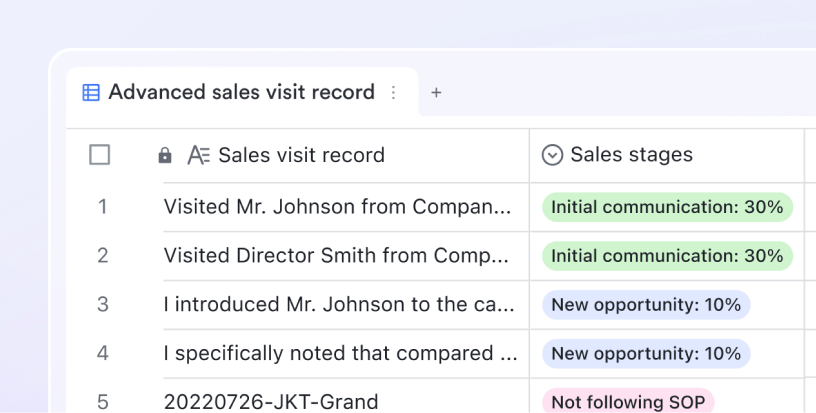
Use Lark Base to plan, execute, track, and deliver. From venture capital firms to your startup office.

Try for Free

Significance of vintage year in venture capital

In the venture capital landscape, the vintage year plays a critical role in evaluating the performance and potential of funds. This section will provide a detailed overview of the importance of vintage year in venture capital, highlighting the factors that make it essential for startups and investors alike.

Impact of vintage year on stakeholders

The vintage year exerts a profound impact on various stakeholders within the venture capital ecosystem. Understanding this impact is vital for startups and entrepreneurs aiming to navigate the complex dynamics of fundraising. This section will explore the implications of vintage year for different stakeholders, offering insights into how it shapes their decisions and strategies.

Navigating vintage year for startups

Practical Implications and Importance

Startups need to grasp the practical implications of vintage year and recognize its importance in influencing their funding prospects and investor interest. A comprehensive understanding of these implications can significantly impact the fundraising journey.

Understanding the Significance of Vintage Year

For startups, recognizing the vintage year of a fund is essential for evaluating its performance and market trends. This understanding enables them to align their fundraising strategies with the prevailing market conditions and investor preferences.

Evaluating the Performance and Market Climate of Vintage Years

Analyzing vintage years allows startups to assess the historical performance of funds and gain valuable insights into the market conditions during specific periods. This evaluation empowers startups to make well-informed decisions when engaging with potential investors.

Managing Expectations Based on Vintage Year

By acknowledging the impact of vintage years on the fundraising process, startups can manage their expectations and tailor their strategies accordingly. This adaptability is crucial for aligning fundraising efforts with the prevailing market sentiment.

Best Practices When Considering Vintage Year and Why It Matters

Embracing best practices related to vintage year is instrumental for startups aiming to optimize their interactions with venture capital firms and investors. This section will underscore the significance of these best practices and their relevance in the startup ecosystem.

Implementing Strategic Fundraising Approaches Aligned with Favorable Vintage Years

Startups can enhance their fundraising prospects by strategizing and aligning their engagement efforts with funds from favorable vintage years. This strategic alignment enables startups to leverage vintage year data to their advantage when seeking investments.

Adapting Business Strategies Based on Vintage Year Performance and Market Trends

Adaptability is key for startups navigating the venture capital landscape. By adjusting their business strategies based on vintage year data and market trends, startups can position themselves favorably to secure investments and drive sustainable growth.

Leveraging Vintage Year as a Valuable Benchmark for Performance Evaluation and Investor Communications

The vintage year serves as a benchmark for both startups and investors to evaluate fund performance. Startups can capitalize on this by effectively utilizing vintage year data to demonstrate their growth trajectory and attract potential investors.

Actionable tips for leveraging vintage year

Understanding vintage year data can be beneficial for startups looking to optimize their venture capital journey. This section will provide actionable tips for startups to effectively utilize vintage year insights and enhance their fundraising and growth prospects.

Related terms and concepts

The concept of vintage year is intertwined with various related terms and concepts within the venture capital domain. This section will broaden the understanding of vintage year by exploring its related terms and concepts, shedding light on the interconnectedness of these elements in the context of startup funding.

Conclusion

In conclusion, this article has underscored the significance of vintage year in the venture capital landscape for startups. By navigating the complexities of vintage year and embracing informed strategies, startups can enhance their fundraising endeavors and adapt to the dynamic nature of venture capital. It is imperative for startups to continually educate themselves and remain adaptable in their pursuit of venture capital funding.

Faq

The vintage year of a venture capital fund holds significant importance as it reflects the market conditions and performance during a specific period. Startups considering venture capital investments need to understand vintage years to align their fundraising efforts with favorable market conditions and investor sentiments.

Investors often consider vintage year data when evaluating potential investments. Vintage years provide insights into fund performance, market trends, and the prevailing investment climate, influencing investor decisions and strategies.

Absolutely. Vintage year data serves as a valuable guide for startups, helping them tailor their fundraising strategies and investor communications based on historical fund performance and market dynamics.

Startups can implement strategic fundraising approaches aligned with favorable vintage years, adapt their business strategies based on vintage year performance and market trends, and leverage vintage year as a valuable benchmark for performance evaluation and investor communications.

While vintage year dynamics can vary, startups can identify periods with favorable vintage years based on historical fund performance and market conditions. Adapting strategies to align with these periods can enhance the prospects of securing venture capital investments.

Use Lark Base to plan, execute, track, and deliver. From venture capital firms to your startup office.

Try for Free

Lark, bringing it all together

All your team need is Lark

Contact Sales