Learn about the top tips and strategies in online language exchange
Try Lark for Free
Online language exchange is the practice of learning languages through digital platforms that connect language learners from different parts of the world. Simply put, it's a way to practice a language you're learning with a native speaker who is learning your native language. This concept, which traces its roots back to the early days of the internet, has evolved significantly over the years, thanks to advancements in technology.
In the era of globalization, the ability to communicate in multiple languages is highly valued. Online language exchange plays a key role in providing learners with real-world language practice, breaking geographical barriers, and promoting cross-cultural understanding.
Statistics reveal a surge in the adoption of online language exchange, reflecting its growing popularity. For instance, a study found that 74% of language learners use digital platforms for practice. In addition, the number of users on language exchange platforms has seen an annual growth rate of 18.7%, demonstrating the increasing acceptance of this method.
Unlock the power of Lark to elevate your business operations. Discover actionable strategies and best practices in our comprehensive guide.
Unveiling the benefits of online language exchange
Online language exchange redefines the traditional language learning experience. It promotes interactive and student-centered learning, as it allows learners to engage in real-time conversations with native speakers. Furthermore, this approach cultivates cultural understanding as learners get a firsthand experience of the customs, traditions, and values of different cultures.
Research indicates that online language exchange can boost student engagement and learning outcomes. A study highlighted that students who participated in online language exchange showed a 50% increase in language proficiency, compared to those who relied solely on classroom instruction. Besides academic achievements, students also benefit from personal development, such as increased confidence and adaptability.
Learn more about Lark can help you with everything mentioned so far in the article.
Implementing online language exchange in the classroom
Integrating online language exchange into the curriculum requires careful planning and execution. Begin by identifying your learning goals, selecting a suitable platform, pairing students with language partners, and designing activities that promote interaction. Regular monitoring and feedback can ensure a seamless language exchange experience.
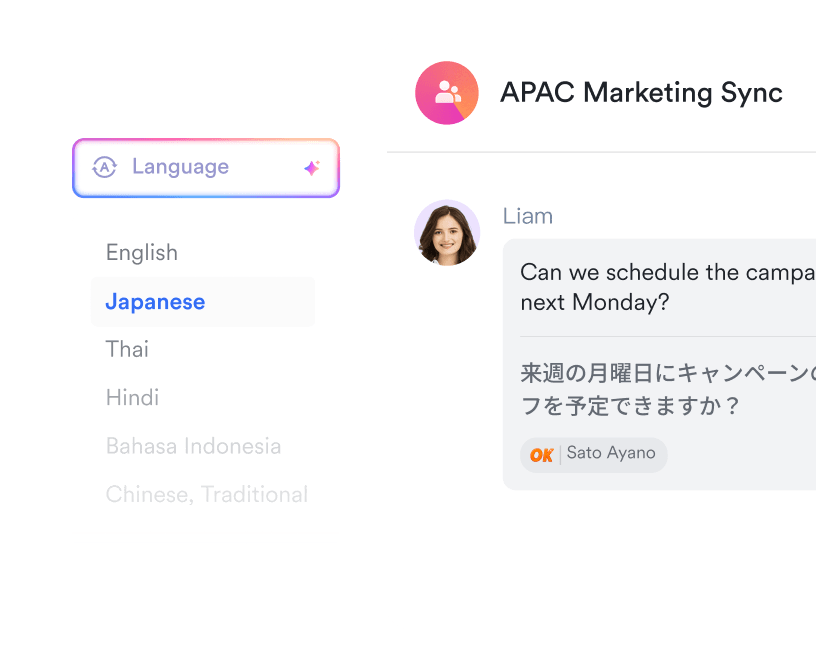
Among various tools available for online language exchange, Lark stands out for its user-friendly design and robust features. It offers real-time translation, voice and video calls, and a plethora of other features that enhance the language exchange experience. Apart from Lark, there are numerous other resources and platforms available to facilitate online language exchange.
Practical illustrations: online language exchange in action
A high school in California successfully integrated online language exchange into its curriculum. By pairing students with language partners in Spain, the school witnessed improved Spanish language proficiency among students, as well as a broadened worldview.
A multicultural classroom in Canada used online language exchange to promote cultural understanding. Students from diverse backgrounds were able to practice various languages and gain insights into different cultures, promoting a multicultural learning environment.
A university in Japan leveraged Lark for online language exchange. The platform's features facilitated seamless interaction between students and their language partners, resulting in improved language skills and a heightened interest in language learning among students.
Learn more about Lark can help you with everything mentioned so far in the article.
Overcoming challenges in online language exchange
Despite the numerous benefits, educators may encounter challenges in implementing online language exchange. These may include technical difficulties, time zone differences, and communication barriers. However, these challenges can be addressed with careful planning, clear communication, and the right tools.
Successful implementation of online language exchange requires strategic planning. This includes setting clear expectations, providing adequate support to students, selecting appropriate tools, and incorporating flexibility in the schedule. Here are some Do's and Don'ts to guide you:
| Do's | Don'ts |
|---|---|
| Do set clear expectations | Don't neglect cultural sensitivity |
| Do provide adequate support | Don't overlook potential challenges |
| Do select appropriate tools | Don't ignore student feedback |
The future of online language exchange in education
The future holds exciting possibilities for online language exchange. Trends to look out for include the integration of AI in language learning, gamified language exchange experiences, and increased personalization.
Lark is well-positioned to support these future trends. Its features like AI-powered translation and personalized learning experiences align well with the emerging trends and can significantly enhance the online language exchange experience.
Learn more about Lark can help you with everything mentioned so far in the article.
Conclusion
Online language exchange has redefined language learning in the 21st-century education landscape. Its potential to enhance language skills, promote cultural understanding, and boost student engagement makes it a promising addition to modern learning environments. As educators, it is crucial to embrace this tool and leverage its benefits for a comprehensive language learning experience.
Unlock the power of Lark to elevate your business operations. Discover actionable strategies and best practices in our comprehensive guide.