















The ultimate all-in-one platform for project management
Plan, track, and collaborate in one AI-powered workspace built for fast-moving teams that need visibility, not complexity.
App store

4.9
Users love us










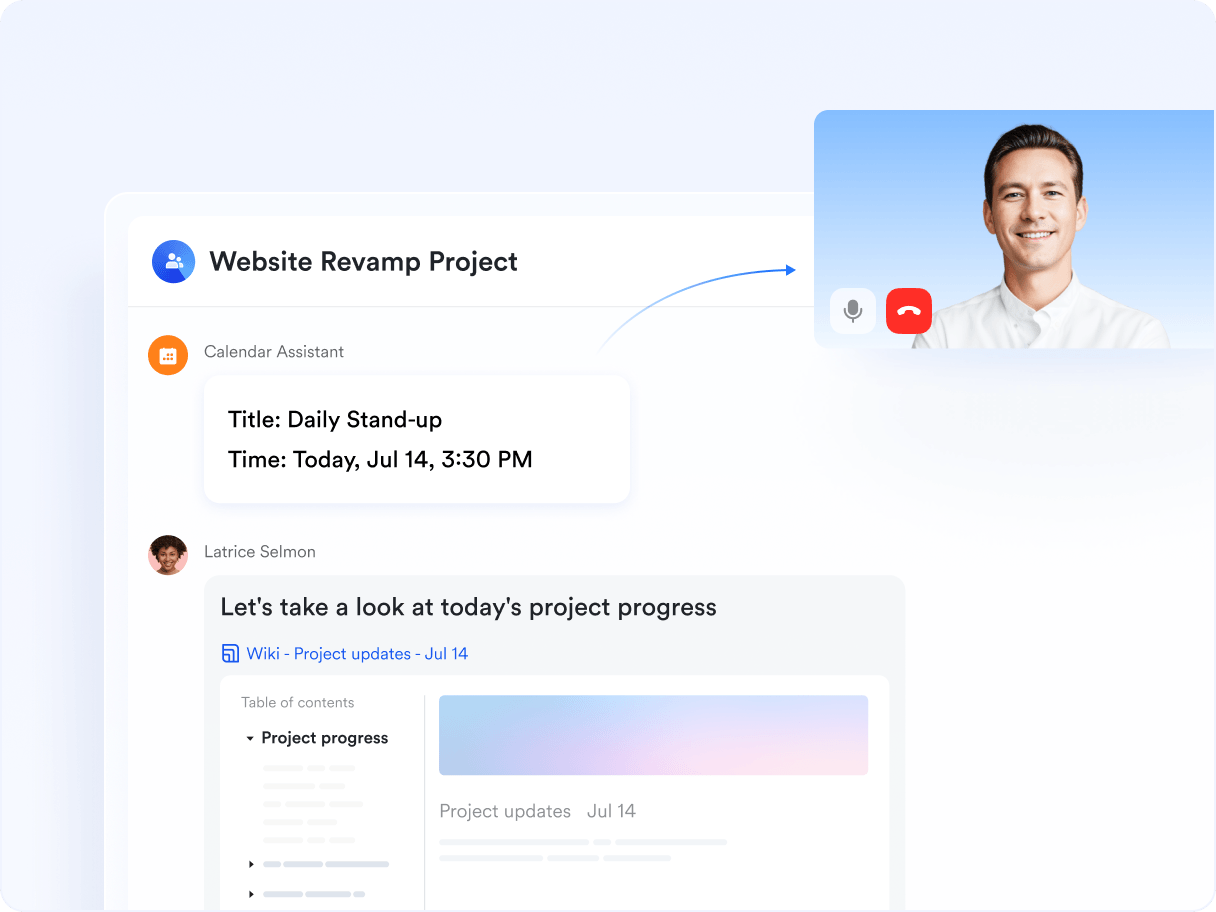
Keep updates, discussions, and decisions in a dedicated project group that is secure, efficient, and free from tool switching.
Auto-push daily standup reminders and launch video calls directly from chats to align quickly.
Centralize project plans, timelines, and key documents in a single project wiki that stays organized and easy to access.
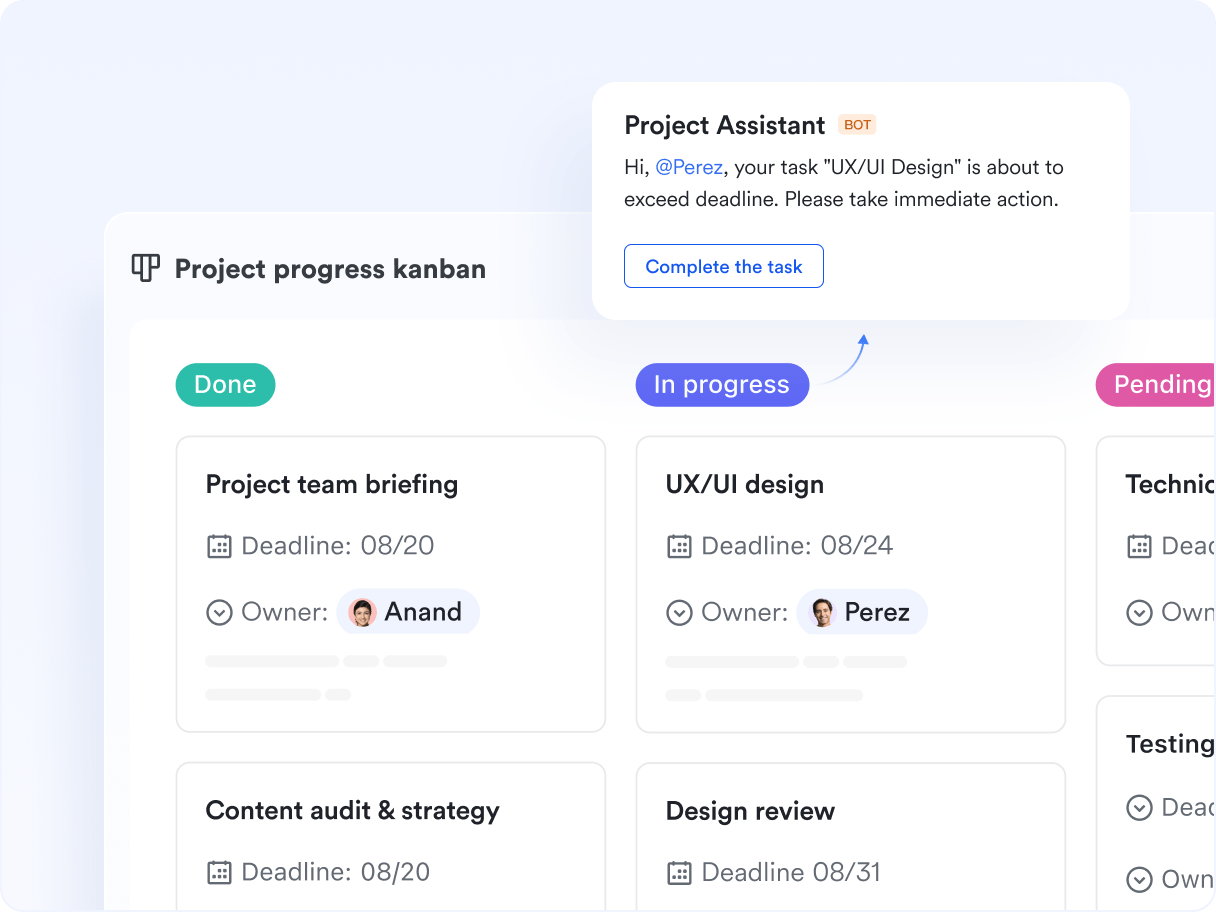
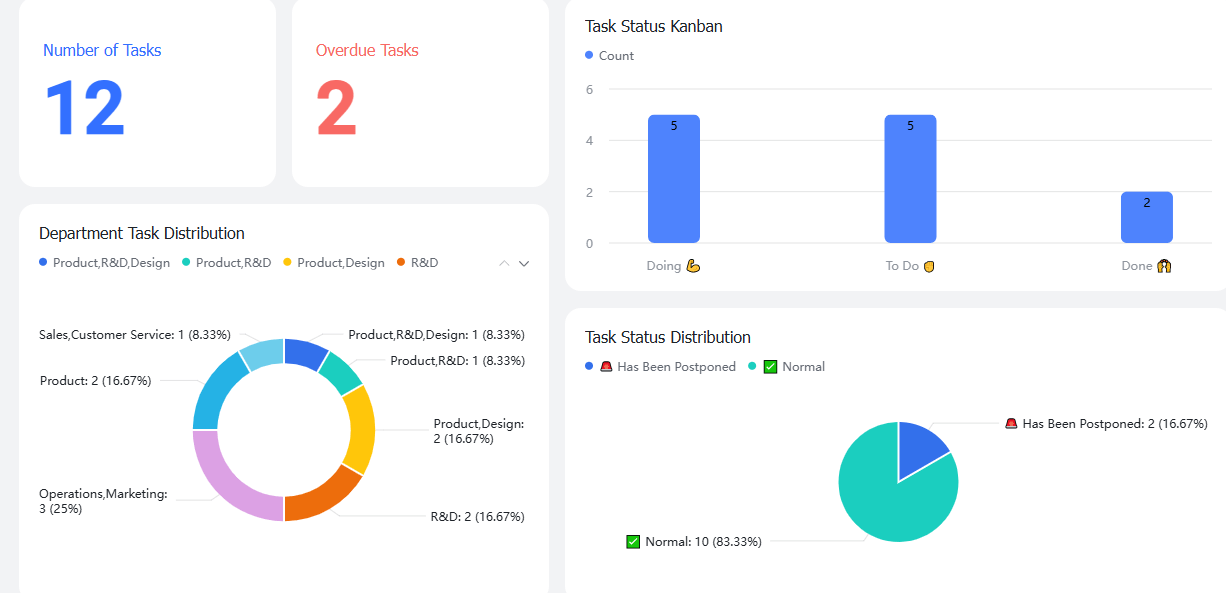
Track tasks by owner, priority, or phase, with real-time views like Kanban and Gantt.
Automatically remind task owners to update progress, so nothing stalls.
Get instant alerts for delays or blockers so you can act before timelines slip.
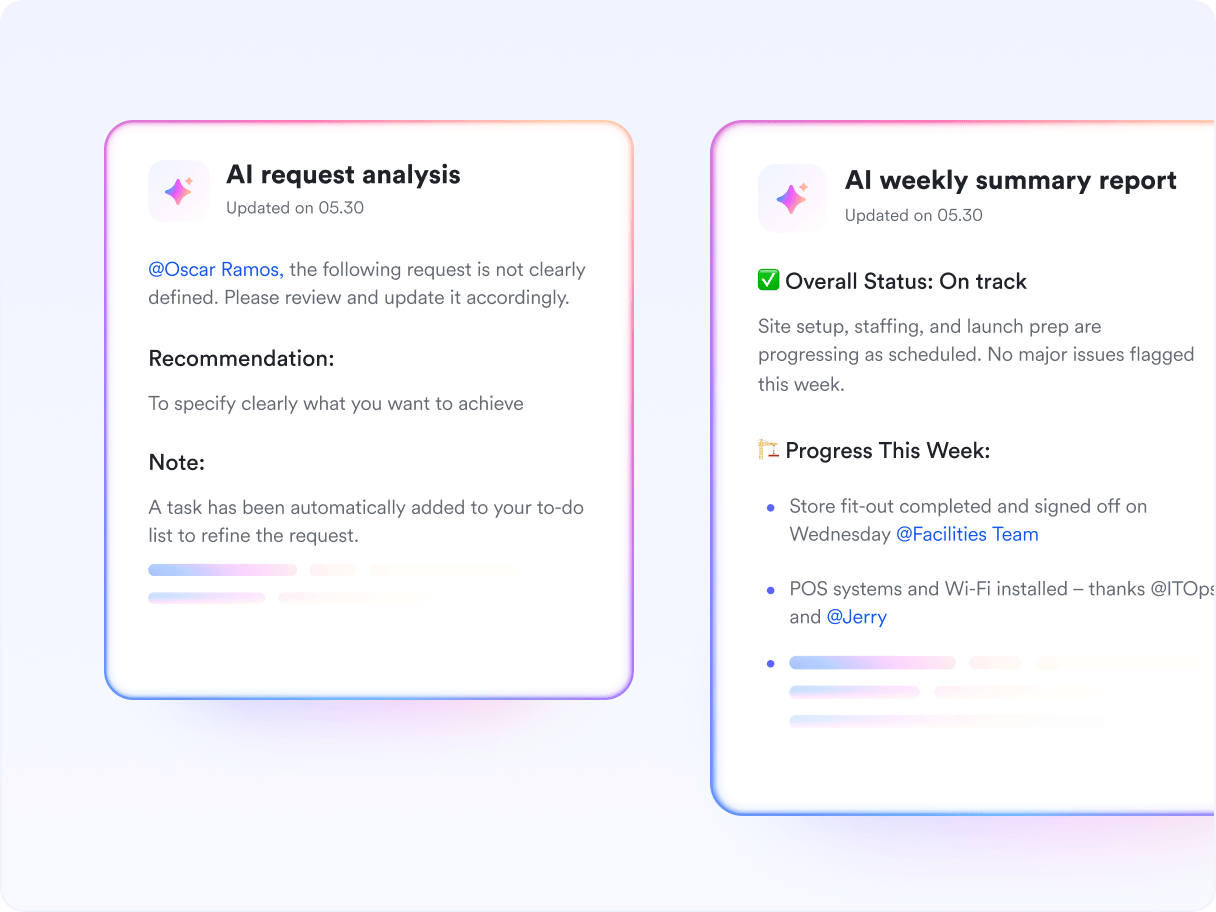
Flag vague tasks and incomplete briefs before work begins to reduce rework.
Generate weekly summaries and sprint recaps automatically, without manual reporting.
Use AI to review project feedback and highlight what to improve next time.
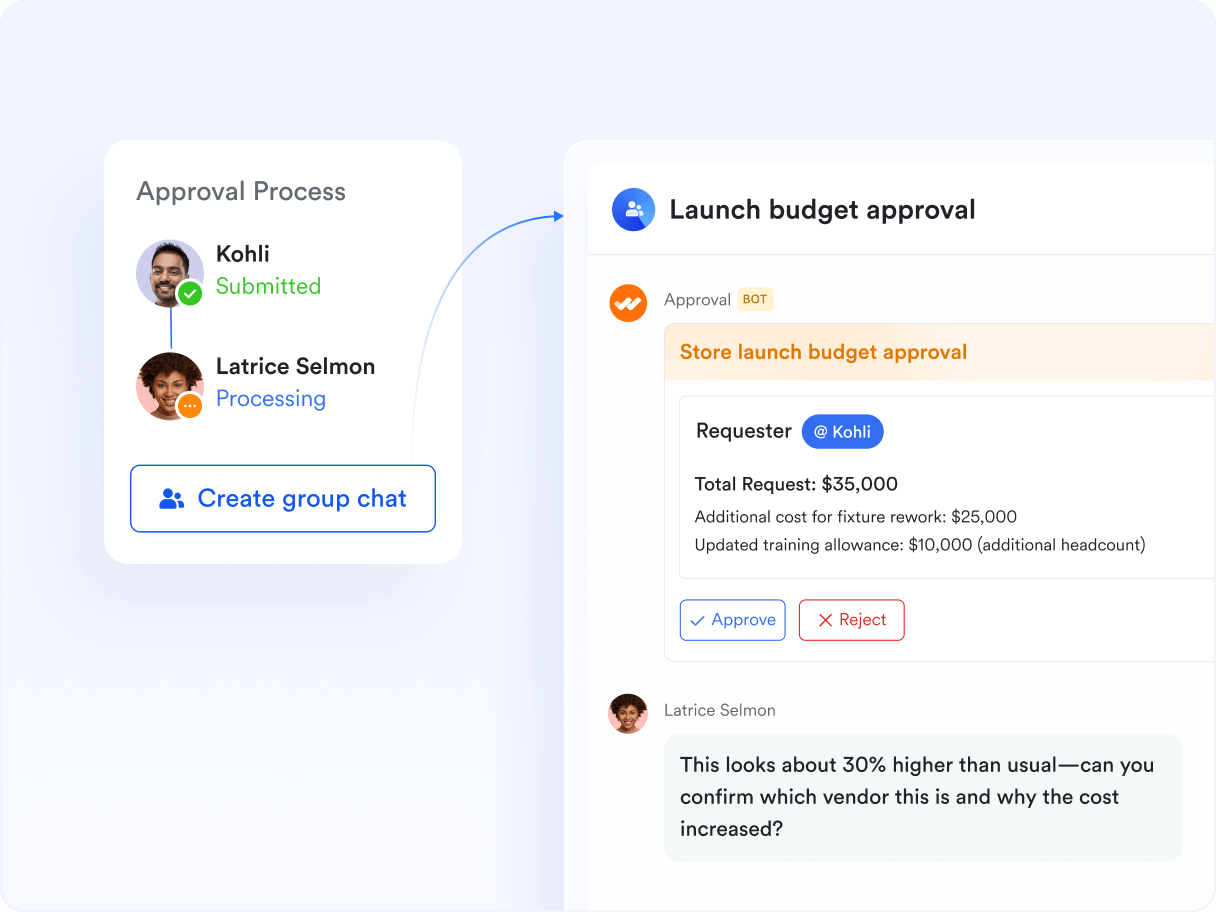
Define approval stages and assign the right reviewers to ensure control and visibility.
Route requests for scope changes, resource allocations, or sign-offs directly in chat.
Maintain a full audit trail of every decision to ensure compliance and accountability.
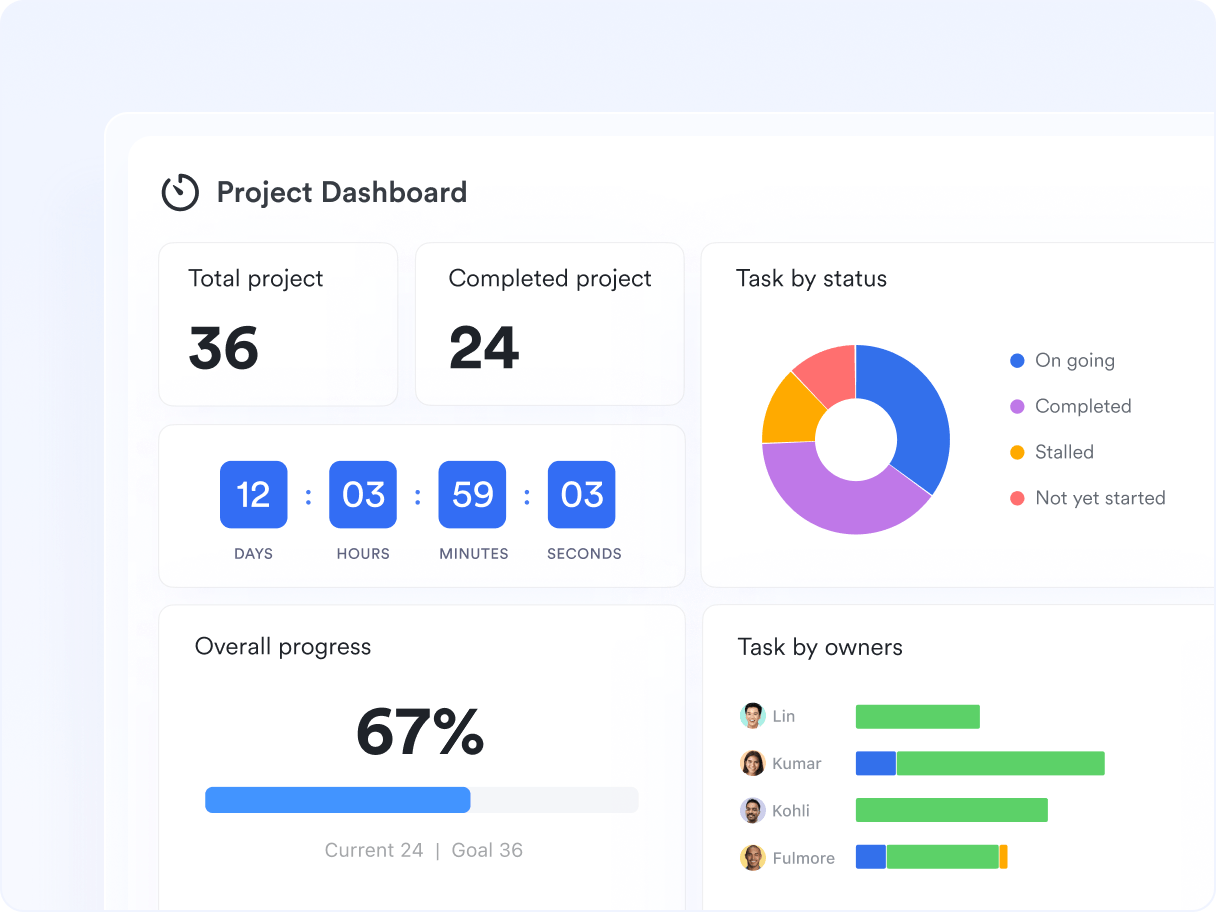
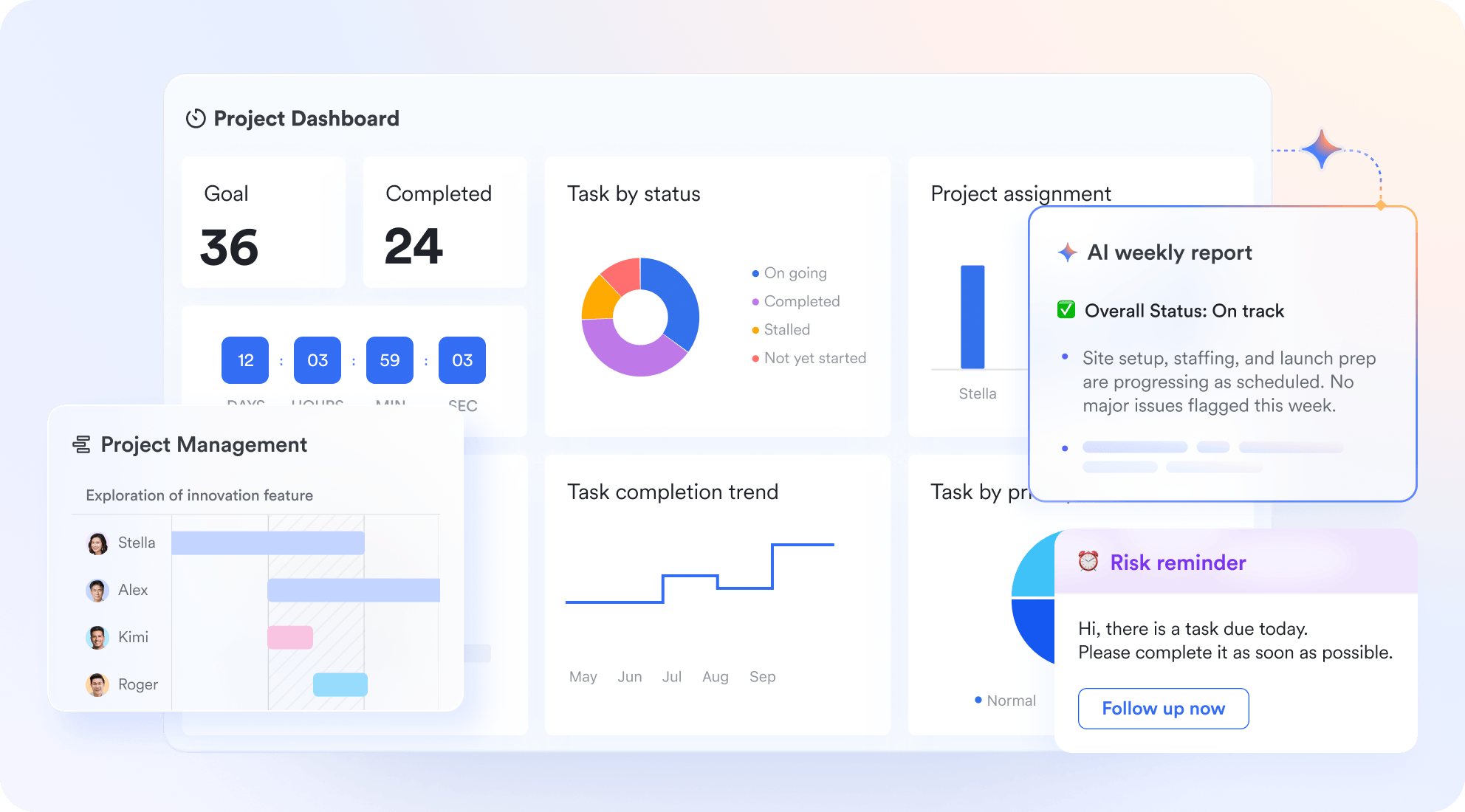
Get real-time visibility into project health, timelines, and team activity without chasing updates or compiling reports.
Monitor key project metrics as they unfold, so managers can spot risks early, make informed decisions, and stay on track.
Get started with project management templates
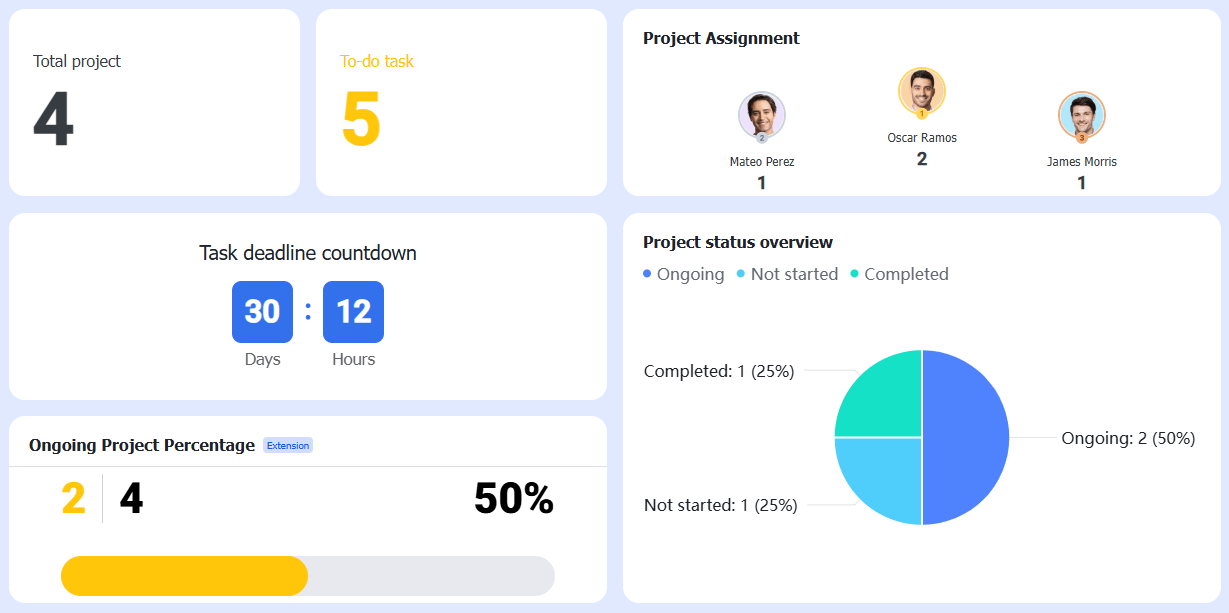
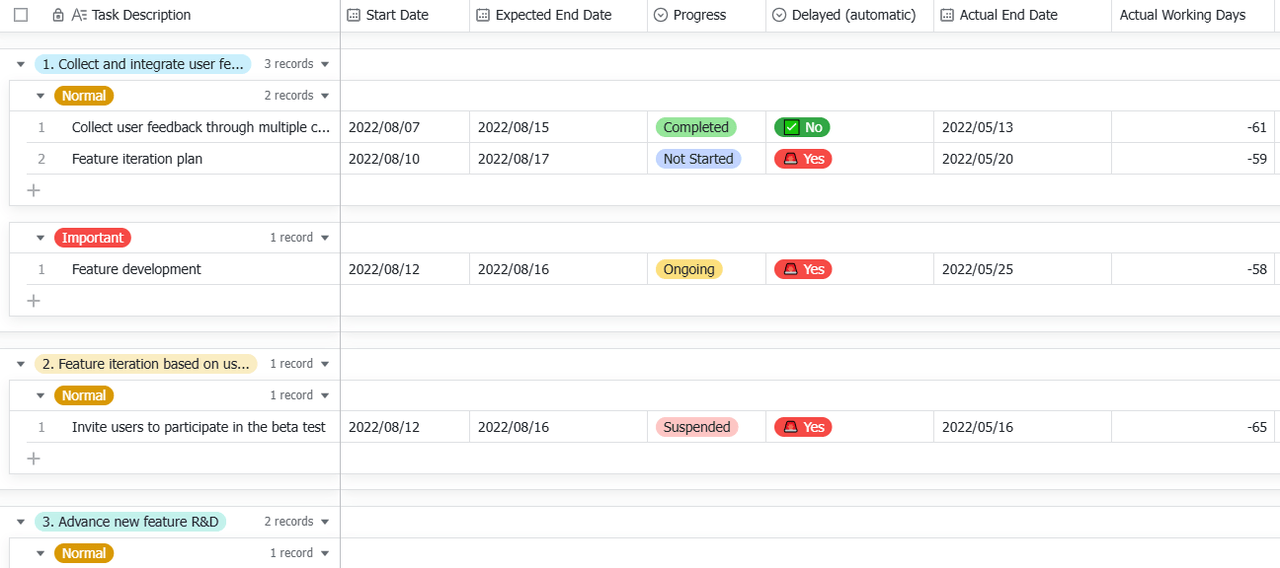
Lark replaces scattered tools with one unified superapp.


Fewer tools, fewer costs
Cut software bloat while keeping teams fast, clear, and connected.
Unlock your savings10
x
operational efficiency
39
%
more productive
70
%
cost savings




Contact our sales team
Run projects in one connected workspace
No heavy tools. No complicated setup. Just a smarter way to plan, track, and deliver projects.
Got questions? Start here.
How does Lark compare to other project management tools?
Can Lark support agile and scrum workflows?
Is Lark a cloud-based project management platform?
What kinds of teams is Lark best suited for?
How flexible is Lark as a project management tool?



2026 Lark Technologies Pte. Ltd.
Headquartered in Singapore with offices worldwide.





