Enhance your understanding of equity stake and optimize your strategies for success with Lark's tailored solutions designed for the unique needs of the investment landscape.
Try Lark for Free
Venture capital is a crucial source of funding for startups looking to grow and expand their operations. In this article, we will delve into the concept of equity stake, its significance in the venture capital landscape, and how it impacts startups. Understanding equity stake is pivotal for entrepreneurs seeking venture capital funding as it determines ownership, control, and potential for future growth.
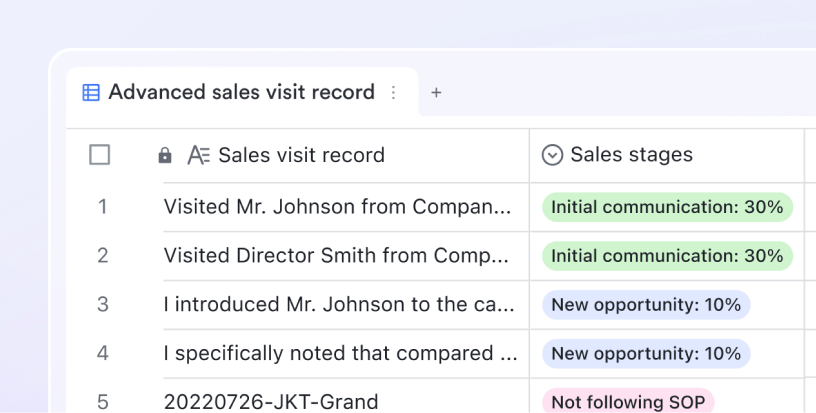
Use Lark Base to plan, execute, track, and deliver. From venture capital firms to your startup office.
Define equity stake and its relevance in the venture capital landscape
Equity Stake Definition: An equity stake refers to the percentage of ownership a party holds in a company. In the context of venture capital, it represents the share of ownership an investor receives in exchange for providing funding to a startup.
Relevance in the Venture Capital Landscape: The concept of equity stake is paramount in the world of venture capital as it forms the basis of the relationship between the investor and the startup. It not only dictates the ownership structure but also influences decision-making, profit-sharing, and the future trajectory of the business.
Significance of equity stake in venture capital
Understanding the significance of equity stake in venture capital is crucial for both startups and investors.
Impact on Startups: Equity stake directly affects the control and decision-making authority of the startup's founders. The percentage of equity held by the investor can influence strategic choices, board composition, and operational autonomy. Furthermore, it plays a pivotal role in defining the potential financial gains for the founders, aligning their interests with those of the investors.
Impact on Investors: For investors, the equity stake signifies not only the potential return on investment but also the level of influence they can exert over the startup. A higher equity stake provides greater control over key decisions, making it a vital component in assessing the attractiveness of an investment opportunity.
Who benefits from equity stake in the venture capital context?
The distribution and impact of equity stakes extend beyond the founders and investors to various stakeholders in the venture capital ecosystem.
Founders and Key Employees: Equity stake is crucial for founders and key employees, as it serves as a long-term incentive and aligns their interests with the growth and success of the company. It encourages dedication, innovation, and commitment to building sustainable value.
Investors and Venture Capital Firms: Equity stake represents the potential financial gains for investors, thus incentivizing them to support the growth and development of the startup. Additionally, it provides a mechanism for investors to actively participate in shaping the strategic direction of the company.
Ecosystem and Economic Development: The allocation of equity stake contributes to the broader entrepreneurial ecosystem by fostering innovation, job creation, and economic growth. Furthermore, it encourages the flow of capital to promising ventures, driving technological advancements and industry disruption.
Learn more about Lark x Venture Capital
How equity stake works for startups
Understanding the practical implications of equity stake is vital for startups navigating the venture capital landscape.
The equity stake held by investors has several practical implications for startups:
Financial Dilution: When new investments are made, the equity stake of existing stakeholders is diluted, triggering a reevaluation of ownership and control.
Alignment of Interests: Equity stake ensures that the goals of the investors, founders, and key employees are closely linked, fostering a cooperative and aligned approach towards the company's success.
Exit Strategy Considerations: Equity stakes influence the decision-making surrounding potential exit strategies, such as acquisition or initial public offering (IPO), offering insight into the expected returns for all stakeholders.
Startup founders and entrepreneurs should consider the following best practices regarding equity stake:
Transparency and Communication: Maintaining transparent communication regarding equity stake allocations and its implications fosters trust, alignment, and long-term commitment among stakeholders.
Future Dilution Planning: Proactive planning for future funding rounds and subsequent dilution of equity stake is essential for managing the expectations of all parties involved and ensuring continued support and motivation.
Alignment of Incentives: Designing equity stake structures that align with the long-term objectives of the business and the collective success of all stakeholders promotes a cohesive and motivated team dynamic.
Actionable tips for leveraging equity stake
Ensuring a strategic approach to leveraging equity stake is fundamental for startups seeking venture capital funding.
Prioritize Long-Term Alignment: When structuring equity stake agreements, emphasize long-term alignment between founders, employees, and investors to ensure mutual success.
Engage in Ongoing Dialogue: Continuous communication and engagement regarding equity stake dynamics and potential scenarios can mitigate misunderstandings and promote a harmonious relationship between all parties.
Seek Expert Counsel: Engage legal and financial professionals experienced in venture capital and equity stake negotiations to secure favorable terms and avoid potential pitfalls.
Learn more about Lark x Venture Capital
Related terms and concepts to equity stake
In the context of venture capital and startup financing, several related terms and concepts are integral to understanding equity stake:
Pre-money Valuation: The valuation of a startup prior to receiving external funding, which directly impacts the equity stake offered to investors.
Post-money Valuation: The valuation of a startup after receiving external funding, determining the overall value of the company and the equity stake distribution.
Convertible Preferred Stock: A type of preferred stock that transitions into common stock, influencing the equity stake and rights of investors in various scenarios.
Conclusion
Understanding equity stake is essential for startups navigating the dynamic venture capital landscape. The significance of equity stake goes beyond mere ownership percentages, shaping the relationships, incentives, and strategic decisions that drive the success of startups and their investors. Continuous learning, adaptation, and thoughtful consideration of equity stake dynamics are vital for thriving in the ever-evolving world of venture capital.
Related:
Unlock the Power of Webinars: A Comprehensive Guide to Boost Your Business | Lark Blog | Lark BlogLearn more about Lark x Venture Capital
Use Lark Base to plan, execute, track, and deliver. From venture capital firms to your startup office.