














Meet the future of Web3 collaboration
Secure collaboration, built for fast-moving blockchain teams.
4.9

Boost productivity with a unified platform
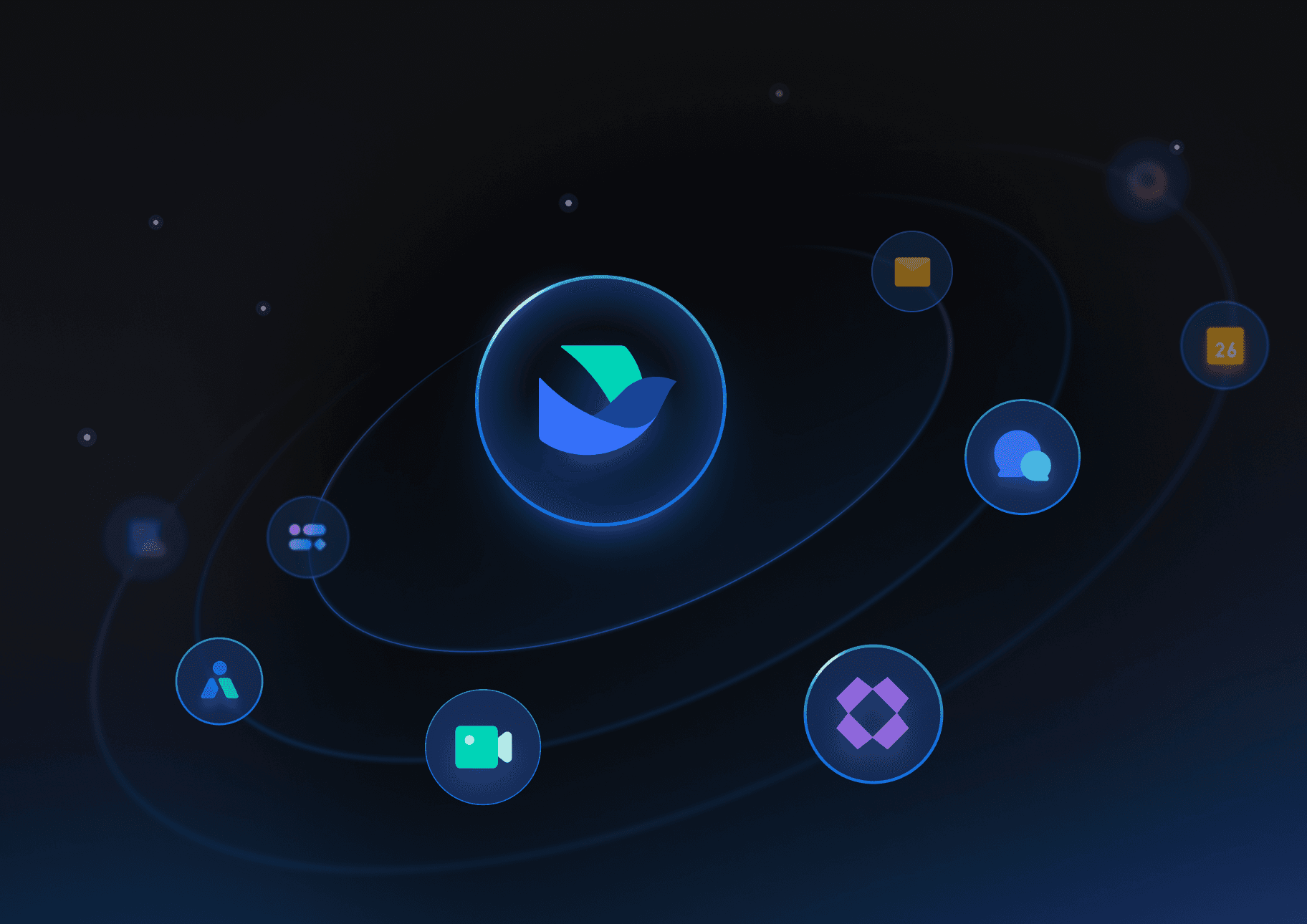
Connect your core workflows on one platform
Eliminate silos by integrating key operations into a single, unified workspace.
Co-edit documents in real time, ideal for iterating on product specs, whitepapers, and more.
Automate approvals to streamline internal workflows to shorten customer waiting times.
Contact sales
Fuel business growth with AI-powered features
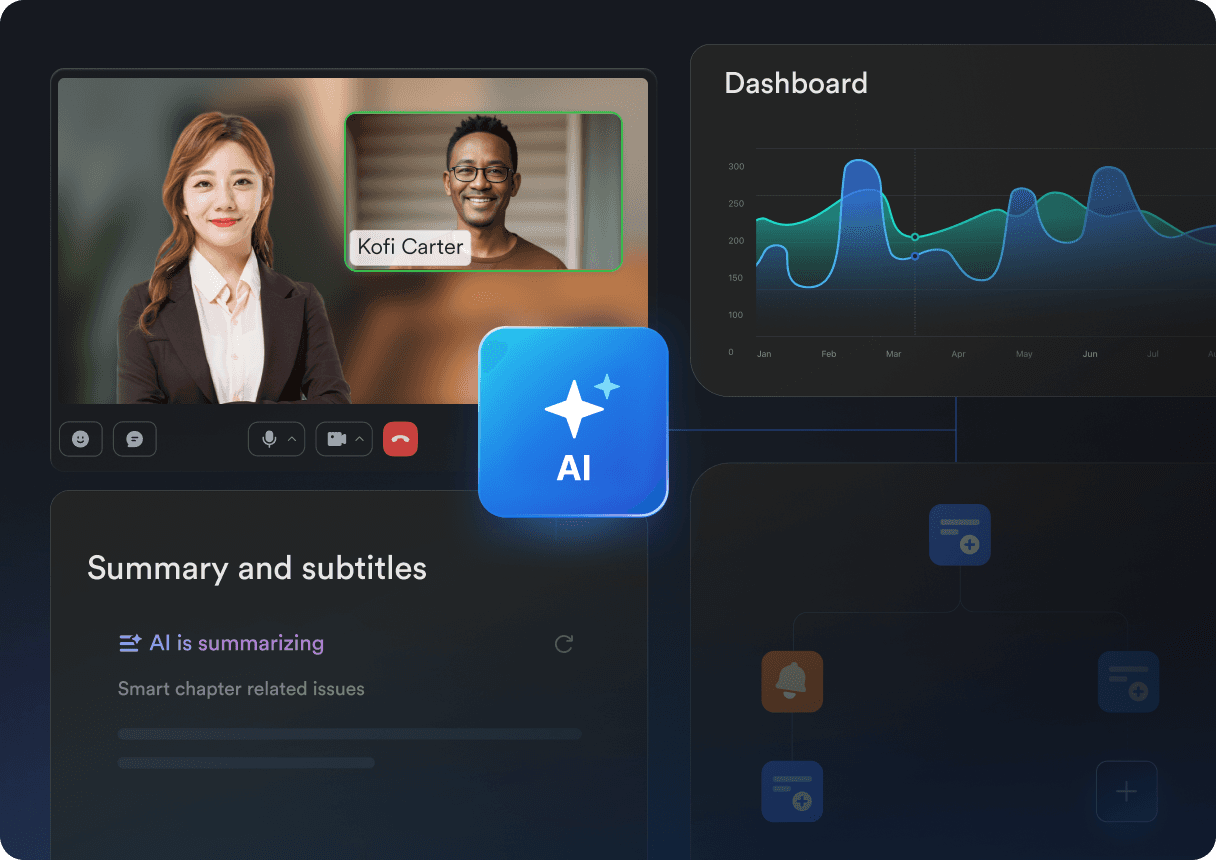
Auto-generate multilingual meeting summaries with key insights and action items.
Build real-time trading dashboards to detect anomalies and uncover new opportunities.
Automate routine tasks to free up teams for high-impact work such as token launches.
Get free demo
Fortify your security and compliance
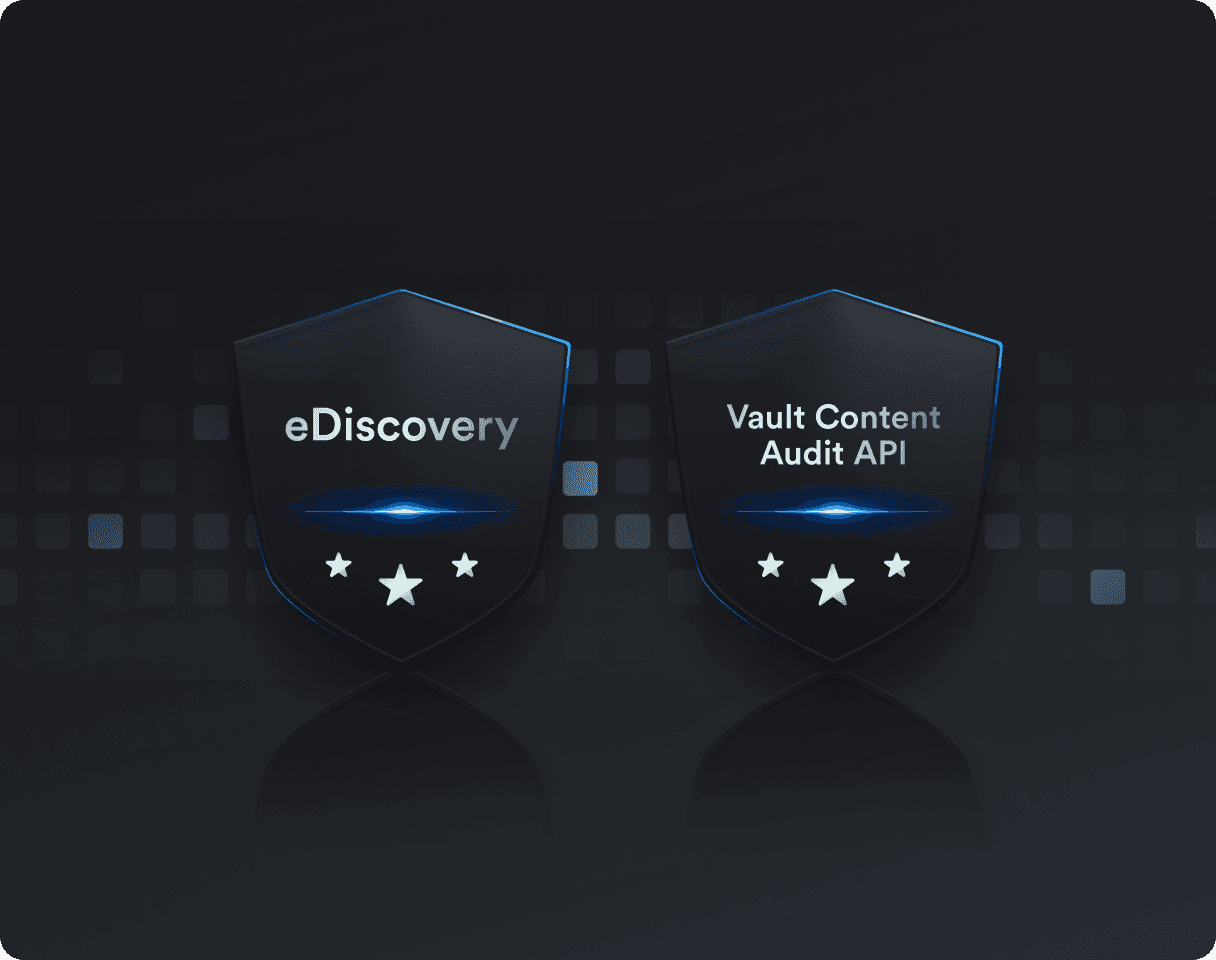
Enhance compliance and make risks more visible
Stay audit-ready with eDiscovery support and Vault Content Audit API for data tracking.
Configure audit tools to boost security team efficiency and speed up processes.
Supports private data deployment to comply with audit and regulatory requirements of different regions.
Contact sales
Reduce data risks and double audit efficiency
Avoid leaks with document permissions, mobile encryption, and sensitive word filters.
Protect and trace sensitive information with secure labels and watermark management.
Block risky device logins with access controls to ensure more compliant data access.
Get free demo
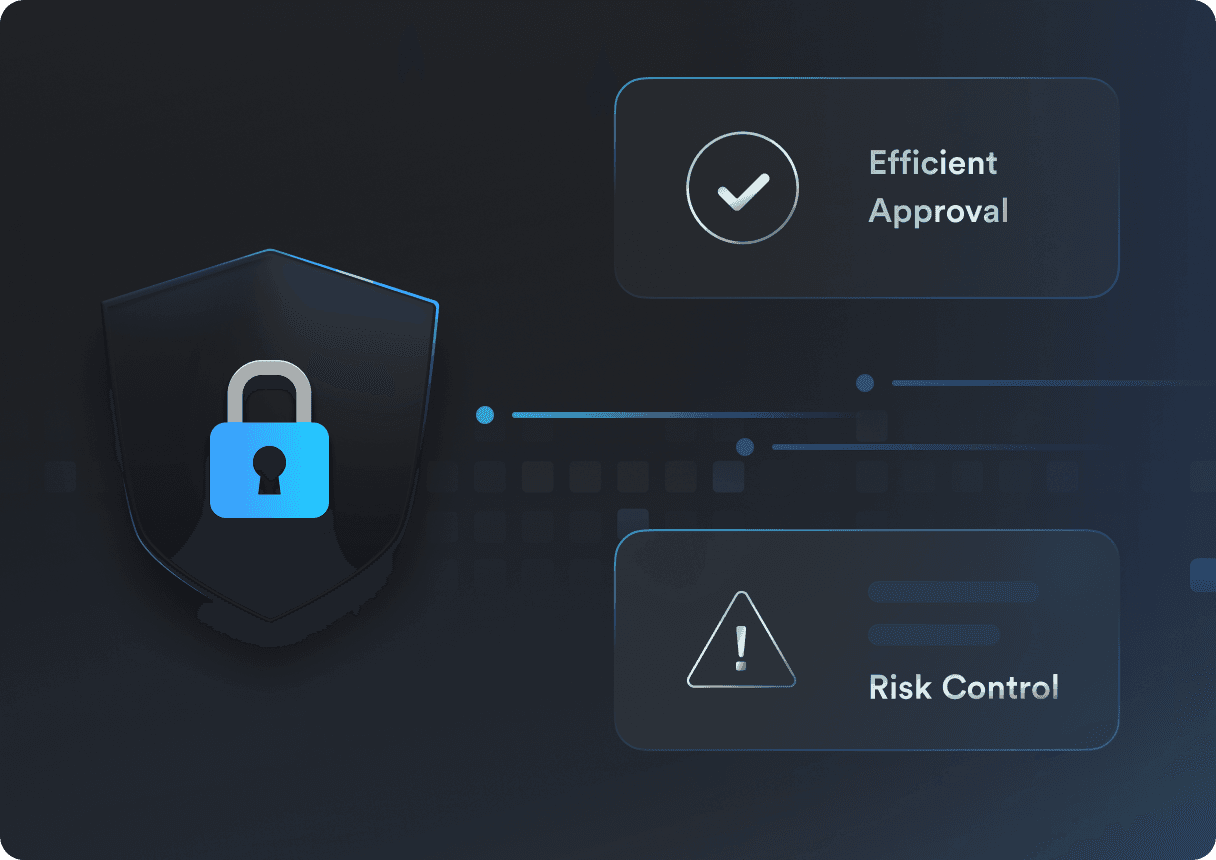
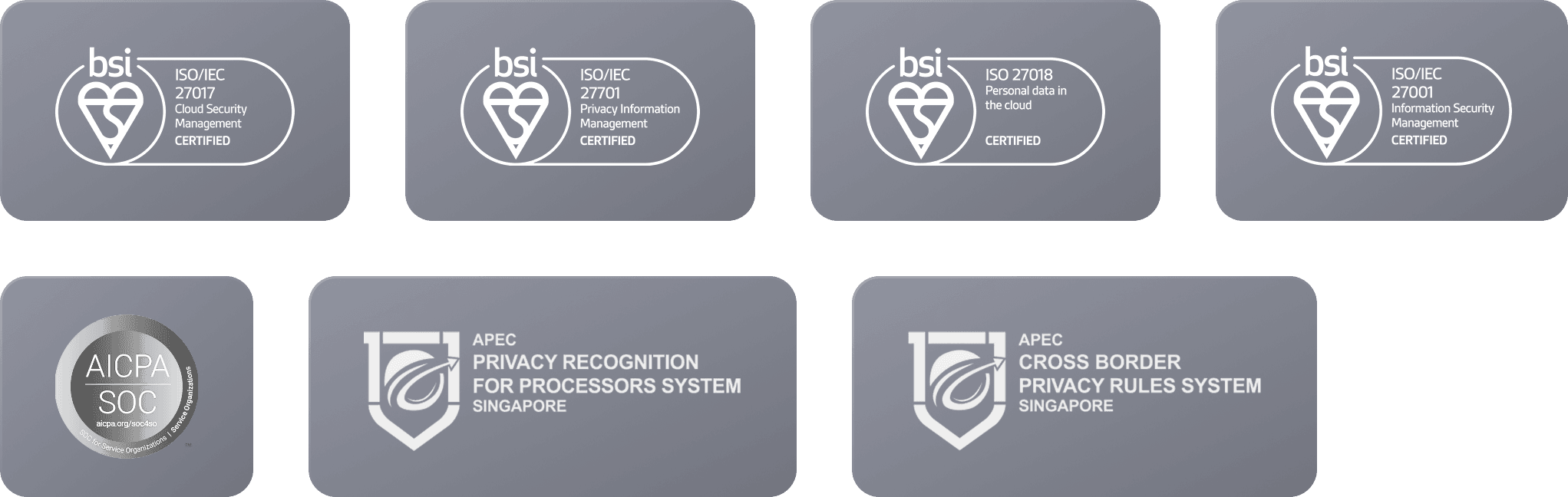
Robust data security and compliance
Protecting customer data security is a top priority and the foundation of our relationship with our customers.
What our Web3 customers are saying
“
"With Lark, we've solved team inefficiency with their powerful collaboration tools. While our competitors are still searching through Discord for important messages, Lark's AI has helped us predict the next market trend — and it might even be better than traditional trading systems. "

CTO
Eason
(anonymous due to compliance requirements)
“
"Since we've started using Lark, our collaboration efficiency has increased by 300%, and our security system has had zero incidents. Now, every second our employees spend is helping create a reliable Web3 future."

Head of Security
Steven
(anonymous due to compliance requirements)
“
"From real-time operations across time zones to smart risk control, Lark enables us to handle a 200% surge in trading volume while reducing security incident response times to just minutes."

CMO
Yuki
(anonymous due to compliance requirements)
95% of users increased their productivity after switching to Lark

Unlock advanced features
Starter
For small teams with simple communication needs
$0
/ user / month
Team collaboration


Business & workflow automation


Basic
For growing companies with basic collaboration needs
$6
/ user / month
Team collaboration
Business & workflow automation
Pro
For companies with comprehensive collaboration and management needs
$12
/ user / month
Team collaboration
Business & workflow automation
Security & organizational controls

Enterprise
For large companies with advanced security and organizational management needs
Get a personalized demo and pricing
Team collaboration
Business & workflow automation
Security & organizational controls
Pro
For companies with comprehensive collaboration and management needs
$12
Team collaboration
Business & workflow automation

Security & organizational controls

Contact us
The next-gen
productivity
platform for Web3
Want to hear about our enterprise solutions?
Unlock seamless collaboration, AI-powered workflows, and industry-leading security with Lark's enterprise collaboration software.



2026 Lark Technologies Pte. Ltd.
Headquartered in Singapore with offices worldwide.





