Data Visualization

Deepen your understanding of data visualization and optimize your strategies for success with Lark's tailored solutions designed to meet the unique demands of the marketing industry.

Lark Editorial TeamLark Editorial Team | 2024/3/8
Try Lark for Free
an image for data visualization

The use of data visualization in marketing has become increasingly crucial in unraveling complex patterns and deriving actionable insights from the vast amount of data available to businesses. In this article, we will delve into the significance of visualizing data in marketing, exploring its relevance, and uncovering its impact on businesses. Learn how various stakeholders in the marketing ecosystem can harness the power of data visualization for strategic decision-making while adopting best practices and actionable tips for leveraging this powerful tool effectively.

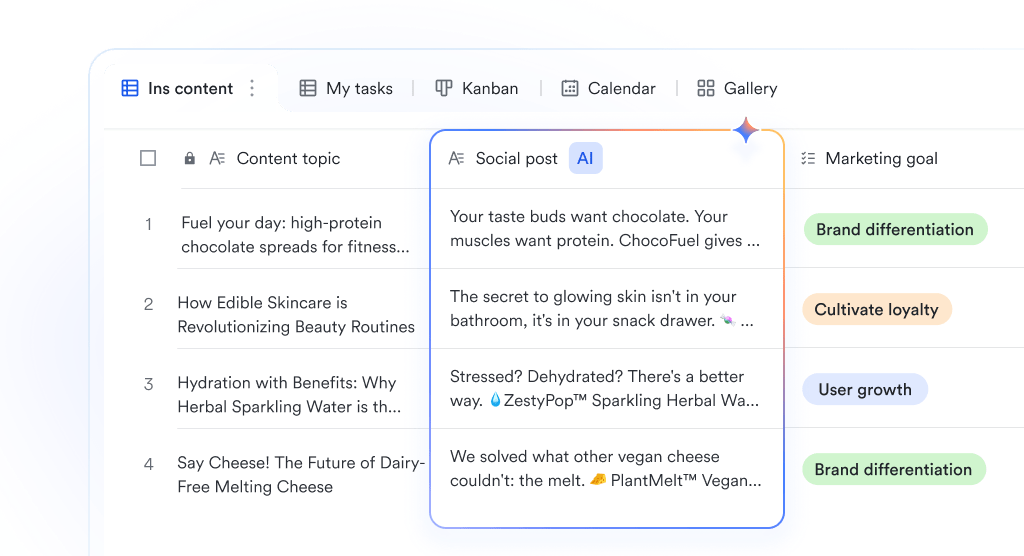
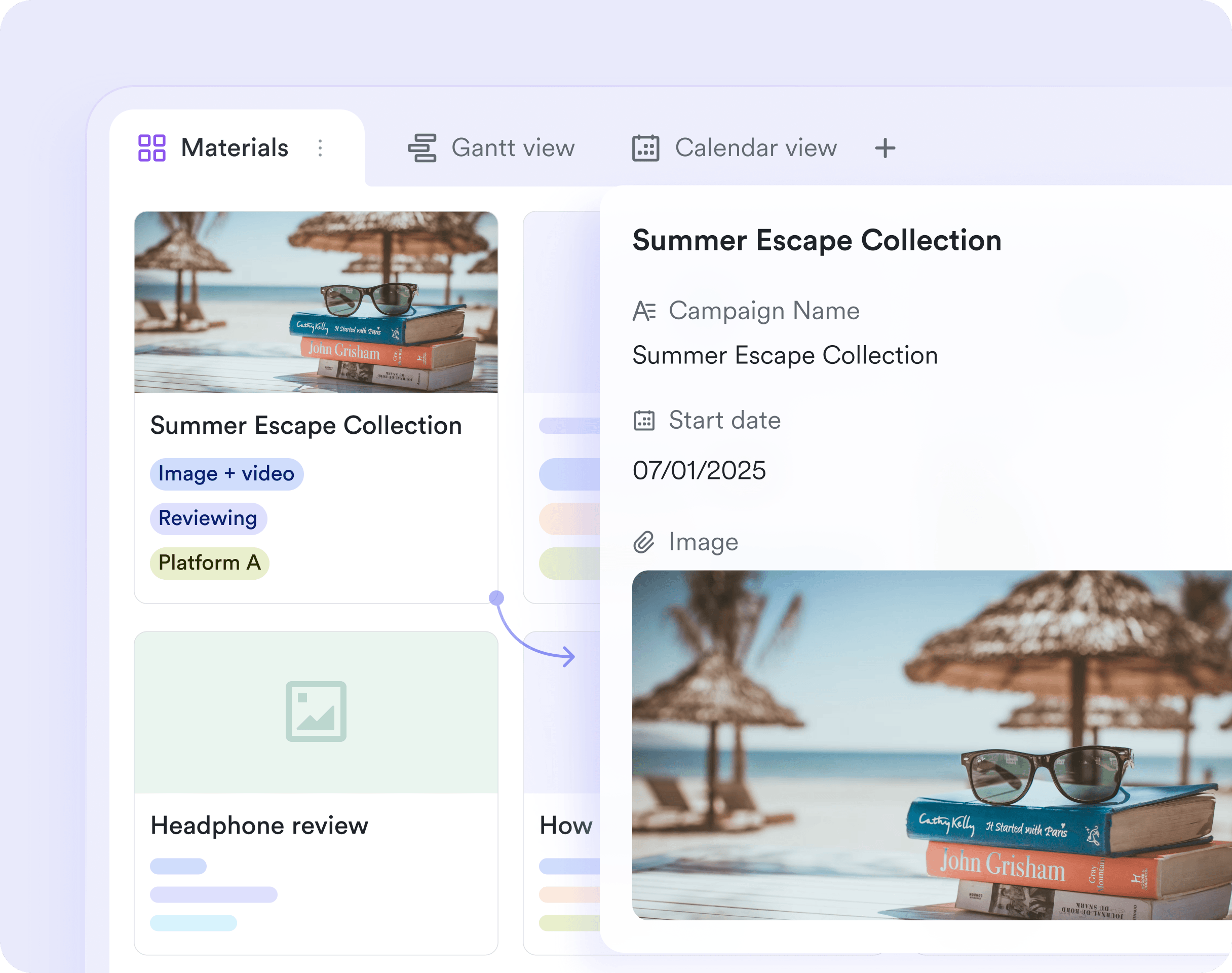
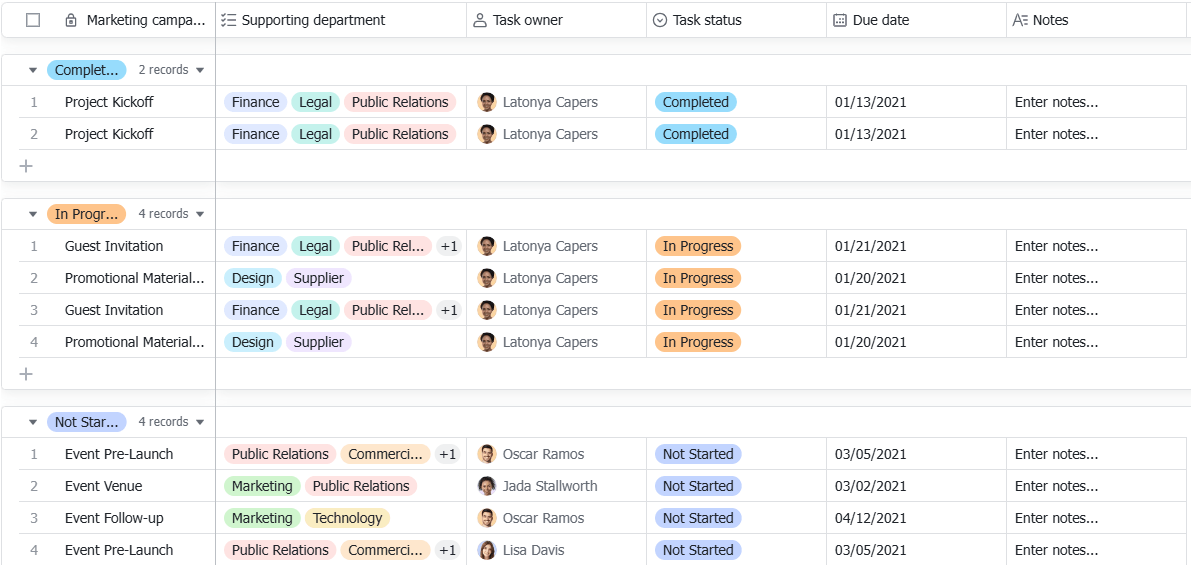
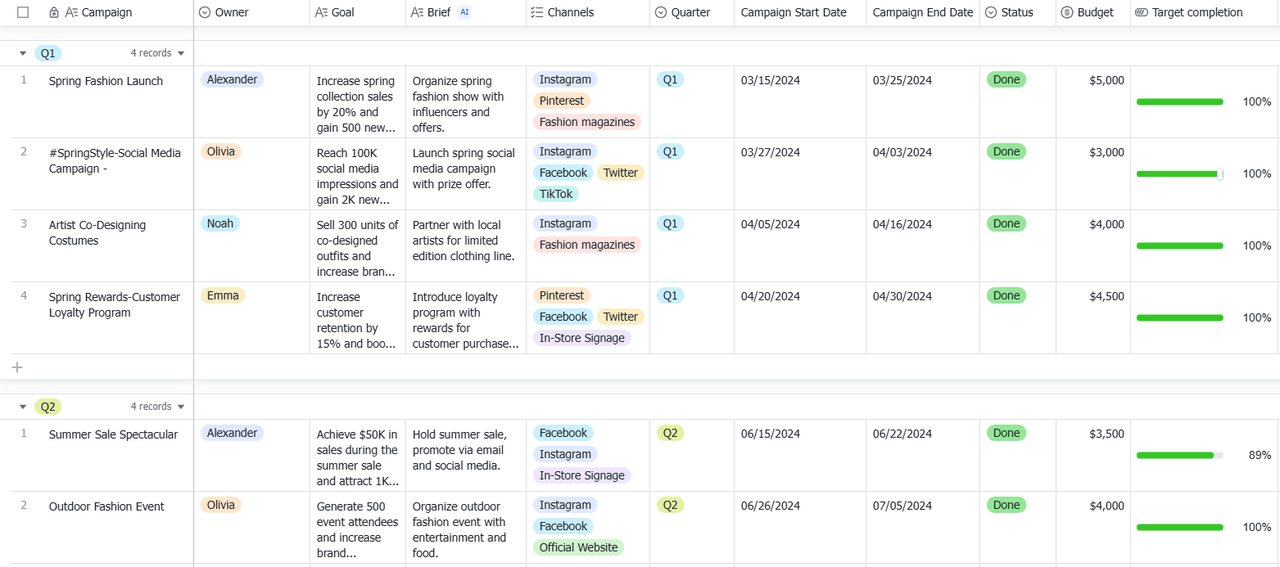
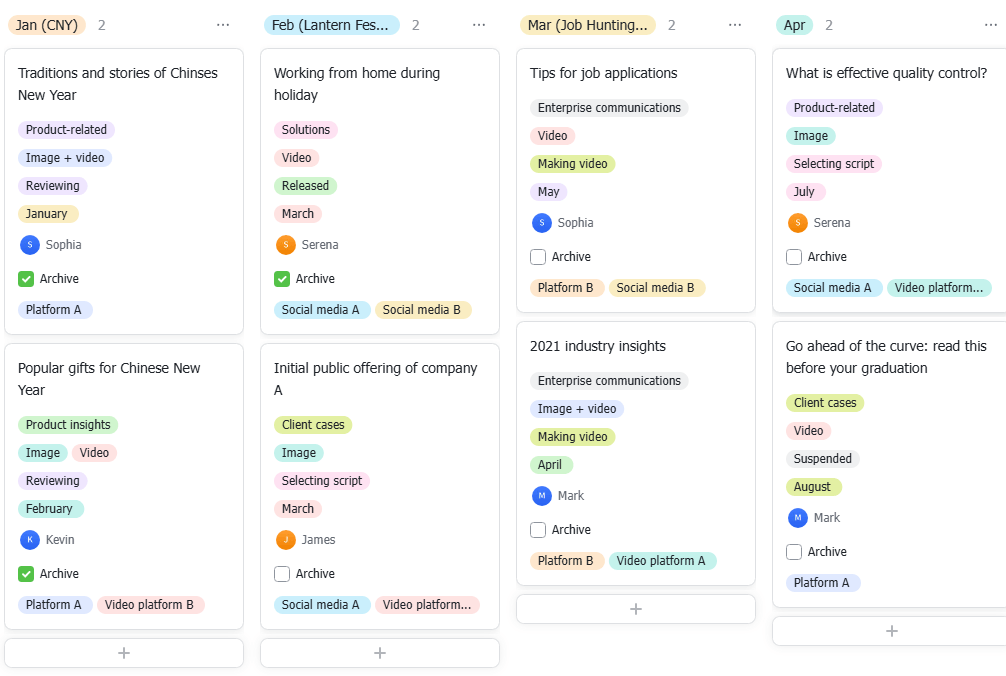
Use Lark Base for orchestrating, executing, monitoring, and delivering marketing initiatives.

Try for Free

Define data visualization and its relevance in marketing

Data visualization involves the graphical representation of information and data. It offers a compelling way to present complex data sets, enabling individuals to comprehend and interpret large volumes of data at a glance. In today's marketing landscape, where businesses are constantly inundated with data, the ability to visualize and interpret such information is invaluable.

Significance of data visualization in marketing

Understanding the importance of data visualization is pivotal for businesses in navigating the competitive marketing landscape. The ability to effectively visualize data enables marketers to gain a deeper understanding of market trends, consumer behavior, and the performance of marketing strategies. By leveraging data visualization, businesses can draw actionable insights that fuel informed decision-making and drive successful marketing initiatives.

Who benefits from data visualization in the marketing context?

Stakeholders and Their Involvement

  • Marketers: Visualization of marketing data empowers marketers to identify trends, patterns, and potential opportunities that may otherwise remain hidden within complex datasets. The visual representation of consumer behavior aids in crafting targeted marketing campaigns.

  • Executives: Visualizations provide executives with a comprehensive overview of marketing performance, aiding in the assessment of the effectiveness of strategies and making strategic decisions.

  • Data Analysts: Data analysts benefit from visualizations by uncovering key insights and presenting findings in a compelling and easily understandable manner to aid decision-making.

How data visualization works for businesses

Data visualization holds significant practical implications and profoundly impacts marketing strategies. Businesses can utilize this tool in diverse ways to drive their marketing initiatives.

Practical Implications and Why It Matters

  • Predictive Analytics: Utilizing data visualizations for predictive analysis can help businesses forecast consumer behavior and tailor marketing strategies accordingly.

  • Understanding User Interactions: Visualization of user interactions with digital marketing campaigns can provide valuable insights into the effectiveness of engagement strategies.

  • Identifying Market Trends: Visual representations of market trends enable businesses to adapt their strategies in real time to align with ever-changing market dynamics.

Best Practices When Considering Data Visualization and Why It Matters

  • Clarity and Simplicity: Visualizations should be clear and simple, ensuring that the key takeaways are easily comprehensible.

  • Relevance to Objectives: Aligning data visualizations with specific marketing objectives is essential to ensure that they contribute meaningfully to strategy.

  • Interactive Visualizations: Implementing interactive visualizations allows for deeper exploration of data by stakeholders and encourages engagement.

Actionable tips for leveraging data visualization in marketing

  • Utilize Infographics: Incorporating informative and visually appealing infographics enhances the communication of complex marketing data to a wider audience.

  • Dynamic Dashboards: Implementing dynamic dashboards enables real-time monitoring of marketing performance, allowing for immediate adaptation of strategies.

  • Storytelling with Data: Crafting compelling narratives around marketing data through visualizations makes the insights more relatable and easier to comprehend.

Related terms and concepts to data visualization in marketing

Exploring Relevant Concepts

  • Graphical Data Representation: Employing techniques such as charts, graphs, and heat maps to represent marketing data visually.

  • Interactive Visualization Tools: Utilizing advanced tools that enable users to interact with visual data representations.

  • Data Visualization Best Practices: Understanding the key principles for creating effective and impactful visual representations of marketing data.

Conclusion

In conclusion, data visualization serves as a catalyst for enhancing marketing strategies and driving business growth. By embracing the power of visualizing data, businesses can gain a competitive edge in understanding consumer preferences, market dynamics, and the effectiveness of their marketing efforts. Emphasizing ongoing learning and adaptation is essential in navigating the dynamic nature of marketing and leveraging data visualization effectively.

Examples

Using interactive dashboards to monitor social media campaigns

Utilizing interactive dashboards allows businesses to comprehensively monitor and analyze the performance of their social media campaigns in real time. This enables rapid adaptations to optimize engagement and conversion rates.

Customer segmentation visualization for targeted marketing

Visualizing data related to customer segmentation empowers businesses to tailor marketing efforts to specific consumer segments, ultimately enhancing customer engagement and satisfaction.

Real-time sales performance visualization for decision making

Visualizing real-time sales performance data provides businesses with valuable insights for making informed decisions in marketing strategies, ensuring agility and responsiveness to market dynamics.

Step-by-step guide

  1. Start by identifying the various data sources available, including customer data, market trends, and engagement metrics.
  2. Categorize and analyze the data variables, recognizing their significance in shaping marketing strategies and targeting.
  1. Research and identify visualization tools that best suit the specific data and marketing objectives.
  2. Evaluate the features and capabilities of potential tools, considering factors such as ease of use and compatibility with existing data systems.
  1. Determine the key insights that need to be communicated through visualizations, ensuring they align with the overall marketing objectives.
  2. Utilize engaging design elements, color schemes, and interactivity to create visually compelling and informative representations.

Do's and dont's

Do'sDont's
Use engaging and intuitive visualizationsAvoid overcrowding visualizations with excessive data
Ensure data accuracy and relevanceDon't overlook the target audience while designing visualizations
Test and iterate visualization designsAvoid using conflicting color schemes in visualizations

Faqs

Data visualization offers several benefits in marketing, including:

  • Enhanced comprehension of complex data sets
  • Identification of trends and patterns
  • Facilitation of informed decision-making

Businesses can ensure data accuracy by:

  • Regularly validating and updating data sources
  • Employing robust data aggregation and cleansing processes
  • Engaging data quality assurance measures

Effective visualization tools for marketing include:

  • Tableau
  • Google Data Studio
  • Power BI

Interactive dashboards enable:

  • Real-time monitoring of key marketing metrics
  • Immediate adaptations to strategies
  • Enhanced collaboration and data-driven decision-making

Data storytelling transforms complex data into compelling narratives, enabling:

  • Clear and impactful communication of insights
  • Emotional resonance for better engagement
  • Enhanced understanding of marketing data by diverse stakeholders

Use Lark Base for orchestrating, executing, monitoring, and delivering marketing initiatives.

Try for Free

Lark, bringing it all together

All your team need is Lark

Contact Sales