Work Buddy Meeting

This guide will walk you through the essential elements of use work buddy meeting to keep your attendees aligned and engaged.

Lark Editorial TeamLark Editorial Team | 2024/1/26
Try Lark for Free
an image for work buddy meeting

Work buddy meetings have become an essential aspect of modern workplace dynamics, fostering collaboration, communication, and professional development. In 2024, as workplaces continue to evolve, the significance of hosting successful work buddy meetings has grown immensely. This article aims to provide a comprehensive guide to organizing and leading impactful work buddy meetings in the evolving landscape of professional interactions. From understanding the core concept to identifying the best practices and common pitfalls, this resource is designed to equip readers with actionable insights to create meaningful and productive work buddy meetings.

Use Lark Meetings to turn meetings into true collaborative experiences.

Try for Free

What is a work buddy meeting?

Work buddy meetings, often referred to as peer mentorship sessions, are structured interactions between colleagues aimed at fostering mutual support, skill enhancement, and professional networking. These meetings provide an avenue for individuals to share knowledge, seek guidance, and establish supportive relationships within the workplace. In the context of 2024, work buddy meetings have evolved to encompass diverse forms of interactions, including virtual sessions and group workshops, reflecting the changing nature of work dynamics and the need for adaptable collaboration strategies.

Goals of work buddy meeting

The primary goals of work buddy meetings revolve around knowledge sharing, skill development, and fostering a supportive work environment. By creating a platform for open dialogue and peer-to-peer learning, these meetings facilitate the transfer of expertise, encourage continuous skill enhancement, and promote a culture of mutual support and collaboration. In 2024, the evolving workplace landscape has heightened the focus on leveraging work buddy meetings to drive diversity, equity, and inclusion, emphasizing the broader organizational objectives pertaining to talent development and employee engagement.

Who should attend work buddy meeting?

Ideal participants for work buddy meetings encompass professionals from various job roles, experience levels, and departments within an organization. The inclusivity of these meetings is pivotal in promoting diverse perspectives, skill sets, and experiences, fostering a culture of cross-functional collaboration, and encouraging a holistic approach to professional growth. Inclusivity is the cornerstone of successful work buddy meetings, as it validates the contributions of individuals across the organizational spectrum and promotes a sense of belonging and shared responsibility for collective success.

Topics, agenda, and structure of work buddy meeting

Structuring a Productive Agenda

  1. Identify Meeting Objectives: Clearly outline the intended goals and outcomes of the meeting to align the agenda with the desired outcomes.
  2. Select Relevant Topics: Curate a list of topics that resonate with the participants and cater to their professional development needs.

Meeting Formats and Activities

  1. One-on-One Sessions: These provide an intimate setting for confidential discussions and personalized mentorship.
  2. Group Workshops: Engage multiple participants in collaborative learning experiences, promoting collective skill enhancement and knowledge sharing.

Creating an Interactive Environment

  • Encourage active participation by incorporating interactive elements such as brainstorming sessions, role-playing exercises, or knowledge-sharing platforms.
  • Leverage technology to facilitate virtual interactions, ensuring seamless engagement across diverse locations and time zones.

Step-by-step guide to host a work buddy meeting

  1. Define Meeting Objectives: Clearly articulate the purpose of the meeting and the intended outcomes to guide the planning process.
  2. Participant Selection: Identify suitable pairings or group configurations based on complementary skills, experience levels, or specific development needs.
  3. Agenda Development: Craft a well-structured agenda encompassing diverse topics and activities tailored to the participants' growth areas and shared interests.
  1. Foster Open Communication: Create an inclusive space for participants to express their thoughts, seek guidance, and share their experiences.
  2. Encourage Mutual Learning: Promote a culture of reciprocal learning, where participants can both offer their expertise and benefit from the insights of their peers.
  • Provide resources or materials related to the discussed topics for continued learning and skill development.
  • Solicit feedback to gauge the meeting's effectiveness and gather insights for future improvement.

How often does a work buddy meeting occur?

The frequency of work buddy meetings varies based on the organization's culture, project timelines, and the development needs of the participants. In some cases, regular weekly or bi-weekly meetings may be ideal for consistent engagement and skill enhancement. However, flexibility is crucial, allowing for ad-hoc or project-specific meetings to address immediate development needs and promote agile collaboration. The key lies in finding a balance that fosters regular interaction while accommodating diverse workloads and schedules.

Key difference between work buddy meeting and another similar meeting

While work buddy meetings share similarities with mentorship programs, team meetings, and networking events, they possess distinct attributes that set them apart in the professional landscape. Work buddy meetings are distinguished by their emphasis on peer-to-peer learning and reciprocal support. Unlike traditional mentorship programs, work buddy meetings foster a non-hierarchical approach to learning, promoting collective growth through shared experiences and expertise. Similarly, these meetings differ from team gatherings in their individualized focus on skill enhancement and personal development, contributing to a nuanced and inclusive professional development strategy.

Three practical examples of work buddy meeting

Enhancing soft skills through peer coaching

By pairing individuals seeking to improve their communication, leadership, or conflict resolution skills with colleagues who possess expertise in these areas, organizations can facilitate targeted skill enhancement through work buddy meetings. For instance, a marketing professional seeking to enhance their negotiation skills may benefit from engaging in regular discussions and role-playing activities with a colleague renowned for their adept negotiation tactics.

Cross-functional knowledge sharing sessions

In complex, multi-departmental organizations, work buddy meetings serve as a platform for enriching cross-functional knowledge, deepening understanding of diverse business operations, and promoting collaborative problem-solving. For instance, an IT specialist may partner with a finance professional to gain insights into financial systems and processes, fostering a comprehensive understanding of the organization's operational dynamics.

Peer-to-peer innovation workshops

Amid the rapid pace of technological advancements, organizations can leverage work buddy meetings to cultivate an environment of innovation and creativity. Pairing individuals with a passion for innovation and problem-solving can yield collaborative initiatives, sparking inventive solutions and fostering a culture of continuous improvement.

Common pitfalls of a work buddy meeting

Ineffective Agenda Planning

Failing to structure a clear and relevant agenda can lead to disengagement and unproductive discussions. It is essential to align the agenda with the participants' developmental needs and ensure ample opportunities for skill enhancement and knowledge sharing.

Lack of Accountability

When participants do not fulfill their commitments or neglect the post-meeting action items, the productivity and impact of work buddy meetings diminish. Creating an accountability framework and encouraging commitment to actionable outcomes is crucial for realizing the full potential of these interactions.

Poor Facilitation and Engagement

Inadequate facilitation may result in passive participation and limited engagement. Leaders must actively foster an inclusive, communicative environment, ensuring that all participants have a platform to voice their thoughts and receive valuable feedback.

Dos and don'ts of a work buddy meeting

Do’sDon’ts
Encourage open and honest communicationAvoid domineering or one-sided interactions
Foster a supportive and inclusive environmentDisregard the diverse perspectives and experiences of participants
Set clear objectives and expectationsNeglect the feedback and follow-up process
Promote active listening and empathyAllow distractions or interruptions during meetings
Establish a culture of feedback and continuous improvementOverlook individual development and growth opportunities

What makes a virtual work buddy meeting successful?

The success of virtual work buddy meetings hinges on creating an engaging and interactive digital environment that mirrors the collaborative dynamics of in-person interactions. Leveraging technology effectively is vital, enabling seamless communication, knowledge sharing, and relationship building. Establishing clear guidelines for virtual engagement, such as respectful online behaviors and effective use of digital collaboration tools, is pivotal for fostering meaningful and productive virtual work buddy meetings.

Typical takeaways of the work buddy meeting

Successful engagement in work buddy meetings yields a myriad of tangible and intangible benefits for the participants and the organization as a whole. These takeaways include expanded professional networks, enhanced skill sets, improved communication and problem-solving abilities, and a heightened sense of belonging and mutual support within the workplace. Additionally, participants often develop a richer understanding of organizational dynamics, contributing to their professional growth, job satisfaction, and overall performance.

Questions to ask in the work buddy meeting

The following questions can guide meaningful discussions and interactions during work buddy meetings, fostering a constructive and enriching learning environment:

  1. What are your primary career aspirations, and how can I support your journey?
  2. Which specific skills or knowledge areas do you seek to enhance through this interaction?
  3. What are the key challenges you currently face in your role, and how can we collaboratively address them?
  4. How can we leverage our respective expertise to innovate and improve our collective professional endeavors?
  5. What actionable steps can we implement following this meeting to realize our identified developmental goals?

Conclusion

In conclusion, the evolving landscape of work buddy meetings in 2024 emphasizes the transformative potential of these interactions in shaping collaborative, supportive, and innovative workplace cultures. By embracing the insights and best practices shared in this guide, individuals and organizations can optimize their involvement in work buddy meetings, fostering meaningful professional relationships, promoting continuous skill enhancement, and driving collective growth and success.

Q&a

Encouraging active participation involves fostering an inclusive environment, setting clear expectations, and leveraging engaging discussion formats and activities that prompt valuable contributions from all participants.

Key metrics include participant engagement levels, tangible outcomes from the meetings, post-meeting actions and follow-ups, and the overall impact on individual and organizational growth.

Leverage interactive virtual platforms, optimize time management, encourage visual aids and multimedia, and facilitate meaningful interaction through polls, breakout rooms, and collaborative tools.

Reassess the meeting structure and content, seek feedback from participants, and adjust the approach to align with the participants' development needs and preferred interaction styles.

Start by advocating for the value of peer mentorship and knowledge sharing, highlighting the benefits of work buddy meetings in enhancing skill sets, fostering collaboration, and promoting a culture of continuous learning and support. Engage with organizational leadership to explore avenues for integrating work buddy meetings into existing professional development initiatives.

Use Lark Meetings to turn meetings into true collaborative experiences.

Try for Free

A Game Changer for Work Buddy Meeting: Empower your team with Lark Meetings

In the fast-paced and dynamic world of modern business, effective communication and collaboration are crucial for success of Work Buddy Meeting. Here we introduce Lark Meetings to serve as a centralized hub for all communication needs.

Transform your meetings into collaborative endeavors

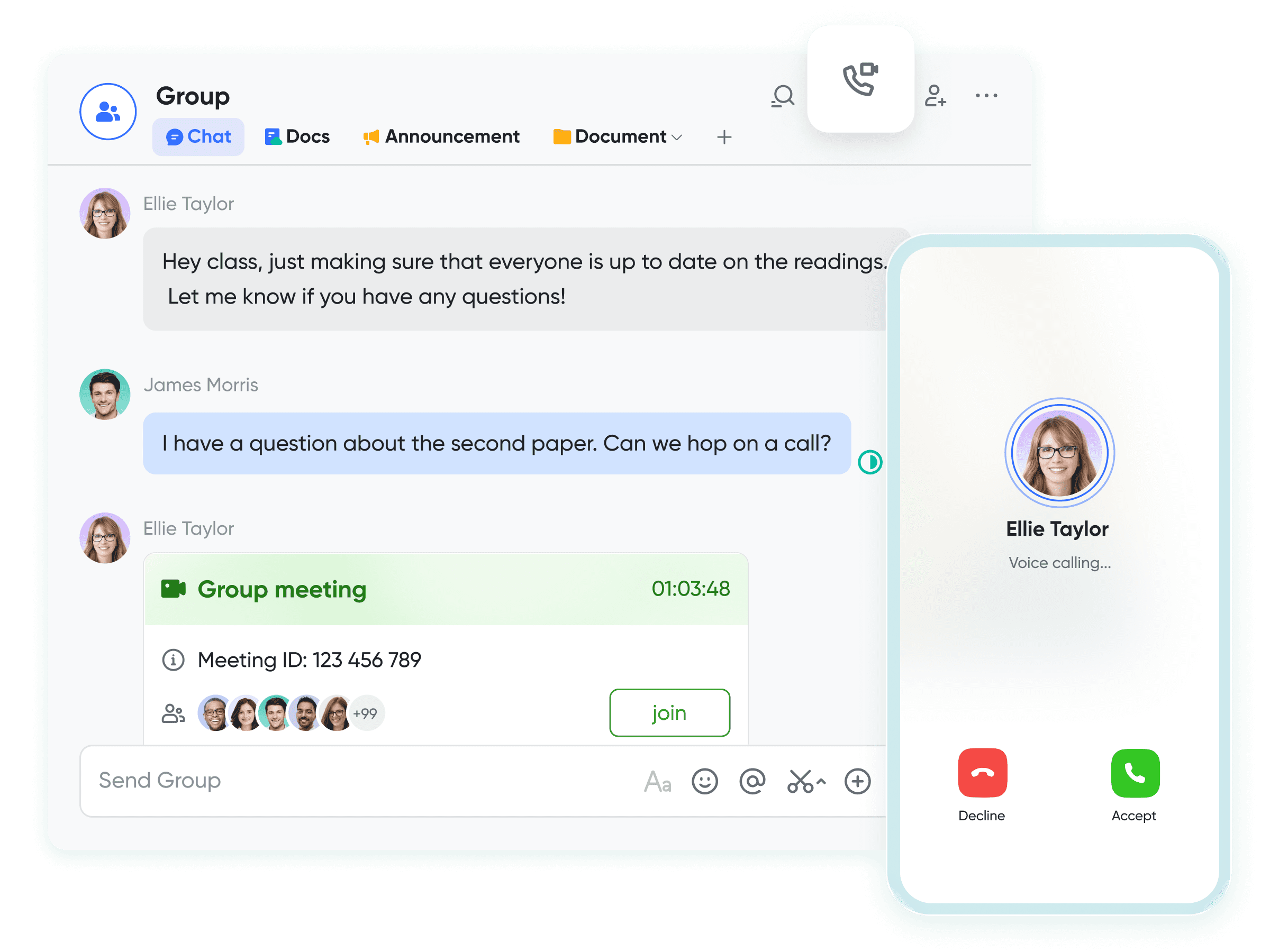
Lark Meetings collaborative interface, highlighting a platform designed for seamless teamwork and cooperative engagement.

Leverage the potency of in-call document sharing, intelligent meeting minutes, and mobile-optimized features to enhance productivity collaboratively, irrespective of your location or schedule.

Seamlessly collaborate in real-time, across any device

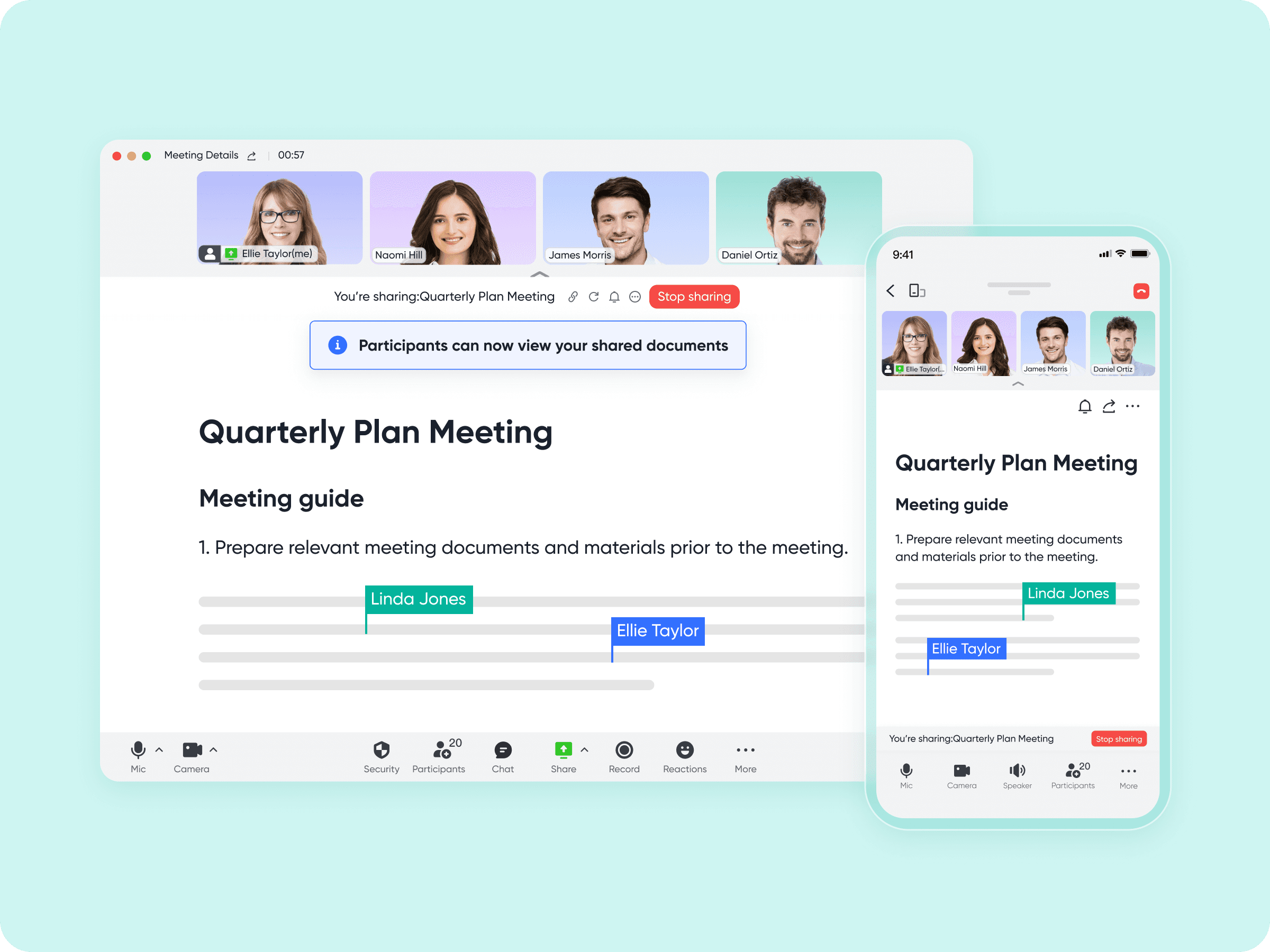
Mobile-friendly interface of Lark Meetings, demonstrating optimized accessibility for smartphones and tablets.

Share live documents instead of just screen views. Participants can navigate and edit simultaneously within the video call window, even while on the move.

Shift your focus to engagement, not note-taking

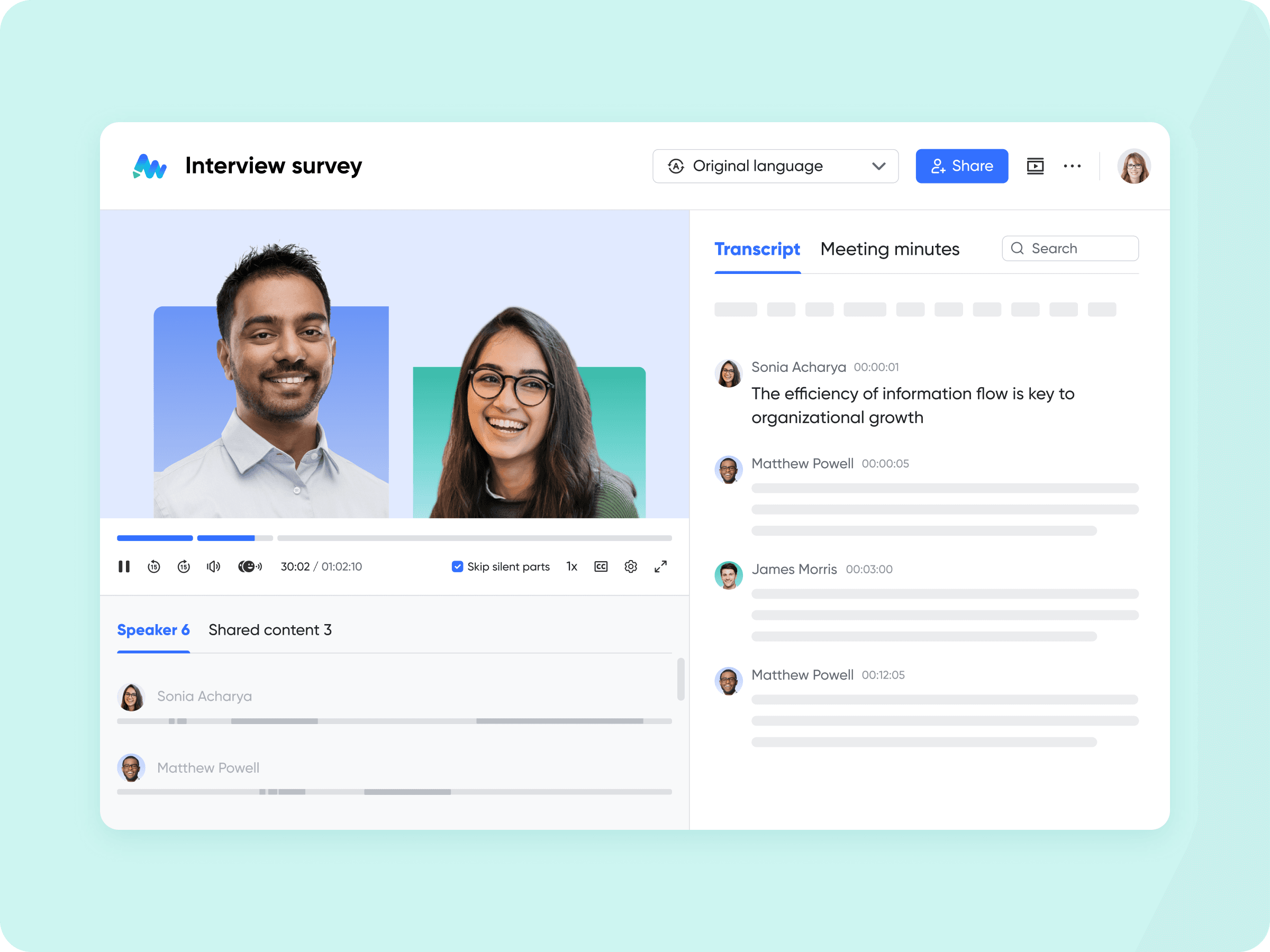
Lark Minutes Interface, showcasing a user-friendly platform designed for efficient and collaborative meeting note-taking and transcription.

Lark Minutes automatically converts video meetings into transcripts, facilitating easy viewing, searching, and collaborative editing. Stay in the loop asynchronously, even if you can't attend the live meeting. Lark Minutes for meeting minutes support translation into 10+ different languages.

Break language barriers in communication

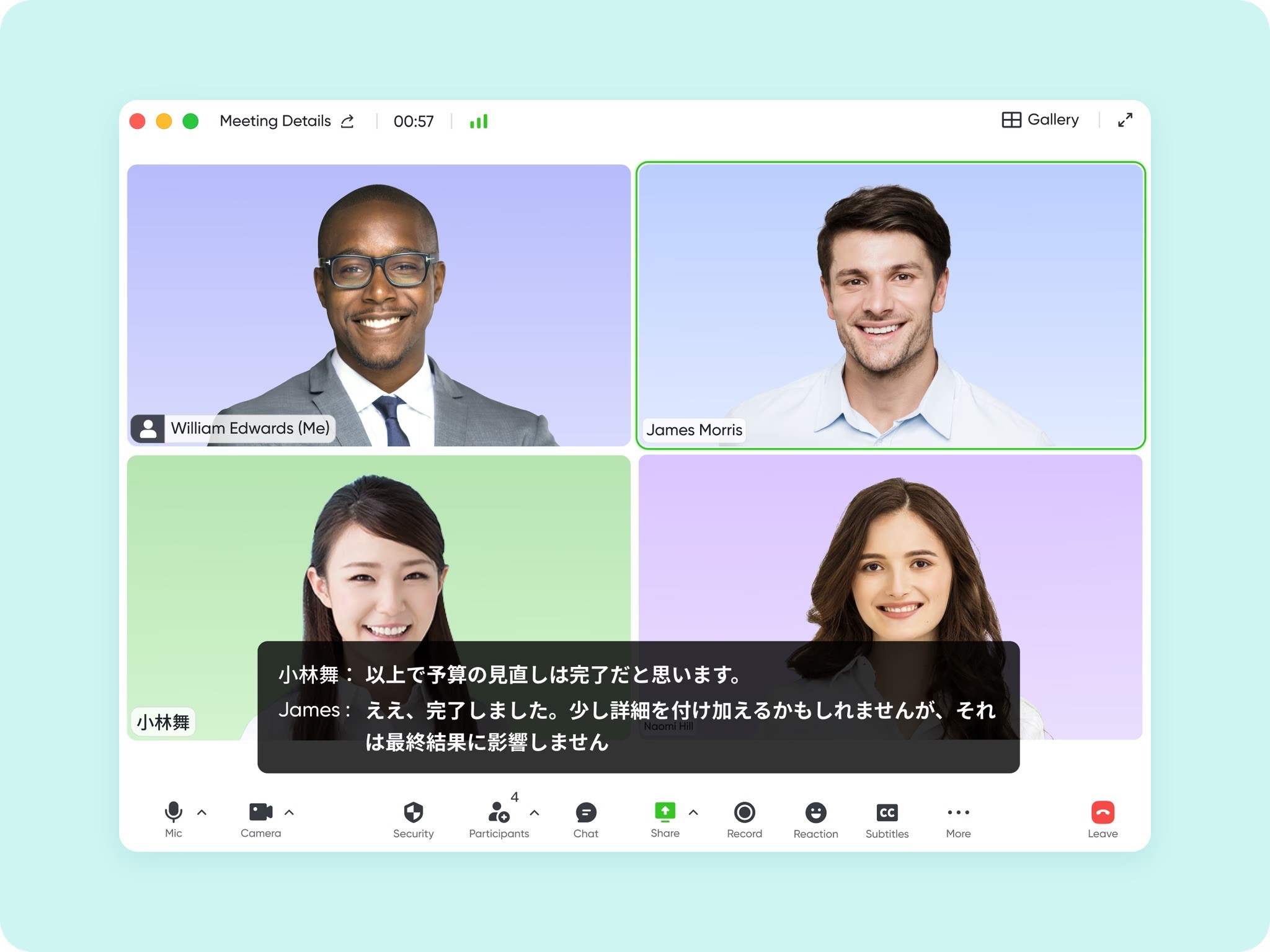
Lark Meetings Live Translation feature, illustrating real-time language translation capabilities for seamless and inclusive communication.

Lark Meetings provide real-time translation for subtitles, allowing individuals from diverse backgrounds to express themselves in their native languages. Ensure every voice is heard, regardless of geographical location. Live subtitles currently support translations from English, Chinese, and Japanese to 10+ different languages. See more translation feature in Lark.

Connect with larger audiences

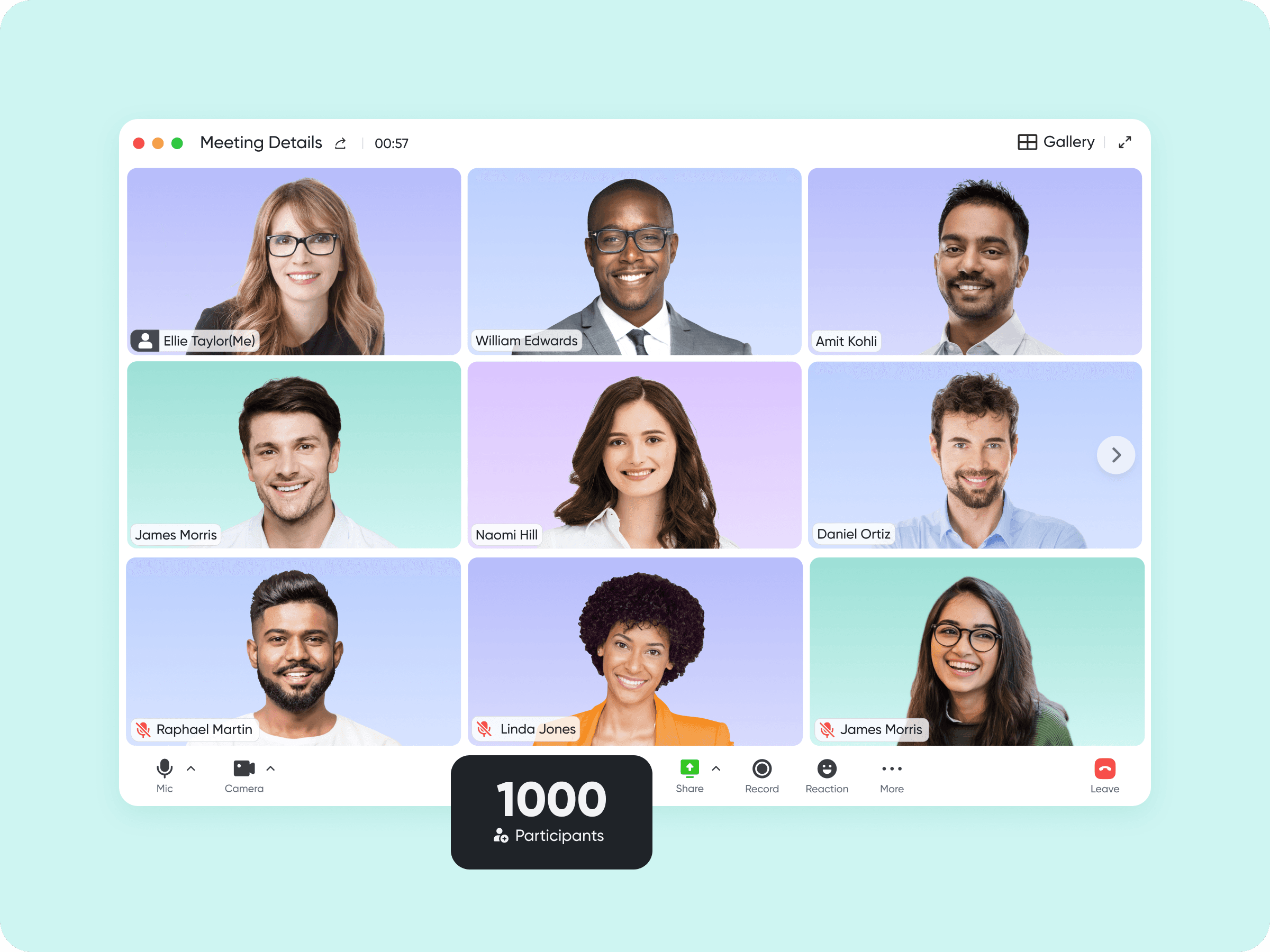
Host dynamic online meetings and events accommodating up to 1,000 participants, with the flexibility of up to 50 breakout sessions for intimate group discussions within the larger meeting context. Try more Lark features for free.

Lark, bringing it all together

All your team need is Lark

Contact Sales