














8 Zoom Alternatives for Video Conferencing in 2026

Ivy Yang
Product Marketing Manager
Sep 18, 2026
Ivy Yang
Sep 18, 2026


- 8 alternatives evaluated: We compared Lark, Microsoft Teams, Google Meet, Webex, Zoho Meeting, GoToMeeting, Slack, and Discord across pricing, features, and use cases.
- Lark ranks #1 overall: It combines AI-enhanced video conferencing, chat, docs, and project management in a single workspace—starting at just $6/mo with a free plan for up to 20 users.
- All-in-one beats standalone: Teams switching from Zoom to an integrated platform report fewer context switches, lower total cost, and smoother collaboration.
- What to prioritize: When evaluating alternatives, focus on total cost of ownership, ecosystem breadth, security track record, and AI-powered features like real-time translation and automated meeting notes.
Why you should consider Zoom alternatives
Best Zoom alternatives at a glance

8 best Zoom alternatives for 2026
1. Lark - For AI-enhanced meetings and collaboration
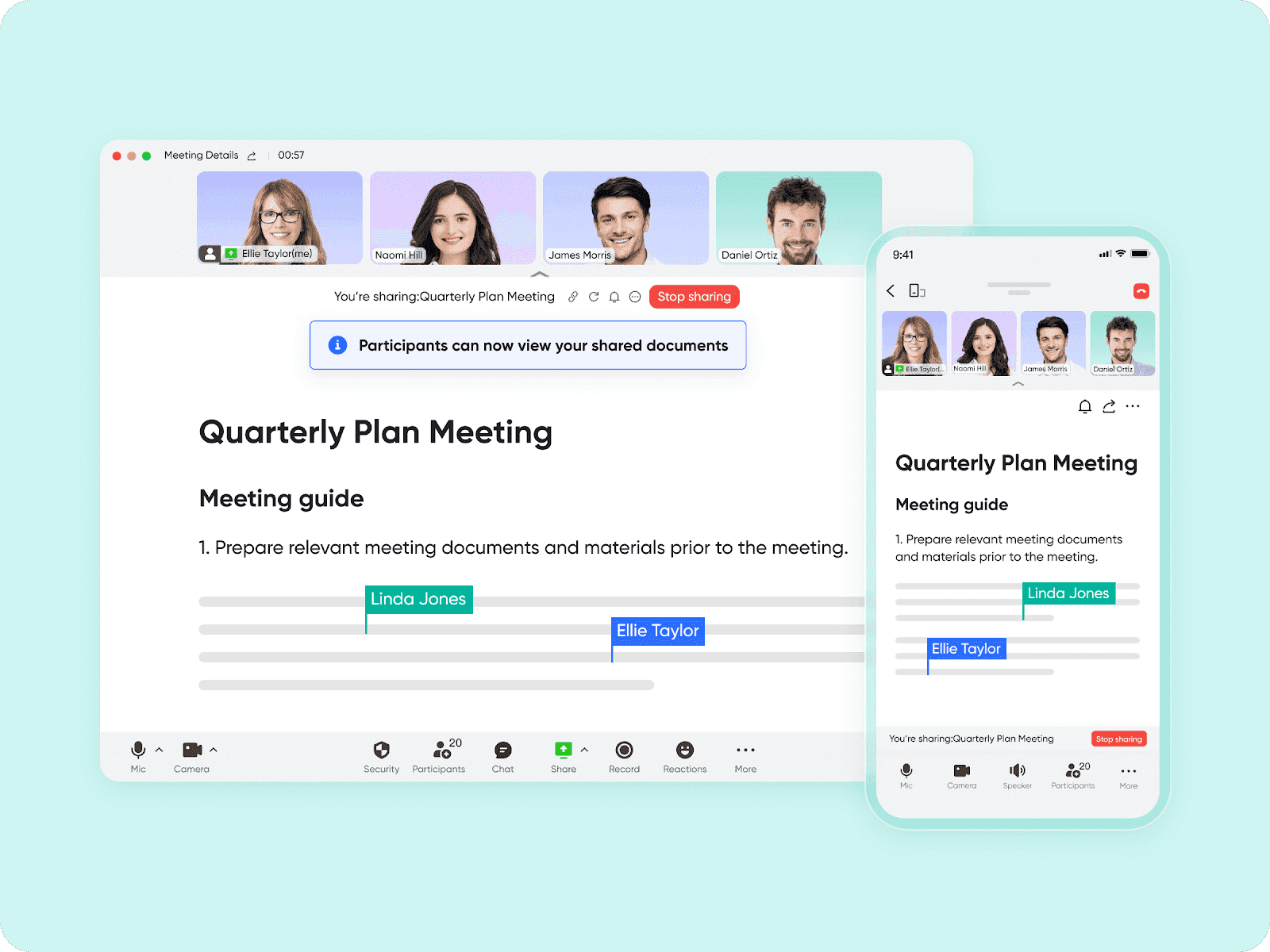 When it comes to video conferencing, Lark offers everything you’d expect from Zoom—and much more. Its built-in software, Lark Meetings, delivers crystal-clear audio and video for secure one-on-one calls or conferences up to 1,000 participants. With powerful tools like breakout rooms, polls, live captions, translations, and AI-generated minutes, every meeting stays focused, engaging, and action-driven.
- Seamless video conferencing: Host secure, high-quality virtual meetings with thousands of participants. Keep discussions productive with breakout rooms, polls, reactions, timers, and more features to make discussions engaging.
- AI-powered meetings: Stay aligned with automatic transcription, instant translation into multiple languages, and AI-generated meeting notes with action items based on what was discussed during the call—so no one misses key points, even across global teams.
- Instant meeting access: Start video calls in chats you're having with colleagues. Either initiate calls immediately or check everyone's free time first and book a meeting. If someone can't make the meeting, don't worry, as there's cloud recording available.
- Document collaboration in real time: Use Magic Share to present and co-edit files during meetings. Participants can explore documents at their own pace, ensuring everyone is prepared and aligned—ideal for teams working together on one document or training sessions involving workshops.
- All-in-one workspace: With native team chat, calendars, document editing, project management, approvals, performance management, and workflow automations, Lark integrates everything your team needs—no more switching between third-party apps.
- Work anywhere: Whether on desktop, mobile, tablet, or web, Lark makes it easy to join meetings, check chat messages, share documents, and complete tasks—ideal for frontline teams, business travelers, online teachers, and more.
- Starter plan: Free forever plan that includes 11 powerful tools for up to 20 users. It also comes with 100GB of storage, 1000 automation runs, AI translations, and more.
- Pro plan: $12/user/month (billed annually) for up to 500 users. It includes everything in Starter plus group calling for up to 500 attendees, 15TB of storage, 50,000 automation runs, and more.
- Enterprise plan: Contact sales for custom pricing. Supports unlimited users and includes even more automation runs and advanced security, compliance, and management features.
Starter
For small teams with simple communication needs
$0
/ user / month

Pro
For companies with comprehensive collaboration and management needs
$12
/ user / month
Enterprise
For large companies with advanced security and organizational management needs
Get a personalized demo and pricing
Pro
For companies with comprehensive collaboration and management needs
$12
/ user / month
2. Microsoft Teams - For Microsoft 365 users
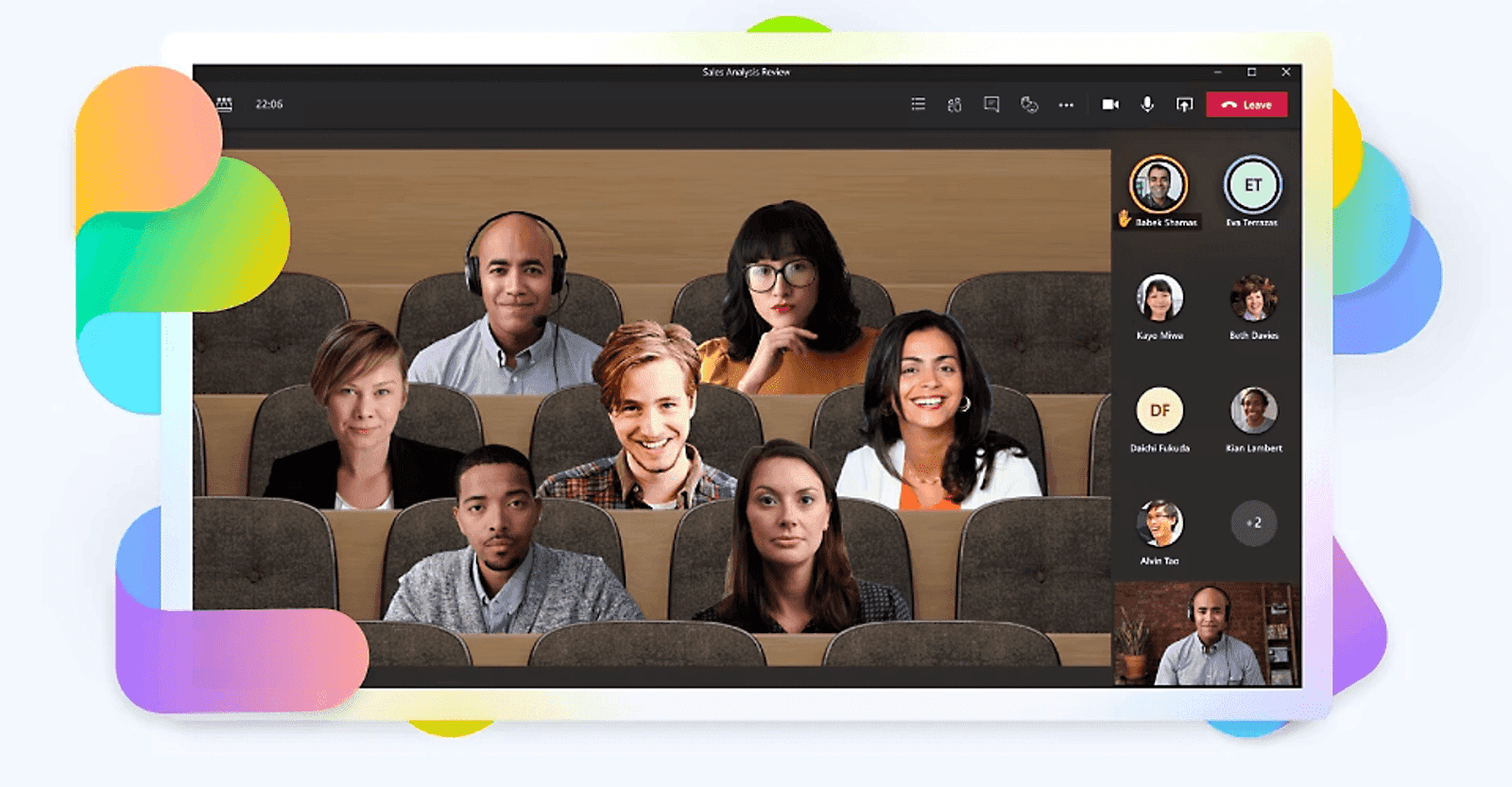 Image source: microsoft.com
- Integrated Office 365 suite: Teams integrates seamlessly with Office 365, especially chat and calendar, to help users manage their meeting schedules easily.
- Teams phone: For companies that still require phone numbers to start their business operations, Microsoft Teams also offers business phone services to meet this demand.
- Dynamic meeting options: Host various meeting types, from one-on-ones to large virtual events, with features like breakout rooms and custom layouts.
- No free plan for businesses, unless you already have a Microsoft 365 plan. Paid plans start at $4 per user per month.
3. Google Meet - For Google Workspace users
 Image source: meet.google.com
- Seamless integration with Google Workspace: Access and share documents, spreadsheets, and presentations easily during meetings.
- Enhanced security: All meetings are encrypted, ensuring data privacy and security.
- Smart features: Utilize features like live captions and low-light mode to enhance the meeting experience.
- Free version available for anyone with a Google account, making it a great free Zoom alternative, but with limited features. Paid plans (Google Workspace) start at $4.
4. Webex Meetings - For high-quality video
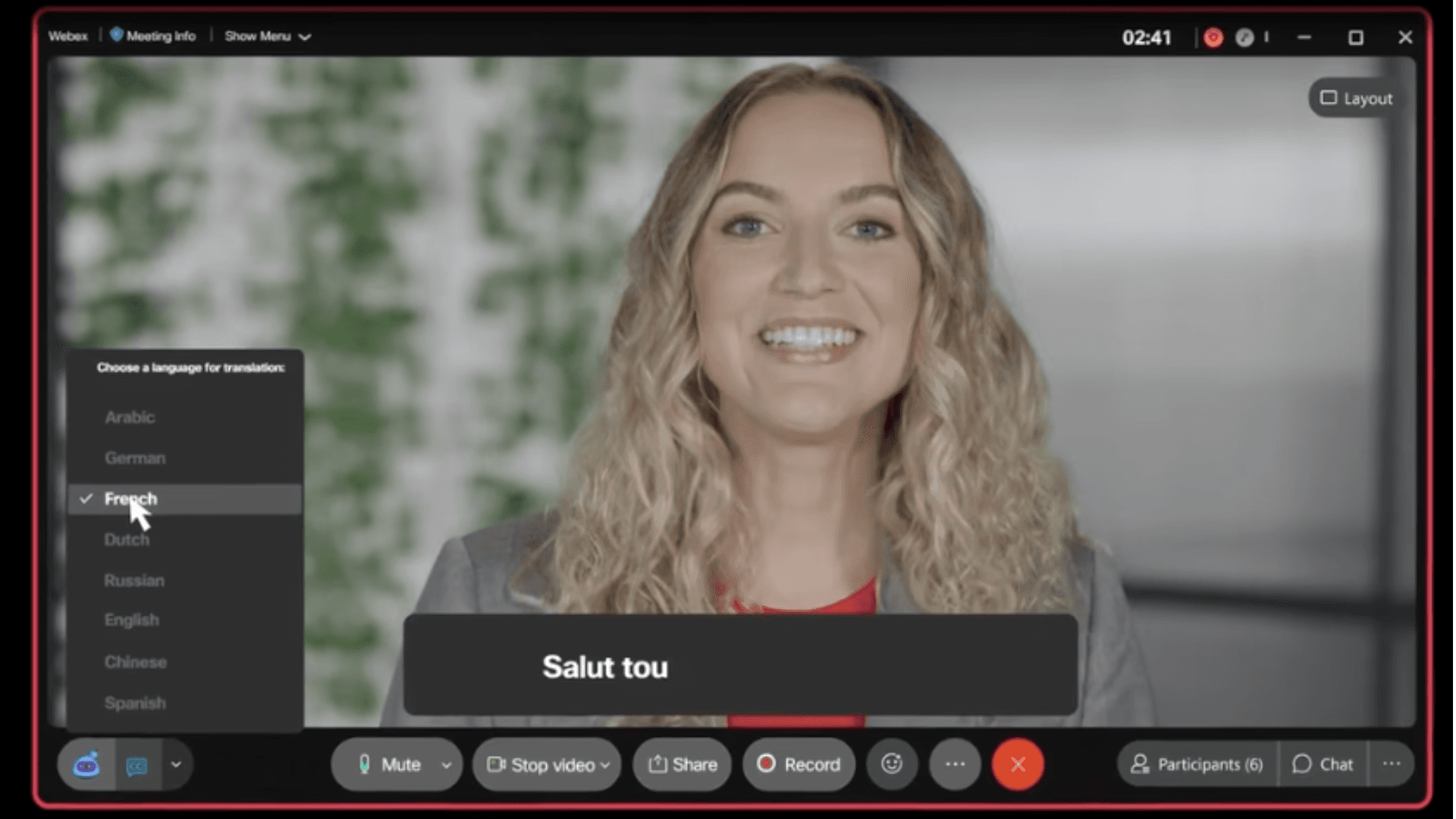 Image source: webex.com
- Crystal clear calls: High audio and video quality, even if you collaborate remotely.
- Automatic transcription: Facilitates productive conversations by transcribing meetings in real time into multiple languages.
- Webex meeting center: Simplifies the scheduling, initiating, and conducting of online meetings, requiring a host account for starting a meeting.
- Free plan available. Paid plans start at $144 per user per year.
5. Zoho Meeting - For affordable webinars
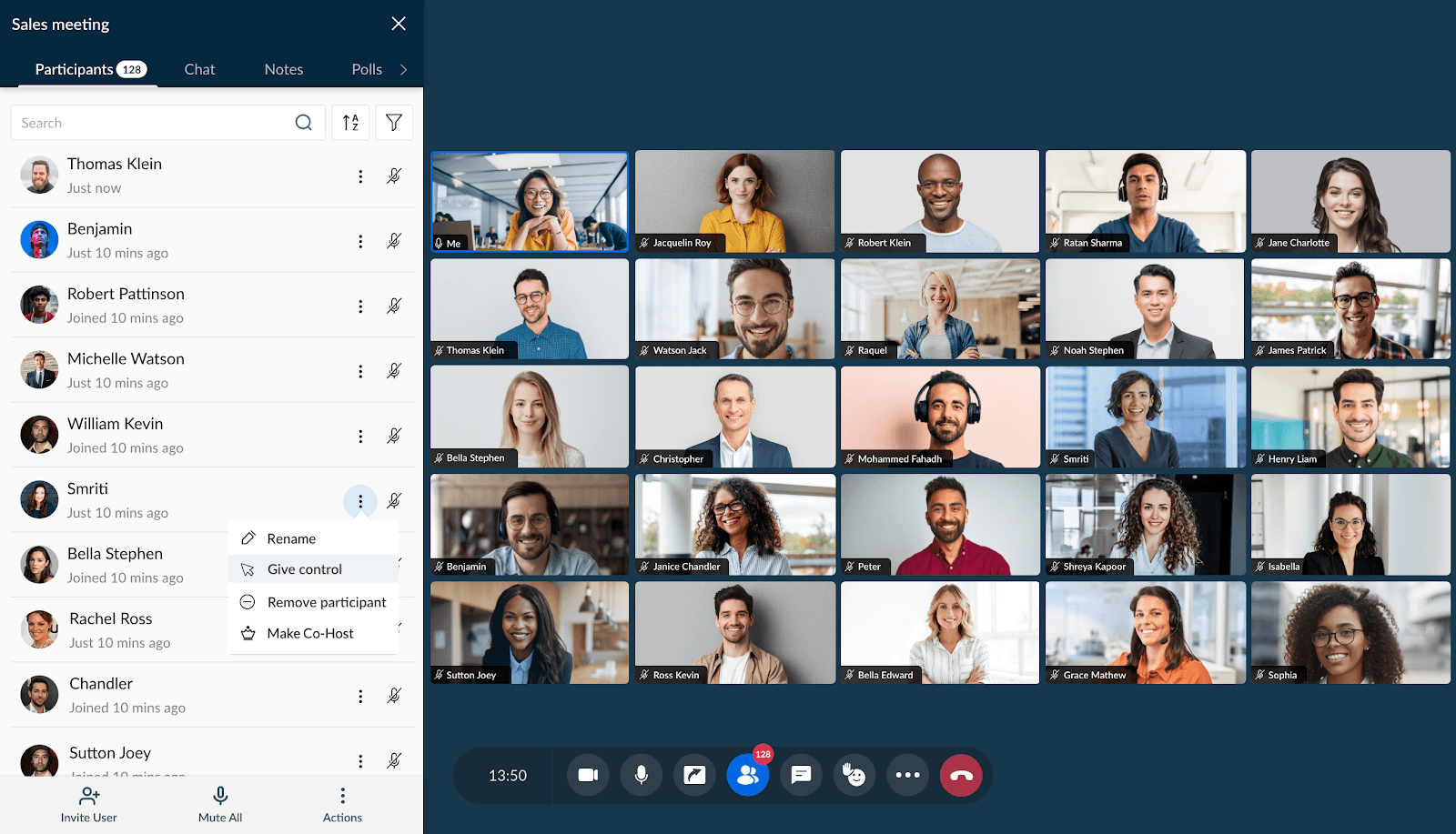 Image source: softwareadvice.co.uk
- Zoho ecosystem integration: Zoho Meeting is deeply integrated with other Zoho tools and some third-party services.
- Screen sharing and whiteboarding: Enables effective presentations and brainstorming sessions.
- Interactive features: Such as meeting reactions, hand raising, and the ability to talk feature, enhancing engagement and communication among participants.
- Zoho Meeting provides a free plan for basic use. Paid plans start at as little as $1 per host per month.
6. GoToMeeting - For enterprise-grade secure calls
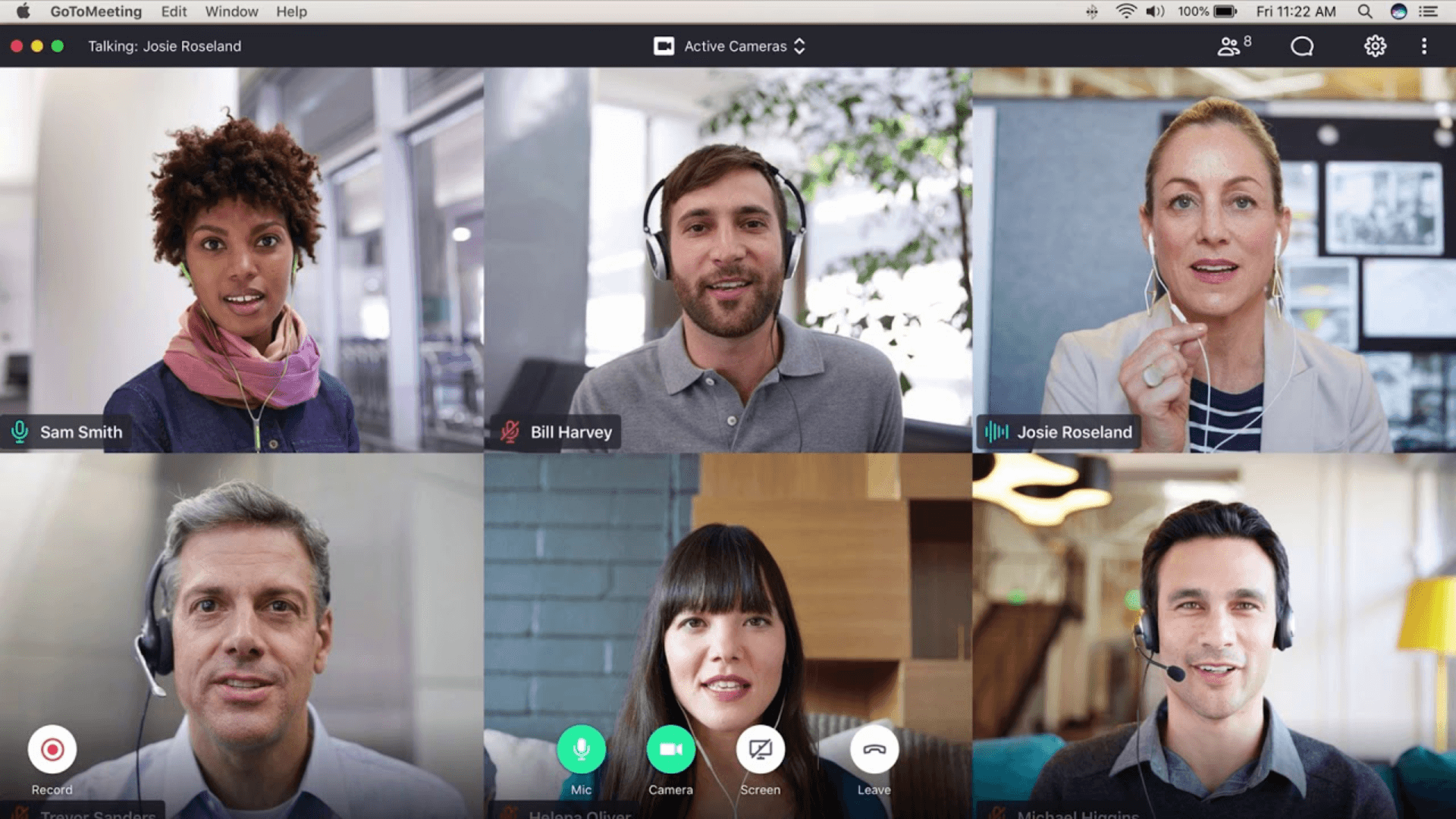 Image source: goto.com
- Security: Advanced safety and security features keep video chats and information sharing secure.
- Screen sharing and web Audio: Promotes collaborative discussions and presentations.
- Cloud storage: Unlimited cloud storage at an affordable price, making it ideal for teams that need robust meeting recording capabilities.
- GoToMeeting offers a free plan, ideal if you're looking for a free Zoom alternative. Paid plans start at $12 per user per month.
7. Slack - For impromptu meetings
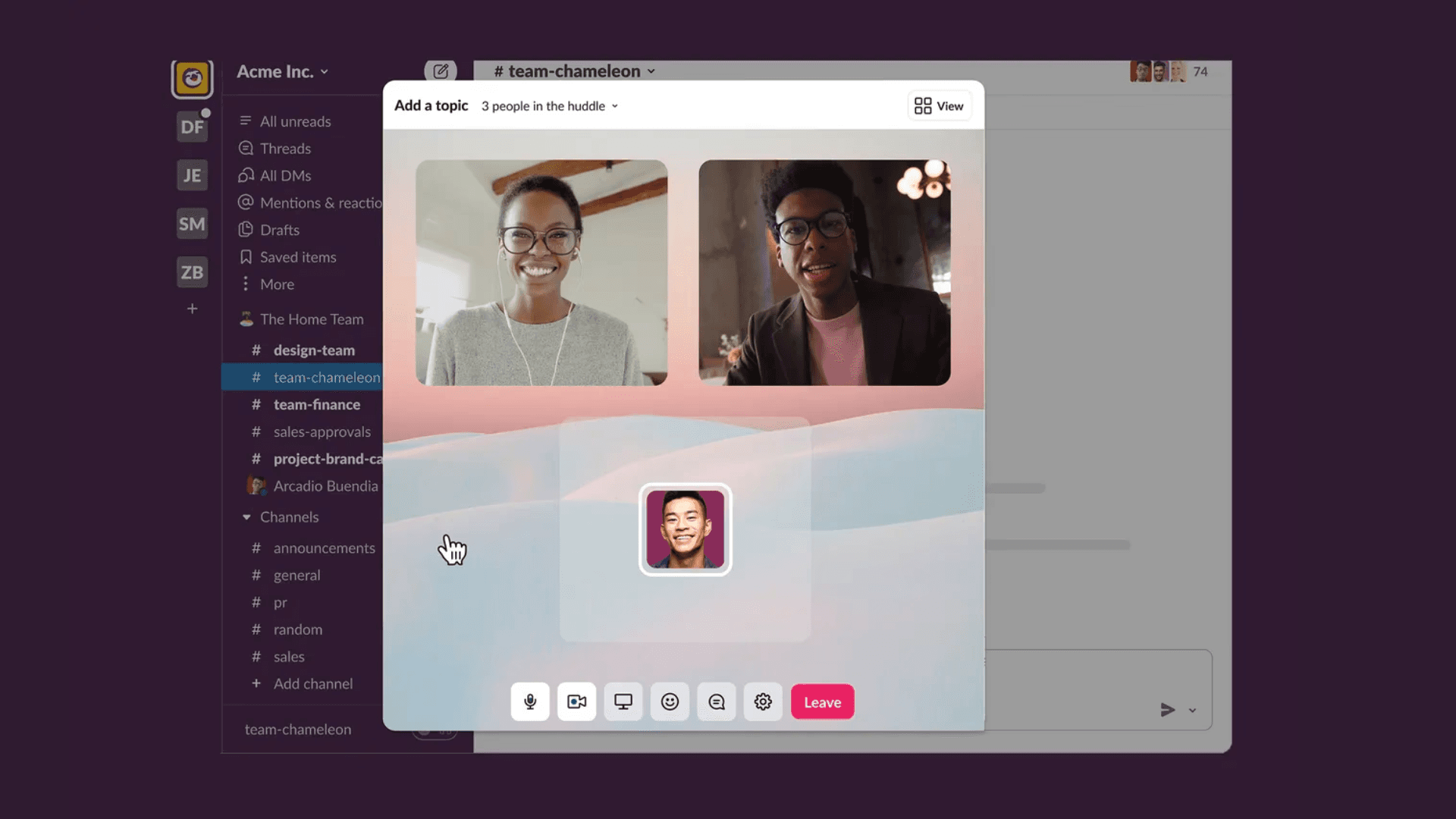 Image source: slack.com
- Quick and easy communication: Robust chat capabilities, including Slack Calls, which allow users to initiate instant audio calls with team members.
- Accessible within Slack: Answer calls right within Slack, where you can access your messages directly and instantly on a call.
- Cross-platform accessibility: Slack can be accessed on various devices and operating systems, such as mobile or laptop, ensuring flexibility and convenience for users.
- Slack offers a free version. However, the free plan only allows huddles for up to two participants. Paid plans start at $8.75 per user per month.
8. Discord - For community and casual chats
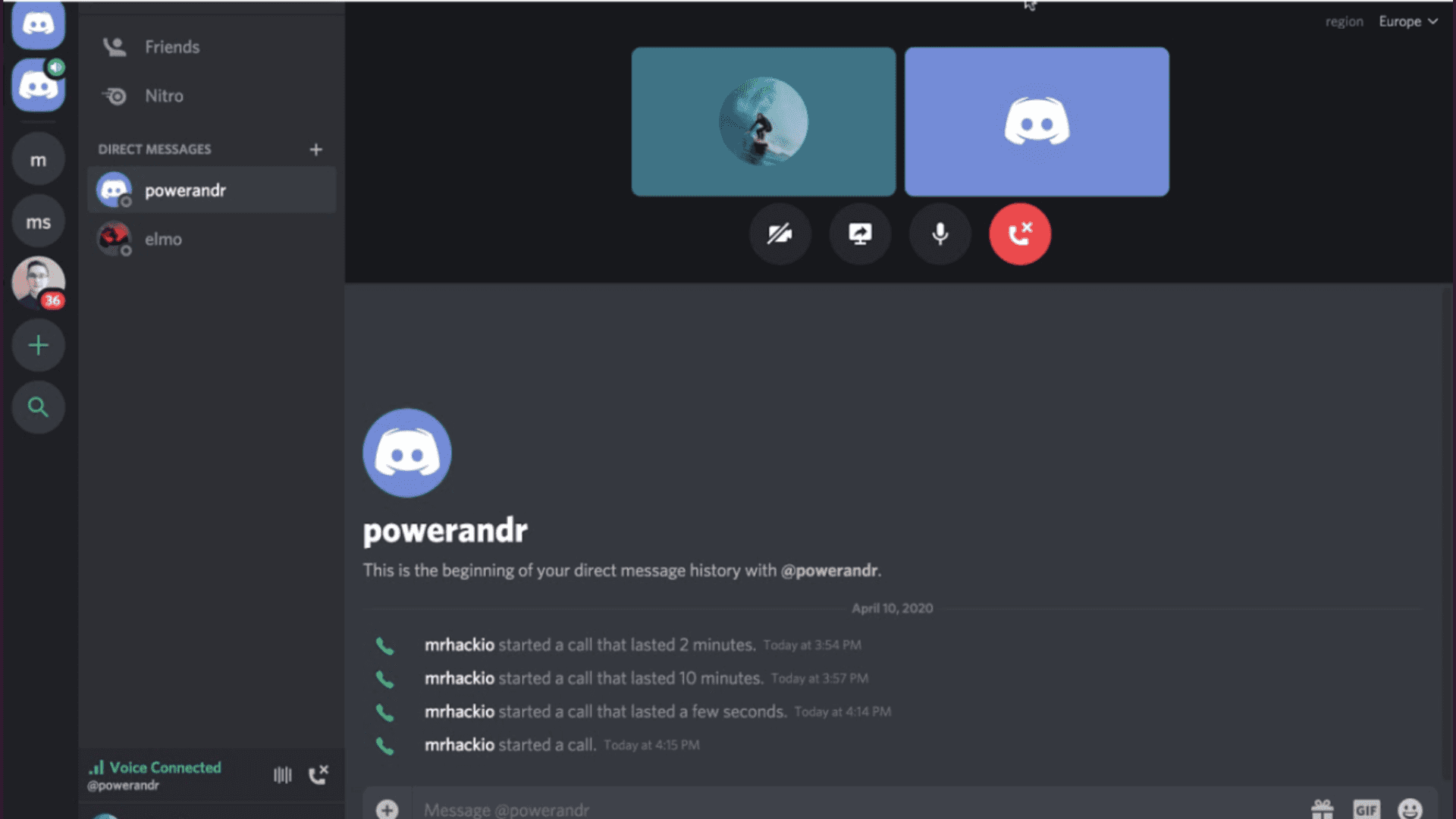 Image source: discord.com
- Drop-in voice channels: Create spaces where teammates can join or leave conversations freely, no calendar invites required.
- Video calls and screen sharing: Talk face-to-face or share your screen to walk through ideas, documents, or presentations together.
- Community management tools: Use text channels, roles, and permissions to keep conversations organized, even in large groups.
- Most of Discord’s core features are free. Paid plans start at $2.99 per month.
Honorable mentions
- Pumble: Offers simple, reliable high definition video conferencing for teams, integrated with chat and collaboration tools. Ideal for small to medium-sized teams that want quick, seamless video calls without leaving their workspace.
- CoScreen: Enables teams to collaborate in real time by sharing individual application windows instead of entire screens. Ideal for pair programming, design reviews, and hands-on collaboration, it keeps workflows private while boosting teamwork.
- Jitsi Meet: Open-source video conferencing solution that requires no account to join meetings. Ideal for teams and communities that need secure, flexible video calls with screen sharing, chat, and customizable meeting options.
How to choose the best Zoom alternative
Why Lark is the best alternative to Zoom
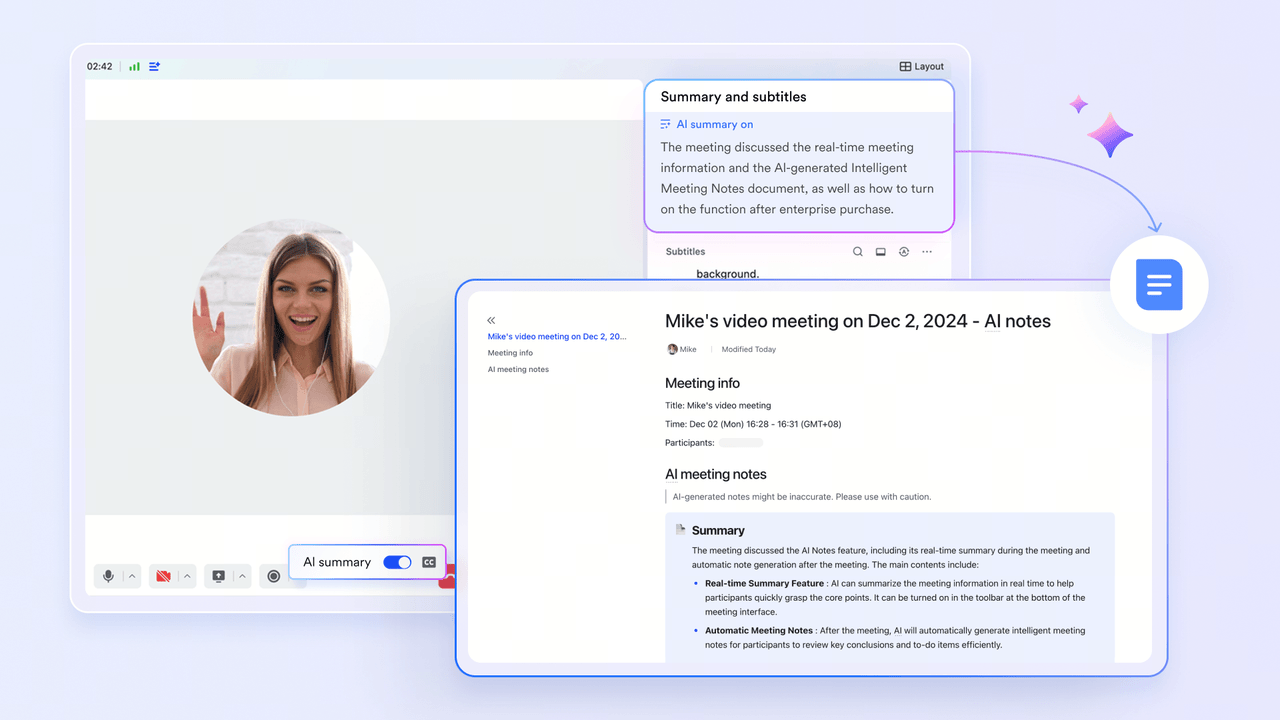
- Auto-capture action items: The AI note assistant detects intent in speech and automatically suggests tasks. When attendees mention responsibilities or deadlines, the system proposes creating Lark Tasks complete with owners and due dates. This turns verbal commitments into trackable action items before the meeting ends.
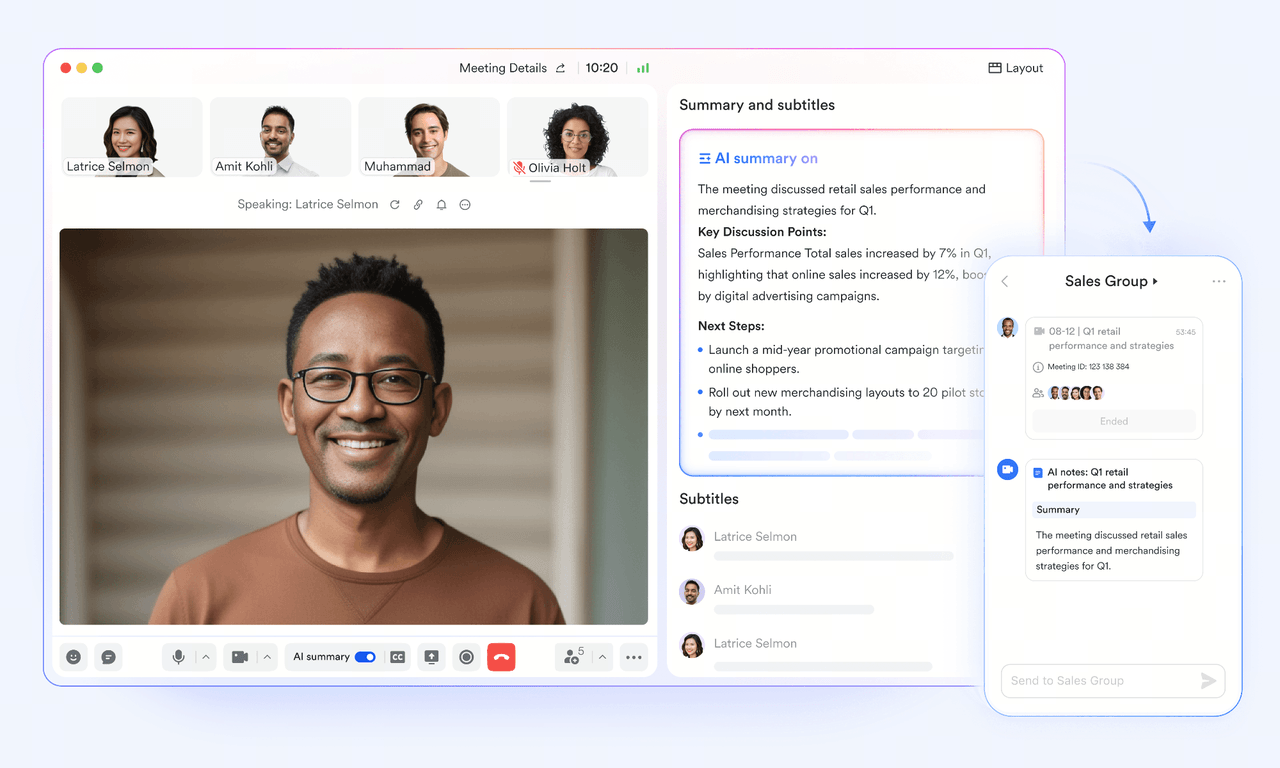
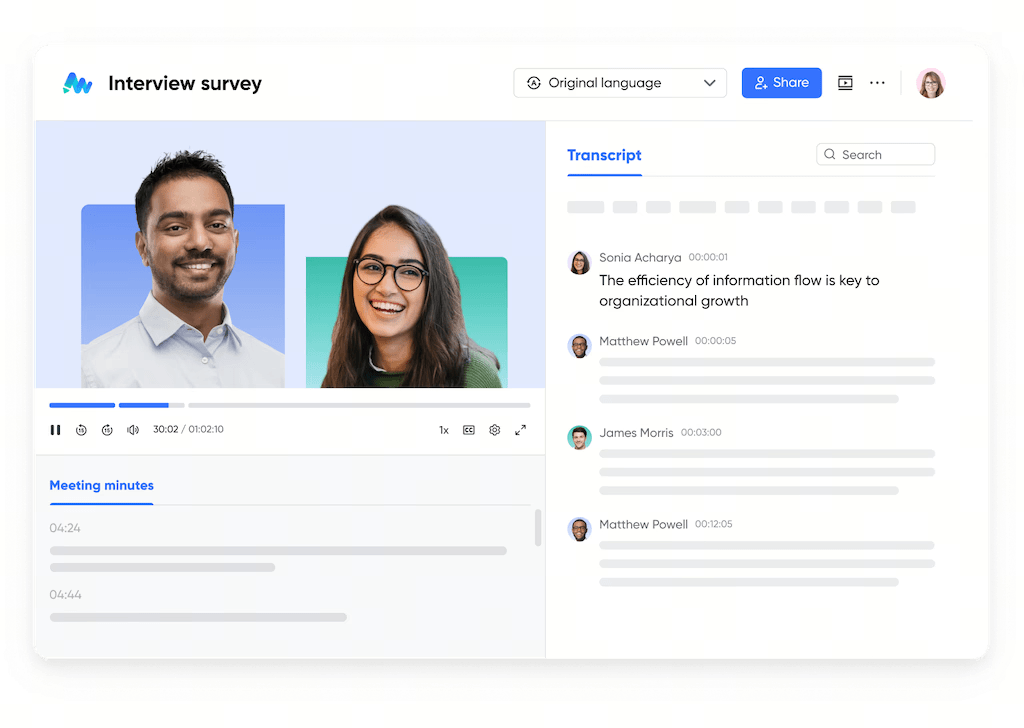
- Accurate and searchable transcripts: Lark Minutes records meetings with full video playback and timestamped transcripts. These transcripts are searchable, allowing users to jump straight to specific moments using keywords. This helps teams quickly verify instructions, review discussions, and maintain a reliable knowledge base.
- Real-time multilingual transcript translation: Lark provides live subtitles and transcript translations in over 100 languages. Attendees can view live translated subtitles during the call. After the meeting, Lark Minutes transcripts and AI meeting summaries can be automatically translated, empowering global teams to collaborate and grasp outcomes without language barriers.

















More than just a meeting tool
- Context-rich communication: Instead of starting a meeting with a blank slate, your team can launch a video call directly from a shared document or project chat. Everyone is instantly on the same page, with the necessary context right in front of them.
- Seamless project tracking: When a meeting concludes, the momentum doesn't stop. AI-generated action items flow directly into your team's task manager. You don't have to manually copy notes into a separate project management app, ensuring nothing falls through the cracks.
- Unified knowledge base: Every transcript, shared file, and chat decision lives in one secure, searchable workspace. New hires or team members who missed the call can catch up effortlessly without asking colleagues to hunt down old email threads or standalone cloud links.

"Lark has really helped us improve our internal processes. Unlike other tools we used like Zoom and Skype, Lark gives us everything we need in one place. We are really impressed with the breadth of features on Lark and look forward to expanding our usage of the platform"

Patricia Lim
Human Resource Manager
Conclusion
FAQs about Zoom alternatives
What are the best alternatives to Zoom?
Some of the most popular Zoom alternatives include Lark, Microsoft Teams, Google Meet, Slack, and Webex. Each platform offers video conferencing alongside other collaboration features, so the best choice depends on whether you want just meetings or a full workplace solution. When evaluating video conferencing solutions, it’s important to consider total costs. Teams can also check Google Workspace pricing to understand how alternative productivity suites compare.
Who is Zoom's biggest competitor?
Zoom’s biggest competitor is generally considered to be Microsoft Teams, since it combines video meetings with chat, file sharing, and integration into Microsoft 365. However, platforms like Google Meet and Lark are quickly gaining traction as strong rivals, especially for teams looking for seamless collaboration beyond just calls.
Why don't people use Zoom anymore?
Many businesses still use Zoom, but some are moving away from it due to a few common pain points:
- Security and privacy concerns raised in recent years made some companies cautious.
- Competitors like Lark and Teams provide an all-in-one workspace that reduces the need for multiple apps, saving time and cost.
What are some popular free Zoom alternatives?
If you’re looking for a free option, Google Meet and Lark’s free plan are excellent choices depending on what you need. Google Meet is simple and integrates well with Gmail and Google Calendar, while Lark provides not only one-on-one calls, but also chat, documents, project management, and more for up to 20 users—at no cost.
Why did Zoom rename itself to Zoom Workplace?
Zoom renamed itself to reflect its shift beyond video calls into a full collaboration platform. The rebrand highlights new tools like chat and productivity features, positioning Zoom as an all-in-one workplace solution rather than just a video conferencing app. However, as a new solution, its feature list still lags behind the likes of Lark, Microsoft Teams, and Google Workspace.
What are the best open-source alternatives to Zoom?
For open-source enthusiasts, Jitsi Meet and BigBlueButton are among the top choices. Jitsi Meet is simple, secure, and requires no downloads, while BigBlueButton is designed with online learning in mind, offering tools like breakout rooms, polls, and whiteboards. Both give you flexibility and control over your meeting data.
What are the best apps like Zoom for mobile users?
The best Zoom alternatives for mobile users include Microsoft Teams and Google Meet. However, Lark stands out with its mobile-first design, seamless video calls, real-time collaboration, and built-in AI meeting notes, making it one of the top choices for iOS and Android users.
Related reading

Start using Lark today

Manage all your work in one place
Boost team efficiency by 10x
Save up to 70% on software costs
Start using Lark today
Manage all your work in one place
Boost team efficiency by 10x
Save up to 70% on software costs
Keep reading


Lark recognized in 2023 Gartner® Collaborative Content Workspaces and Meeting Solutions reports





2026 Lark Technologies Pte. Ltd.
Headquartered in Singapore with offices worldwide.





