














Best Retail Management Systems (A 2026 Guide)

Alan Chan
Technical Product Marketing Specialist
Sep 18, 2026
Alan Chan
Sep 18, 2026

9 min read


Whether you’re a store manager or a business owner, you have to handle many moving parts to keep your shop running smoothly. From placing stock orders to employee management and customer engagement, the list of tasks is endless.
This is where retail management systems come into play. They simplify your daily tasks and offer insights into your customers’ preferences.
In this article, we look at the top retail management systems on the market for 2025 — and which one comes out on top.
What is a retail management system?
A retail management system (RMS) is an integrated software platform that streamlines and enhances retail businesses’ operations.
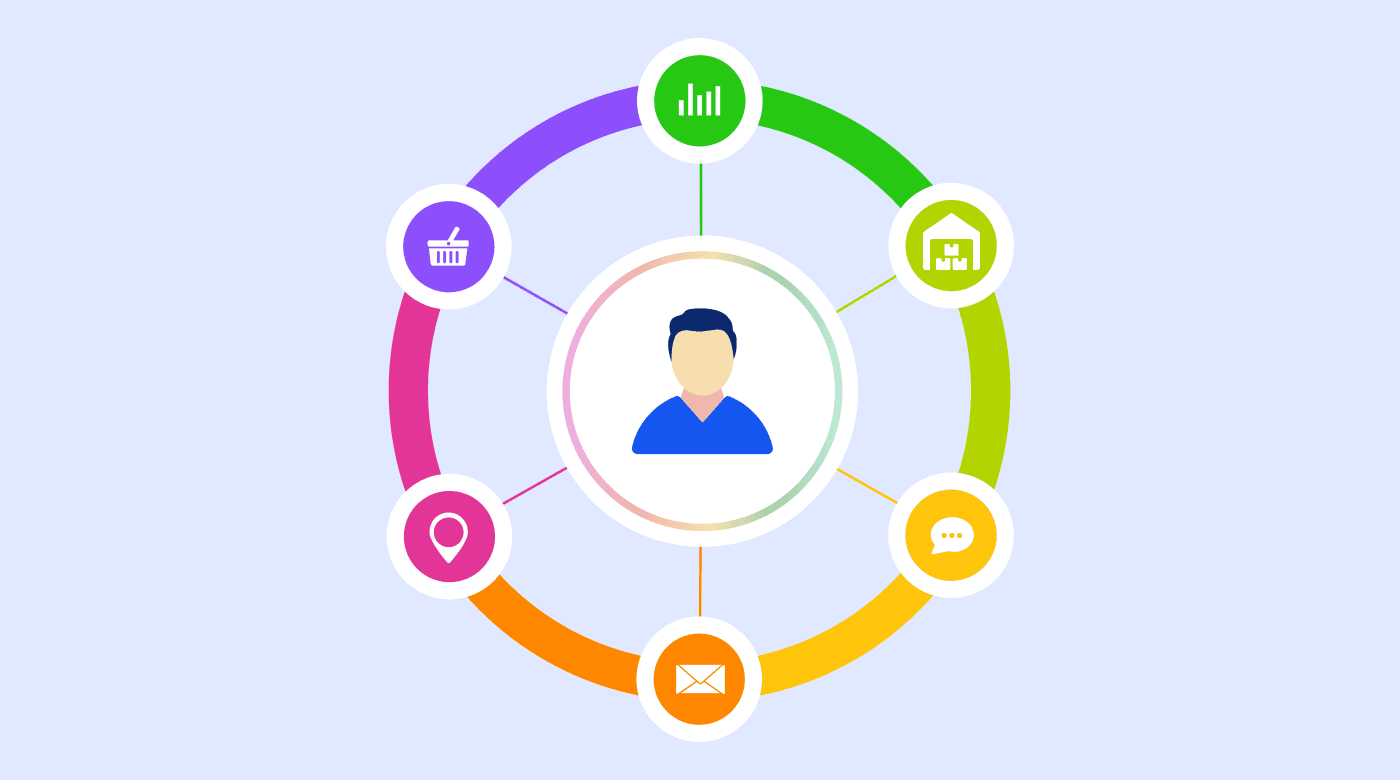
The functions of an RMS include the following:
- Handling transactions and sales processing
- Tracking stock levels, orders, and deliveries
- Managing customer data and purchasing histories
- Overseeing staff scheduling and performance
Who uses RMSs?
Store managers or business owners use RMSs to make decisions about purchasing, sales strategies, and overall store management.
In bigger retail companies, specific teams or departments often manage different components of the RMS so that all aspects of the retail operation work together seamlessly.
Do you need to use a RMS?
The global retail management software market is projected to be worth $4.82 billion by 2028, and retailers of all sizes, from small boutiques to large chains, have adopted RMSs.
But why? What do RMSs offer — and should you be investing in one, too?
Here’s how the right RMS can benefit your store:
Automates routine tasks
Think of the last time you had to manually count inventory or sift through sales records. Tedious, right?
An RMS takes these repetitive tasks off your hands, tracking inventory and recording sales, as well as managing customer data with precision. This reduces human error and frees up more of your time.
Provides real-time data and analytics
Ever wondered if you’re ordering too much of a product that doesn’t sell?
An RMS offers real-time insights into sales trends, stock levels, and customer preferences. This data is gold for helping you make quick, informed decisions — and avoid overstocking or running out of hot items.
Simplifies tasks
The right RMS means fewer hours spent on inventory management and more interaction with customers. By simplifying and streamlining tasks, your team can focus on what they do best — offering great customer service and a personal touch that no online store can match.
What makes a good RMS?
The ideal RMS makes processes easier and more efficient and doesn’t confuse or slow down employees. Here are some important features to look for when choosing an RMS:

Comprehensive functionality
The ideal RMS should include all necessary retail functions. These include:
- Point-of-sale (POS): Efficient and reliable transaction processing
- Inventory management: Real-time tracking of stock levels, automated reordering, and inventory analysis
- Customer relationship management (CRM): Tools for managing customer data, purchase history, and personalized marketing
- Employee management: Scheduling, time-tracking, and performance metrics
- Reporting and analytics: Detailed reports on sales, customer behavior, inventory levels, and overall business performance
Essential integrations
Your RMS should seamlessly integrate with your other essential business tools, such as:
- E-commerce platforms
- Accounting software
- Payment processing
- Supply chain management
Easy to use
Think about how frustrating it can be when you’re trying to use a new piece of technology that’s complex and unintuitive.
An RMS, with its easy-to-use interface, removes this frustration, making life easier for everyone on your team.
The system should be user-friendly, with an intuitive interface that requires minimal training. This helps ensure that all staff, regardless of their technical expertise, can use it.
Scalability and customizability
Your business is like a living organism, constantly growing and changing. Your RMS should reflect this, evolving with your business’s needs.
A scalable RMS can also handle increasing loads of data and transactions without sacrificing performance.
Similarly, customizability allows you to tailor the system to meet your business’s unique needs, whether you have a boutique or a large, multi-branch enterprise. This adaptability is crucial for long-term success and competitiveness.
Mobile accessibility
In today’s fast-paced world, the ability to work on the go isn’t just a luxury — it’s a necessity. You need to be able to manage your business from anywhere, whether you’re on the shop floor or at a supplier meeting. This helps you quickly adapt to market changes and have immediate access to inventory levels.
Top 4 RMSs
Ready to invest in a quality system that works for you and your team? We’ve delved into the most popular RMSs. Here are our findings:
1. Lark
Why pick Lark?
Lark stands out as a revolutionary tool for retail team collaboration and communication. Offering a perfect blend of cutting-edge features and a user-friendly experience, it makes retail management a breeze.
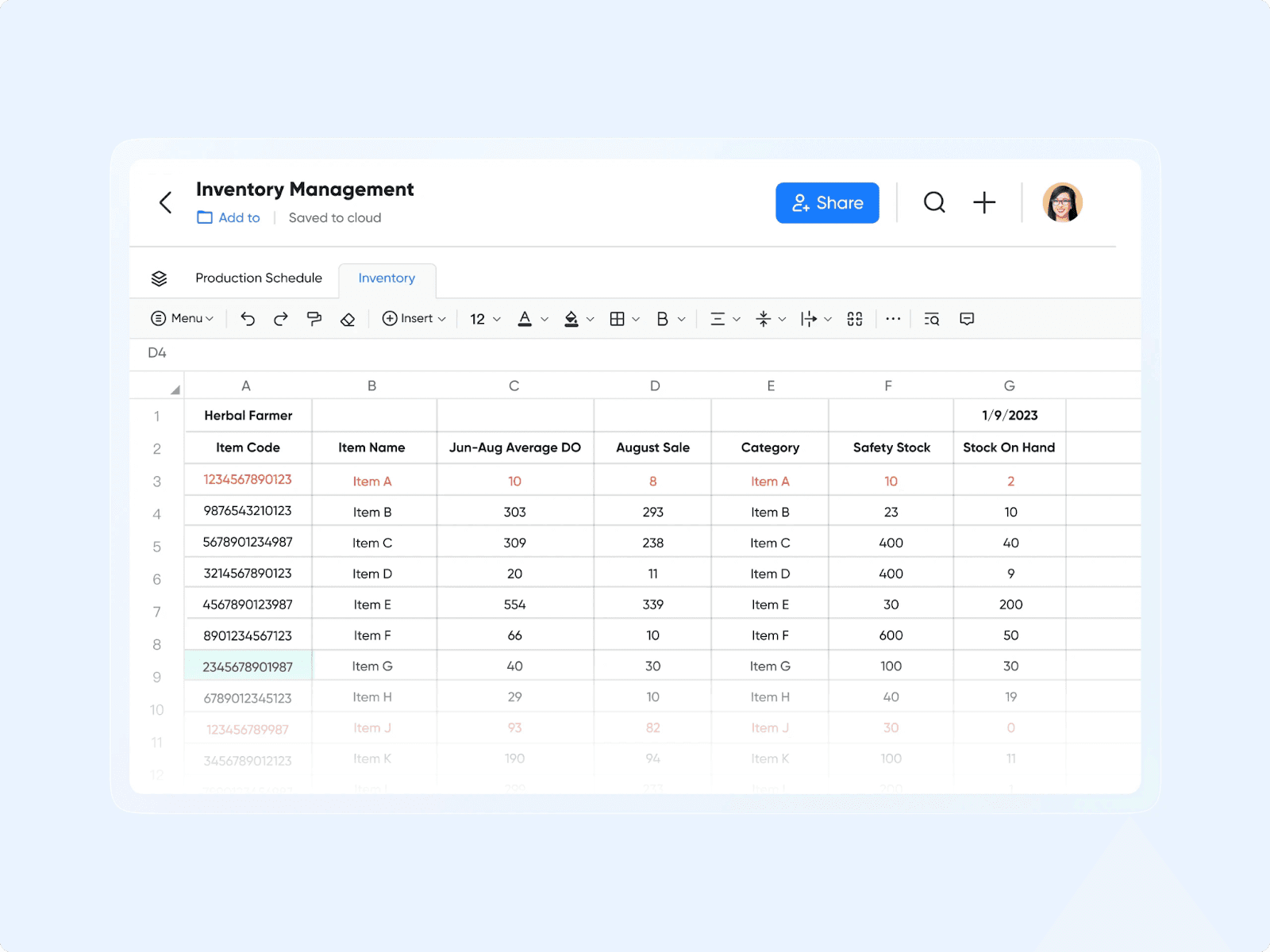
Unlike a traditional RMS, Lark focuses on streamlining communication across all levels of a retail organization, from frontline workers to management and headquarters. This seamless interaction makes Lark an invaluable asset for any retail business looking to enhance its team cohesion and operational efficiency.
Whether you’re a small boutique or a large-scale retail operation, Lark adapts to your needs, ensuring your business runs smoothly and, as a result, thrives.
Features:
- Real-time inventory tracking
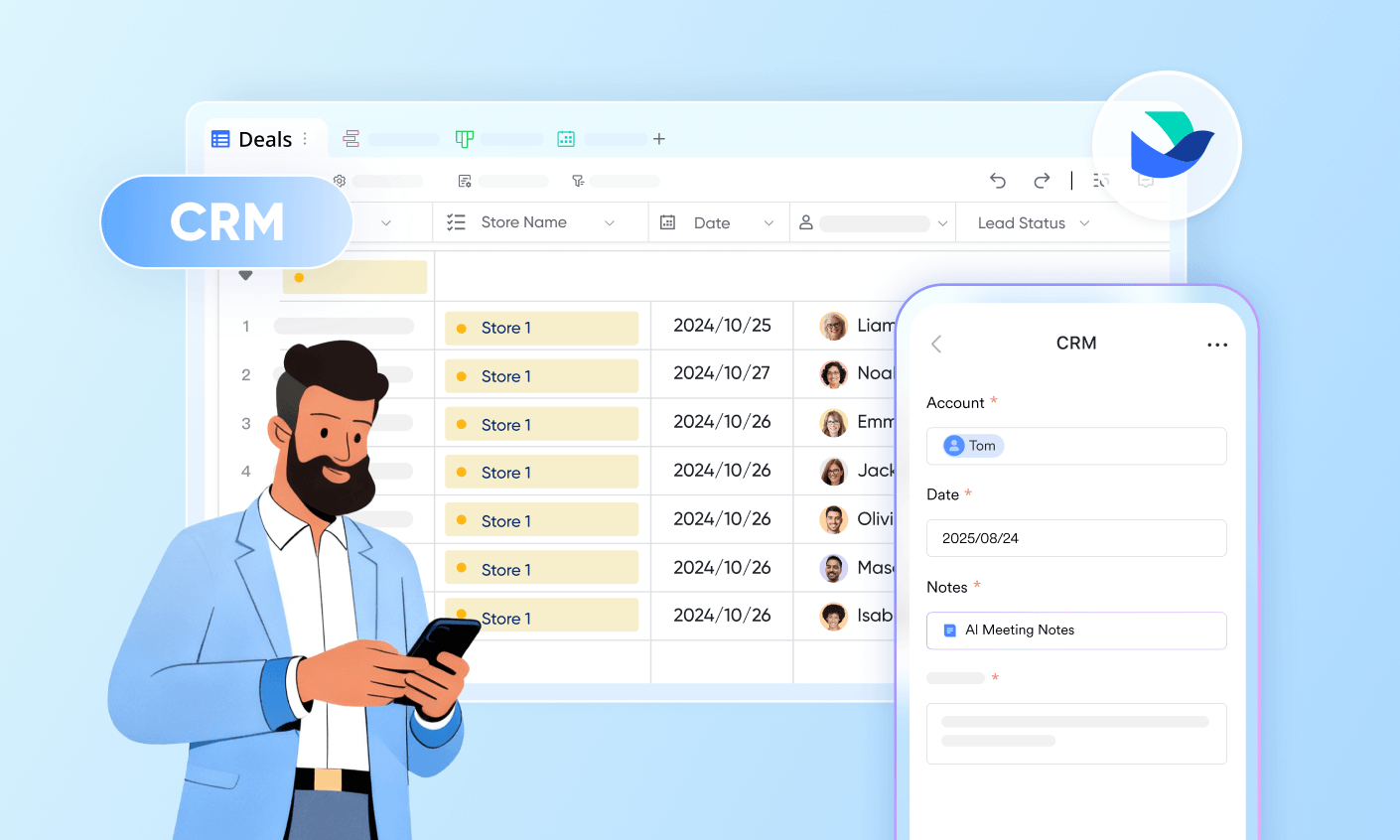
- Integrated CRM
- Time-saving templates
Pricing:
- Starter: $0 per month (up to 50 users)
- Pro: $12 per user per month (up to 500 users)
- Enterprise: Contact Sales
What it’s great at:
- Keeping retail teams connected, regardless of their location
- Ensuring secure and organized storage of communication and documents
- Streamlining approval and administrative processes
- Simplifying staff management and operational tasks
Areas of limitation:
- The range of features might be wider than small retailers need.
2. Shopify POS
Why pick Shopify POS?
Shopify POS seamlessly links your online store with your physical shop, simplifying everything from tracking inventory to processing sales. This versatile system handles sales in your store, at events, or on the go.
Whether you’re starting small or expanding, Shopify POS adapts to your business needs. It’s designed to simplify your operations and enhance customer satisfaction, ensuring a smooth shopping experience for everyone.
With Shopify POS, you’re not just conducting transactions — you’re elevating the entire retail experience.
Features:
- Omnichannel selling
- Payment processing
- Customer management
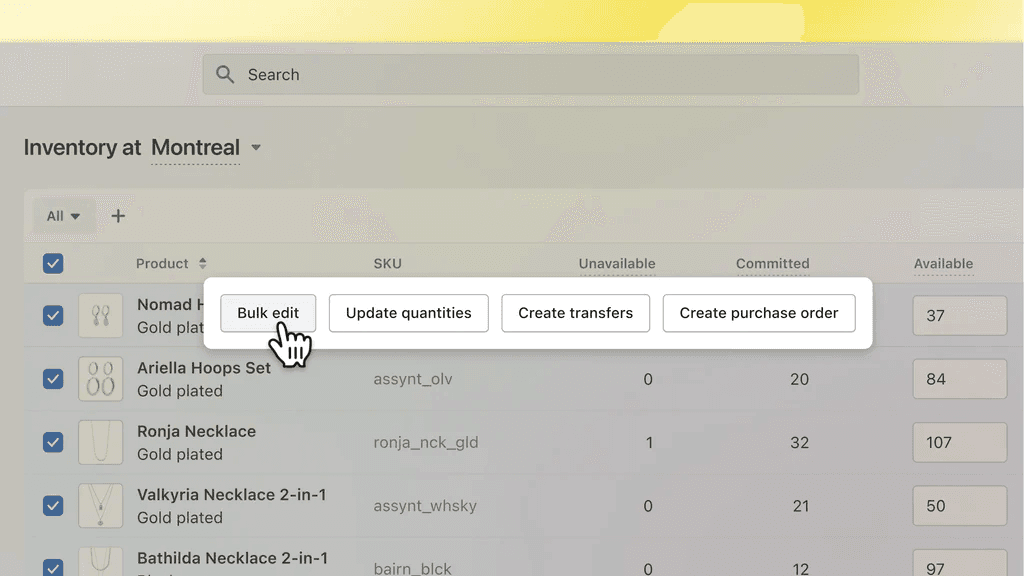
- Inventory management
- Reporting and analytics
Pricing:
- Retail plan: $89 per month
- Basic plan: $39 per month
What it’s great at:
- Gives customers a seamless shopping experience, whether they are shopping in-store, online, or through other channels
- Integrates different sales platforms to provide a unified customer experience
- Offers checkout flexibility with options like custom receipts, offline transactions, and various payment methods
Areas of limitation:
- Limited customization options compared to other POS systems
- Only integrates well with Shopify — not other third-party applications or accounting software
3. Square for Retail
Why pick Square for Retail?
Square for Retail is a holistic solution for retail management, integrating essential business tools such as payments, inventory, and e-commerce.
A key highlight is its user-friendliness, making it particularly beneficial for businesses that experience high staff turnover or employ seasonal workers. The ease of training new employees on the platform helps ensure that businesses can maintain efficiency and continuity in their operations, regardless of staff changes.
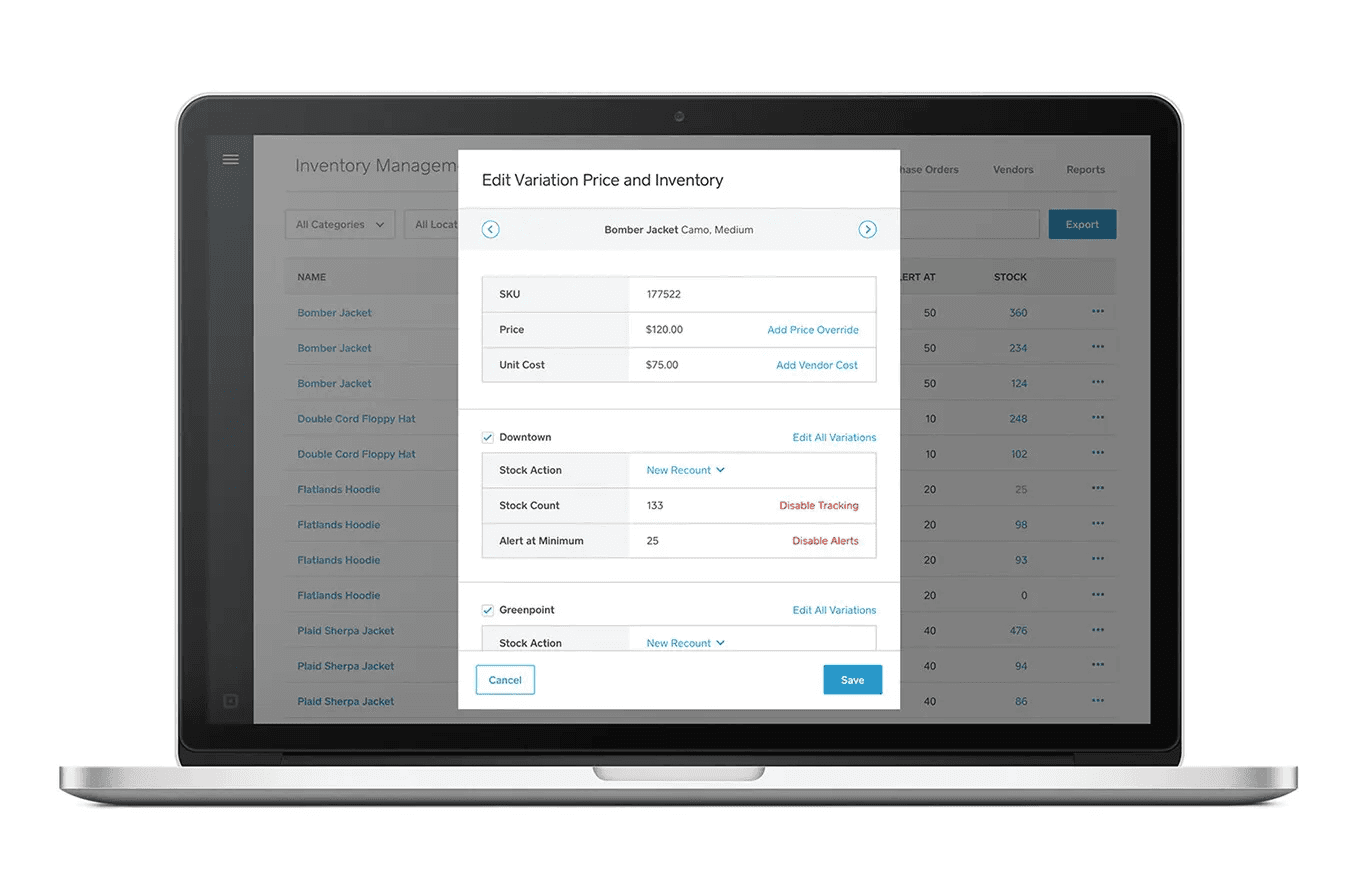
Features:
- Payment processing
- E-commerce integration
- Inventory management
- Barcode scanning
- Customer profiles
- Employee management
Pricing:
- Free plan: No monthly fees
- Plus plan: $89 per month per location
- Premium plan: Custom pricing for established businesses
What it’s great at:
- Ease of use and setup
- Seamless omnichannel selling
- Flexible POS system that grows with your business
Areas of limitation:
- It doesn’t offer highly customizable e-commerce payment solutions or many integration options
- Flat fee per transaction means it may not be ideal for large-volume businesses
4. Lightspeed Retail
Why pick Lightspeed Retail?
Lightspeed Retail is a cloud-based POS system tailored for well-established retail businesses with multiple locations. This all-in-one provider offers a comprehensive range of features ideal for handling complex retail operations.
Lightspeed Retail acts as both a POS system provider and payment processor, making it a convenient choice for businesses looking for a unified solution. Its strong inventory management and integrated CRM capabilities are standout features. However, potential customers should be aware of its high cost and the need for an annual contract to get the best pricing.
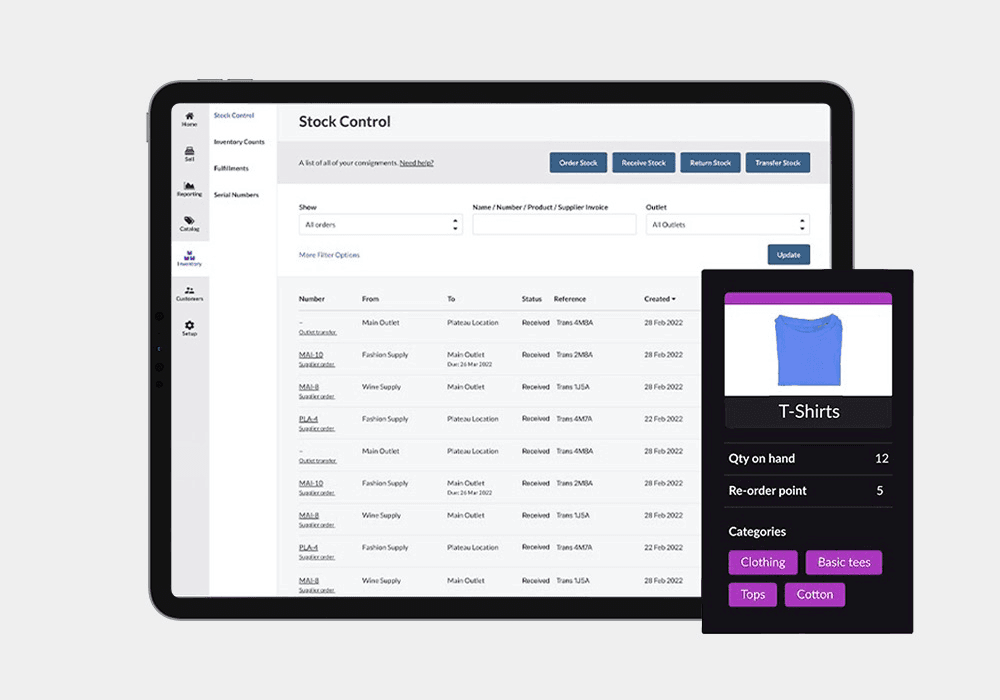
Features:
- Inventory management
- Customer management relationship
- Employee management
- Reporting
- Loyalty program
Pricing:
- Lean plan: $89 per month
- Advanced plan: $269 per month
What it’s great at:
- Offers extensive functionality for tracking and managing inventory
Areas of limitation:
- May be too expensive for smaller operations
Elevate your retail success with Lark
Whether you’re managing a compact retail store or launching a new shopping outlet, choosing the perfect RMS is crucial for your business evolution. The right system will streamline your operations, improve the customer experience, and, ultimately, drive business growth.
Lark is not just a tool but a comprehensive solution for modern retail businesses. Its customizable solutions can empower you to optimize your retail operations and acquire valuable insights for informed business strategy and growth. From seamless communication and record-keeping to efficient process management and employee engagement, it does it all.
Table of contents
Start using Lark today

Manage all your work in one place
Boost team efficiency by 10x
Save up to 70% on software costs
Table of contents
Start using Lark today
Manage all your work in one place
Boost team efficiency by 10x
Save up to 70% on software costs
Keep reading







2026 Lark Technologies Pte. Ltd.
Headquartered in Singapore with offices worldwide.






Explore: