


Buyer Persona Template: Build Profiles That Really Drive Action

Ryan Tanner
Product Marketing Specialist
Aug 5, 2026
Ryan Tanner
Aug 5, 2026

15 min read


Understanding your target audience is the foundation of every effective marketing and sales strategy. A well-designed buyer persona template helps teams move beyond assumptions and base their actions on real customer data, motivations, and decision drivers. However, many templates remain static and quickly lose relevance as markets evolve. This is where Lark, a connected workspace, brings a fresh approach enabling teams to build, update, and share personas dynamically.
In this guide, you'll learn how to create a buyer persona template, explore practical examples, and discover how Lark transforms persona management into a collaborative, data-driven process. Let's dive in now.

Why buyer personas still matter
Creating a buyer persona is more than a branding exercise. It is a strategic process that aligns marketing, sales, and product development around a shared understanding of the customer. Buyer personas help businesses refine their messaging, prioritize resources, and design experiences that resonate with specific audience segments. Even in a data-saturated environment, having a clearly defined buyer persona template ensures teams remain focused on real customer challenges and motivations rather than assumptions.
A strong buyer persona brings clarity to targeting, improves conversion rates, and ensures every message connects to the audience's actual goals. It allows teams to tailor campaigns for different stages of the buyer journey, from awareness to purchase, and when paired with project management tools, ensures consistent communication and coordinated execution across departments.

Image source: unsplash.com
What goes into a great buyer persona template
Building a reliable buyer persona template requires a blend of qualitative insights and quantitative data. The most effective templates are actionable, collaborative, and continuously updated. Each element should help teams understand their buyers at both a strategic and emotional level. Below are the key components every successful persona template should include.
- Basic profile details: This forms the foundation of your persona, defining demographic and professional context. Include data such as the persona's name, job title, company size, and location. Add deeper details like years of experience or specific industry focus to make the profile realistic.
- Goals and motivations: Every buyer has professional or personal goals that shape how they make decisions. Outline what success looks like for them, such as improving operational efficiency, expanding reach, or cutting costs.
- Challenges and pain points: Identify what obstacles prevent your persona from achieving their objectives. Common pain points might include inefficient workflows, limited budgets, or lack of collaboration tools. Capture these details within your buyer persona template so marketing and sales can respond with relevant strategies.
- Decision drivers: These are the key factors influencing a buyer's purchase choice, such as ROI, trust, simplicity, security, or scalability. Your b2b buyer persona template should highlight which drivers matter most to each audience segment.
- Preferred communication channels: Knowing where and how your buyers prefer to engage allows your outreach to be more targeted and personal. Some audiences may favor LinkedIn or email, while others rely on industry groups, webinars, or communities.
- Objections or hesitations: Buyers often face doubts that delay their purchase, such as pricing concerns, complex onboarding, or unclear value. Document these common objections in your free buyer persona template so the sales team can anticipate and address them effectively.
- Quotes or insights: Real customer quotes and qualitative feedback make personas more relatable and credible. Collect insights from user interviews, surveys, or customer support exchanges. Add these quotes to your buyer persona template free format to humanize your data and remind teams of real customer perspectives.
How to build your buyer persona step-by-step
Creating a persona involves structured research and cross-team collaboration. Follow these steps to ensure your template buyer persona reflects data-driven accuracy and usability.
Step 1: Gather qualitative and quantitative research
Start with customer interviews, support tickets, and survey data. Combine these with analytics from CRM platforms to understand patterns in demographics, purchasing triggers, and behaviors. When stored in Lark Base, all these insights remain centralized, searchable, and linked to related personas for easy reference.
Step 2: Identify patterns and group similarities
Analyze the data to find trends in motivations, challenges, and buying processes. Group your audience based on shared attributes rather than assumptions. Lark Sheets can help visualize this data through filters and tables, supporting more objective persona segmentation.
Step 3: Build persona profiles collaboratively
Invite sales, marketing, and customer support to co-author personas in Lark Docs. Each department adds its perspective sales on objections, marketing on goals, support on pain points. This ensures that every persona reflects a 360-degree understanding of your customer base.
Step 4: Validate with real customer feedback
Once your initial personas are complete, validate them with actual users or focus groups. Add notes and updates in real time using Lark Messenger so everyone stays aligned with feedback. This iterative approach ensures the final buyer persona template word format reflects accurate insights.
Step 5: Keep personas alive and updated
Personas should never remain static. Market dynamics, customer behavior, and business goals shift regularly. Set up recurring update reminders in Lark Tasks to review persona data every quarter. This ensures your personas stay fresh, accurate, and actionable over time.
Action time: Ready-to-use buyer persona templates
Creating an effective buyer persona doesn't have to start from scratch. Many teams struggle with setting up the right structure or format to capture essential data consistently. That's why we here provide a set of professionally designed templates to help businesses of all sizes build and manage personas efficiently. These templates go beyond static documents. They serve as living frameworks that evolve with your audience, ensuring accuracy and collaboration across departments.
- Buyer persona template
- Ideal for marketing and sales teams building foundational customer profiles. This free buyer persona template features dedicated sections for goals, challenges, and decision drivers, helping you capture essential behavioral data. Teams can customize fields to reflect specific audience traits and link insights directly to active campaigns. It serves as a reliable starting point for aligning marketing and sales around shared customer understanding.
- Persona template
- A flexible option suitable for both B2B and B2C buyer persona template requirements. This version allows quick customization across different industries or project scopes while maintaining a consistent structure and clarity. Teams can modify categories, add new data points, and collaborate within the same workspace. It provides an adaptable framework that scales with your audience segmentation needs.
- Customer persona template for tech markets
- Specifically designed for technology-driven businesses, this template helps teams capture insights on digital behavior, usage patterns, and feature expectations. It's particularly useful for SaaS teams and IT managers developing products based on user data. Teams can align product roadmaps and go-to-market strategies more effectively using this detailed buyer persona template.
- User persona template
- Best suited for UX, design, and product research teams focused on improving user experience. This template documents user goals, habits, frustrations, and behavioral trends in detail. It helps teams visualize how different personas interact with products, informing design priorities and usability improvements. The format also supports continuous updates as new research insights emerge.
- Research project management template
- Designed to streamline research operations and track progress across multiple projects. Teams can log participants, manage study phases, and record findings efficiently within this structure. The template keeps all insights organized and easily linkable to related persona profiles. It's an essential tool for maintaining visibility and coordination throughout long-term research initiatives.
- User research report template
- This template provides a ready-made format for organizing both qualitative and quantitative research results. Teams can summarize data from interviews, surveys, and usability tests while keeping all findings accessible in one place. The structure encourages collaboration and version control, ensuring reports remain current and consistent. It supports transparent communication between research, design, and strategy teams.
- Buyer questionnaire template
- A structured form designed to collect firsthand insights directly from target buyers. It helps teams gather detailed information about goals, challenges, and buying behavior through standardized questions. The data collected feeds seamlessly into persona creation workflows. This template buyer persona resource is ideal for teams conducting surveys or discovery interviews to refine audience understanding.
- Smartsheet customer profile & persona templates
- Understanding who your customers really are is the first step in creating marketing and product strategies that truly resonate. Smartsheet's template collection offers customizable profiles and persona worksheets designed to help you capture key information — from demographics and motivations to pain points and decision criteria. You'll find downloadable formats (Excel, Word, PDF, Google Docs) and a guided approach for building personas that reflect real research and insight.
-
- Image source: smartsheet.com
- Yewbiz buyer persona template examples
- Crafting an accurate buyer persona is an essential step for any marketer looking to speak directly to the right audience with the right message. This resource from Yewbiz offers examples and templates tailored for marketers to map out who their ideal customer is — including their goals, behaviors, purchase journey, and how they engage with brands. It's a practical tool to move beyond broad targets and into meaningful segmentation and messaging.
-
- Image source: yewbiz.com
- Creately buyer persona template
- Visualization can make a big difference when you're trying to understand and share customer insights across your team. Creately's buyer persona template gives you a diagram-based format that brings clarity to demographic data, behavioral patterns, goals, and concerns of your target audience. It's especially useful when you want to communicate these insights visually and align teams — from marketing to design to product development.
-
- Image source: creately.com
- NicePNG buyer persona template
- Sometimes the simplest layout is the most helpful when introducing team members to the concept of buyer personas. The template available on NicePNG provides a clean, ready-to-use format for capturing essential details of your ideal customer — such as age, role, motivations, challenges, and preferred channels. It's a handy starting point for teams who are new to persona development and need a straightforward tool to build from.
-
- Image source: nicepng.com
Why Lark is the best workspace for persona collaboration
Traditional templates built in Google Docs or Excel are static. They become outdated quickly and require manual updates across multiple teams. That's where Lark comes into play. Lark changes that by connecting data management, team collaboration, and workflow automation in one place, turning buyer personas into living documents that evolve with your audience and strategy.
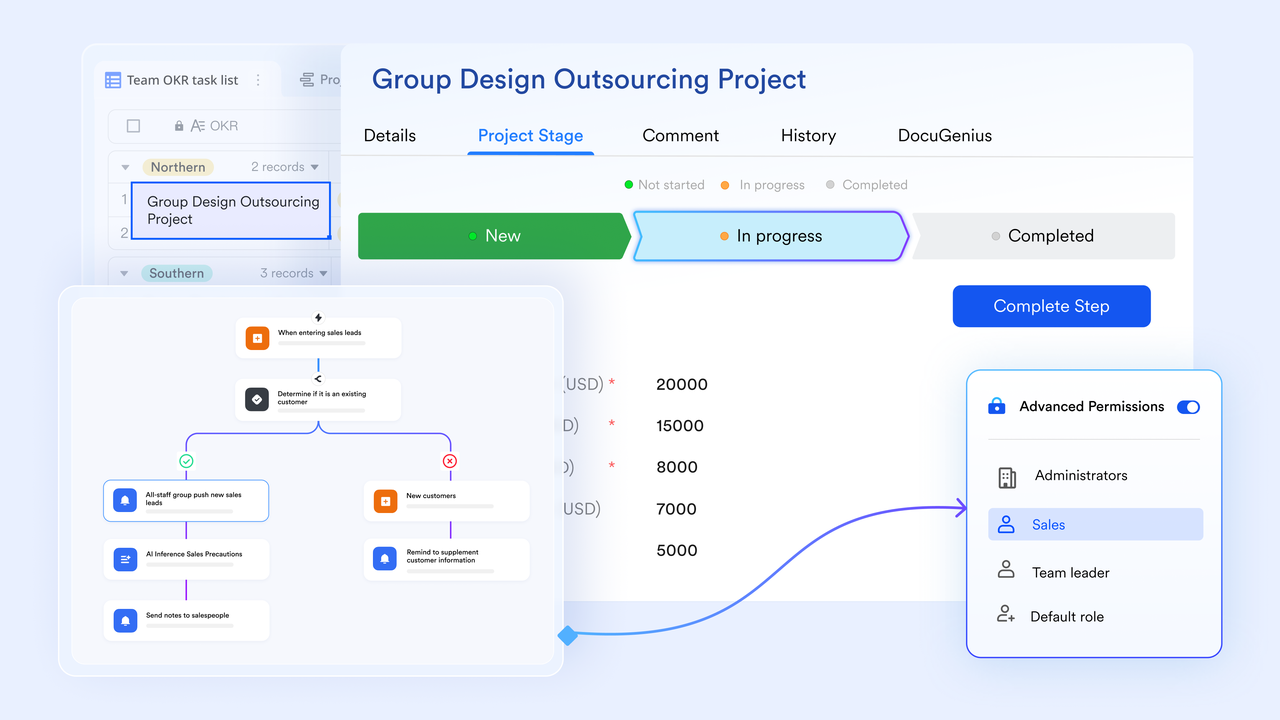
- Lark Base: Dynamic persona database with automation
- Lark Base is a versatile data management platform that enables teams to collaboratively organize, store, and update data in tables and fields, including demographic information, behavioral patterns, engagement levels, and buyer intent. Lark Base offers workflow capabilities and can be enhanced with AI field shortcuts for operations like research report generation. Via advanced permissions, teams can control who can view or edit specific data.
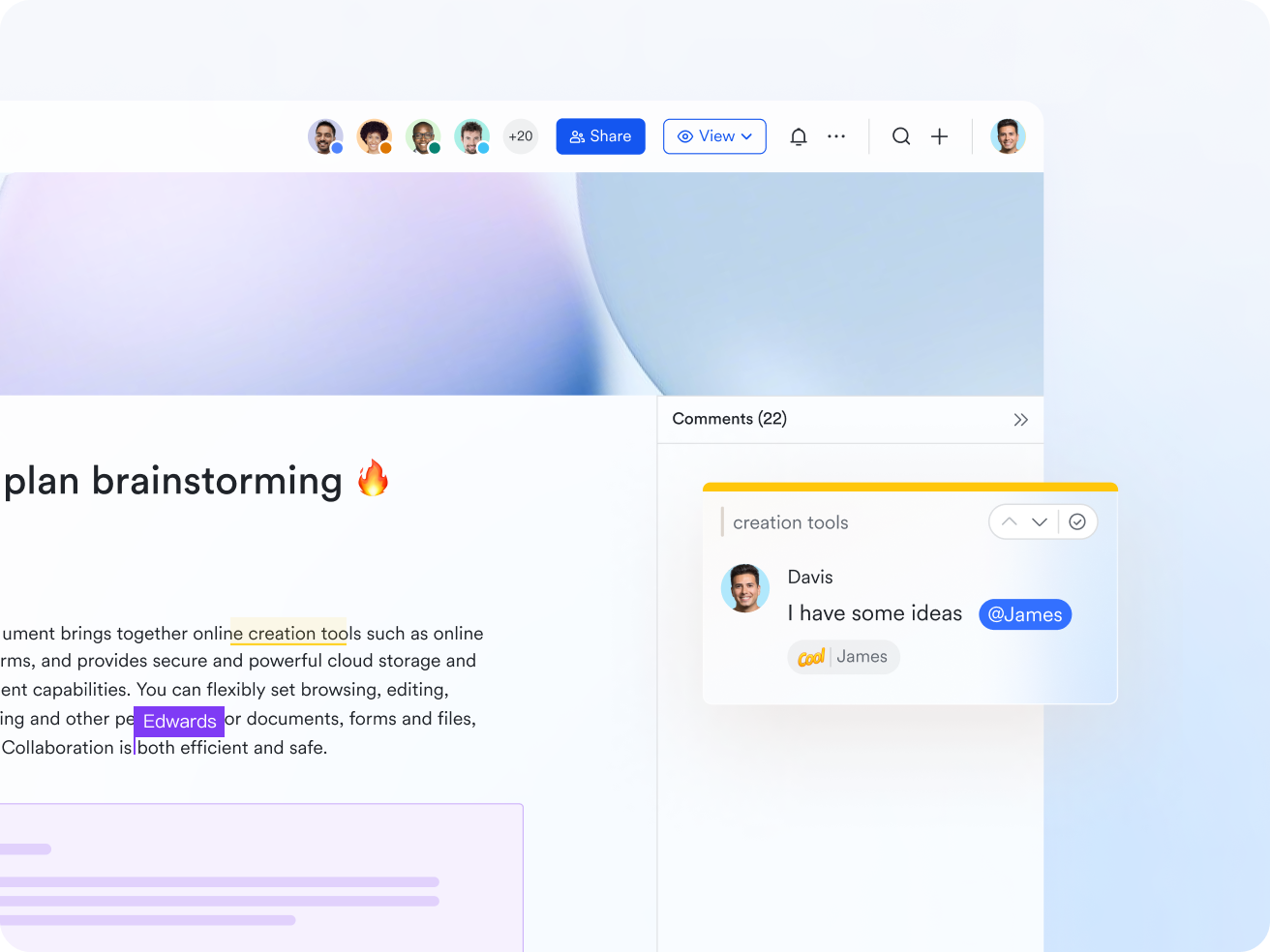
- Lark Docs: Co-create and refine personas in real time
- Lark Docs allows multiple departments to co-create personas in real time. It enables real-time collaboration, allowing teams to edit and discuss simultaneously. Charts and dashboards can be embedded for clear data visualization, while version management helps track edits and revert changes to prevent duplication. Task lists and tagging features further support progress tracking and timely reminders.
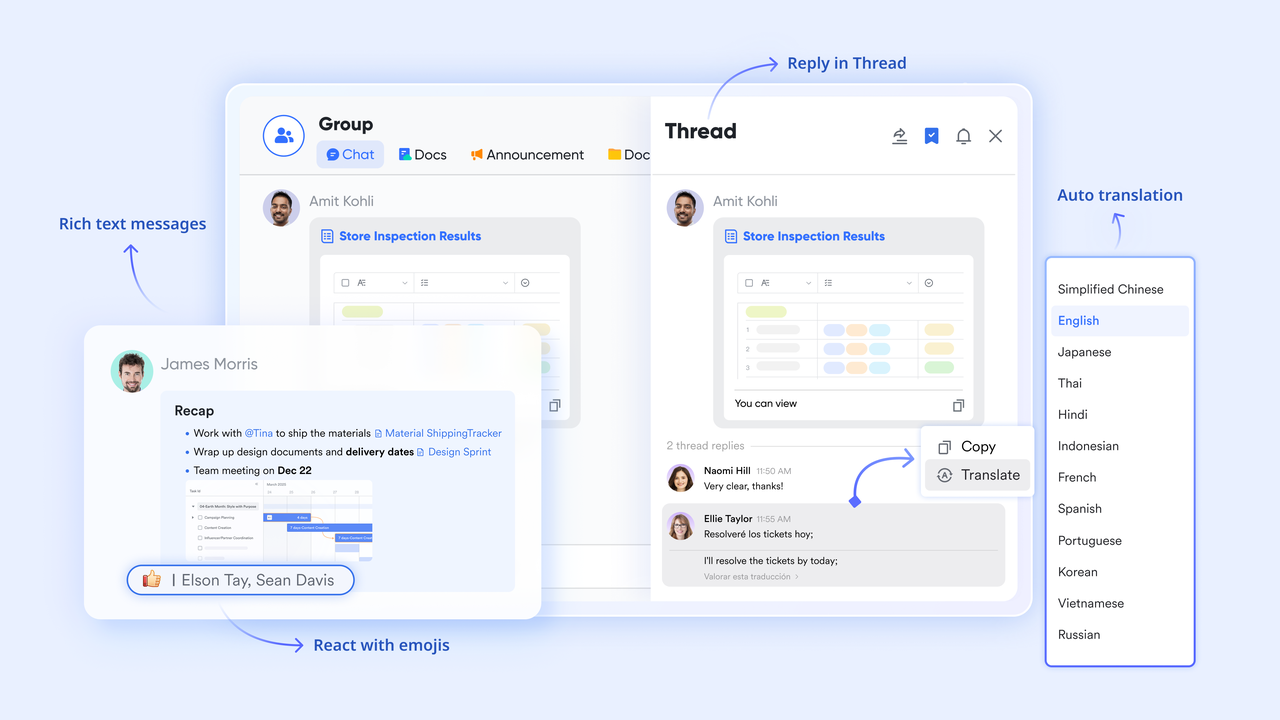
- Lark Messenger: Keep insights connected to discussions
- With Lark Messenger, teams can link discussions directly to persona records. You can share selected records, such as candidate or project details, from Base directly into group chats to enable focused collaboration. This makes it easy for team members to reference specific records and add their input, keeping discussions clear and contextual. Messenger also allows you to switch group chats to topic mode for more structured, threaded conversations.
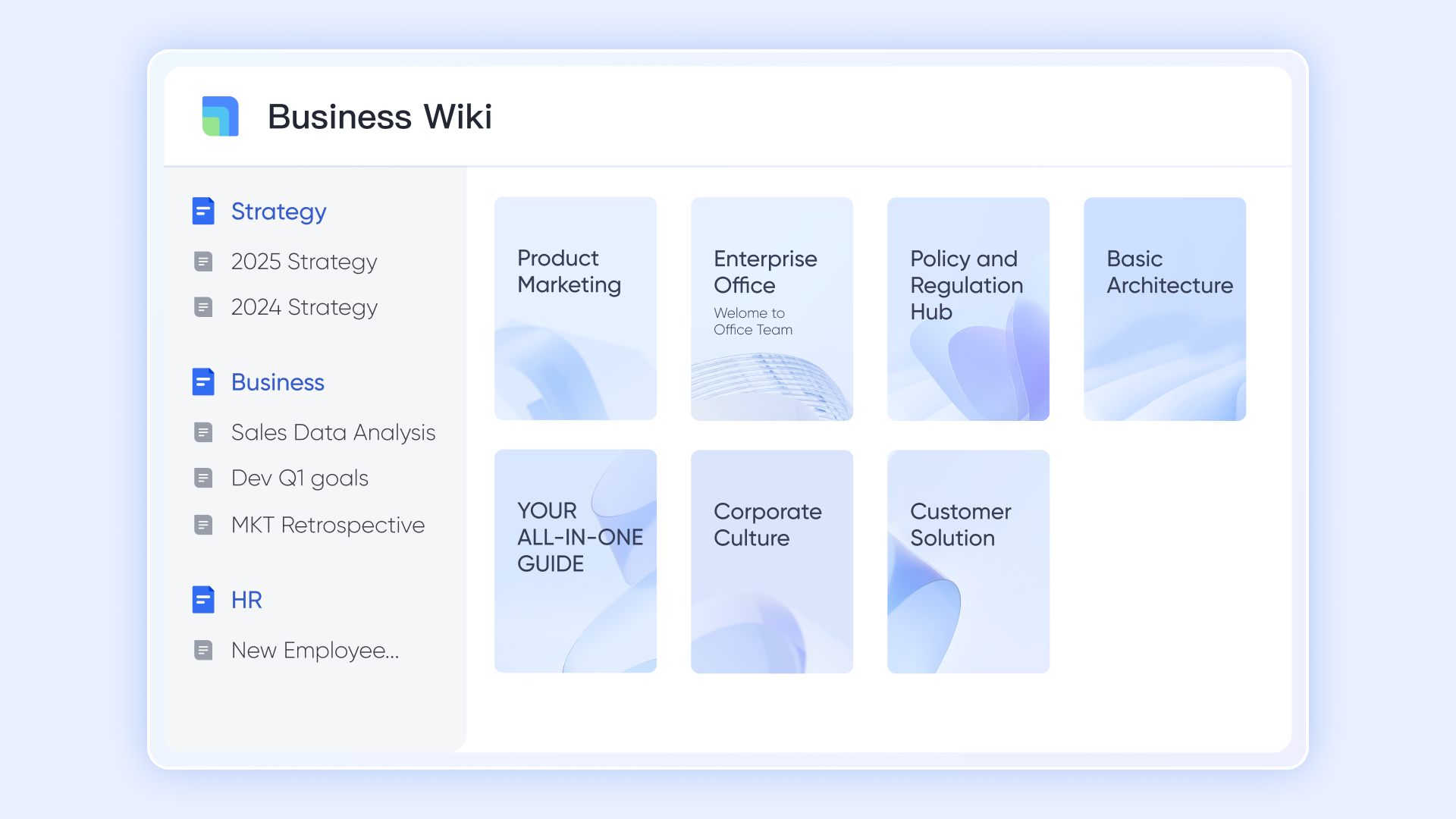
- Lark Wiki: Centralized access for company-wide alignment
- Once personas are finalized, upload them in Lark Wiki for broad visibility and your company's knowledge hub. It allows you to organize and store customer persona documents in a centralized Wiki space, making them easily accessible to all relevant departments. On the other hand, Lark Wiki allows you to set advanced permissions, granting you full control over who can view or edit content. It can be used to share information organization-wide, while departments can access the latest published versions.
- Starter plan: Free forever plan that includes 11 powerful tools for up to 20 users. It also comes with 100GB of storage, 1000 automation runs, AI translations, and more.
- Pro plan: $12/user/month (billed annually) for up to 500 users. It includes everything in Starter plus group calling for up to 500 attendees, 15TB of storage, 50,000 automation runs, and more.
- Enterprise plan: Contact sales for custom pricing. Supports unlimited users and includes even more automation runs and advanced security, compliance, and management features.
Where buyer personas go wrong—and how to keep them real
Even well-designed buyer persona templates can fail if not maintained correctly. Below are common pitfalls and how to avoid them using Lark's connected workspace.
Persona stays in one team
Often, marketing creates personas that sales or product teams never see. This leads to disconnected messaging. Use Lark Docs and Lark Base to make personas accessible to all teams, ensuring alignment. Schedule monthly "persona refresh huddles" within the Lark Calendar to keep teams updated and consistent.
Persona never updated
Static personas lose accuracy over time. With Lark Base, you can automate reminders and link new data points (such as CRM updates or survey responses) to refresh personas regularly. This continuous approach ensures your personas always reflect real customer behavior.
Persona too generic
Generic personas lack depth and fail to guide strategy. Make your B2B buyer persona template specific by including emotional and behavioral details. Add "day in the life" narratives in Lark Docs and tag real quotes to humanize the profiles.
Persona without ownership
Without ownership, persona upkeep becomes neglected. Assign personal maintenance tasks in Lark Tasks, ensuring accountability and timely updates. Clear ownership guarantees personas remain accurate and relevant.
Conclusion
Buyer personas are more than just customer profiles. They are powerful tools that align strategy, communication, and decision-making across the organization. When crafted with real data and kept up to date, they help teams understand customer motivations, refine messaging, and deliver value that truly resonates. A clear and actionable persona allows businesses to stay focused on the right audience, improving both marketing efficiency and sales outcomes.
With Lark, teams can move beyond static documents and manage personas as living resources that evolve alongside their markets. Its connected workspace helps keep insights accurate, collaborative, and easily accessible for everyone involved. By treating buyer personas as an ongoing process rather than a one-time task, companies can stay agile, customer-focused, and ready to adapt to changing business needs.
FAQs
How many buyer personas should a business have?
Most companies maintain between three and five personas, depending on product range and market diversity. Instead of creating too many, focus on detailed, data-backed personas. Lark Base helps you store and categorize multiple personas efficiently, ensuring each remains distinct and actionable.
What's the difference between B2B and B2C personas?
B2B personas prioritize business goals, ROI, and decision hierarchies, while B2C personas focus on personal motivations and emotions. In Lark Docs, teams can maintain separate persona sets for each segment, ensuring tailored communication for both B2B and B2C contexts.
Can I use AI tools to help create personas?
Yes. AI tools can summarize customer feedback, identify behavior clusters, and highlight emerging trends. Within Lark, AI capabilities can analyze survey results and recommend persona updates automatically, helping teams save time and refine accuracy.
How often should personas be updated?
Ideally, personas should be reviewed every 90 days. Set reminders in Lark Tasks to revisit data and ensure it reflects the latest customer behavior. Continuous updates prevent teams from making decisions based on outdated information.
Related reading
Table of contents
Start using Lark today

Manage all your work in one place
Boost team efficiency by 10x
Save up to 70% on software costs
Table of contents
Start using Lark today
Manage all your work in one place
Boost team efficiency by 10x
Save up to 70% on software costs



2026 Lark Technologies Pte. Ltd.
Headquartered in Singapore with offices worldwide.






Explore: