














Customer Orientation: Definition, Importance, and Best Practices

Ryan Tanner
Product Marketing Specialist
Sep 18, 2026
Ryan Tanner
Sep 18, 2026

16 min read


Customer orientation goes beyond being a business philosophy—it's a mindset that places customer needs, experiences, and outcomes at the heart of every decision. It's about understanding what customers truly value, anticipating their expectations, and delivering solutions that consistently meet or exceed them.
In a market where competition and customer choice are growing every day, staying customer-oriented requires agility, empathy, and alignment across teams. The right tools can help organisations share insights, improve workflows, and maintain a unified focus on customer success. In this post, we'll explore what customer orientation means in practice, why it matters, and how businesses can strengthen it through better communication and collaboration. Customer orientation is a key characteristic of organisations that build trust and loyalty through every interaction

What is customer orientation?
Customer orientation is a business approach that prioritizes understanding and meeting customer needs at every stage of interaction. It focuses on delivering products, services, and experiences that truly add value from the customer's perspective. A focus on customer orientation leads to improved satisfaction, stronger loyalty, and long-term business growth.
Rather than emphasizing internal goals or short-term sales, customer-oriented organizations build strategies around long-term customer satisfaction and trust. This involves actively listening to customer feedback, anticipating challenges, and adapting solutions to improve the overall experience. A strong customer orientation culture empowers employees to think from the customer's point of view and make decisions that enhance relationships.
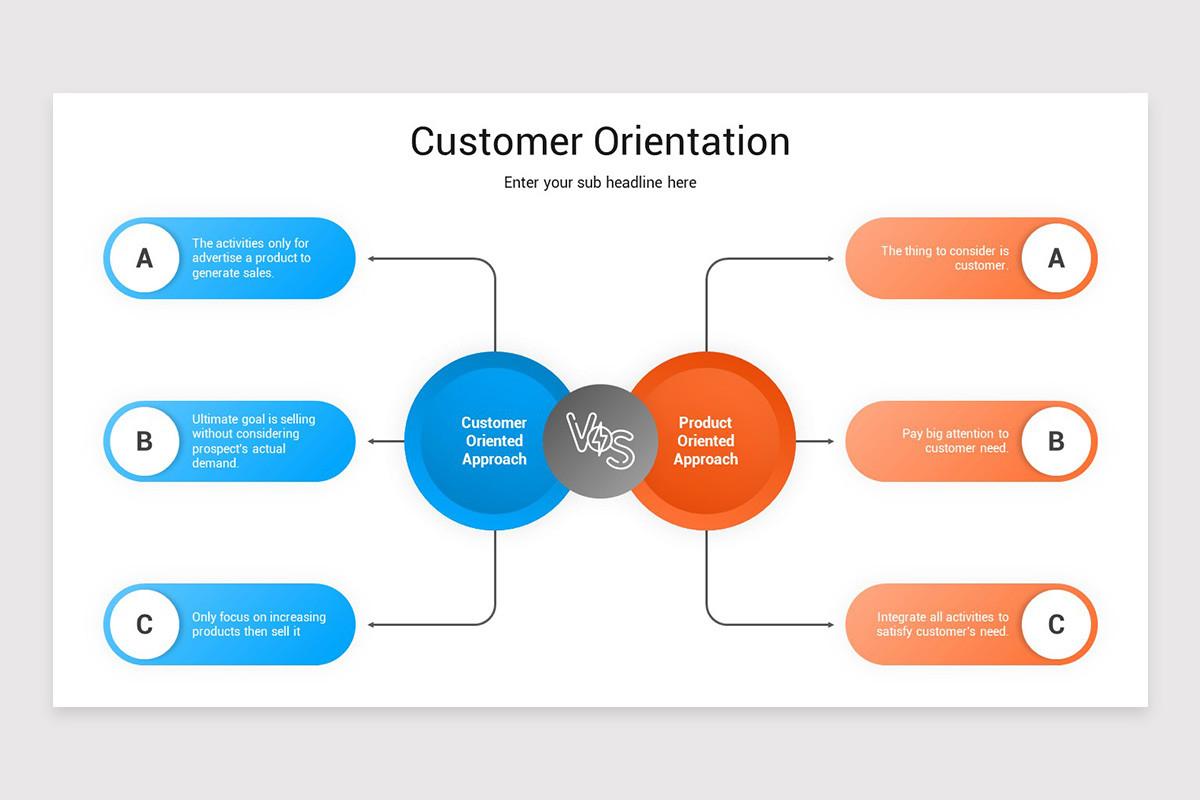
Image source: nulivo.com
Core principles of customer orientation
The foundation of a truly customer-centric organization lies in understanding and valuing customers at every touchpoint. These core principles guide how teams communicate, collaborate, and deliver value. Together, they ensure consistency, trust, and long-term satisfaction across all interactions. Customer service orientation supports these principles by ensuring that empathy, responsiveness, and transparency guide every interaction. When employees internalize service-oriented values, they create experiences that are not just efficient but genuinely meaningful.
- Empathy: Empathy is the cornerstone of effective customer orientation. It involves deeply understanding customers' needs, challenges, and emotions to design meaningful solutions. When teams view problems from the customer's perspective, they create experiences that truly resonate. Empathy transforms service from transactional to relational.
- Transparency: Transparency builds trust and accountability between businesses and their customers. By openly communicating timelines, progress, and challenges, companies show respect and reliability. Clear information helps customers make informed decisions and feel secure in their partnerships. This honesty strengthens loyalty and long-term credibility.
- Responsiveness: Timely and proactive responses signal that a company values its customers. Quick action on inquiries or feedback demonstrates attentiveness and respect. It helps prevent frustration and builds confidence in the brand's reliability. Consistent responsiveness turns everyday interactions into trust-building moments.
- Personalization: Recognizing that every customer is unique helps create deeper emotional connections. Tailoring products, messages, and experiences to individual preferences enhances engagement. Personalized interactions make customers feel valued and understood. Over time, this strengthens customer loyalty and drives repeat business.
- Continuous improvement: Customer orientation thrives when organizations actively seek to learn and adapt. Gathering and analyzing feedback helps identify new opportunities for growth. Constant refinement of products, services, and processes ensures continued relevance. This ongoing evolution keeps customers satisfied and the brand competitive.
Examples of customer orientation in practice
Examples of customer orientation in practice show how different industries apply customer-focused strategies to strengthen relationships and drive satisfaction.
- Retail: Leading retailers use data-driven insights to offer personalized product recommendations, loyalty programs, and seamless omnichannel experiences. These efforts make customers feel understood and appreciated, boosting repeat purchases and advocacy.
- Technology: SaaS companies often use customer feedback loops to refine user experiences and features. By actively listening to user input, they enhance usability, reduce churn, and ensure their products evolve in line with real customer needs.
- Finance: Financial institutions that communicate transparently about pricing, policies, and risks build credibility. Simplified terms and proactive guidance help customers make informed decisions with confidence.
- Healthcare: Hospitals and wellness providers foster trust through educational initiatives, clear communication, and proactive outreach ensuring patients feel supported beyond their appointments.
- Hospitality: Hotels and service providers excel through personalized touches, from tailored room preferences to post-stay engagement, turning every interaction into a memorable experience that encourages loyalty and referrals.
Key strategies for successful customer orientation
Building a customer-oriented organisation requires more than good intentions; it demands structure, tools, and a culture that consistently puts customers first. These strategies help ensure every team aligns around shared goals, communication remains clear, and insights drive improvement. When practiced together, they create a seamless and rewarding experience for both customers and employees.Developing customer orientation competency across all departments ensures employees can think, act, and decide with the customer’s perspective in mind. This skill empowers teams to adapt quickly, communicate empathetically, and maintain consistency in every customer touchpoint.
- Create a shared knowledge base: Centralising customer data, FAQs, and feedback ensures every team has access to accurate information. It eliminates silos and maintains consistency in how customer needs are addressed. Shared visibility allows teams to respond faster and more effectively. This foundation supports informed decisions and smoother team collaboration across departments.
- Encourage customer-first communication: Every message and interaction should reflect empathy and understanding. Consistent, clear, and customer-focused communication builds trust and credibility across all touchpoints. When departments align in tone and intent, the customer experience becomes seamless. This unified approach strengthens relationships and reinforces brand reliability.
- Implement automation for responsiveness: Automation tools can handle repetitive tasks like follow-ups and feedback requests efficiently. This ensures quick responses to customer needs while freeing up teams for higher-value work. Faster resolution times improve satisfaction and trust. Smart automation also enhances consistency and reduces the risk of oversight.
- Use dashboards to track satisfaction: Real-time dashboards provide visibility into key metrics like engagement, retention, and satisfaction. These insights help teams identify issues early and respond proactively. Data-driven tracking ensures decisions are based on facts, not assumptions. Regular monitoring supports continuous improvement and better customer alignment.
- Foster a feedback culture: An open feedback culture empowers both customers and employees to share valuable insights. Regular surveys and internal discussions encourage transparency and innovation. Acting on feedback shows customers their opinions matter, strengthening loyalty. This two-way exchange ensures the company evolves with customer expectations.
Move further: Try Lark to practice customer orientation
Customer orientation thrives when teams can clearly see customer needs, act quickly on feedback, and make data-driven decisions. Lark provides a connected workspace where every customer touchpoint from initial contact to ongoing engagement is tracked, analyzed, and acted upon in real time. Through tools like Lark Base, automation, and dashboards, teams can transform customer orientation from a concept into an operational advantage.
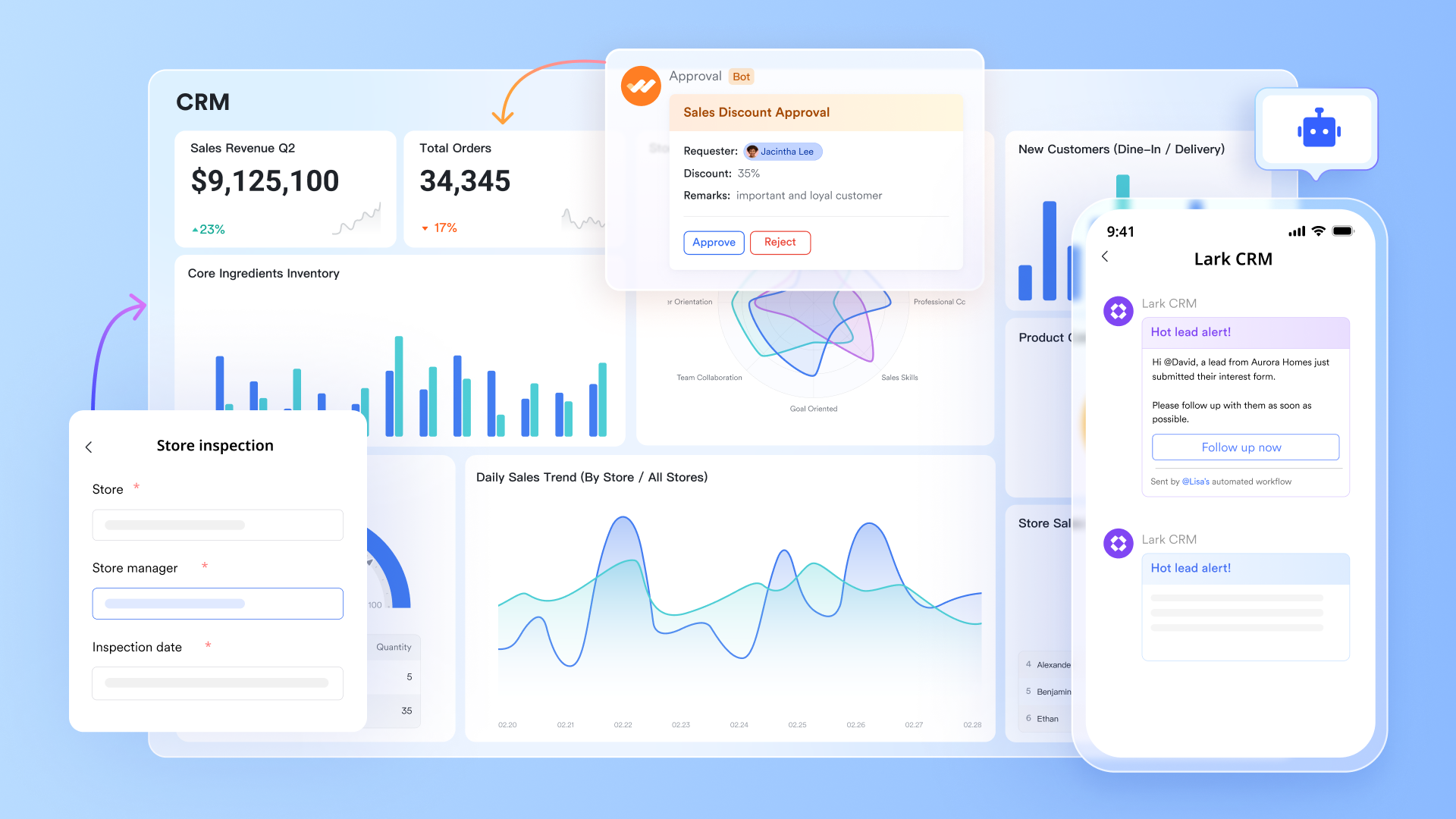
Track customer relationships and needs in Lark Base
Lark Base acts as a dynamic customer management system where teams can record and monitor every client interaction. Each customer is represented as a dedicated record, with customizable columns for key details such as account status, communication history, preferences, purchase activity, and satisfaction level.
This structured view helps teams understand where each client stands in the relationship journey whether it's a new lead, an active account, or a follow-up opportunity. Real-time updates ensure that sales, support, and marketing teams all work from the same source of truth, reducing miscommunication and improving customer response times.
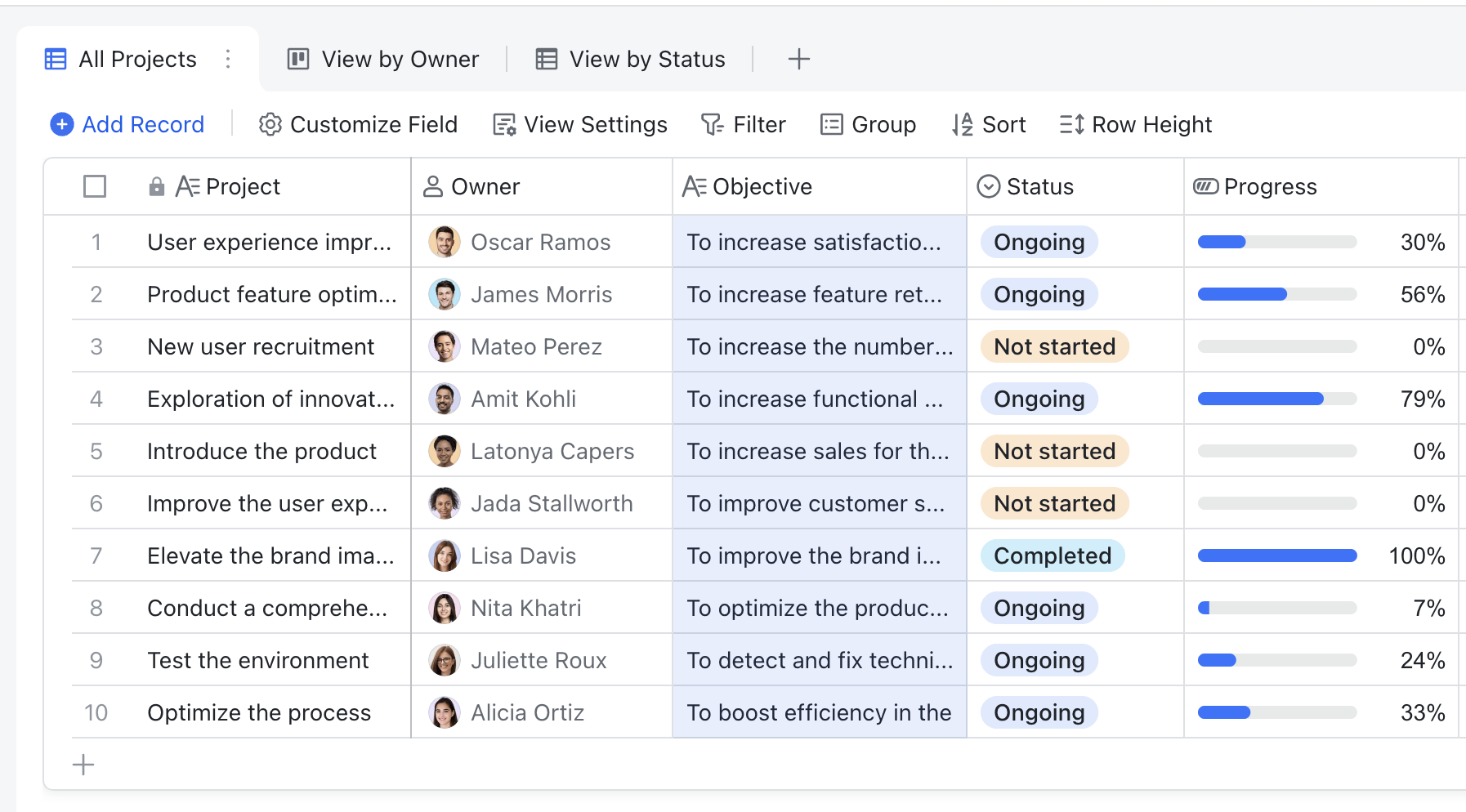
Automate status updates and follow-up notifications with automations
Timeliness is critical to customer satisfaction. Lark Base's automation make it easy to stay proactive by sending instant notifications whenever a customer's status changes—such as when a deal advances, a support case closes, or feedback is received.
Automated workflows can trigger next steps automatically, like assigning a follow-up task to the account manager or alerting the support team to check in post-purchase. These notifications ensure that no client request or opportunity slips through the cracks, reinforcing a consistent and responsive customer experience.
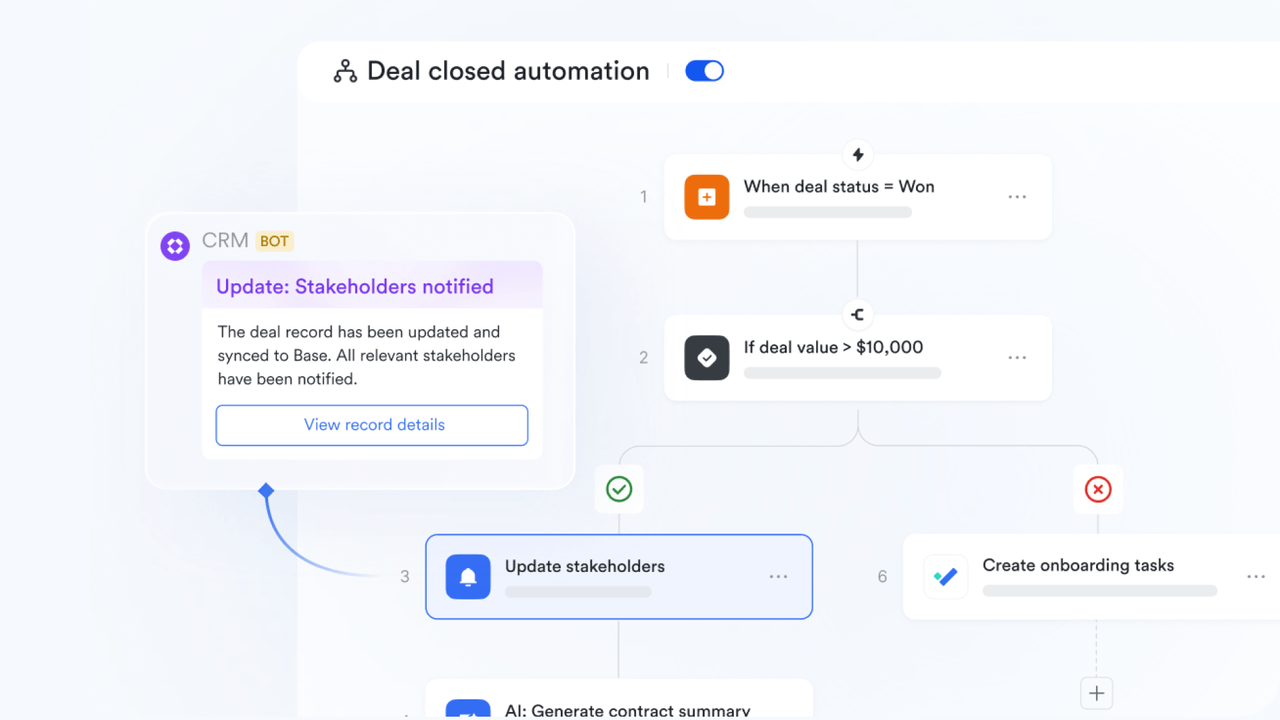
Visualize performance and satisfaction with dashboards
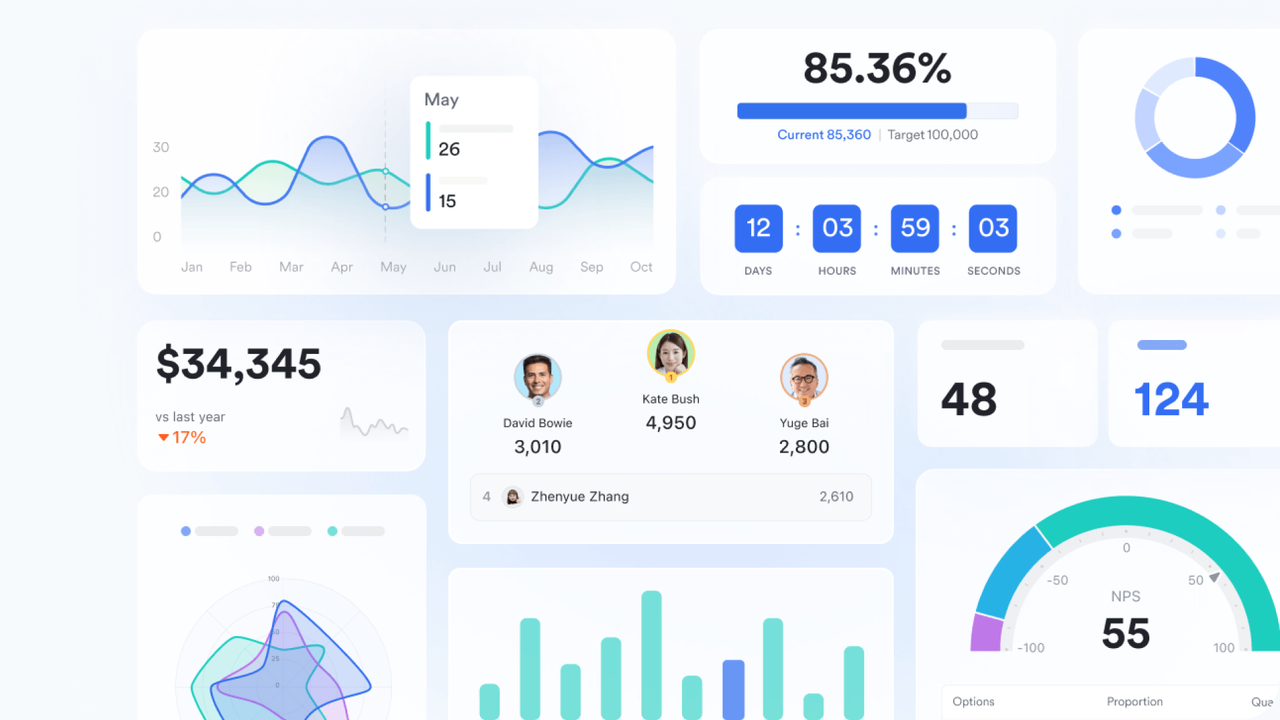
Understanding how well your team serves customers requires more than anecdotal feedback—it needs data visualization. Lark Base's dashboards provide clear, visual insights into key metrics like sales performance, customer satisfaction (CSAT or NPS), and retention trends.
Teams can view customer data through charts, KPIs, and visual comparisons to identify where satisfaction levels drop, which products drive the most engagement, and where service quality can improve. By making customer data visible and interactive, teams can pivot strategies quickly and ensure that decisions are based on evidence, not assumptions.
Streamlining customer feedback with Lark Forms
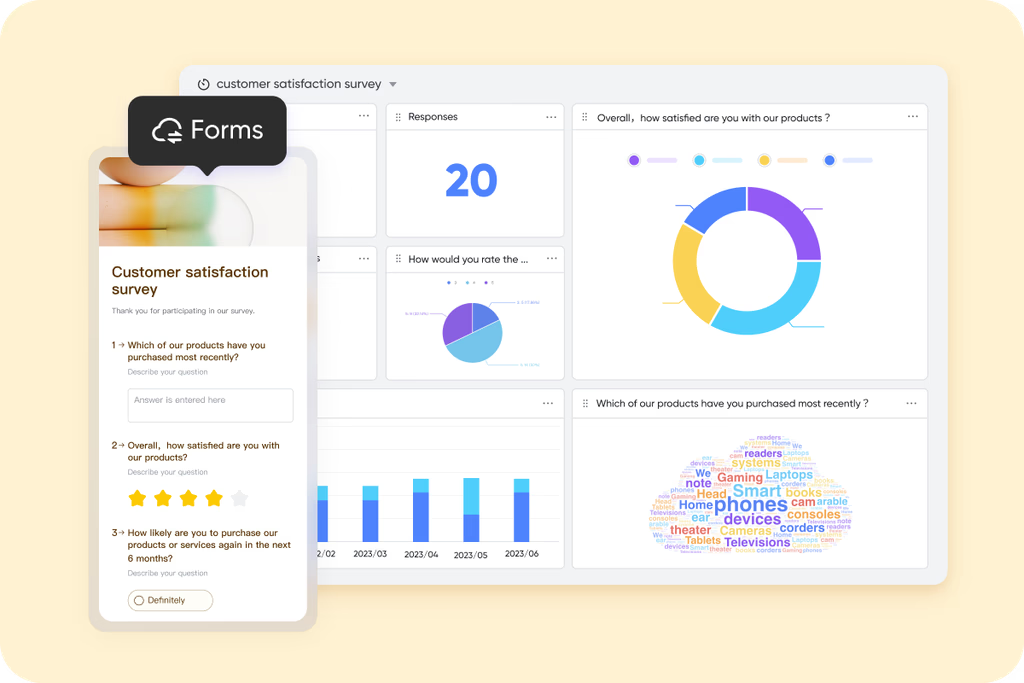
Lark Forms lets you create customer satisfaction surveys to gather feedback and understand customer needs. You can securely collect business opportunities, leads, or customer information to strengthen relationship management.
Forms are easy to share—simply publish and send the link to customers, and even allow responses from those without a Lark account by adjusting the settings. Once responses are in, analyze the data in Base using filters, groups, and dashboards to uncover insights and improve customer service.
- Starter plan: Free forever plan that includes 11 powerful tools for up to 20 users. It also comes with 100GB of storage, 1000 automation runs, AI translations, and more.
- Basic plan: $6/user/month (billed annually) for up to 500 users. Includes everything in Starter plus unlimited message history, 5TB storage, 1,000 automation runs, and more. Some users may need to contact sales to purchase.
- Pro plan: $12/user/month (billed annually) for up to 500 users. It includes everything in Starter plus group calling for up to 500 attendees, 15TB of storage, 50,000 automation runs, and more.
- Enterprise plan: Contact sales for custom pricing. Supports unlimited users and includes even more automation runs and advanced security, compliance, and management features.
Why customer orientation matters
Customer orientation is the foundation of long-term business success. It helps organizations build trust, deliver value, and maintain strong customer relationships over time. A focus on customer orientation leads to improved satisfaction, retention, and overall performance across departments. In fact, a focus on customer orientation leads to improved loyalty, engagement, and profitability over time. By aligning internal teams around customer needs, companies can improve experiences, increase loyalty, and achieve sustainable growth. A customer-first mindset turns every interaction into an opportunity to strengthen the brand.
- Higher retention and referral growth: Companies that prioritize customer satisfaction experience higher loyalty and repeat business. Happy customers are more likely to stay, repurchase, and share positive experiences with others. This organic advocacy drives new leads and growth without relying heavily on advertising. Over time, referrals become a powerful source of sustainable expansion.
- Improved brand reputation and trust: A consistent customer-first approach helps build credibility and emotional connection. When customers feel understood, valued, and supported, they develop trust in the brand. Transparent communication and reliable service reinforce this trust further. As a result, reputation grows stronger, attracting new customers naturally.
- Better cross-department alignment: Customer orientation encourages collaboration across teams such as sales, marketing, and product development. Shared visibility into customer goals ensures every department works toward the same outcome. This alignment minimizes miscommunication and creates a seamless customer experience. Unified efforts lead to faster responses and greater overall satisfaction.
- Continuous improvement through feedback: Customer feedback serves as a roadmap for improvement and innovation. Listening closely to users reveals pain points and emerging needs early. By acting on these insights, teams can refine offerings and prevent recurring issues. Continuous learning ensures the business evolves with customer expectations.
- Sustainable profitability: Customer-oriented companies focus on building lasting relationships rather than chasing one-time sales. This long-term loyalty leads to predictable revenue and reduced churn. Strong relationships also increase lifetime customer value and resilience during market changes. Ultimately, customer focus drives both profitability and business stability.
Challenges in implementing customer orientation
Building a customer-oriented organization sounds simple in theory—but in practice, many companies struggle to align teams, processes, and data around the customer. These challenges often stem from fragmented communication, inconsistent visibility, and a lack of real-time insights.
Lark helps address these barriers by bringing customer data, collaboration, and execution into one unified workspace.
- Challenge: Siloed communication between teams
- Customer orientation fails when marketing, sales, and support teams operate independently, leading to disjointed experiences and missed opportunities. Without unified communication, feedback loops break, and customers face inconsistent service.
- Lark's solution: Lark Messenger and Lark Mail eliminate communication silos by keeping every discussion, update, and document connected to the customer record. Teams can share updates in real time, tag colleagues for quick input, and link chats directly to Lark Docs or Base entries—ensuring everyone has the full customer context.
- Challenge: Lack of centralized customer data
- When customer information is spread across multiple spreadsheets, emails, and CRM software, it's nearly impossible to maintain accuracy or responsiveness. Teams waste time searching for details instead of focusing on value-added interactions.
- Lark's solution: Lark Base serves as a centralized workspace where all customer records, feedback, and interactions are organized in one place. Teams can create custom fields to track communication history, satisfaction levels, and ongoing issues—keeping every department aligned with up-to-date customer information.
- Challenge: Slow response to customer feedback
- Delayed responses are one of the biggest threats to customer satisfaction. Without automation, updates often slip through, leading to frustration or churn.
- Lark's solution: Lark's automation tools ensure timely follow-ups by triggering alerts when feedback is received or customer status changes. Teams can set workflows that automatically assign tasks, send acknowledgment messages, or notify managers of escalations—ensuring no inquiry is left unresolved.
- Challenge: Difficulty measuring customer satisfaction and engagement
- Many organizations lack tools to measure how effectively they serve their customers. Without data-driven insights, it's hard to identify trends or improve performance.
- Lark's solution: With Lark Dashboards, teams can visualize satisfaction scores, response times, and service metrics in real time. Managers can compare performance across teams, identify weak points, and make decisions backed by accurate, live data turning customer feedback into measurable improvement.
- Challenge: Inconsistent follow-ups and accountability
- Even with the right strategy, execution often falters when tasks aren't tracked or ownership is unclear. Missed follow-ups and overlapping responsibilities weaken customer trust.
- Lark's solution: Lark Tasks and Lark Calendar make follow-up management seamless. Teams can assign responsibilities, set deadlines, and receive reminders all linked to customer records in Base. This visibility promotes accountability and ensures every customer touchpoint is managed with consistency.
Conclusion
Customer orientation is more than a strategy, it's a culture that shapes how businesses connect, serve, and grow. By placing customers at the center of every decision, organizations build trust, loyalty, and long-term value. When empathy, transparency, and responsiveness guide daily operations, every interaction becomes an opportunity to strengthen relationships and brand credibility. Leveraging tools like Lark can further enhance collaboration, ensuring teams share insights, communicate effectively, and respond swiftly to customer needs. Whether you're a startup or an established enterprise, embracing customer orientation drives innovation, retention, and sustainable success. In today's competitive market, companies that listen, adapt, and prioritize their customers don't just survive, they thrive by turning satisfaction into loyalty and loyalty into growth.
FAQs
What is the difference between customer orientation and market orientation?
Customer orientation focuses on meeting individual customer needs, while market orientation looks at broader market trends and competition. The former is personalized, emphasizing relationships; the latter is strategic, guiding business direction. When combined, they help companies stay both customer-focused and market-aware.
How does customer orientation impact employee performance?
Customer orientation gives employees purpose and clarity, helping them see how their work impacts satisfaction. It boosts motivation, teamwork, and accountability across departments. Engaged employees deliver better service, improving overall business performance.
What role does leadership play in building customer orientation?
Leadership plays a crucial role in shaping a customer-oriented culture. Effective leaders set clear expectations, model empathy, and ensure every team aligns around customer goals. They bridge gaps between departments to deliver consistent value and responsiveness. By embedding customer focus into strategy and operations, leaders make it a lasting part of the company's DNA.
Can small businesses implement customer orientation effectively?
Yes, small businesses can adopt customer orientation successfully due to their agility and closer customer connections. They can quickly act on feedback, tailor services, and provide personalized support. Even simple tools like CRMs help track interactions and ensure consistency. With genuine customer care, small businesses can build loyalty that rivals larger competitors.
How can data analytics improve customer orientation?
Data analytics helps businesses understand customers through real-time insights into behavior and preferences. It allows teams to anticipate needs, personalize experiences, and identify improvement opportunities. Tracking key satisfaction and engagement metrics drives smarter, data-backed decisions. Ultimately, analytics strengthens customer orientation by turning feedback into measurable actions.
What are the risks of poor customer orientation?
Poor customer orientation leads to lost trust, dissatisfaction, and higher churn rates. Without a customer-first mindset, service quality drops and internal silos grow. Miscommunication damages relationships and weakens brand credibility. Over time, competitors with stronger customer focus will capture your audience and market share.
Related reading
Table of contents
Start using Lark today

Manage all your work in one place
Boost team efficiency by 10x
Save up to 70% on software costs
Table of contents
Start using Lark today
Manage all your work in one place
Boost team efficiency by 10x
Save up to 70% on software costs
Keep reading









2026 Lark Technologies Pte. Ltd.
Headquartered in Singapore with offices worldwide.






Explore: