














Measuring Customer Satisfaction: Metrics, Methods & Best Practices

Ryan Tanner
Product Marketing Specialist
Sep 18, 2026
Ryan Tanner
Sep 18, 2026

19 min read


Customer satisfaction is the cornerstone of lasting business success. It reflects how well a company meets customer expectations across every stage of the journey, from product experience to service support. When customers feel understood and valued, they return, advocate, and contribute to sustained growth. Achieving this requires more than great products; it demands connected teams, efficient communication, and data-driven insight. Modern organizations increasingly turn to digital collaboration platforms to align internal workflows and deliver faster, more personalized responses.
Among these solutions, Lark stands out by helping teams streamline feedback, analyze satisfaction trends, and transform insights into coordinated action.

What is customer satisfaction?
Customer satisfaction refers to the degree of happiness or contentment customers feel when engaging with a brand's products or services. It evaluates whether customer expectations were met, exceeded, or left unfulfilled. A high satisfaction score signifies that customers perceive value, trust the brand, and are likely to stay loyal over time.
Common ways to define customer satisfaction include metrics such as the customer satisfaction score (CSAT), net promoter score (NPS), and customer effort score (CES). Each of these methods helps businesses understand how customers feel and where improvement is needed.
Ultimately, customer satisfaction reflects the alignment between internal efficiency, service quality, and emotional connection. It acts as both a performance measure and a guiding principle for continuous improvement.

Image source: unsplash.com
Why customer satisfaction matters to business growth
Customer satisfaction directly impacts core business metrics like retention, referrals, and revenue growth. Satisfied customers stay longer, purchase more frequently, and become vocal brand advocates. This positive sentiment reduces marketing costs and increases customer lifetime value.
High satisfaction also contributes to improved net promoter scores (NPS), lower churn rates, and more effective upselling. It reduces escalations and boosts operational efficiency, as fewer dissatisfied customers mean fewer complaints to manage.
In contrast, neglecting satisfaction can lead to reputational harm and customer loss. Every percentage point increase in satisfaction has a measurable effect on profitability, making it a vital strategic priority. Businesses that treat customer satisfaction as a growth driver rather than a reporting metric achieve greater sustainability and stronger market differentiation.
How to measure customer satisfaction
Measuring customer satisfaction helps businesses understand how well they meet customer expectations and where improvements are needed. It provides actionable insights that drive better decision-making, product enhancements, and service delivery. Organizations often use a combination of metrics and tools to track satisfaction consistently and identify patterns that influence loyalty, retention, and referrals.
Key methods and metrics:
- CSAT (Customer Satisfaction Score): The CSAT score is a simple yet powerful metric that measures customer satisfaction after an interaction or transaction. Customers are typically asked to rate their experience from one to five. A high CSAT score indicates strong satisfaction and helps identify which processes consistently meet expectations.
- NPS (Net Promoter Score): NPS helps measure customer loyalty and advocacy by asking how likely customers are to recommend your company. The responses are grouped into promoters, passives, and detractors. It provides a clear view of long-term satisfaction and the overall emotional bond customers have with your brand.
- CES (Customer Effort Score): CES tracks how easy it is for customers to complete an action, such as resolving an issue or making a purchase. The less effort required, the greater the satisfaction. CES helps businesses identify friction points in their processes and enhance user convenience.
- Customer retention rate & churn: Customer retention measures how many customers continue using your products or services, while churn indicates how many leave. These metrics are key indicators of satisfaction over time. Reducing churn through proactive engagement can significantly boost profitability.
Modern businesses combine these metrics using analytics platforms and customer satisfaction software. Solutions like Lark Base help visualize CSAT, NPS, and CES data through dashboards and automate alerts for quick follow-up when scores drop.
Customer satisfaction survey essentials
Surveys should be concise and focused on capturing actionable feedback. Ask questions that reveal how well your product, service, or support aligns with expectations. Avoid overly long surveys that lead to lower completion rates and incomplete insights.
- Survey timing: The timing of customer satisfaction surveys affects their accuracy. Sending them immediately after a service interaction or product delivery ensures feedback reflects the real experience. Timely surveys help capture authentic customer emotions and reactions.
- Question examples: Use a mix of quantitative and qualitative questions to capture both data and context. Ask about satisfaction with product quality, service responsiveness, and the likelihood of recommending the company to others. Add open-ended questions for deeper insights.
- Qualitative feedback: Qualitative feedback provides valuable explanations behind customer scores. Analyze open responses for patterns and themes that reveal root causes of dissatisfaction. Collaborative tools like Lark Docs help teams organize, categorize, and act on this feedback efficiently.
Factors that influence customer satisfaction
Several factors contribute to how customers perceive and evaluate their overall experience with a brand. Understanding these elements helps businesses identify improvement areas, enhance loyalty, and maintain consistent service quality. Customer satisfaction depends not only on product performance but also on communication, personalization, and internal collaboration across teams.
- Product quality and reliability: The foundation of customer satisfaction lies in delivering high-quality, reliable products or services. When customers consistently receive dependable solutions that meet or exceed expectations, they develop trust in the brand. Poor quality or performance issues can quickly lead to dissatisfaction and negative reviews.
- Speed of service and support responsiveness: Fast and effective responses play a key role in shaping customer satisfaction. Customers value quick resolutions and proactive communication when issues arise. Businesses that reduce response times and empower support teams with real-time tools often see higher satisfaction and retention levels.
- Transparency and communication consistency: Clear, honest, and consistent communication builds confidence throughout the customer journey. Providing regular updates on orders, policies, or service changes prevents misunderstandings and builds long-term trust. Transparent interactions make customers feel valued and respected.
- Personalization and empathy in customer interactions: Tailoring interactions to individual preferences enhances the emotional connection between customers and the brand. Empathetic communication shows understanding and care, especially when resolving problems. Personalized recommendations, offers, or follow-ups make customers feel recognized and appreciated.
- Employee collaboration behind the scenes: Effective teamwork among employees ensures seamless service delivery. When departments share information and align their efforts, customer issues are resolved faster and more accurately. Tools like Lark foster this collaboration by connecting teams and streamlining communication, leading to a unified customer experience.
Each factor contributes to the customer's perception of your brand. A consistent, empathetic, and proactive approach leads to higher satisfaction. Behind every positive experience is a team working collaboratively and this is where tools like Lark empower organizations to unify their efforts.
How Lark helps teams deliver higher customer satisfaction
Lark helps organizations enhance customer satisfaction by simplifying communication, automating follow-ups, and aligning teams around shared goals. It's an all-in-one platform that combines collaboration, workflow management, and data visualization, enabling faster and more accurate responses to customer needs. Each feature within Lark plays a distinct role in strengthening customer experience, from managing feedback to ensuring accountability and timely resolutions.
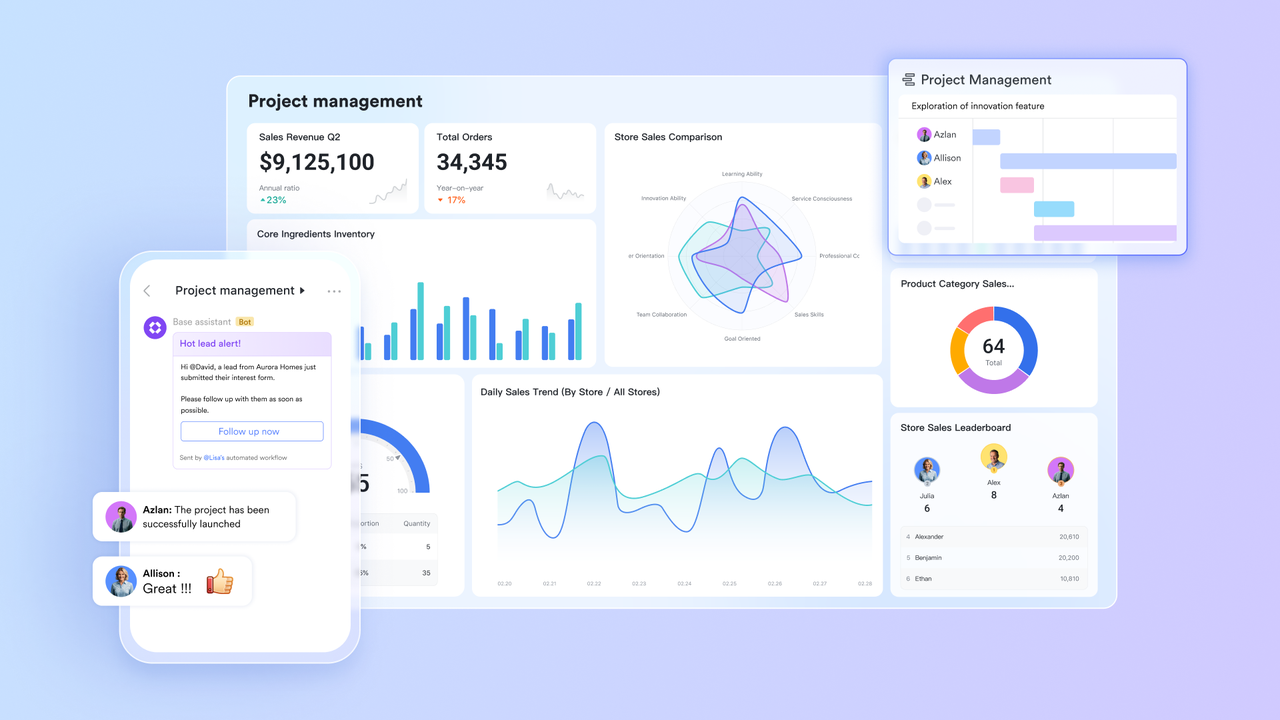
Lark Base: Customer records and feedback tracking
Lark Base acts as the single source of truth for all customer data, from account details to feedback history. Teams can create a centralized database where customer profiles, survey results, and support interactions live together. With flexible views like tables, dashboards, and Kanban boards, managers can instantly see trends in CSAT, NPS, or ticket volume. Automations make follow-ups effortless. For instance, when a customer satisfaction score falls below a set threshold, Base can automatically notify the account manager. This turns reactive customer management into proactive service.
Example: A service company uses Lark Base to log CSAT scores by account. When a response drops below 7, Base triggers a notification for the success team and flags the account in a 'Priority Follow-up' view, ensuring every dissatisfied customer receives attention within 24 hours.
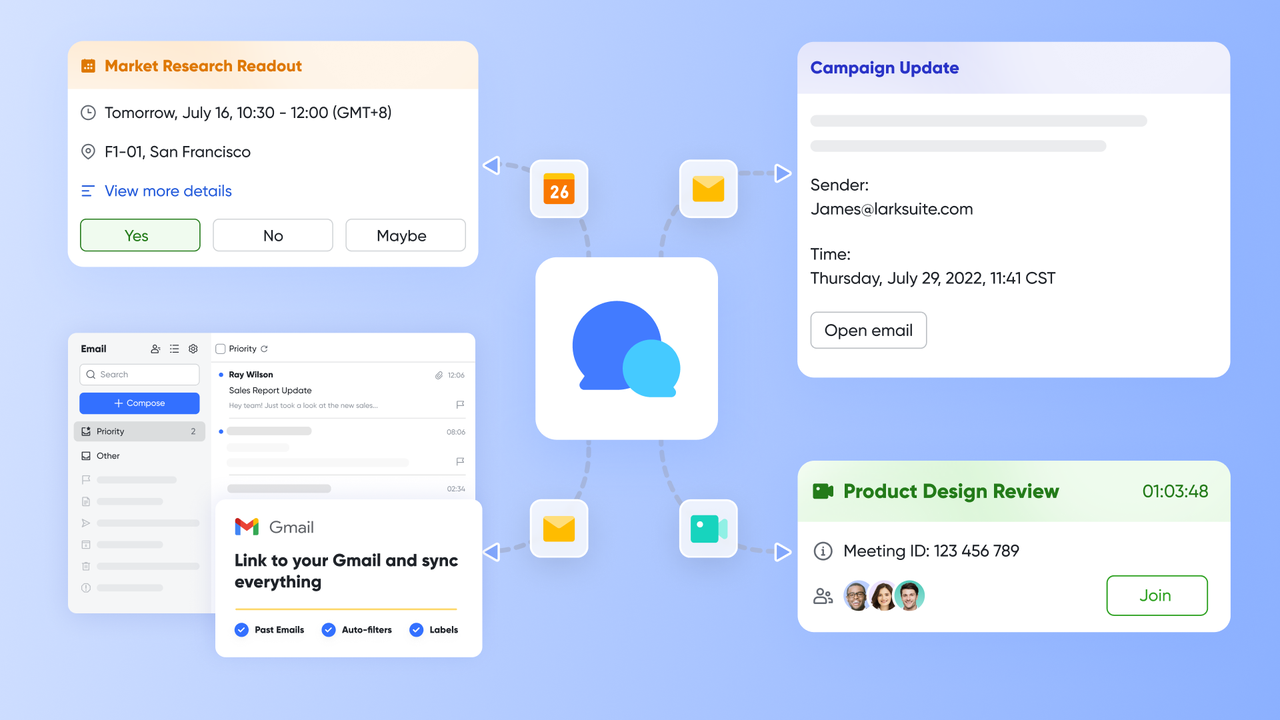
Lark Messenger: Real-time collaboration for faster responses
Customer satisfaction depends heavily on how quickly and clearly teams respond to issues. Lark Messenger allows departments like sales, support, and product to work together instantly no waiting on emails or meeting invites. Each customer conversation can link directly to Docs or Base records, so everyone sees the same context and history. Threaded chats keep discussions organized by topic, reducing confusion while enabling faster problem-solving.
Example: When a support lead spots a complaint about a delayed delivery, they share the issue in a dedicated Messenger thread, tagging both the logistics and account teams. Within an hour, the problem is resolved, updates are shared with the customer, and a follow-up survey records an improved satisfaction score of 9/10.
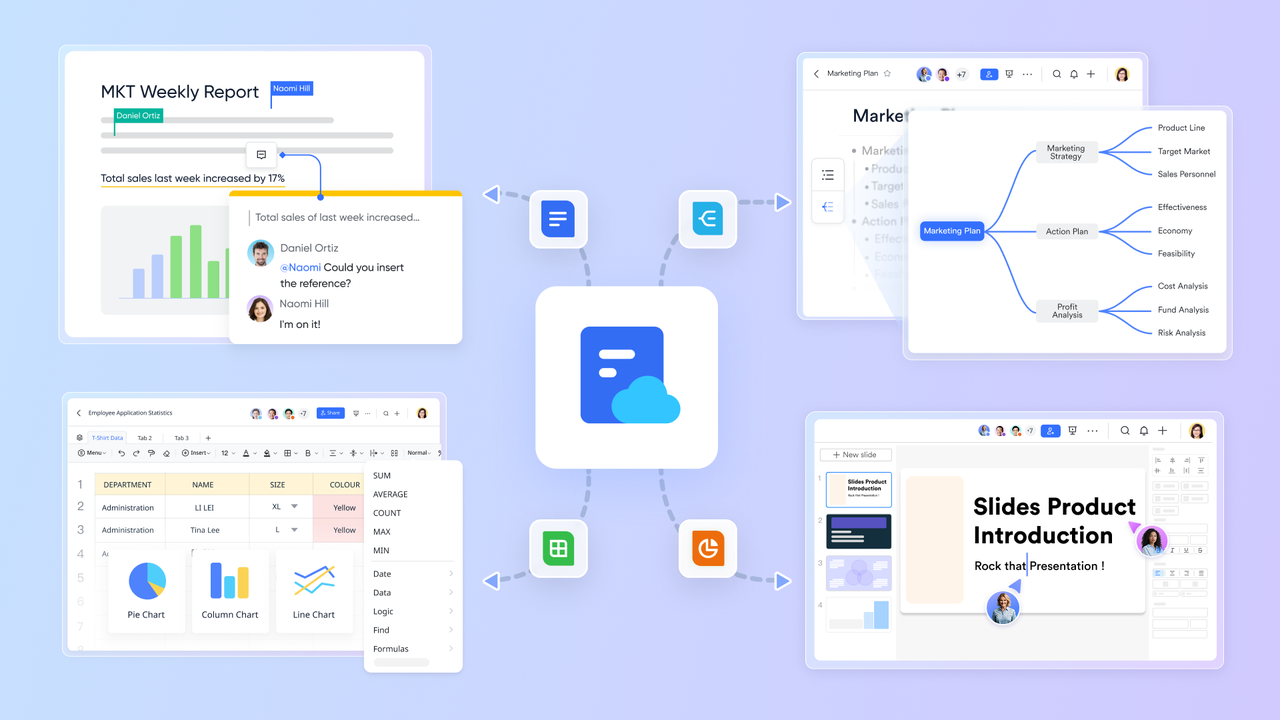
Lark Docs & Sheets: Transparent communication and reporting
With Lark Docs and Lark Sheets, teams can collaborate on customer insights and share data-driven decisions in real time. Docs can be used to create internal FAQs, service recovery templates, or quarterly customer feedback reports all editable by multiple contributors simultaneously. Meanwhile, Lark Sheets brings structure to satisfaction data, enabling teams to calculate averages, identify recurring pain points, and visualize trends with charts. These resources ensure everyone from support reps to senior leaders has visibility into what customers are saying and how satisfaction levels are evolving.
Example: After analyzing survey data in Sheets, the marketing and support teams co-edit a "Voice of the Customer" report in Lark Docs. The insights reveal slow onboarding as a recurring issue, leading to immediate action from the product team to simplify setup steps.
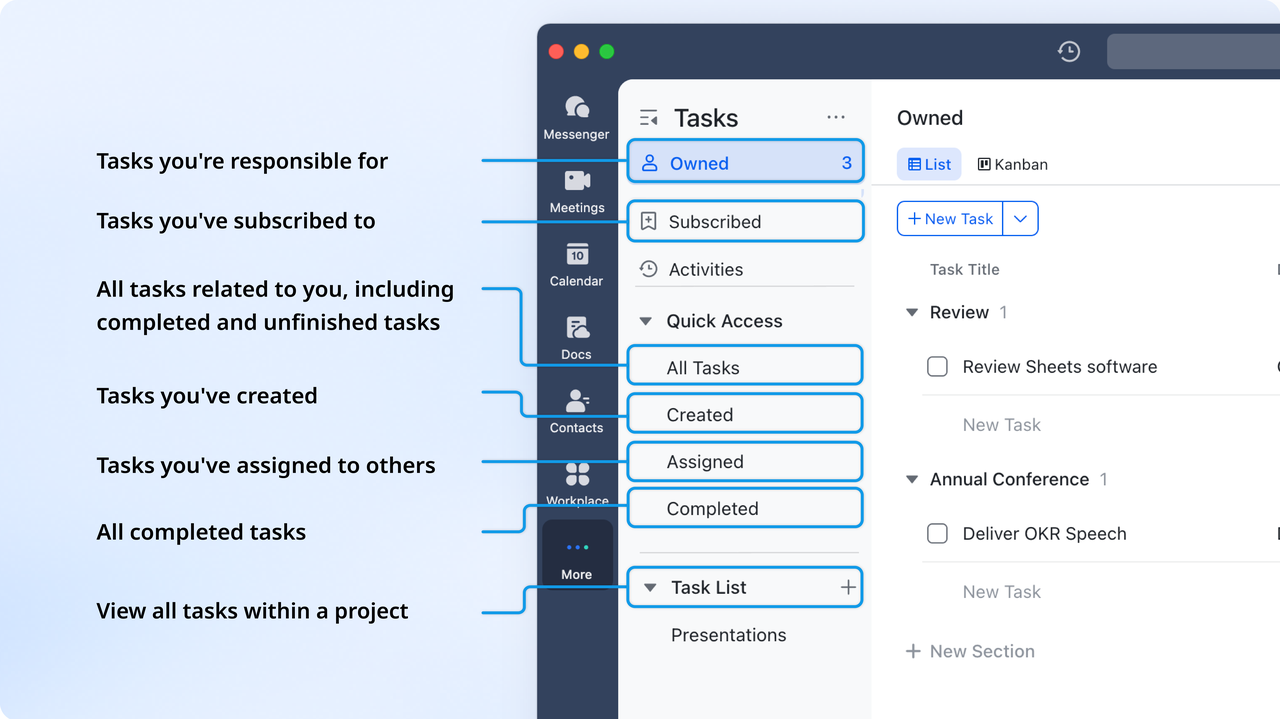
Lark Tasks: Accountability for follow-up actions
Every piece of customer feedback should translate into an action and Lark Tasks ensures that happens. Teams can turn insights from surveys or Base dashboards into assigned tasks with clear deadlines and owners. Managers can monitor progress across departments, ensuring no follow-up is missed. Task boards, list views make it easy to track resolution rates and response times.
Example: After noticing multiple survey comments about unclear pricing, the customer success team creates a task in Lark titled "Revise pricing FAQs." The task is assigned to the content manager, with a one-week deadline. Once completed, updated FAQs are published in the Docs knowledge base leading to a measurable improvement in post-purchase satisfaction.
Lark Approval: Faster escalation management
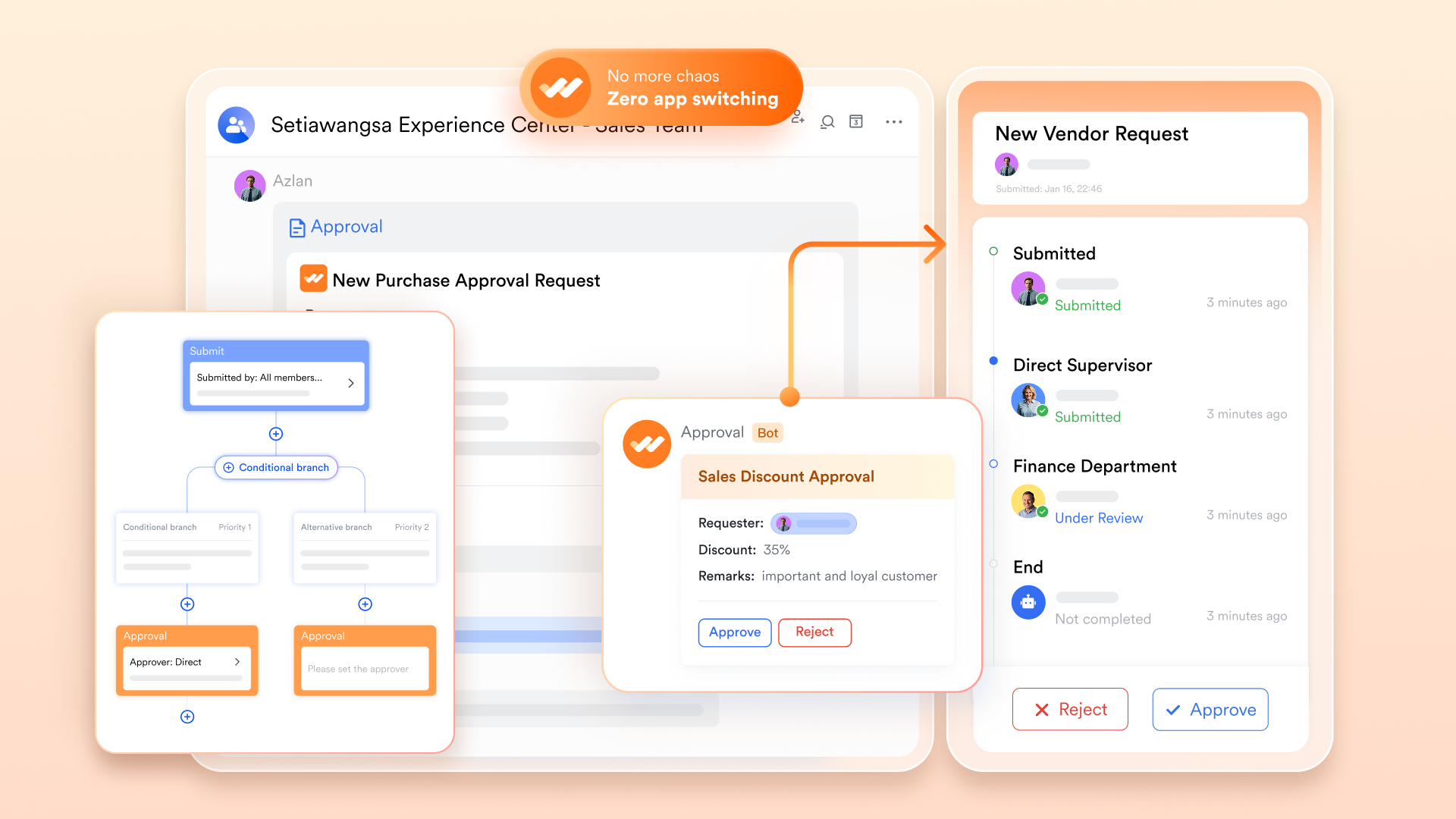
When customers request refunds, discounts, or billing exceptions, quick internal approval can make or break their experience. Lark Approval streamlines this process with structured forms and automated routing. Each request captures details such as the issue type, account ID, and suggested resolution, then routes it to the right approvers instantly. Managers receive notifications in Messenger, review the details, and approve with a single click ensuring decisions happen within hours, not days.
Example: A VIP customer requests a billing adjustment due to a service delay. The account manager submits a Lark Approval form with supporting documentation from Base. Finance and operations approve it the same day, and the system notifies the customer automatically transforming a potential churn risk into a moment of trust and satisfaction.
- Starter plan: Free forever plan that includes 11 powerful tools for up to 20 users. It also comes with 100GB of storage, 1000 automation runs, AI translations, and more.
- Pro plan: $12/user/month (billed annually) for up to 500 users. It includes everything in Starter plus group calling for up to 500 attendees, 15TB of storage, 50,000 automation runs, and more.
- Enterprise plan: Contact sales for custom pricing. This solution supports unlimited users and includes even more automation runs, along with advanced security, compliance, and management features.
Fast-tracks: Lark templates for improving customer satisfaction
To help teams turn customer insights into action even faster, Lark offers ready-to-use templates that simplify data tracking, follow-ups, and communication. These templates are built to support key satisfaction workflows from capturing feedback to assigning resolution tasks so your team can focus on improving the customer experience rather than building systems from scratch.
Customer relationship management template
Track customer interactions and feedback in one place to strengthen relationships and visibility. This template helps teams manage account information, support history, and engagement data in a single centralized view. By using it, teams can monitor customer satisfaction scores, identify high-value relationships, and plan proactive follow-ups to enhance retention..
Customer support ticket management template
Manage support tickets efficiently to reduce response time and increase satisfaction. This template provides a structured workflow for handling customer issues from submission to resolution. Teams can categorize, assign, and track tickets in real time, ensuring every customer receives timely support and transparent communication that builds trust and loyalty.
Customer satisfaction form and analysis template
Collect, analyze, and act on customer feedback using prebuilt templates and dashboards. This template helps teams design and distribute customer satisfaction surveys quickly and track CSAT, NPS, and CES metrics effectively. The built-in analysis dashboard makes it easy to visualize trends, identify weak points, and implement data-driven strategies to improve the overall customer experience.
Customer touchpoints template
Map every interaction point to identify friction areas and improve the overall experience. This template allows teams to capture every stage of the customer journey, from initial contact to post-purchase engagement. By visualizing these touchpoints, teams can find opportunities to increase efficiency, personalize experiences, and strengthen customer satisfaction across all channels.
Strategies to improve customer satisfaction sustainably
Sustainable customer satisfaction goes beyond short-term fixes; it requires consistent effort, empowered teams, and a balanced approach between technology and human empathy. Businesses that build long-term satisfaction focus on improving internal systems, encouraging accountability, and acting on customer insights. The following strategies help create a culture of continuous improvement and customer-centric growth.
- Empower frontline staff with better data and tools: Frontline employees are the face of the company, and equipping them with real-time data and efficient tools enables faster, more accurate responses. When teams have access to customer history and feedback insights, they can deliver personalized and proactive support that strengthens trust and satisfaction.
- Create closed-loop feedback systems: A closed-loop system ensures feedback is collected, analyzed, acted upon, and communicated back to customers. This approach shows customers that their opinions lead to real improvements. Using centralized tools like Lark Base, teams can manage the entire feedback cycle transparently, reinforcing customer confidence and loyalty.
- Recognize employees for excellent service: Recognition motivates employees to maintain high performance and service quality. Rewarding team members who go above and beyond for customers creates a positive culture that values accountability and empathy. Consistent recognition also encourages others to prioritize customer satisfaction in their daily work.
- Combine technology with empathy: While automation and AI enhance efficiency, human understanding remains essential for emotional connection. Companies should balance digital solutions with genuine empathy to deliver experiences that feel both smart and personal. Combining technology with compassion ensures customers feel heard and valued.
- Use unified platforms like Lark to reduce silos between teams: Disconnected departments can lead to inconsistent communication and slower issue resolution. Unified collaboration platforms such as Lark connect support, marketing, and product teams through shared data and communication channels. This integration improves efficiency, reduces confusion, and helps deliver a seamless customer experience.
Common customer satisfaction challenges and solutions
Even the most customer-focused organizations face obstacles that affect satisfaction and loyalty. These challenges often arise from delays in response, poor coordination between teams, and inefficient feedback management. Addressing them with the right tools and processes ensures a more consistent and reliable customer experience.
- Delayed responses: Slow responses can quickly reduce customer satisfaction and trust. Using real-time communication in Lark Messenger allows teams to collaborate instantly and resolve issues faster. When sales, support, and product teams communicate within one shared space, customers receive accurate and timely updates, improving overall experience and confidence.
- Fragmented feedback tracking: Managing customer feedback across multiple platforms can lead to missed insights and delayed action. Lark Base centralizes all customer records, surveys, and satisfaction scores in one organized system. This structure ensures that every comment or concern is logged, reviewed, and assigned for follow-up, leading to better decision-making and responsiveness.
- Missed follow-ups: Failing to act on customer feedback can harm brand perception and long-term loyalty. With Lark Tasks, teams can automatically create reminders and assign responsibilities to ensure every issue is resolved. This automation turns feedback into action, ensuring that no customer concern goes unnoticed or unresolved.
- Disjointed communication: When teams use different tools or channels, information gaps and miscommunication become common. Lark Docs and shared dashboards improve visibility across departments, allowing everyone to access real-time updates and unified reports. This transparency fosters accountability, collaboration, and faster problem-solving, resulting in a smoother and more connected customer experience.
Conclusion
Customer satisfaction builds trust, loyalty, and advocacy. It is not a one-time project but an ongoing practice of listening, analyzing, and improving. Organizations that connect their teams and act quickly on customer insights consistently outperform competitors.
Lark makes this possible by unifying communication, data, and workflows in a single connected platform. With Lark, teams can deliver faster, smarter, and more empathetic service experiences that keep customers happy and engaged.
FAQs
What's the difference between customer satisfaction and customer loyalty?
Customer satisfaction reflects how happy customers are after a specific experience, while loyalty represents their ongoing trust and commitment to the brand. High satisfaction often leads to greater loyalty when service quality remains consistent. Using Lark Base and Lark Messenger, businesses can track customer satisfaction trends and maintain engagement through timely, personalized communication and collaboration.
How often should companies measure customer satisfaction?
Companies should measure customer satisfaction after major touchpoints such as purchases, renewals, or support interactions. Regular assessments help identify areas that influence overall customer experience. With Lark's customer satisfaction survey templates and Base dashboards, teams can automate recurring surveys, visualize results, and track changes efficiently to ensure steady improvement and long-term customer retention.
What is a good CSAT score benchmark?
A customer satisfaction score above 80 percent is widely considered excellent across most industries, though standards may vary by sector. Regular benchmarking helps maintain consistent service quality and identify new opportunities for growth. Lark Sheets enables teams to compare results, visualize progress, and analyze CSAT or NPS trends across products, teams, or regions for continuous enhancement.
How can employee satisfaction impact customer satisfaction?
Employee satisfaction strongly influences customer satisfaction, as motivated employees provide faster, friendlier, and more reliable service. When teams communicate effectively, customer experiences become smoother and more consistent. Lark connects departments with shared tools for collaboration, ensuring employees remain informed, engaged, and aligned, which directly translates into better customer satisfaction and loyalty across every interaction.
Which tools are best for tracking and improving CSAT?
The best tools for improving CSAT combine data analysis, collaboration, and automation within a single platform. Lark helps teams capture survey responses, analyze customer satisfaction metrics, and assign actionable tasks for follow-ups. Its integrated system connects communication, feedback, and performance tracking, allowing businesses to make informed decisions and continuously enhance customer satisfaction levels.
Related reading
Table of contents
Start using Lark today

Manage all your work in one place
Boost team efficiency by 10x
Save up to 70% on software costs
Table of contents
Start using Lark today
Manage all your work in one place
Boost team efficiency by 10x
Save up to 70% on software costs
Keep reading









2026 Lark Technologies Pte. Ltd.
Headquartered in Singapore with offices worldwide.






Explore: