


Customer Profile Template: Guide and Free Examples

Ryan Tanner
Product Marketing Specialist
Aug 5, 2026
Ryan Tanner
Aug 5, 2026

16 min read


Understanding your customers is the foundation of every effective business strategy. A well-structured customer profile template helps teams define who their customers are, what they need, and how they behave. By documenting demographics, motivations, and buying patterns, organisations can align marketing, sales, and support efforts for better results.
Instead of managing scattered spreadsheets or outdated PDFs, platforms make it easy to co-create and update customer profiles in real time. With flexible templates, collaboration tools, and dynamic dashboards, teams can keep insights current and actionable—turning customer understanding into a continuous, data-driven process.

What is a customer profile template?
A customer profile template is a structured framework used to capture detailed information about your customers such as demographics, behaviors, preferences, and motivations. It provides a consistent way for teams to document and visualize who their customers are, helping organizations understand the people or businesses they serve. Whether used for B2C or B2B, a good template turns scattered customer data into a single, actionable source of truth.
For marketing, sales, and customer success teams, this template is essential. It guides targeted campaigns, improves lead qualification, and ensures consistent messaging across the customer journey. When everyone works from the same profile, teams can identify high-value opportunities and deliver more personalized engagement.
While often used interchangeably, a customer profile template and an ideal customer profile (ICP) serve different purposes. The template records information about actual customers, whereas an ICP defines your perfect-fit customer, the one most likely to buy, stay loyal, and generate long-term value.=
Types of customer profile templates
Different businesses require different approaches to understanding their customers. The right customer profile template depends on your goals, audience, and available data. Here are the main types you can use:
- Basic customer profile template: This simple format is ideal for startups or small teams. It includes core details such as demographics, contact information, and preferences. These insights help identify buying patterns, segment audiences, and plan targeted campaigns without overwhelming data.
- Ideal customer profile template: An ideal customer profile (ICP) defines your best-fit customer as the one most likely to convert and stay loyal. It includes firmographics, buying triggers, and business goals, enabling teams to focus on high-value leads and refine marketing efforts.
- Ideal customer profile template B2B: Designed for business-to-business contexts, this template captures details like company size, industry, decision-makers, and key challenges. It helps sales teams tailor outreach, understand organisational dynamics, and engage multiple stakeholders effectively.
- Behavioural profile template: This type focuses on customer actions such as purchase frequency, engagement, or product usage. It helps identify loyal customers, detect churn risks, and design retention or upselling strategies based on real behavior.
- Psychographic template: This format dives into customers' interests, motivations, and values. It's useful for brands that rely on emotional connection or lifestyle appeal, helping create messages that resonate on a personal level.
With Lark Base, businesses can build dynamic templates with customizable fields, Kanban views, and filters, perfectly suited for both B2B and B2C needs.
Key elements in an ideal customer profile template
An effective ideal customer profile template captures the details that define your most valuable customers. These elements help your marketing, sales, and customer success teams understand who to target, how to engage them, and what drives their decisions.
- Demographics (age, gender, income, etc.): These basic characteristics provide a clear picture of who your customers are. Understanding age, gender, income, education, and location helps tailor communication and product positioning.
- Firmographics (industry, company size, revenue): For B2B organisations, firmographics reveal business traits that affect purchasing behaviour. Knowing a company's size, industry, and financial scale helps align offerings with its operational needs.
- Pain points and challenges: These highlight the specific problems your product or service solves. Identifying customer frustrations ensures your messaging focuses on value and real solutions.
- Buying triggers: Buying triggers are events or conditions that prompt purchase decisions, like business growth, budget changes, or operational inefficiencies. Recognising them helps you reach customers at the right moment.
- Goals and motivations: Understanding what customers want to achieve allows your brand to align its value proposition with their success metrics whether it's efficiency, profit, or personal fulfillment.
- Preferred communication channels: Every customer has a preferred way to engage email, chat, calls, or social media. Tracking these preferences ensures smoother communication and stronger relationships.
Lark Base dashboards allow you to track and visualize these attributes dynamically, while Lark Sheets can be used to analyze engagement or sales trends linked to profiles.
How to create your own customer profile template
Step 1: Define your goals: Decide what you want the profile to achieve: better lead qualification, personalised marketing, or improved onboarding. Clear goals determine which fields and metrics to include and help measure success later.
Step 2: Collect customer data: Gather information from surveys, CRM records, analytics, and sales interactions. Combine qualitative feedback (like interviews and reviews) with quantitative data (such as purchase history or engagement rates) for a complete view.
Step 3: Organize data into fields: Group your data into logical categories—demographics, firmographics, behaviors, pain points, and communication preferences. Consistent fields make it easier to filter, sort, and analyze information across teams.
Step 4: Build the profile: Create your template using a collaborative tool like Lark Base, Sheets, or Docs. Set up columns or sections for each field, add dropdowns or linked records, and maintain data quality with validation rules.
Step 5: Share with your team for alignment: Invite team members to review and refine the template. Use comments or collaborative meetings to agree on key terms and ensure everyone applies the same definitions and standards.
Step 6: Update regularly as customer needs evolve: Review and refresh profiles quarterly or after major business changes. Automate updates where possible and track modifications to keep insights current, accurate, and relevant.
Ready to use customer profile templates
1. Profile template
Keeping track of your team's information can be a daunting task, especially when you have a large team. That's why we've created this profile template. With this profile template, you can easily manage and organize your team's profiles, including their names, contact information, addresses, birth dates, genders, and occupations. You can customize it to your liking, whether you're sending a specific view to a colleague or launching complex scripting blocks to generate new profiles with a single click.
2. Customer relationship management
The customer relationship management (CRM) template is a comprehensive tool designed to help businesses manage their customer relationships effectively. It provides a structured way to track and analyze customer interactions, ensuring that every customer touchpoint is recorded and accessible. This template includes fields for scope name, scope of work, primary owner, secondary owner, and more. It allows you to keep track of all your customer-related tasks and responsibilities in one place, making it easier to coordinate efforts and ensure nothing falls through the cracks.
3. Customer service management & tracking base
The customer service and issue progress tracking template helps retail businesses record, track, and complete incoming customer requests on their orders in one place easily, and increase customer satisfaction as a result. By centralizing requests, order details, and resolution updates, teams can respond faster and ensure every issue is properly followed through.
4. Customer success plan
Customer success is a critical part of any business. It's about ensuring that your customers are not just satisfied, but are achieving their desired outcomes while using your product or service. This customer success plan is designed to help you do just that. It allows you to track and manage all aspects of your customer success journey, from onboarding status and training completion to goal progress and feedback collection. With this template, you can easily keep track of your customer's health status, plan adjustments, and interaction dates, ensuring that you are always on top of your customer success game.
5. High-value customer management
Managing high-value customer programs can be a complex task, especially when dealing with exclusive offers and rewards. This customer management template simplifies the process by providing a centralized platform to track program details, customer participation, total spent, and satisfaction ratings. With Lark's intuitive features, you can easily monitor program progress, analyze customer data, and make informed decisions to enhance customer loyalty and satisfaction.
6. Customer persona template for tech marketing
Understanding your target audience is crucial for any business, especially in the tech industry. This customer persona template allows you to create detailed profiles of your ideal customers, including their demographics, pain points, goals, preferred communication channels, influencers, buying motivations, and concerns. By having a clear understanding of who your customers are, you can tailor your marketing strategies and product offerings to meet their needs effectively.
7. Product Marketing Alliance customer profile template
This template offers a structured way to define your ideal customer using firmographics, motivations, and behavior patterns. It helps teams pinpoint high-value customers and align marketing and sales strategies to attract and retain them. By clarifying who delivers the most long-term value, teams can target efforts more efficiently and improve ROI. It's perfect for B2B organizations developing data-driven segmentation and positioning.
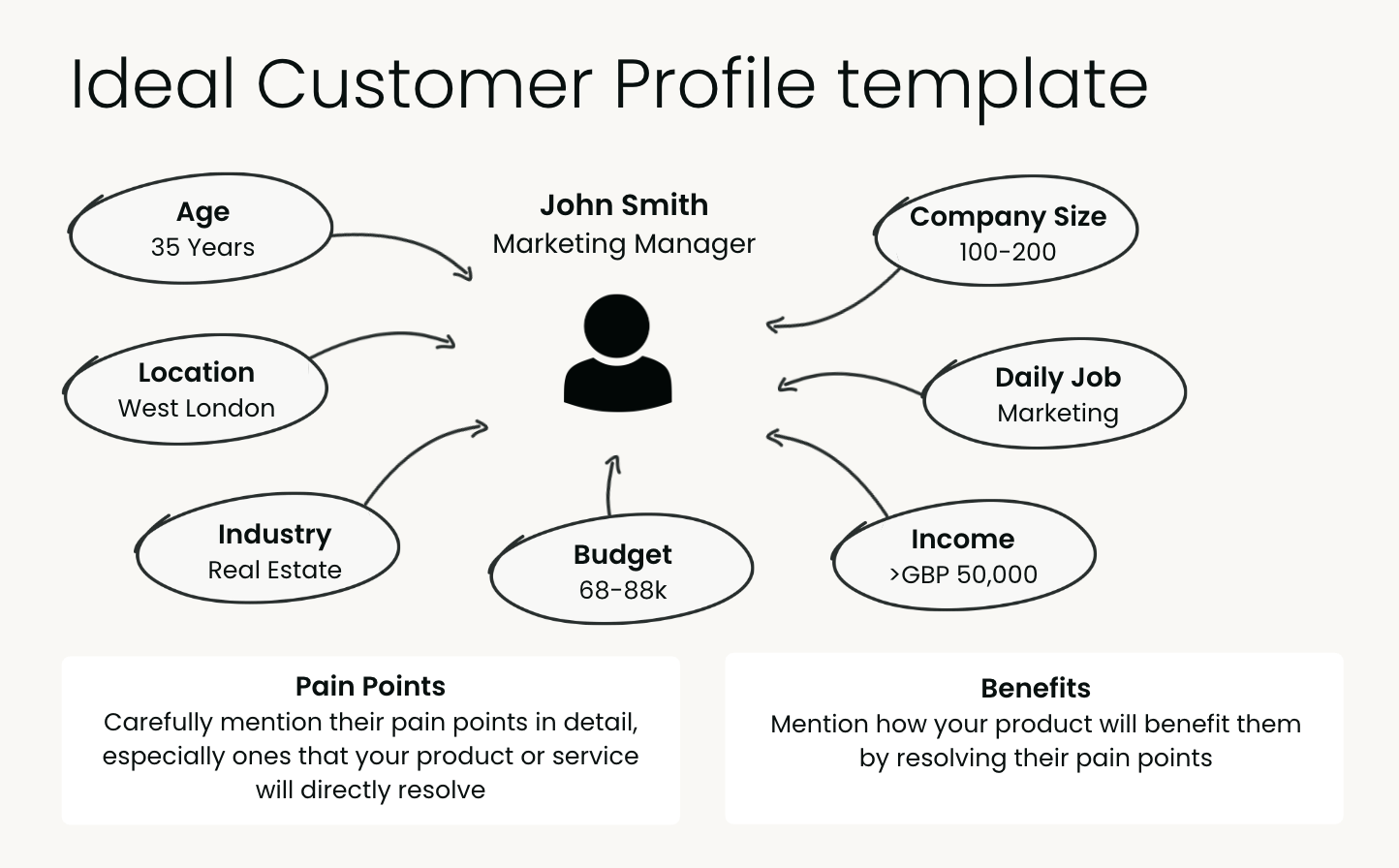
Image source: productmarketingalliance.com
8. Pipedrive ideal customer profile template
Pipedrive's template helps sales teams clearly define their best-fit customers based on factors like company size, industry, and buying role. It ensures every lead pursued is aligned with the business's ideal target, reducing wasted effort. Teams can focus on the prospects most likely to convert and stay engaged long-term. It's designed for sales teams seeking sharper prospecting and higher pipeline quality.
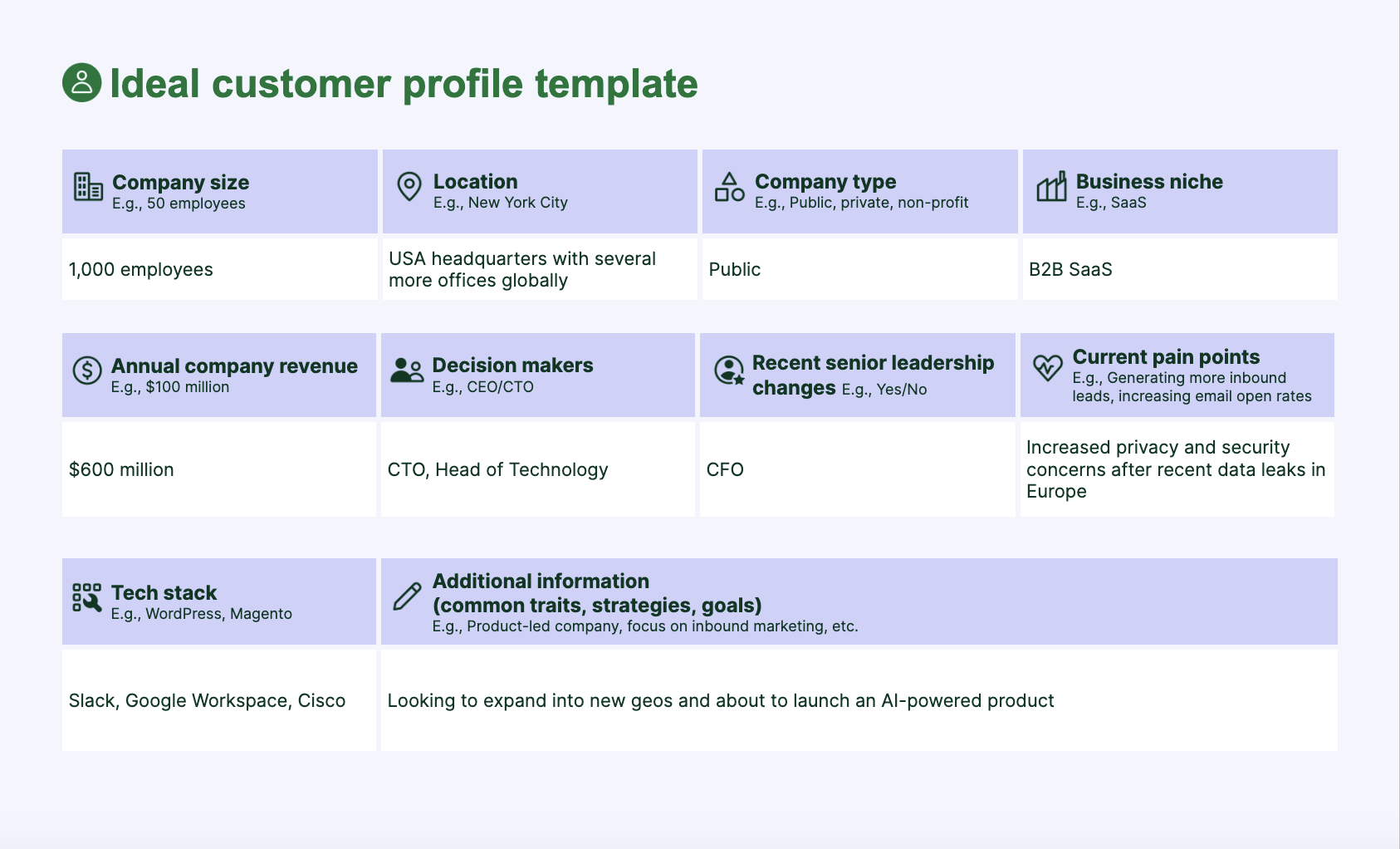
Image source: pipedrive.com
9. Monday.com customer profile template
Monday.com's template centralizes customer data to help teams visualize and manage customer segments more effectively. It allows you to track key traits, preferences, and communication history in one collaborative workspace. With customizable fields and automation, teams can streamline how they capture and use customer insights. This template is ideal for cross-functional teams looking to align sales, marketing, and service.
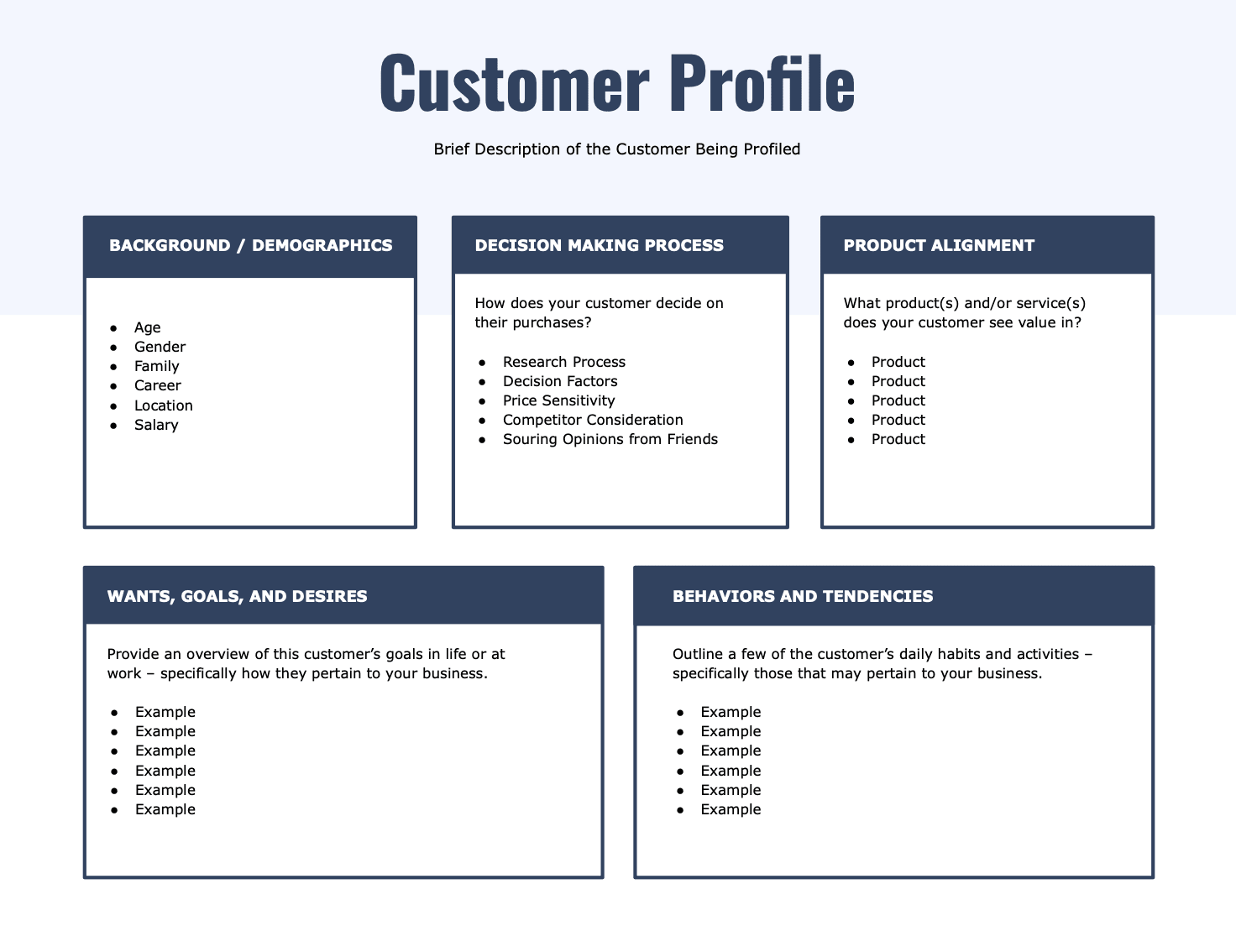
Image source: monday.com
10. GTMnow ideal customer profile template
GTMnow's template focuses on helping go-to-market teams define and validate their ideal customer with practical, research-based steps. It combines demographic, firmographic, and psychographic insights to refine targeting precision. By understanding what truly drives top customers, teams can craft messaging that resonates and scales. It's best suited for startups and growth-stage companies refining their market fit.
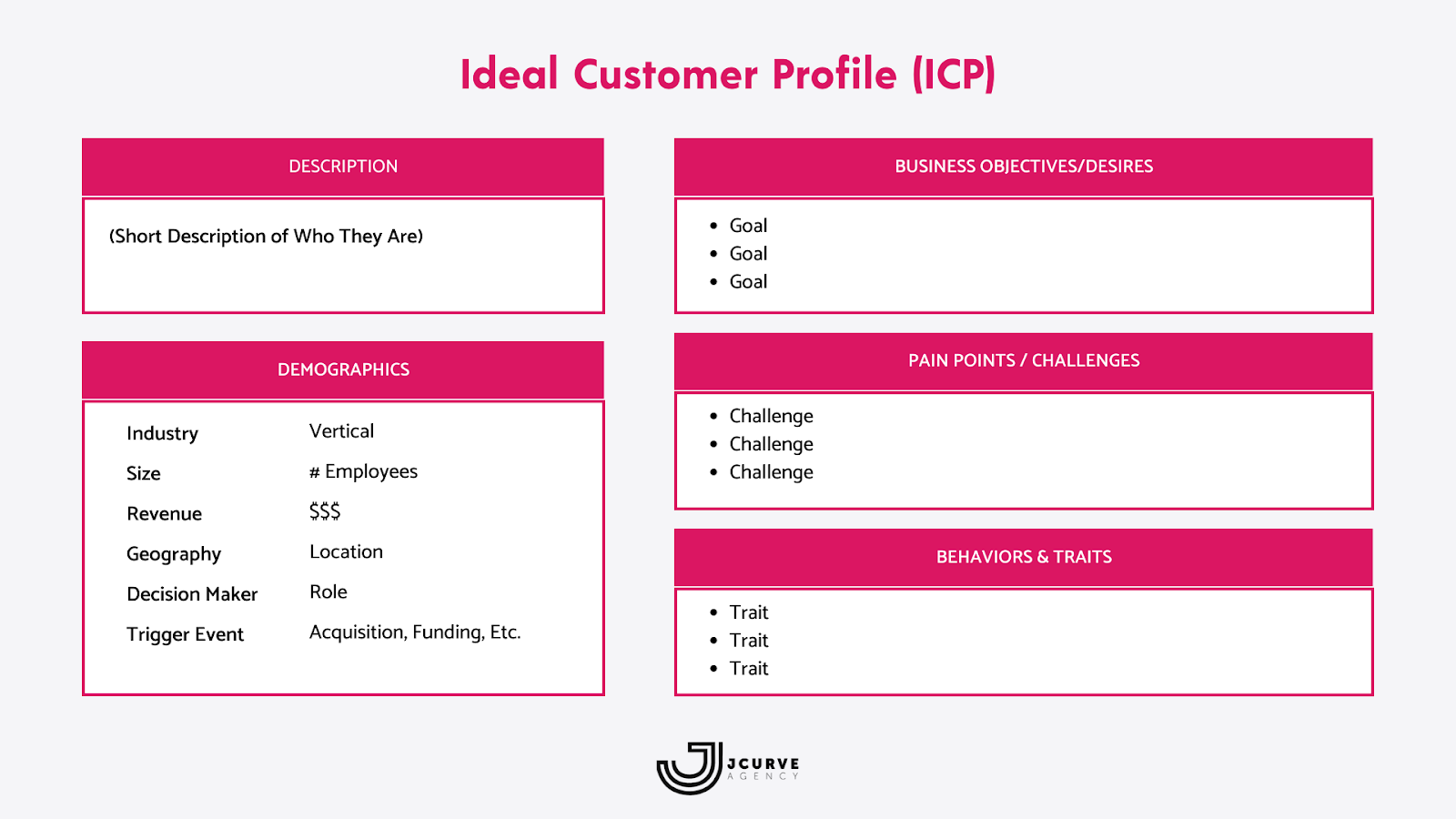
Image source: gtmnow.com
Benefits of using a customer profile template
A well-designed customer profile template gives your business clarity, alignment, and agility. It bridges the gap between data and decision-making by helping teams visualize who their customers are and how best to engage them. Here's how it adds value across functions:
- Clarifies who your customers are: By organizing customer data into a clear format, teams gain a shared understanding of target audiences. This clarity helps prioritize efforts toward the most profitable and loyal customer segments.
- Improves targeting and personalization: With accurate profiles, marketing messages and sales outreach become more relevant and effective. Teams can tailor offers, content, and communication to match customer needs and motivations.
- Aligns sales and marketing teams: A unified profile ensures both departments focus on the same customer segments and goals. This alignment reduces friction, improves lead quality, and drives consistent messaging.
- Speeds up onboarding of new team members: New hires can quickly grasp who the company serves and why. Having structured profiles accelerates their learning curve and enhances productivity from day one.
Explore further: Use Lark to arrange customer profiles and improve CRM
Understanding your customers is the first step to building stronger relationships and driving sales growth. Lark provides a unified workspace where teams can capture, organize, and analyze customer data seamlessly, turning insights into actionable strategies. By leveraging Lark's collaborative tools—Docs, Sheets, and Base—teams can create comprehensive customer profiles, track interactions, and automate updates, ensuring that everyone stays aligned.
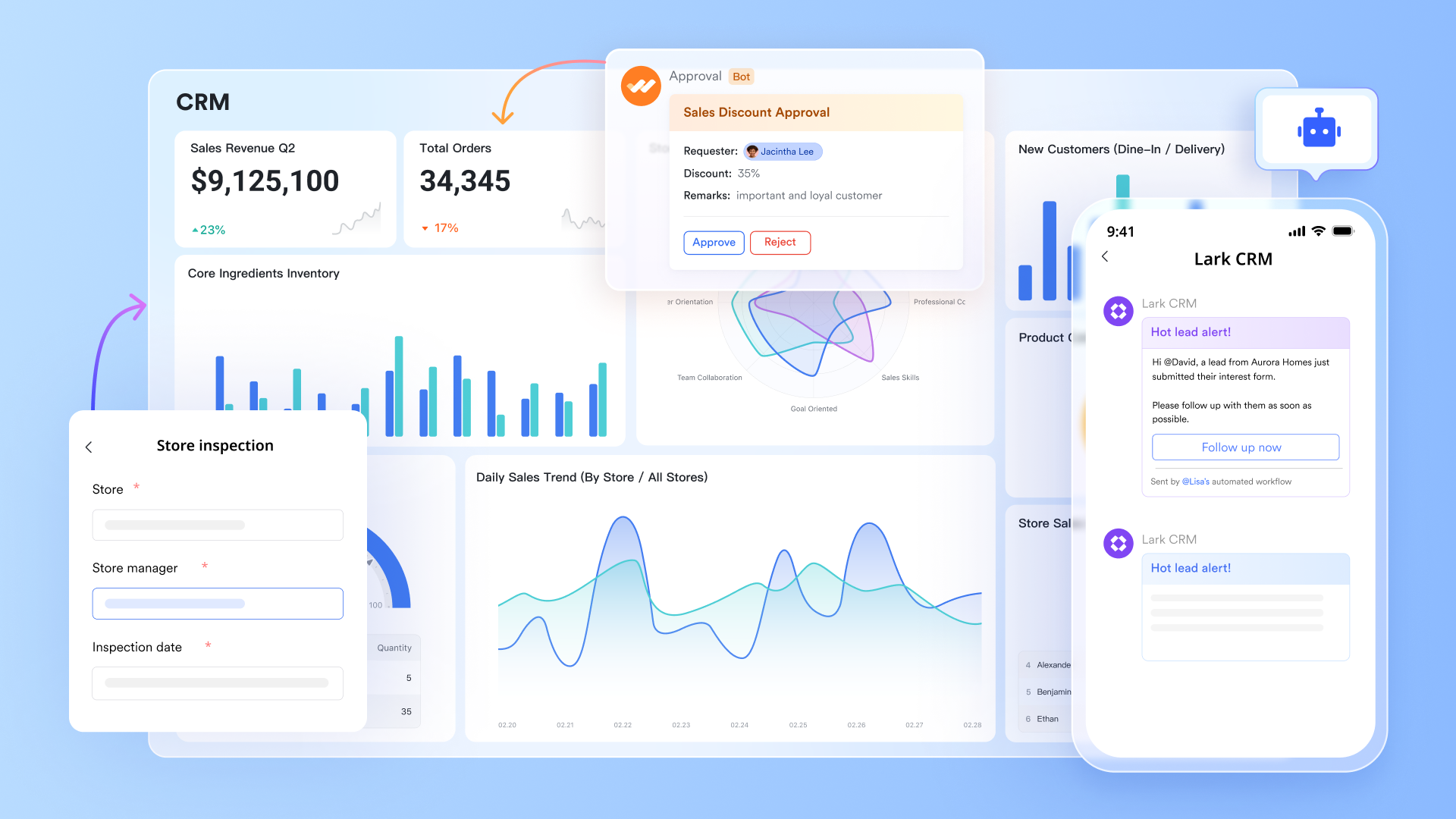
- Lark Base: Lark Base acts as a flexible, no-code database for managing customer profiles. You can build custom templates with fields like demographics, goals, or buying triggers, then switch between Kanban, table, or dashboard views to visualize data from different angles. Dashboards in Lark Base help you move beyond data collection to insight generation. You can visualize customer attributes like engagement scores, deal stages, or satisfaction levels through charts and graphs. Segmenting customers by ICP, location, or behavior allows teams to measure performance over time and identify which customer types deliver the highest ROI.
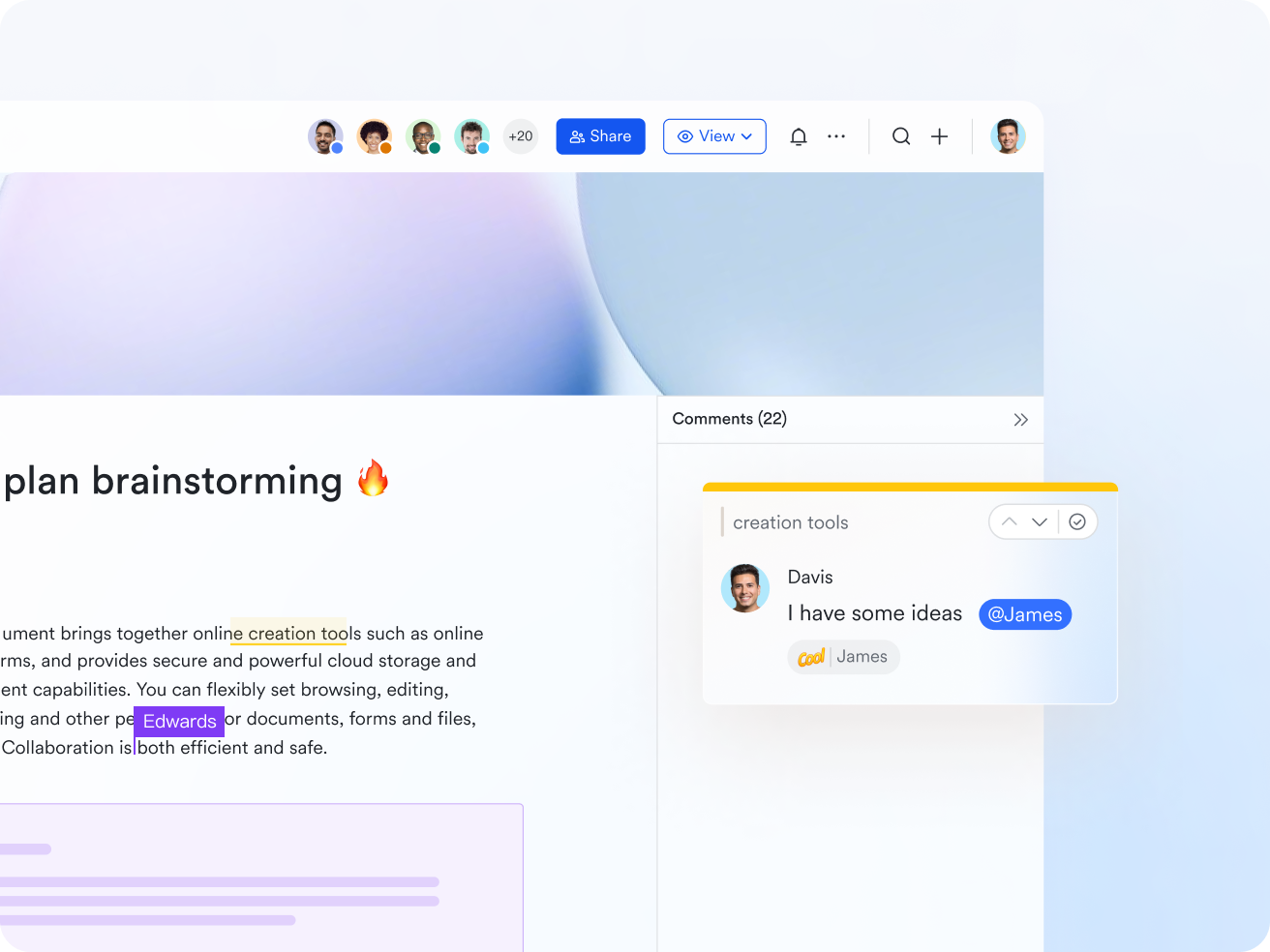
- Lark Docs: With Lark Docs, teams can collaboratively build and refine customer profiles in real time. It's ideal for workshops or brainstorming sessions where marketing, sales, and product teams define key attributes together. Built-in commenting, AI summarization, and version history ensure everyone contributes effectively and stays aligned. Docs can also link directly to Base records, keeping written insights and structured data connected.
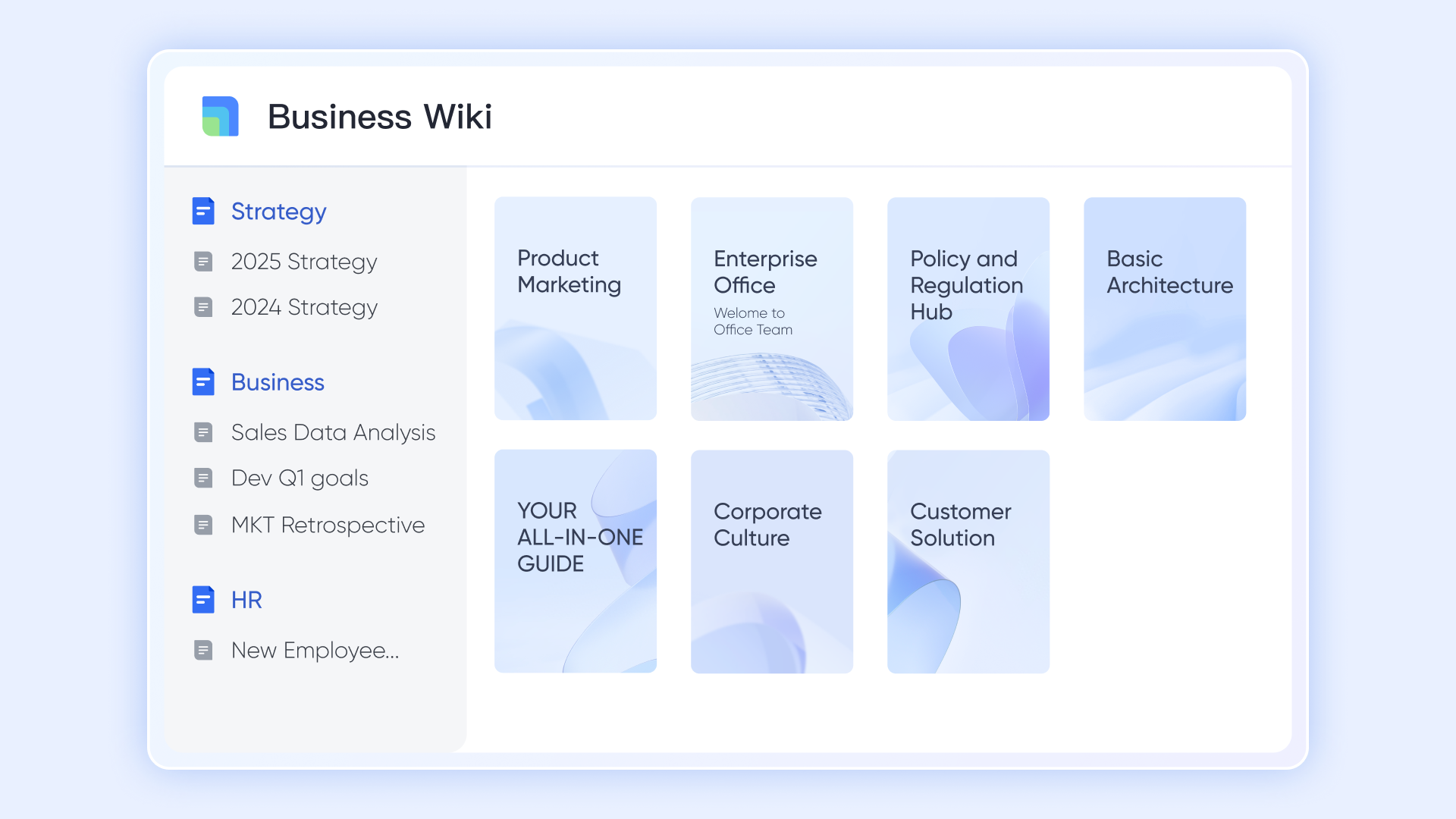
- Lark Wiki: Once profiles are finalised, Lark Wiki provides a secure, searchable hub for documentation. Each team can access up-to-date customer profiles, ICP definitions, and persona guides without digging through folders. Wikis help maintain version control and cross-departmental consistency, ensuring everyone from new hires to senior leaders uses the same customer information to guide strategy.
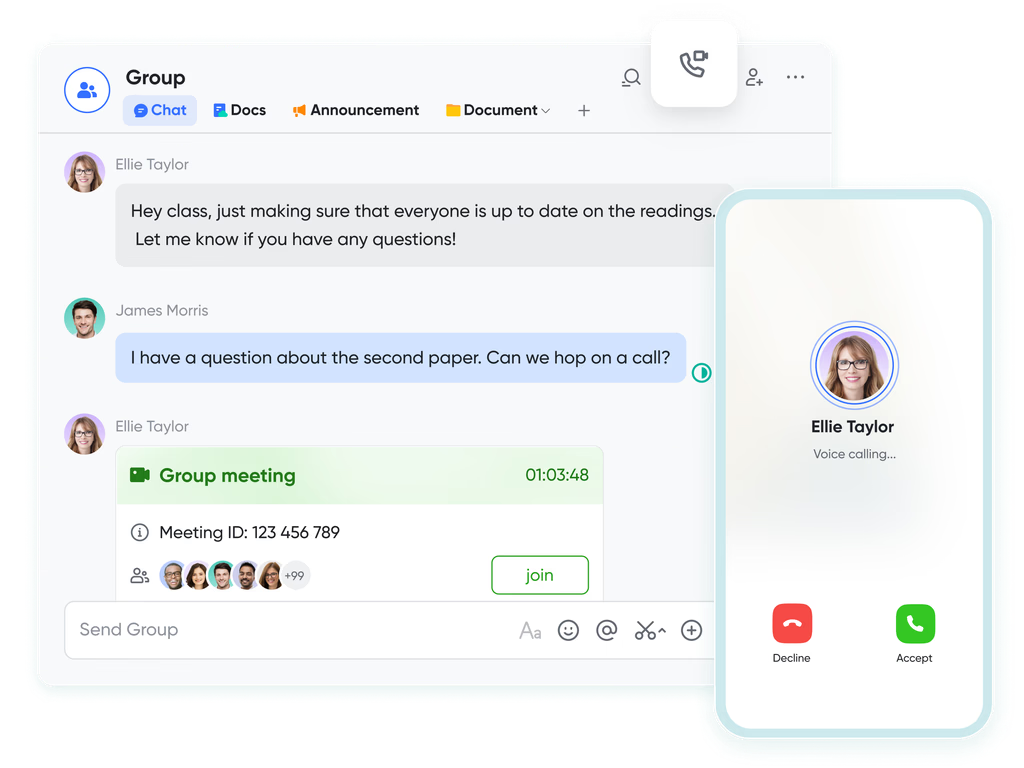
- Lark Messenger & Lark Meetings: Seamless communication is key to aligning sales and marketing around customer insights. Lark Messenger allows instant discussions on customer updates, while Lark Meetings enable real-time collaboration for persona reviews or ICP alignment sessions. Teams can share Docs, Base views, or dashboards directly during discussions, turning conversations into immediate action. This integrated workflow keeps every team connected and customer-focused.
- Starter plan: Free forever plan that includes 11 powerful tools for up to 20 users. It also comes with 100GB of storage, 1000 automation runs, AI translations, and more.
- Pro plan: $12/user/month (billed annually) for up to 500 users. It includes everything in Starter plus group calling for up to 500 attendees, 15TB of storage, 50,000 automation runs, and more.
- Enterprise plan: Contact sales for custom pricing. Supports unlimited users and includes even more automation runs and advanced security, compliance, and management features.
Conclusion
A customer profile template is more than a document; it's the foundation for truly understanding your customers and improving how you engage with them. By capturing details such as demographics, firmographics, behaviours, and motivations, teams can make informed decisions, personalise communication, and align sales, marketing, and customer success strategies. Static spreadsheets or outdated files can't keep pace with how quickly customer needs evolve.
With Lark unified workspace, teams can create, update, and share customer profiles in real time, keeping information accurate and actionable. Whether you're building your first template or refining an advanced ICP, tools like Lark Base, Docs, and Wiki help turn data into meaningful insights. Start developing dynamic, collaborative customer profiles that strengthen relationships and drive long-term business growth.
FAQs
What's the difference between a customer profile and a buyer's persona?
A customer profile focuses on factual data such as demographics, behaviours, and firmographics. A buyer persona, on the other hand, adds a narrative layer covering motivations, personality traits, and emotional drivers that explain why customers make decisions.
How often should I update a customer profile template?
Review and update your profiles at least quarterly or whenever major shifts occur in customer behaviour, product offerings, or market trends. Regular updates ensure your insights stay relevant and reflect real customer needs.
Can I use the same customer profile template for B2B and B2C?
Not entirely. B2B templates include firmographics like company size and decision-maker roles, while B2C templates focus on individual demographics and personal preferences. Each requires a tailored structure.
How do customer profile templates help sales teams?
They help sales teams identify high-fit leads, personalize outreach, and prioritize opportunities. With clear customer insights, reps can tailor conversations to pain points, improving conversion and relationship quality.
How do I make customer profile templates actionable?
Link profiles to workflows and dashboards. Use them to trigger follow-ups, personalize campaigns, and measure engagement. Actionable profiles turn static data into ongoing strategies that drive measurable results.
Related reading
Table of contents
Start using Lark today

Manage all your work in one place
Boost team efficiency by 10x
Save up to 70% on software costs
Table of contents
Start using Lark today
Manage all your work in one place
Boost team efficiency by 10x
Save up to 70% on software costs
Keep reading









2026 Lark Technologies Pte. Ltd.
Headquartered in Singapore with offices worldwide.






Explore: