


Drip Campaigns: Strategy, Setup & Real Examples

Ryan Tanner
Product Marketing Specialist
Aug 5, 2026
Ryan Tanner
Aug 5, 2026

12 min read


A drip campaign is one of the most effective ways to nurture leads automatically while keeping every message relevant and timely. Instead of sending one-off emails that fade into crowded inboxes, drip campaigns build a consistent, ongoing connection with prospects. They deliver value, encourage engagement, and move leads closer to conversion, all without manual effort.
With connected workspaces like Lark, teams can plan, collaborate, and execute these campaigns in one place. From content creation to tracking performance, Lark helps marketing, sales, and design teams work together seamlessly to deliver personalized, high-impact campaigns.

What is a drip campaign
Drip campaigns are automated sequences of messages sent to users or prospects based on specific actions or time triggers. Unlike one-time email blasts that reach everyone at once, drip campaigns target smaller segments with personalized messages that respond to user behavior. This approach allows teams to guide prospects through the customer journey more thoughtfully.
Compared with common one-off emails, a drip campaign is strategic. It builds relationships over time, ensuring every touchpoint serves a purpose, whether it's welcoming a new subscriber, nurturing a lead, or reactivating an inactive user.
Key characteristics of drip campaigns
- Structured sequence: Each email in a drip campaign has a clear purpose, from awareness to conversion. Teams plan the number of emails, content focus, and timing in advance, ensuring consistency. This helps maintain a steady narrative that keeps the recipient engaged and informed.
- Trigger-based delivery: Messages are sent automatically based on user actions such as signing up, downloading a resource, or abandoning a cart. These triggers ensure each recipient receives information relevant to their journey, improving open and click-through rates.
- Personalized engagement: Every message can be tailored using data such as user behavior, demographics, or purchase history. Personalization turns generic marketing into meaningful communication that builds trust over time.
- Goal-driven flow: Each drip sequence is tied to a measurable goal like increasing trial conversions or boosting re-engagement. Setting clear goals ensures every email contributes to the bigger marketing objective, not just activity.
- Continuous optimization: Teams track open rates, click-throughs, and conversions to refine messages for future campaigns. This ongoing improvement cycle helps create smarter, higher-performing sequences over time.
When and how to use drip campaigns
Drip campaigns work best when they are designed to guide prospects step by step through a defined journey. The secret is structure and teamwork ensuring every email feels timely, relevant, and human.
You can use drip campaigns for multiple purposes, such as onboarding new users, nurturing sales leads, or re-engaging inactive customers. The process includes goal-setting, segmentation, writing, mapping, and analyzing performance for better results.
Steps to create an effective drip campaign
Building an effective drip campaign starts with clear goals, smart timing, and precise coordination. Every step, from defining audiences to refining results, plays a key role in driving engagement and conversions.
Step 1: Define your goal and target audience: Start by identifying what you want your campaign to achieve, whether it's sign-ups, product demos, or purchases. Then, segment your audience based on behavior or interests. This ensures that each group receives content tailored to its needs.
Step 2: Choose triggers and segmentation: Decide when and why emails should be sent. Time-based triggers (like after signup) or behavior-based triggers (like clicking a link) ensure precise timing. Good segmentation allows your campaign to feel personalized and intentional.
Step 3: Plan the sequence and timing: Map out how many emails your campaign will include and when they'll be delivered. A typical sequence might have 5–7 emails spaced a few days apart. This structure ensures your brand remains visible without overwhelming the audience.
Step 4: Design content and action mapping: Each email should connect to a specific user action. For example, if someone clicks a product link but doesn't purchase, send a follow-up with a testimonial or limited-time offer. Mapping actions keeps the flow logical and adaptive.
Step 5: Monitor, measure, and refine: Launch the campaign and track performance through metrics like open rates, CTRs, and conversions. Review results frequently and adjust based on what resonates with your audience. Continuous learning keeps the campaign fresh and effective.
Real-world drip campaign examples that work
The most successful drip campaigns aren't about quantity but about coordination. When marketing, design, and analytics teams collaborate effectively, every email aligns with a broader purpose.
With Lark, these teams can work together in real time, from creating briefs to tracking engagement, ensuring every drip campaign evolves smoothly.
Common types of drip campaigns
- Welcome series: This campaign introduces new subscribers or customers to your brand, setting the tone for future communication. The first few emails typically share brand values, popular features, and helpful resources. It builds early trust and encourages the first meaningful interaction.
- Lead nurturing series: Ideal for prospects who have shown interest but haven't converted yet. These campaigns share educational content, case studies, and customer stories that demonstrate value over time. Consistent touchpoints build confidence until the prospect is ready to buy.
- Onboarding sequence: Used to guide new users through product setup or service activation. Step-by-step tutorials, feature highlights, and quick tips help reduce friction and improve adoption. Each email encourages the next small action toward full engagement.
- Re-engagement drip: Designed for users who've gone inactive. This series uses personalized reminders, special offers, or content updates to bring them back. By tracking engagement through analytics, teams can quickly identify what messages reignite interest.
- Transactional follow-ups: Sent after purchases, downloads, or other key actions. These campaigns build post-transaction trust with thank-you notes, order confirmations, and usage tips. They also help maintain brand engagement beyond the initial transaction.
What to look for in drip campaign software
- Simple trigger setup: The best drip campaign software allows you to set up time-based or behavior-based triggers without needing complex workflows. This ensures that every email goes out at the right moment whether it's after a signup, download, or purchase. A straightforward setup helps teams launch faster and make quick adjustments as performance data comes in. It saves time and keeps campaigns responsive to changing audience behavior.
- Visual campaign builder: A visual drag-and-drop builder makes it easier to design and manage complex email flows. It helps teams see the entire campaign journey from start to finish, reducing confusion during setup. This clear layout allows marketers, designers, and managers to collaborate on campaign structure in real time. Everyone understands the sequence, timing, and purpose of each message before launch.
- CRM and data connectivity: Strong CRM connectivity ensures that your drip campaigns stay personalized and accurate. The software should link seamlessly with your contact databases, ensuring data is updated in real time. This enables better targeting based on user behavior, preferences, and stage in the funnel. Reliable data flow keeps campaigns relevant and prevents messaging gaps between marketing and sales teams.
- Reporting and analytics: Comprehensive reporting tools give teams visibility into key metrics like open rates, click-throughs, and conversions. A well-designed analytics dashboard helps you identify which emails perform best and where users drop off. These insights guide optimization for timing, subject lines, and content strategy. Real-time performance tracking empowers teams to make data-backed decisions quickly and confidently.
- Scalability and pricing: As your campaigns expand, your software should grow with you. A scalable platform supports more users, contacts, and advanced automation without losing speed or accuracy. Flexible pricing tiers allow teams to choose a plan that fits both their size and campaign complexity. This ensures cost-efficiency while maintaining the ability to handle large-scale marketing initiatives effectively.
Act on your own: Use Lark to streamline a drip campaign workflow
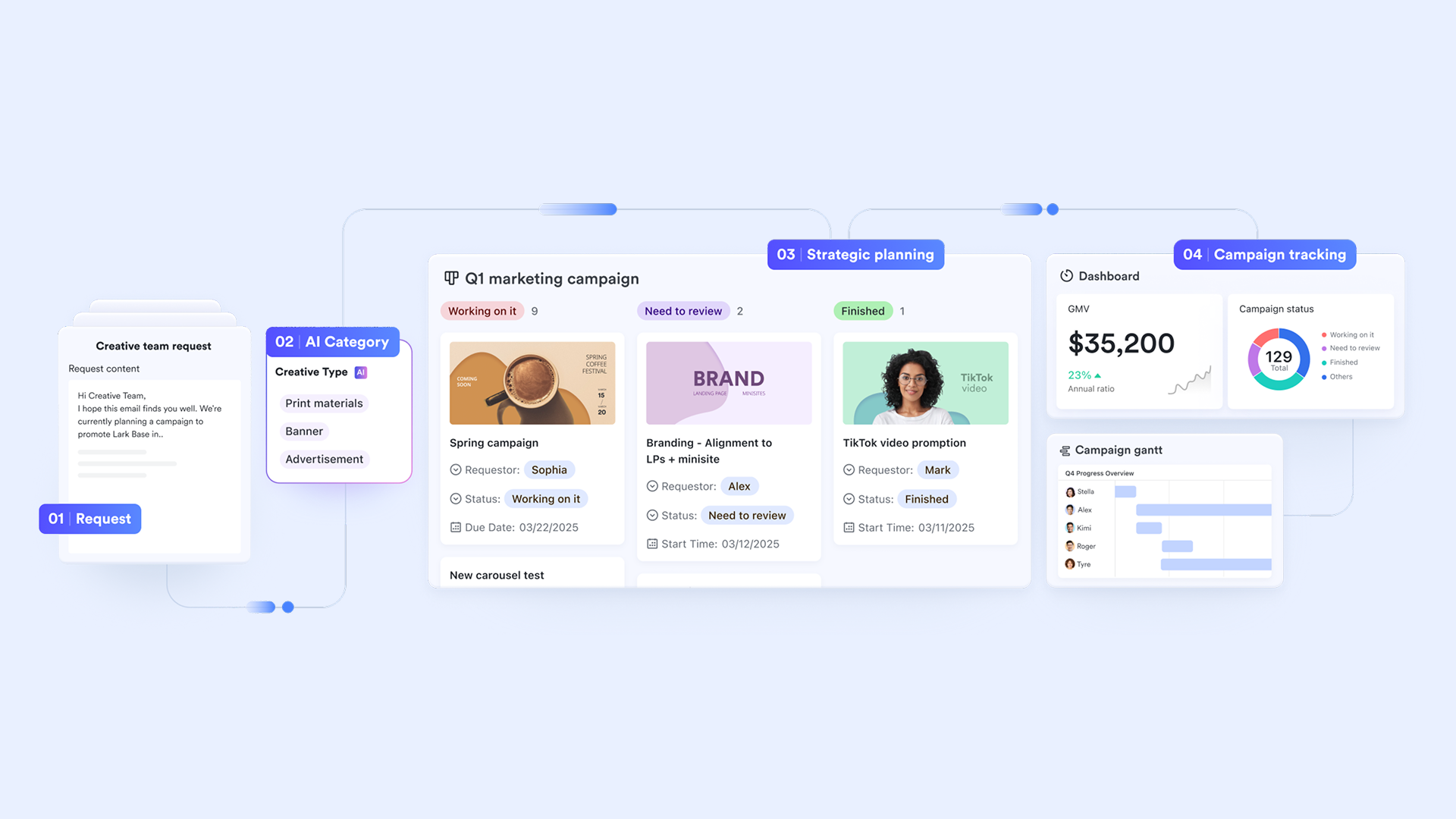
Every successful drip campaign relies on coordination between multiple teams content, design, sales, and analytics. The challenge isn't just sending emails but keeping everyone aligned through planning, execution, and performance review. That's where Lark transforms the workflow. It brings documents, data, tasks, and communication into one connected workspace, so every campaign runs faster and stays consistent. With Lark, teams can plan smarter, act quicker, and continuously improve their drip campaign performance without switching between tools.
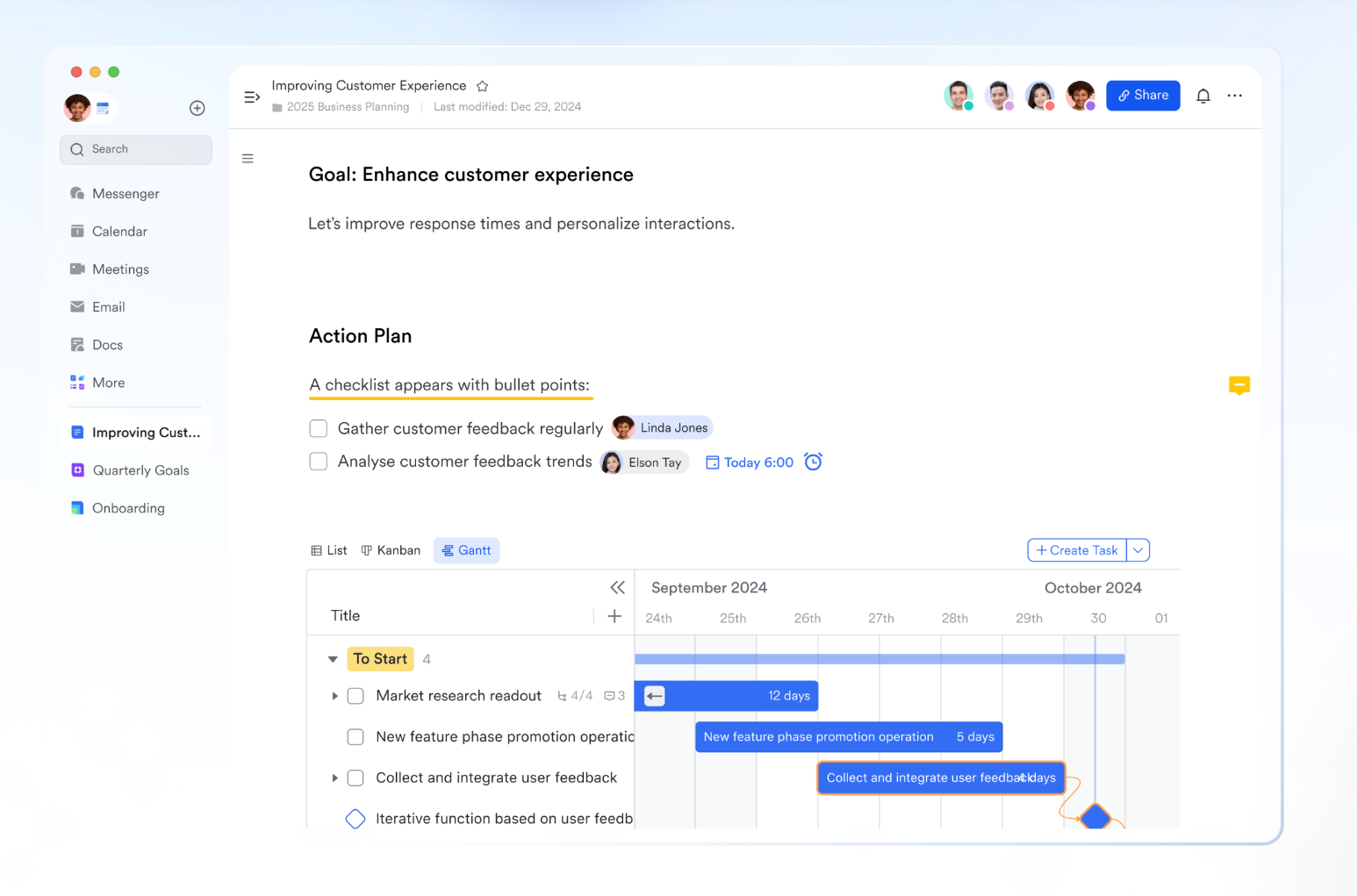
Lark Docs: Where every drip campaign starts
Every campaign begins with an idea. In Lark Docs, create and share campaign plans with your team through documents that outline workflows and strategies. Invite teammates to contribute, give feedback, and track progress for greater transparency. Utilize real-time collaboration features to maintain alignment with campaign content and schedules. Enhance your documents with images, tables, and files to keep campaign assets and timelines organized in one place.
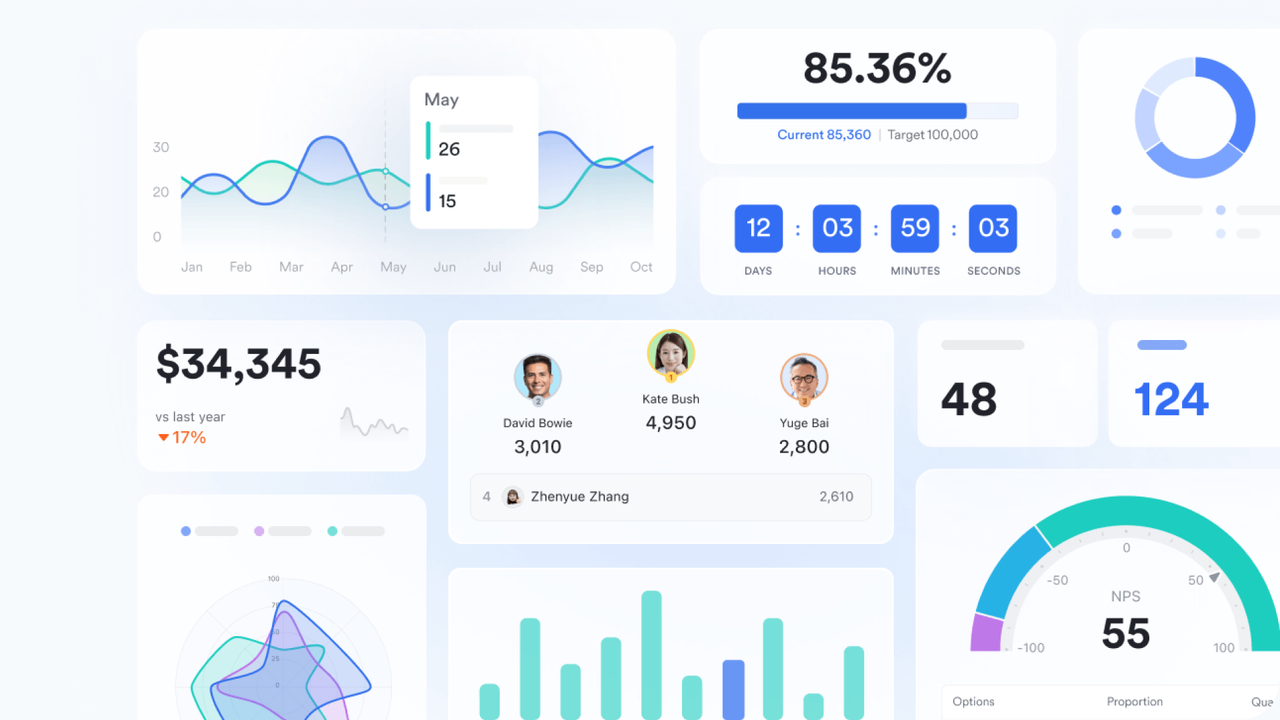
Lark Base: Your campaign control board
With Lark Base, you can set up automations to send dashboard snapshots to specific users or groups at scheduled times, or whenever a trigger in a record is reached. This keeps everyone up to date on campaign progress and trends without manual effort. Use grouping and filtering to track tasks, segment audiences, and manage large datasets efficiently. Automations can also deliver targeted notifications or reminders based on campaign milestones or user actions, helping teams stay aligned and proactive.
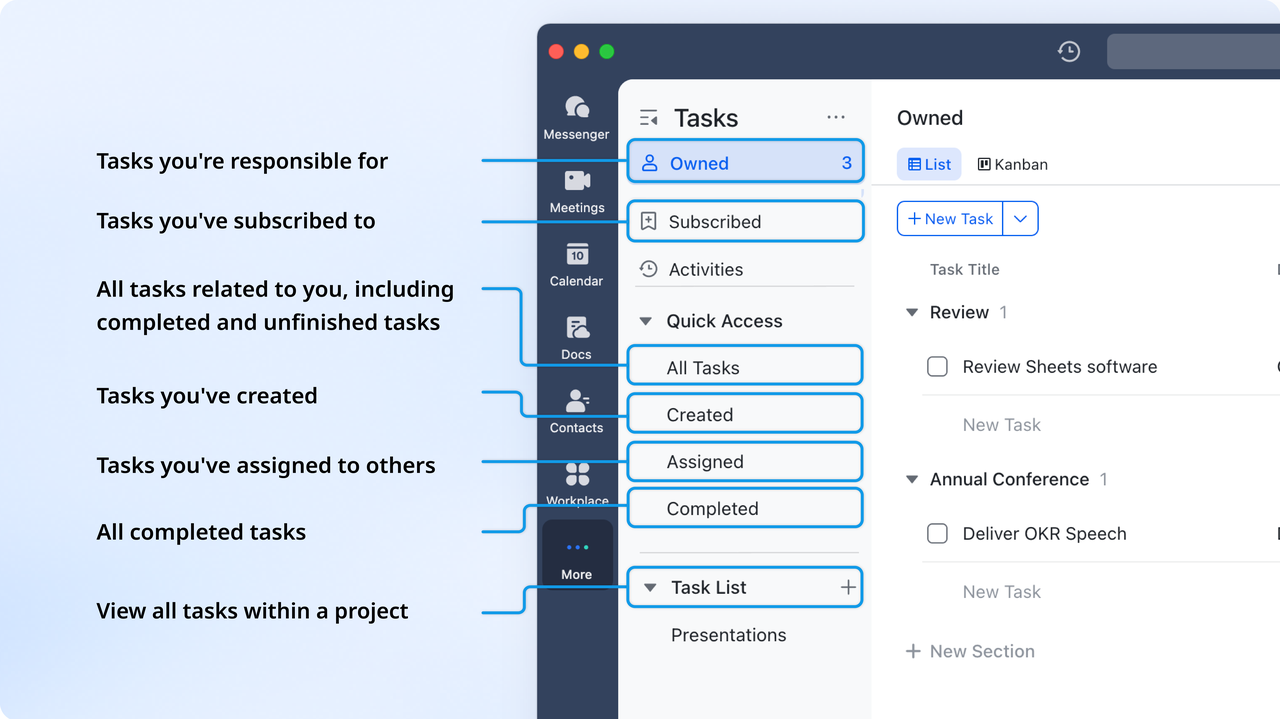
Lark Tasks: Where accountability lives
With Lark Tasks, create a task list to organize all campaign activities around your goals, making responsibilities and progress clear. Assign tasks to teammates and invite collaborators to improve coordination. Group, sort, and filter tasks, and use custom fields to track key details like priorities and deadlines. Pin the task list in a group chat for quick access and easy updates.
Lark Sheets: Monitor and measure every campaign in real time
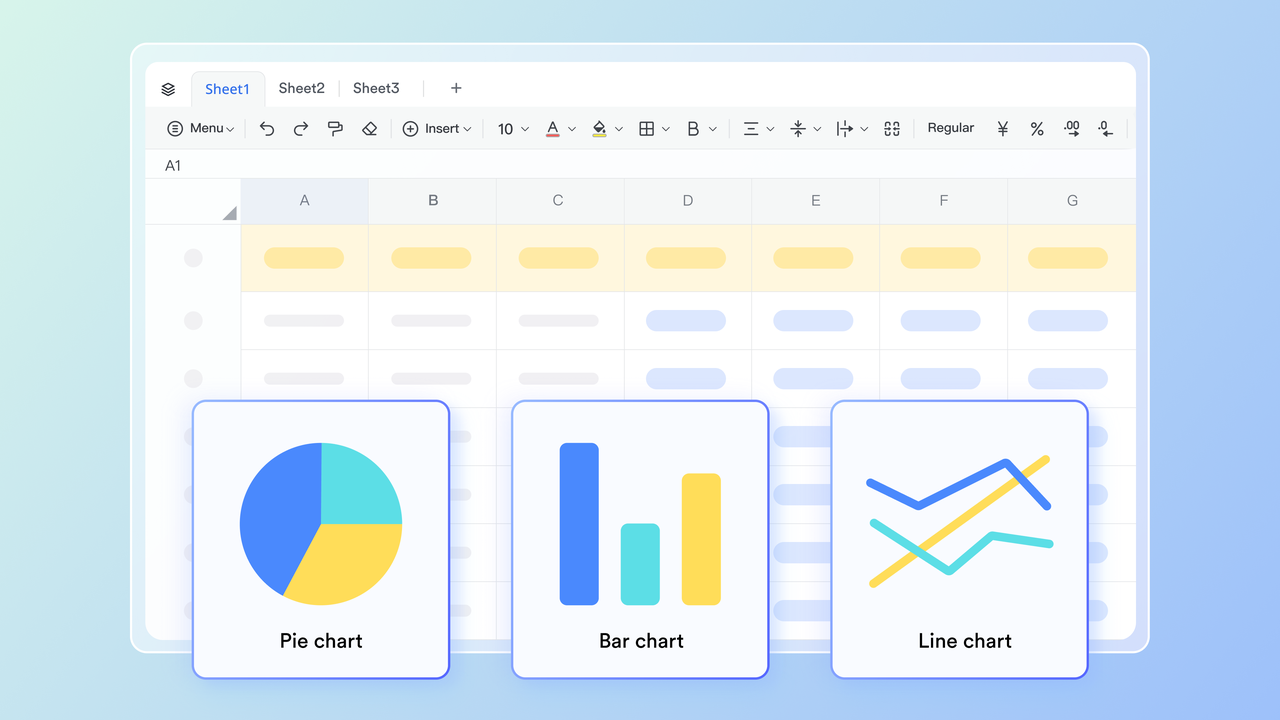
Lark Sheets is a powerful tool for data processing, analysis, and visualization. Sheets allows you to collaboratively manage and analyze customer data, which can help segment audiences and track campaign performance—key aspects of drip marketing. You can also share sheets easily within your team and reference data in Docs for campaign planning.
- Starter plan: Free forever plan that includes 11 powerful tools for up to 20 users. It also comes with 100GB of storage, 1000 automation runs, AI translations, and more.
- Pro plan: $12/user/month (billed annually) for up to 500 users. It includes everything in Starter plus group calling for up to 500 attendees, 15TB of storage, 50,000 automation runs, and more.
- Enterprise plan: Contact sales for custom pricing. Supports unlimited users and includes even more automation runs and advanced security, compliance, and management features.
Measuring success & avoiding common pitfalls
Once your campaign is up and running, it's important to track its impact and continuously refine your approach. Measuring performance helps teams understand what resonates with their audience and where adjustments are needed to improve results.
- Key metrics: Track open rates, click-through rates, and conversions to measure engagement. Monitoring time to action and unsubscribes helps identify audience fatigue or content misalignment.
- Common Pitfalls: Avoid over-emailing or sending irrelevant messages. Outdated segments can lead to lower engagement and unsubscribes. Teams should review campaign logic regularly to maintain precision.
- Keeping campaigns fresh: Review sequences quarterly. Update copies and triggers based on performance data. Lark's connected workspace helps teams document updates, automate follow-ups, and maintain campaign quality.
Future of drip campaigns & scaling
The future of drip campaigns lies in real-time personalization and adaptive automation. As AI continues to advance, campaigns will automatically adjust message timing, tone, and content based on individual user behavior. This shift will make every interaction more relevant and conversion-driven.
Lark helps teams stay ready for this evolution by centralizing workflows, connecting data, and enabling instant collaboration. With shared dashboards and automated coordination, teams can scale drip campaigns efficiently without losing control or creativity.
Conclusion
Drip campaigns remain one of the most powerful ways to build relationships and guide leads toward conversion. When done right, they blend timing, relevance, and storytelling to create meaningful engagement at every stage of the journey. Success depends on having a clear strategy, organized data, and smooth collaboration across teams. That's the reason we introduce Lark in this guide. With it, marketing teams can plan, coordinate, and refine every campaign step in one connected workspace. Start creating smarter, more effective drip campaigns — all from a single platform.
FAQs
What is a drip campaign compared to a regular email blast?
A drip campaign is a structured sequence of automated messages triggered by user actions or specific timings, while a regular email blast is a one-time message sent to everyone at once. Drip campaigns build relationships gradually, keeping engagement relevant and ongoing. With Lark, teams can plan and coordinate every step of this process together from content creation to performance tracking in one connected workspace.
How many emails should you include in a drip campaign?
Most drip campaigns include 5 to 7 emails spaced a few days apart to maintain interest without overwhelming recipients. The right number depends on your audience and goal whether it's lead nurturing, onboarding, or reactivation. Using Lark Base and Tasks, teams can outline email sequences, assign owners, and monitor progress collaboratively to ensure timely delivery and consistency.
Do drip campaigns only work for email, or can they include other channels?
Modern drip campaigns extend beyond email to channels like SMS, in-app notifications, and social media. Coordinating these channels requires clear communication and alignment between teams. Lark enables this by connecting Docs, Messenger, and Base helping marketing, design, and operations teams work together smoothly to deliver cohesive, multi-channel drip experiences.
How often should I review and optimise a drip campaign?
Drip campaigns should be reviewed every 3 to 6 months to maintain engagement and performance. Tracking metrics like open rates and conversions helps identify areas to improve. With Lark Sheets, teams can visualize data in real time, while Lark Docs and Base make it easy to record updates, refine strategies, and collaborate on improvements.
What software/features should I look for when building a drip campaign?
Look for software with automated triggers, CRM connectivity, and analytics dashboards for complete visibility. But equally important is how your team collaborates during planning and execution. Lark complements these tools by bringing every element from content development, to analytics discussion into one shared workspace, ensuring seamless teamwork behind every successful drip campaign.
Related reading
Table of contents
Start using Lark today

Manage all your work in one place
Boost team efficiency by 10x
Save up to 70% on software costs
Table of contents
Start using Lark today
Manage all your work in one place
Boost team efficiency by 10x
Save up to 70% on software costs
Keep reading









2026 Lark Technologies Pte. Ltd.
Headquartered in Singapore with offices worldwide.






Explore: