


Task Management vs Project Management: How They Work Together

Ryan Tanner
Product Marketing Specialist
Aug 5, 2026
Ryan Tanner
Aug 5, 2026

12 min read


In everyday work, the terms "tasks" and "projects" are often used interchangeably, but they represent very different concepts. A task is a single actionable item, while a project is a collection of tasks working toward a larger goal. Understanding this distinction is crucial for improving efficiency, choosing the right tools, and keeping teams aligned.
Without clarity, work can become disorganized, deadlines missed, and resources mismanaged. This article will break down the definitions of task management vs project management, highlight their key differences, and provide practical guidance on managing both—starting with how Lark can streamline the process.

Understand the core of project management and task management
A task is a specific, actionable unit of work that is usually short, focused, and measurable. Tasks are often micro-level actions that can be completed independently, such as writing a report, reviewing a document, or sending an email. Effective task management ensures these small actions are tracked, prioritized, and completed on time.
A project is a temporary, goal-oriented initiative designed to achieve a specific outcome. It is composed of multiple tasks and activities that are coordinated to reach the desired objective. Projects typically have defined start and end dates, scope, and deliverables.
Tasks are the building blocks of projects. While a project provides the overarching goal and structure, tasks break it down into actionable steps that can be assigned, tracked, and completed. Understanding this hierarchy helps in planning, resource allocation, and progress tracking.
Key differences: Task vs project management
- Scope & scale
Tasks are limited in scope, focusing on individual actions or deliverables, while projects have a broader scope, encompassing multiple tasks to achieve a larger goal.
- Timeframe
Tasks are often short-term or ongoing activities, whereas projects have a defined start and end date, with milestones marking key points along the way.
- Complexity & dependencies
Tasks are usually independent or have minimal dependencies. Projects, however, require careful mapping of task dependencies, sequencing, and coordination to ensure smooth execution.
- Planning vs. execution
Project management involves extensive planning, resource allocation, monitoring, and risk management. Task management primarily focuses on executing day-to-day actions efficiently.
- Responsibility & roles
Projects are typically overseen by a project manager, who coordinates resources and timelines. Individual tasks are assigned to task owners or contributors, who are responsible for completing their specific work.
- Metrics & success
The success of a project is judged by overall delivery, budget adherence, and achievement of outcomes. Task success is measured by completion, timeliness, and the quality of the work performed.
When to use task management, when to use project management
- Task management
Use task management for daily workflows, recurring to-dos, or small team tasks that are straightforward and don't require extensive coordination. It's ideal for tracking individual responsibilities and ensuring the timely completion of routine work.
- Project management
Project management is necessary when work involves cross-functional coordination, defined deliverables, milestones, and a clear scope. It's suited for initiatives with multiple interdependent tasks that require planning, resource allocation, and monitoring to achieve a specific goal.
- Hybrid situations
Sometimes, small projects consist of many individual tasks, creating overlap between task and project management. In these cases, it's helpful to combine approaches—managing daily tasks while tracking overall project progress.
- Decision criteria
Choose between task and project management based on scale, complexity, risk level, and the number of stakeholders involved. Smaller, simpler work benefits from task management, while larger, multi-team initiatives require formal project management.
Lark: One connected workspace for tasks and projects
Lark brings tasks and projects together in a single, integrated workspace. Teams can assign tasks, track progress, and manage dependencies all in one place. Shared calendars, timelines, and dashboards provide full visibility of work at both task and project levels. This unified approach keeps teams aligned, productive, and adaptable to changing priorities.
Lark Base: Structuring projects with ease
Lark Base allows teams to create detailed project structures, organizing tasks, dependencies, and statuses in flexible table or Kanban views. This makes it simple to visualize workflows, monitor progress, and manage even the most complex project elements effectively.
Beyond basic organization, Lark Base supports template creation for recurring projects, campaigns, or client work. Templates save time by standardizing processes, ensuring consistency across similar initiatives, and reducing the need to rebuild structures from scratch. This combination of flexibility and repeatability makes Lark Base a powerful tool for both planning and executing projects efficiently.
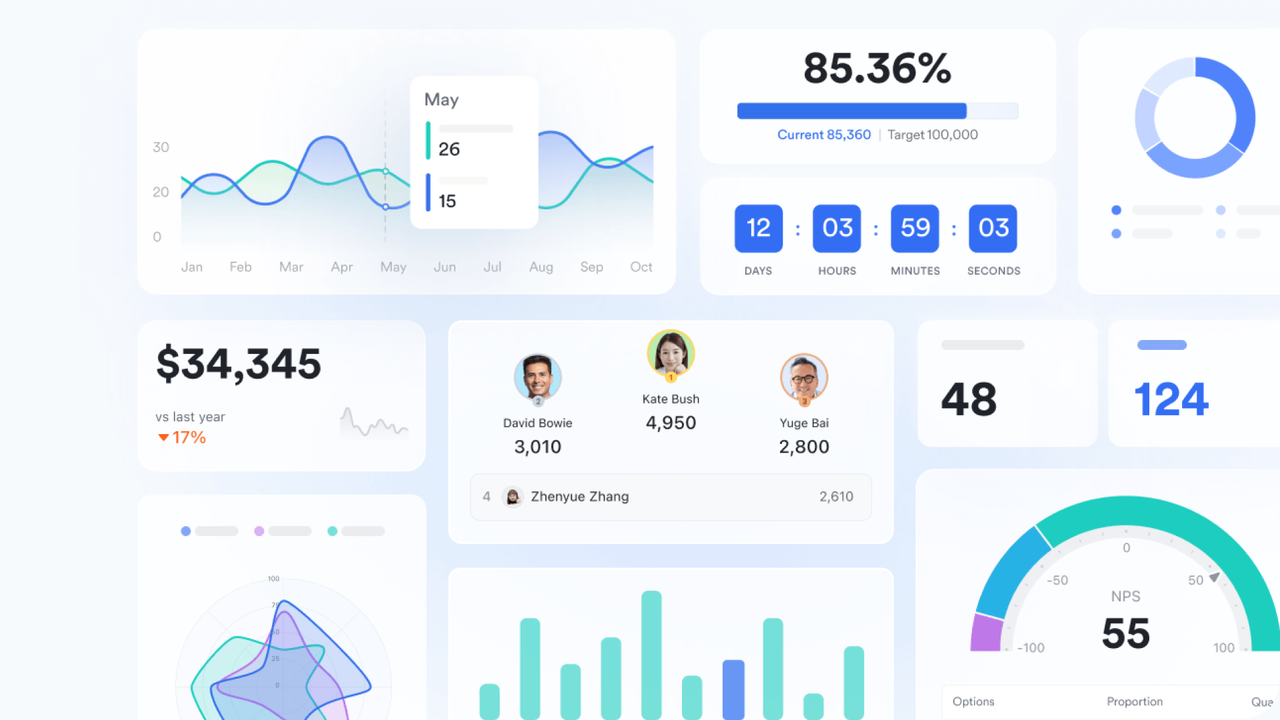
Lark Tasks: Streamlining individual work
Lark Tasks helps teams manage individual assignments with clear due dates, attachments, and progress tracking, ensuring accountability and timely completion. By keeping all task-related information centralized, it reduces confusion, prevents missed deadlines, and allows managers to monitor progress at a glance.
A standout feature is the ability to convert messages from Lark Messenger directly into tasks. This means actionable items discussed in chat don't get lost, and team members can move seamlessly from conversation to execution. Combined with subtasks, dependencies, and priority labels, Lark Tasks provides a structured, transparent way to manage daily work while keeping the broader project goals in focus.
This integration of communication and task management ensures that individual contributions are aligned with overall project timelines, improving efficiency and reducing the risk of delays.
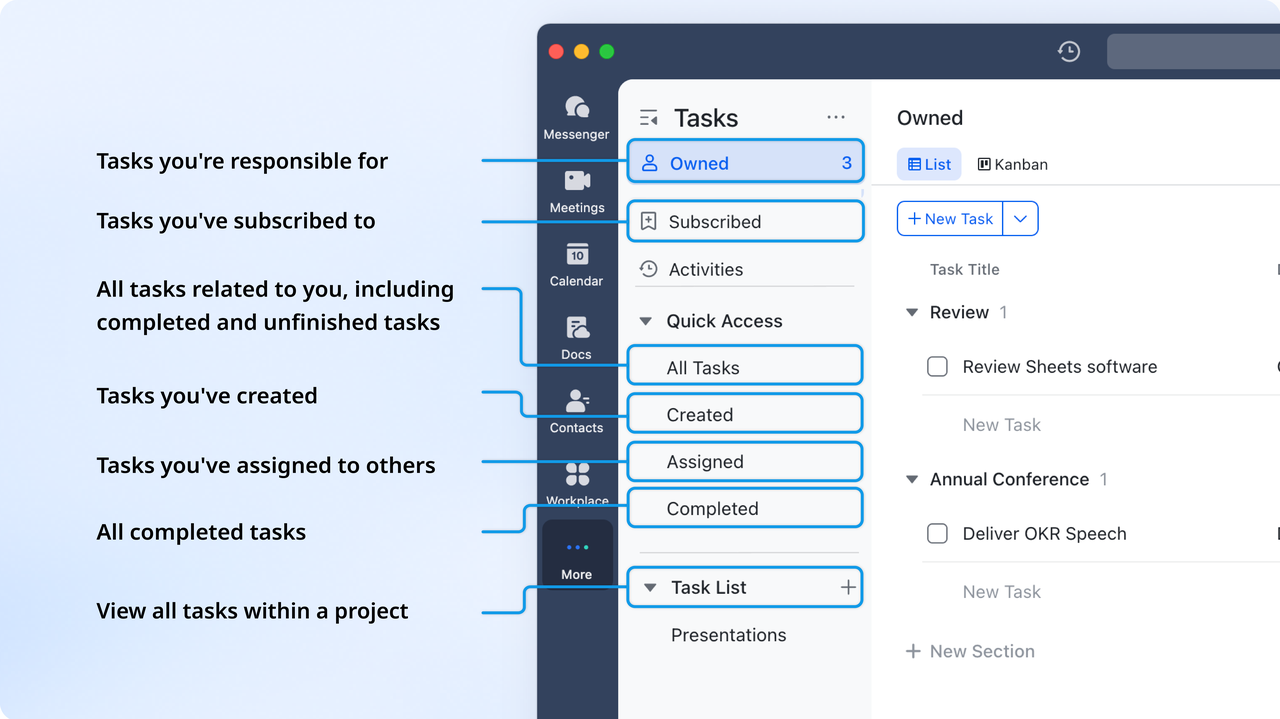
Lark Calendar & Meetings: Staying aligned and on schedule
Lark Calendar allows teams to visualize schedules, keeping deadlines, tasks, and milestones in clear view. By syncing meetings with project timelines, teams can ensure discussions happen at the right time without conflicting with critical work.
This integration helps align daily activities with overall project goals, improves time management, and provides a shared perspective of priorities across the team. With Lark Calendar, planning, coordination, and execution become more seamless, reducing scheduling conflicts and keeping projects on track.
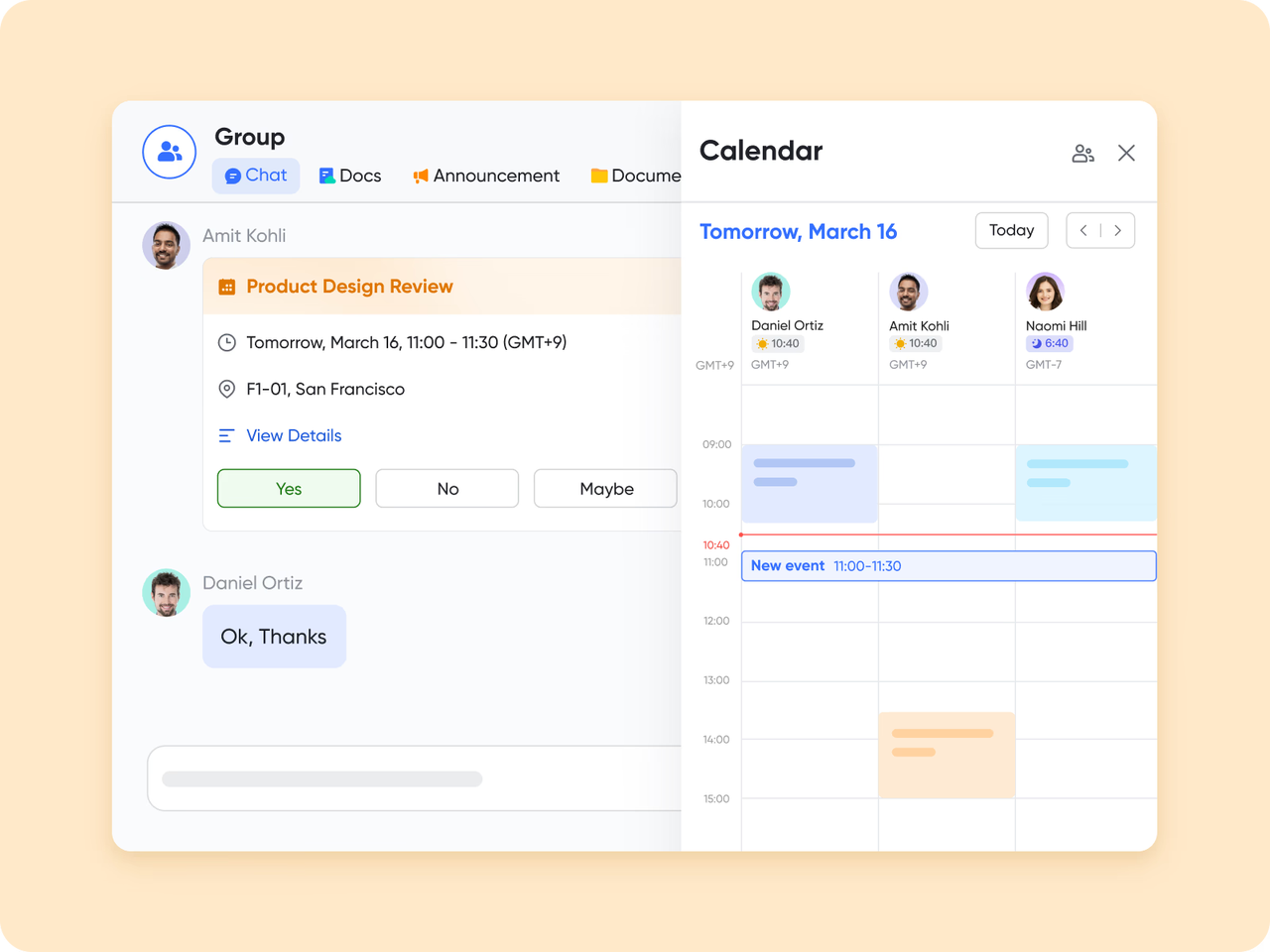
Lark Docs & Wiki: Collaborative knowledge and planning
Lark Docs and Lark Wiki enable teams to co-edit briefs, task lists, or project plans in real time, keeping creative and technical teams aligned throughout the project lifecycle. Changes are instantly visible to all collaborators, reducing miscommunication and ensuring everyone works from the latest version.
These project management tools also serve as a central repository for documentation, guidelines, and reference materials, making it easy to track assumptions, update plans, and maintain project knowledge over time. By combining collaboration with structured information storage, Lark Docs and Wiki support both efficiency and transparency across projects.
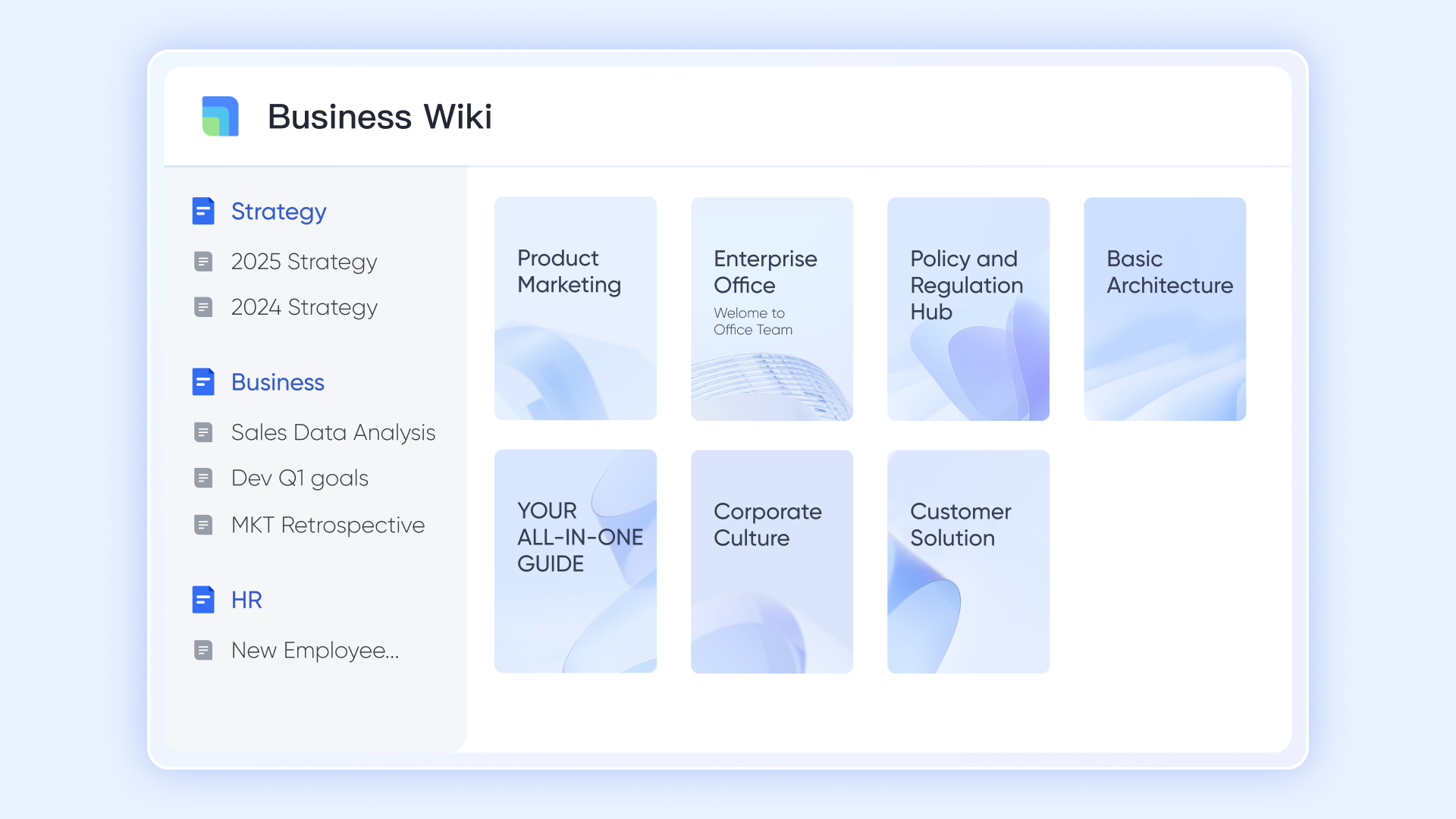
Lark Sheets: Monitoring project performance
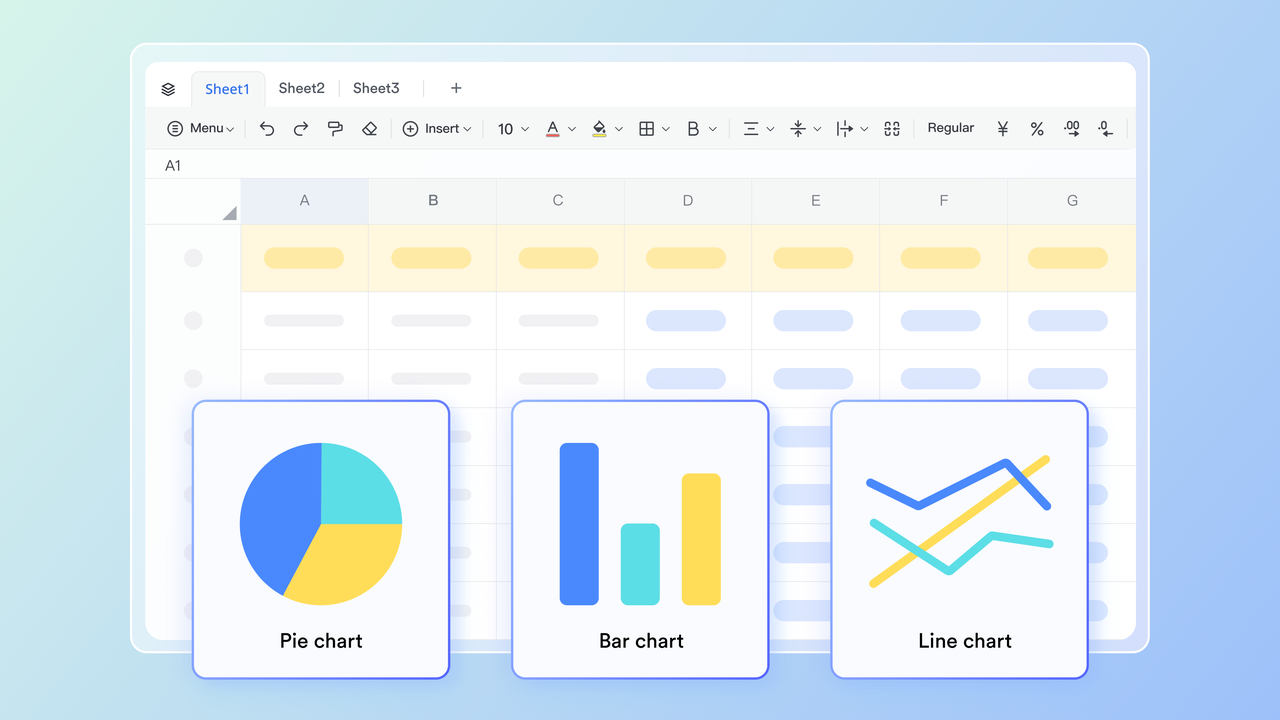
Lark Sheets provide a clear, visual way to track key performance indicators (KPIs) such as task completion rates, overdue items, and overall project health. By consolidating data from tasks, milestones, and timelines, teams gain real-time insights into progress and potential bottlenecks.
It allow managers and team members to quickly identify areas that need attention, prioritize actions, and make informed decisions. With Lark's visual reporting, monitoring project performance becomes easier, helping ensure deadlines are met and objectives are achieved efficiently.
Lark OKR: Linking work to measurable outcomes
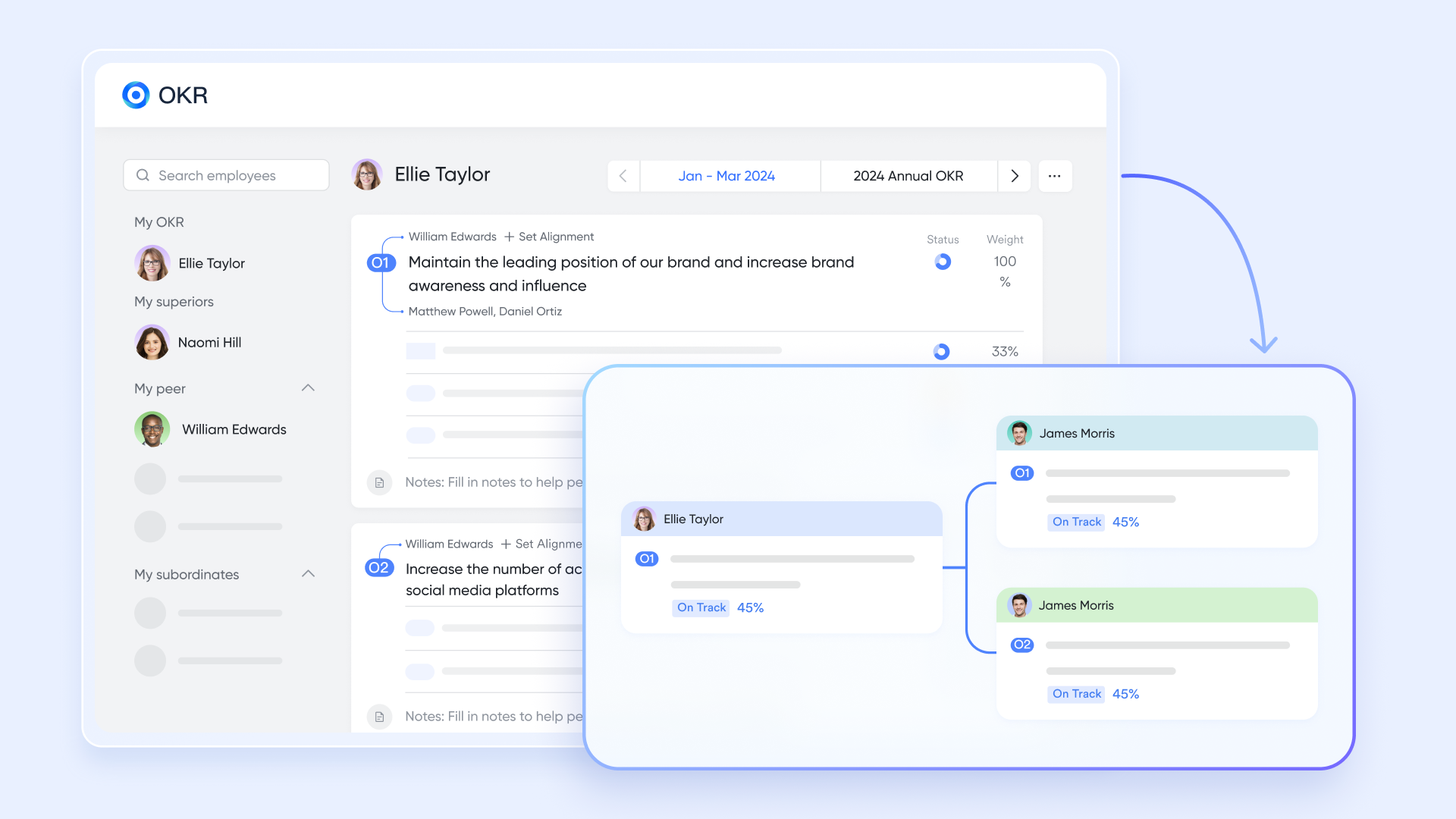
Lark OKR helps teams connect tasks and projects to clear, measurable business objectives, ensuring every piece of work contributes to broader goals. By aligning daily activities with key results, teams gain visibility into how individual efforts impact overall performance.
This approach promotes transparency, accountability, and focus across teams, making it easier to track progress, measure success, and adjust priorities when needed. With Lark OKR, projects and tasks aren't just completed—they drive meaningful business outcomes.
- Starter plan: Free forever plan that includes 11 powerful tools for up to 20 users. It also comes with 100GB of storage, 1000 automation runs, AI translations, and more.
- Pro plan: $12/user/month (billed annually) for up to 500 users. It includes everything in Starter plus group calling for up to 500 attendees, 15TB of storage, 50,000 automation runs, and more.
- Enterprise plan: Contact sales for custom pricing. Supports unlimited users and includes even more automation runs and advanced security, compliance, and management features.
Practical examples: How teams use both
- Example 1: Design agency
A design agency might use task boards to manage individual design revisions and feedback loops, ensuring each small change is tracked and completed on time. At the same time, project dashboards provide a broader view of campaign timelines, showing milestones, deliverables, and overall progress.
- Example 2: Product team
A product team can manage daily sprint tasks using task management tools, tracking individual work and immediate priorities. Simultaneously, they monitor roadmap progress at the project level, coordinating multiple sprints and dependencies to ensure larger objectives are met.
- Example 3: Marketing manager
A marketing manager may plan a product launch in Lark Base, outlining milestones, dependencies, and deadlines for the entire project. Individual contributors then manage their tasks in Lark Tasks, ensuring each piece of work is completed and aligned with the overall launch timeline.
These examples show how task and project management work together, with tasks driving execution and projects providing strategic oversight.
Tips for balancing tasks and projects effectively
- Set clear ownership
Define who manages the overall project and who owns individual tasks. Clear responsibilities prevent confusion and ensure accountability at both levels.
- Keep visibility unified
Link tasks to their parent projects so that progress at the micro level reflects in the broader project view. This alignment helps teams understand how daily work contributes to larger goals.
- Review progress regularly
Conduct weekly reviews to assess both tasks and projects, making sure that short-term actions and long-term objectives stay synchronized.
- Automate handoffs
Use automation to convert completed tasks into project milestones or updates, reducing manual tracking and keeping project timelines accurate.
- Avoid micromanagement
Trust the system and data. By relying on dashboards, updates, and automated tracking, managers can focus on strategic decisions rather than monitoring every small action.
Conclusion
Task management and project management serve different purposes but work best when used together. Tasks focus on individual, actionable items, while projects provide the broader structure, timelines, and milestones that guide those tasks toward a common goal.
Using both approaches in tandem ensures efficiency, accountability, and alignment across teams. Tools like Lark bridge the gap by providing a unified workspace where tasks and projects coexist, enabling teams to manage daily work while keeping sight of overarching objectives. This integration makes it easier to plan, execute, and track progress seamlessly.
FAQs
Is task management part of project management?
Yes. Task management is a component of project management. While project management oversees the overall goal, schedule, and resources, task management focuses on executing individual actions that contribute to that goal.
What tools combine both functions?
Platforms like Lark, Asana, ClickUp, and Microsoft Project integrate task and project management, allowing teams to track daily tasks while monitoring overall project progress, dependencies, and milestones.
Can projects exist without tasks?
Technically, a project can be planned without explicitly defined tasks, but it is rarely effective. Tasks are the building blocks that break the project into manageable, actionable steps.
How do you know when a task becomes a project?
A task may become a project when it grows in scope, complexity, or number of dependencies, requiring multiple actions, resources, or coordination across teams to complete.
Related reading
Table of contents
Start using Lark today

Manage all your work in one place
Boost team efficiency by 10x
Save up to 70% on software costs
Table of contents
Start using Lark today
Manage all your work in one place
Boost team efficiency by 10x
Save up to 70% on software costs
Keep reading







2026 Lark Technologies Pte. Ltd.
Headquartered in Singapore with offices worldwide.






Explore: