














Best CRM for Private Equity: Top Software Solutions for 2026

Cecilia Lane
Go-to-Market Associate
Sep 18, 2026
Cecilia Lane
Sep 18, 2026

20 min read


Private equity firms operate in a high-stakes environment where relationships and data management are paramount. Effectively managing deals, nurturing investor relationships, and streamlining fundraising efforts can be the difference between success and missed opportunities. In today's digital age, a robust Customer Relationship Management (CRM) system is no longer a luxury but a necessity for private equity firms seeking to gain a competitive edge. The right CRM can transform disparate data silos into a unified source of truth, empowering firms to make data-driven decisions and optimize their operations. Imagine having a centralized hub where all communication, deal progress, and investor information are readily accessible, fostering seamless collaboration and informed decision-making. This blog post aims to guide private equity firms in selecting the best CRM software to optimize their operations and drive success. We'll explore the core benefits of CRM for private equity and highlight the key features to look for in a platform.
In this guide, I will recommend these tools:
- Lark: Centralized deal management and investor collaboration
- Salesforce: The endlessly customizable crm giant
- Affinity: Automated relationship intelligence
- 4Degrees: A streamlined, relationship-focused CRM
- Dynamo CRM: The purpose-built alternative investment platform
- Altvia: Integrated investor and deal management
- eFront: The comprehensive alternative investment solution
- DealCloud: The flexible platform for capital markets

What is CRM?
Customer Relationship Management (CRM) is a strategic approach to managing a company's interactions and relationships with current and potential customers. It encompasses a range of processes, technologies, and strategies focused on acquiring, retaining, and growing customer relationships. At its core, a CRM system serves as a centralized repository for all customer-related data, providing a 360-degree view of each interaction and touchpoint. It's important to recognize that CRM is more than just software; it's a fundamental business philosophy centered on putting the customer first and leveraging data to drive informed decisions. It's about building lasting relationships that foster loyalty and advocacy.
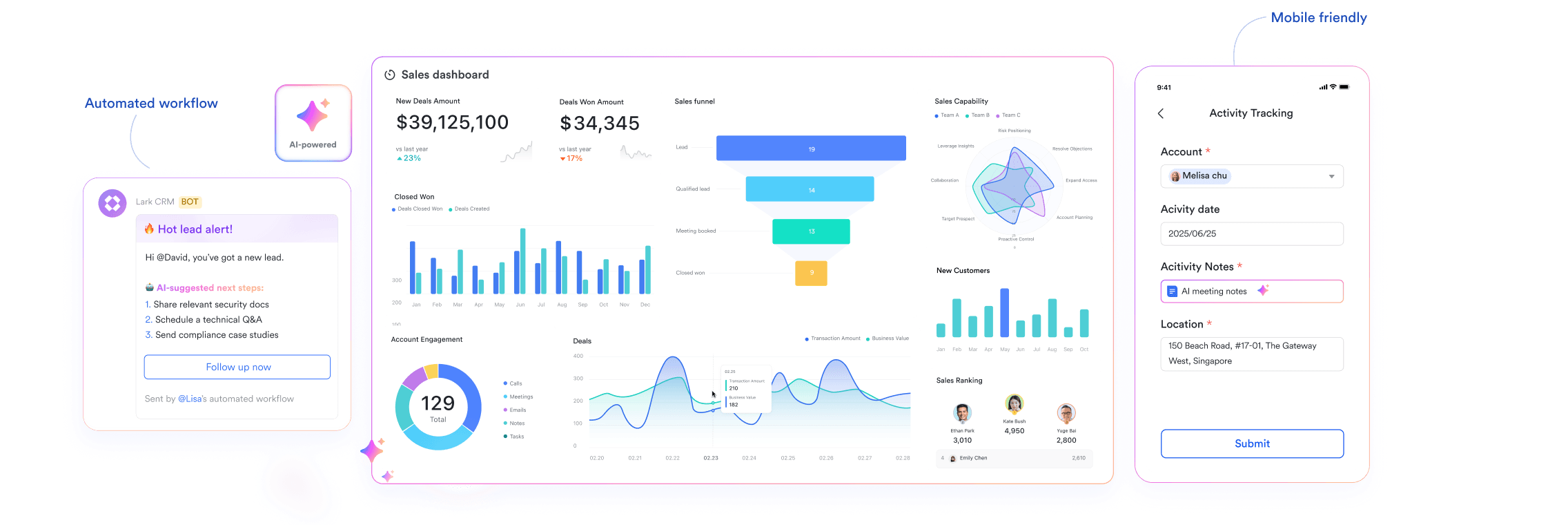
Why private equity needs a CRM
Streamlining deal management
Private equity firms juggle multiple deals simultaneously, each with its own complex lifecycle. A CRM can centralize all deal-related information, from initial contact with the target company to due diligence, negotiation, and closing. Features like customizable pipelines allow firms to visually track the progress of each deal, identify bottlenecks, and ensure that no opportunity falls through the cracks. Automated workflows can streamline tasks such as document requests, meeting scheduling, and follow-up reminders, freeing up deal teams to focus on high-value activities. The ability to link related files and communications within the CRM ensures that all relevant information is readily accessible, minimizing delays and improving efficiency.
Enhancing investor relations
Maintaining strong relationships with investors is crucial for private equity firms. A CRM can facilitate personalized communication and reporting, ensuring that investors are kept informed about fund performance, portfolio company updates, and upcoming investment opportunities. Centralized contact management allows firms to track investor preferences, investment history, and communication preferences, enabling them to tailor their outreach and build stronger relationships. Automated reporting features can generate customized reports on key performance indicators (KPIs), providing investors with transparency and accountability. Some firms also use platforms like Visible alongside their CRM to streamline investor updates, portfolio reporting, and stakeholder communication without disrupting existing workflows. A shared workspace that allows the firm and the investors to access documents and reports can facilitate greater transparency and trust.
Improving fundraising efforts
Fundraising is a critical activity for private equity firms, and a CRM can significantly enhance these efforts. By centralizing investor data and tracking commitments, firms can gain a clear understanding of their fundraising pipeline and identify potential investors. Features like lead scoring can help prioritize outreach efforts, focusing on investors who are most likely to commit capital. Automated email campaigns can be used to nurture relationships with potential investors, providing them with relevant information and updates. Integration with marketing automation tools can further streamline fundraising efforts, allowing firms to target specific investor segments with tailored messaging.
Centralizing data and knowledge
Private equity firms generate vast amounts of data, from deal documents and financial models to investor communications and portfolio company reports. A CRM can serve as a central repository for all of this information, ensuring that it is readily accessible to authorized users. Features like document management and version control can help maintain data integrity and prevent errors. A powerful search function enables users to quickly find the information they need, regardless of where it is stored. As AI in finance becomes more sophisticated, these centralized data sources can also provide the foundation for AI-powered analysis and faster access to financial insights. By centralizing data and knowledge, a CRM promotes collaboration, improves decision-making, and reduces the risk of data silos. Secure access control mechanisms can ensure sensitive data is protected and only accessible to authorized personnel.
The best crm for private equity at a glance
Top 8 CRM software for private equity: In-depth reviews
1. Lark: Centralized deal management and investor collaboration
Overview
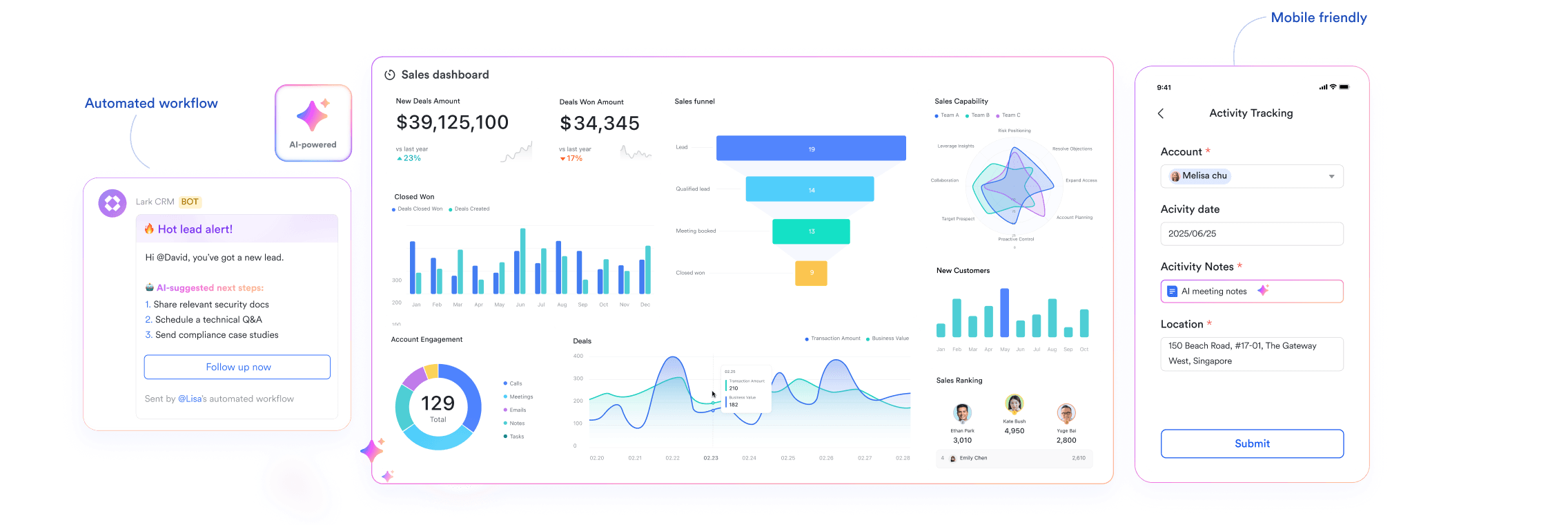
Lark is an all-in-one platform that centralizes collaboration and workflow automation, making it an excellent choice for private equity firms seeking to break down information silos. Unlike traditional CRMs that focus solely on customer data, Lark provides a unified environment where deal management, investor relations, internal communication, and productivity tools coexist. This unified approach ensures that every aspect of the private equity lifecycle—from deal sourcing to portfolio management and fundraising—is handled within a single, cohesive system, providing a true single source of truth for the entire firm.
Key features
Lark’s power for private equity firms comes from its highly unified and customizable features. Here is how specific tools can be applied to PE scenarios:
Base: This is the core of your private equity CRM. Think of it as a powerful, flexible database where you can build custom solutions for deal pipelines, investor relations, and portfolio monitoring.
- Workflow: You can design custom workflows to automate the progression of deals through your pipeline. For instance, when a deal's status is moved from "Initial Screening" to "Due Diligence," the system can automatically create required folders, assign tasks to the legal team, and notify key stakeholders.
- Automation: Set up rules to handle repetitive tasks. Automatically send follow-up reminders to team members for pending due diligence items, log contact updates, or trigger alerts when a key fundraising milestone is reached. This minimizes manual work and reduces the risk of human error.
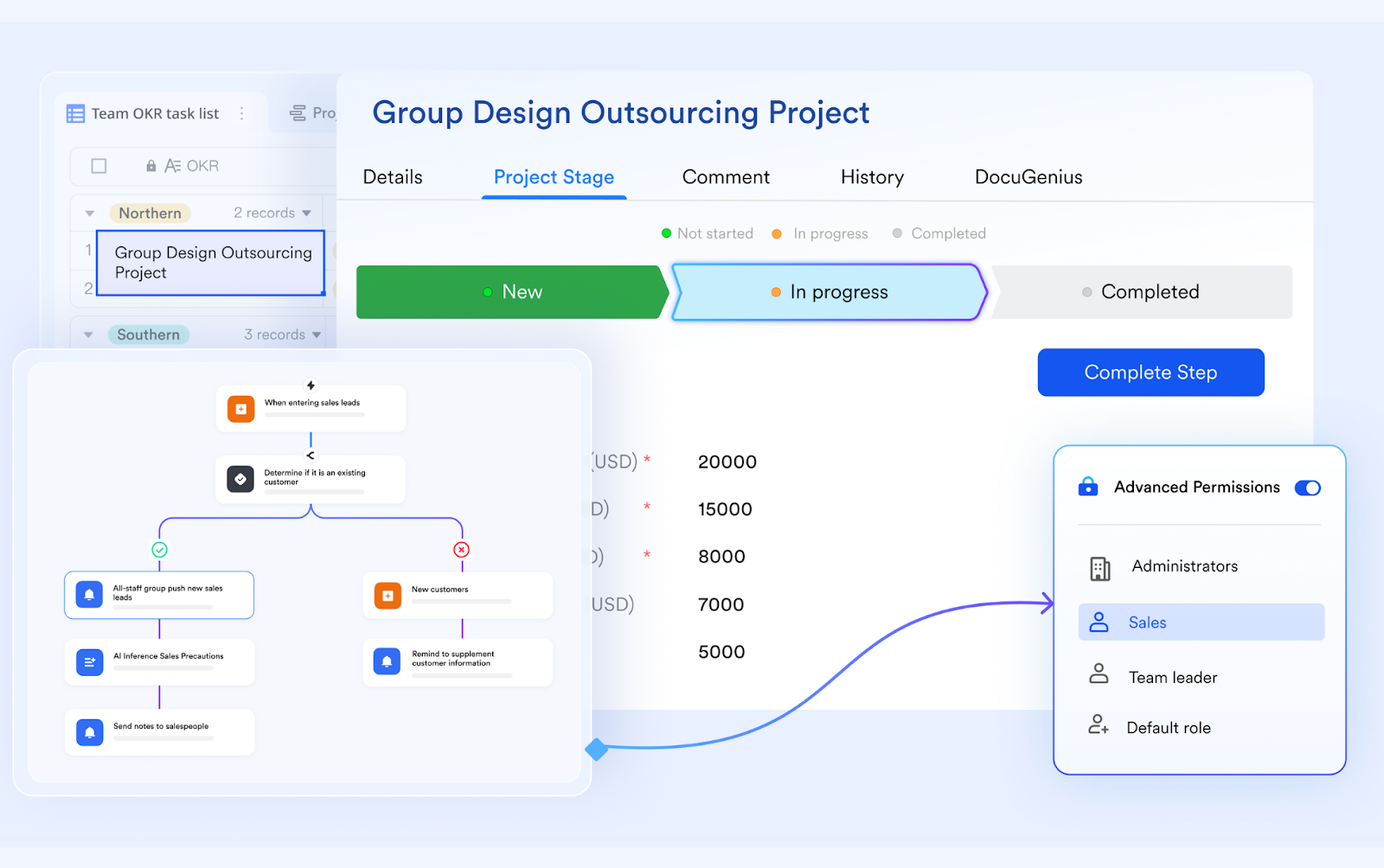
- Views: Create multiple, purpose-built views of your data without altering the source. Build a Kanban view for your deal pipeline, a gallery view for portfolio companies with key visuals and metrics, a Gantt view for project timelines, and a calendar view for important deadlines. This ensures every team member sees the exact information they need in the most effective format.
Calendar and Meetings: Schedule and manage every interaction, from introductory calls with target companies to formal investor meetings. The unified calendar allows you to link events directly to specific deals or contacts within Base, automatically creating a complete history of interactions that is visible to the entire team.
Task and Approval: Break down complex processes like due diligence or fundraising into manageable tasks. Assign tasks to individuals or teams, set deadlines, and monitor progress. Use the built-in approval feature to formalize critical decisions, such as moving forward with an investment or approving capital calls, creating a clear and auditable decision-making trail.
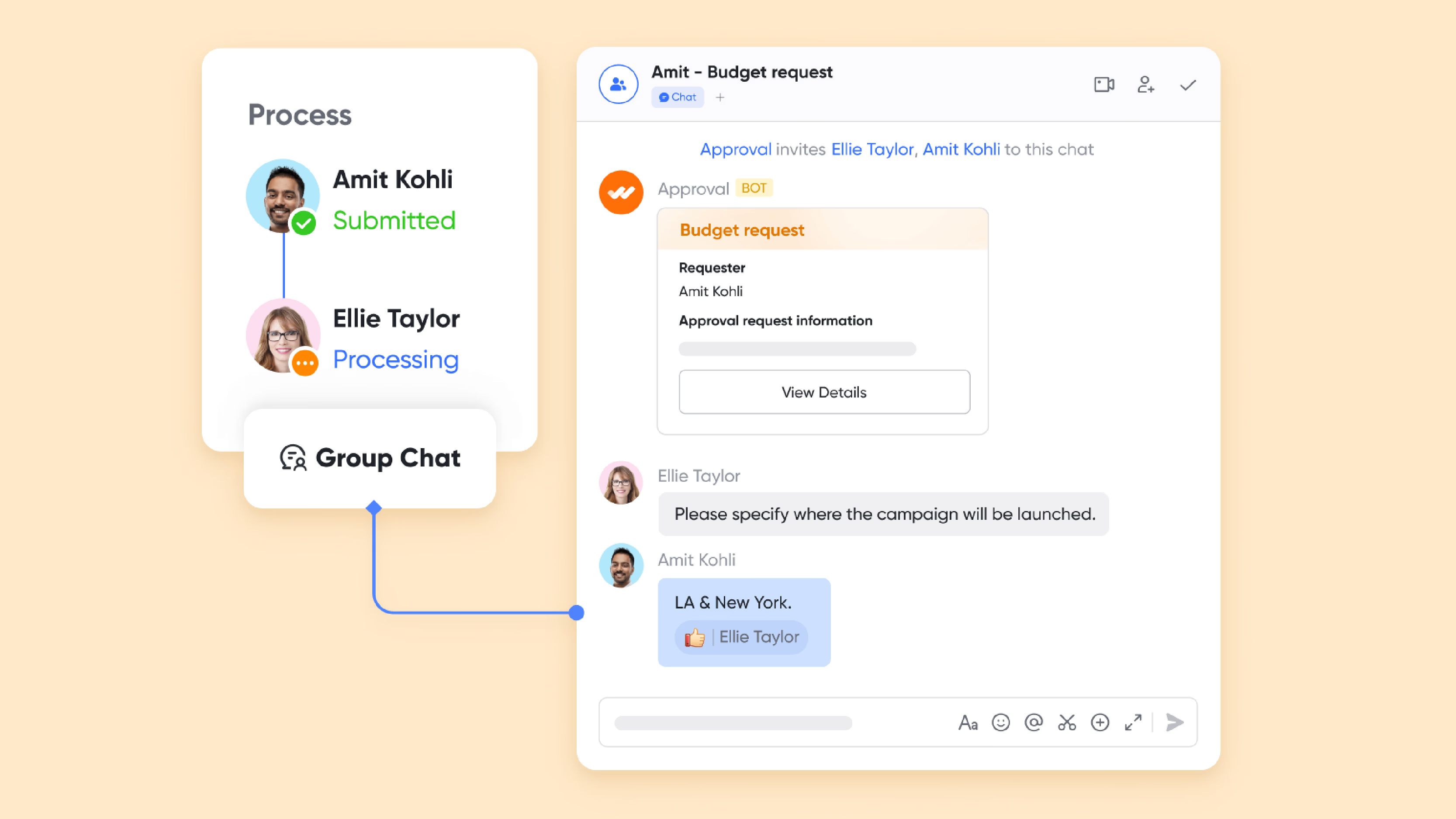
- Starter plan: Free forever plan that includes 11 powerful tools for up to 20 users. It also comes with 100GB of storage, 1000 automation runs, AI translations, and more.
- Pro plan: $12/user/month (billed annually) for up to 500 users. It includes everything in Starter plus group calling for up to 500 attendees, 15TB of storage, 50,000 automation runs, and more.
- Enterprise plan: Contact sales for custom pricing. Supports unlimited users and includes even more automation runs and advanced security, compliance, and management features.
Reviews
Users frequently praise its unified and intuitive interface, powerful automation capabilities, and the efficiency gained from having communication and CRM functionalities within one platform.
Best for
Firms looking for a unified, highly customizable platform that combines CRM with a full suite of productivity and collaboration tools to manage the entire private equity lifecycle.
2. Salesforce: The endlessly customizable crm giant
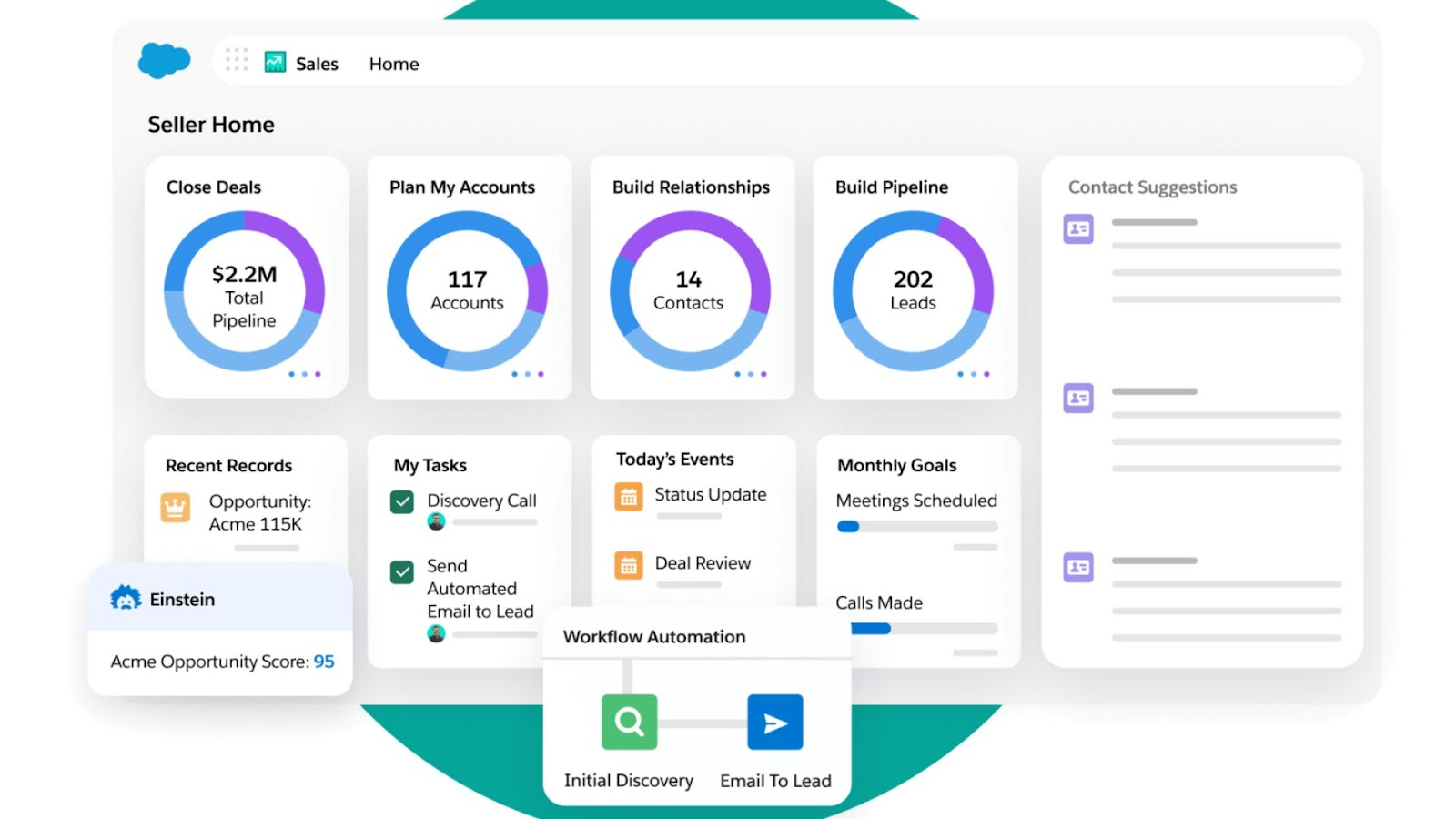
Image source: salesforce.com
Overview
Salesforce is one of the most well-known CRMs in the world, offering a powerful and highly customizable platform. For private equity, its strength lies in its ability to be tailored to complex deal pipelines and investor management workflows, though this often requires significant configuration or third-party add-ons from its AppExchange marketplace.
Key features
It provides robust pipeline management, advanced dashboarding for portfolio and investor analytics, and custom objects that can be configured to represent deals, funds, and limited partners.
Limitations
The platform's vastness can lead to complexity and a steep learning curve. The out-of-the-box version is not tailored for private equity, necessitating a significant investment in customization and administration.
Price
Salesforce is a premium-priced product, and costs can escalate quickly with user licenses, essential add-ons, and implementation support.
Reviews
Users value its scalability and the extensive ecosystem of integrations, but often note the high cost and complexity as potential drawbacks.
Best for
Large private equity firms with dedicated IT resources and a budget for extensive customization to build a solution that perfectly matches their unique processes.
3. Affinity: Automated relationship intelligence
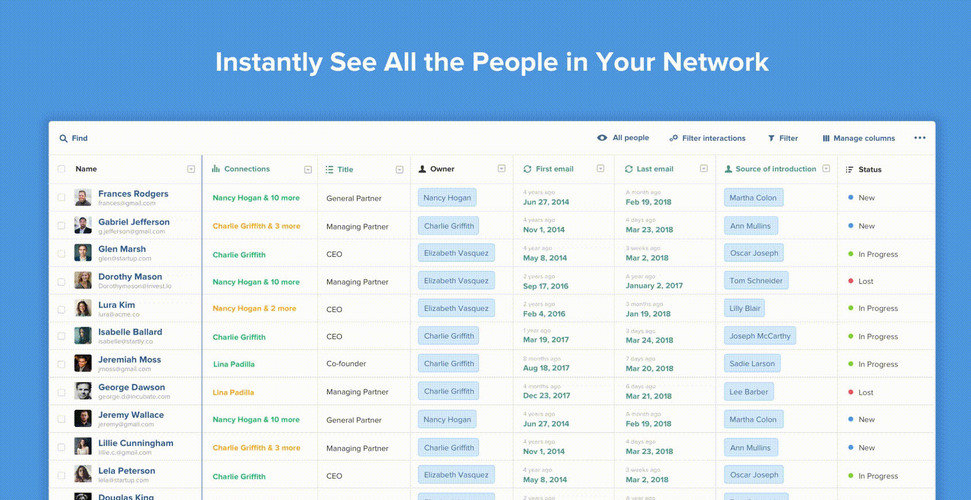
Image source: discovercrm.com
Overview
Affinity is designed for relationship-driven industries like private equity. It automatically captures and analyzes data from emails, calendars, and other sources to map out a firm's entire network, providing deep insights into relationships with contacts, companies, and investors.
Key features
Key features include automated contact data capture, relationship mapping to see who knows whom, and streamlined pipeline management tools designed for investment professionals.
Limitations
It is less of an all-in-one operational platform and more focused on relationship intelligence. Firms needing deep workflow automation or extensive custom reporting may find it lacking.
Price
Affinity is priced on a per-user basis and is generally considered a premium tool, reflecting its powerful automation and data enrichment capabilities.
Reviews
It is highly praised for its ability to automate the tedious process of contact data entry and for providing actionable relationship insights.
Best for
Firms that prioritize network-driven deal sourcing and want to leverage automated relationship intelligence to gain a competitive advantage.
5. 4Degrees: A streamlined, relationship-focused CRM
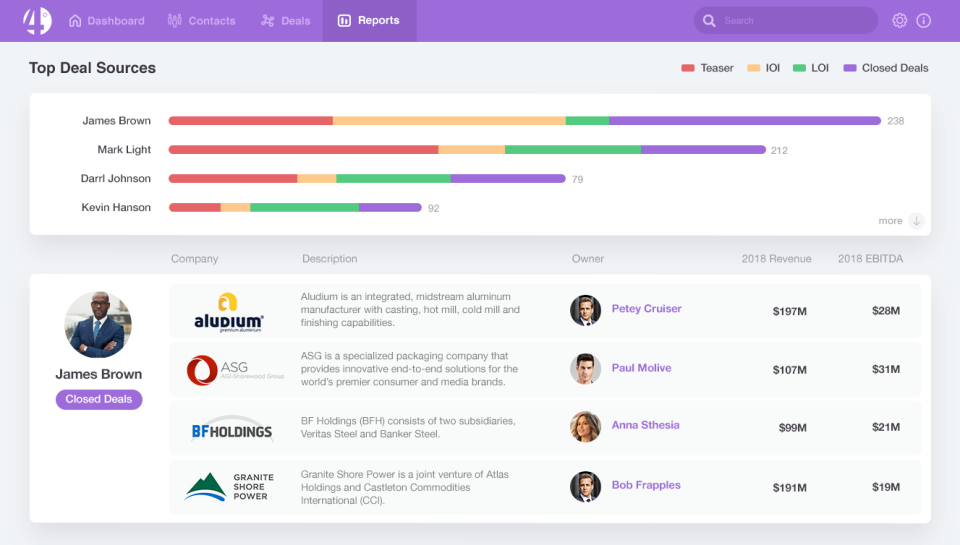
Image source: capterra.com
Overview
4Degrees is a modern CRM built to help private equity and venture capital firms manage their relationships and deal flow more effectively. It combines a user-friendly interface with powerful networking tools to help teams collaborate on sourcing and closing investments.
Key features
The platform offers automated contact enrichment, tracking of relationship strength over time, and a visual deal pipeline that is easy to manage.
Limitations
It may not have the deep, end-to-end functionality for fund administration or portfolio accounting that some larger, more complex platforms offer.
Price
Pricing is available upon request and is structured to serve teams of various sizes within the investment industry.
Reviews
Users appreciate its intuitive design and its focus on the core needs of deal-making professionals without unnecessary complexity.
Best for
Small to mid-sized firms seeking a modern, easy-to-use CRM to manage their deal flow and professional network.
6. Dynamo CRM: The purpose-built alternative investment platform
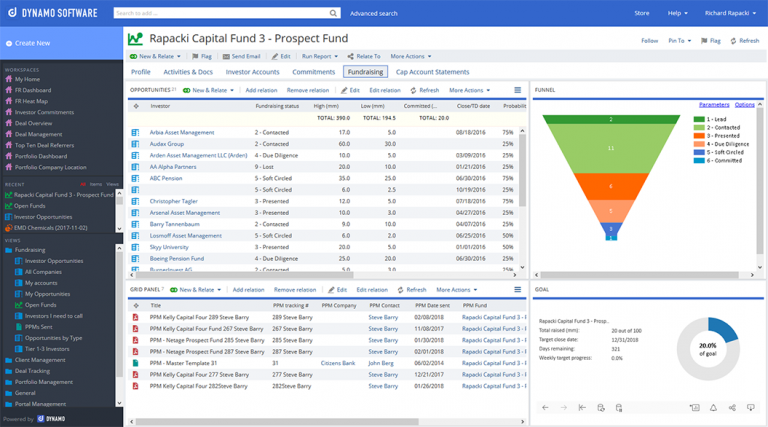
Image source: startupstash.com
Overview
Dynamo is a well-established CRM and investment management platform designed specifically for the alternative assets industry, including private equity. It provides an end-to-end solution that covers deal management, fundraising, investor relations, and portfolio monitoring.
Key features
It includes purpose-built modules for deal sourcing, due diligence tracking, LP relationship management, and generating investor reports.
Limitations
Because it is so comprehensive and industry-specific, it can be less flexible for firms with unique processes that deviate from industry standards. The interface can also feel dated compared to more modern platforms.
Price
Dynamo is an enterprise-grade solution with a corresponding price point, often making it more suitable for established firms.
Reviews
It is respected for its deep, industry-specific functionality and its ability to act as a single system for all investment activities.
Best for
Established private equity firms that need a comprehensive, industry-specific platform for managing the entire investment lifecycle.
7. Altvia: Integrated investor and deal management
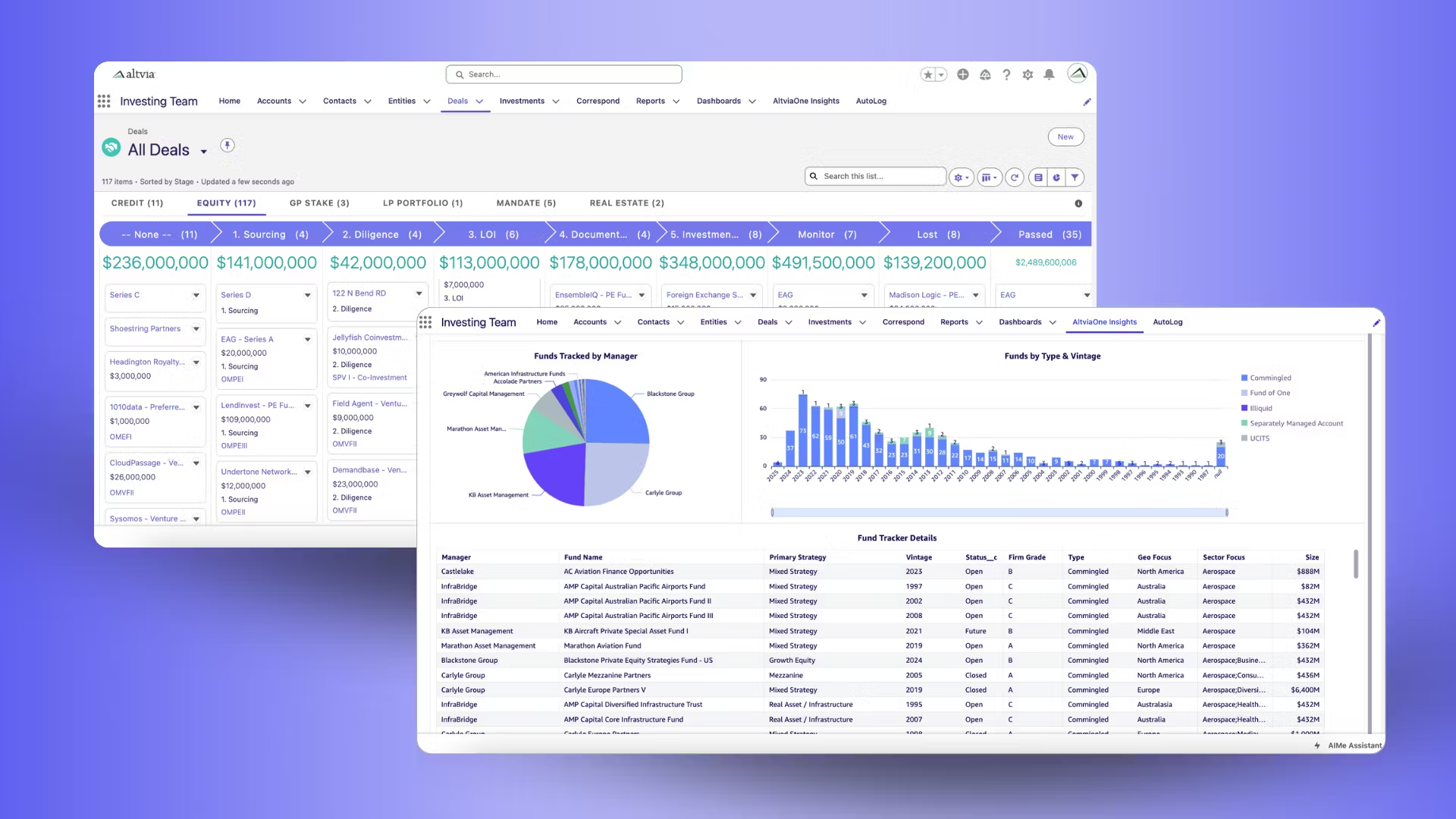
Image source: softwareadvice.ie
Overview
Altvia provides a suite of products built on the Salesforce platform but tailored specifically for private capital markets. It combines CRM, an investor portal (LP portal), and business intelligence tools to serve private equity firms' needs.
Key features
Features include robust deal flow management, fundraising tracking, and a secure portal for limited partners to access documents and reports.
Limitations
Since it's built on Salesforce, it can carry some of the same complexity and cost. It is less of a standalone product and more of an enhancement of the Salesforce ecosystem.
Price
Pricing is typically higher than generic CRMs due to its specialization and is often bundled with implementation and Salesforce licensing fees.
Reviews
Firms value its combination of Salesforce's power with features specifically designed for private equity, particularly its investor portal.
Best for
Firms already using or committed to the Salesforce platform that need specialized tools for investor relations and deal management.
8. eFront: The comprehensive alternative investment solution
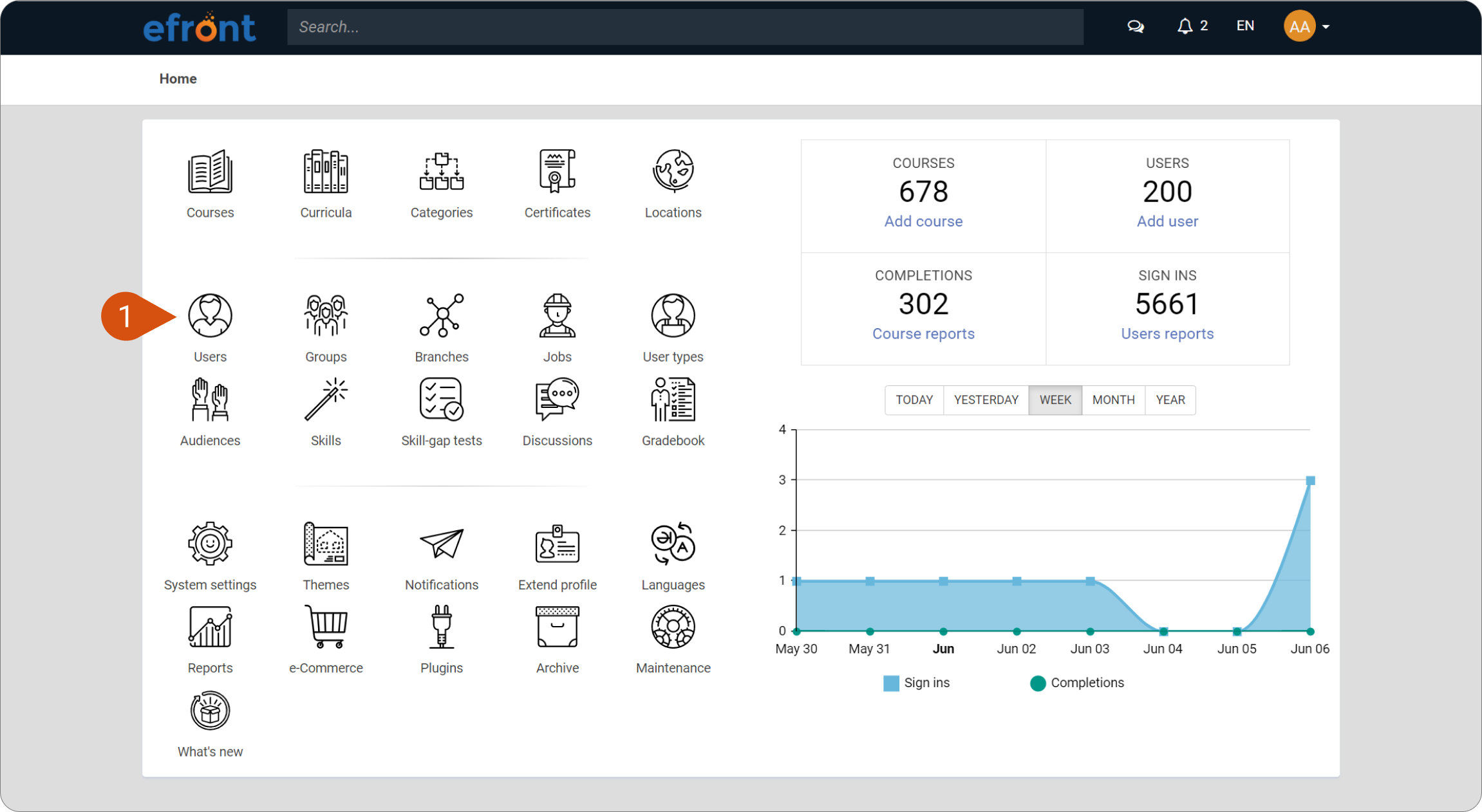
Image source: efrontlearning.com
Overview
Part of BlackRock, eFront is an enterprise-level software suite for alternative investment professionals. It offers a broad range of solutions covering everything from deal flow and fundraising to fund administration and portfolio monitoring.
Key features
Its strengths are its integrated front-to-back office capabilities, allowing firms to manage financial data, due diligence, and investor reporting within a single ecosystem.
Limitations
This is a heavy-duty, complex system that is not suited for smaller firms. Its implementation is a significant project, and its focus is broader than just CRM.
Price
eFront is one of the most expensive solutions on the market, targeting large, institutional asset managers and fund administrators.
Price
Users acknowledge its power for complex fund administration but often cite its complexity and cost as significant barriers.
Best for
Large, institutional private equity firms and fund administrators requiring a comprehensive, integrated system for all financial and operational management.
9. DealCloud: The flexible platform for capital markets
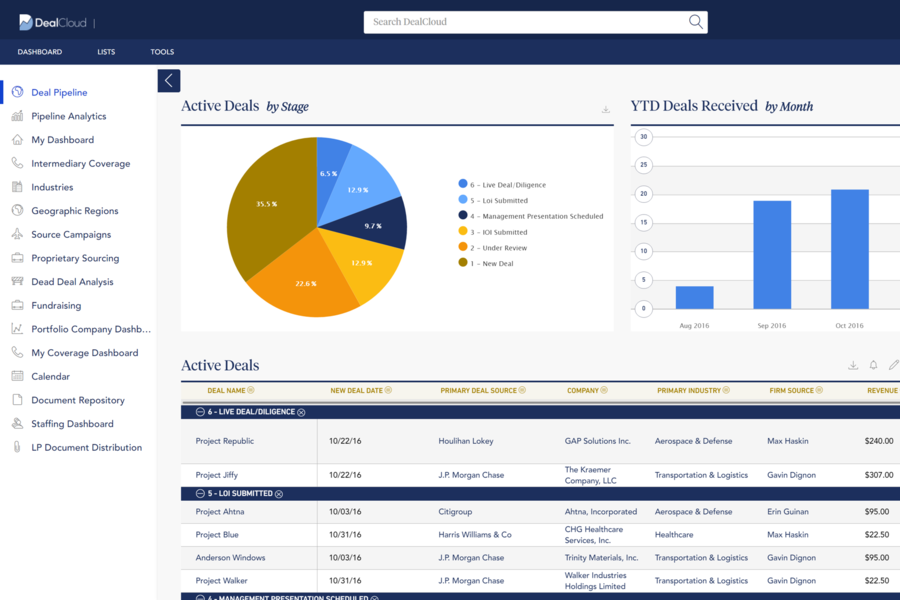
Image source: crozdesk.com
Overview
DealCloud is a highly flexible deal management and relationship platform designed by and for capital markets professionals. It is known for its customizability, allowing firms to tailor the system precisely to their unique workflows for deal sourcing, due diligence, and relationship management.
Key features
It offers purpose-built tools for pipeline management, customizable dashboards and tear sheets, and robust compliance and reporting features.
Limitations
Its high degree of customizability means that setup and configuration can be an intensive process requiring dedicated resources.
Price
DealCloud is a premium solution, with pricing that reflects its deep customization capabilities and focus on the finance industry.
Reviews
It receives high marks for its flexibility and finance-specific design, with many users noting it feels like it was built with their exact needs in mind.
Best for
Firms of all sizes that require a highly configurable platform and want to build a CRM and deal management system that mirrors their specific, proprietary processes.
Features to look for in a private equity CRM platform
Choosing the right CRM involves more than just picking a name from a list; it requires a deep understanding of the features that directly impact a private equity firm's success. Look for a platform with a robust and flexible feature set designed to handle the unique complexities of the investment lifecycle.
Deal management capabilities
Your CRM must provide a clear, visual way to track deals from sourcing to close. Look for customizable pipelines that can mirror your firm's specific stages of evaluation and due diligence. The ability to automate tasks, set reminders for follow-ups, and store all deal-related documents and communications in one place is critical for maintaining momentum and ensuring no opportunity is overlooked.
The best CRM for private equity will have strong IRM features. This includes the ability to manage all investor contact information, track communication history, and segment limited partners for targeted outreach during fundraising. A platform that can also support secure document distribution and report generation helps build investor trust and transparency.
Contact and relationship management
Beyond just storing names and numbers, a private equity CRM should help you understand and leverage your firm’s network. Look for features that map relationships between contacts, companies, and deals, sometimes referred to as relationship intelligence. This ensures you can quickly see who knows whom, preventing missed connection points and facilitating warmer introductions.
Reporting and analytics
The ability to generate insightful reports is non-negotiable. Your CRM should offer customizable dashboards to monitor key performance indicators (KPIs) like deal flow velocity, fundraising progress, and team activity levels. This data-driven approach allows firm leadership to make informed strategic decisions and identify areas for operational improvement.
Private equity firms handle highly sensitive information, so your CRM must have enterprise-grade security. This includes granular access controls to ensure team members only see the data relevant to them, a full audit trail of activities, and compliance with data protection regulations like GDPR. Data security is fundamental to protecting your firm’s reputation and your clients' trust.
Conclusion
Selecting the best CRM for your private equity firm is a strategic decision that can unlock significant operational efficiency and competitive advantage. By prioritizing features like robust deal management, integrated investor relations, and powerful automation, you can empower your team to focus on what they do best: building relationships and closing deals. Evaluate solutions based not just on their features, but on their ease of use, security, and ability to scale with your firm's growth. As you consider your options, platforms like Lark, which combine CRM with a full suite of collaborative tools, offer a compelling vision for a truly unified and efficient workflow.
FAQs
What is the best crm for small private equity firms?
Smaller firms should prioritize a CRM that is user-friendly, cost-effective, and quick to implement. Look for all-in-one platforms that combine CRM with collaboration tools to maximize value. A solution like Lark is ideal, as it offers a flexible, scalable foundation without requiring extensive IT resources.
How much does a crm for private equity cost?
Costs vary widely, from a few hundred dollars per month for smaller teams to tens of thousands for enterprise-level platforms. Pricing depends on the number of users, feature complexity, and implementation support required. Always factor in potential customization and integration costs when budgeting.
What are the benefits of using a crm for investor relations?
A CRM centralizes all investor data, communications, and documents, enabling personalized outreach and streamlined reporting. It helps you track fundraising progress, manage compliance requirements, and provide LPs with a transparent and professional experience, which is crucial for building long-term trust.
Can a crm integrate with our existing systems?
Most modern CRMs are designed for integration. Look for platforms with open APIs and native integrations for essential tools like email (Outlook, Gmail) and calendars. Platforms such as Lark offer deep integrations that create a seamless workflow between your communication and CRM data.
Related reading
Table of contents
Start using Lark today

Manage all your work in one place
Boost team efficiency by 10x
Save up to 70% on software costs
Table of contents
Start using Lark today
Manage all your work in one place
Boost team efficiency by 10x
Save up to 70% on software costs
Keep reading









2026 Lark Technologies Pte. Ltd.
Headquartered in Singapore with offices worldwide.






Explore: