Project budgeting is the foundation of effective project management, helping teams estimate costs, allocate resources, and keep spending aligned with goals. Whether it's a short-term campaign or a complex, multi-phase initiative, a clear budget ensures that every decision supports financial and operational priorities. It also provides visibility into where money is going, making it easier to spot risks, adjust plans, and stay on track. Modern teams often rely on digital tools to streamline this process, and platforms like Lark bring budgeting, communication, and task management into a single connected workspace without adding unnecessary complexity.
What is a project budget?
A project budget is a financial plan that estimates the total cost required to complete a project from start to finish. It includes all expected expenses such as labor, materials, equipment, software, overheads, and contingency reserves. The budget for project activities is typically established during the planning phase and serves as a baseline for tracking actual spending .
A project budget helps managers allocate resources efficiently, prioritize tasks, and make informed decisions when changes occur. It also provides a clear view of financial constraints, enabling teams to control costs and avoid overruns. A well-defined project budget aligns the project scope, schedule, and resources, ensuring that objectives are achieved within the available funds while maintaining quality and .
Why is the budget for a project important?
A well-defined project budget provides financial clarity and direction from the start. It helps teams align resources, timelines, and goals while preventing unnecessary spending. With a structured budget in place, project managers can make informed decisions and maintain control over costs throughout the project life cycle.
- Guides decision-making: A clear budget helps managers choose priorities, allocate resources, and approve expenses wisely. It ensures that financial decisions . This reduces guesswork and improves overall planning accuracy.
- Prevents cost overruns: When teams know their financial limits, they are less likely to overspend. A defined budget creates spending boundaries and checkpoints. This helps identify issues early and take corrective action.
- Improves resource allocation: A project budget shows where funds should be allocated to achieve the best results. It helps distribute funds across tasks, teams, and phases. This ensures resources are used efficiently and productively.
- Enhances stakeholder confidence: Stakeholders are more confident when a is in place. A detailed budget demonstrates accountability and transparency. It also makes it easier to track performance against expectations.
- Supports better risk management: Budgets typically include contingency funds to cover unexpected costs. This prepares the team for uncertainties without disrupting progress. As a result, projects can handle risks more effectively.
5 core elements of budget management in project management
Effective budget control requires more than just estimating costs at the beginning. Teams need a structured approach that connects planning, tracking, and adjustments throughout the project life cycle. Understanding the core elements of budget management helps ensure financial discipline and successful outcomes.
- Cost estimation: Accurate cost estimation forms the basis of a strong project management budget. It involves calculating expenses for labor, materials, tools, and overhead. Reliable estimates reduce the chances of financial surprises later in the project.
- Resource allocation: Proper allocation ensures funds are directed to where they are needed most. In project management and budgeting, this step aligns financial resources with project priorities. It helps teams maintain efficiency and avoid unnecessary spending.
- Budget baseline: A budget baseline acts as the financial reference point for the entire project. It represents the approved cost plan in budget management and . Teams use it to compare planned expenses with actual spending.
- Cost tracking and monitoring: Continuous tracking allows teams to see how much has been spent at any given stage. This process helps identify deviations early and take corrective action. keeps the project aligned with financial goals.
- Change and risk management: Projects often face unexpected changes or risks that impact costs. A strong budget management approach includes contingency planning. This ensures the team can adapt without exceeding the approved budget.
Bring budgeting and teamwork together
How to create and manage a project budget step-by-step
Creating and managing a project budget requires a clear structure from the beginning. Teams need to estimate costs, , and monitor spending throughout the project life cycle. Following a step-by-step approach helps maintain financial control and reduces the risk of overruns.
Step 1: Define the project scope
Start by outlining the project objectives, deliverables, and timelines. A clear scope prevents unnecessary expenses and scope creep. This step ensures the budget reflects only the work that truly matters.
Step 2: Estimate all project costs
List every expected expense, including labor, materials, tools, and overheads. Break down costs by task or phase for greater accuracy. Detailed estimates create a reliable foundation for the budget.
Step 3: Allocate resources and set the budget baseline
Assign funds to different teams, tasks, and . Once approved, this becomes the official budget baseline. It serves as the reference point for all future cost tracking.
Step 4: Track expenses and monitor performance
Record actual spending regularly and compare it with the baseline. This helps identify variances early and avoid budget overruns. Consistent monitoring keeps the project financially aligned.
Step 5: Adjust and control the budget
Review financial performance and make necessary adjustments. Use contingency funds for unexpected costs when required. Ongoing control ensures the project stays within the approved budget.
5 key challenges in project budget management
Managing a project budget is rarely straightforward, especially when timelines shift or priorities change. Teams often face uncertainties that affect cost estimates, resource use, and financial control. Understanding common challenges helps project managers prepare better and respond more effectively.
- Inaccurate cost estimates: Poor or rushed estimates can lead to unrealistic budgets. When initial calculations are off, projects quickly face financial pressure. This makes it harder to stay within the approved budget.
- Scope creep: Unplanned changes or added requirements can increase costs. Without strict scope control, the budget may stretch beyond its limits. This often results in delays and resource strain.
- Lack of real-time cost tracking: When spending is not regularly monitored, issues go unnoticed. Teams may only discover overspending when it is too late. helps prevent such surprises.
- Resource misallocation: Assigning funds to the wrong tasks or teams can reduce efficiency. Critical activities may lack resources while less important ones get excess funding. This imbalance affects both budget and performance.
- Unexpected risks and external factors: Market changes, supplier issues, or economic shifts can increase costs. Without contingency planning, these risks can derail the budget. helps maintain financial stability.
Managing budgets becomes easier when planning, tracking, and communication happen in one place. Instead of juggling spreadsheets, messages, and task lists, teams can use a unified workspace to stay aligned on costs and timelines. Tools like Lark bring budgeting, collaboration, and project tracking together, helping teams stay organized without adding extra complexity.
Plan, track, and manage costs in one place
Meet Lark: A smarter approach to project budgeting and collaboration
Instead of switching between multiple tools, teams can manage tasks, budgets, documents, and communication in one connected platform. This makes it easier to keep financial data aligned with and team discussions. With real-time updates and shared visibility, everyone stays informed about costs and changes. Lark helps teams approach project budgeting with more clarity, coordination, and control.
Centralized project planning
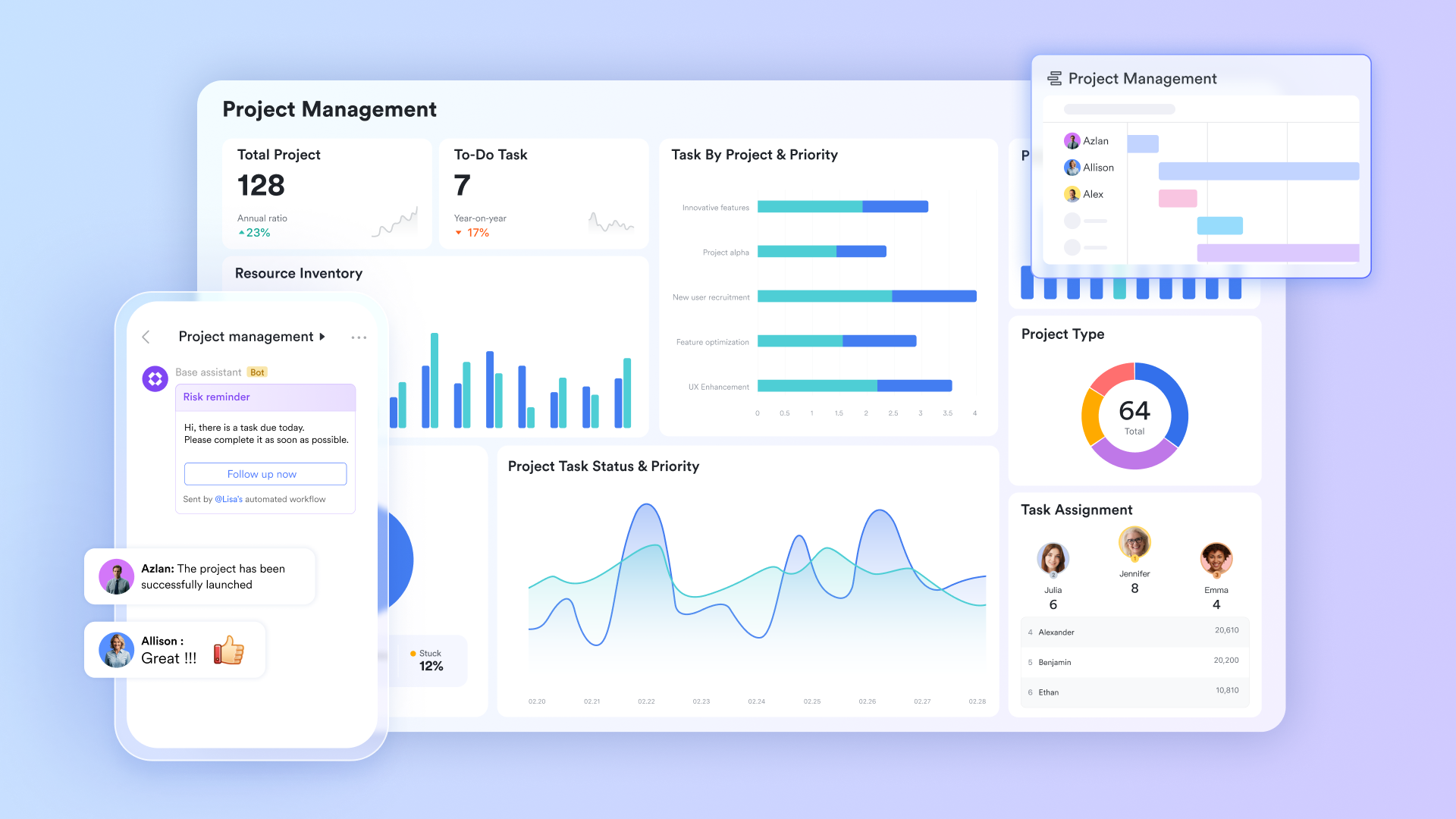
helps teams organize budgets, tasks, and resources in a single, structured workspace. Teams can build custom tables to track cost categories, timelines, and approvals. This reduces reliance on scattered spreadsheets and manual updates. With , everyone works from the same financial data. It keeps the project budget aligned with actual progress.
Real-time communication
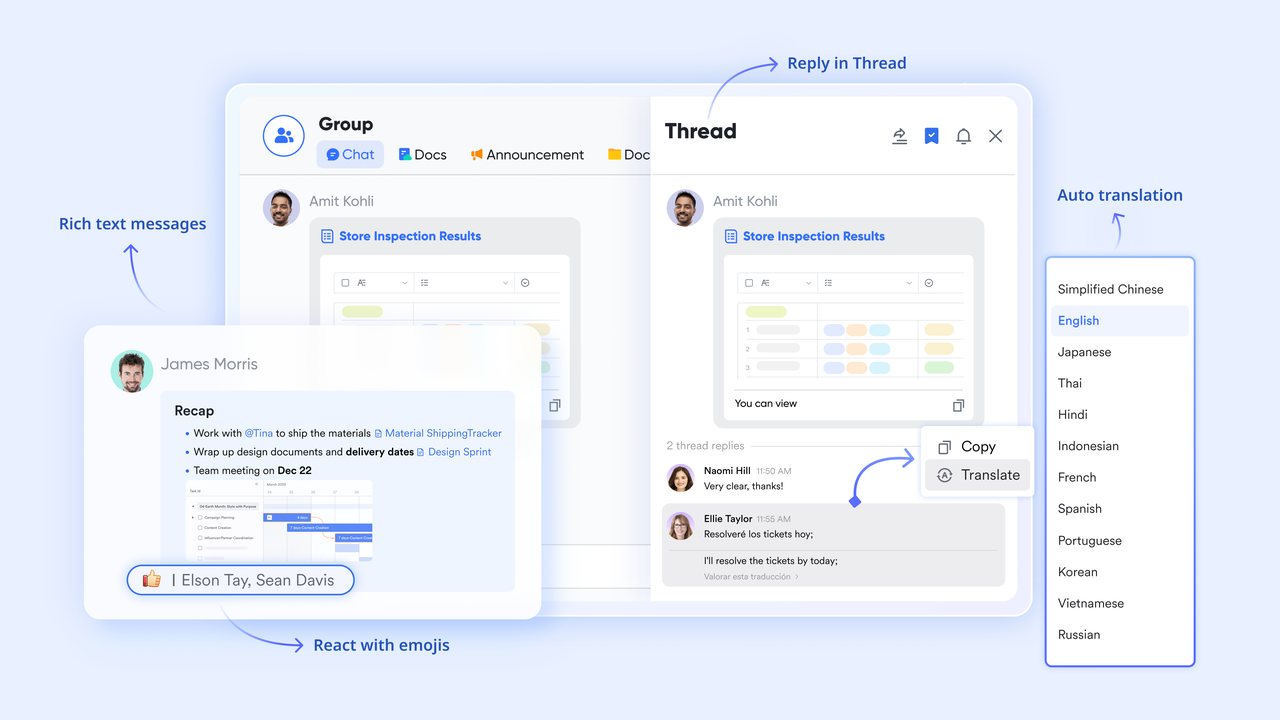
allows teams to discuss budget changes, approvals, and updates instantly. Instead of long email threads, conversations happen in organized channels. Files, , and updates can be shared directly within chats. This ensures faster decisions and fewer communication gaps. Teams stay connected and informed at every stage of the project.
Collaborative documentation
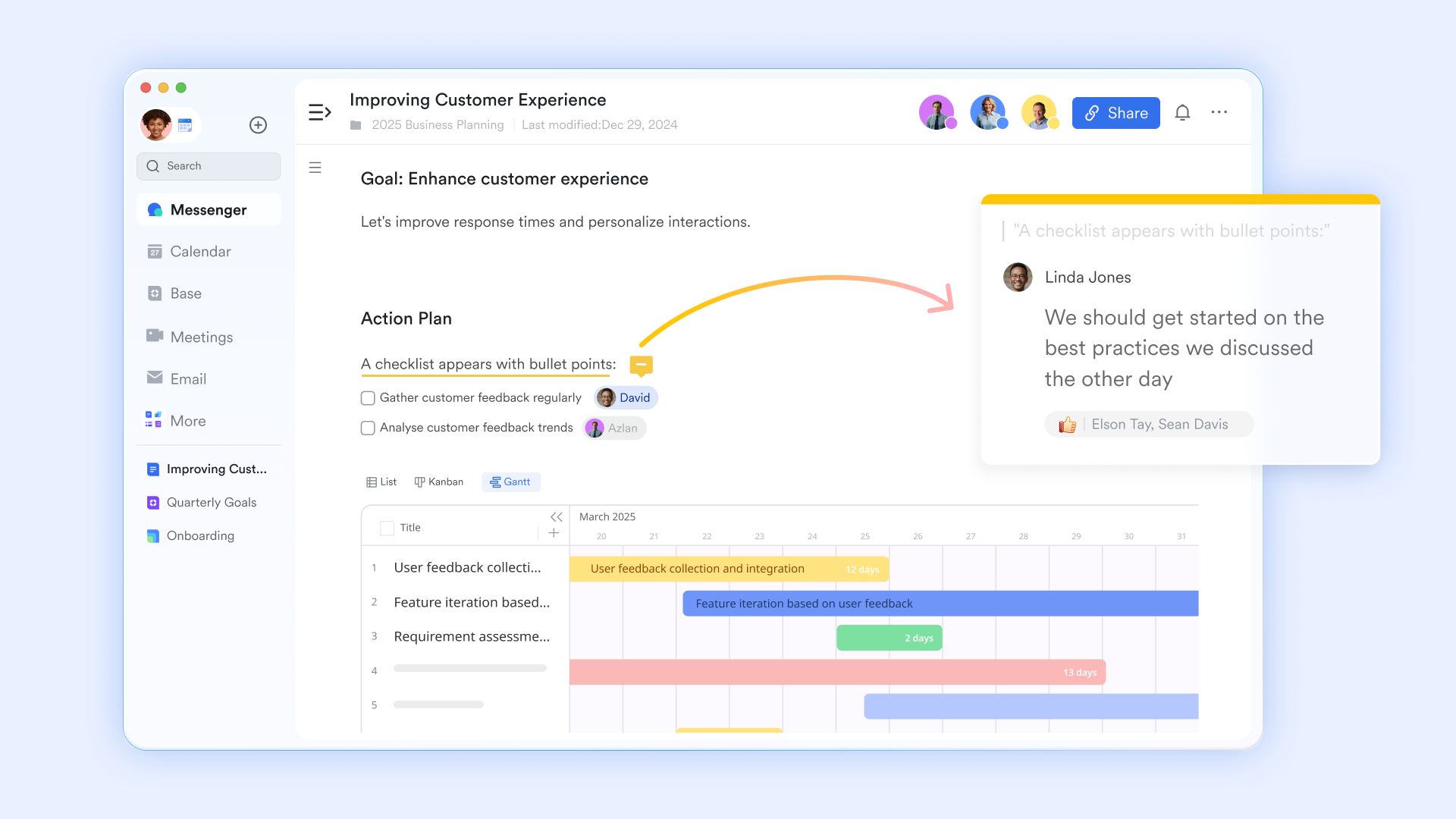
makes it easy to create and edit budget plans, cost reports, and financial summaries together. Multiple team members can work on the . Comments, mentions, and version history keep discussions transparent. This reduces confusion over outdated files. It ensures everyone always sees the latest budget information.
Task and timeline tracking
Lark Tasks helps teams connect budget items with actual project activities. Managers can assign tasks, set deadlines, and in one place. This makes it easier to see how spending relates to work completed. Delays or changes become visible early. As a result, teams can adjust budgets before issues grow. 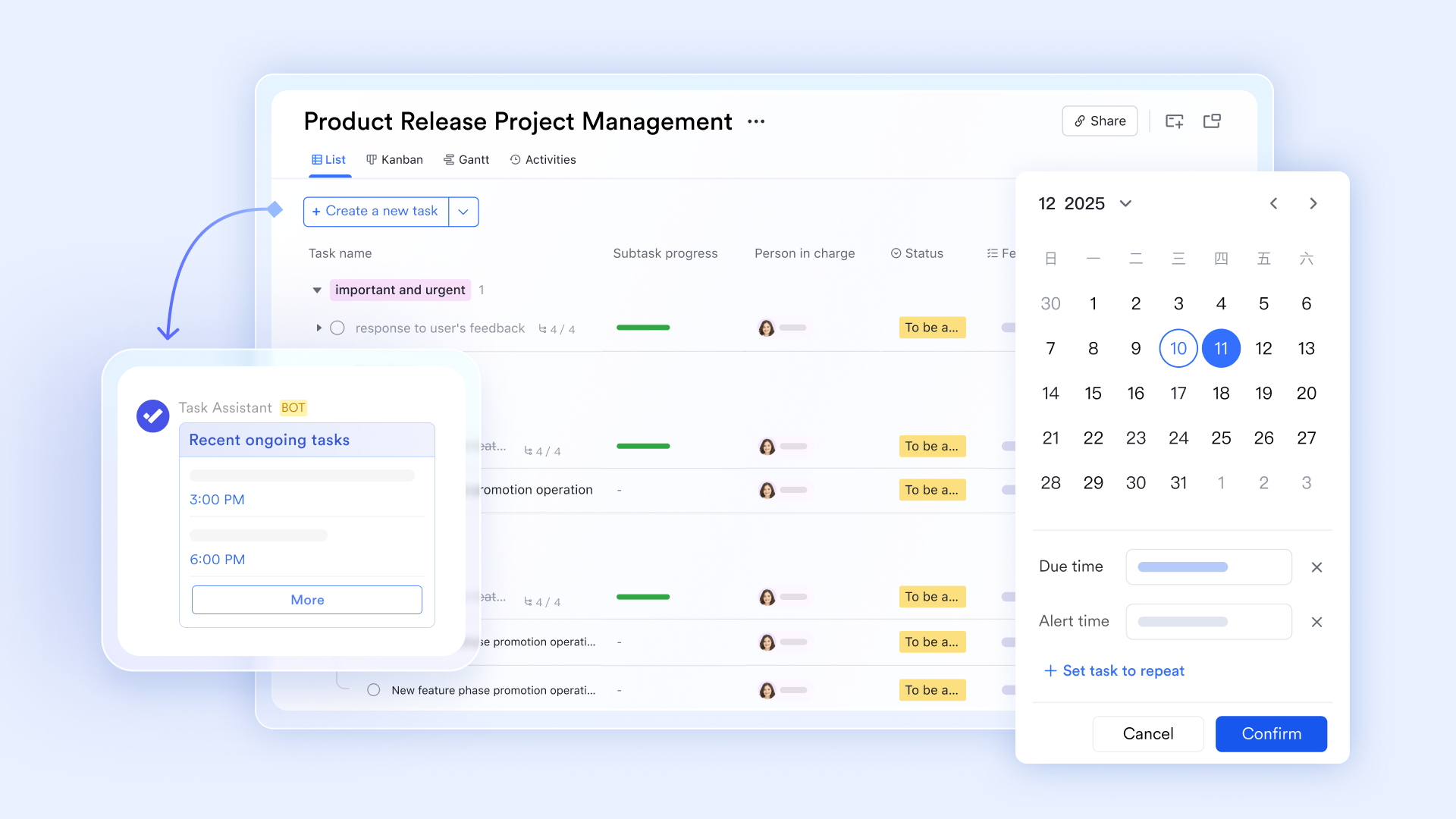
Budget reviews and regular check-ins
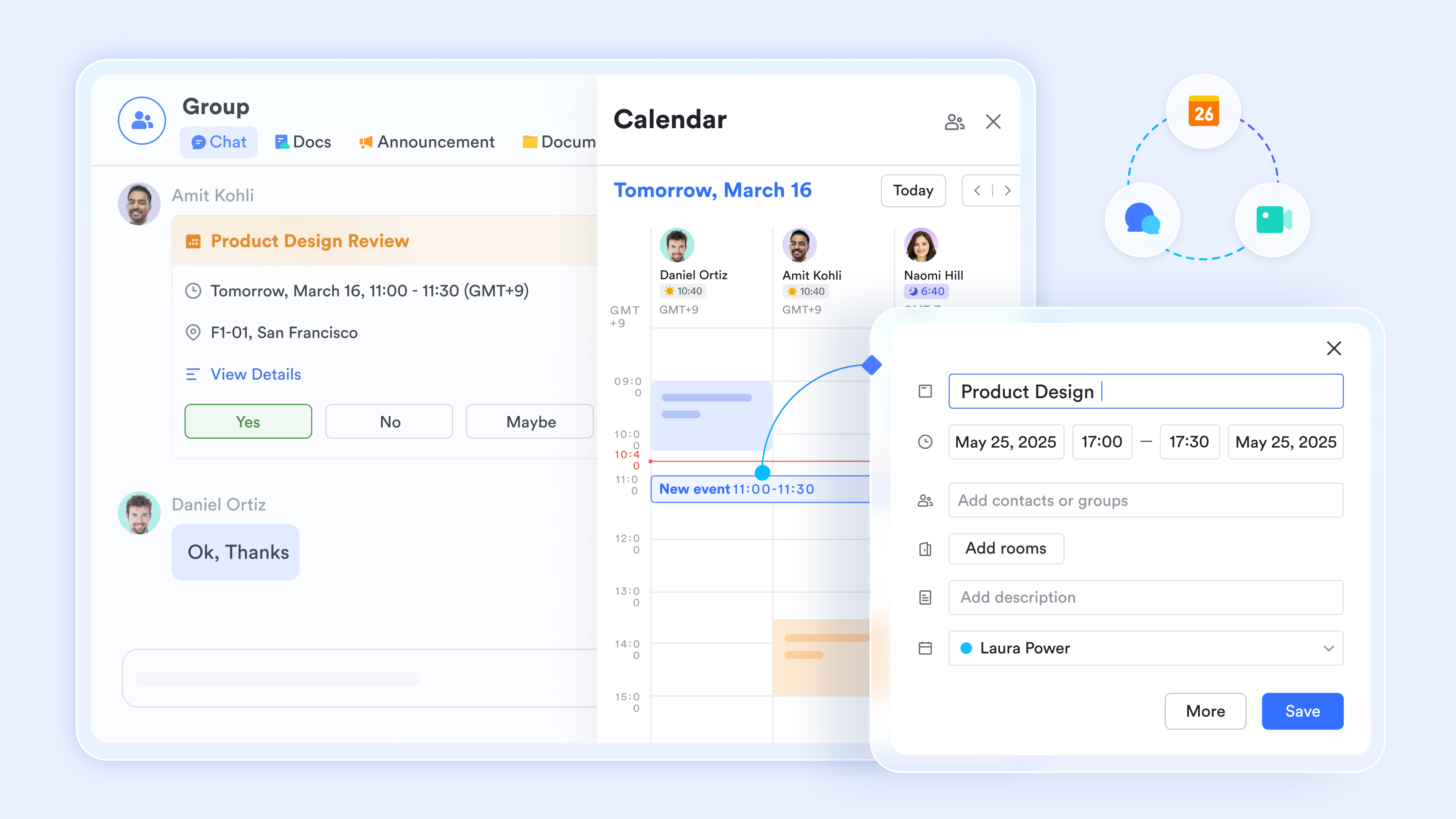
and simplify scheduling budget reviews and financial check-ins. Teams can plan discussions, share reports, and make decisions without switching tools. and action items can be linked directly to tasks or budget documents. This keeps planning and execution connected. It helps teams maintain financial discipline throughout the project.
:
- Starter plan: Free forever plan that includes 11 powerful tools for up to 20 users. It also includes 100GB of storage, 1000 automation runs, AI translation, and more.
- Pro plan: $12/user/month (billed annually) for up to 500 users. It includes everything in Starter plus group calling for up to 500 attendees, 15TB of storage, 50,000 automation runs, and more.
- Enterprise plan: for custom pricing. Supports unlimited users and includes even more automation runs and advanced security, compliance, and management features.
For small teams with simple communication needs

18 months message history
1000 Base automation runs/month
2000 rows per table in Base
Most POPULAR
For companies with comprehensive collaboration and management needs
Unlimited message history
500-participant video meetings
50k Base automation runs/month
20k rows per table in Base
For large companies with advanced security and organizational management needs
Get a personalized demo and pricing
Unlimited message history
500-participant video meetings
15 TB storage + 30 GB storage/user
500k Base automation runs/month
50k Base automation runs/month
Most POPULAR
For companies with comprehensive collaboration and management needs
Unlimited message history
500-participant video meetings
50k Base automation runs/month
20k rows per table in Base
Budget planning mistakes that hurt project outcomes
Even well-planned projects can face setbacks when budgeting mistakes occur. Small financial missteps early on can lead to delays, resource shortages, or reduced quality. Recognizing common budgeting errors helps teams avoid costly problems and keep projects on track.
- Underestimating project costs: Rushed or overly optimistic estimates often ignore hidden expenses. This leads to budget shortfalls as the . Accurate cost forecasting is essential for financial stability.
- Ignoring contingency funds: Many teams plan only for expected costs, overlooking potential risks. Without a contingency reserve, unexpected issues can disrupt progress. A buffer helps absorb financial shocks.
- Poor scope definition: An unclear project scope leads to frequent changes and additional expenses. Scope creep can quickly exhaust the allocated budget. Clear objectives help maintain financial discipline.
- Lack of regular budget reviews: Budgets that are not reviewed frequently become outdated. Teams may continue spending without realizing they are off track. Regular checks help identify and fix issues early.
- Weak communication between teams: When departments do not share budget updates, spending can become misaligned. This leads to duplicated efforts or unexpected costs. ensures everyone follows the same financial plan.
Best practices for tracking your project budget
Tracking a project budget requires consistency, clear processes, and accurate data. Without regular monitoring, even a well-planned budget can quickly go off course. Following proven best practices helps teams maintain control and make smarter financial decisions throughout the project.
- Set a clear budget baseline: Establish an approved budget at the start of the project. This baseline becomes the reference point for all financial tracking. It helps teams measure actual spending against planned costs.
- Track expenses in real time: Record costs as they occur instead of waiting for periodic updates. provides accurate financial visibility. It allows teams to detect and address issues early.
- Break down costs by tasks or phases: Divide the budget into smaller, manageable sections. This makes it easier to monitor spending across different project stages. It also improves accountability among teams.
- Review the budget regularly: Schedule periodic budget reviews to compare planned and actual expenses. Frequent checks help identify variances quickly. This ensures timely corrective action.
- Use clear reporting and dashboards: make budget performance easier to understand. Dashboards help stakeholders track key financial metrics at a glance. This improves transparency and decision-making.
- Maintain a contingency reserve: Keep a portion of the budget for unexpected costs. This reserve protects the project from sudden financial risks. It helps maintain progress without major disruptions.
Conclusion
Project budgeting is essential for keeping plans realistic, resources balanced, and costs under control throughout the project life cycle. From defining scope and estimating expenses to tracking spending and managing risks, every step contributes to financial clarity and better outcomes. Teams that follow structured budgeting practices are more likely to avoid overruns, respond quickly to changes, and deliver projects on time and within budget.
also demand tools that bring planning, communication, and tracking into one place. Platforms like help teams stay aligned by connecting budget data with tasks, discussions, and documents in a shared workspace. This makes it easier to monitor costs, adjust plans, and keep everyone informed. If your team wants a simpler way to manage project budgets and collaboration, exploring Lark can be a practical next step.
Make project budgeting simpler with Lark today
FAQs
What are the 4 types of budgeting?
The four common types of budgeting are incremental, zero-based, value-based, and activity-based budgeting. Each method focuses on different approaches to resource allocation and expense justification. Tools like Lark support project and by enabling teams to track and adjust budgets using shared data and real-time updates.
What is the 50/30/20 rule budget?
The 50/30/20 rule divides income into three categories: 50% for needs, 30% for wants, and 20% for savings or debt repayment. While often used for personal finance, the concept of structured allocation also applies to budget management in project management. Teams can use platforms like Lark to maintain clear financial breakdowns and monitor spending.
What are the 5 C's of project management?
The 5 C's of are concept, charter, control, communication, and closure. These stages guide teams from initial planning to final delivery while maintaining structure and accountability. With Lark, teams can improve project and budget management by connecting communication, tasks, and cost tracking in a single workspace.
Is project budgeting more about control or flexibility?
Project budgeting requires a balance between control and flexibility. Teams need firm cost limits, but they also must adapt to changes, risks, and evolving priorities. Lark supports budget management in project management by giving teams real-time visibility, making it easier to adjust plans without losing financial control.
Related reading












