Clear goal planning is essential for turning ideas into measurable outcomes, whether for personal productivity or organizational growth. Many teams begin with strong ambitions but lose momentum due to unclear priorities, scattered tools, and inconsistent tracking. This blog says that a goal-setting planner template provides the structure needed to transform intentions into actionable steps and track progress over time. With clearly defined objectives, milestones, and responsibilities, planning becomes more focused and achievable.
This guide explores how structured templates simplify goal management and improve accountability across projects and teams. As planning evolves, digital collaboration platforms are making it easier to connect documentation, tasks, and performance tracking in one place. Tools like Lark support this shift by helping teams align priorities, monitor progress, and collaborate more effectively. With the right approach and tools, long-term goals become clearer, more organized, and easier to achieve.
What is a goal-setting planner?
A goal-setting planner template is a structured framework for defining objectives, , and evaluating outcomes over time. It acts as a roadmap that connects vision with execution by organizing tasks, timelines, and responsibilities in one place. Instead of vague intentions, planners transform ambitions into actionable steps that can be measured and reviewed regularly.
This approach helps individuals and teams maintain focus and consistency while working toward long-term objectives. By documenting milestones and progress, planners encourage accountability and transparency. They also help identify risks early and enable adjustments when priorities change.
Using a goal-setting planner template ensures that goals remain visible and measurable throughout the planning cycle. It also supports collaboration by creating a shared reference point for everyone involved in the process.
Turn strategic goals into actionable project plans
Key components of a goal-setting planner template
A well-designed planner includes several essential elements that make goal tracking effective and sustainable. Each component supports clarity, alignment, and consistent monitoring of progress.
- Clear goal definition: A strong planner begins with a well-defined objective that describes what success looks like. Goals should be specific and measurable so progress can be evaluated objectively. Clarity ensures that everyone understands the purpose and expected outcome.
- Actionable task breakdown: Breaking goals into smaller tasks makes execution manageable and less intimidating. Each task should have a clear purpose and contribute directly to the main objective. Smaller steps allow teams to maintain momentum and celebrate incremental wins.
- : Deadlines create urgency and help maintain focus. Milestones act as checkpoints that allow teams to evaluate progress at key stages. Regular checkpoints ensure that the project remains on track. They also make it easier to adjust strategies if needed.
- Ownership and accountability: Assigning responsibilities ensures that tasks are not overlooked. When ownership is clear, accountability becomes part of the workflow. This encourages collaboration and reduces duplication of effort. Clear ownership also improves .
- Progress tracking and review: Regular reviews ensure that goals remain relevant and achievable. Tracking progress provides visibility into achievements and challenges. Continuous evaluation supports improvement and helps teams adapt to changing priorities.
15 ready-to-use free goal-setting and tracking templates
A ready-made goal-setting planner template can save time and remove the guesswork from planning. Instead of starting from scratch, teams and individuals can choose a structure that matches their needs and begin tracking progress immediately. The following templates cover a wide range of planning scenarios, from daily tasks to long-term strategy. Each one is designed to support clarity, accountability, and consistent .
Smart goals template
The SMART goals template helps transform broad ambitions into clearly defined objectives. It guides users to make goals specific, measurable, achievable, relevant, and time-bound. This structured approach removes ambiguity and improves clarity from the start. It encourages realistic planning and measurable outcomes.
Goal-setting template
This goal-setting planner template offers a flexible structure for defining and tracking objectives. It includes sections for priorities, tasks, timelines, and progress updates. The layout is easy to understand and simple to adopt. It works well for personal development and team planning.
OKR task management template
The OKR task management template supports organizations using the objectives and key results framework. It connects strategic company goals with measurable outcomes and daily execution. Teams can see how individual work contributes to broader objectives. This structure improves alignment and accountability.
Strategic roadmap template
The strategic roadmap template is designed for long-term planning and vision. It helps map initiatives, timelines, and milestones in a clear format. Leaders can monitor progress and adjust priorities when needed. This improves transparency and coordination across teams.
Swot analysis template
The SWOT analysis template helps evaluate strengths, weaknesses, opportunities, and threats. It supports informed decision-making before defining new goals. This framework encourages realistic and data-driven planning. Teams gain a clear understanding of risks and opportunities.
Gap analysis template
The gap analysis template identifies the difference between current performance and desired outcomes. It highlights areas that require improvement and prioritization. Teams can use insights to create targeted action plans. This structure supports continuous improvement and growth.
To-do list template
The to-do list template provides a simple and effective way to track daily priorities. It helps users organize tasks and stay focused on execution. Clear task lists reduce mental overload and improve productivity. It encourages consistent progress tracking.
Project milestone template
The project milestone template helps track important checkpoints throughout execution. It provides visibility into progress and upcoming deadlines. Teams can monitor achievements and maintain accountability. Milestones help maintain motivation and momentum. This template supports structured project planning.
Project status report template
The project status report template provides a snapshot of progress and challenges. It helps teams communicate updates to stakeholders regularly. This improves transparency and collaboration. Decision makers gain better visibility into performance. It is ideal for weekly or monthly reporting.
Long-term planning template
The long-term planning template supports multi-year goals and strategic initiatives. It helps track progress across extended timelines. Teams can adjust priorities as circumstances change. This template encourages consistent long-range thinking. It is ideal for organizational and personal planning.
Project deliverables template
The project deliverables template helps track outputs and deadlines across projects. It ensures clarity around expectations and responsibilities. Teams can monitor completion and maintain quality standards. This improves accountability and execution.
Requirements gathering template
The requirements gathering template helps capture stakeholder expectations and project needs. Clear documentation reduces misunderstandings and scope changes. It ensures alignment before execution begins. Teams can plan with confidence and clarity. This template is valuable during early planning stages.
Project overview template
The project overview template provides a high-level summary of goals and timelines. It helps stakeholders quickly understand project priorities. This improves communication and alignment. It is ideal for project kickoffs and presentations. It ensures everyone starts with shared clarity.
Executive summary template
The executive summary template helps leaders communicate key updates and insights efficiently. It summarizes important goals, progress, and outcomes. Decision makers can review critical information quickly. This supports strategic reporting and alignment.
Eisenhower matrix template
The Eisenhower matrix template helps prioritize tasks based on urgency and importance. It improves time management and decision-making. Teams can focus on high-impact activities. This reduces distractions and improves productivity. It supports better planning and execution.
Meet Lark: Create, track, and achieve your goals in one workspace
A collaborative environment can transform how goals move from planning to execution. Instead of scattered tools and disconnected updates, teams benefit from a unified workspace that connects communication, tasks, and . brings these elements together to support transparent and structured goal planning. With shared visibility and real-time updates, teams can align priorities, track progress, and adjust strategies more effectively.
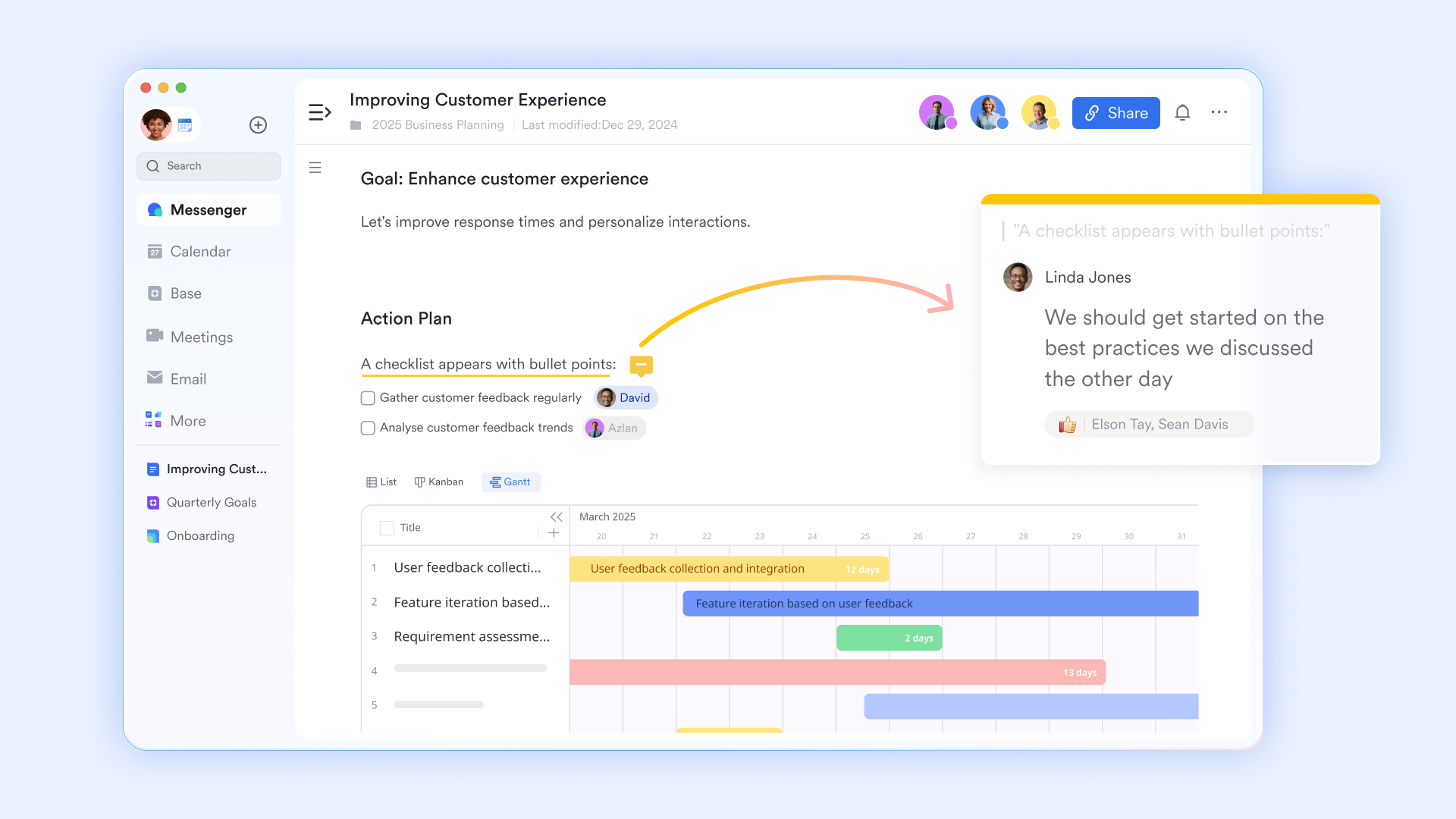
Living strategic roadmaps and plans
replaces static planning PDFs with "living" strategic hubs. These collaborative canvases allow teams to and embed dynamic elements like Lark Base views or stakeholder polls directly into the document. This ensures that a strategic plan is not a "one-and-done" file but a central command center where the team can discuss adjustments in the comments, link to relevant chat histories, and see live progress updates without leaving the page.
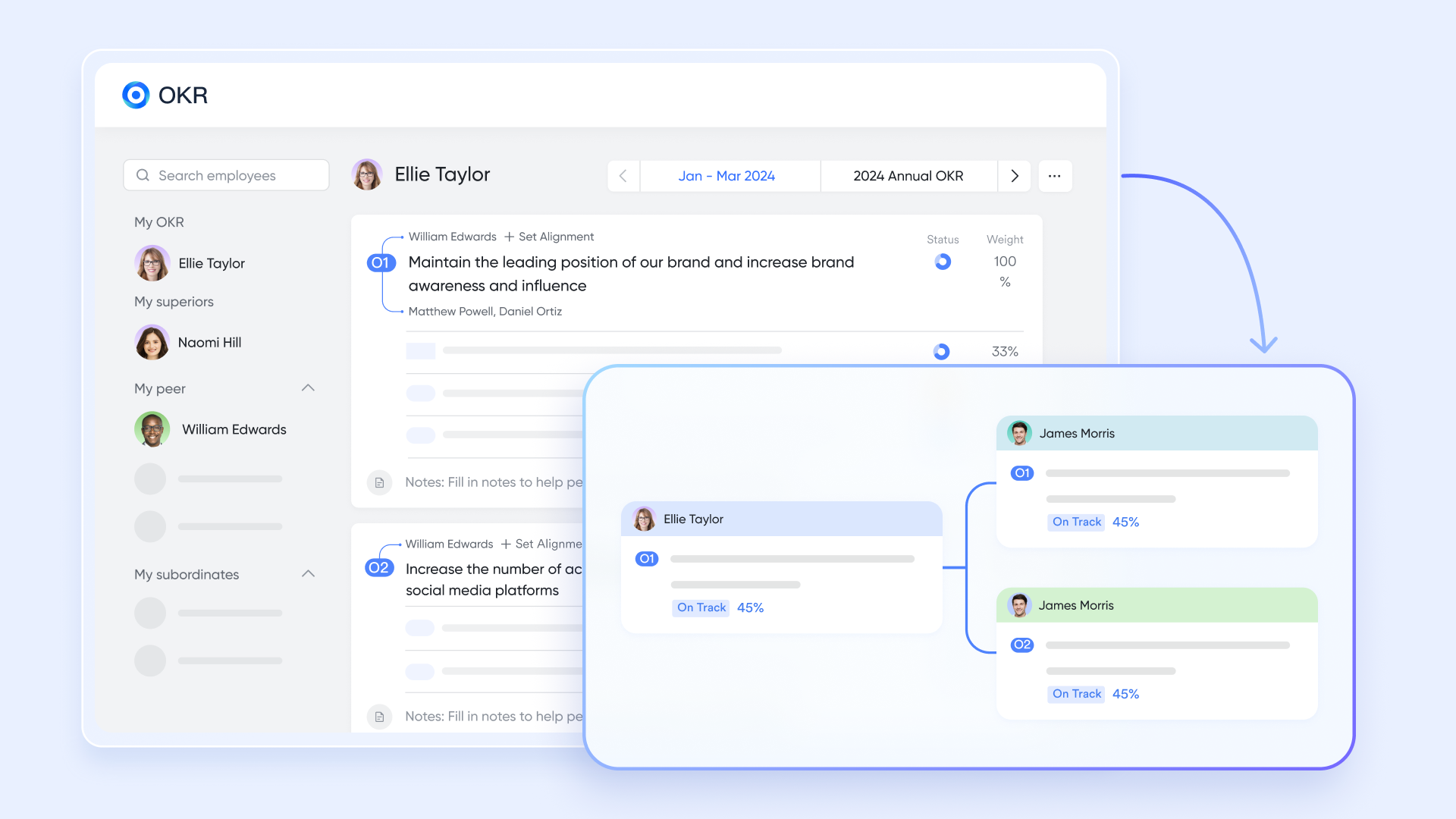
Structured alignment and tracking
(Objectives and Key Results) is the platform's dedicated goal-setting framework designed to align individual efforts with company-wide ambitions. It features a built-in AI writing assistant that helps teams craft measurable and challenging goals using industry best practices. The system provides real-time "Health Dashboards" that allow leaders to monitor adoption rates and progress across departments.
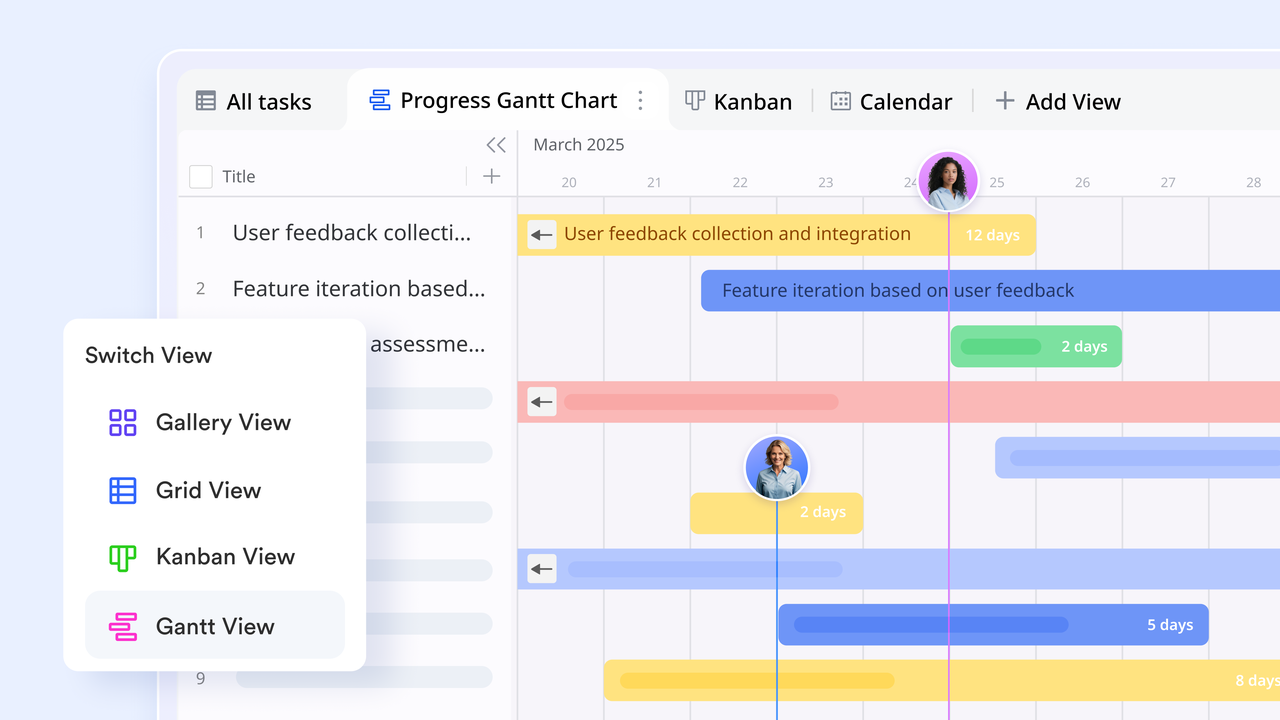
Multidimensional goal dashboards
serves as the flexible relational engine for goal tracking, allowing you to build custom databases tailored to your unique planning methodology. With over 20 chart types, including and Kanban boards for progress stages, Base transforms raw goal data into interactive dashboards. Because it supports automated rollups, the progress of hundreds of sub-tasks can automatically update a single "Strategic Goal" percentage bar.
Actionable goal decomposition
Lark Tasks is where high-level planning meets daily accountability. This feature allows teams to break down overarching goals into specific, assigned sub-tasks with hard deadlines. A unique strength of Lark is its "Chat-to-task" unification; a decision made during a goal-planning strategy in can be converted into a tracked task with a single click. 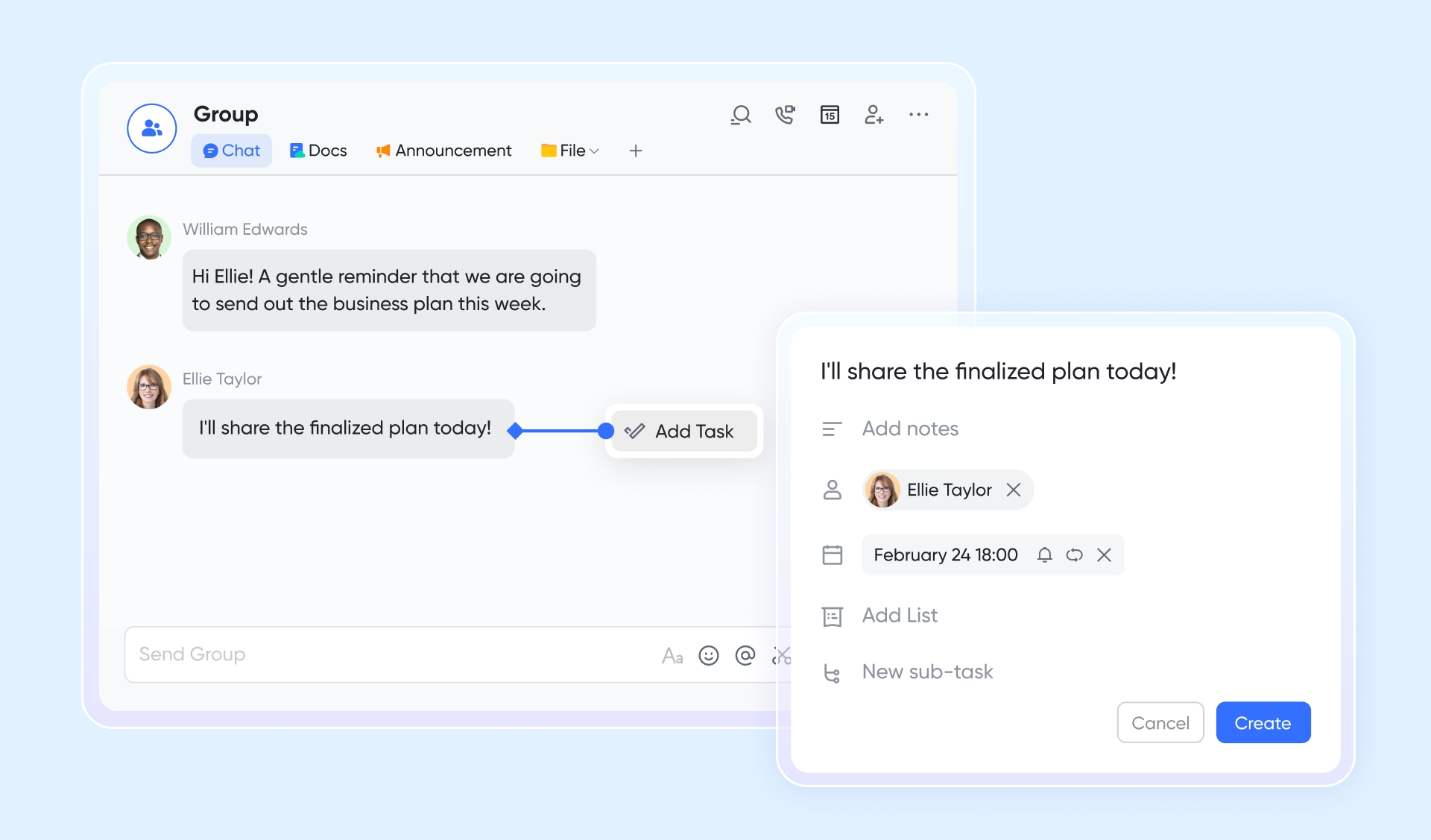
:
- Starter plan: Free forever plan that includes 11 powerful tools for up to 20 users. It also comes with 100GB of storage, 1000 automation runs, AI translations, and more.
- Pro plan: $12/user/month (billed annually) for up to 500 users. It includes everything in Starter plus group calling for up to 500 attendees, 15TB of storage, 50,000 automation runs, and more.
- Enterprise plan: for custom pricing. Supports unlimited users and includes even more automation runs and advanced security, compliance, and management features.
For small teams with simple communication needs

18 months message history
1000 Base automation runs/month
2000 rows per table in Base
Most POPULAR
For companies with comprehensive collaboration and management needs
Unlimited message history
500-participant video meetings
50k Base automation runs/month
20k rows per table in Base
For large companies with advanced security and organizational management needs
Get a personalized demo and pricing
Unlimited message history
500-participant video meetings
15 TB storage + 30 GB storage/user
500k Base automation runs/month
50k Base automation runs/month
Most POPULAR
For companies with comprehensive collaboration and management needs
Unlimited message history
500-participant video meetings
50k Base automation runs/month
20k rows per table in Base
Common mistakes when using a goal-setting planner template
Even with a structured goal-setting planner template, mistakes can reduce its effectiveness. Small planning gaps often lead to confusion, missed deadlines, or loss of motivation over time. Recognizing common pitfalls helps teams improve consistency and maintain progress. Avoiding these mistakes makes goal planning more practical and sustainable.
- Setting unrealistic goals: Ambitious targets can feel motivating at first, but they often become overwhelming and unsustainable. When goals feel impossible, teams may lose confidence and stop Setting realistic expectations helps maintain long-term commitment and consistent progress.
- Skipping regular reviews: Without routine check-ins, it becomes difficult to understand what is working and what needs adjustment. Goals may drift away from priorities or become outdated. Frequent reviews keep plans aligned and ensure .
- Lack of ownership: When responsibilities are unclear, tasks can fall through the cracks or get duplicated. Clear ownership ensures accountability and keeps everyone focused on their role. Defined responsibilities also improve communication and collaboration.
- Overcomplicating the template: Templates with too many fields or sections can discourage consistent use. Complex systems often lead to incomplete updates and confusion. A simple and clear structure improves adoption and encourages regular tracking.
- Ignoring data and feedback: Decisions made without evidence can lead to ineffective strategies. Using measurable data and feedback helps refine plans and identify opportunities. Continuous learning supports better long-term outcomes.
Conclusion
A goal-setting planner template provides the structure needed to transform ambition into measurable results. It helps individuals and teams maintain clarity, prioritize effectively, and track progress consistently. With the right planning framework, long-term goals become achievable milestones rather than general ideas.
Modern collaboration platforms enhance planning by connecting goals, tasks, and performance data in one place. Teams gain visibility, accountability, and alignment across every stage of execution. Platforms like make this process more seamless by bringing communication, documentation, and into a single workspace. By adopting structured planning practices supported by connected tools, organizations can build a culture focused on continuous improvement and measurable success.
Start turning plans into measurable results with Lark
FAQs
How often should you update a goal-setting planner template?
A goal-setting planner template should be reviewed regularly to keep goals relevant and achievable. Many teams prefer monthly or quarterly updates to evaluate progress and adjust priorities. Frequent reviews help identify risks early and maintain momentum. Digital workspaces like Lark make updates easier by allowing and shared visibility across teams.
Can goal-setting planner templates support team OKRs?
Yes, structured templates work well for managing team OKRs and aligning daily tasks with strategic objectives. They provide a clear framework for defining goals and tracking measurable results. Teams can monitor progress and maintain transparency throughout the cycle. Platforms such as Lark help centralize OKR tracking and improve alignment across departments.
What industries benefit most from structured goal planning?
Structured goal planning is valuable across industries, including technology, marketing, retail, and operations. Any organization that relies on measurable performance can benefit from clear planning frameworks. Consistent tracking improves decision-making and accountability. Tools like Lark help teams across industries collaborate and manage goals in one shared workspace.
How do digital planners improve goal accountability?
Digital planners make progress visible and accessible to everyone involved. Real-time updates and shared dashboards encourage ownership and transparency. Teams can quickly identify delays and adjust strategies when needed. Using collaborative platforms like Lark helps keep goals connected to everyday work and improves accountability.
Should goal planners be integrated into project management tools?
Connecting goal planning with project management improves efficiency and reduces manual tracking. Integrated systems help teams align long-term objectives with daily tasks. This ensures that execution stays connected to strategy. Solutions like Lark combine and project collaboration to support consistent progress.
Related reading