Clear project goals are the backbone of successful delivery. They connect strategy to execution, turn abstract ideas into measurable outcomes, and give teams a shared definition of success. Yet in practice, many projects still struggle because goals are vague, overloaded, or disconnected from day-to-day work.
This guide explains what project goals are, how they differ from broader project management goals, and how teams can define, execute, and adapt them in real-world conditions. You'll find practical examples across common scenarios, step-by-step guidance on setting effective goals, and a detailed look at how modern collaboration platforms like Lark help teams operationalize project goals at scale.
What are project goals
Project goals are clearly defined outcomes that a project aims to achieve within a specific timeframe, scope, and set of constraints. They describe what success looks like beyond simply . Practical project goals are specific, measurable, and tied to real business or organizational outcomes, such as improving efficiency, delivering a product feature, or meeting a client's requirement.
Project goals matter because they provide direction and focus for everyone involved. They help teams prioritize work, make informed trade-offs, and avoid spending time on activities that do not contribute to the desired outcome. Clear goals also create accountability by establishing ownership and expectations, making it easier to and evaluate results. When challenges arise, project goals act as a reference point for decision-making, helping teams stay aligned despite changing conditions. Ultimately, well-defined project goals increase the likelihood that a project delivers meaningful value rather than just completed activities.
Differences between: Project management goals vs project goals
Project management goals and project goals are closely related but serve different purposes within a project. Understanding distinction helps effective delivery with meaningful outcomes.
4 types of project goals teams should define
Defining the right types of project goals early helps teams stay aligned, realistic, and focused throughout execution. These goal categories ensure projects balance speed, cost, quality, and impact rather than optimizing one at the expense of others.
- Delivery and timeline goals: These define when and outcomes must be achieved. Clear deadlines help project managers plan sequencing, manage dependencies, and apply smart goals to keep execution predictable.
- Cost and resource efficiency goals: These goals focus on using budgets, people, and responsibly without compromising outcomes. Well-defined cost goals support project manager goals by preventing scope creep and ensuring resources are allocated where they add the most value.
- Quality and risk goals: Quality and risk goals ensure that outputs meet defined standards while minimizing operational, legal, or technical risks. These goals clarify acceptable thresholds and serve as strong examples of project goals for regulated or high-impact projects.
- Stakeholder and customer impact goals: These goals measure to stakeholders, users, or customers. Defining impact early ensures the project remains outcome-driven and aligned with real needs rather than internal activity completion.
Achieve your project goals with smart solutions
4 Project goals examples across common scenarios
Project goals vary by initiative type, but strong examples always link outcomes to measurable results. Reviewing common scenarios helps teams apply structured goal-setting across varied project contexts.
- Product launch project goals: These often focus on timing, adoption, and market readiness. Applying ensures launch milestones, quality benchmarks, and go-to-market activities are clearly measurable and time-bound.
- Internal process improvement goals: These aim to increase efficiency, reduce errors, or shorten cycle times. These initiatives often rely on project manager smart goals examples to track measurable gains such as cost savings or productivity improvements.
- Client delivery and service projects: Client-focused projects emphasize satisfaction, scope adherence, and service quality. for project managers help balance delivery commitments with client expectations and long-term relationship value.
- IT and system implementation projects: Technology projects prioritize system stability, user adoption, and risk control. Using smart goals project management frameworks helps teams define clear success criteria for testing, rollout, and post-implementation performance.
How to set project goals
Setting practical project goals requires more than listing desired outcomes—it demands clarity, alignment, and practicality. A structured approach ensures goals guide execution, decision-making, and accountability from start to finish.
Step 1: Start with the project's purpose and success criteria
Begin by clearly defining why the project exists and what success looks like. Tie each goal to a specific business outcome—such as improving efficiency, increasing revenue, or reducing risk—so goals are outcome-driven rather than activity-based. This step ensures that every goal supports the larger objective rather than becoming a standalone target.
Step 2: Translate objectives into clear, measurable goals
Break high-level objectives into specific project goals that can be measured and reviewed. Use concrete criteria such as deadlines, quality thresholds, or cost limits to objectively. Clear measurement removes ambiguity and makes it easier for teams to understand what “done” actually means.
Step 3: Assign ownership and accountability
Every project goal needs a clearly defined owner responsible for progress and decision-making. Ownership does not mean doing all the work—it means being accountable for coordination, updates, and outcomes. This step prevents goals from stalling due to unclear responsibility.
Step 4: Align goals with scope, dependencies, and constraints
Review each goal against the project scope, timeline, and resource availability. Identify dependencies that could impact delivery and adjust goals if needed to remain realistic. Aligning goals with constraints early reduces rework and prevents last-minute compromises.
Step 5: Review, refine, and keep goals visible throughout execution
Project goals should evolve as conditions change. Schedule regular check-ins to , update priorities, and refine goals based on new information. Keeping goals visible and actively referenced during execution ensures they guide daily decisions rather than fading into the background as documentation.
Clear project goals only create value when they are actively embedded into daily work. Many teams struggle not with defining goals, but with keeping them visible, aligned, and actionable during execution. This is where an integrated collaboration and planning environment makes a measurable difference. Platforms like Lark help teams move from , goal-driven execution across projects.
Make project goals practical, trackable, and relevant
Action time: Turn your project goals into actionable workflows in Lark
Turning project goals into consistent action requires structure, visibility, and continuous alignment across teams. Many projects fail not because goals are unclear, but because they are disconnected from everyday collaboration and execution. is designed to bridge this gap by embedding goals directly into how teams plan, communicate, and track work. By connecting strategy, tasks, and , Lark helps teams keep project goals active throughout the project lifecycle rather than locked in static documents.
Unified project management hub with data visualization
As a central "single source of truth", combines flexible data management with high-impact visualization. The multiple views allow teams to switch between Kanban boards for status and Gantt charts for timelines, ensuring everyone sees the most relevant data. Its dashboard function converts this information into real-time charts and metrics to monitor progress and identify bottlenecks instantly. More importantly, the countdown block within the dashboard creates a visual sense of urgency, showing the remaining time for major deadlines and goals. 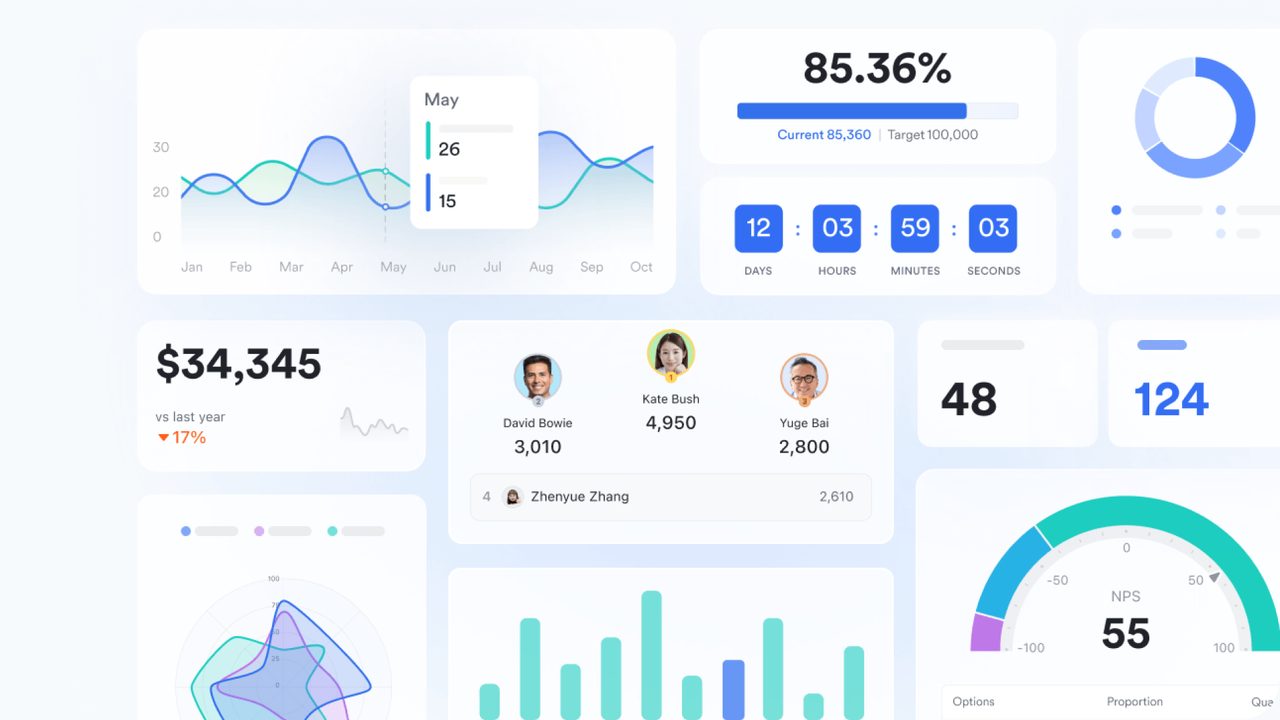
Real-time document collaboration for unified goals
functions as a dynamic hub where project goals meet collaborative creation and daily idea exchanges. It includes Sheets, , and MindNotes, allowing you to present goals in multiple formats. By embedding live base tables, mind maps, and interactive task lists, it transforms static planning into an actionable workspace. Features like @mentions, suggestion mode, and instant co-editing eliminate communication silos, driving faster decision-making. By keeping everyone on the same page, it bridges the gap between high-level goals and tangible results. 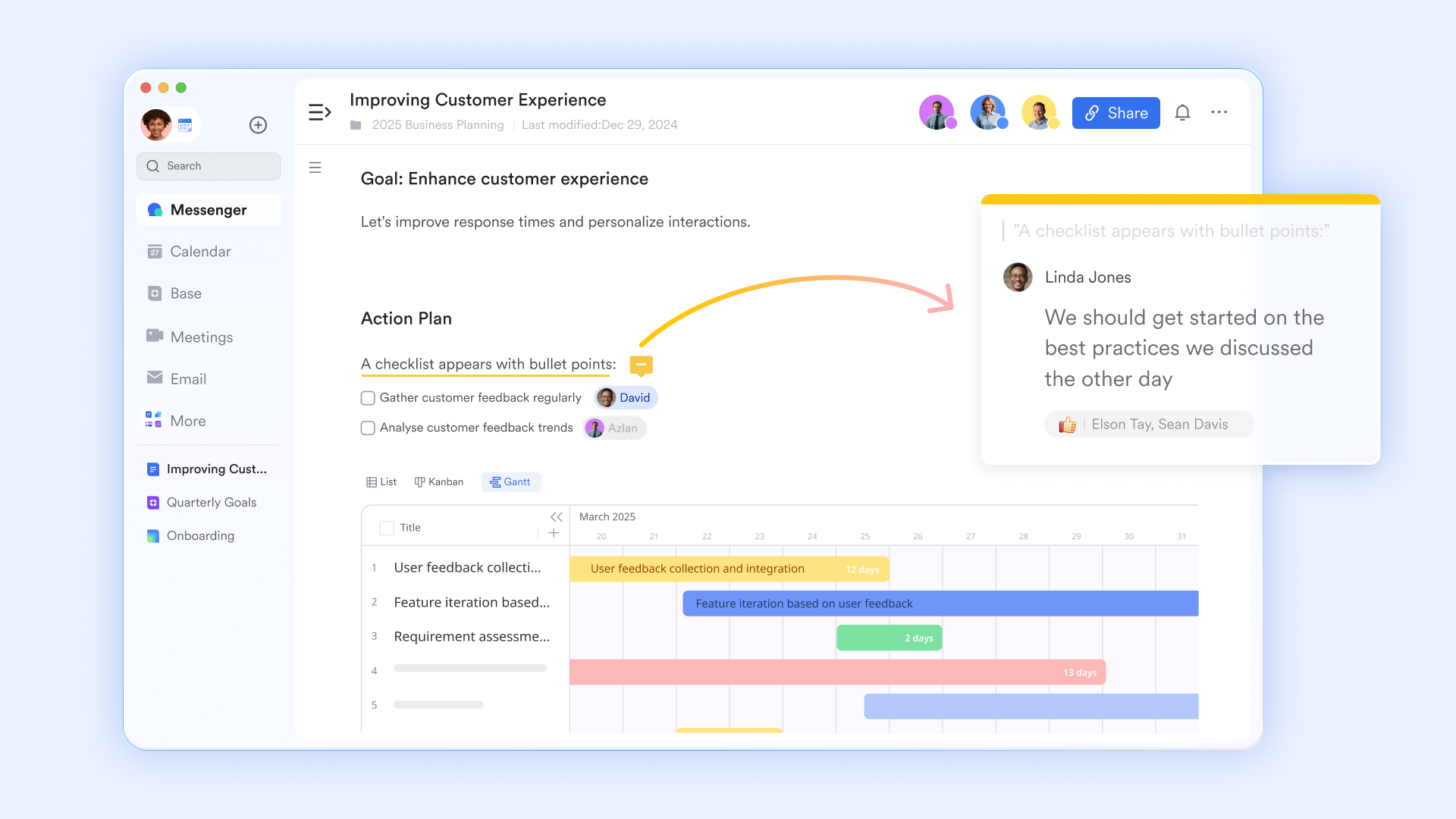
Strategic goals alignment via built-in OKRs
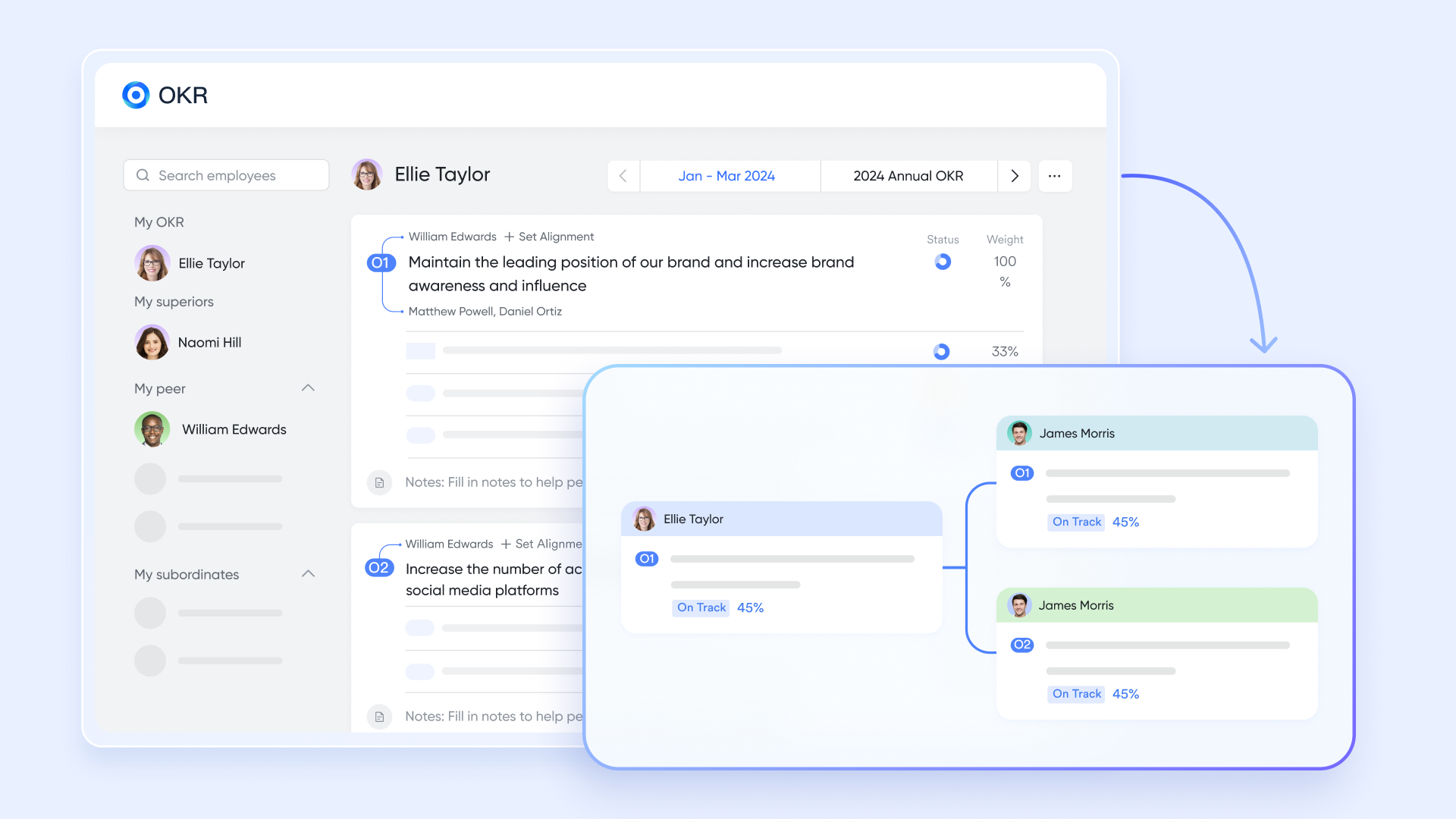
helps project goals by bridging the gap between high-level strategy and daily execution. Through transparent, measurable tracking, it aligns individual tasks with broader objectives, ensuring every team member understands their impact on the project's success. By connecting directly with and , it automates progress updates and fosters real-time collaboration. This unified approach reduces silos and allows for data-driven adjustments, helping teams stay focused on the most critical priorities.
Trackable task workflows in granular control
Lark Tasks drives project success by breaking complex goals into structured workflows. The built-in Gantt chart function provides a visual timeline that allows teams to map task dependencies, ensuring work happens in the correct sequence to prevent bottlenecks. Managers can use the "highlight " tool to prioritize high-impact tasks while monitoring to track key achievements in real-time. With clear owners, status, and deadlines, project teams maintain a dynamic, transparent overview of progress. 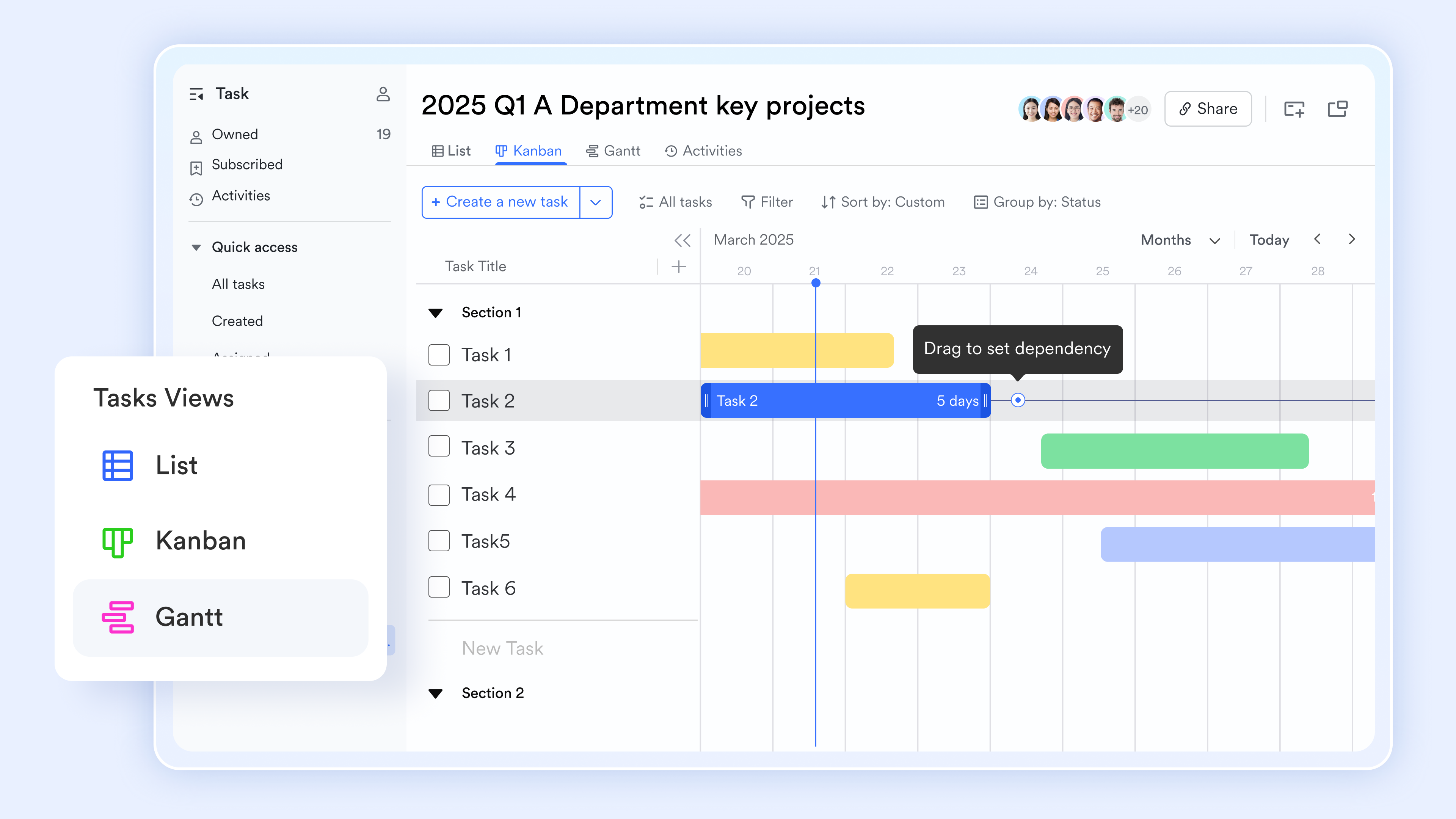
:
- Starter plan: Free forever plan that includes 11 powerful tools for up to 20 users. It also comes with 100GB of storage, 1000 automation runs, AI translations, and more.
- Pro plan: $12/user/month (billed annually) for up to 500 users. It includes everything in Starter plus group calling for up to 500 attendees, 15TB of storage, 50,000 automation runs, and more.
- Enterprise plan: for custom pricing. Supports unlimited users and includes even more automation runs and advanced security, compliance, and management features.
For small teams with simple communication needs

18 months message history
1000 Base automation runs/month
2000 rows per table in Base
Most POPULAR
For companies with comprehensive collaboration and management needs
Unlimited message history
500-participant video meetings
50k Base automation runs/month
20k rows per table in Base
For large companies with advanced security and organizational management needs
Get a personalized demo and pricing
Unlimited message history
500-participant video meetings
15 TB storage + 30 GB storage/user
500k Base automation runs/month
50k Base automation runs/month
Most POPULAR
For companies with comprehensive collaboration and management needs
Unlimited message history
500-participant video meetings
50k Base automation runs/month
20k rows per table in Base
Ready-to-use project goal templates
Pre-built templates help teams move faster from goal definition to execution without starting from scratch. Ready-to-use project goal templates provide , assigning ownership, and tracking progress consistently. With Lark, teams can adapt these templates to different project types while maintaining clarity and alignment across initiatives.
OKR management
The OKR management template helps teams translate strategic objectives into precise, measurable key results. It provides a structured view of priorities, ownership, and progress, making alignment across levels more straightforward to maintain. Using this template supports consistent tracking and review of goals throughout the project lifecycle.
Project planning & implementation
The project planning and implementation template helps teams move from defined goals to structured execution. It supports precise task sequencing, ownership assignment, and milestone tracking throughout the . This template ensures plans remain actionable and aligned as work progresses.
Product development progress management
The product development progress management template helps teams track goals, milestones, and deliverables across each stage of development. It provides visibility into progress, dependencies, and potential delays in one structured view. This template supports consistent monitoring and timely adjustments throughout the product lifecycle.
Goal setting
The goal-setting template helps teams define clear objectives, success criteria, and ownership from the start. It provides a simple structure for turning ideas into . This template supports consistent alignment and follow-through across projects.
Goal setting for time management
The goal-setting for time management template helps teams prioritize objectives based on urgency and effort. It supports realistic scheduling, deadline clarity, and better workload balance. This template enables more focused execution by aligning time allocation with defined goals.
Warning signs: When project goals need to change
Project goals are not always fixed from start to finish. Changes in scope, priorities, or external conditions often require without disrupting delivery.
- Adapting goals without losing control: When goals change, teams should reassess scope, timelines, and dependencies before updating commitments. Controlled adjustments help maintain focus while ensuring new goals remain realistic and achievable.
- Communicating goal changes transparently: ensures all stakeholders understand why goals are changing and what the new expectations are. Transparent updates reduce confusion and prevent misalignment during execution.
- Maintaining accountability during change: Even when goals shift, ownership and responsibilities must remain clearly defined. Reconfirming accountability ensures progress continues and prevents gaps caused by unclear roles or priorities.
Conclusion
Project goals play a critical role in turning ideas into meaningful results. When goals are clearly defined, aligned with business outcomes, and actively managed, teams gain focus, accountability, and direction throughout the project lifecycle. From understanding different types of project goals to setting measurable targets and adapting them as conditions change, strong goal practices help teams avoid wasted effort and improve delivery outcomes. However, defining goals is only the first step. Consistent execution requires visibility, ownership, and collaboration built into daily work. This is where a connected workspace becomes essential.
By bringing planning, communication, tracking, and goal management into one environment, helps teams keep project goals active rather than static. If your teams are looking to move from documented intentions to consistent, goal-driven execution, exploring how Lark supports project goal management is a practical next step.
Strengthen execution by refining project goal setting
FAQs
What are the goals in a project?
Project goals define the specific outcomes a project is expected to achieve within agreed constraints. They provide direction, guide prioritization, and help teams measure success objectively. Using Lark helps keep these goals visible and connected to daily work.
What are the 5 C's of project management?
The 5 C's commonly refer to clarity, communication, coordination, control, and commitment. Together, they ensure projects are well-defined, aligned, and consistently executed. Teams using Lark can support these elements through shared planning and collaboration. How many project goals is too many for a single initiative?
Most projects perform best with three to five core goals to maintain focus and avoid dilution. Too many goals increase complexity and reduce clarity in execution. Lark helps teams prioritize and track the most critical goals.
Should project goals differ for agile vs waterfall projects?
Yes, emphasize flexible, incremental goals, while waterfall projects rely on fixed, sequential objectives. The core outcomes may align, but how goals are reviewed and adjusted differs. Lark supports both approaches with adaptable planning and tracking.
How do you handle conflicting goals across departments?
Conflicting goals should be resolved by aligning them to shared business priorities and clarifying trade-offs. Transparent discussions and documented decisions reduce friction between teams. Lark enables cross-team visibility and alignment around agreed goals.
Related reading





























