Healthcare project management sits at the intersection of clinical care, compliance, technology, and operations. Unlike projects in many other industries, healthcare initiatives directly affect patient safety, regulatory adherence, and service continuity. A missed dependency or delayed approval isn't just a budget concern—it can interrupt care delivery, impact outcomes, and expose organizations to compliance risk.
In this guide, we explore what healthcare project management truly involves, how it functions in real-world settings, the most effective methodologies, practical examples, and the tools teams rely on to manage complexity at scale. We'll also touch on platforms like Lark that support coordination without adding unnecessary overhead.
What is healthcare project management?
Healthcare project management is the , executing, monitoring, and completing projects within healthcare organizations while ensuring patient safety, regulatory compliance, and operational continuity. It applies project management principles to initiatives such as clinical process improvements, hospital expansions, digital health implementations, compliance programs, and research coordination.
What makes healthcare unique is its environment. Projects operate under strict regulations, involve multidisciplinary stakeholders like clinicians, administrators, IT teams, and external vendors, and directly affect care delivery. Delays or errors can have clinical, legal, and reputational consequences, not just financial ones.
Healthcare project managers must balance scope, cost, timelines, quality, and risk while adapting to real-time clinical demands. They also manage approvals, documentation, data security, and change management across highly complex systems. In many healthcare workflows, digital services such as help streamline patient documentation and reduce administrative workload. Ultimately, healthcare project management ensures that strategic initiatives are delivered efficiently without compromising patient outcomes or regulatory standards.
What are the stages in healthcare project management?
Healthcare projects move through defined stages to control risk, maintain compliance, and protect care delivery. A ensures clarity and consistency across complex project management healthcare environments.
Step 1: Initiation and feasibility
This stage defines the clinical or operational problem, evaluates feasibility, and aligns stakeholders early. Clear goals, risk assessment, and regulatory considerations set the foundation for adequate project management in healthcare.
Step 2: Planning and design
Objectives are translated into structured plans covering scope, timelines, resources, and compliance needs. Teams often rely on healthcare to manage documentation, dependencies, and approval workflows efficiently.
Step 3: Execution and monitoring
Planned activities are carried out while progress, quality, and risks are closely tracked. Strong coordination is essential to ensure project work runs alongside active clinical operations without disruption.
Step 4: Closure and evaluation
The project is formally completed, validated, and integrated into routine operations. Skills emphasized in healthcare project management certification programs support audits, outcome reviews, and lessons learned documentation.
Take practical approaches to project management
The top 3 methodologies for project management in healthcare
Healthcare organizations use different project management methodologies depending on regulatory demands, risk levels, and the pace of change. Choosing the right approach helps balance patient safety, compliance, and operational efficiency.
- Waterfall methodology: Waterfall follows a linear, phase-by-phase structure with clear documentation and approvals at each stage. It is well-suited for healthcare projects where requirements are fixed and regulatory oversight is high.
- Agile methodology: emphasizes iterative development, frequent feedback, and adaptability to change. It is commonly used in digital health, IT systems, and where requirements evolve over time.
- Hybrid methodology: Hybrid combines with Agile's flexibility and speed. Healthcare teams often use this approach to maintain compliance while allowing controlled iteration in complex, multi-stakeholder projects.
4 Common types of projects for healthcare
Healthcare organizations manage a wide range of projects that support patient care, operational efficiency, and regulatory compliance. These projects vary in scale and complexity, but all require across clinical and administrative teams.
- Clinical process improvement initiatives: These projects focus on improving care quality, patient flow, and safety outcomes. Teams redesign workflows to reduce errors, shorten wait times, and standardize clinical best practices.
- Digital health and implementations: Technology-focused projects involve deploying or upgrading electronic health records, telehealth platforms, and patient portals. Success depends on data security, clinician adoption, and minimal disruption to care delivery.
- Healthcare construction project management: Construction projects include hospital expansions, renovations, and new facility builds. They require , safety controls, and coordination to keep healthcare services operational during construction.
- Compliance, audit, and accreditation programs: These initiatives ensure organizations meet regulatory standards and accreditation requirements. Projects involve documentation, internal audits, staff training, and continuous monitoring to maintain readiness.
Healthcare project management examples from real scenarios
Real-world healthcare initiatives show how and coordination directly support patient care and compliance. These examples highlight how project management in healthcare projects is executed across clinical, operational, and research settings.
- Rolling out a new patient intake system: This project involves aligning clinical staff, IT teams, and administrators to standardize data collection and workflows. It reflects how healthcare project management jobs require balancing technology adoption with frontline usability.
- Managing hospital expansion or renovation: Expansion projects demand precise scheduling to avoid disrupting ongoing clinical services. Safety regulations, vendor coordination, and phased execution are central to successful delivery.
- Coordinating multi-site clinical trials: Clinical trial projects require consistent protocols, data accuracy, and regulatory alignment across locations. Many teams : healthcare projects provide frameworks to standardize coordination without heavy tooling overhead.
Discover frameworks for managing healthcare initiatives
Modern choice: Manage healthcare project management workflows in Lark
To deliver high-quality care while meeting rigorous regulatory standards, healthcare teams are moving away from disconnected legacy systems. provides a unified, secure platform that bridges the gap between and clinical execution. Here is a detailed breakdown of the key features that allow Lark to support modern healthcare project management:
Centralized project management hub for healthcare data
streamlines healthcare projects by using live tables to link disparate data, such as patient records, medical staff, and equipment, into a single source of truth. Its customizable fields enable precise capture of clinical data, including file attachments for medical reports and automated formula fields for deadline tracking. To ensure operational clarity, its multiple views offer specialized perspectives: Kanban boards visualize patient progression, Gantt charts manage research timelines, and Calendar views coordinate surgery schedules. 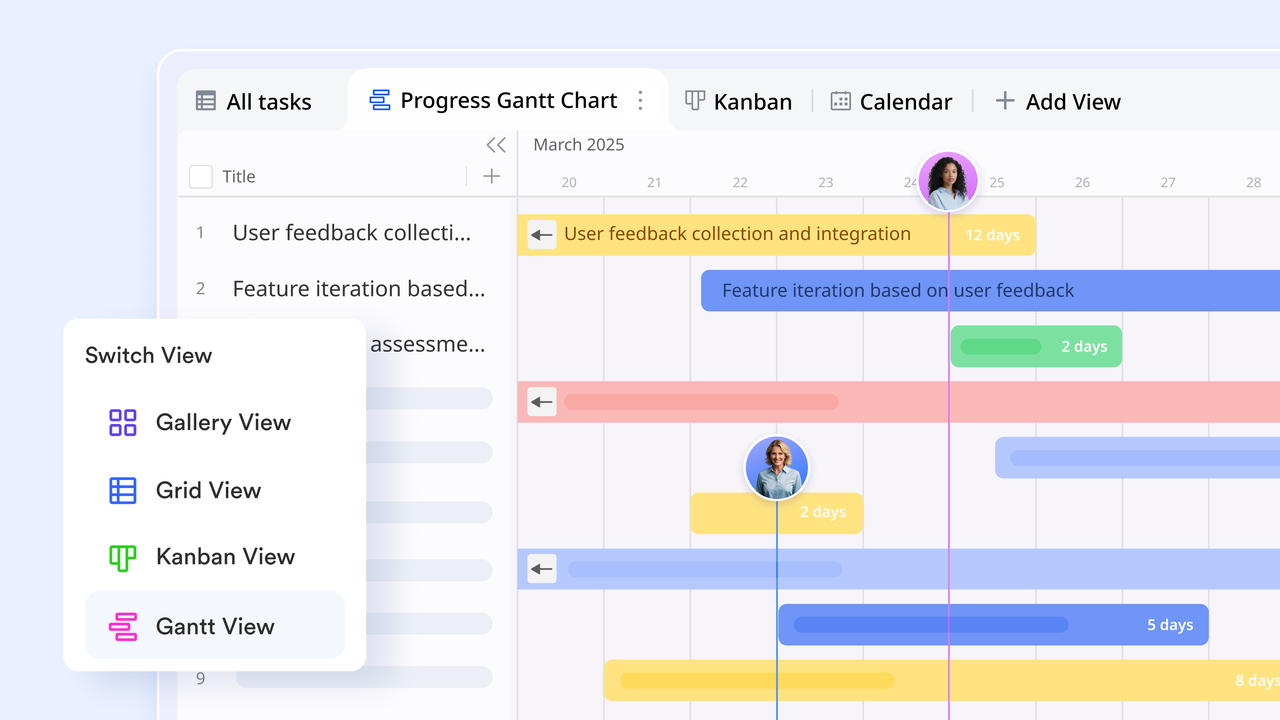
Enhance patient engagement via automated management
Patient continuity is often lost in the gap between visits. Lark Base allows healthcare providers to build customizable, that handle the "heavy lifting" of patient outreach. Within the workflow feature in Lark Base, you can set triggers to automatically send appointment reminders, post-discharge follow-ups, and preventative care check-ins via SMS or Messenger. By automating these routine touchpoints, clinics can significantly reduce no-show rates and ensure patients adhere to their long-term treatment plans without increasing the administrative burden on nursing staff. 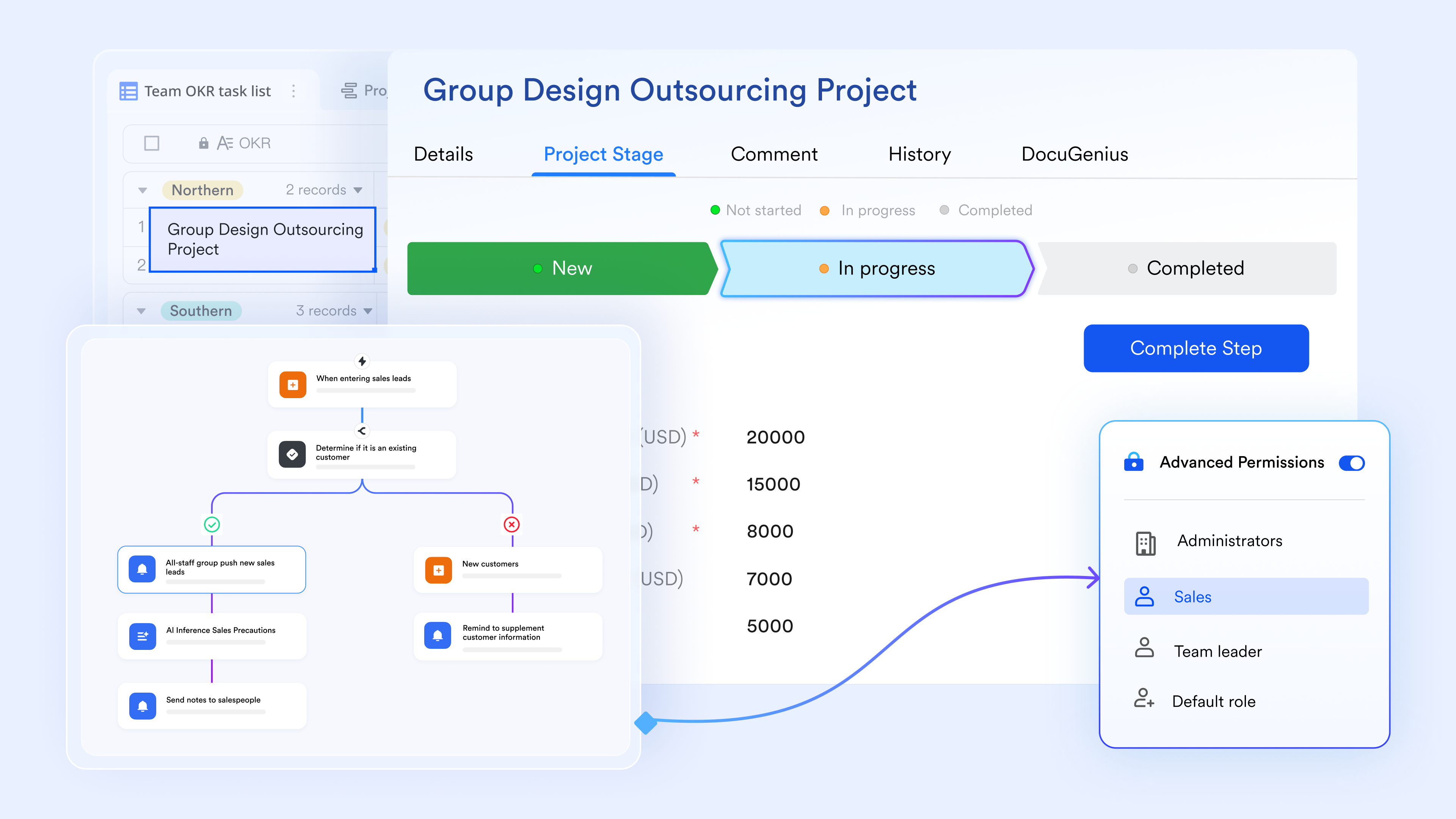
Collaborative document management
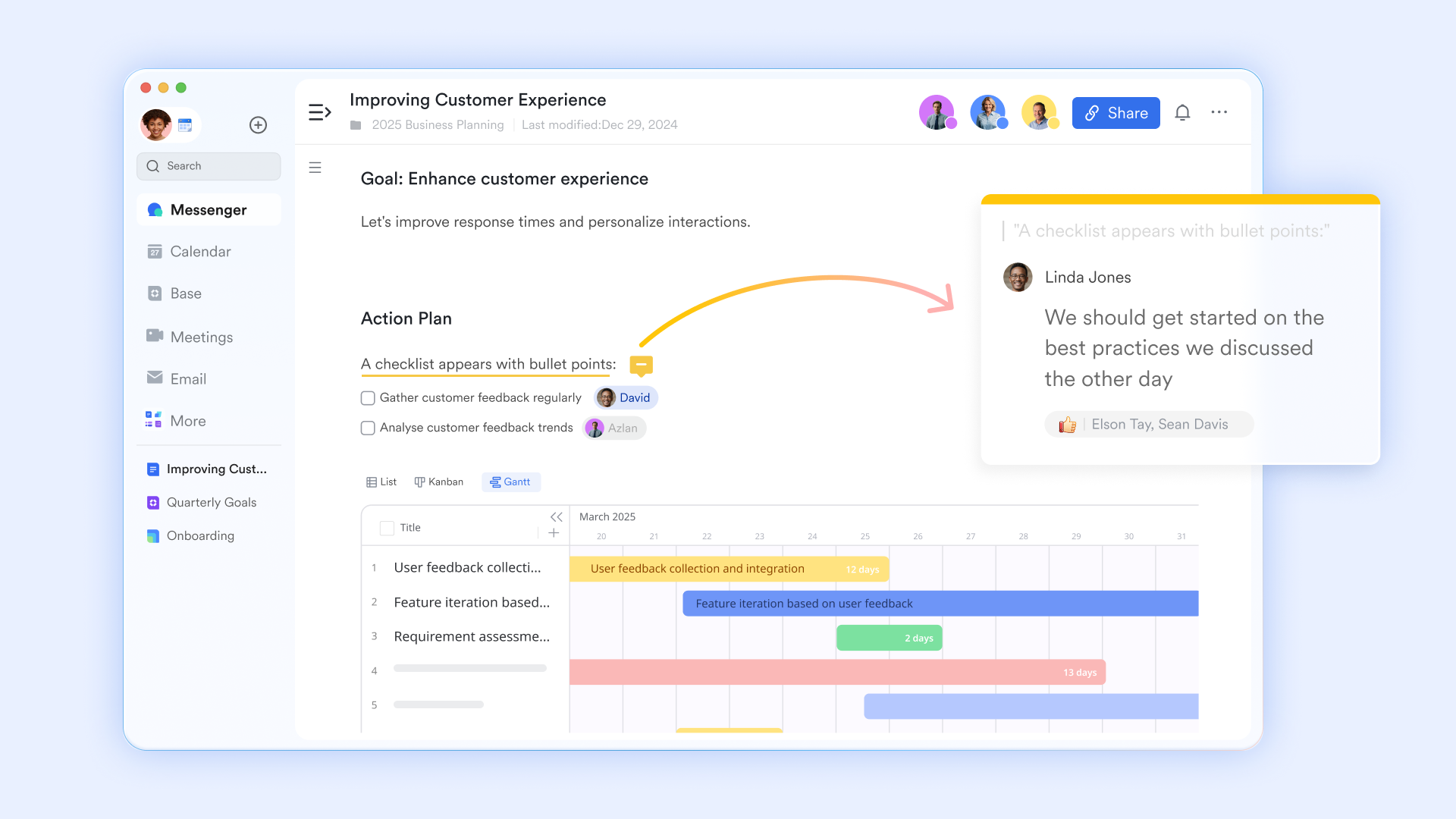
In a clinical setting, information must be both accessible and highly secure. Lark offers a where multidisciplinary care teams—including specialists, primary care doctors, and administrative staff—can co-author treatment plans and referral letters in real time. With , teams can use standardized templates for patient records and surgical checklists, ensuring that every piece of documentation is accurately captured and easily retrievable. This eliminates "data silos" and ensures that every provider in the care chain has the most up-to-date information at their fingertips.
Built-in dashboard and AI-driven analysis
Modern healthcare produces more data than any human can analyze manually. By visualizing this data through Lark Base dashboards, hospital administrators can make data-driven decisions on resource allocation and target specific interventions to improve patient outcomes. With native smart analysis, Lark helps providers identify trends in patient engagement and operational bottlenecks, such as long wait times or supply chain delays. These insights transform raw clinical data into a roadmap for continuous process improvement. 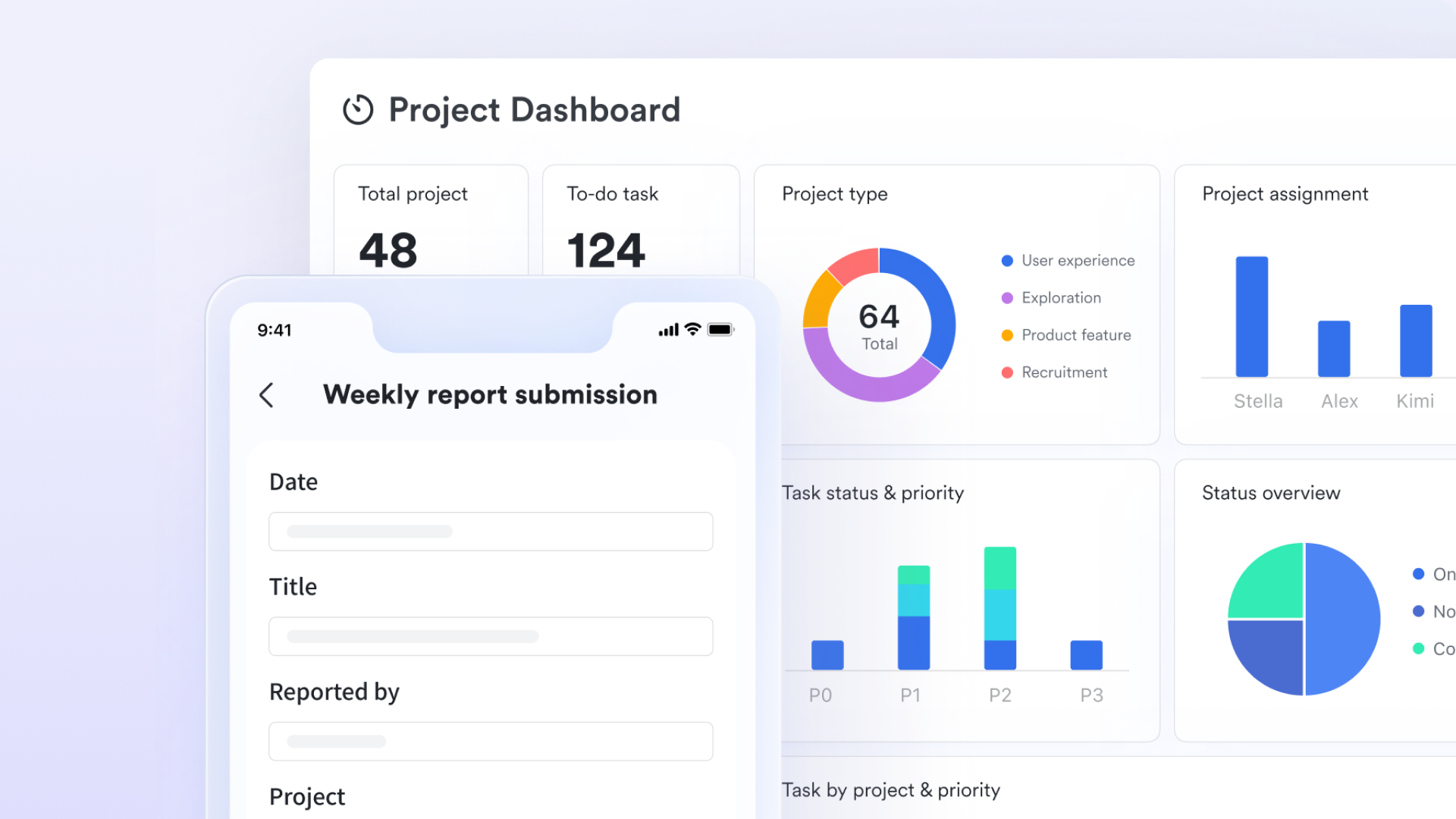
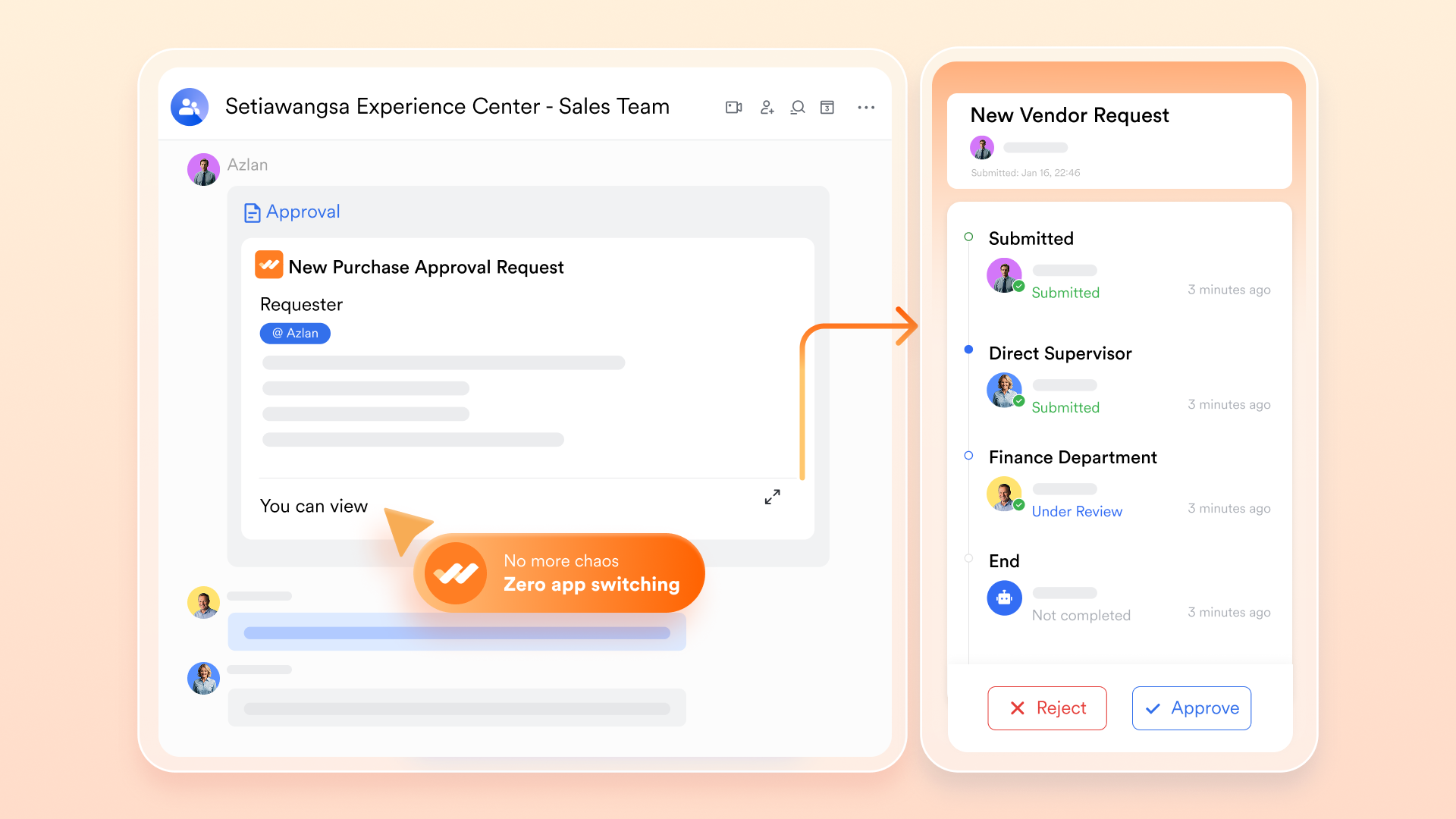
Streamlined healthcare process approvals
From insurance verification to new clinical protocol sign-offs, healthcare is a field defined by approvals. simplifies these complex chains by allowing teams to create for every request. If a new medical device needs procurement or a clinical trial phase requires a compliance check, the request is instantly routed to the correct stakeholder's mobile device. This transparency accelerates the healthcare CRM process, ensuring that critical projects aren't held up by a signature sitting in someone's physical inbox.
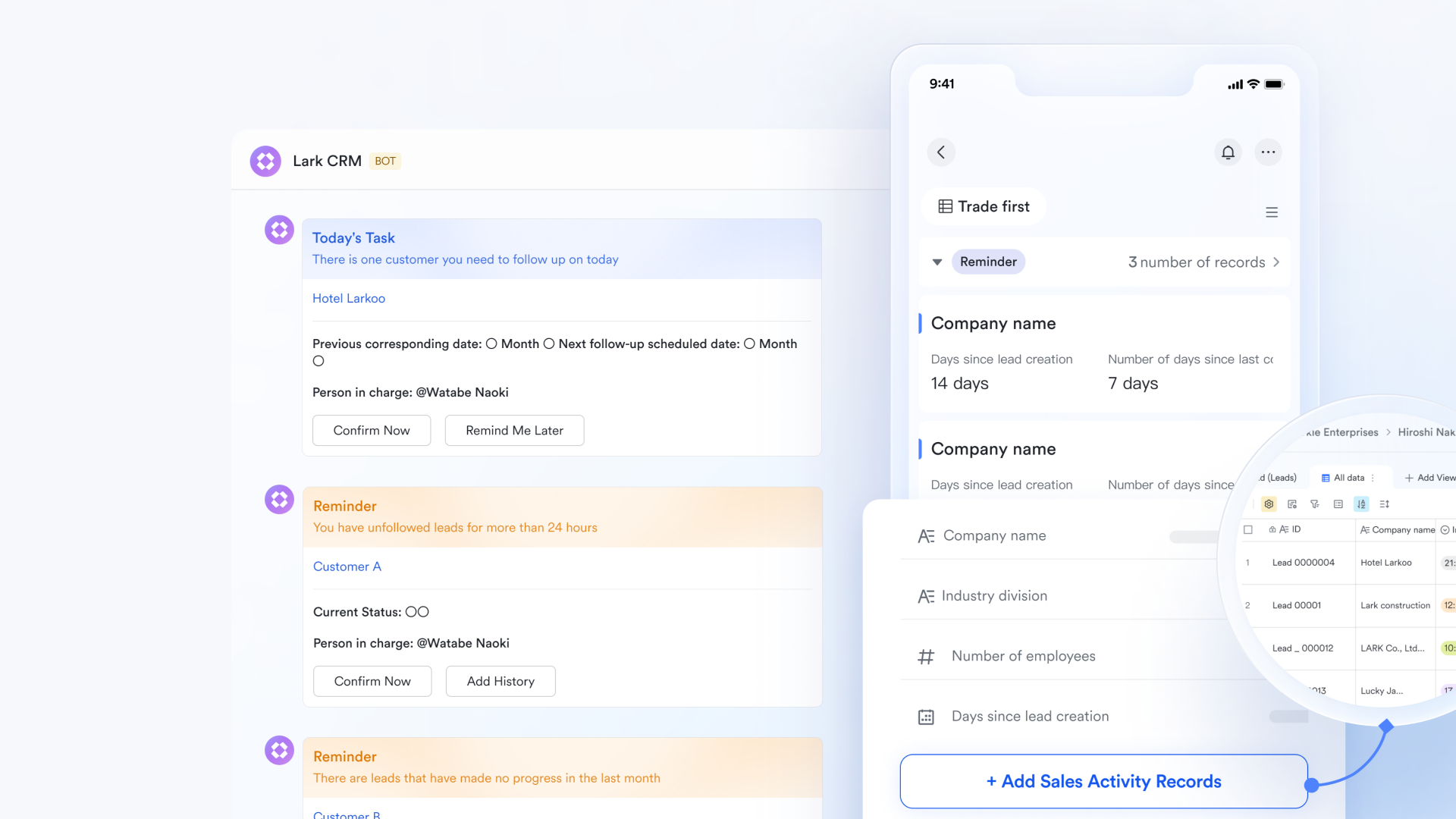
Mobile patient CRM access
Healthcare doesn't happen behind a desk. ensures that doctors and field nurses can manage patient interactions and update project records from anywhere in the facility. Whether they are performing a ward round or conducting a remote telehealth consult, the Lark mobile app provides complete access to patient CRM and . This seamless mobile experience highlights the value of in ensuring real-time collaboration remains uninterrupted, enabling faster response times in emergencies and more accurate data entry at the point of care.
:
- Starter plan: Free forever plan that includes 11 powerful tools for up to 20 users. It also comes with 100GB of storage, 1000 automation runs, AI translations, and more.
- Pro plan: $12/user/month (billed annually) for up to 500 users. It includes everything in Starter plus group calling for up to 500 attendees, 15TB of storage, 50,000 automation runs, and more.
- Enterprise plan: for custom pricing. Supports unlimited users and includes even more automation runs and advanced security, compliance, and management features.
For small teams with simple communication needs

18 months message history
1000 Base automation runs/month
2000 rows per table in Base
Most POPULAR
For companies with comprehensive collaboration and management needs
Unlimited message history
500-participant video meetings
50k Base automation runs/month
20k rows per table in Base
For large companies with advanced security and organizational management needs
Get a personalized demo and pricing
Unlimited message history
500-participant video meetings
15 TB storage + 30 GB storage/user
500k Base automation runs/month
50k Base automation runs/month
Most POPULAR
For companies with comprehensive collaboration and management needs
Unlimited message history
500-participant video meetings
50k Base automation runs/month
20k rows per table in Base
Conclusion
Healthcare plays a critical role in ensuring that complex initiatives—ranging from clinical improvements to technology rollouts and infrastructure expansion—are delivered safely, compliantly, and efficiently. Throughout this guide, we've seen how structured stages, appropriate methodologies, and clear ownership help healthcare teams manage risk while maintaining continuity of care. Real-world examples show that success depends not only on timelines and budgets, but also on collaboration across clinical, administrative, and technical roles.
As healthcare organizations continue to operate under increasing regulatory pressure and resource constraints, having the right systems to coordinate work becomes essential. Platforms like support this need by bringing communication, documentation, workflows, and visibility into a single workspace, helping teams stay aligned without adding complexity.
If your organization is looking to improve how healthcare projects are planned and delivered, now is a good time to review your current approach and explore tools that support collaboration at scale, including solutions designed for seamless .
Review real-world approaches to healthcare project delivery
FAQs
What is an example of project management in healthcare?
A common example is implementing an Electronic Health Record (EHR) system, which requires coordinating medical staff, IT, and legal teams to securely digitize patient data. Other examples include managing hospital wing renovations or launching clinical trials, where project managers must balance strict regulatory compliance with patient safety. These initiatives use structured workflows to ensure that technical upgrades do not disrupt critical life-saving services.
What are the 7Ps of project management?
The 7Ps is a framework designed to ensure comprehensive planning by covering Purpose (the why), Product (deliverables), Participants (the team), and Process (the method). It also addresses Pitfalls (risks), Preparation (required resources), and Practicalities (logistics like budget and timing). Using this checklist helps project managers align stakeholders and anticipate challenges before a project officially kicks off.
What are the 5 C's of project management?
The 5 C's commonly refer to clarity, communication, coordination, control, and compliance. These principles are fundamental to project management in healthcare, where patient safety and regulatory requirements drive every decision. Platforms like Lark help teams maintain visibility and coordination across complex projects.
Can agile project management work in clinical environments?
Agile can work in clinical settings when applied thoughtfully and with governance safeguards. It is often used alongside structured controls in healthcare construction and digital health initiatives. Lark supports iterative collaboration while maintaining visibility into documentation and approvals.
How do healthcare organizations measure project success beyond timelines?
Success is measured by clinical outcomes, patient satisfaction, readiness for compliance, and operational improvements. Many healthcare teams use project management software to track quality indicators alongside schedules and budgets. Lark enables this broader visibility across teams and data sources.
What skills distinguish top healthcare project managers?
Top managers combine regulatory knowledge, stakeholder communication, and with adaptability. They must coordinate clinical and administrative teams while keeping projects audit-ready. Lark supports these skills by centralizing communication, workflows, and documentation.
Related reading












