














Needs Analysis: Definition, Types, and Templates

Ryan Tanner
Product Marketing Specialist
Sep 18, 2026
Ryan Tanner
Sep 18, 2026

13 min read


Every successful organization starts with understanding what's missing before planning what's next. A needs analysis helps uncover the specific gaps between current performance and desired outcomes, guiding smarter business decisions and targeted improvement. Whether you're identifying training priorities, customer expectations, or financial constraints, this process provides a structured foundation for action.
Modern teams often rely on connected digital tools to make this process more efficient. Platforms like Lark bring together forms, dashboards, and collaborative documents in one space, simplifying every step from data collection to review. Let's explore the complete framework of needs analysis and how your organization can use it to achieve better alignment and growth.

What is a needs analysis?
A needs analysis is the systematic process of identifying the gap between an organization's current and desired state. It helps determine the skills, resources, or processes required to meet business goals effectively. By collecting relevant data and analyzing it strategically, companies can pinpoint what needs to be improved or introduced.
This evaluation can be applied across various contexts, such as training needs analysis, financial needs analysis, or customer needs analysis. For instance, a training needs analysis reveals employee skill gaps, while a customer needs analysis highlights issues affecting satisfaction and loyalty. By performing these regularly, companies maintain continuous improvement and long-term growth.
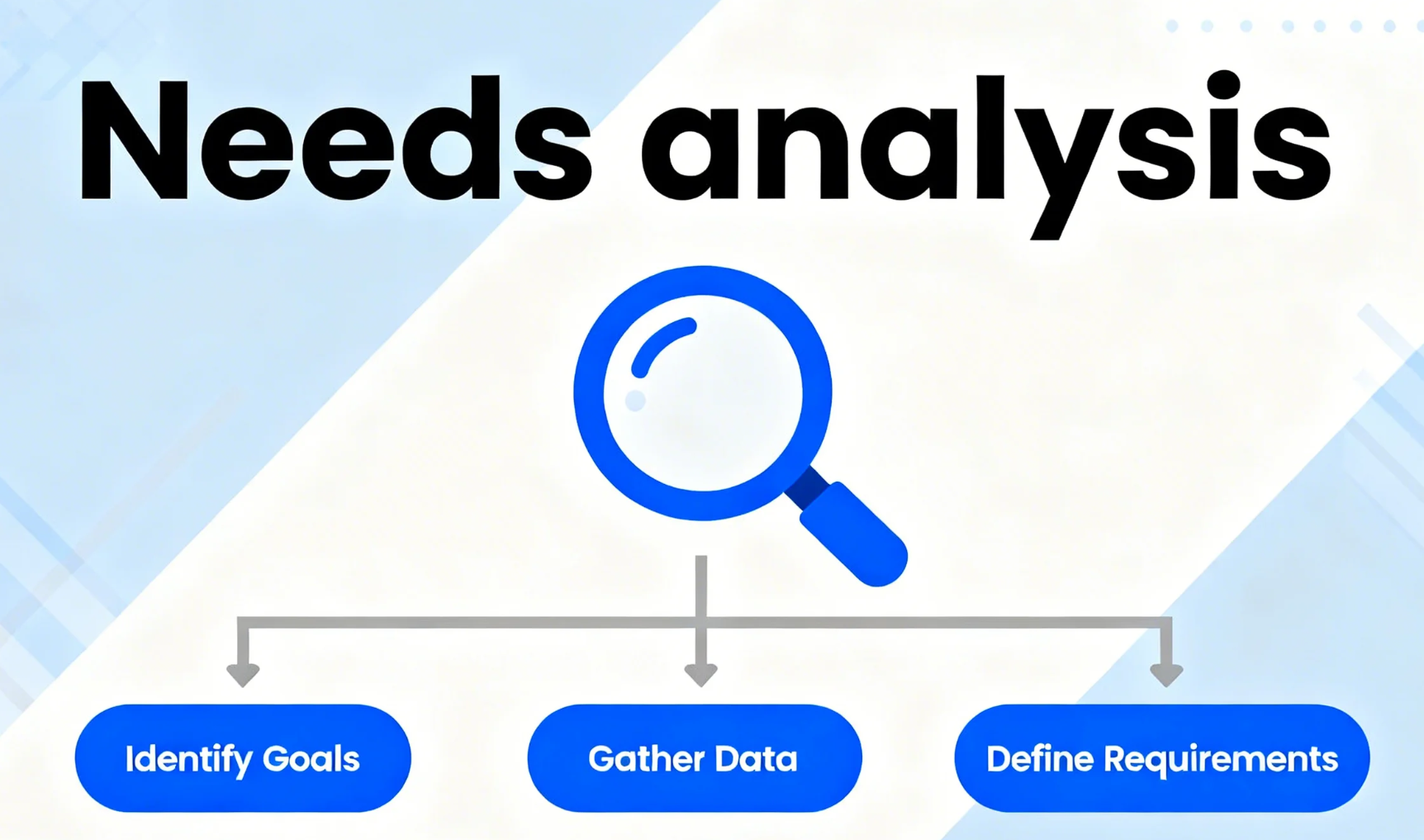
Image source: unsplash.com
Why is needs analysis important
A structured needs analysis gives decision-makers the clarity to act on facts rather than assumptions. It ensures every investment, whether in training, systems, or personnel, aligns with real performance data and strategic goals.
- Ensures data-driven decision-making: Needs analysis uses quantifiable insights to identify gaps, ensuring business actions are based on measurable evidence instead of guesswork.
- Aligns goals with skills and resources: It connects organizational objectives with employee capabilities and available assets, enabling efficient resource planning.
- Prevents wasted investment: By highlighting what truly requires attention, it helps avoid spending on unnecessary programs or project management tools.
- Improves engagement and success: Employees and stakeholders stay motivated when they see clear, achievable goals supported by relevant training and resources.
A well-conducted analysis sets a foundation for continuous growth and helps organizations remain agile in changing environments.
Types of needs analysis
Different business areas demand distinct approaches to identifying needs. Here are the most common types organizations rely on:
- Training needs analysis: Focuses on identifying the skills or knowledge employees require to perform better. It's essential for designing targeted learning programs that align with business goals.
- Customer needs analysis: Evaluates what customers expect from products or services and identifies where the current experience falls short. It helps refine offerings and enhance satisfaction.
- Financial or capital needs analysis: Examines the financial position of an organization or project to determine resource allocation, funding gaps, or investment opportunities.
- Organizational needs analysis: Looks at structure, systems, and communication processes to identify inefficiencies or barriers to performance.
- Life insurance or personal needs analysis: Common in the financial sector, this method helps individuals determine the amount of coverage required to meet future obligations.
Each type delivers unique insights but shares one purpose to close performance gaps and strengthen decision-making.
Key steps in conducting a needs analysis
Conducting a comprehensive needs analysis involves a series of logical stages. Each phase builds upon the previous one, ensuring decisions are informed and actionable. With Lark, teams can simplify each step through real-time collaboration and automation.
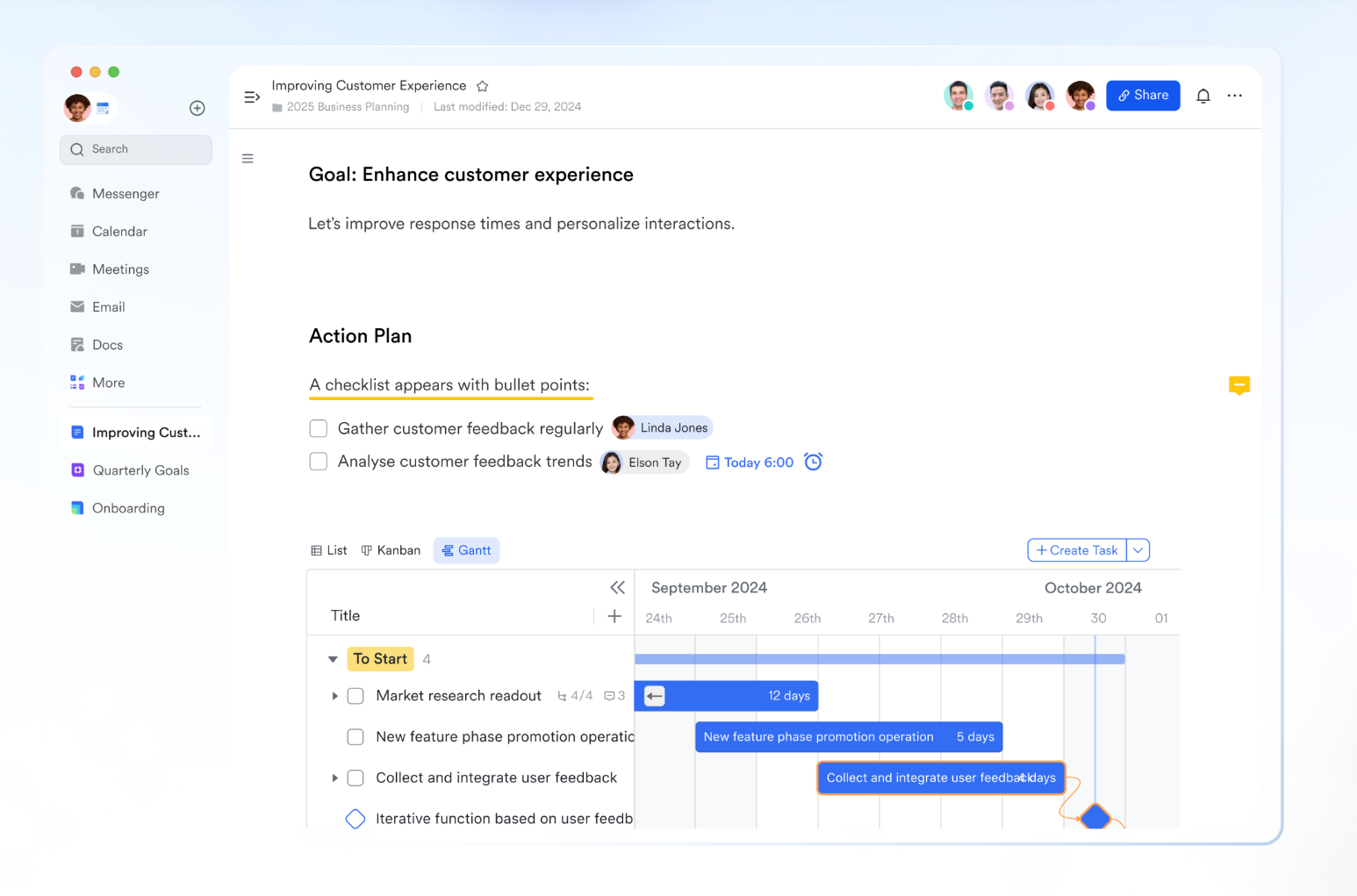
1. Identify objectives
Define what you aim to achieve through analysis. Objectives might include improving employee skills, optimizing operations, or refining customer support. Clear goals guide data collection and ensure results are actionable. Teams can document objectives in Lark Docs for transparent alignment and easy updates across departments.
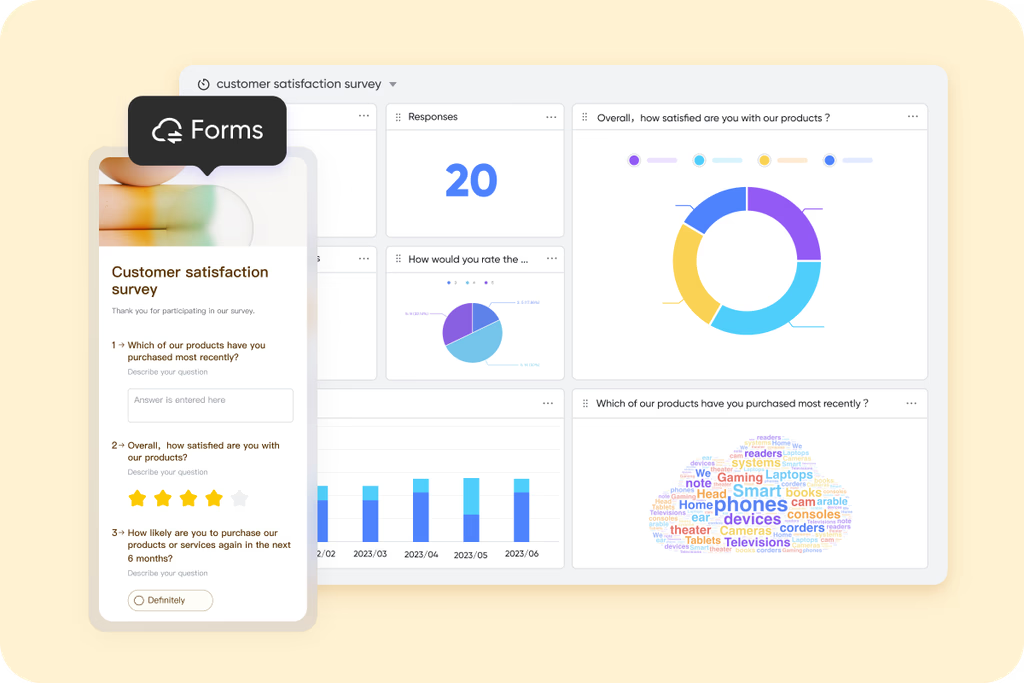
2. Gather data
Collect information through surveys, interviews, assessments, or feedback forms. Consistent, structured input ensures accurate insights. Lark Forms enables quick data gathering from employees, customers, or stakeholders, automatically consolidating responses in sheets or bases.
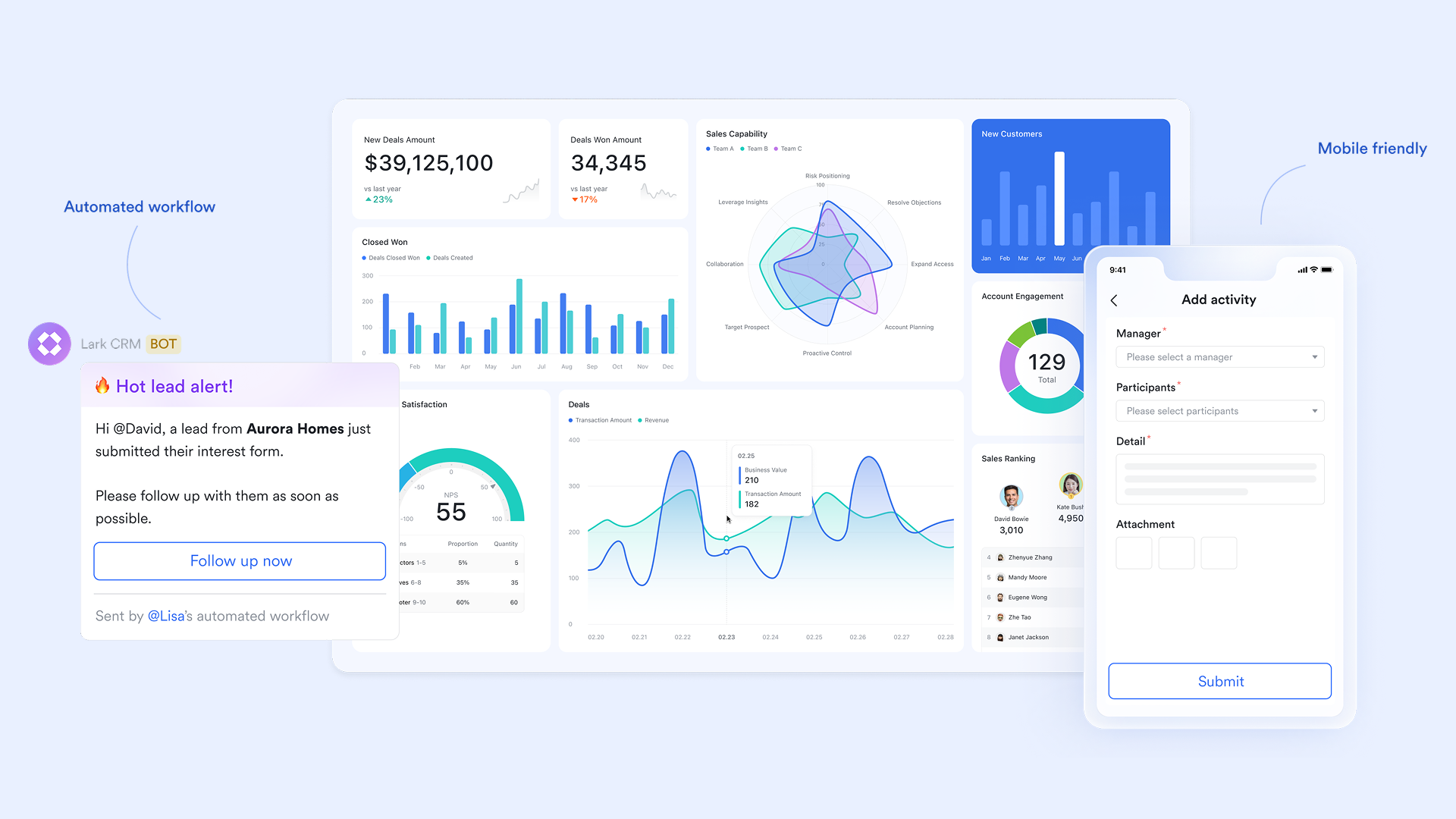
3. Analyze the gap
Compare current performance levels with desired goals. This step identifies what's missing and quantifies the extent of improvement needed. Use Lark Base to visualize performance metrics with dashboards and identify trends or bottlenecks in real time.
4. Prioritize needs
Not every issue demands immediate attention. Rank identified gaps based on business impact, urgency, and feasibility. Lark Base dashboards and sorting tools help teams categorize needs efficiently, ensuring the most critical issues receive attention first.
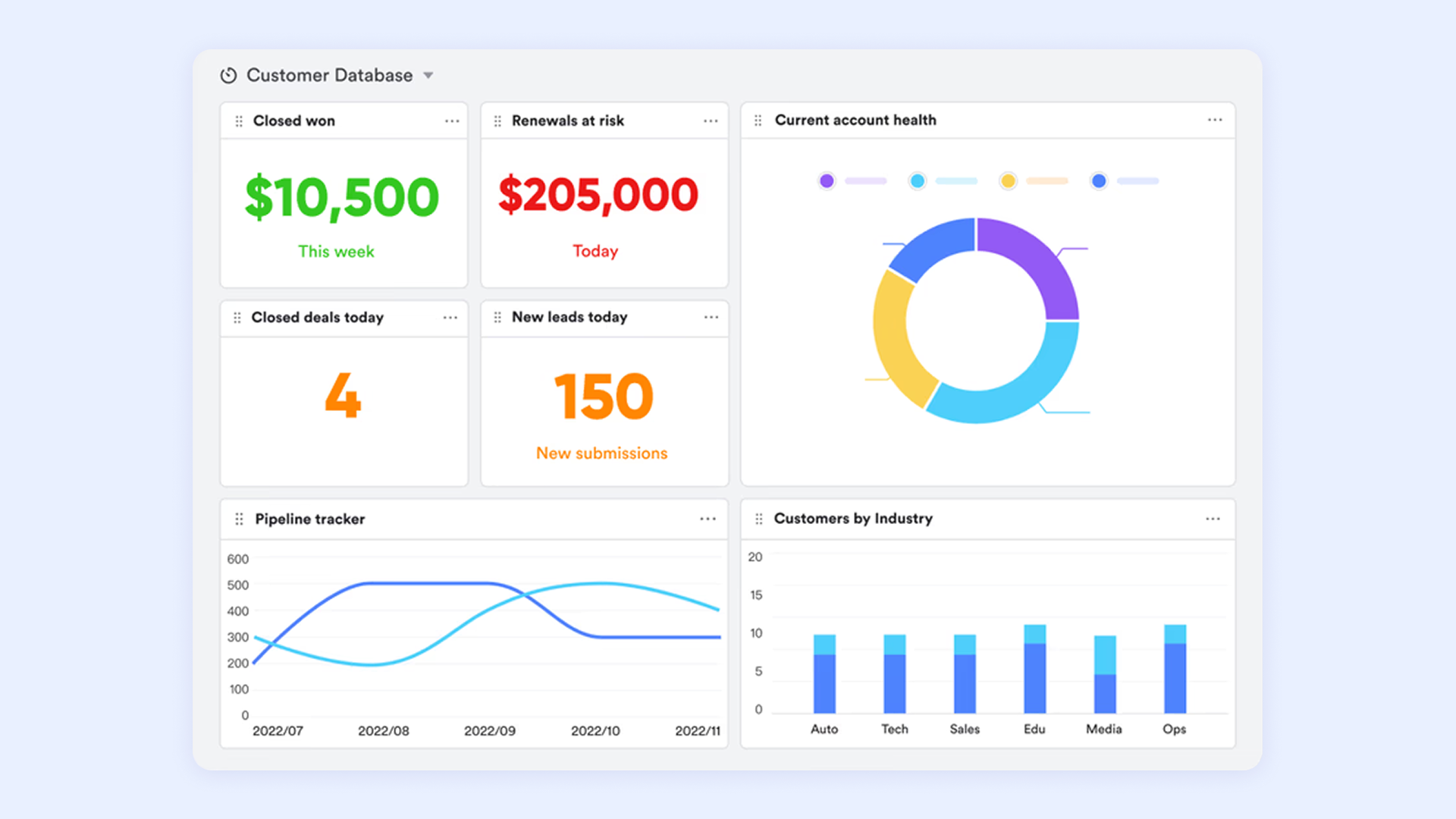
5. Develop an action plan
Create a roadmap detailing tasks, responsibilities, timelines, and resources. A good plan ensures that insights turn into measurable improvements. Use Lark Docs to outline the strategy and Lark Tasks to assign responsibilities, track progress, and set deadlines collaboratively.
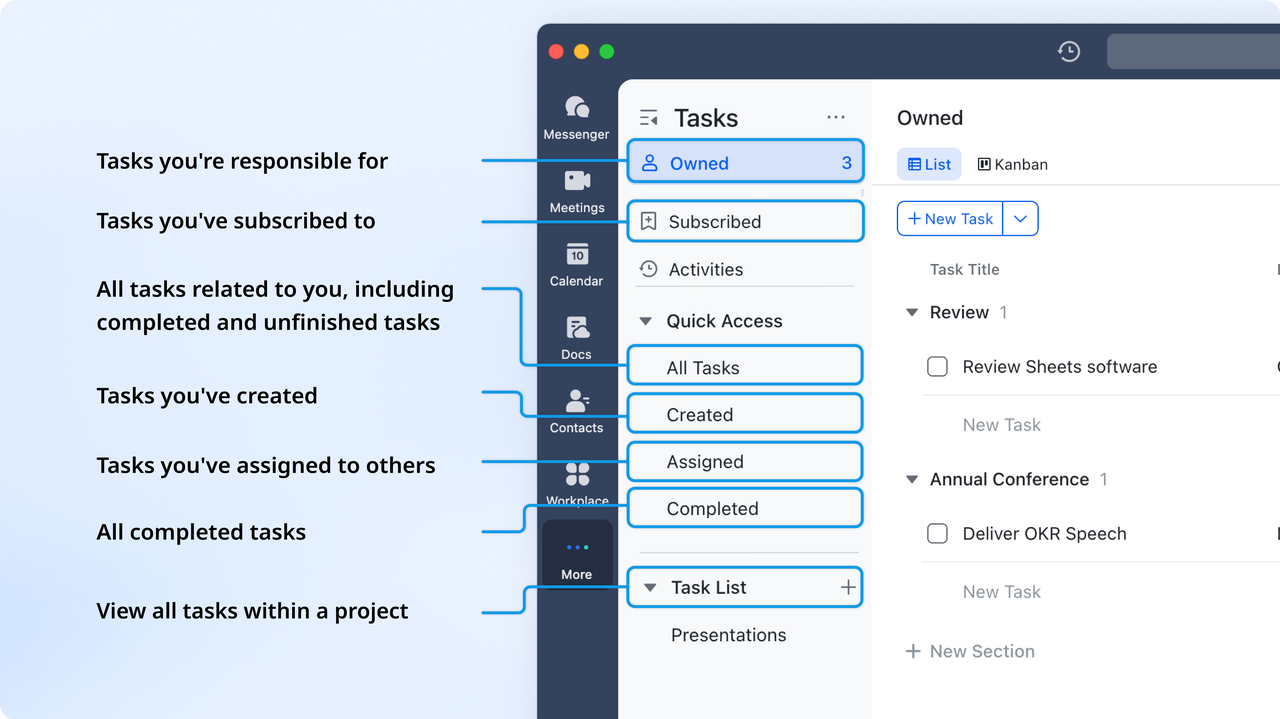
6. Monitor and review
Continuous follow-up ensures that actions produce the desired outcomes and remain relevant over time. Track KPIs in Lark Sheets and visualize outcomes through shared spreadsheet, ensuring ongoing performance optimization.
Examples of needs analysis
Needs analysis can take various forms depending on context. Below are some practical examples across industries.
- Training example: A retail company notices declining sales due to outdated product knowledge. After conducting a training needs analysis, it introduces interactive learning sessions that boost employee confidence and sales numbers.
- Customer example: A SaaS company surveys clients through Lark Forms and finds that slow response times are a recurring complaint. It then restructures its support process using automated ticket tracking.
- Financial example: A startup evaluates its cash flow with Lark Base before expanding operations. The analysis reveals potential short-term liquidity issues, helping the team plan a phased growth strategy.
These examples show how data-driven insights can guide effective decision-making across multiple business domains.
Essential templates for conducting an effective needs analysis
Templates make the entire process faster and more consistent by giving teams a structured starting point. Instead of building frameworks from scratch, these ready-made layouts help organize data, define priorities, and guide decision-making. Whether you're analyzing skills, market conditions, or resource gaps, each template supports a different stage of needs assessment. Below is a curated selection you can adapt to any business context.
Needs assessment template
This template offers a complete structure for defining objectives, collecting data, and comparing current performance against targets. It's especially useful when teams need a single document to centralize findings and recommendations. HR, L&D, and operations teams often rely on this format to make informed planning decisions. It also works well when collaboration and version control are key.
Market analysis template
A helpful resource for marketing and product teams looking to evaluate industry conditions, customer segments, and competitor strategies. The template guides users through research inputs, insights, and data comparison to support launch planning or market entry. It ensures that decisions are grounded in real market performance, not assumptions. Ideal for early-stage planning, campaign validation, and budgeting.
Stakeholder analysis template
Created for project, product, or change management teams that need to understand who is impacted by an initiative and how much influence each person has. It helps map interest, power levels, and communication needs, reducing resistance later in execution. This template is especially valuable during strategic planning or cross-department projects where alignment matters. It also supports smoother decision-making and expectation management.
Business analysis dashboard
This dashboard template consolidates KPIs, trends, and performance insights into one visual workspace. It lets managers monitor progress without switching platforms and helps detect bottlenecks early. Teams can use it for quarterly reviews, performance check-ins, or long-term goal tracking. Its flexibility makes it useful across departments, from finance to operations.
Competitive analysis report
A structured template that helps benchmark performance against industry competitors by comparing product features, brand positioning, pricing, and messaging. Sales, marketing, and strategy teams can use it to refine pitches or reposition offerings. It's especially useful ahead of product launches or pricing reviews. The format encourages fact-based insights rather than subjective opinions.
Audience analysis report
This template helps teams understand audience demographics, motivations, and behavior patterns to support targeted content and campaign planning. It works well for both B2B and B2C contexts, especially when expanding into a new segment. Marketing and communication teams can use it to shape messaging, personalize outreach, and validate personas.
Retail performance analysis
Built for retail businesses that want to evaluate sales activity, store operations, customer flow, and staff efficiency. It helps identify performance gaps across locations or product categories, enabling more informed revenue decisions. This template is often used by operations leaders, franchise owners, and category managers. It supports both short-term reporting and long-term planning.
In-depth market analysis template for market analysts
Designed for professional researchers who need layered segmentation, forecasting, and data modeling. The structure supports complex datasets and deeper competitive mapping. It's ideal for investment studies, expansion plans, and executive reporting. Because of its depth, this template is often used in consulting, M&A preparation, and strategic growth assessments.
Gap analysis template
Ideal for comparing and managing current performance with desired outcomes across any business function. It helps teams pinpoint areas with the highest impact and plan corrective steps in order of priority. This template works well for HR, product, operations, and executive teams that want clarity before drafting an action plan.
Cost analysis template
Helps finance and operations teams break down expense categories, evaluate spending patterns, and identify savings opportunities. The structure makes it easier to justify budgets and plan future investments with better accuracy. This is especially valuable in scaling companies where financial visibility needs to be both granular and real-time.
Key obstacles in needs analysis and how to address them
Even structured analyses can face hurdles. Recognizing them early helps teams stay consistent.
- Inconsistent or incomplete data: Disorganized inputs can distort findings. Use automated workflows to standardize submissions and reduce manual entry errors.
- Lack of stakeholder engagement: When participants are passive, insights become limited. Encourage active discussion using chat threads to keep everyone aligned.
- Difficulty prioritizing issues: With multiple needs identified, focus can scatter. Use dashboard visualizations to sort gaps by impact and urgency.
- No follow-up action: Without ongoing monitoring, improvements may fade. Use reminders, task automation, and scheduled reviews to maintain progress.
Conclusion
A needs analysis does more than diagnose gaps. It gives organizations a clear direction by showing where performance falls short and which areas deserve attention first. Whether the goal is to improve employee skills, enhance customer experience, or evaluate financial capacity, this structured approach reduces guesswork and supports smarter planning. It also encourages teams to think long term, not just react to short-term issues, which leads to stronger alignment across departments and more meaningful outcomes.
When teams manage the process with disconnected tools, progress often slows or data becomes scattered. A unified platform like Lark helps streamline everything from form-based data collection to visual dashboards, task assignment, and shared documentation. This keeps analysis visible, collaborative, and easy to update as priorities evolve. By supporting real-time communication and workflow tracking in one place, Lark enables organizations to turn findings into action and maintain continuous improvement instead of repeating one-time assessments.
FAQs
What is the purpose of a needs analysis?
A needs analysis helps organizations understand the gap between current performance and expected outcomes. It ensures that decisions are based on real data instead of assumptions, so resources are used efficiently. Businesses rely on this process to plan training, improve customer experience, or refine internal operations. With modern tools like Lark, teams can document findings and share insights more easily across departments.
What are the key steps in conducting a needs analysis?
The process usually includes defining objectives, collecting data, analyzing the performance gap, prioritizing needs, creating an action plan, and reviewing progress. Each step builds on the previous one, so structure is important. Teams often struggle with fragmented tools, which slows progress. Platforms like Lark help streamline each phase by combining surveys, dashboards, and task tracking in one workspace.
How does a training needs analysis differ from a customer needs analysis?
A training needs analysis focuses on employee skills and knowledge gaps, while a customer needs analysis examines what buyers expect from a product or service. One improves internal capability, the other strengthens external value. Both require clear data collection and comparison against targets. Using a shared workspace like Lark helps teams manage and review both types of analysis without switching tools.
What tools are best for performing a needs analysis?
Effective tools support data collection, collaboration, visualization, and follow-up tracking. Teams often combine forms, spreadsheets, dashboards, and project tools to complete the full cycle. However, using multiple disconnected apps can slow momentum. Lark offers forms, docs, bases, sheets, and tasks in one platform, making it easier to centralize input and turn findings into action.
Can Lark be used to automate and track needs analysis processes?
Yes. Lark can automate data collection through forms, organize results in sheets or bases, and connect tasks to action plans. Teams can track progress with shared dashboards and schedule recurring check-ins to prevent follow-up gaps. This keeps the analysis alive instead of becoming a one-time report. It also reduces manual work, so teams focus on decisions, not admin.
Related reading
Table of contents
Start using Lark today

Manage all your work in one place
Boost team efficiency by 10x
Save up to 70% on software costs
Table of contents
Start using Lark today
Manage all your work in one place
Boost team efficiency by 10x
Save up to 70% on software costs
Keep reading









2026 Lark Technologies Pte. Ltd.
Headquartered in Singapore with offices worldwide.






Explore: