














What is a Sales Cycle and How to Streamline It

Ryan Tanner
Product Marketing Specialist
Sep 18, 2026
Ryan Tanner
Sep 18, 2026

15 min read


A sales cycle is the complete process a business follows to turn prospects into paying customers from the first contact to post-sale follow-up. Understanding your sales cycle helps teams identify what drives conversions, where delays occur, and how to improve forecasting accuracy. By mapping each stage clearly, organizations can bring structure and predictability to their sales efforts, ensuring every opportunity is managed effectively.
While sales cycles vary across industries and deal sizes, the goal remains the same: consistent, measurable growth. Tools like Lark make it easier for teams to collaborate, track performance, and automate routine steps helping sales professionals focus on building relationships and closing deals, rather than chasing updates or managing scattered information.

What is a full sales cycle?
A full sales cycle is the structured, step-by-step process that guides a sales team from initial interaction with a potential customer to closing a deal and maintaining a long-term relationship. It outlines the critical stages of selling, from identifying and contacting prospects to qualifying leads, presenting solutions, handling objections, finalising agreements, and following up after the sale. Each stage builds on the previous one, ensuring that sales efforts are strategic, measurable, and customer-focused rather than random or inconsistent.
A well-defined sales cycle process serves as a roadmap for sales teams, offering clarity on what actions to take and when. It helps standardise practices across the organisation, creating predictability and efficiency in how deals are managed. By following a structured approach, businesses can identify where leads drop off, address challenges faster, and optimize conversion strategies.
Beyond operational benefits, the sales cycle improves collaboration between departments like marketing, finance, and customer support, ensuring a smoother experience for both the team and the client. It also enables better forecasting by offering insights into conversion rates, deal timelines, and performance metrics. Whether your sales cycle length spans a few days or several months, understanding and refining it allows teams to work smarter, build stronger relationships, and achieve consistent revenue growth. In today's data-driven landscape, mastering the sales cycle isn't just about closing more deals, it's about creating a scalable, repeatable system that aligns strategy, people, and performance for long-term success.
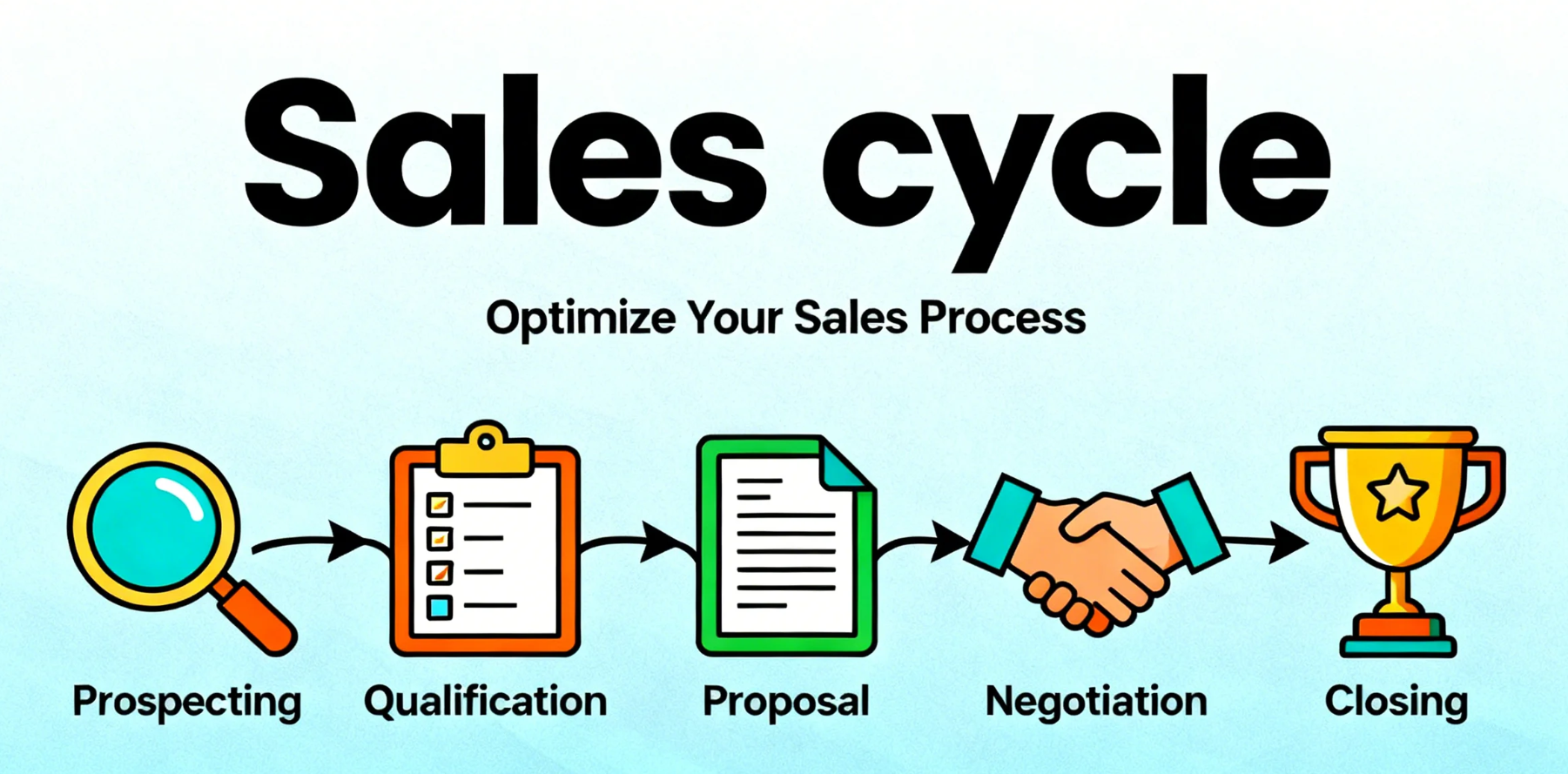
Image source: unsplash.com
Why the sales cycle matters
Understanding what is a sales cycle in marketing goes beyond tracking deals — it's about building a repeatable, data-driven process that empowers teams to sell smarter. A well-defined sales cycle helps businesses maintain structure, improve forecasting, and deliver a consistent customer experience. Here's why it matters:
- Ensures consistency and predictability across teams: A clear sales cycle provides a standardized framework for how leads are approached, qualified, and converted. It eliminates ambiguity by ensuring every sales rep follows the same structured process. This consistency creates reliable performance benchmarks and smoother collaboration. As a result, forecasting becomes more accurate, and success becomes repeatable across the organization.
- Improves resource allocation and pipeline forecasting: By analyzing each stage of the sales cycle process, managers can determine where to focus time, effort, and budget for maximum impact. Accurate pipeline forecasting allows teams to anticipate future revenue and identify potential gaps. Resources can then be strategically deployed to high-priority opportunities. This proactive approach helps maintain balanced workloads and steady deal flow.
- Identifies bottlenecks and delays early: Tracking sales cycle length highlights where prospects hesitate or drop off, allowing faster corrective action. These insights help teams pinpoint problem areas such as slow approvals or unclear communication. By addressing these issues early, sales leaders can improve response times and streamline workflows. The result is a faster, more efficient path to conversion and higher close rates.
- Enhances collaboration between sales, marketing, and support: Visibility across the entire sales cycle ensures that all departments stay aligned from lead generation to post-sale support. Marketing can share qualified leads faster, while sales and support deliver a unified customer experience. This transparency reduces miscommunication and overlaps between teams. Ultimately, it builds a smoother, more connected journey for every customer.
The 7 stages of a sales cycle
If you're wondering what is a sales cycle process, it's essentially the structured sequence of steps that guides a salesperson from prospecting to closing a deal and nurturing relationships afterward. A typical sales cycle consists of seven essential stages that guide the journey from identifying potential leads to nurturing long-term customer relationships. Each stage plays a vital role in building trust, maintaining consistency, and ensuring successful deal closures.
Stage 1: Prospecting
This is the foundation of the sales process, where sales teams identify potential customers who match the target audience. It involves market research, lead generation, and networking through various channels. Effective prospecting ensures a steady flow of qualified leads entering the pipeline. Using data tools or CRM systems helps prioritize prospects based on potential value and interest level.
Stage 2: Making contact
Once potential leads are identified, the next step is initiating communication through personalized outreach. This can include emails, cold calls, LinkedIn messages, or event introductions. The goal is to create awareness and spark interest in your solution. A thoughtful first interaction sets the tone for future engagement. Building rapport early increases the likelihood of progressing to later stages.
Stage 3: Qualification
At this stage, sales reps determine whether a lead is worth pursuing further. They assess Budget, Authority, Need, and Timeline (BANT) to evaluate readiness and fit. Strong qualifications prevent wasted time on unviable prospects. Teams may use discovery calls or questionnaires to gather deeper insights. By focusing only on high-potential leads, sales efficiency and close rates improve significantly.
Stage 4: Pitch or demo
Here, sales teams present the solution, focusing on how it addresses the customer's pain points. A customized pitch or live demo highlights unique features, benefits, and real-world use cases. Storytelling and data-backed insights help make the offering more relatable. This is where prospects visualize the value of your product. A compelling presentation moves them closer to a buying decision.
Stage 5: Handling objections
It's common for prospects to express concerns about pricing, ROI, or product fit. This stage is about active listening, empathy, and problem-solving. Sales reps should respond with clear explanations, relevant case studies, and evidence of results. Addressing objections builds trust and reduces hesitation. Skilled objection handling often turns uncertainty into commitment.
Stage 6: Closing the deal
This phase finalizes the agreement, including pricing, terms, and contract signatures. Negotiation skills and timely responses are crucial to maintaining momentum. Once the client agrees, documentation and approvals must be completed efficiently. A seamless closing experience reinforces professionalism and customer confidence. Done right, this stage transitions prospects into satisfied, long-term clients.
Stage 7: Post-sale follow-up
After sales closing, namely the words to secure people committment of buying a service or product, relationship doesn't end, it evolves. The sales team should follow up to ensure satisfaction, address issues, and gather feedback. Regular communication builds trust and opens doors for upselling or referrals. Consistent follow-up also helps strengthen customer loyalty. A well-maintained relationship turns one-time buyers into long-term brand advocates.
A typical sales cycle may differ in duration based on product complexity, customer type, and deal value. For SaaS or enterprise businesses, a typical SaaS sales cycle duration can extend over months, requiring structured communication and ongoing follow-ups to maintain momentum.
Let's practice: Optimizing your sales cycle
Optimizing the sales cycle means providing your team with full visibility into performance, accelerating decision-making, and automating repetitive tasks. Lark brings together analytics, automation, and communication tools that make every stage of the sales journey faster, smarter, and more connected.
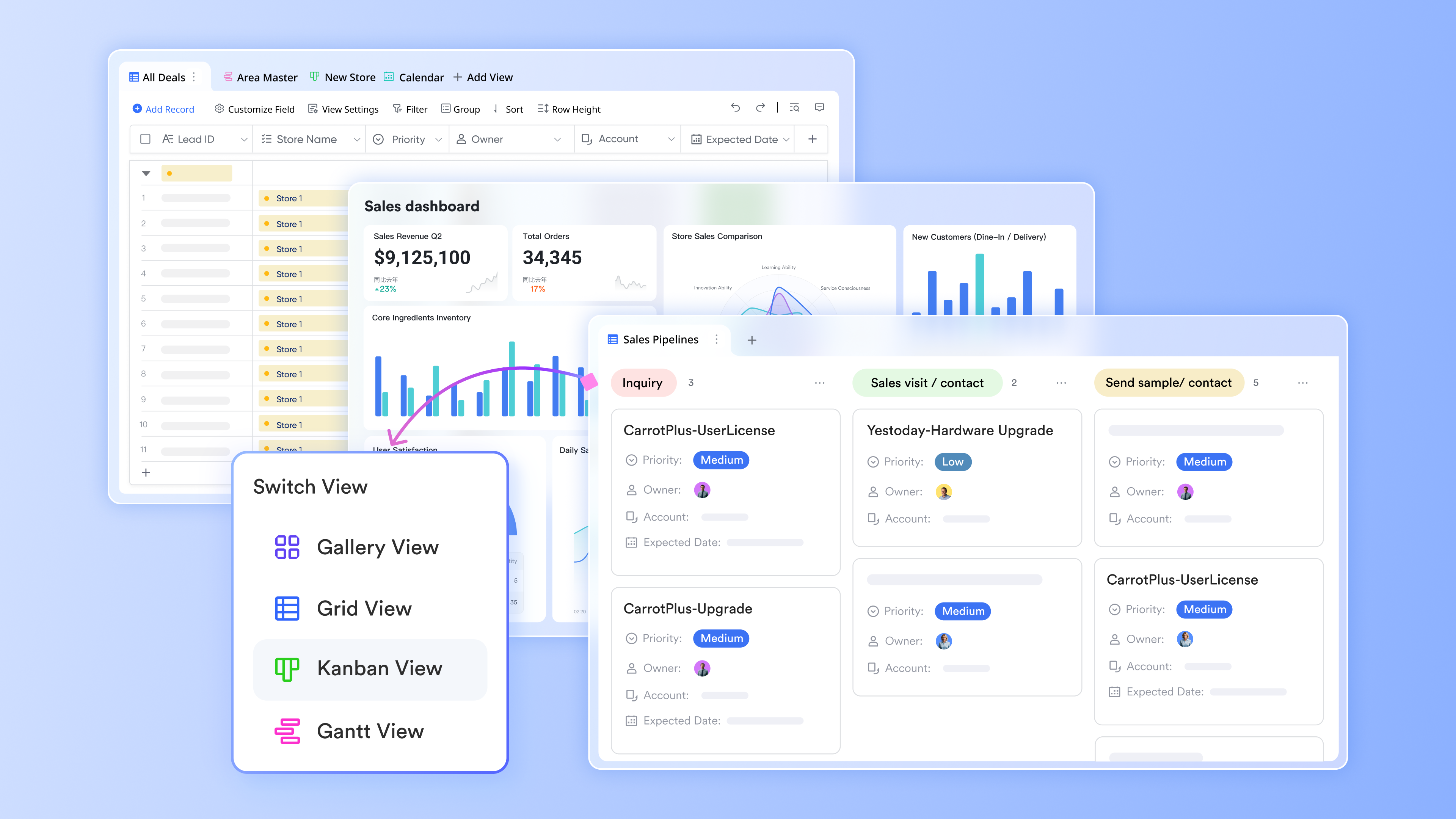
Smartly track every transaction detail
Within Lark Base, tables help teams monitor every element of the sales process—from order creation to delivery. Teams can track order details, shipping schedules, and perform deep sales analysis to understand customer behavior and recurring trends. This structured approach ensures smoother operations, fewer missed updates, and better coordination between sales, logistics, and finance teams.
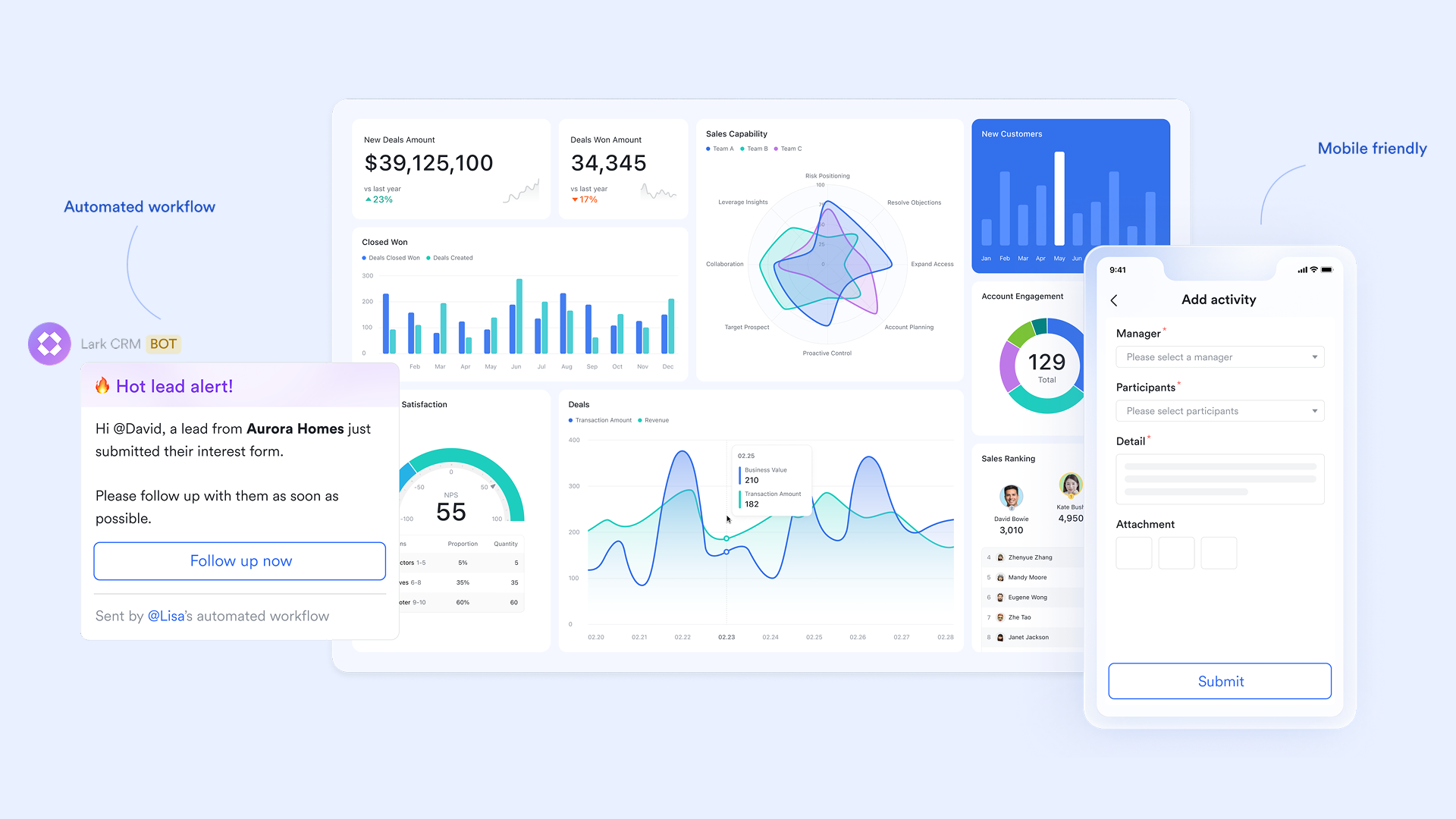
Real-time visibility into sales performance
Lark's Dashboard consolidates key sales data from revenue and costs to profit margins and client satisfaction in one visual display. Teams can quickly identify trends, assess regional performance, and make informed strategic adjustments.With upgraded capabilities, Dashboards now support real-time monitoring of sales performance, inventory levels, and regional rankings, helping managers pivot strategies instantly when goals or market conditions shift.
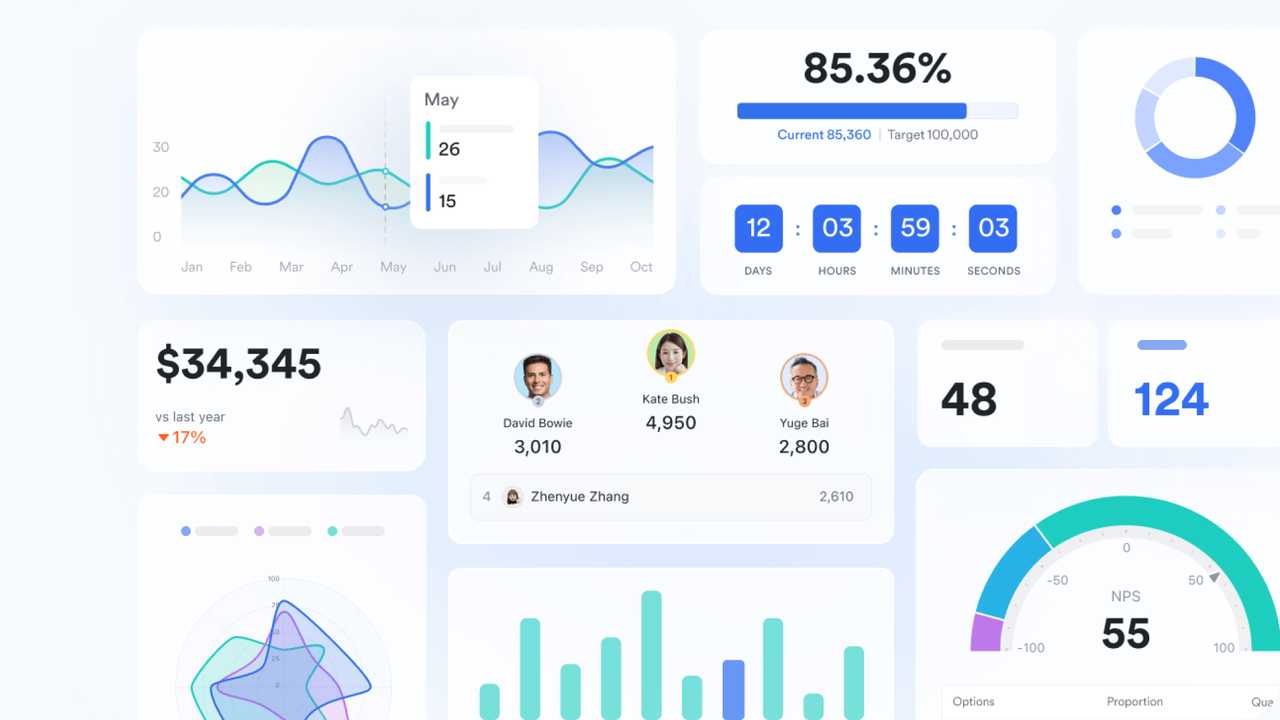
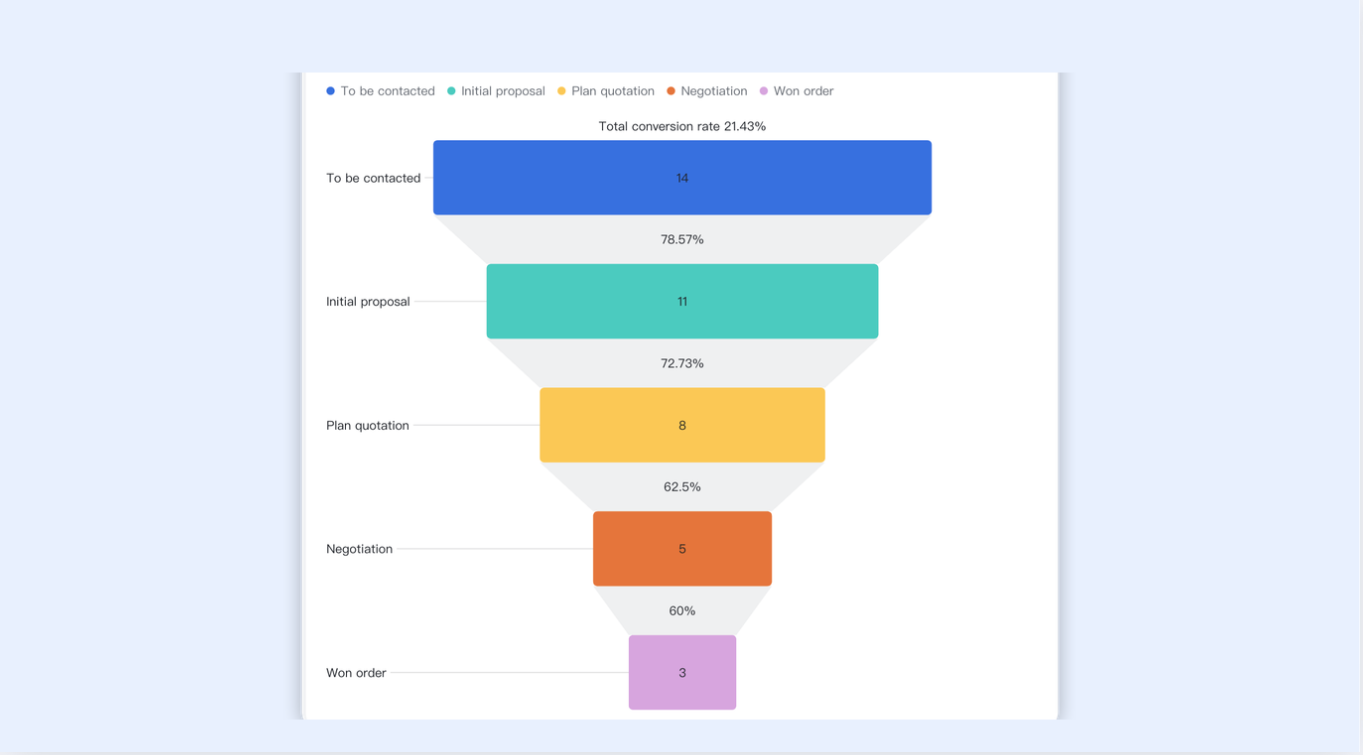
Identify conversion gaps within your dashboard
Visualize the complete sales journey through funnel charts that show conversion rates at every stage from lead generation to deal closure. These charts highlight where prospects drop off, allowing teams to refine outreach, improve communication timing, and focus on the highest-impact stages to shorten the cycle.
Simplify reporting and improve communication
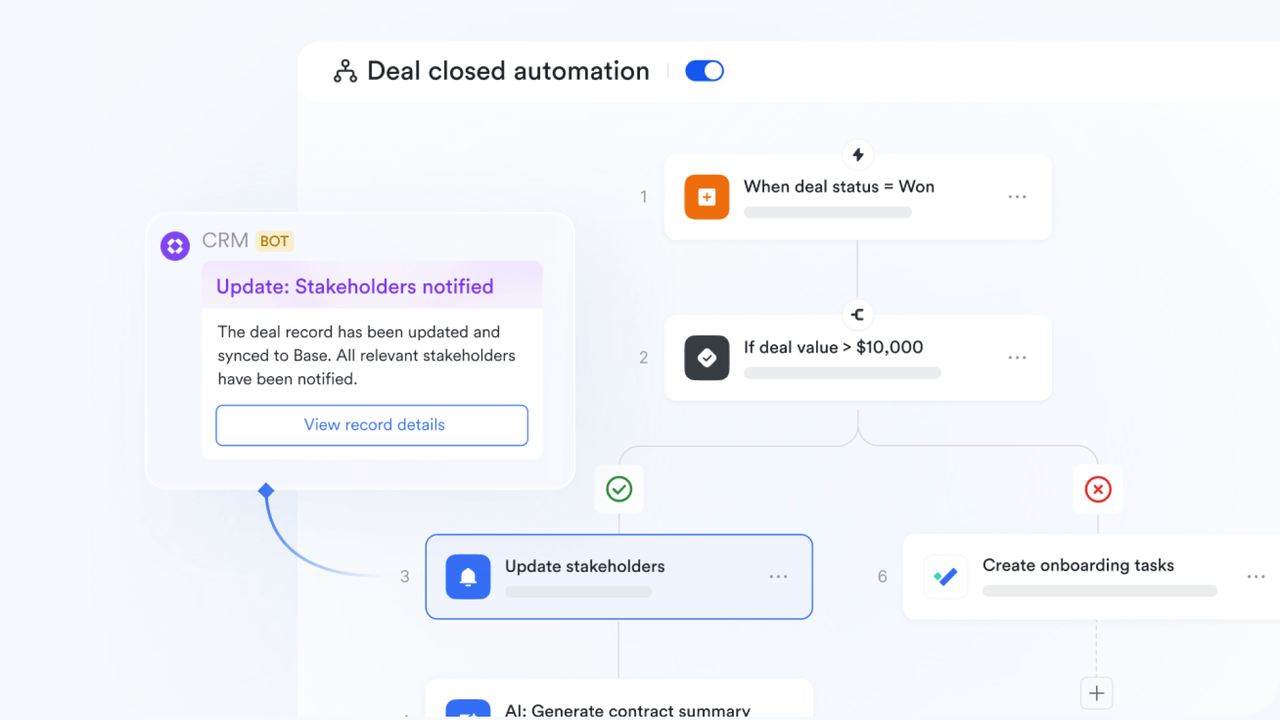
Automation in Lark Base helps teams reduce manual work and maintain transparency. Automatic triggers can send customized sales reports to groups or stakeholders, ensuring everyone stays informed on revenue status, deal progress, and client updates. When configuring the automation to send a Lark message, enable "" to include up to three buttons for quick access to relevant pages. By reducing repetitive administrative tasks, Base automation enables sales representatives to focus more on relationship-building and strategic deals.
- Starter plan: Free forever plan that includes 11 powerful tools for up to 20 users. It also comes with 100GB of storage, 1000 automation runs, AI translations, and more.
- Pro plan: $12/user/month (billed annually) for up to 500 users. It includes everything in Starter plus group calling for up to 500 attendees, 15TB of storage, 50,000 automation runs, and more.
- Enterprise plan: Contact sales for custom pricing. Supports unlimited users and includes even more automation runs and advanced security, compliance, and management features.
Bonus tips: Managing long sales cycles effectively
If you've ever wondered what is a long sales cycle, it refers to a sales process that takes an extended period—often several months or even a year—to convert a lead into a customer. These cycles are common in enterprise, B2B, or high-value transactions where multiple stakeholders are involved and decisions take time. Managing such extended processes requires structure, visibility, and consistent communication to maintain momentum.
- Build a clear timeline and track every stage: Establish a detailed roadmap outlining each phase of the sales cycle process, complete with milestones, owners, and deadlines. Tracking every stage ensures accountability and keeps deals progressing on schedule. This structure minimizes confusion, helping teams maintain visibility across complex opportunities. A well-defined timeline prevents deals from stalling and supports better pipeline management.
- Keep stakeholder communication transparent: Long sales cycles often involve multiple decision-makers across departments. Clear, transparent communication keeps everyone aligned on progress, priorities, and next steps. Regular updates, shared documents, and meeting summaries help avoid misunderstandings. Consistent transparency fosters trust and ensures all stakeholders remain engaged throughout the process.
- Document all touchpoints and decisions: Every call, email, or message exchanged with a prospect should be documented in one place. This record creates a complete communication trail that helps teams recall context quickly. Proper documentation ensures continuity, especially when multiple team members handle the same account. It also supports a more consistent and professional customer experience.
- Automate reminders and routine follow-ups: Automation prevents leads from slipping through the cracks by scheduling timely follow-ups and task reminders. Tools like Lark Base or Lark Calendar can streamline these repetitive actions. Automated workflows help maintain regular engagement without overwhelming sales reps. This ensures consistency and keeps momentum strong during long negotiation cycles.
- Use data to identify slowdown points: Analyzing metrics such as sales cycle length, response time, and stage conversion rates uncovers where deals are getting stuck. These insights help teams identify process inefficiencies or messaging gaps. With data-driven visibility, managers can make quick adjustments to improve results. Addressing bottlenecks early shortens cycles and boosts overall performance.
- Align cross-department collaboration: Managing long sales cycles requires coordination among sales, marketing, finance, and product teams. Collaboration ensures pricing, proposals, and approvals move smoothly without delays. Centralized communication tools help teams stay in sync and share real-time updates. When departments work together, the buyer experience becomes seamless and more persuasive.
- Maintain long-term relationships post-meeting: Not every deal closes immediately, but consistent follow-up keeps prospects warm. Stay connected by sharing valuable insights, updates, or industry trends that reinforce your expertise. Personalized engagement builds credibility and trust over time. This long-term relationship nurturing often turns paused opportunities into future conversions.
Common sales cycle challenges (and how to fix them)
Every sales team faces obstacles that can slow down deals or disrupt consistency. Issues like poor visibility, missed follow-ups, and scattered data often arise from disconnected systems and manual tracking. Identifying these challenges early allows teams to take corrective action. With structured processes and the right tools, it's possible to maintain momentum and close deals more efficiently.
Conclusion
A well-defined sales cycle is the backbone of consistent and scalable business growth. It gives structure to your sales process, allowing teams to forecast accurately, spot bottlenecks early, and maintain alignment across departments. Whether your organization manages quick transactions or complex, long-term deals, understanding and refining each stage of the sales cycle helps improve efficiency and customer satisfaction.
With clear tracking, automation, and collaboration tools, sales teams can spend less time managing manual tasks and more time building meaningful relationships. Platforms like Lark make this process smoother by centralizing communication, automating updates, and providing visibility into every stage—helping teams close deals faster and smarter. Ultimately, mastering your sales cycle isn't just about selling more—it's about selling better, with clarity and confidence.
FAQs
What is the difference between a sales cycle and a sales funnel?
A sales cycle describes the internal steps a business follows to convert leads into customers, focusing on the seller's actions. In contrast, a sales funnel represents the buyer's journey—from awareness to purchase—showing how prospects move through different stages of interest and intent. Together, they provide a full picture of the sales process from both perspectives.
How can teams shorten a long sales cycle?
To reduce sales cycle length, teams should automate follow-ups, qualify leads early, and maintain transparent communication across departments. Streamlining approvals, improving proposal turnaround, and using data-driven insights help eliminate delays. Collaboration tools like Lark also enhance visibility, keeping deals moving efficiently.
What is a sales cycle length?
When people ask what is a typical sales cycle, it refers to the average amount of time it takes for a prospect to move from initial contact to a completed sale. This duration can vary widely depending on the product type, deal complexity, and industry. Tracking sales cycle length helps teams evaluate efficiency, identify bottlenecks, and forecast revenue more accurately.
What is a typical SaaS sales cycle duration?
f you're wondering what is a typical SaaS sales cycle duration, it generally ranges from 30 to 90 days for small to mid-sized deals and can extend up to 6–12 months for enterprise-level contracts. The timeline depends on factors like product complexity, number of decision-makers, and approval processes. Monitoring this duration helps SaaS companies optimize conversion rates, refine outreach strategies, and align resources effectively.
What are common mistakes that slow down the sales cycle?
Common pitfalls include poor lead qualification, inconsistent follow-ups, manual reporting, and disconnected communication between teams. Lack of visibility or unclear ownership often leads to missed opportunities. Implementing automation and centralized data management helps eliminate these inefficiencies.
How do you measure sales cycle performance?
Sales cycle performance can be evaluated through metrics like average cycle length, conversion rate, deal velocity, and win rate. Tracking these KPIs helps identify where delays occur and which stages need optimization. Real-time dashboards provide visibility for continuous improvement.
What tools are best for managing a full sales cycle?
The best tools combine CRM, communication, and analytics in one platform. Lark, for example, integrates messaging, dashboards, and workflow automation allowing teams to track deals, collaborate seamlessly, and manage data efficiently throughout the entire sales cycle.
Related reading
Table of contents
Start using Lark today

Manage all your work in one place
Boost team efficiency by 10x
Save up to 70% on software costs
Table of contents
Start using Lark today
Manage all your work in one place
Boost team efficiency by 10x
Save up to 70% on software costs
Keep reading









2026 Lark Technologies Pte. Ltd.
Headquartered in Singapore with offices worldwide.






Explore: