Effectively managing software teams is a critical skill for product success and organizational growth in today's fast-evolving technological landscape. This guide provides actionable strategies to lead your team, covering everything from setting clear expectations and cultivating communication to leveraging the right tools and empowering team members. Our aim is to equip you with the practical framework needed to ensure your software team not only meets its goals but truly thrives.
Understanding the Modern Software Team Landscape
The way we build software has fundamentally changed, requiring a new approach to managing software development teams. Today's development teams are dynamic, often distributed, and inherently multidisciplinary, far removed from isolated coding in a vacuum. This evolution means that traditional, top-down management styles often create friction rather than drive progress.
Modern teams must balance autonomy and alignment; a rigid might stifle a startup's ability to adapt, while a large enterprise still benefits from empowered decision-making. Understanding these nuances,the blend of autonomy with the need for alignment the first step toward effective leadership. The modern software team landscape demands a management approach that respects technical expertise, prioritizes adaptability, and champions . Embracing this dynamic environment is key to unlocking your team's full potential, especially when leveraging the best HR software for managing remote teams and exploring the best software for managing IT teams with robust features for effective managing software development teams.
To thrive in this dynamic landscape, a structured approach is essential. Let's explore the foundational steps you can take to effectively manage your software team, starting with setting clear expectations.
Setting clear expectations and goals
A common obstacle to team success is ambiguity. To ensure every team member is moving in the same direction, setting clear expectations and goals is not just beneficial, it’s foundational.
Clarity prevents wasted effort:
One of the most common pitfalls in software team management is a lack of clarity around what needs to be achieved and why. Without well-defined expectations and measurable goals, teams can quickly lose direction, leading to wasted effort and missed deadlines. My experience has shown that ambiguity is a project's worst enemy.
Define clear project scopes:
To counteract this, I always emphasize defining clear project scopes and deliverables from the outset. This involves more than just listing tasks; it's about explaining the "why" behind each objective. For instance, when a team is tasked with developing a new API endpoint, it’s not enough to say "build the API." Instead, we'd clarify: "Build the API for customer authentication to support the new mobile app, aiming for a 99.9% uptime and processing 100 requests per second to ensure a smooth user experience. "This needs to be ready for integration testing by October 30th." This approach immediately clarifies the purpose, performance targets, and timeline.
Break down goals into manageable tasks:
Breaking down large, overarching goals into smaller, manageable tasks is also essential. This allows team members to see tangible progress and reduces feelings of overwhelm. For individual contributions, I encourage the use of SMART goals: Specific, Measurable, Achievable, Relevant, and Time-bound. For example, a developer's quarterly objective might be: "Refactor the user profile module to reduce load time by 15% on average, as measured by our performance monitoring tools, by December 15th." This . Finally, it’s important to connect these team goals to the broader organizational objectives. When developers understand how their work contributes to the company's strategic vision, their motivation and ownership significantly increase. Ultimately, clarity in expectations and goals empowers teams to navigate complex projects with confidence and purpose.
Achieve this clarity with Lark's unified platform
Cultivating effective communication channels
With clear goals established, the next critical element for any high-performing software team is the cultivation of truly effective communication channels. This extends beyond simply having tools, to fostering a culture where information flows freely and openly.
Communication tools paradox:
Effective communication is the bedrock of any high-performing software team, yet it’s often where teams struggle the most. I've observed a curious paradox in many organizations: the more communication tools they adopt – a chat app here, a video conferencing tool there, a separate document collaboration platform – the more fragmented and less effective their communication becomes. Team members spend valuable time switching contexts, searching for information across disparate systems, and repeating themselves. This "communication overload" can ironically drown out important messages and create information silos.
Strategies for structured and asynchronous communication:
To counter this, I advocate for strategies that promote both structured and asynchronous communication. Structured communication involves planned meetings, stand-ups, and review sessions, each with a clear agenda and purpose. For example, a daily 15-minute stand-up isn't just about sharing updates; it’s a dedicated time for team members to identify blockers and offer support, fostering a sense of shared responsibility. Asynchronous communication, facilitated by tools like project comments, shared documents, or dedicated threads, allows team members to contribute at their own pace, reducing interruptions and accommodating different time zones.
Encourage psychological safety:
Even more critically, managers must actively encourage psychological safety for open dialogue and feedback. This means creating an environment where team members feel comfortable raising concerns, admitting mistakes, and proposing new ideas without fear of retribution. A practical example I use is implementing a "no-blame" post-mortem meeting after an unexpected incident. Instead of fault, the focus shifts entirely to understanding the root cause, identifying systemic issues, and collaboratively developing solutions to prevent recurrence. This approach not only improves processes but also builds immense trust within the team.
Unified platforms are vital:
Ultimately, the role of unified platforms becomes vital here. By consolidating messaging, document sharing, video calls, and into a unified workspace, we can significantly reduce friction and ensure everyone has access to the information they need, when they need it. A well-designed communication strategy, supported by the right platforms, transforms potential chaos into seamless collaboration.
Choosing the right methodologies and tools
The foundation of an efficient software team often lies in the methodologies and tools they adopt. Moving from establishing clear goals, the next logical step is to equip your team with the right operational frameworks and platforms.
- Methodologies guide workflow: Choosing the correct software development methodology is not a one-size-fits-all decision; it acts as the backbone for your team's workflow and how they approach tasks. Agile, Scrum, and Kanban are some of the most widely adopted approaches, each with its strengths. For instance, a Scrum framework is often ideal for complex projects requiring iterative development and frequent feedback loops, while Kanban might be better suited for continuous delivery and managing workflow with a focus on limiting work-in-progress. The key is to assess your project's nature, team size, and client requirements to determine which methodology provides the most structure and flexibility.
- Tools support chosen methodology: Once a methodology is in place, selecting the right project management software becomes crucial to support and optimize that workflow. When evaluating tools, I recommend looking for key features such as robust, , unified collaboration capabilities, and comprehensive reporting. These features enable managers to monitor project health, identify bottlenecks, and make . For example, a tool that visualizes progress through burndown charts in a Scrum project helps the team understand their pace and remaining work.
The market is filled with options, but a recurring challenge I observe is the use of a fragmented tool stack – one app for chat, another for documents, yet another for project tracking. This often leads to context switching, duplicated effort, and information silos, ultimately hindering productivity. The benefit of an all-in-one platform is its ability to consolidate these functions into a unified workspace, reducing friction and ensuring everyone works from a single source of truth. Ultimately, aligning your team's processes with suitable tools is paramount for operational excellence.
Experience seamless collaboration with Lark's unified platform
Empowering your team through autonomy and trust
Beyond setting clear expectations and providing the right tools, true team performance blossoms when individuals feel empowered and trusted. This section explores how to cultivate an environment where developers can take ownership and thrive.
- Ownership drives motivation: One of the most powerful levers a manager has is the ability to empower their team. Giving developers ownership over their work, rather than simply assigning tasks, transforms their mindset from merely executing instructions to actively solving problems. When individuals feel a sense of ownership, their motivation, engagement, and commitment to quality significantly increase. They are more likely to innovate, take initiative, and feel responsible for the outcome.
- Strategies for effective delegation: Effective delegation is not about offloading undesirable tasks; it's about entrusting team members with the authority and responsibility to make decisions within their domain. This requires managers to clearly define the desired outcome, provide necessary resources, and step back, offering support rather than micromanaging. For example, instead of dictating the exact technical solution for a new feature, a manager might outline the user problem to be solved and the desired impact, then empower the senior developer to design and implement the solution. This builds confidence and fosters a sense of competence within the team.
Autonomy thrives in an environment built on trust and accountability. As managers, our role is to cultivate this culture by being transparent, consistent, and supportive. Trusting your team means believing in their capabilities and allowing them to learn from mistakes without fear of severe repercussions. In return, team members are accountable for their commitments and the quality of their work. This reciprocal relationship forms the bedrock of a high-performing team where individuals feel valued, respected, and empowered to contribute their best. Fostering such an environment is a continuous investment in your team's potential.
Measuring performance and providing constructive feedback
With clear goals set and an empowered team in place, the next step involves and providing guidance for continued growth. This means moving beyond subjective assessments to data-informed insights and thoughtful feedback.
- Focus on relevant metrics:
Measuring performance in software development is not always straightforward, but it is essential for understanding team effectiveness and identifying areas for improvement. I advocate for focusing on relevant metrics that reflect actual impact rather than vanity metrics. Frameworks like DORA (DevOps Research and Assessment) metrics – covering deployment frequency, lead time for changes, mean time for recovery, and change failure rate – provide excellent insights into the health and efficiency of a software delivery pipeline.
- Use data to inform decisions:
The purpose of data and metrics is to inform decisions, not to enable micromanagement. Managers should use these insights to understand trends, identify systemic issues, and facilitate discussions with their team about process improvements. For example, if lead time for changes is consistently high, it prompts a conversation about simplifying the deployment pipeline or reducing code complexity, rather than singling out individual developers for slow delivery.
- Deliver impactful feedback effectively:
Providing constructive feedback is another cornerstone of effective management. It should be timely, specific, and focused on behavior and its impact, rather than personal attributes. I often use the "situation, behavior, impact" framework: "When X happened (situation), you did Y (behavior), which resulted in Z (impact)." This helps the recipient understand the context and consequence of their actions without feeling personally attacked. Regular 1:1 meetings are the ideal setting for these conversations, offering a private space for dialogue, coaching, and career development discussions. Beyond 1:1s, structured performance reviews provide a more holistic view of an individual's contributions over a longer period, aligning their growth with team and organizational goals. By thoughtfully integrating metrics and feedback, you create a powerful cycle of continuous improvement.
Navigating remote and hybrid team challenges
As the modern workplace continues its evolution, effectively managing remote and presents a unique set of hurdles. Overcoming these challenges requires intentional strategies, particularly in how we approach communication and team cohesion.
- Addressing communication across time zones: The shift to remote and hybrid work models has introduced new complexities, particularly around communication. When team members are spread across different time zones, real-time synchronous communication becomes a significant hurdle. My strategy for this is to embrace asynchronous communication as the default. This involves leveraging tools that allow team members to, minimizing the need for immediate responses. Establishing clear "core collaboration hours" can also help facilitate necessary synchronous interactions.
- Maintaining cohesion and morale: Maintaining team cohesion and morale in distributed environments requires intentional effort. Without the spontaneous watercooler conversations, managers need to create virtual spaces and activities for informal interaction. This could range from dedicated "virtual coffee breaks" or social channels in a communication platform to team-building games and non-work-related discussions during regular meetings. The goal is to replicate, to the extent possible, the social bonds that naturally form in an office setting.
Finally, ensuring equitable access to resources and opportunities is paramount. This means providing every team member, regardless of their location, with the tools, information, and opportunities for professional development they need to succeed. It also involves being mindful of how decisions are made and communicated, ensuring that remote colleagues are not inadvertently excluded from important discussions or career progression paths. about their experience can uncover areas where adjustments are needed to create a truly inclusive environment. By proactively addressing these factors, remote and hybrid teams can achieve and even surpass the performance of co-located teams.
How Lark helps streamline software team management
Having covered the theoretical and practical aspects of effective software team management, particularly the critical need for equitable access and seamless collaboration in distributed teams, it's worth considering how a unified platform can bring these strategies to life. stands out as a comprehensive solution designed to simplify these complex demands and ensure every team member is connected and empowered.
Streamlining Software Team Management with Lark
Managing a software team, especially in today's distributed work environment, demands tools that consolidate communication, collaboration, and project management. offers a unified solution designed to address these core needs within a single, unified workspace. Rather than juggling multiple applications for chat, video calls, document editing, and task tracking, Lark brings these essential functions together, significantly reducing the cognitive load and friction points for teams. Its integrated and provide seamless communication channels.
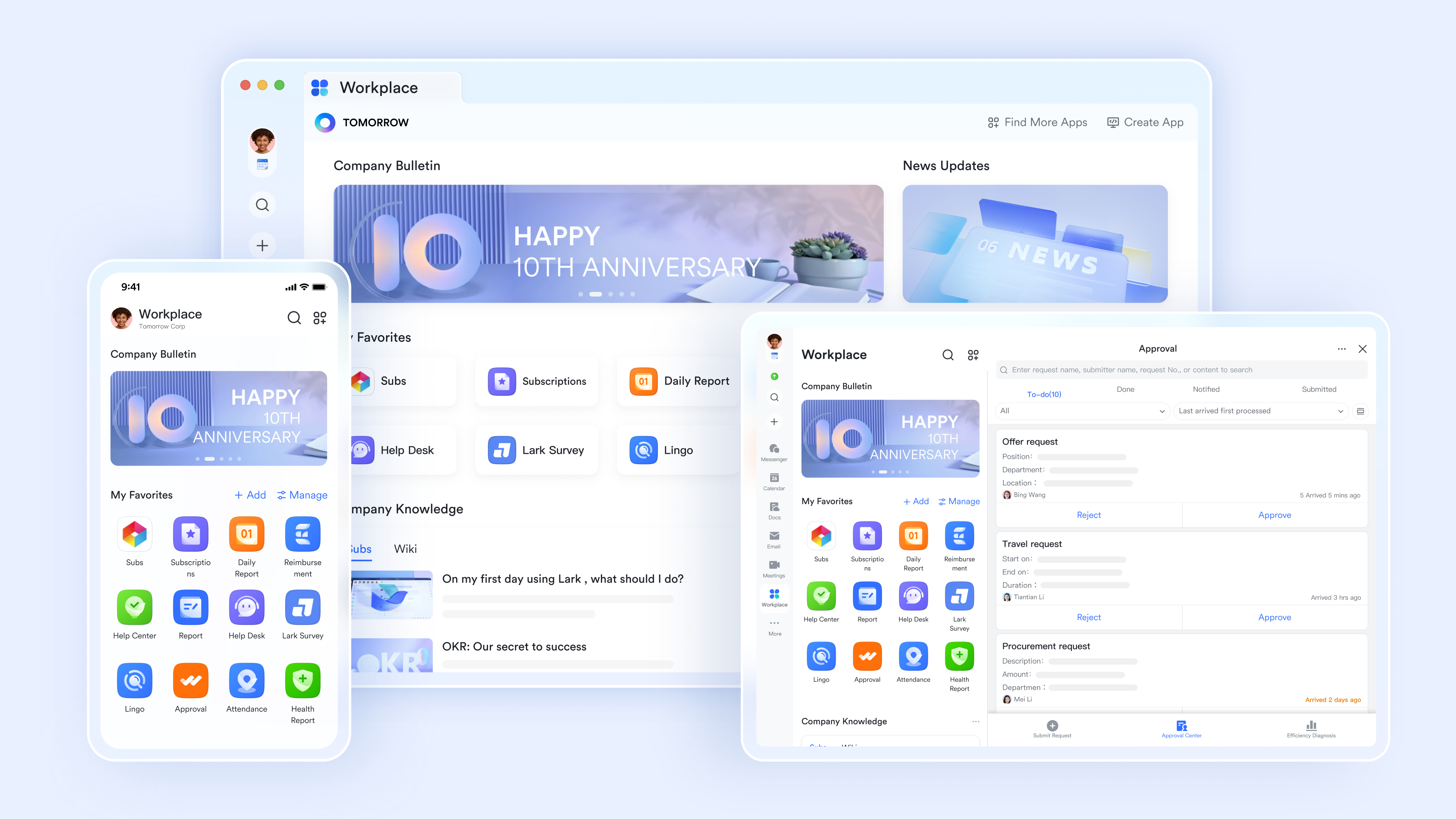
Facilitating real-time collaboration with Lark
Lark's comprehensive suite directly tackles many common pain points discussed throughout this guide. For collaboration, cloud-native allows for real-time co-editing and commenting, eliminating version control issues, while provides flexible database solutions for structured data, helping teams manage information effectively. Project management is further supported by features that enhance workflow and goal alignment.
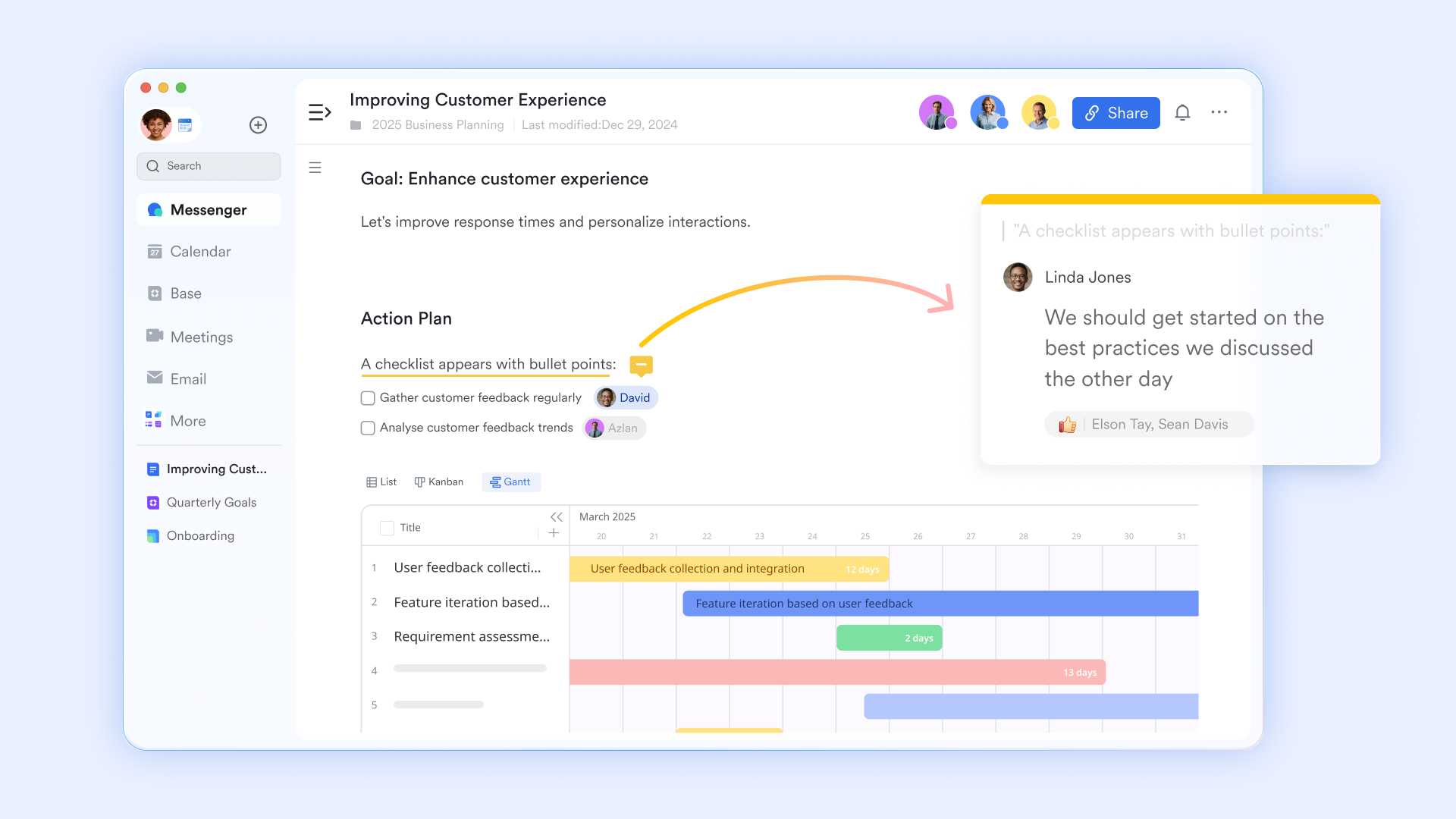
Enhancing productivity through real-world scenarios
Consider a scenario where a software team is working on a critical bug fix. With Lark, the team can immediately initiate a video call using to discuss the issue, and collaboratively edit a diagnostic document in —all within the same application. Approvals for hotfixes can be processed rapidly through custom workflows, ensuring efficiency. This level of integration ensures that information flows freely, decisions are made quickly, and the team can maintain focus on delivering high-quality software efficiently. Lark provides the ecosystem necessary to build and sustain high-performing software teams.
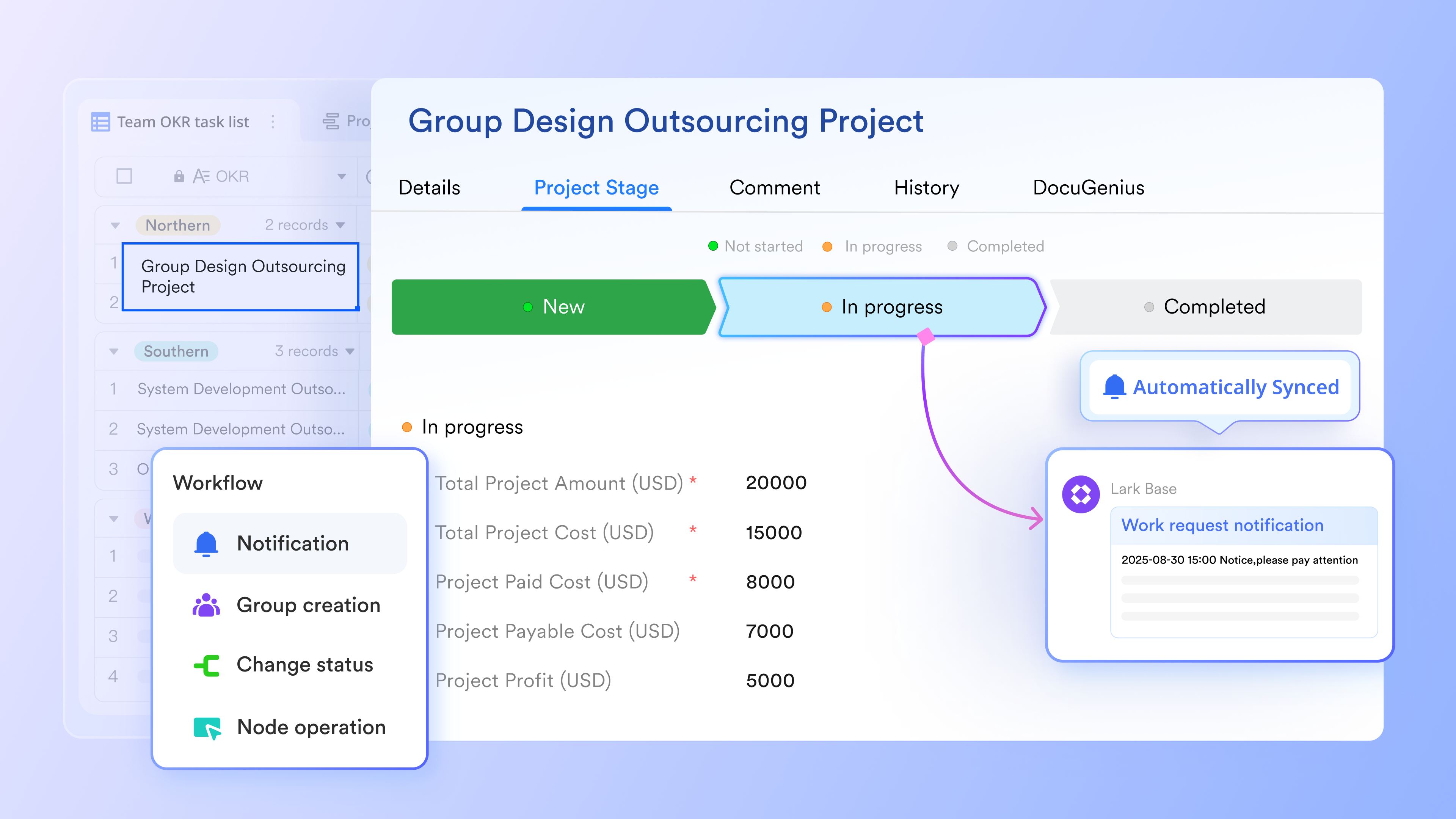
:
- Starter plan: that includes 11 powerful tools for up to 20 users. It also comes with 100GB of storage space, 1000 automation runs, AI translations, and more. No credit card needed.
- Pro plan: (billed annually) for up to 500 users. It includes everything in Starter plus group calling for up to 500 attendees, 15TB of storage space, 50,000 automation runs, and more.
- Enterprise plan: for custom pricing. Supports unlimited users and includes even more automation runs and advanced security, compliance, and management features.
For small teams with simple communication needs

18 months message history
1000 Base automation runs/month
2000 rows per table in Base
Most POPULAR
For companies with comprehensive collaboration and management needs
Unlimited message history
500-participant video meetings
50k Base automation runs/month
20k rows per table in Base
For large companies with advanced security and organizational management needs
Get a personalized demo and pricing
Unlimited message history
500-participant video meetings
15 TB storage + 30 GB storage/user
500k Base automation runs/month
50k Base automation runs/month
Most POPULAR
For companies with comprehensive collaboration and management needs
Unlimited message history
500-participant video meetings
50k Base automation runs/month
20k rows per table in Base
Conclusion
Effectively managing software teams in today’s dynamic landscape requires a multifaceted approach. We've explored the importance of understanding the modern software team's unique characteristics, setting clear expectations and goals, and cultivating robust communication channels. We've also highlighted the necessity of choosing appropriate methodologies and tools, empowering teams through autonomy and trust, and measuring performance with constructive feedback. Finally, we addressed the specific challenges of remote and hybrid environments, the value of continuous learning, and how non-technical managers can lead with confidence.
Ultimately, successful software team management is about striking a balance between people, process, and tools. It's about recognizing that a motivated, well-supported team, operating within clear frameworks and leveraging unified technology, is capable of extraordinary achievements. My hope is that this guide provides you with a practical roadmap to navigate these complexities and lead your team to sustained success.
To streamline your team's operations and enhance collaboration, consider exploring unified solutions like Lark that bring together all aspects of team management. Investing in a platform like Lark can significantly reduce friction and unlock your team's full potential, offering a unified workspace for communication, project management, and document collaboration.
Unlock your team's full potential with Lark
FAQs
What are the biggest challenges in managing software teams?
The biggest challenges often include maintaining clear communication, setting realistic expectations, managing distributed teams effectively, ensuring consistent code quality, and motivating team members amidst project pressures.
How can I improve communication within my software team?
Improving communication involves establishing clear communication protocols, using unified platforms to centralize discussions, encouraging psychological safety for open dialogue, and balancing synchronous and asynchronous communication methods to suit diverse team needs.
What project management methodologies are best for software development?
Popular methodologies include Agile, Scrum, and Kanban. The "best" choice depends on the project's nature, team size, and specific requirements. Agile provides flexibility and iterative development, Scrum offers structured sprints, and Kanban focuses on continuous flow and limiting work-in-progress.
How do you motivate a software development team?
Motivating a software team involves empowering them with autonomy, recognizing their contributions, providing opportunities for professional growth, offering constructive feedback, and connecting their work to the broader organizational vision.
What tools are essential for managing a remote software team?
Essential tools for remote software teams include unified communication platforms (combining chat, video conferencing), project management software for task tracking and visualization, and collaborative document editing tools. Solutions that offer a unified workspace are particularly beneficial.
Related reading