














Agile Project Management: Benefits, Challenges & Tools

Ryan Tanner
Product Marketing Specialist
Sep 18, 2026
Ryan Tanner
Sep 18, 2026

15 min read


If you've ever wondered why some teams deliver faster, adapt better, and seem more in sync, the answer often lies in Agile. But before diving into benefits, challenges, and tools, let's first understand the basics: What is agile project management methodology?
In simple terms, Agile is a project management approach that emphasizes flexibility, collaboration, and delivering value in short, repeatable cycles. Instead of locking into a rigid plan, the Agile methodology in project management encourages teams to adapt as they go, respond to feedback, and stay aligned with changing business needs. It's less about following rules to the letter and more about creating outcomes that truly matter.
Now, you might be asking yourself, "What is Agile methodology in project management?", or "why does it matter so much today?" Wait no more; let this guide unveil everything mysterious for you!
What is agile project management methodology
Agile methodology project management is a modern approach that emphasizes flexibility, collaboration, and delivering value in short cycles. Instead of rigid planning, Agile focuses on iterative progress, allowing teams to adapt quickly to change. Work is broken down into smaller increments, called sprints, where teams prioritize customer feedback and continuous improvement. This reduces risks, accelerates delivery, and ensures the end product aligns closely with user needs. Today's project management tools are built to support this iterative way of working. When people ask what is agile project management methodology is, the most straightforward answer is that it's a way of managing projects that welcomes change and keeps the customer at the center. It's now a popular choice for organizations of all sizes, especially in industries where speed and adaptability matter most.
Key principles of agile methodology in project management
To truly understand what agile methodology project management is, it's important to look at the core principles behind it. These principles define how Agile teams work, adapt, and deliver results. More than just a process, Agile project management methodology is a mindset built on collaboration, transparency, and continuous delivery of value. Below are four of the most important principles that guide Agile teams today.
- Customer collaboration over contract negotiation: Agile values direct collaboration with customers more than sticking rigidly to contracts. Teams frequently engage with users, gather feedback, and adjust the product to meet real-world needs. This ensures solutions are not just compliant with initial agreements but genuinely useful to end users. By making customers part of the journey, Agile builds trust and long-term satisfaction.
- Responding to change over following a plan: Plans are important, but in Agile they are flexible, not fixed. Teams are encouraged to adapt quickly when new insights, customer feedback, or market shifts emerge. Instead of resisting change, Agile methodology project management treats it as a chance to stay relevant and deliver better value. This flexibility is what makes Agile stand out compared to traditional methods.
- Delivering working solutions frequently: Agile avoids the risk of "big bang" deliveries at the end of a project by focusing on smaller, usable outputs throughout. By releasing functional solutions frequently, teams keep stakeholders engaged and informed. This iterative delivery reduces wasted effort and ensures the project always aligns with evolving needs. It also keeps motivation high, as progress is visible and meaningful.
- Cross-functional, self-organizing teams: One of the strongest aspects of project management Agile methodology is the way it empowers teams. Agile teams are cross-functional, bringing together diverse skills to solve problems faster. Instead of relying on top-down control, they self-organize, make decisions, and take ownership of outcomes. This not only improves accountability but also sparks creativity and innovation across the team.
Agile frameworks and approaches
Agile isn't a single method—it's a family of approaches that help teams adapt quickly and deliver value continuously. Here are some of the most widely used frameworks:
- Scrum: Perhaps the most popular Agile framework, Scrum organizes work into sprints—short, time-boxed iterations that drive progress. Defined roles such as Product Owner, Scrum Master, and Development Team ensure accountability. Ceremonies like stand-ups, sprint reviews, and retrospectives keep the team aligned and focused on continuous improvement.
- Kanban: Kanban emphasizes visualizing work and limiting work in progress. By using boards and cards, teams see exactly where tasks are and where bottlenecks form. This focus on flow makes it ideal for continuous delivery environments, where speed and visibility are critical.
- Lean: While not exclusively Agile, lean principles often overlap with Agile. Lean emphasizes cutting waste, focusing on customer value, and delivering fast. When applied within Agile teams, it sharpens priorities and makes workflows more efficient—combining adaptability with efficiency.
- Hybrid models: Many organizations blend methodologies to suit their context. For example, Agile-Waterfall hybrids allow teams to use Agile practices for development while keeping Waterfall-like structures for compliance-heavy documentation. This flexibility helps large organizations balance innovation with structure.

Practice from now: Try Lark for agile project management
Agile methodologies often face challenges like cultural resistance, scaling issues, and fragmented toolsets. These problems frequently stem from misaligned communication and scattered systems. Lark addresses these issues by unifying communication, planning, execution, and review into one cohesive platform. This allows teams to practice Agile as intended—with speed, transparency, and collaboration—without the constant friction of switching between multiple applications.
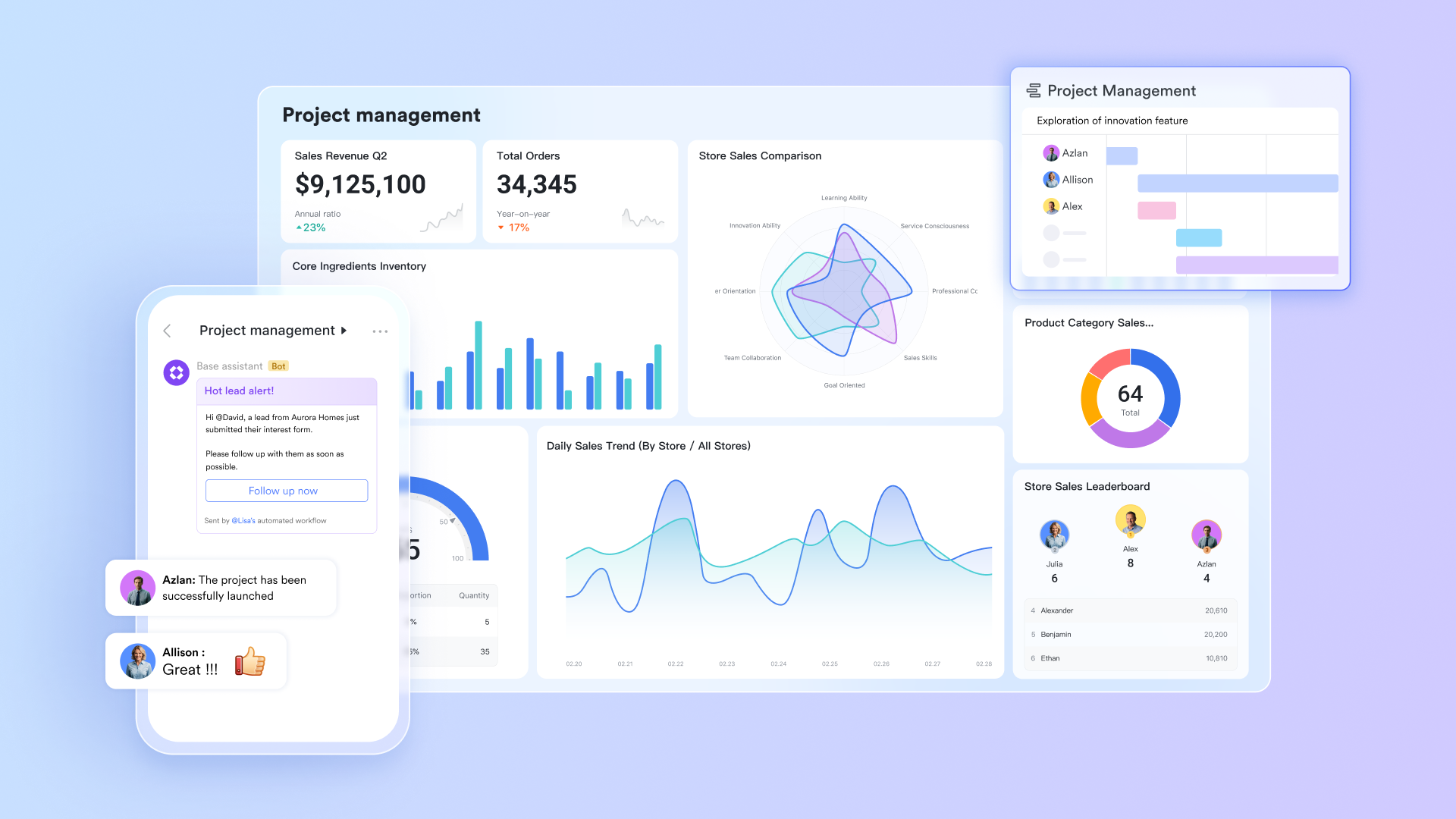
Setting goals and alignment
Successful Agile projects begin with a clear, shared vision. Lark helps teams set that foundation through:
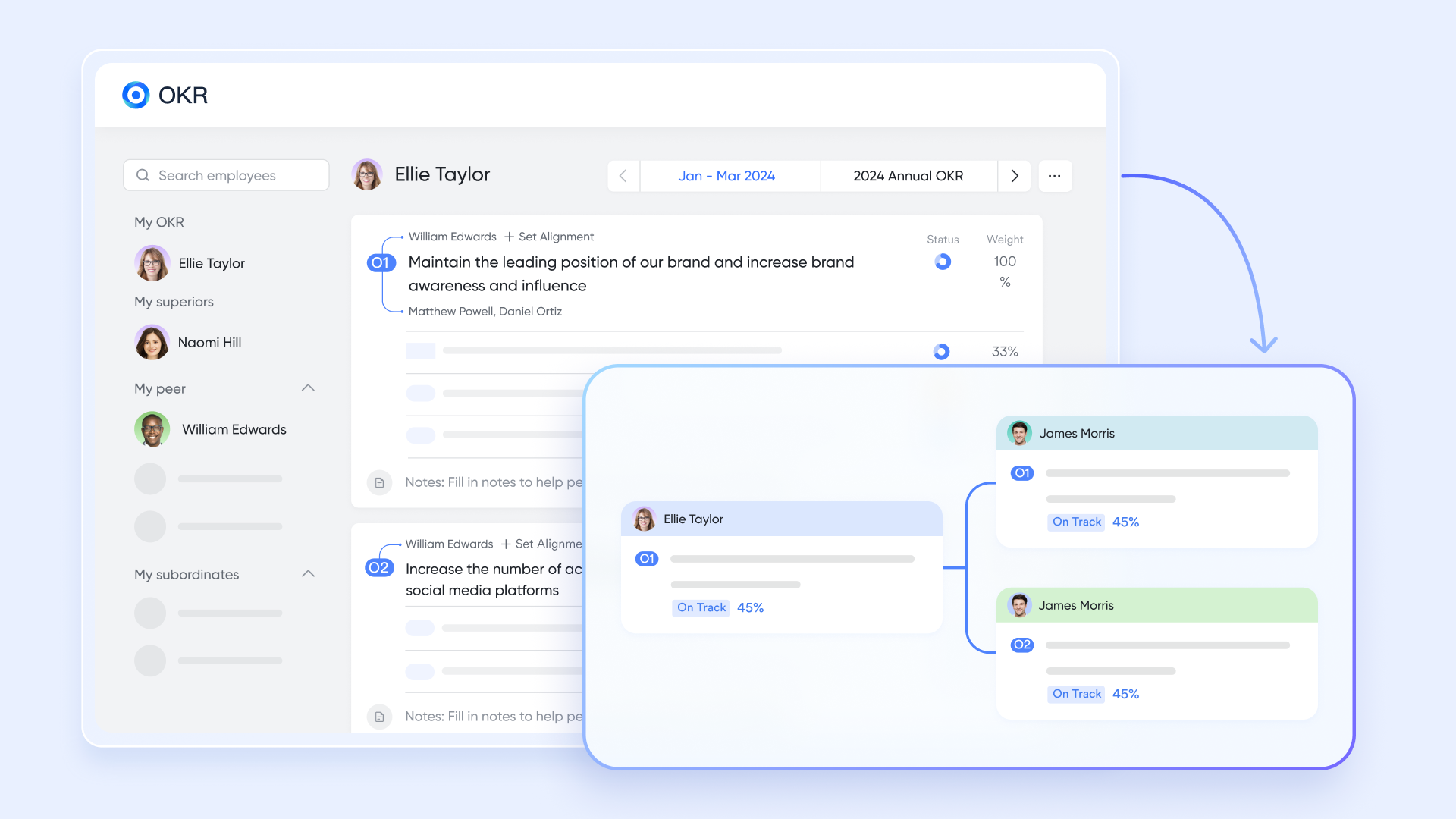
- OKRs and Approvals: With built-in OKR tracking, teams can define measurable outcomes and connect them directly to their work. Approvals ensure that goals are agreed upon and supported across the team, reducing ambiguity. This structure guarantees that everyone's effort contributes meaningfully to the bigger picture, keeping focus sharp throughout the project.
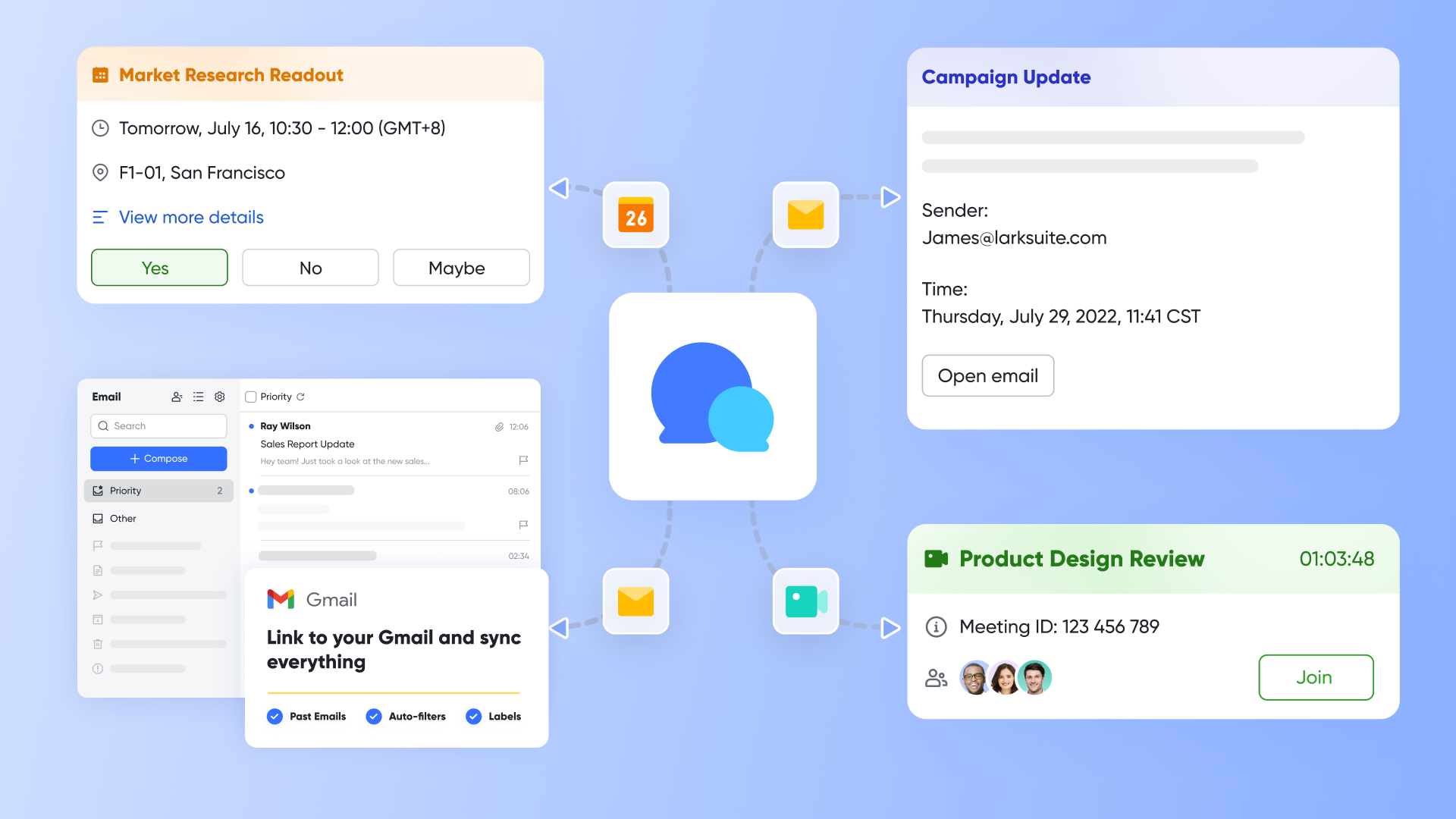
- Lark Mail: Communication shouldn't stop at the team's borders. Lark Mail makes it easy to share goals, milestones, and updates with external stakeholders like clients or partners. This creates transparency beyond the organization and ensures alignment isn't limited to internal discussions.
Sprint planning and organization
Structured planning is essential for a productive sprint, and Lark makes it seamless:
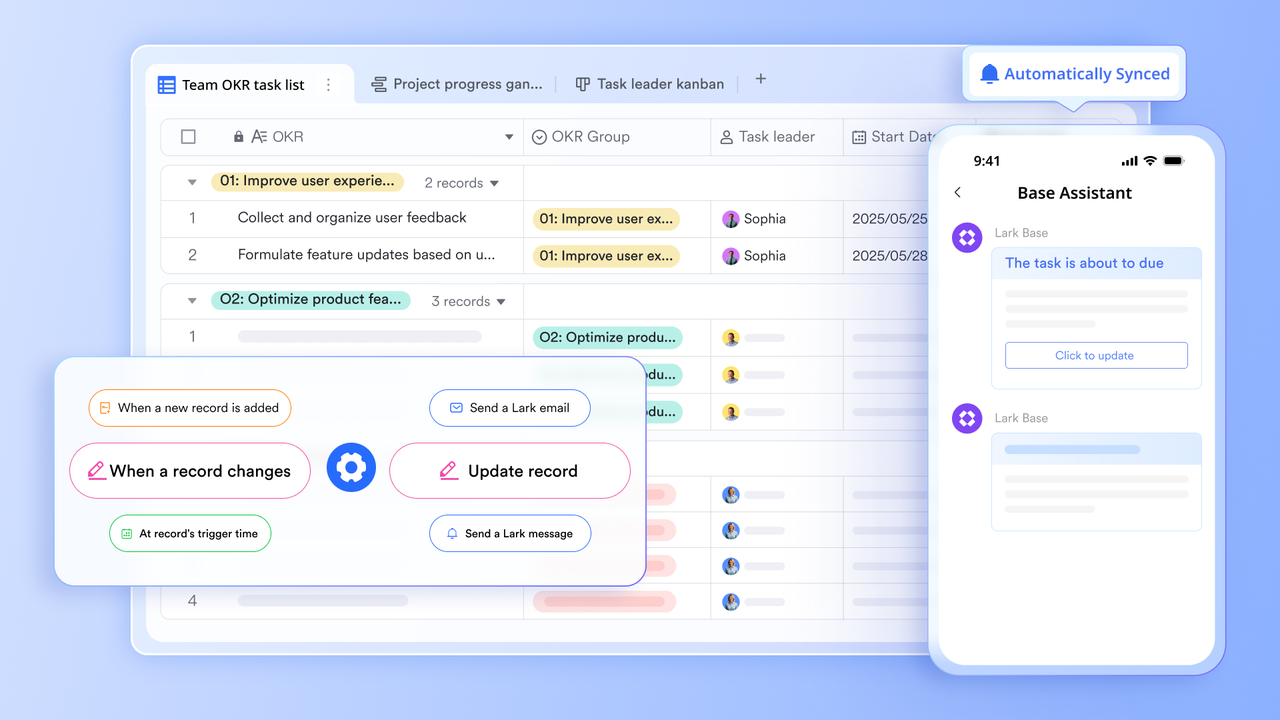
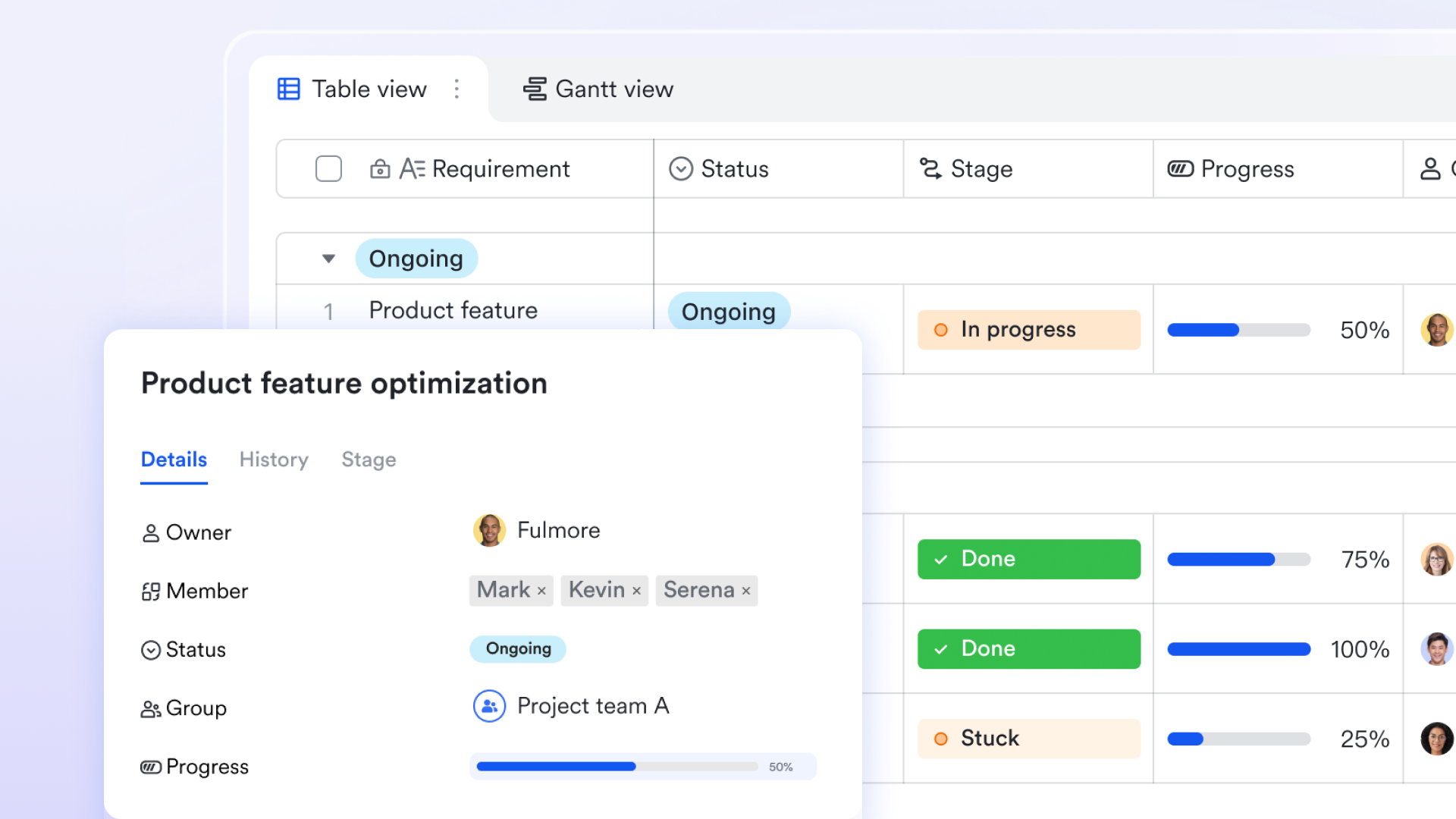
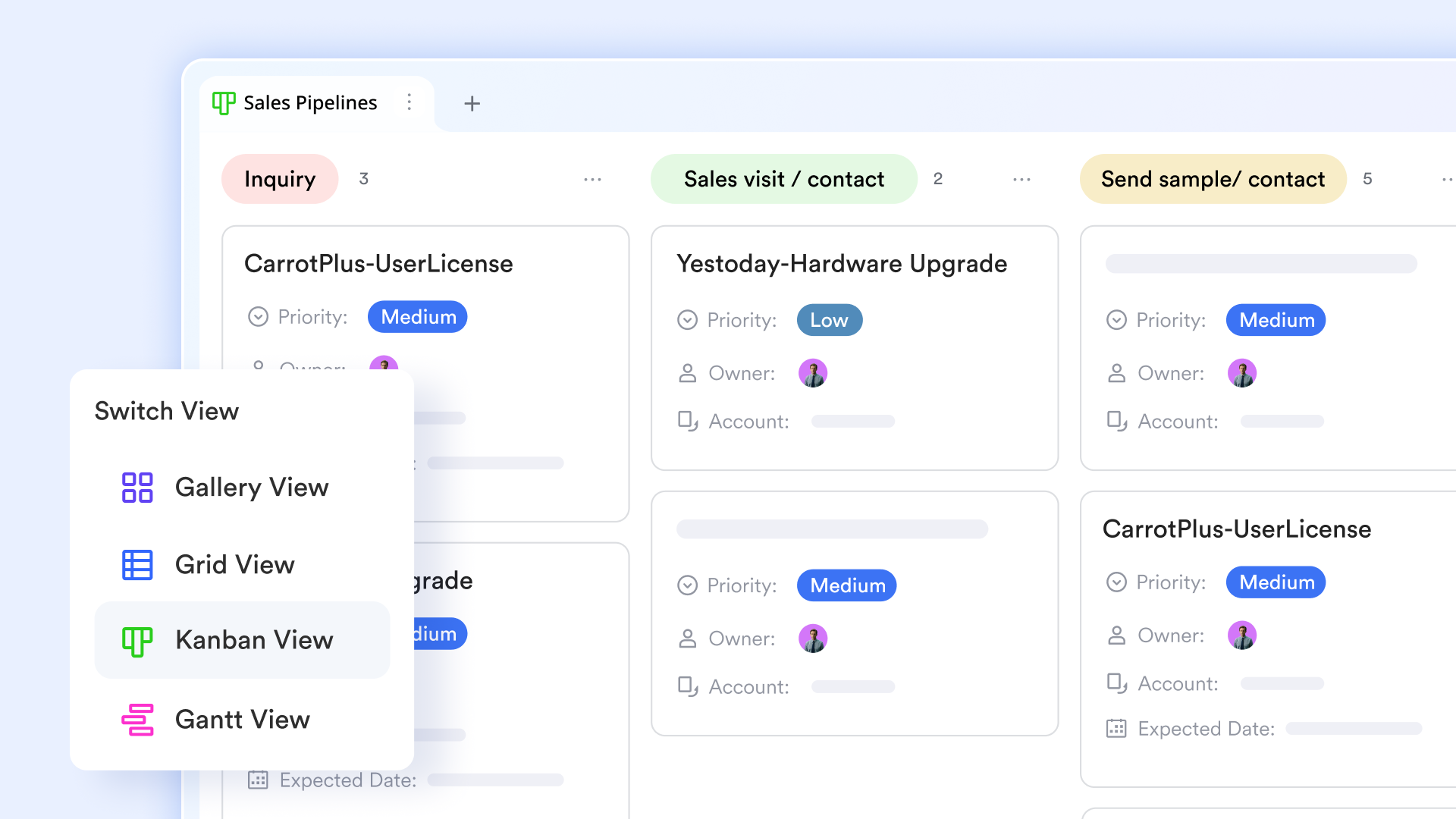
- Lark Base: Acting as a no-code database, Lark Base lets teams manage backlogs, prioritize user stories, and organize sprint tasks visually. Its customizable views—such as Kanban boards or tables—adapt to different workflows, so every team can plan in the way that suits them best. This flexibility ensures teams are never locked into a one-size-fits-all structure.
- Calendar: Agile ceremonies like sprint planning, reviews, and retrospectives are essential, but they're often missed without proper scheduling. Lark's Calendar integrates directly with tasks and meetings, ensuring all ceremonies are visible and reminders are sent. This consistency helps teams stick to routines that drive accountability and progress.
Execution and collaboration
Agile thrives on rapid communication and visible progress, and Lark brings both into one place:
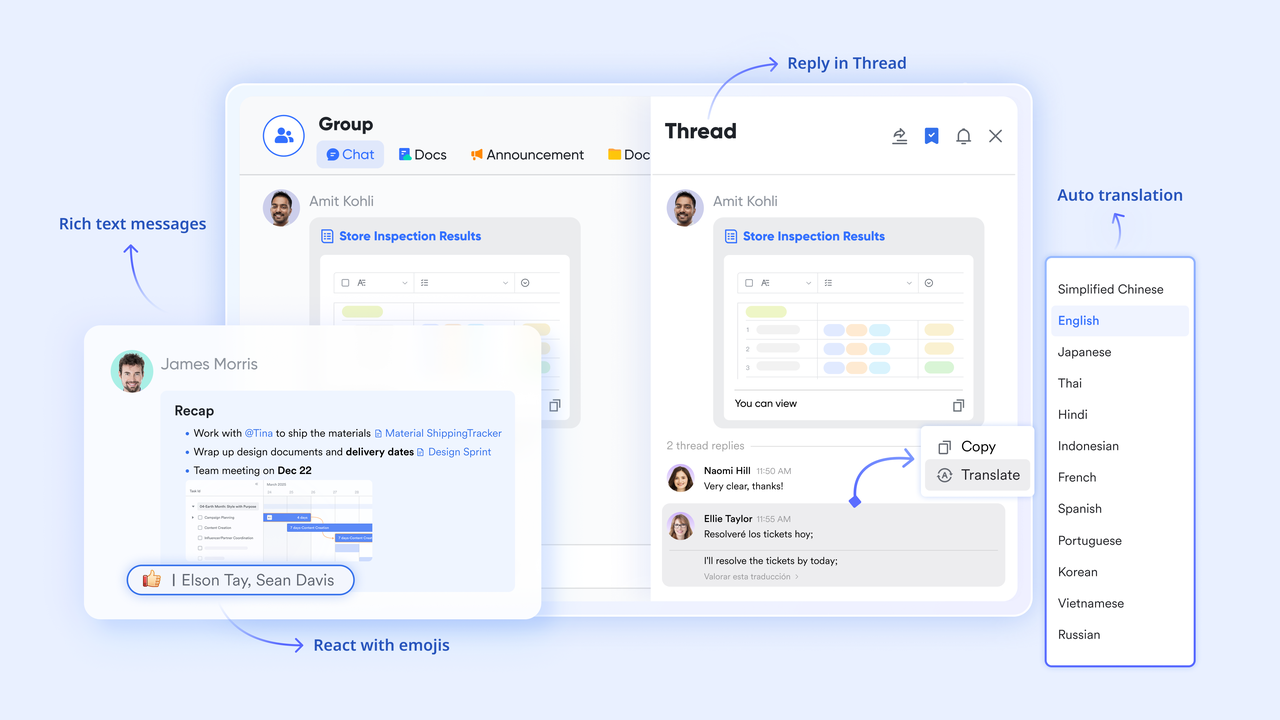
- Messenger: Quick feedback is vital in Agile. Lark Messenger allows team members to raise blockers, share updates, and collaborate instantly without slowing momentum. Real-time chats reduce delays and keep communication human-centered, echoing Agile's focus on individuals and interactions.
- Tasks: Lark Tasks provide Kanban-style boards that show task progress at a glance. Each card reflects a real piece of work, moving seamlessly from "To Do" to "Done." Automation takes care of repetitive updates, ensuring that team members can spend their energy on delivering value rather than administrative tracking.
Monitoring and risk control
Agile requires continuous tracking of progress and proactive risk management. Lark supports this with:
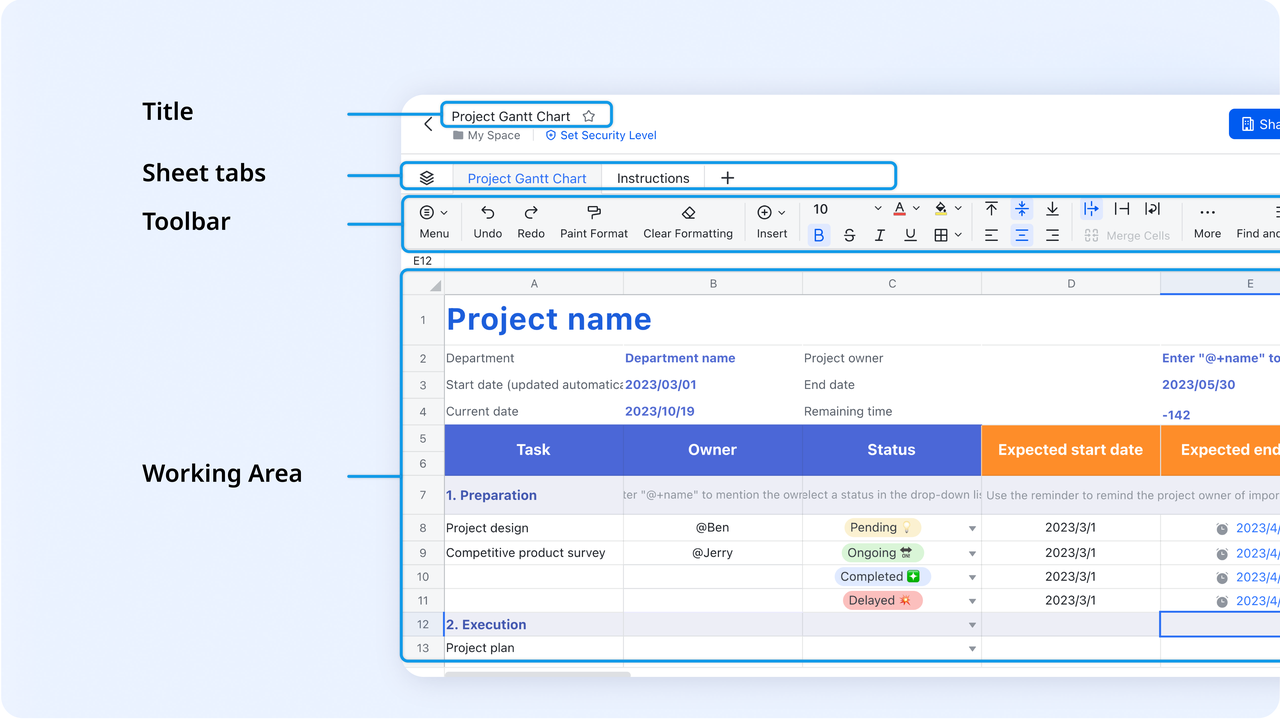
- Sheets: With Lark Sheets, teams can track velocity, create burndown charts, and analyze key performance metrics in real time. This data-driven view highlights trends and potential risks before they escalate. Teams can then adapt quickly, ensuring they don't fall behind on commitments.
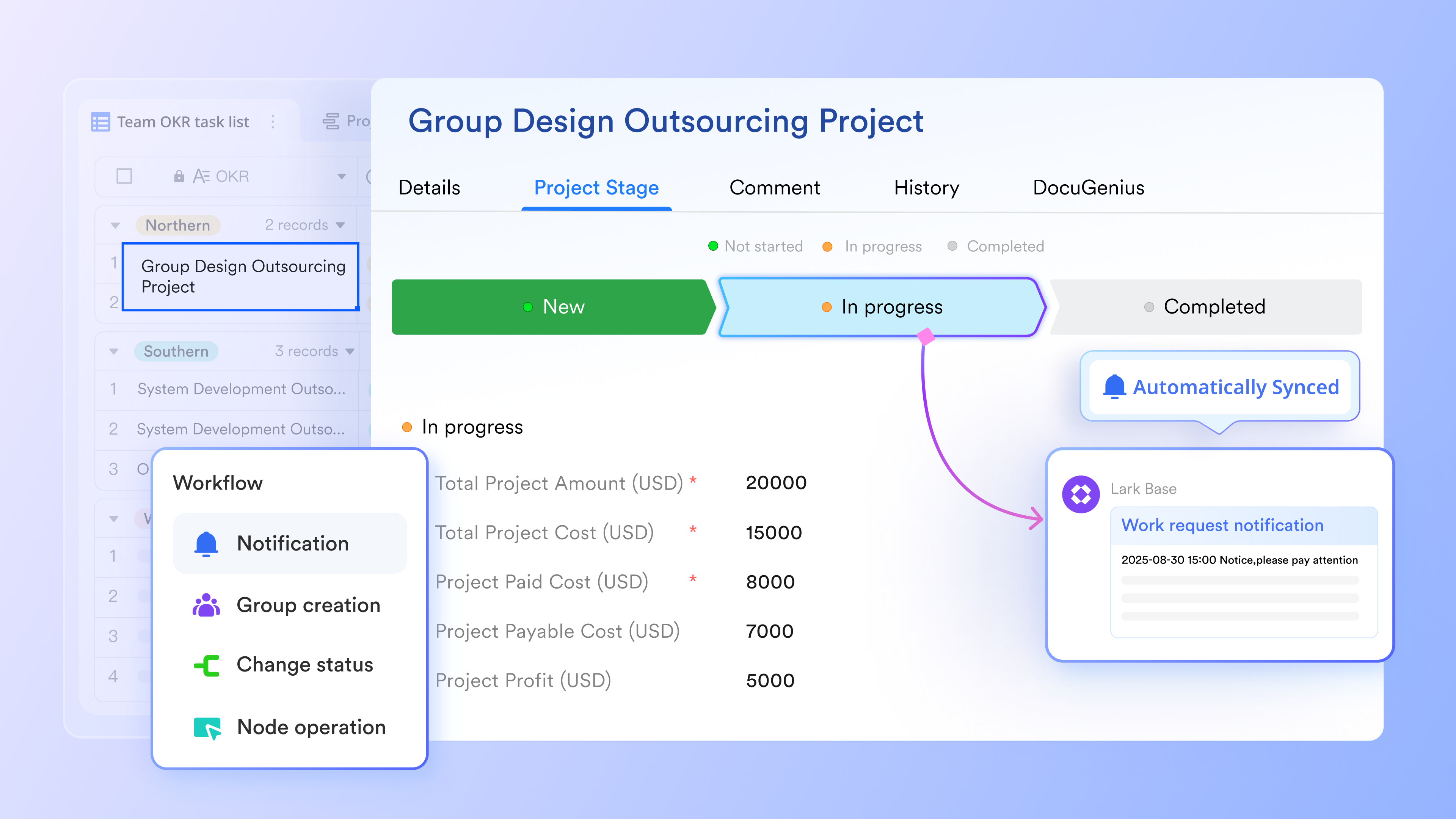
- Approval Workflows: Bottlenecks often occur when decisions are delayed. Lark's Approval Workflows streamline the sign-off process, allowing leaders to review and approve work directly within the platform. This reduces waiting time and keeps projects moving smoothly.
Reviews and continuous improvement
Continuous improvement is at the heart of Agile, and Lark makes it part of the workflow:
- Meetings: With integrated video and scheduling, teams can run retrospectives and sprint reviews seamlessly. Every participant has the opportunity to share feedback, and action items are easily documented within the same workflow. This strengthens accountability and ensures improvements are applied in the next sprint.

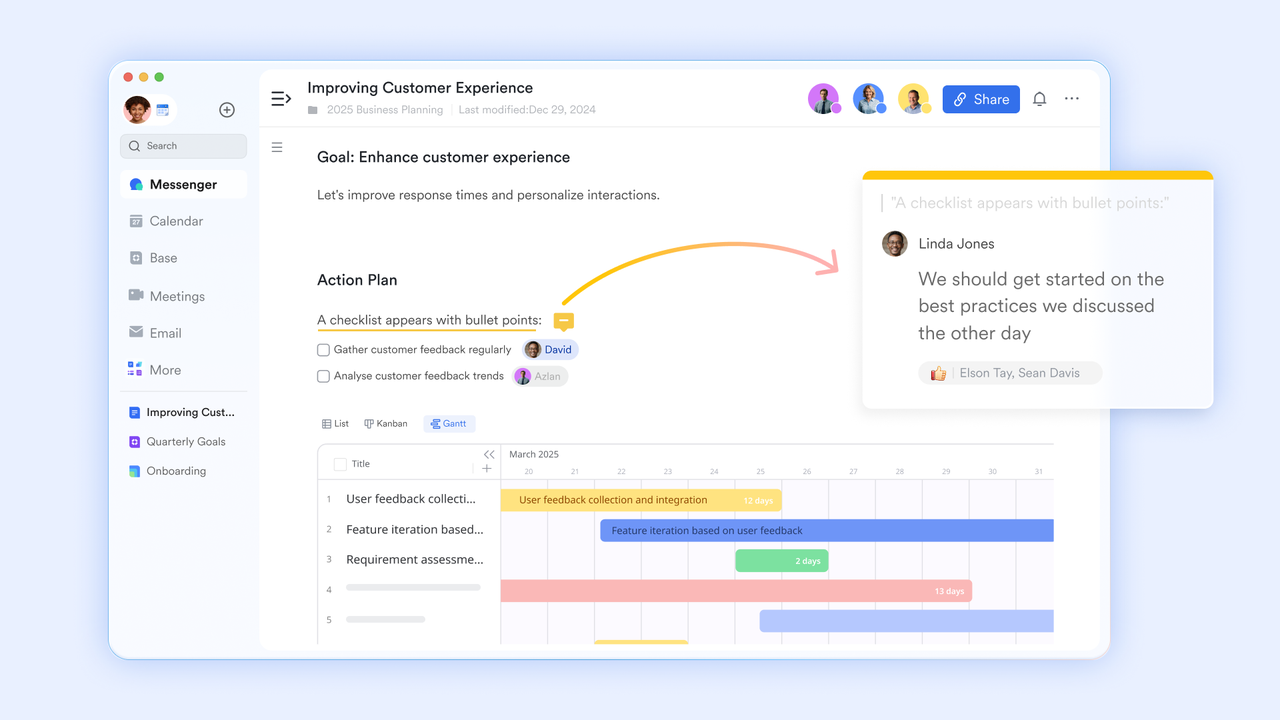
- Docs & Wiki: Learnings don't disappear after meetings—they're captured in Docs & Wiki for future reference. Teams can store key insights, outcomes, and next steps in a central knowledge base. Over time, this creates a growing library of best practices, helping teams continuously refine how they work.
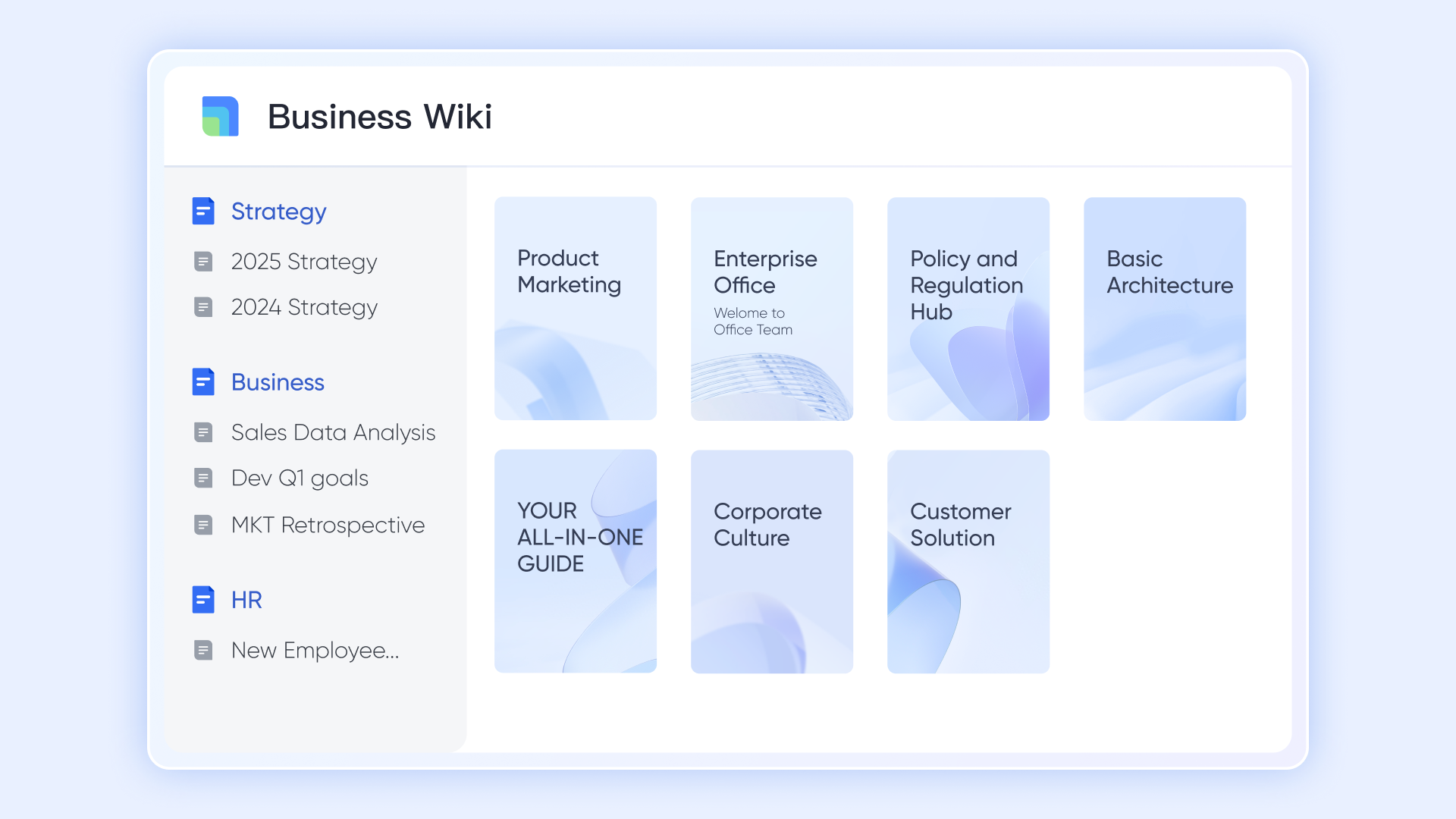
The key takeaway: Lark unifies collaboration in one platform, reducing the need to juggle multiple applications. Teams gain the agility to plan, execute, monitor, and improve without tool fatigue—turning Agile from a theory into a practice that sticks.
Benefits of agile project management methodology
When businesses talk about moving faster, staying flexible, and keeping customers happy, Agile is usually part of the conversation. But what makes it so impactful isn't just the buzz around it—it's the very real benefits teams experience when they adopt this way of working. Let's examine some of the key advantages of the Agile project management methodology.
- Faster delivery & adaptability: Agile flips the traditional project model on its head. Instead of waiting until the very end to see results, work is broken into smaller, manageable chunks that deliver value sooner. This means teams can show progress quickly and respond to changes without derailing the entire project. In a world where customer needs and market trends change overnight, that adaptability is a serious advantage.
- Improved customer satisfaction: Customers don't just want products; they want products that feel tailor-made to their needs. Agile makes this possible by involving them throughout the project, not just when everything's done. Regular feedback loops ensure the final outcome actually solves their problems and matches their expectations. As a result, customers feel heard, valued, and more invested in the project's success.
- Better visibility & transparency: One of the common frustrations in traditional projects is not knowing what's happening until the final stages. Agile tackles this head-on by making progress visible at all times—through tools such as boards, stand-ups, and sprint reviews. Everyone, from the project team to stakeholders, can clearly see what's being worked on and where challenges lie. That level of transparency builds trust and ensures no one is left in the dark.
- Empowered teams & continuous improvement: Agile doesn't just improve processes; it improves people. Teams are encouraged to take ownership, collaborate, and make decisions, which boosts morale and accountability. And with regular retrospectives, the focus isn't only on getting work done—it's also on learning and improving along the way. This creates a cycle of growth where each project becomes smoother, brighter, and more effective than the last.
Common challenges in adopting Agile
Adopting Agile isn't just about picking a new framework or holding daily standups—it often requires a complete shift in mindset, culture, and processes. While the benefits are clear, many teams run into roadblocks when trying to make Agile a reality. Here are some of the most common challenges organizations face when moving toward Agile ways of working:
- Cultural resistance to change: Perhaps the biggest hurdle in Agile adoption is people's natural resistance to change. Teams and leaders who are used to traditional project management may find it difficult to adjust to Agile's flexibility and collaborative style. Without buy-in at every level, adoption can feel forced, leading to friction and half-hearted implementation. Overcoming this requires strong leadership, clear communication, and a focus on demonstrating early wins.
- Lack of experience or Agile knowledge: Agile may look simple on paper, but in practice, it demands a deep understanding of principles, roles, and ceremonies.Teams without prior experience often struggle with the nuances of sprint planning, backlog management, or continuous delivery. Without proper training and coaching, Agile can easily be misunderstood or misapplied, reducing its effectiveness. Organizations need to invest in education and guidance to ensure their teams don't just "do Agile" but truly embrace it.
- Scaling Agile for large teams or enterprises: Agile thrives in small, cross-functional teams, but scaling it across large departments or entire enterprises introduces complexity. Coordinating multiple teams, aligning goals, and maintaining consistent practices while preserving flexibility can feel overwhelming. Frameworks like SAFe or LeSS attempt to address this, but they also come with added structure and overhead. Success in scaling Agile requires balancing autonomy with alignment and finding the right model for the organization's size and culture.
- Tools and technology gaps: Agile is built around collaboration, visibility, and fast feedback loops—and that's hard to achieve without the right tools. Many teams face challenges if they lack proper platforms for task tracking, communication, or workflow automation. Technology gaps can slow down adoption, making Agile feel clunky instead of streamlined. Investing in flexible, user-friendly tools is critical to supporting Agile practices effectively.
Best practices for implementing Agile methodology in project management
Adopting Agile isn't just about following a set of ceremonies—it's about shifting how teams think, work, and deliver value. To make Agile stick and unlock its full benefits, organizations need to be intentional in their approach. Here are some proven best practices to guide a smoother, more effective Agile implementation.
- Start small, scale gradually: Jumping into Agile across the entire organization at once can feel overwhelming and often leads to resistance. A smarter approach is to start with a small pilot team or project, where new practices can be tested and refined. Once the team sees success, it becomes easier to replicate and scale those practices across larger groups, building momentum and buy-in organically.
- Encourage open communication: Agile thrives on transparency and collaboration. Teams need to feel comfortable sharing progress, raising blockers, and giving feedback without hesitation. Encouraging open communication through daily standups, regular check-ins, and collaborative tools fosters trust and keeps everyone aligned on shared goals.
- Measure performance with Agile KPIs: Without metrics, it's hard to know whether Agile is working effectively. Tracking KPIs such as sprint velocity, burndown rates, cycle time, or customer satisfaction provides valuable insights into performance. These metrics help teams identify what's working, where improvements are needed, and how to evolve their Agile practices continuously.
- Invest in the right tools (like Lark) to simplify workflows: The success of Agile also depends on having the proper digital foundation. Scattered or outdated tools can slow down communication and make it harder to stay aligned. Platforms like Lark simplify workflows by bringing messaging, task boards, planning, documents, and performance tracking into one place. This reduces tool fatigue and gives teams everything they need to practice Agile efficiently.
Conclusion
At its core, Agile project management methodology is about flexibility, adaptability, and collaboration. By breaking work into smaller cycles, prioritizing customer feedback, and encouraging continuous improvement, Agile helps teams deliver value faster while staying aligned with changing needs.
But success with Agile doesn't just depend on ceremonies or frameworks—it comes from the right mindset and the right tools. When teams embrace openness, measure performance, and rely on platforms like Lark to unify workflows, Agile moves from theory into practice.
In today's fast-changing business environment, organizations that master Agile aren't just keeping up—they're staying ahead.
FAQs
Is Agile methodology only used in software development?
Not at all. While Agile first gained popularity in software development, its principles of flexibility, collaboration, and iterative delivery are now applied across industries. Marketing teams, product designers, operations groups, and even HR departments successfully use Agile methodology in project management to stay adaptive and deliver faster results.
How does Agile differ from Scrum and Kanban?
Agile is the overarching philosophy that guides flexible project management, while Scrum and Kanban are frameworks that put Agile into practice. Scrum organizes work into time-boxed sprints with defined roles and ceremonies, whereas Kanban focuses on visualizing tasks and limiting work in progress to improve flow. Both sit under the broader umbrella of project management Agile methodology.
What certifications are available for Agile project managers?
Several certifications can help professionals deepen their expertise in Agile. Popular options include PMI-ACP (Agile Certified Practitioner), Certified ScrumMaster (CSM), and SAFe Agilist for those working in scaled Agile environments. These certifications validate knowledge of what is Agile methodology in project management and demonstrate the ability to lead Agile teams effectively.
Can Agile project management work for remote or hybrid teams?
Yes, Agile is highly effective for remote and hybrid teams when supported by the right tools. Virtual standups, online Kanban boards, and collaboration platforms like Lark ensure communication, visibility, and alignment remain strong—even when teams are distributed across different locations. In fact, Agile's emphasis on transparency and quick feedback loops makes it well-suited for remote collaboration.
How do you measure success in Agile project management?
Success in Agile is measured through a mix of performance and value metrics. Common Agile KPIs include sprint velocity, burndown rates, lead time, and customer satisfaction scores. By tracking these metrics, teams can assess progress, identify improvement opportunities, and ensure their Agile methodology project management approach continuously delivers value.
Related reading
Table of contents
Start using Lark today

Manage all your work in one place
Boost team efficiency by 10x
Save up to 70% on software costs
Table of contents
Start using Lark today
Manage all your work in one place
Boost team efficiency by 10x
Save up to 70% on software costs
Keep reading







2026 Lark Technologies Pte. Ltd.
Headquartered in Singapore with offices worldwide.






Explore: