














CRM Best Practices: Strategies for Success and Long-Term Growth

Ryan Tanner
Product Marketing Specialist
Sep 18, 2026
Ryan Tanner
Sep 18, 2026

18 min read


A well-implemented CRM can strengthen customer relationships, streamline workflows, and drive long-term growth—but success depends on proper management. Many businesses invest in CRM tools expecting quick results, only to encounter challenges like inconsistent data, poor user adoption, and siloed communication. To unlock a CRM's full potential, organizations must define clear goals, maintain clean data, and foster collaboration across teams.
In this guide, we'll break down the top CRM best practices for setup, management, and long-term success. Here is the quick list: Top 10 CRM best practices for 2025
1. Set clear CRM goals: Define measurable outcomes and align your CRM with business objectives.
2. Maintain clean, centralized data: Keep records consistent and accurate across teams.
3. Drive user adoption: Choose a simple, accessible CRM that teams actually use daily.
4. Automate repetitive tasks: Save time with smart workflow automation and reminders.
5. Connect communication and collaboration: Link chats, emails, and meetings with CRM data.
6. Ensure data hygiene: Audit and update CRM information regularly for reliability.
7. Personalize engagement: Use CRM insights to tailor outreach and strengthen relationships.
8. Monitor performance metrics: Track KPIs, deal cycles, and activity trends with dashboards.
9. Encourage cross-team usage: Involve sales, marketing, and support in one shared CRM space.
10. Evolve your CRM continuously: Review, refine, and scale your CRM as your business grows.

What are CRM best practices?
CRM best practices are proven strategies that help businesses implement, manage, and optimize their customer relationship management systems effectively. They include setting clear goals, maintaining data quality, ensuring user adoption, and leveraging automation for efficiency.
Following CRM implementation best practices ensures smooth onboarding, while CRM data hygiene best practices keep customer records accurate and actionable. Organizations also benefit from CRM data management best practices, which centralize insights for better collaboration. When applied consistently, these best practices in CRM drive higher productivity, improved customer satisfaction, and stronger relationships—maximizing ROI from every CRM investment.
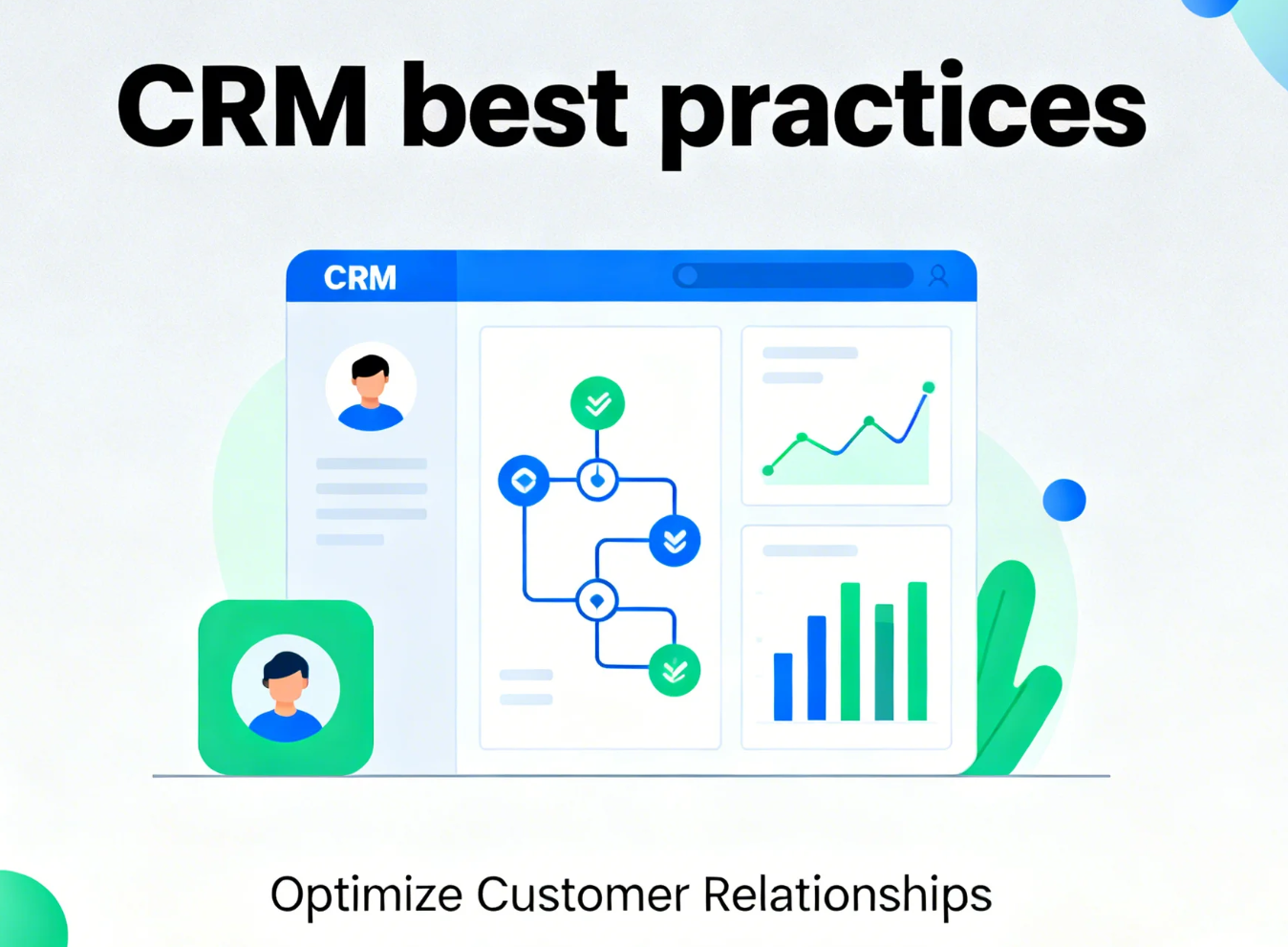
Image source: unsplash.com
Why following CRM best practices matters
Following CRM best practices is essential for maximizing the value of your customer relationship management system. A well-structured CRM strategy improves efficiency, strengthens customer engagement, and enables teams to make data-driven decisions. By focusing on CRM data management best practices, CRM adoption best practices, and CRM data hygiene best practices, businesses can build scalable, high-performing systems that drive long-term success. Here's why these practices matter for every organization:
- Ensures consistent and accurate data across teams: Accurate data is the foundation of every successful CRM. Applying CRM data hygiene best practices eliminates duplicates, aligns departments, and ensures all teams work with reliable, up-to-date information.
- Improves CRM adoption and engagement among employees: When businesses follow CRM adoption best practices, employees find the system intuitive and valuable to daily workflows. This leads to higher participation, smoother collaboration, and stronger alignment between sales, marketing, and customer service teams.
- Enables better decision-making through clean, connected insights: Implementing CRM data management best practices centralizes customer information and reveals actionable insights. Clean, integrated data supports smarter forecasting, personalized engagement, and faster decision-making across departments.
- Supports scalability and process automation: By adopting CRM implementation best practices, organizations can automate repetitive tasks and streamline processes. This scalability allows teams to manage growing customer bases efficiently without sacrificing accuracy or performance.
- Maximizes ROI from CRM investments: Applying best practices in CRM ensures that technology investments translate into measurable outcomes. Businesses gain higher productivity, improved retention rates, and stronger relationships—achieving lasting returns from their CRM system.
10 CRM best practices & ways to implement
Implementing the right CRM best practices helps organizations turn their software into a true growth engine. These strategies enhance efficiency, improve data quality, and boost collaboration across departments. Below are the ten best practices in CRM software that ensure smooth implementation, sustainable adoption, and long-term business success.
1. Define clear CRM goals before implementation
A successful CRM implementation starts with a clear understanding of what your organization wants to achieve. Without well-defined objectives, even the most advanced CRM system can fail to deliver measurable results. Teams should identify both short-term and long-term goals, such as increasing lead conversion rates, improving client retention, shortening response times, or enhancing cross-department collaboration.
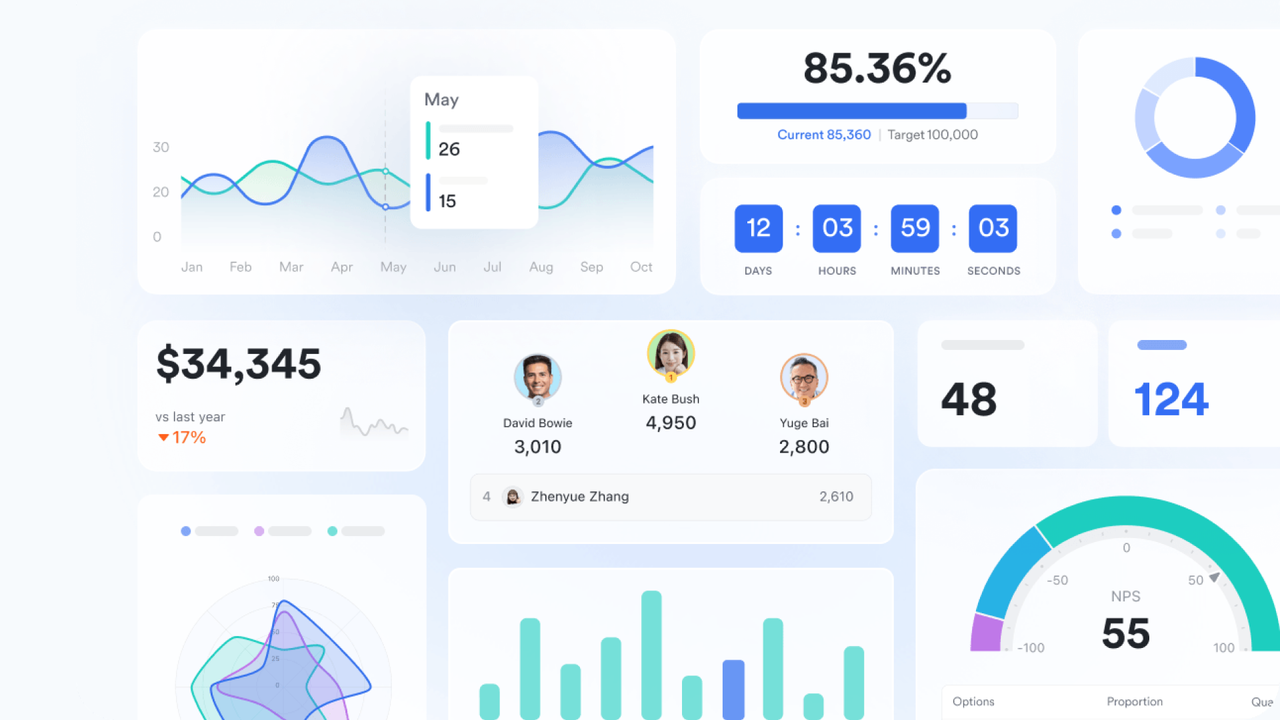
How Lark helps: With Lark Base, teams can map their goals into tangible CRM structures. You can create custom data fields, tags, and dashboards tailored to each team's objectives. For instance, a sales team can track conversion funnels, monitor lead stages, and analyze win/loss trends, while a customer service team can track response times, resolution rates, and satisfaction metrics —all in a single, connected workspace. Lark's flexibility allows for role-specific dashboards and KPIs, ensuring that each department's CRM activities align directly with measurable business outcomes.
This structured approach ensures that your CRM implementation is not just a software deployment but a strategic tool that drives performance, accountability, and measurable growth across the organization.
2. Ensure clean, consistent, and centralized data
Data accuracy is the cornerstone of a high-performing CRM. Without clean and consistent data, businesses risk making decisions based on incomplete or outdated information, which can lead to missed opportunities, misaligned strategies, and frustrated customers. Duplicate contacts, fragmented records, and inconsistent data entry are common pitfalls that reduce the effectiveness of CRM systems. Following CRM data hygiene best practices and CRM data management best practices ensures that every team—from sales and marketing to customer support—has access to reliable, actionable insights.
How Lark helps: With Lark Base, organizations can maintain a single, centralized client database that serves as the source of truth for the entire team. Custom validation rules, filters, and field requirements prevent incorrect or incomplete entries, while automated checks flag outdated or duplicate records. For example, if a contact's email changes or a deal status is updated, connected dashboards and reports reflect these changes in real time, keeping all departments aligned.
By implementing these best practices in CRM, businesses not only improve data quality but also enhance operational efficiency, reduce errors, and empower teams with actionable insights that drive informed decision-making and long-term growth.
3. Focus on user adoption and ease of use
Even the most feature-rich CRM fails if users do not actively engage with it. High adoption rates depend on intuitive design, streamlined workflows, and minimal friction for daily tasks. Following CRM adoption best practices involves training, consistent guidance, and creating visible value for users, so they understand how the CRM improves their productivity.
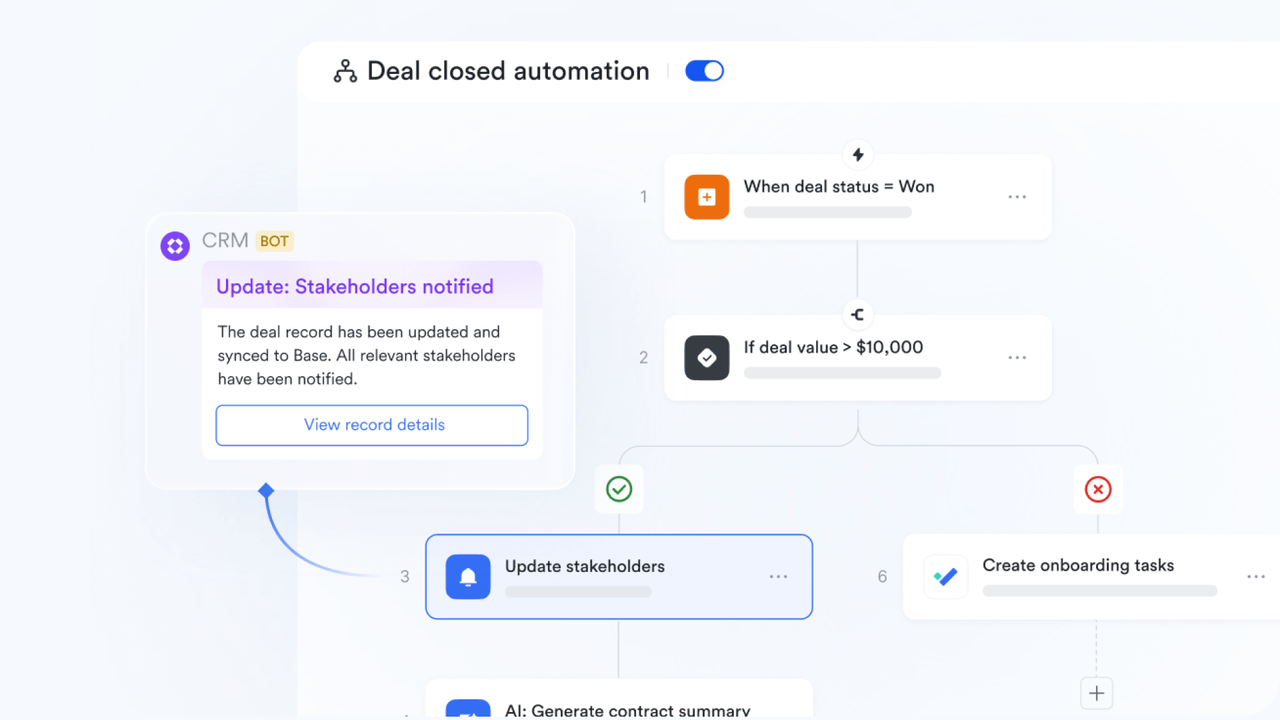
How Lark helps: Lark's modern, user-friendly interface and cross-device accessibility make CRM participation seamless, whether on desktop, mobile, or tablet. Tools like Lark Tasks and Lark Messenger enable the users to manage leads, update deal statuses, assign tasks, and log activities without switching between multiple platforms. The integration of communication, tasks, and CRM data in a single workspace reduces friction, making it easier for teams to collaborate efficiently.
By focusing on user adoption and ease of use, businesses can achieve higher engagement, more reliable data, and faster ROI. A CRM becomes not just a tool but an integral part of everyday operations, improving efficiency, collaboration, and overall business performance.
4. Automate repetitive tasks and follow-ups
Manual data entry, repetitive updates, and follow-up reminders can consume hours every week, leading to delays, missed opportunities, and human errors. Following CRM automation best practices allows teams to streamline routine tasks, improve productivity, and ensure consistent customer engagement. Automation also frees employees to focus on high-value activities, such as building relationships and strategizing campaigns, rather than manual administrative work.
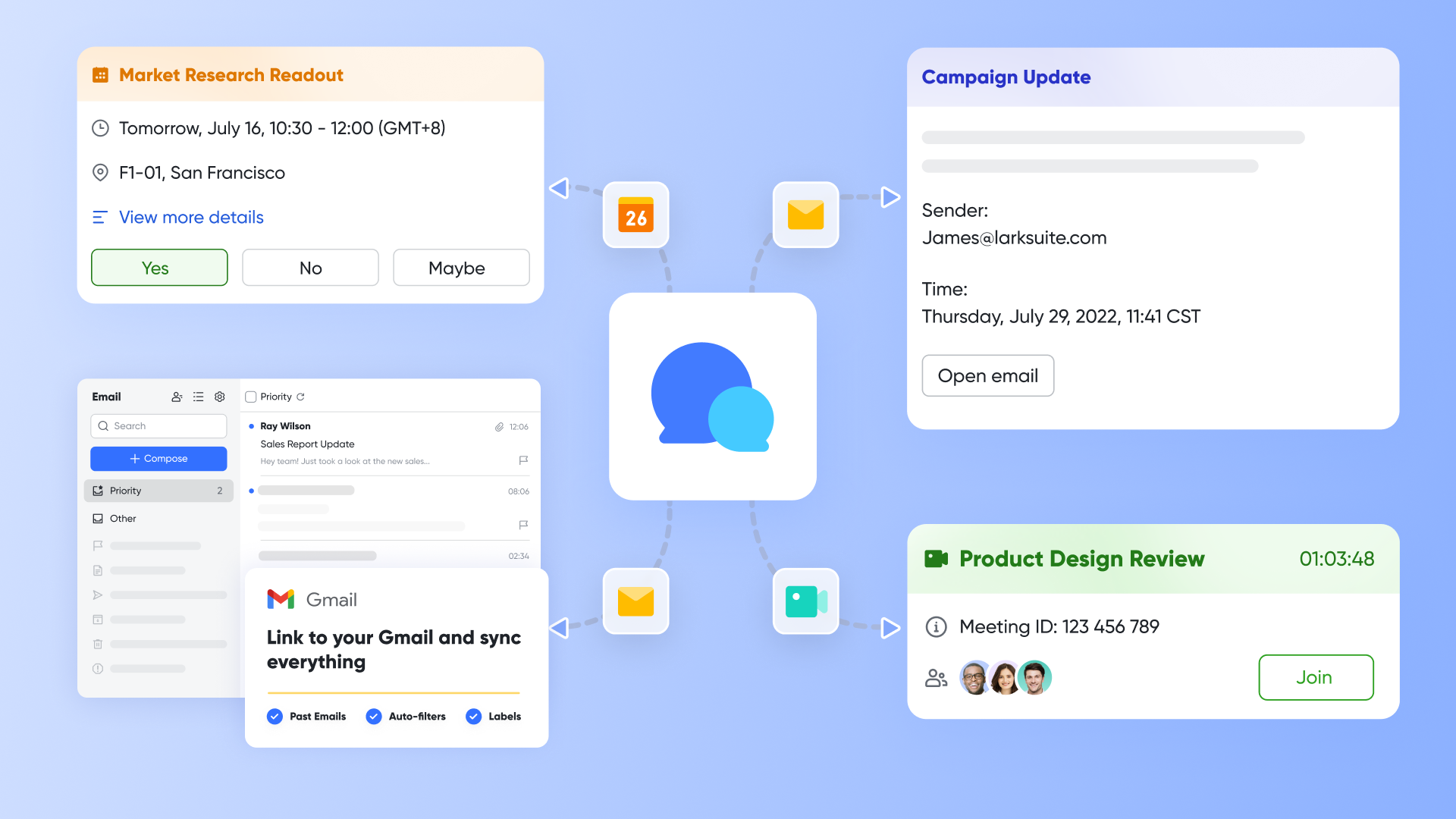
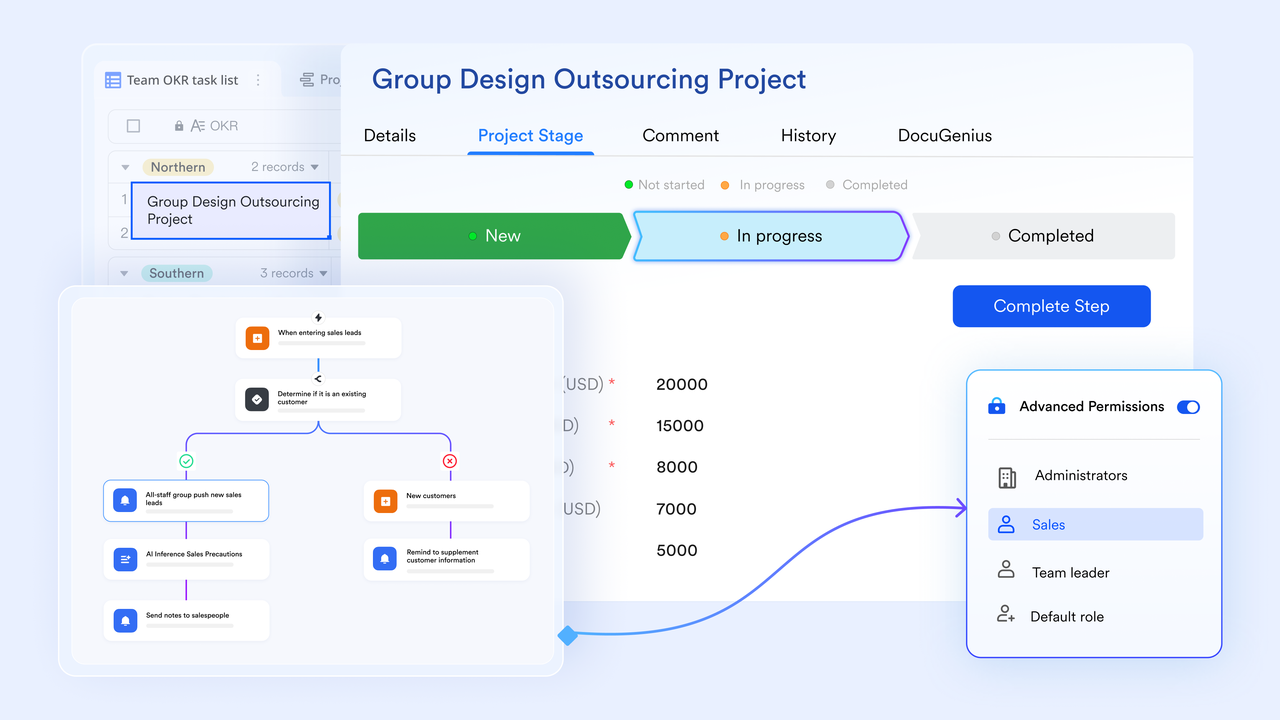
How Lark helps: Lark Base's automation engine triggers actions based on defined conditions. For example, "When a record updates" or "At scheduled time," and you can set actions like creating a task or sending reminders. You can add task owners, set due dates, and customize notifications. This may allow you to automate follow-up tasks if a lead hasn't been contacted within a certain timeframe, but you would need to configure the automation rules accordingly. This aligns with CRM implementation best practices, ensuring consistent outreach, reducing human errors, and saving valuable time.
Automated workflows report in real time, giving managers full visibility into pipeline health and follow-up compliance. By implementing automation, teams can focus on strategic activities while maintaining reliable CRM processes.
5. Integrate communication and collaboration channels
CRM data becomes exponentially more powerful when connected to real-time communication. Teams that discuss, share insights, and act on information within the CRM context make faster, smarter decisions. Following CRM industry best practices, integrating communication and collaboration channels reduces silos and improves cross-functional alignment.
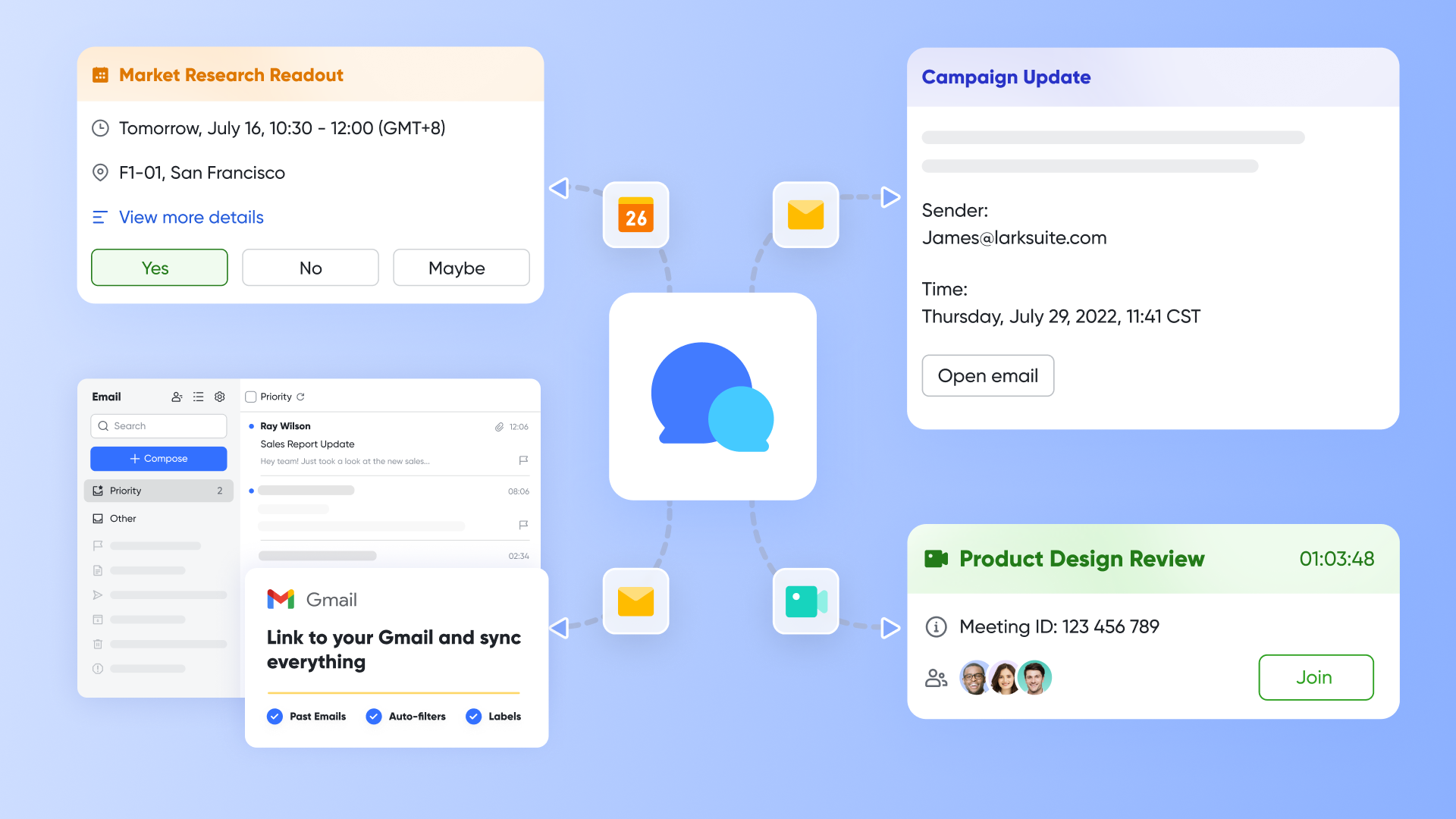
How Lark helps: With Lark, collaboration moves seamlessly across communication and workflow tools. You can start a voice or video call directly from Messenger to resolve issues in real time, or turn any message into a task and receive instant notifications when its status changes. Emails can be shared in chats to keep everyone aligned, while Base automation ensures messages and dashboards are automatically sent to collaborators. Each customer record in Base can have its own dedicated row, with automated alerts keeping team members informed whenever a customer’s status is updated.
This integration enhances transparency, accelerates decision-making, and reinforces accountability, supporting CRM adoption best practices and strengthening interdepartmental collaboration.
6. Maintain strong data hygiene
CRM data naturally degrades over time if not monitored and maintained. Duplicate entries, outdated records, and missing information can lead to inefficiency, inaccurate reporting, and missed opportunities. Following CRM data hygiene best practices and CRM data management best practices ensures the database remains accurate, reliable, and actionable.
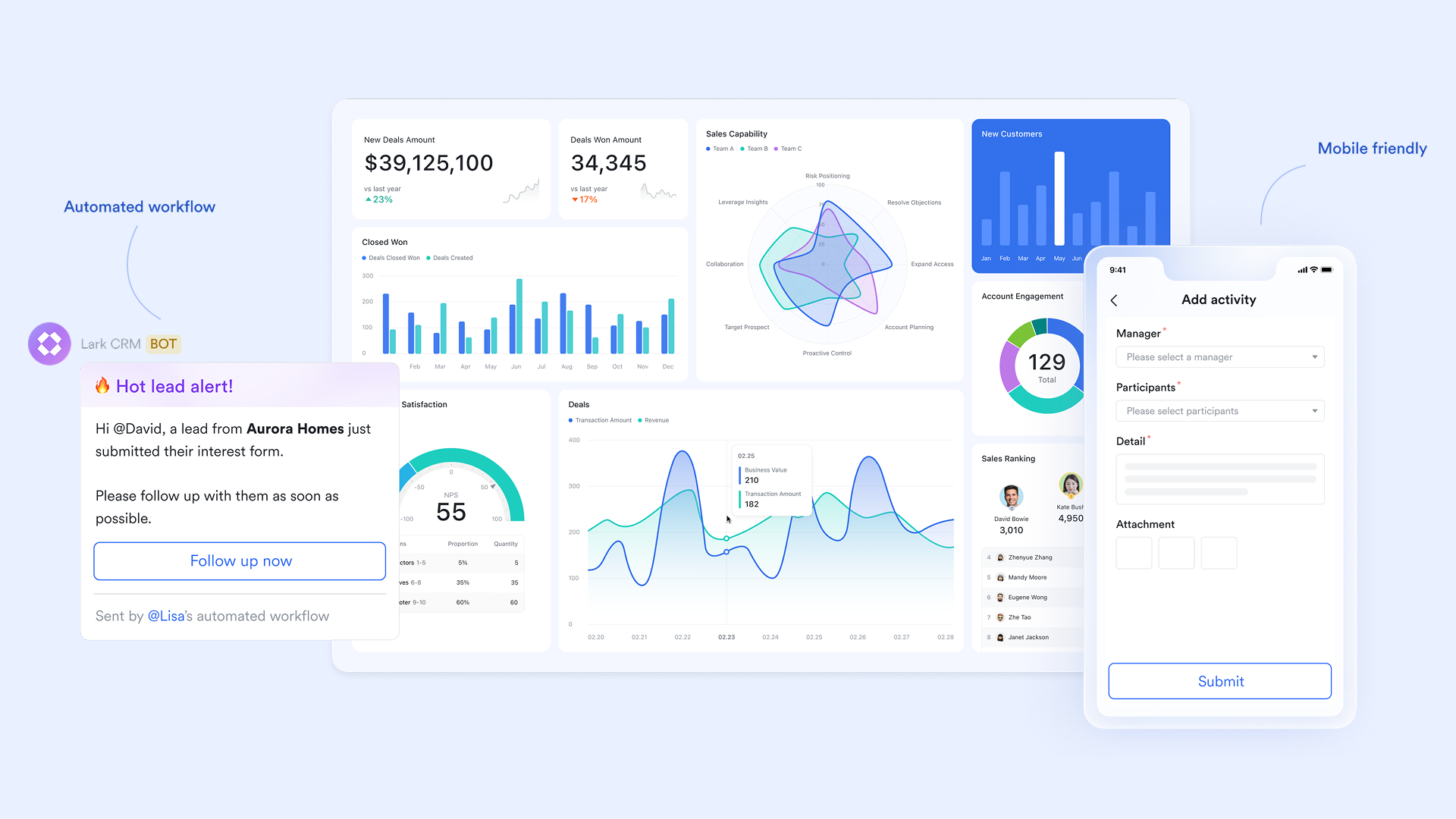
How Lark helps: Lark Base offers smart filters, conditional formatting, and automation rules to detect inconsistencies and clean records efficiently. Inactive clients or outdated deals can be archived automatically, keeping the database organized and up to date. Periodic audits are simplified using dashboards that highlight duplicates, missing fields, or data ownership issues.
By following CRM data quality best practices, organizations ensure that all teams—sales, marketing, and operations—have access to consistent, trustworthy data that supports decision-making, reporting, and personalized customer engagement.
7. Personalize engagement using CRM insights
Personalization is key to driving higher retention, loyalty, and conversions. A CRM allows businesses to analyze behavior patterns, lifecycle stages, and customer preferences to deliver tailored communication. Applying CRM contact management best practices ensures that these insights are accurate and actionable.
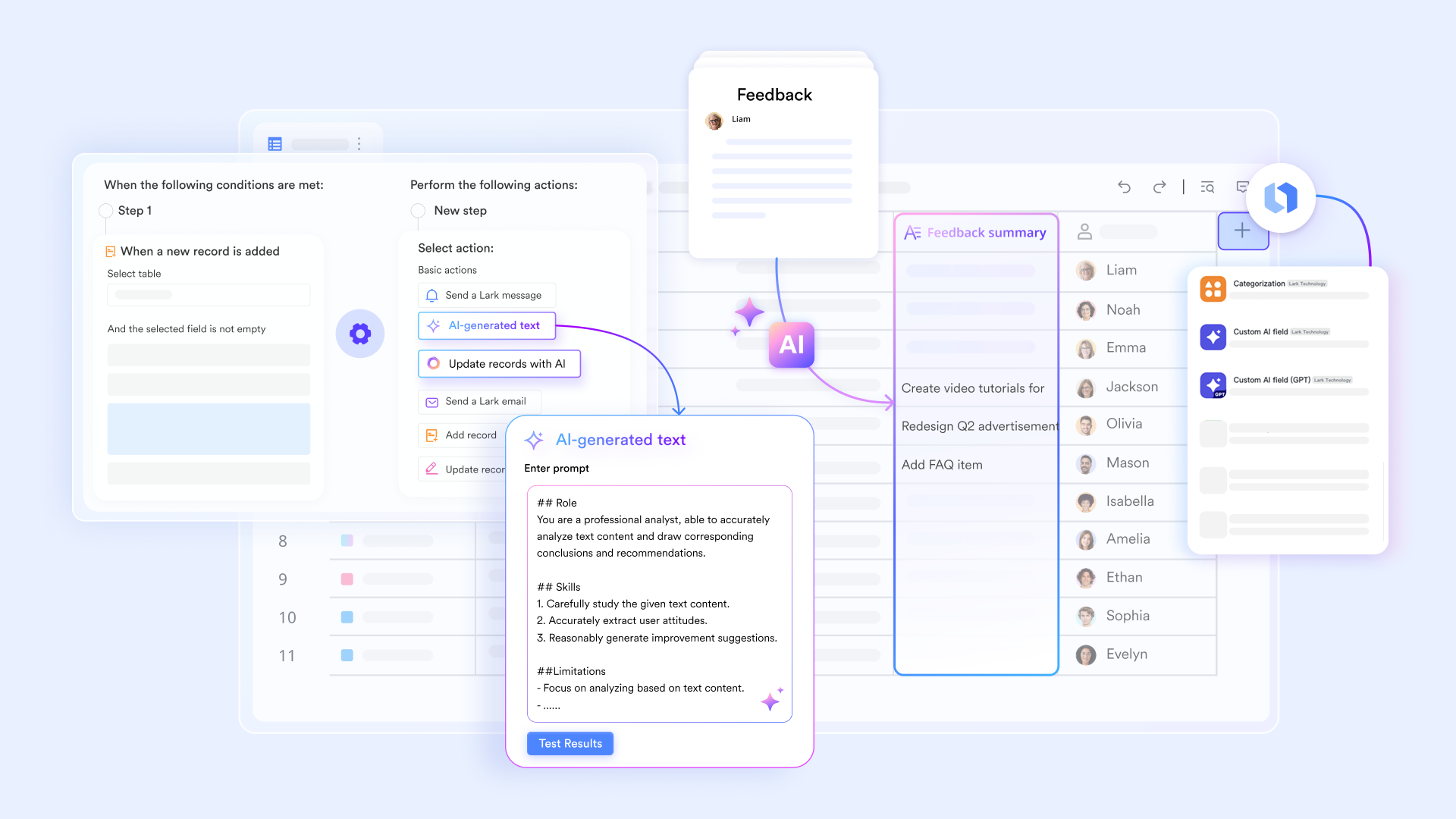
How Lark helps: Lark Base analytics and AI-powered insights provide a comprehensive view of the customer journey, enabling teams to segment contacts, prioritize outreach, and personalize follow-ups. In Messenger, employees can tag clients, share targeted updates, or coordinate engagement campaigns. This unified platform ensures that personalization is consistent across teams and scalable as the customer base grows.
By implementing CRM data management best practices, organizations can leverage high-quality insights to drive more meaningful interactions, improve customer satisfaction, and optimize conversion rates.
8. Regularly review CRM performance metrics
A CRM system is only valuable if its performance is monitored and analyzed continuously. Tracking metrics such as deal cycle times, follow-up frequency, lead conversion rates, and customer satisfaction ensures that workflows are efficient and that business objectives are being met. Following CRM adoption best practices involves routine evaluation of these metrics to improve strategy and processes.
How Lark helps: Lark Base provides real-time dashboards that visualize CRM health, deal pipelines, and team activity. Automated reports can be scheduled or linked directly to Lark Docs for collaborative review during team meetings. By adhering to CRM data management best practices, businesses gain actionable insights, quickly identify bottlenecks, and optimize processes.
Regular performance monitoring ensures the CRM evolves with organizational goals, improves adoption rates, and supports data-driven decision-making across departments.
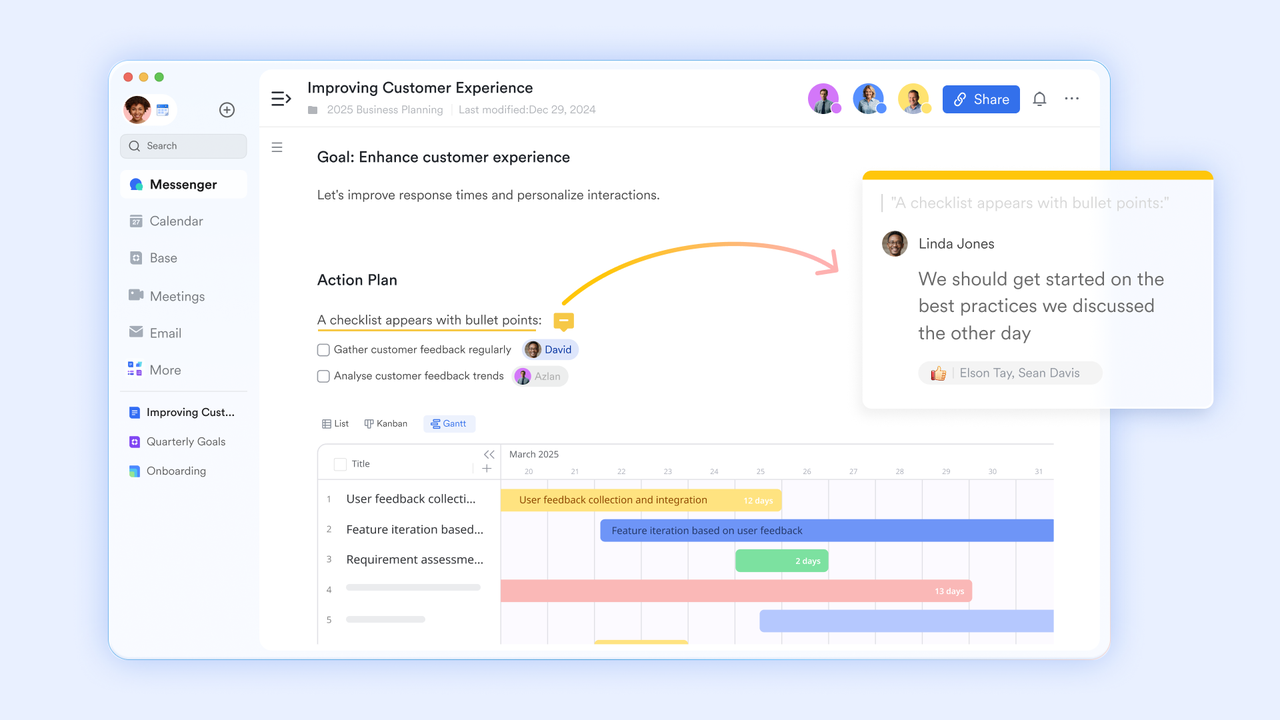
9. Encourage interdepartmental CRM usage
CRM systems are most effective when used across the entire organization, not just by sales. Marketing, customer service, operations, and finance all benefit from a unified platform. Following companies with best CRM practices emphasizes cross-functional collaboration, reduces silos, and provides a comprehensive view of the customer.
How Lark helps: Lark's connected ecosystem allows all departments to access relevant CRM data through Base while collaborating via Messenger and Docs. Marketing can log campaign performance, sales can monitor client interactions, and operations can track order fulfillment—all in one platform. Cross-functional access ensures transparency, strengthens collaboration, and eliminates redundant data entry.
Implementing CRM adoption best practices across teams fosters accountability, ensures a single source of truth, and empowers all departments to contribute meaningfully to customer satisfaction and business growth.
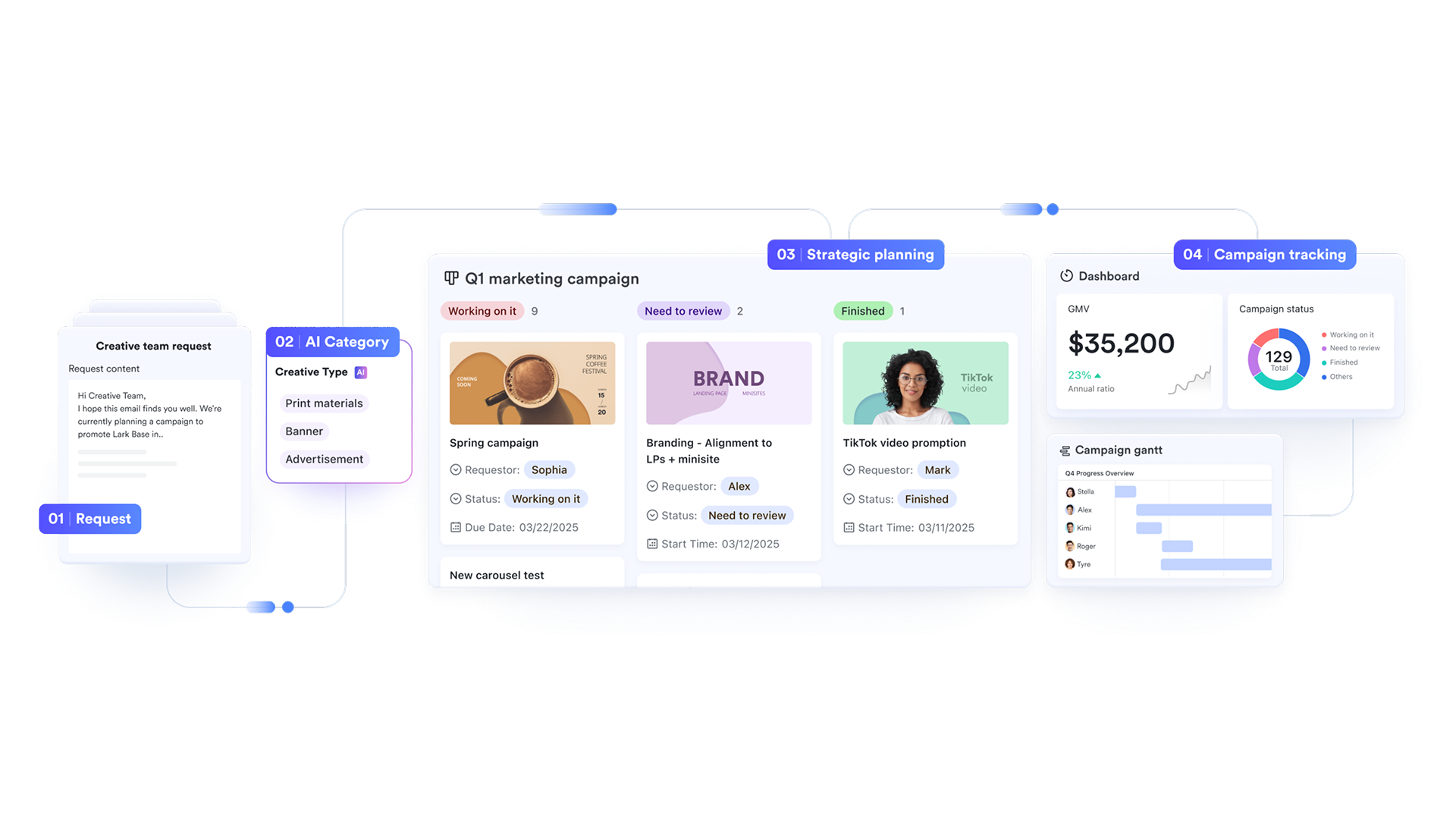
10. Continuously evolve your CRM strategy
CRM success is not a one-time project; it requires ongoing adaptation. Customer expectations, business objectives, and technology trends evolve, so your CRM strategy must remain flexible. Following CRM industry best practices and CRM migration best practices ensures the system continues to deliver value and supports scalable growth.
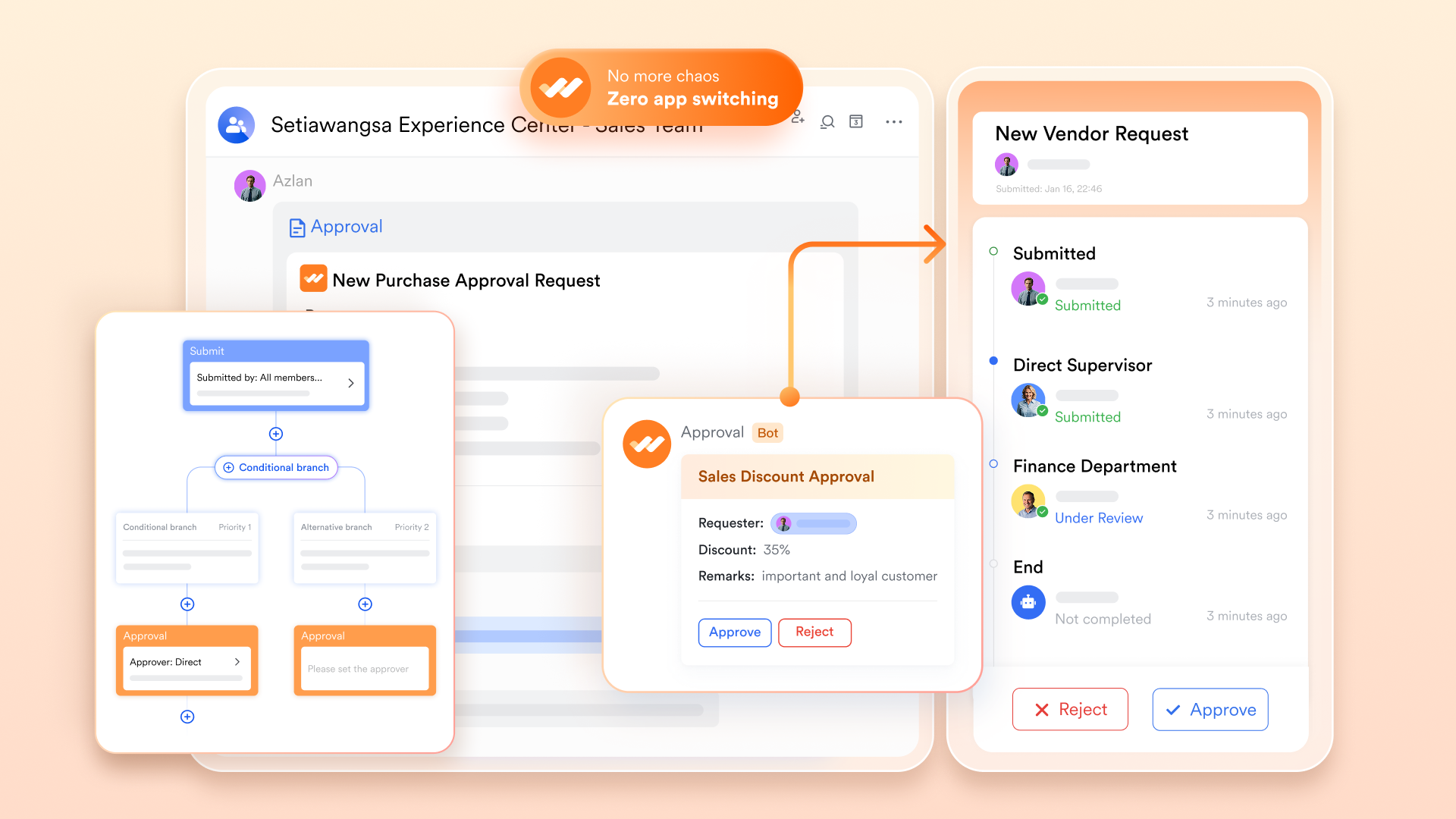
How Lark helps: Lark's modular tools—Lark Base, Lark Tasks, Lark Docs, and Lark Approval—allow organizations to modify workflows, add new automation, and expand dashboards as needs change. AI-powered insights support predictive analysis and optimize processes proactively.
Teams can scale their CRM database, refine pipelines, and integrate new features without disruption. By continuously evolving CRM strategy using Lark, businesses maintain agility, preserve data integrity, and ensure the CRM remains a strategic tool for long-term growth.
- Starter plan: Free forever plan that includes 11 powerful tools for up to 20 users. It also comes with 100GB of storage, 1000 automation runs, AI translations, and more.
- Pro plan: $12/user/month (billed annually) for up to 500 users. It includes everything in Starter plus group calling for up to 500 attendees, 15TB of storage, 50,000 automation runs, and more.
- Enterprise plan: Contact sales for custom pricing. Supports unlimited users and includes even more automation runs and advanced security, compliance, and management features.
Common CRM mistakes to avoid
Implementing a CRM can transform business operations, but mistakes in setup or management can undermine its effectiveness. Many organizations invest heavily in technology yet fail to achieve expected results due to avoidable errors. Understanding common pitfalls helps teams follow CRM best practices, maintain clean data, and maximize adoption. Avoiding these mistakes ensures smoother workflows, higher ROI, and better customer relationships.
- Overcomplicating your CRM setup: A complex CRM with unnecessary fields, tabs, or workflows can overwhelm users and reduce adoption. Following CRM implementation best practices means keeping setups simple, intuitive, and aligned with actual business goals. Simplified systems improve user engagement, data accuracy, and operational efficiency.
- Failing to define ownership or data responsibilities: Without clearly assigned data ownership, teams may enter incomplete or inconsistent information. Applying CRM data management best practices ensures accountability for updates, validation, and maintenance. Defined responsibilities improve data hygiene, reduce errors, and maintain a single source of truth.
- Ignoring automation opportunities: Manual updates, follow-ups, and repetitive tasks waste time and introduce errors. Leveraging CRM automation best practices allows teams to automate reminders, task assignments, and workflows. Automation improves efficiency, consistency, and ensures timely engagement with leads and customers.
- Neglecting user training and adoption: Even the best CRM fails without active user participation. Following CRM adoption best practices means providing proper onboarding, training, and ongoing support. Engaged users maintain accurate records, complete tasks on time, and drive measurable business outcomes.
- Treating CRM as a static tool instead of a dynamic system: A CRM is most effective when it evolves with business plans, customer needs, and market changes. Following CRM industry best practices ensures continuous improvements, performance monitoring, and strategic updates. Dynamic management keeps the system relevant, scalable, and aligned with long-term growth.
Conclusion
CRM success isn't just about selecting the right software—it's about implementing it effectively and following proven best practices. Clean, centralized data, automated workflows, and clear responsibilities ensure teams can work efficiently while making informed, data-driven decisions. Personalizing engagement, encouraging cross-team collaboration, and continuously evolving your CRM strategy further strengthens customer relationships and drives business growth.
With Lark, organizations gain more than a CRM—they gain a fully integrated ecosystem that combines automation, collaboration, and accountability. Start applying these CRM best practices today to boost productivity, increase adoption, and elevate customer satisfaction across every team.
FAQs
What are the top CRM best practices for small businesses?
Lark helps small businesses implement CRM best practices effectively by providing a centralized platform for data, tasks, and communication. Key practices include defining clear goals, maintaining clean and accurate data, automating repetitive tasks, and driving user adoption across teams. Personalizing customer engagement and integrating collaboration channels further improves results. Regularly reviewing performance metrics ensures continuous improvement and maximizes ROI from CRM investments.
How often should CRM data be cleaned or reviewed?
CRM data should be reviewed and cleaned regularly—ideally every month or at least quarterly—depending on the volume of updates and lead activity. Following CRM data hygiene best practices, duplicates should be removed, outdated contacts archived, and incomplete fields updated. Regular audits maintain data accuracy and reliability, supporting effective reporting and decision-making. This ensures your CRM remains a single, trusted source of truth across all departments.
Can automation replace manual CRM updates?
Automation can significantly reduce manual CRM updates by handling routine tasks, reminders, and follow-ups. Implementing CRM automation best practices ensures tasks are assigned automatically, dashboards stay updated in real time, and leads are engaged promptly. However, human oversight is still needed for personalization, strategic decision-making, and quality checks. Combining automation with active user engagement ensures maximum efficiency and accuracy across your CRM workflows.
How does CRM adoption impact business performance?
High CRM adoption ensures that all teams consistently use the system, resulting in accurate data, efficient workflows, and better cross-functional collaboration. Following CRM adoption best practices increases productivity, accelerates sales cycles, and improves customer satisfaction. Low adoption, on the other hand, can lead to incomplete data, missed opportunities, and reduced ROI from CRM investments. Driving adoption is critical for realizing the full value of your CRM system.
Why is Lark ideal for implementing CRM best practices?
Lark provides an all-in-one ecosystem combining Base, Tasks, Messenger, Docs, and Approvals to support every CRM best practice. Its intuitive interface promotes user adoption, while automation features streamline workflows and ensure data accuracy. Real-time dashboards, AI insights, and integrated communication channels allow teams to collaborate effectively and make data-driven decisions. With Lark, businesses can implement CRM industry best practices, maintain clean data, personalize engagement, and continuously evolve their CRM strategy for long-term growth.
Related reading
Table of contents
Start using Lark today

Manage all your work in one place
Boost team efficiency by 10x
Save up to 70% on software costs
Table of contents
Start using Lark today
Manage all your work in one place
Boost team efficiency by 10x
Save up to 70% on software costs
Keep reading









2026 Lark Technologies Pte. Ltd.
Headquartered in Singapore with offices worldwide.






Explore: