














10 Actionable CRM Tips to Actually Grow Your Business

Matthew Sia
Product Marketing Manager
Sep 18, 2026
Matthew Sia
Sep 18, 2026

17 min read


Customer Relationship Management (CRM) is the strategic process of managing your company's relationships and interactions with both potential and existing customers. In today's competitive landscape, a well-managed CRM is essential for driving sales, improving customer satisfaction, and fostering long-term loyalty. Yet, many teams still struggle with everyday challenges, such as low user adoption, messy and unreliable data, poor cross-departmental communication, and a frustrating lack of tangible ROI. For business leaders seeking practical CRM tips, addressing these issues is the key to unlocking significant growth and team efficiency.
To tackle these challenges, organizations are adopting modern, integrated platforms that unify workflows and bring clarity to the entire customer journey. By focusing on core principles like clear strategy, data hygiene, process automation, and user adoption, you can transform your CRM from a passive database into a dynamic growth engine.
Let's dive in and check the tips you will need.
1. Define your 'why' before you buy
2. Drive user adoption from day one
3. Customize your process and workflow
4. Make data hygiene a weekly habit
5. Automate work to free up your team
6. Create a single source of truth
7. Use dashboards for real insights
8. Leverage AI to work smarter
9. Use your CRM for customer retention
10. Build a sales knowledge base

How the modern CRM became a growth engine
The perception of CRM is changing. For years, it was seen as a clunky digital filing cabinet—a necessary evil for storing customer data. Today, that view is obsolete. The modern CRM has evolved from a passive database into the active, strategic heart of a business, directly connecting sales, marketing, and service to drive measurable growth.
This evolution isn't just about technology; it's about a fundamental shift in business priorities. In a competitive landscape where customer experience is the new battlefield, a simple contact list is no longer enough. Businesses need an intelligent system that provides a complete 360-degree view of the customer journey, automates manual work, and uncovers data-driven insights.
The purpose of this guide is to move beyond the old definition of CRM. We will provide 10 actionable, modern tips to help you transform your CRM from a system your team is forced to use into a tool they can't imagine working without. It's time to stop just managing contacts and start building relationships that power your bottom line.
Why your business needs a list of CRM tips
Before we dive into the specific "how-to," let's clarify why this matters. Implementing these CRM tips isn't just about making your internal processes neater; it's about generating tangible, measurable business results that impact your bottom line. When you commit to transforming your CRM from a passive database into the central nervous system of your commercial operations, you begin to unlock powerful benefits across the entire organization.
By following the tips in this guide, you can expect to see:
- Increased sales productivity and efficiency: Imagine giving your sales representatives their most valuable resource back: time. By automating administrative tasks and creating a single source of truth, you free them from data entry and allow them to focus on what they do best—building relationships and closing deals.
- Improved sales forecasting and decision-making: With clean, reliable data and insightful dashboards, you empower your leadership with an accurate view of the sales pipeline. This moves your forecasting from guesswork to a data-driven science, enabling smarter resource allocation and more confident business planning.
- Enhanced customer retention and loyalty: A great CRM strategy extends far beyond the initial sale. By using it to proactively manage existing relationships and personalize communication, you can significantly reduce churn and increase customer lifetime value (LTV).
- Greater team alignment and collaboration: When your CRM serves as a shared hub for customer knowledge, it breaks down the silos between sales, marketing, and service. This ensures a unified, seamless customer experience at every touchpoint and fosters a more collaborative internal culture.
Think of the following 10 tips as the roadmap to achieving these results. Let's begin by laying the proper groundwork.
10 CRM tips to transform your business from foundation to growth
To move beyond "CRM as a clunky database" and turn it into a growth engine for your business, these 10 tips will guide you from establishing fundamental best practices to using the tool for strategic customer engagement and revenue growth. Let's dive in.
Tip 1: Define your "why", not your "what"
The most common mistake is shopping for a CRM based on features without a clear purpose. Before you customize a single field, you must define your primary objective. Is it to shorten the sales cycle, improve customer retention, or gain a clearer view of your pipeline?
Actionable advice: Get your key stakeholders together and ask: "If this CRM is wildly successful one year from now, what will have changed for our business?" Document the answers. This "why" will be your North Star, guiding every other decision.
Tip 2: Solve the user adoption problem before it starts
If your team doesn't use the CRM, it's worthless. Sales reps often see it as a micromanagement tool or tedious admin work. To overcome this, you must answer the "What's in it for me?" (WIIFM) question for every user, framing the CRM as a tool that helps them sell more.
Actionable advice:
- Focused training: During the initial onboarding, resist the urge to show off every single feature. Focus only on the 3-5 functions that will make their life immediately easier. This could be a one-click way to log a call or a dashboard that shows them their hottest leads.
- Lead by example: This is non-negotiable. All managers, from the team leader to the CEO, must use the CRM exclusively for pipeline reviews and reporting. If a rep knows their manager will only discuss deals that are properly documented in the system, they will update it.
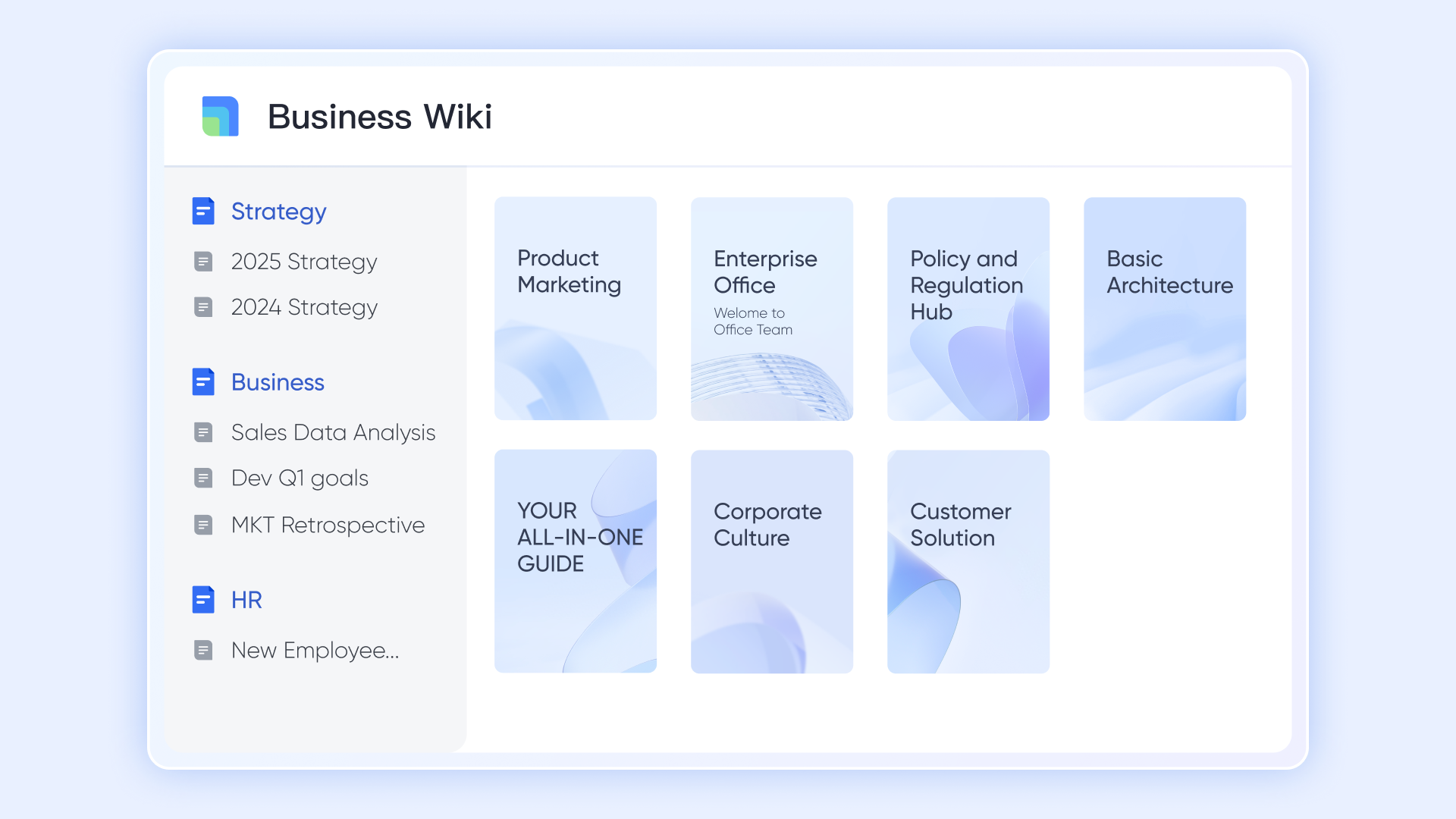
- Create a central resource: Don't let knowledge get lost after the training session. Use a collaborative tool like Lark Wiki to build a living knowledge base with best practices, short video tutorials, and answers to common questions.
Tip 3: Customize your CRM to match your sales process
Your CRM should adapt to your workflow, not the other way around. Using generic, out-of-the-box settings is inefficient. You must customize the tool to mirror your real-world operations.
Actionable advice: Map out your customer journey and ensure the deal stages in your CRM ("New Lead," "Discovery Call," "Proposal Sent," etc.) match it precisely. Remove any default data fields you don't use to create a cleaner, more inviting interface.
Tip 4: Make data hygiene a non-negotiable weekly habit
"Garbage in, garbage out." If your CRM data is inaccurate, your reports will be wrong and your team will lose trust in the system. Don't treat data cleanup as a one-time project; make it a continuous process.
Actionable advice:
- Schedule it: Add a recurring 30-minute team meeting to everyone's calendar on Friday afternoons called "CRM Cleanup." Use this time for everyone to review their contacts and open deals, ensuring everything is up to date.
- De-duplicate: Use your CRM's built-in tools (or a third-party app) to regularly find and merge duplicate contact and company records.
- Set standards: In your team Wiki, create a simple, clear document outlining your data entry standards. For example: "Always use the full company name, not acronyms," or "Phone numbers must include the country code."
Tip 5: Leverage automation to eliminate administrative work
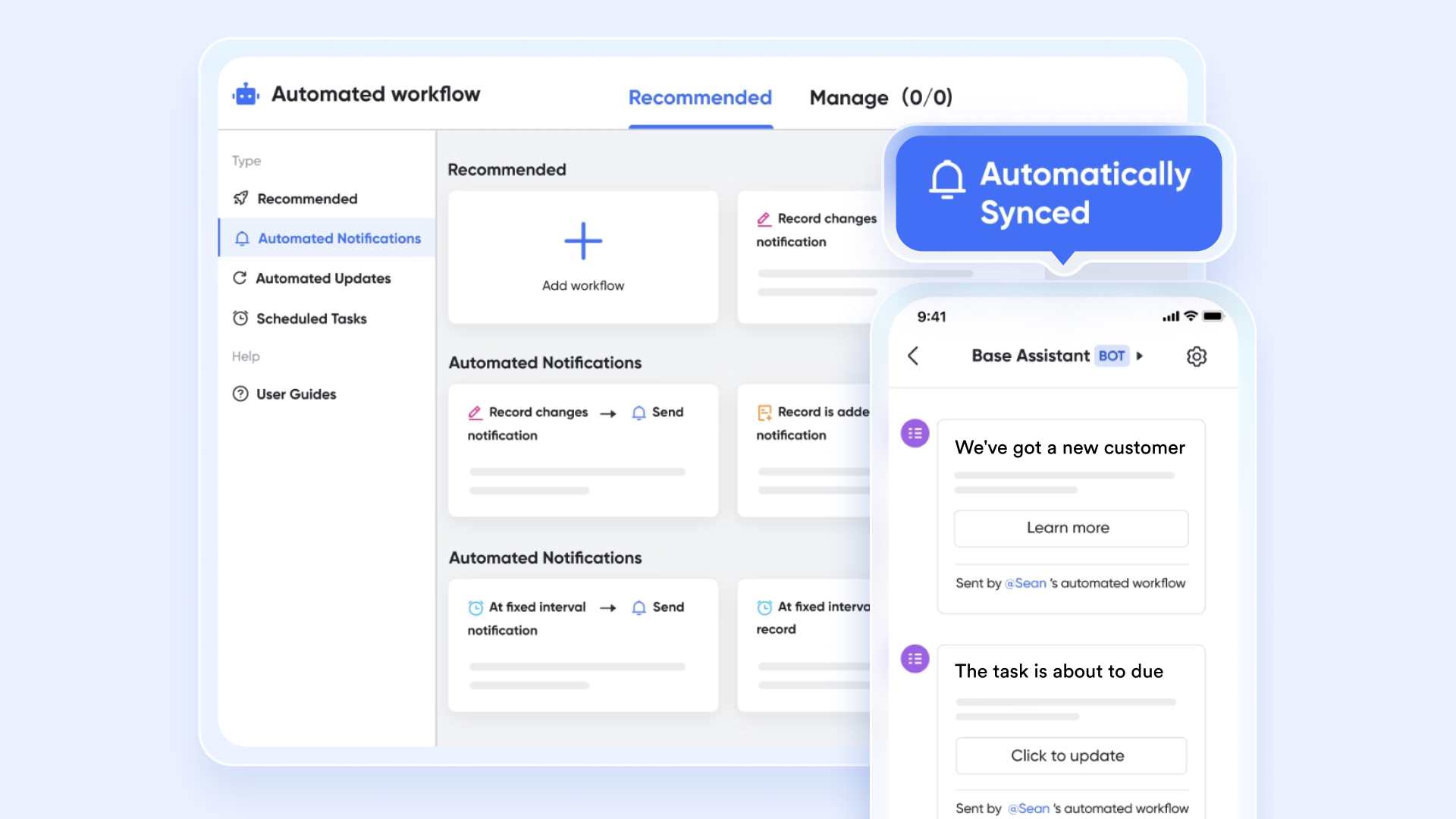
One of the biggest (and most valid) complaints from sales teams is that they spend too much time on data entry and not enough time selling. This is where workflow automation becomes your best friend. Your goal should be to identify every repetitive, low-value task your team performs and find a way for the CRM to do it for them.
Actionable advice: You don't need to be a programmer to do this. Modern CRMs have user-friendly automation builders. Start simple. Create a workflow that automatically sending messages when they move a deal stage to "Demo Completed." Another great one: an automation that sends a notification to a manager when a deal has been sitting in the same stage for too long. Each automated task gives time back to your team to focus on what matters: building relationships.
Tip 6: Turn your CRM into your single source of truth
Your CRM shouldn't be an island. In most companies, customer information is scattered across dozens of places: your email inbox, your calendar, internal chat threads, and various documents. This fragmentation is a productivity killer. The goal is to make your CRM the undisputed "single source of truth" for all customer-related information.
Actionable advice: This is where an integrated platform shines. Use a collaborative suite where your internal team chat (Lark Messenger) and your CRM (Lark Base) are connected. This allows a conversation about a client to be instantly linked to their record, providing complete context without needing to switch between apps.
Tip 7: Use dashboards and reporting to ask better questions
Many teams drown in data but are starved for actual insights. A CRM can produce hundreds of different reports, but more isn't always better. The purpose of a dashboard isn't to show you everything; it's to show you the right things so you can ask the right questions.
Actionable advice:
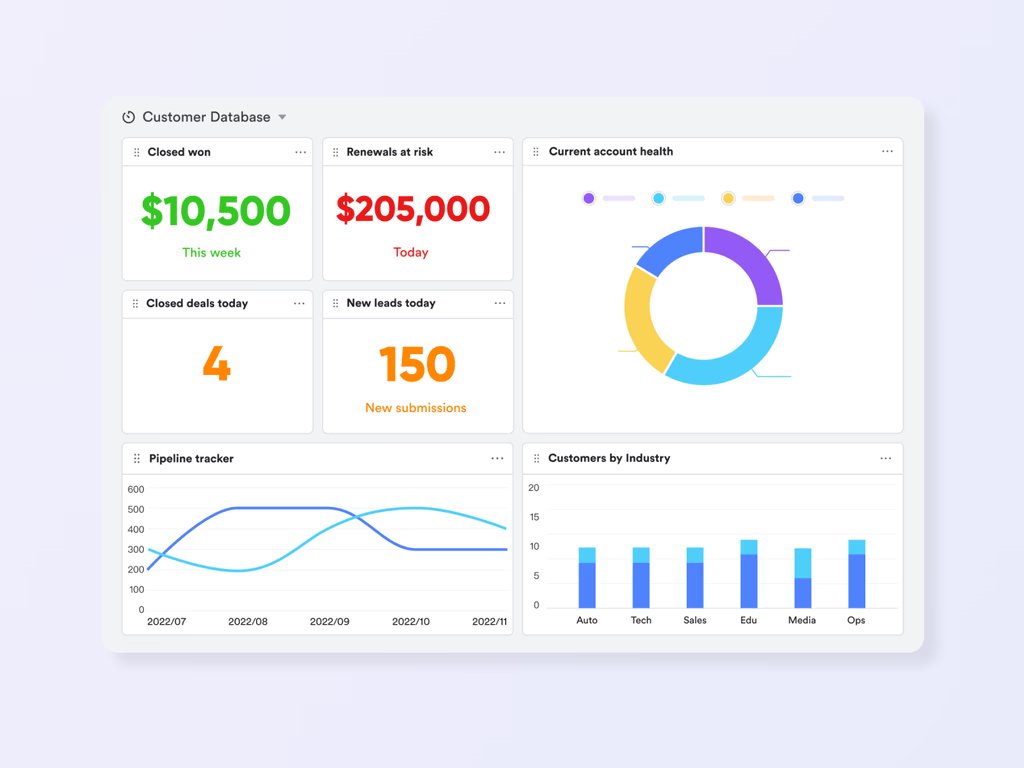
Create one simple, primary sales dashboard. On it, focus on a handful of key metrics. Crucially, include both leading and lagging indicators. A lagging indicator tells you what has already happened (e.g., revenue closed this month). A leading indicator helps you predict the future (e.g., number of discovery calls booked this week). A great way to do this is by building a Lark Base dashboard, which can pull data from various sources to give you a single, clear view of your pipeline. Review this dashboard at the start of every weekly sales meeting to keep everyone focused on the activities that actually drive results.
Tip 8: Use AI to work smarter, not just harder
The latest wave of technology is all about Artificial Intelligence, and it has incredible applications for CRM. The most valuable insights from sales calls—a client's subtle hesitation, a mention of a new competitor, a key decision criterion—are often lost the moment the call ends. AI can act as your perfect-memory assistant.
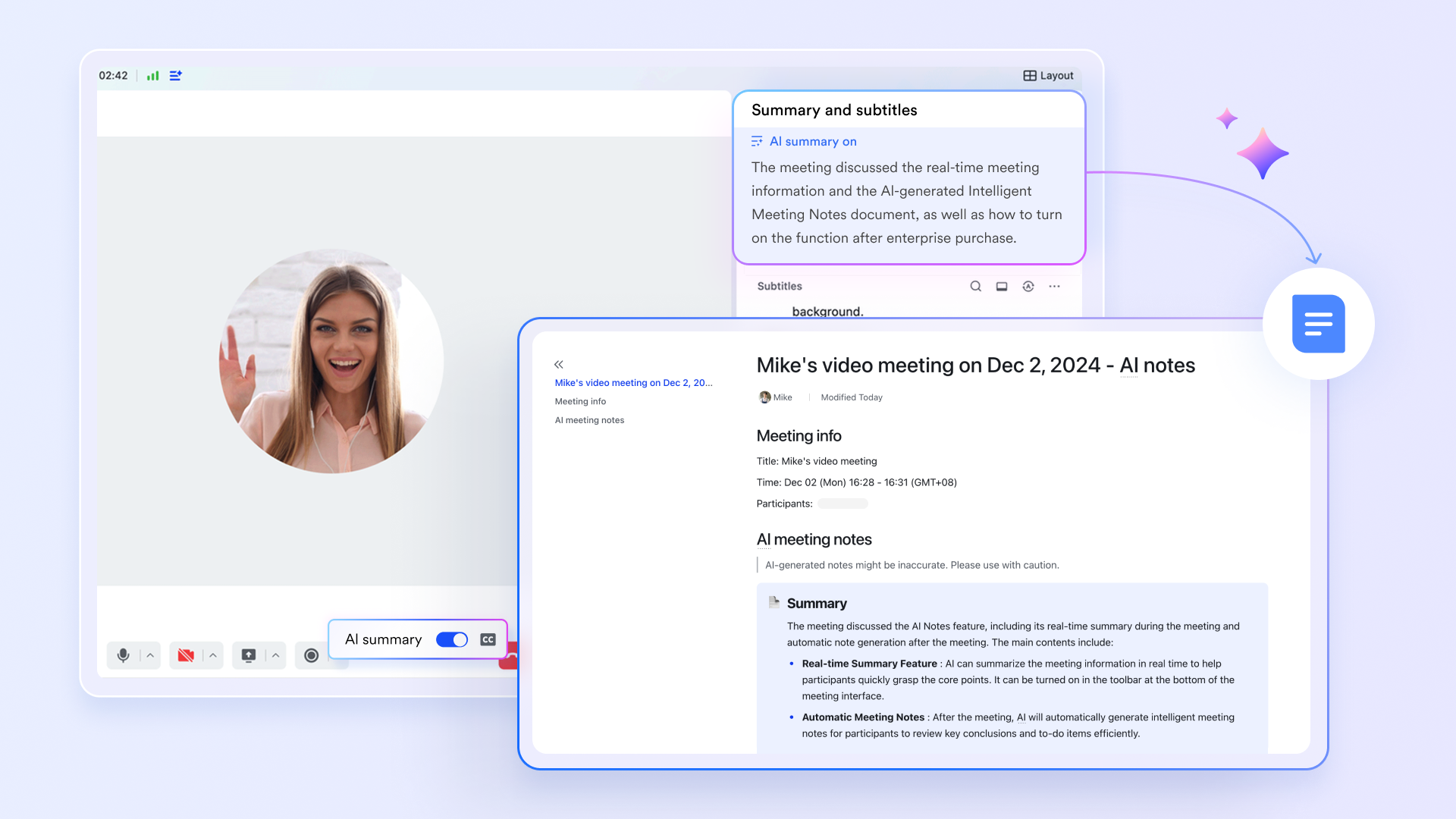
Actionable advice: Start recording your video sales calls. Use a tool with AI capabilities (like Lark's AI Meeting Notes) to automatically transcribe the call, generate a concise summary, and even identify key action items. You can then take the Notes from this meeting and link them to the deal record in your CRM. The next time you speak with that client, a 30-second review of the AI summary will bring you right back up to speed.
Tip 9: Implement CRM tips for customer retention, not just acquisition
For many companies, the CRM journey ends when a deal is marked "Closed-Won." This is a huge missed opportunity. The "R" in CRM stands for "Relationship," and your most valuable relationships are with your existing customers. Use your CRM to manage and deepen these relationships proactively.
Actionable advice: Create a "post-sale" pipeline in your CRM with stages like "Onboarding," "First Value Achieved," and "Renewal." Create an automation that schedules a 90-day check-in task for the account manager after every new customer is onboarded. Use custom fields to note down important details—their business anniversary, personal milestones they mention on calls, or the names of their team members. This data is gold for building long-term loyalty.
Tip 10: Use your CRM to build a sales knowledge base
What happens when your top-performing salesperson leaves? Too often, their years of experience, winning strategies, and valuable insights walk out the door with them. Your CRM can be the tool you use to capture that institutional knowledge and democratize it across the entire team.
Actionable advice: Create a new best practice. Whenever a significant deal is won, require the sales rep to add a "Win Story" in a dedicated field or note on the deal record. They should briefly detail the client's main problem, why they chose your solution, and which strategy was most effective. Then, link to the successful proposal template or sales deck they used, storing those master files in a collaborative system like Lark Docs. Over time, this builds an invaluable playbook for training new hires and upskilling your entire team.
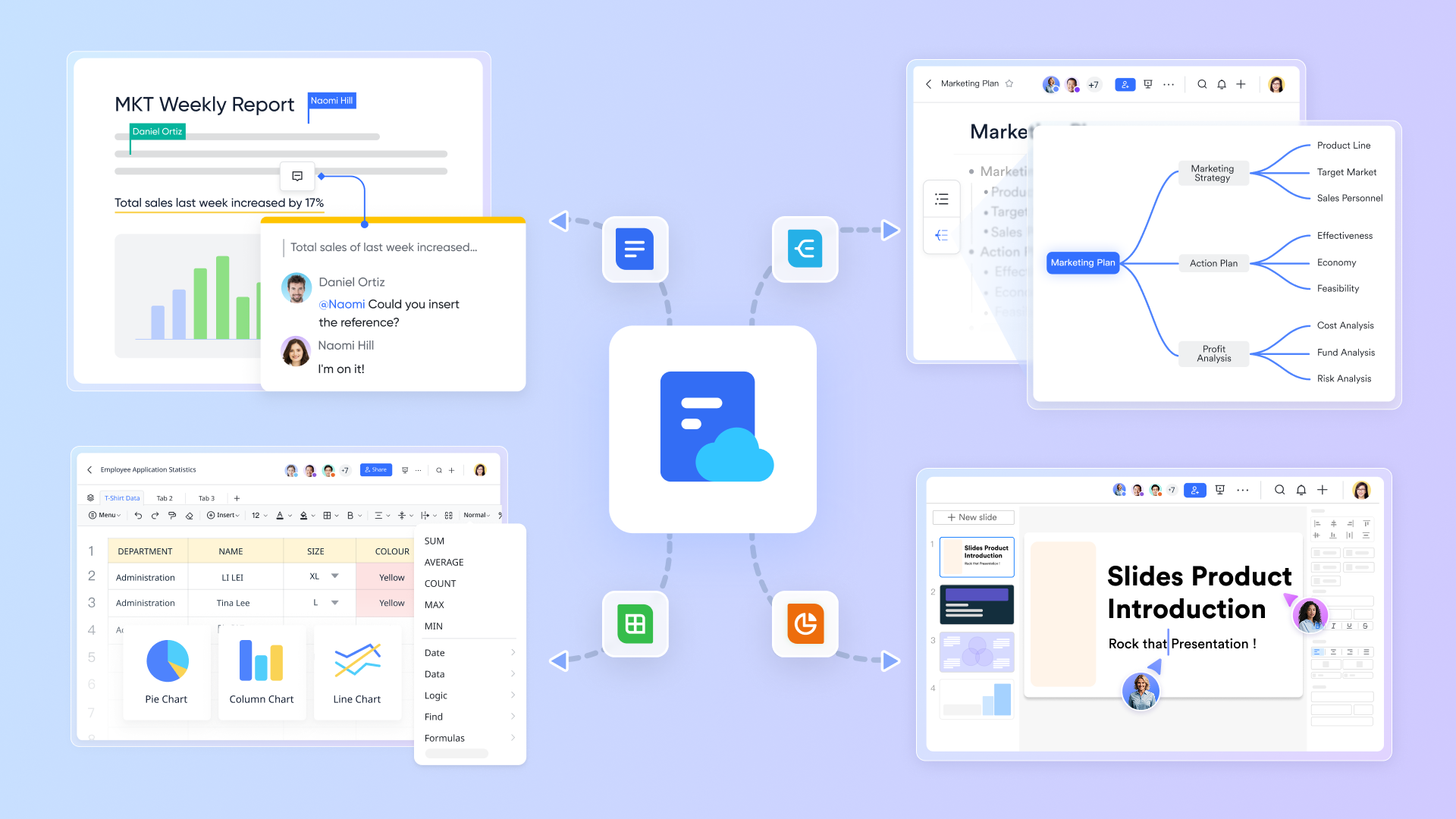
Integrating CRM skills into a unified platform for exponential growth
Now you've learned these 10 core CRM skills. But the real question is: if the tools supporting these skills are fragmented, even the best strategies will yield half the results. When your team is forced to constantly switch between email, chat apps, documents, and a separate CRM system, data consistency, workflow smoothness, and precious growth momentum are lost in the process.
True growth comes from embedding all these CRM best practices into a seamlessly collaborative, all-in-one platform. This is precisely what Lark was designed for—it's not just a tool, but a growth operating system that allows all the CRM skills you've learned above to reach their maximum effectiveness.
- Putting Tip 4(data hygiene) & Tip 5(automation) into practice in Lark
You can create an automated "data audit" workflow in Lark. For example, using the automation features in Lark Task, you can set up a task that automatically triggers every Friday, adding a "Check and update customer information" item to each sales colleague's to-do list. Once the salesperson updates the customer information they are responsible for in the Base, the workflow can automatically mark the task as complete and notify the team lead. This turns a "good habit" that was easily overlooked into a lightweight, sustainable, and automatically tracked routine.
- Putting Tip 8 (AI) & Tip 9 (customer retention) into practice in Lark
Using Lark's AI Meeting Assistant, you can automate the customer care process. After each video meeting with a key client, the AI can automatically generate meeting minutes and extract key discussion points and action items. You can save this smart summary directly into a Lark Doc, link it to the customer's record page in the CRM, and simultaneously create a scheduled follow-up task for the account manager 90 days later. This ensures customer care isn't just lip service but becomes a warm, timely, and automated follow-up based on the specific details of each interaction.
- The unified platform: The "glue" and "amplifier" for all skills
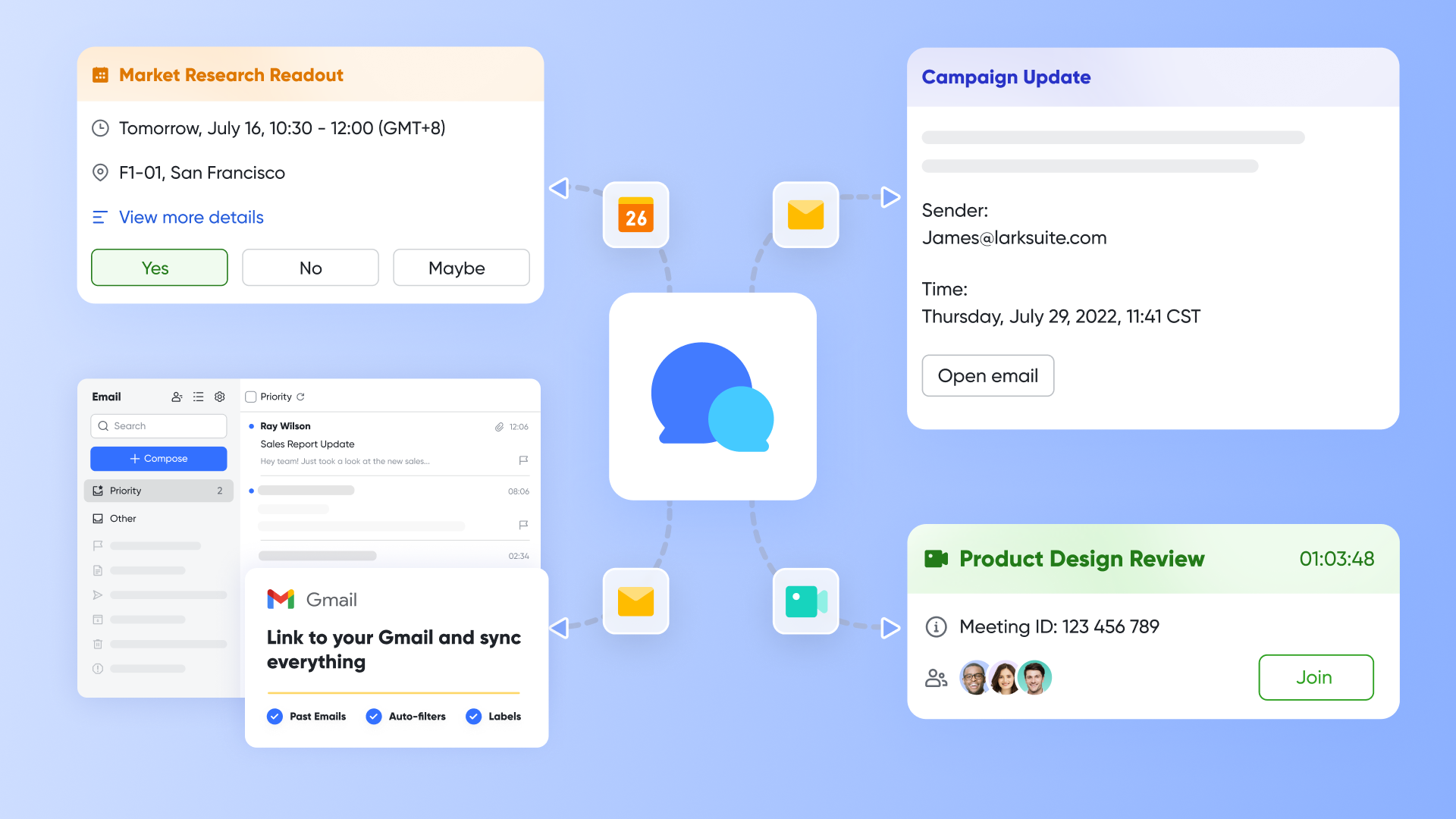
Lark's greatest advantage lies in its integrated design. By combining messaging, documents, calendar, video meetings, and powerful workflow automation into a single platform, Lark ensures that all the skills mentioned above don't operate in isolated systems. It fundamentally reduces the hassle and errors of manually syncing data between different applications, allowing information and processes to flow naturally and smoothly. This means your team isn't busy "using multiple tools" but is focused on "driving a coherent growth process."
With Lark, these CRM skills are no longer isolated tasks but are unified into a coherent and efficient growth system. It ensures your team isn't busy "using the CRM" but is focused on "driving growth." From the valuable time saved for the sales team by reducing context-switching to the hyper-personalized service enabled by a complete customer view, every efficiency gain and experience optimization ultimately translates directly into your business growth.
- Starter plan: Free forever plan that includes 11 powerful tools for up to 20 users. It also comes with 100GB of storage, 1000 automation runs, AI translations, and more.
- Pro plan: $12/user/month (billed annually) for up to 500 users. It includes everything in Starter plus a group calling for up to 500 attendees, 10TB of storage, 50,000 automation runs, and more.
- Enterprise plan: Contact sales for custom pricing. Supports unlimited users and includes even more automation runs and advanced security, compliance, and management features.
Conclusion
As we've seen, transforming your CRM from a source of frustration into an engine for growth isn't about finding a magic piece of software. It's about a commitment to a smarter strategy and better habits. It begins with a clear goal, depends on clean data, and thrives on intelligent, connected workflows—like Lark CRM—that help you forge stronger, more human connections with your customers.
Don't try to implement all 10 of these CRM tips at once. That's a recipe for overwhelm. Instead, pick the one or two that address your biggest pain point right now and start there. The journey from a clunky database to a growth engine is a marathon, not a sprint. With each small improvement, you'll build momentum and unlock more and more of the value you promised from the very beginning.
FAQs
What are the 7 C's of CRM?
The 7 C's provide a strategic framework for CRM success: customer (client-centric focus), culture (company-wide customer-first mindset), process (optimized workflows), content (valuable engagement), conversation (two-way communication), community (building brand advocates), and customization (personalized experiences). This holistic approach ensures technology serves both business objectives and customer relationships.
What are the 4 P's of CRM?
While traditionally a marketing mix, the 4 P's in CRM context represent: personalization (tailored experiences), productivity (efficient processes), profitability (maximizing customer lifetime value), and prediction (using data for forecasting). These principles help organizations operationalize CRM systems to drive measurable business growth and stronger client partnerships.
How to be good in CRM?
Excel in CRM by mastering three areas: data discipline (maintaining clean, complete records), user adoption (ensuring team consistency through training), and process integration (embedding CRM into daily workflows). Success comes from treating your CRM as a single source of truth for customer relationships rather than just a tracking tool.
What are the 4 C's of CRM?
The 4 C's outline the essential CRM pillars: customer (understanding needs and behaviors), conversation (maintaining meaningful dialogue across channels), customization (delivering personalized interactions), and collaboration (breaking down internal silos to serve clients collectively). This model emphasizes creating cohesive experiences throughout the customer journey.
Related reading
Table of contents
Start using Lark today

Manage all your work in one place
Boost team efficiency by 10x
Save up to 70% on software costs
Table of contents
Start using Lark today
Manage all your work in one place
Boost team efficiency by 10x
Save up to 70% on software costs
Keep reading









2026 Lark Technologies Pte. Ltd.
Headquartered in Singapore with offices worldwide.






Explore: