














How Modern AI Ecosystems Are Redefining Content, Creativity, and Digital Growth in 2026

Matthew Sia
Product Marketing Manager
Sep 18, 2026
Matthew Sia
Sep 18, 2026

6 min read


Artificial intelligence is no longer a single tool or a one-click shortcut. In 2026, the real power of AI lies in ecosystems—interconnected platforms that handle content creation, visual design, automation, analytics, and customer interaction as one continuous workflow. Businesses that understand this shift are moving faster, producing better content, and scaling without burning out their teams.
From long-form articles and SEO assets to images, videos, chat assistants, and scheduled social posts, AI has become the invisible engine behind modern digital growth. What's interesting is not just what AI can do, but how different tools now work together to remove friction from everyday workflows.

AI content is no longer about writing alone
A few years ago, AI writing tools were mostly used for short blog drafts or captions. Today, AI-driven content creation focuses on depth, intent, and adaptability.
Marketers and founders are using AI to:
- Turn a single idea into blogs, landing pages, emails, and social snippets
- Optimize content for SEO, AEO, and emerging GEO search patterns
- Rewrite the same content for different audiences without losing tone
- Maintain consistency across websites, ads, and social platforms
This shift has made platforms like Writecream increasingly relevant. Instead of acting as a basic text generator, it supports structured long-form content, SEO-ready outputs, and scalable marketing copy that feels human rather than robotic. When paired with other AI tools, content stops being a bottleneck and becomes a growth asset.
Visual AI is driving engagement across every channel
Text alone doesn't win attention anymore. Visual storytelling—images, short videos, banners, thumbnails, and ad creatives—now determines how content performs.
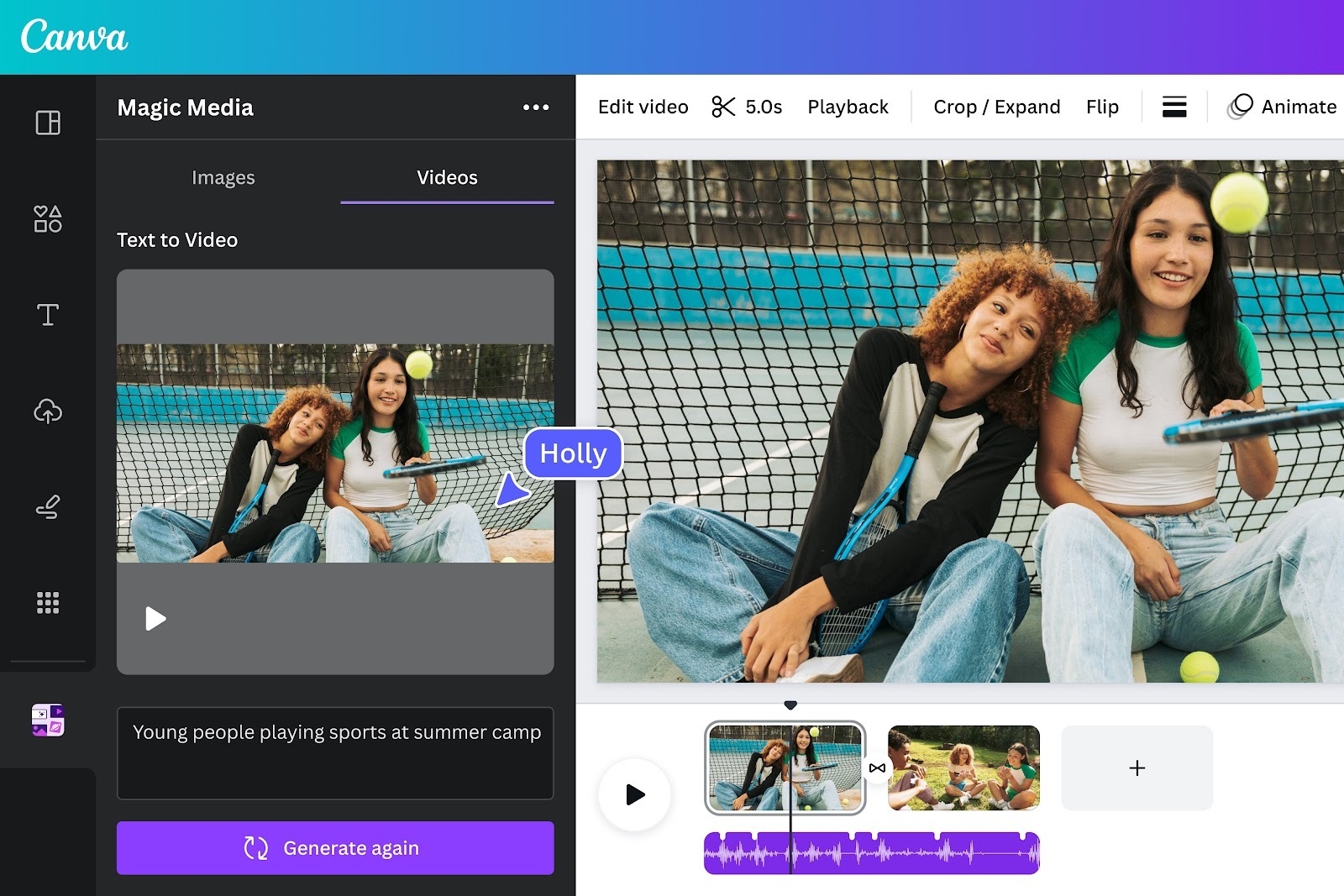
Image source: canva.com
AI-powered visual platforms allow creators to:
- Generate brand-consistent images on demand
- Create ad creatives without design teams
- Produce visuals for blogs, landing pages, and social media instantly
- Experiment with styles, moods, and formats at scale
This is where tools like Airbrush AI and VibeAI Studio fit naturally into the ecosystem. Instead of switching between designers, stock photo sites, and editing tools, users can move from idea to final visual in minutes.

The real advantage isn't speed alone—it's creative freedom. AI removes the cost and friction that once limited experimentation.
Automation is the missing link most teams ignore
Creating content is only half the battle. Distribution is where most strategies fail.
Even great content loses impact when:
- Posts go out inconsistently
- Platforms are managed manually
- Teams forget optimal posting times
- Analytics are reviewed too late
AI-driven automation solves this by turning content into a self-moving pipeline. Platforms like SchedulifyX focus on intelligent scheduling, multi-platform publishing, and performance tracking—without removing human control.
Instead of logging into five different social networks, teams can plan weeks of content, review AI-generated captions, approve visuals, and let automation handle the rest. This frees up time for strategy rather than repetition.
Conversational AI is becoming a core business layer
Websites are no longer static pages. Users expect interaction, answers, and personalization—instantly.
Multi-model conversational platforms like AI4Chat are changing how businesses:
- Handle customer queries
- Provide onboarding and support
- Test different AI models for different tasks
- Embed AI assistants into websites and apps
Instead of relying on a single AI provider, businesses can adapt dynamically—choosing the best model for writing, reasoning, or customer interaction. This flexibility is becoming essential as AI models evolve rapidly.
Building AI products without reinventing the wheel
Behind the scenes, many founders are now building their own AI-powered tools—internal dashboards, niche SaaS products, and custom workflows.
Platforms such as BuildWithLLM are enabling this shift by removing the need for heavy engineering teams. With visual workflows, API integrations, and modular AI logic, ideas can be tested and launched faster than ever before.
This democratization of AI development is creating a new class of builders—people who focus on solving problems, not wiring infrastructure.
The agency layer still matters more than ever
While tools are powerful, strategy and implementation remain critical. Businesses often struggle to connect content, visuals, automation, and AI logic into a single, reliable system.
That's where AI-first agencies like FusionMindLabs play an important role—helping brands integrate multiple AI tools, build scalable workflows, and avoid fragmented systems.
The future isn't about choosing one AI platform. It's about building an ecosystem that works seamlessly across marketing, operations, and growth.
AI capabilities that empower business growth
Modern enterprise business scenarios center on turning fragmented data and scattered workflows into actionable content and efficient collaborative output—teams need AI to seamlessly integrate into daily work, from auto-generating structured meeting summaries and data-driven reports to mining enterprise knowledge for content planning and enabling insight-led cross-departmental decision-making.
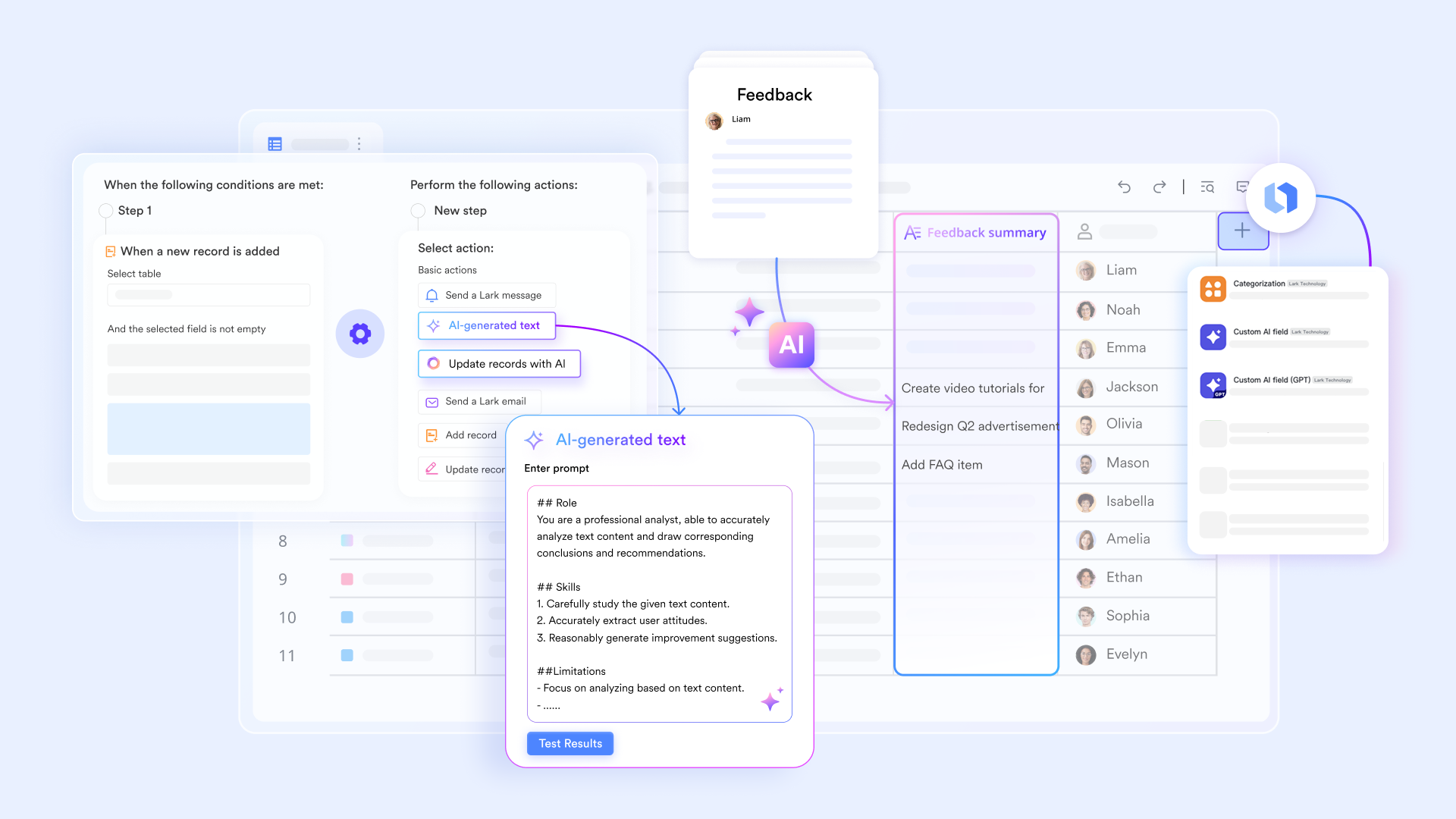
Lark excels in this AI-native workspace demand: Its built-in AI embeds intelligent capabilities into core modules like digital spreadsheets with AI shortcut fields, visual dashboards, auto-generated AI meeting notes, and knowledge management, streamlining content creation and digital growth workflows into a cohesive system.
What this means going forward
AI in 2026 is not about shortcuts—it's about leverage.
The businesses that win are those that:
- Combine content, visuals, automation, and chat into one flow
- Use AI to amplify human creativity, not replace it
- Build systems that scale without increasing workload
- Stay flexible as models and platforms evolve
When these tools work together, the result is not just efficiency—it's momentum. And in a competitive digital landscape, momentum is everything.
As AI ecosystems mature, the gap between businesses that adapt and those that don't will only grow wider. The opportunity right now is to build smarter systems—before everyone else catches up.
Related reading
Table of contents
Start using Lark today

Manage all your work in one place
Boost team efficiency by 10x
Save up to 70% on software costs
Table of contents
Start using Lark today
Manage all your work in one place
Boost team efficiency by 10x
Save up to 70% on software costs
Keep reading







2026 Lark Technologies Pte. Ltd.
Headquartered in Singapore with offices worldwide.






Explore: