Healthcare inventory is not just about counting boxes on shelves. It is about ensuring that the right medical supplies, drugs, and equipment are available at the exact moment patient care depends on them. From a single-clinic setup to a multi-location hospital network, a medical inventory management system plays a critical role in patient safety, regulatory compliance, and cost control.
This guide provides a comprehensive, end-to-end understanding of how a medical inventory management system works, its core features, real-world use cases, limitations of spreadsheet-based tracking, common challenges, and best practices for successful adoption—along with how modern platforms like Lark support healthcare inventory workflows.
Streamline medical inventory tracking across teams
What is a medical inventory management system?
A medical inventory management system is a , manage, and optimize the stock levels of medical supplies, pharmaceuticals, and equipment. Unlike general retail inventory tools, these systems are built to handle the unique complexities of healthcare, such as expiration date tracking, regulatory compliance, and the management of high-stakes items where a stockout could be life-threatening.
In a medical context, inventory isn't just "products"—it's a mix of consumables (gloves), perishables (vaccines), and capital assets (ventilators). Tracking, stocking, and maintaining medical equipment presents unique challenges, as it is essential to ensure safety, compliance, and operational efficiency in healthcare settings. The system provides into what is in stock, where it is located, and when it needs to be replenished, ensuring that clinical staff never have to delay a procedure due to missing supplies.
Types of medical inventory management systems
Healthcare is not one-size-fits-all, and neither is its inventory. Inventory management solutions can be tailored to the unique needs of different medical practices, supporting diverse healthcare settings and specialties. Depending on the scale and nature of the organization, the system architecture may vary:
- Clinic inventory management system: Small- to mid-sized practices use a clinic to track daily essentials such as syringes, bandages, and diagnostic kits. These systems are often lightweight and prioritize mobile access, allowing nurses to update stock levels on a tablet as they move between exam rooms. The focus is on integrating inventory with patient scheduling to predict supply usage based on upcoming appointments.
- Pharmacy inventory management system: A pharmacy inventory management system is highly specialized for medication dispensing. It must handle complex unit conversions—such as tracking a bulk bottle of 500 pills dispensed in varied prescriptions of 30 or 60. Most importantly, these systems include robust modules for tracking controlled substances and maintaining legal logs required by health authorities.
- Medical store management system: Often used by larger distributors or hospital-adjacent shops, a focuses on the commercial side of healthcare. This type of software integrates inventory with point-of-sale (POS) features to manage retail sales, customer billing, and bulk procurement from manufacturers.
- Medical store inventory management system: The medical store inventory management system bridges the gap between warehousing and retail. It is designed for environments that store large volumes of goods, ensuring that bulk stock is properly barcoded, stored at correct temperatures (cold chain management), and moved efficiently to the point of sale or the hospital floor.
Key features of an effective medical inventory management system
To move beyond simple logging, a modern system should include these essential features:
- Real-time tracking: Instant updates across all devices when an item is scanned in or out, preventing "phantom stock" issues.
- Automated reordering: Users set "par levels" (minimum stock); when supplies hit this threshold, the system automatically triggers a purchase order.
- Expiration date alerts: ensure a "First-In, First-Out" (FIFO) workflow, flagging items nearing their end-of-life to prevent the use of compromised supplies.
- Barcode and RFID integration: By using scanners, staff reduce human error during data entry, making the intake of large shipments a matter of seconds.
- Audit trails: A digital "paper trail" that records every movement. If a high-value item goes missing, administrators can see exactly who accessed the storage last. For facilities that want to extend this accountability to physical spaces, pairing your inventory system with a like Coram enables AI-powered camera monitoring that cross-references access events with physical movement across medication storage areas and supply rooms.
- Analytics and reporting: Data-driven insights reveal consumption patterns, helping clinics identify which supplies are being wasted or where they can negotiate better bulk pricing.
Medical inventory management system use cases
Medical inventory management system use cases show how healthcare organizations maintain supply availability while controlling costs and compliance. These systems support daily clinical operations by aligning inventory decisions with patient care needs.
Preventing stockouts of critical supplies
In an emergency room or surgical suite, a missing intubation kit or specific cardiac stent is a crisis. A medical inventory system uses predictive analytics to ensure that high-velocity, life-critical items never hit zero. It accounts for seasonal spikes, such as increased demand for flu vaccines or respiratory supplies during the winter months.
Managing expiring medications
Pharmaceuticals are expensive and have strict shelf lives. A pharmacy inventory system flags batches nearing their expiration months in advance. This allows staff to prioritize those batches for immediate use or return them to the manufacturer for credit, significantly reducing the financial burden of wasted medicine.
Coordinating inventory across departments or branches
For multi-location health networks, a centralized medical inventory management system provides a "bird's-eye view." If a clinic in one part of the city has a surplus of a specific vaccine while another is facing a shortage, the system enables an , saving the organization from placing unnecessary, expensive orders.
Supporting audits and inspections
Regulatory bodies like the FDA or local health departments require precise records. These systems generate one-click reports that prove compliance with safety standards, document the chain of custody for narcotics, and ensure that recalled products can be located and removed instantly.
Manage medical inventory in a smart way
Meet Lark: Turn medical inventory workflows into actions
Managing medical inventory requires accuracy, speed, and . supports medical inventory workflows by combining structured data management, automation, and real-time collaboration in one workspace. Instead of relying on disconnected spreadsheets or manual updates, teams can maintain a centralized view of medical supplies. Inventory changes are reflected instantly, reducing errors and delays. This allows healthcare organizations to focus on patient care while keeping inventory operations reliable and efficient.
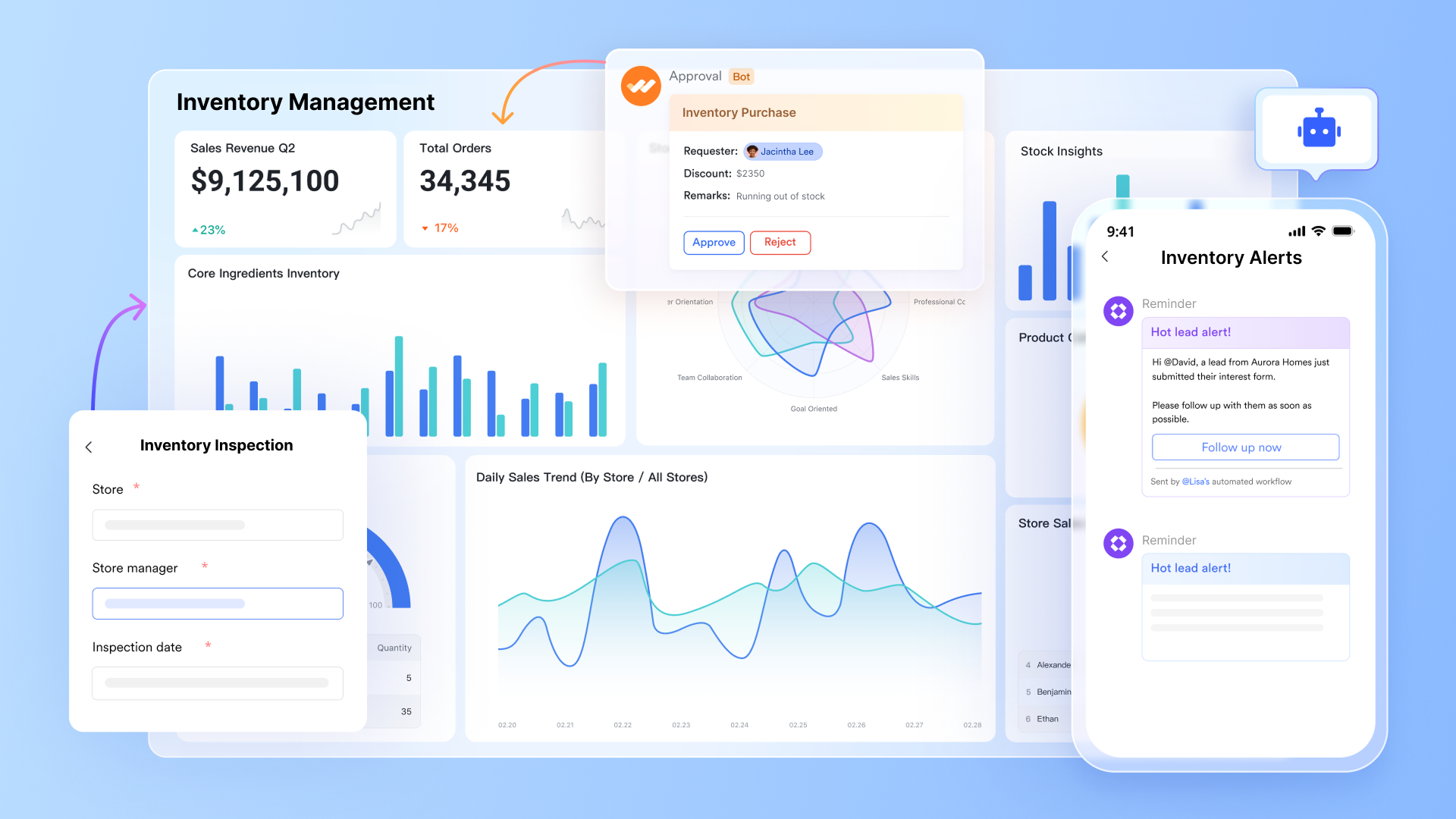
Inventory management hub with medical stock records
allows teams to create structured inventory tables that function as a central record for medical supplies. Each item is stored as a record with customizable fields, including item name, barcode, category, unit price, , supplier, and reference images. These fields ensure data consistency and reduce ambiguity across departments. Inventory tables can be filtered and grouped to support pharmacy, clinic, or store-level views. This structure establishes a reliable single source of truth for medical inventory data.
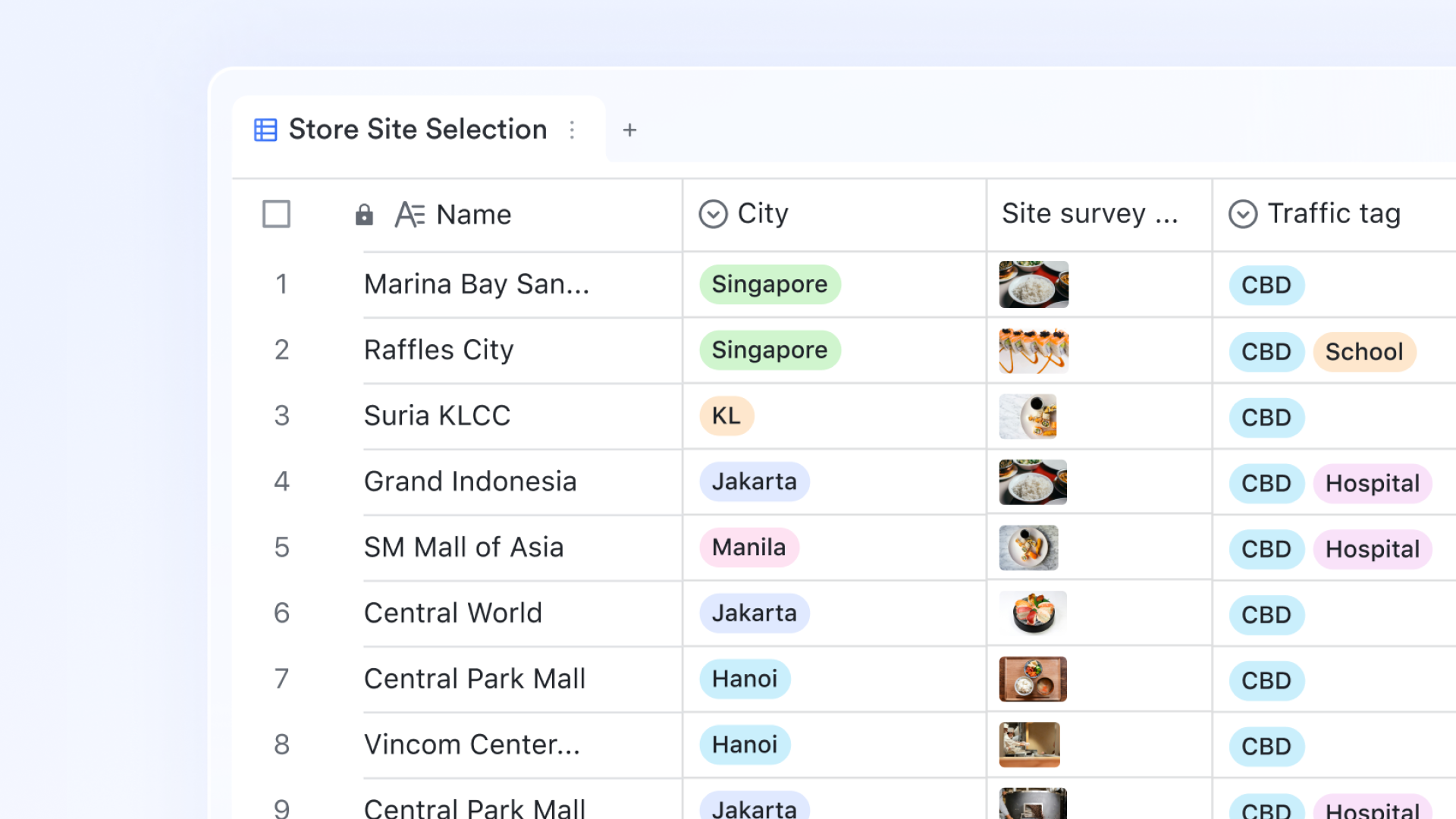
Barcode tracking for faster and more accurate inventory handling
includes a dedicated barcode field that allows users to scan and store barcode or QR code values. Using mobile devices, staff can scan items during receiving, issuing, or stock checks, and the data is captured directly in the inventory table. This significantly and reduces data entry errors. Barcode values can also be used to quickly locate records. This function is especially useful in pharmacies, clinics, and medical stores handling high item volumes. 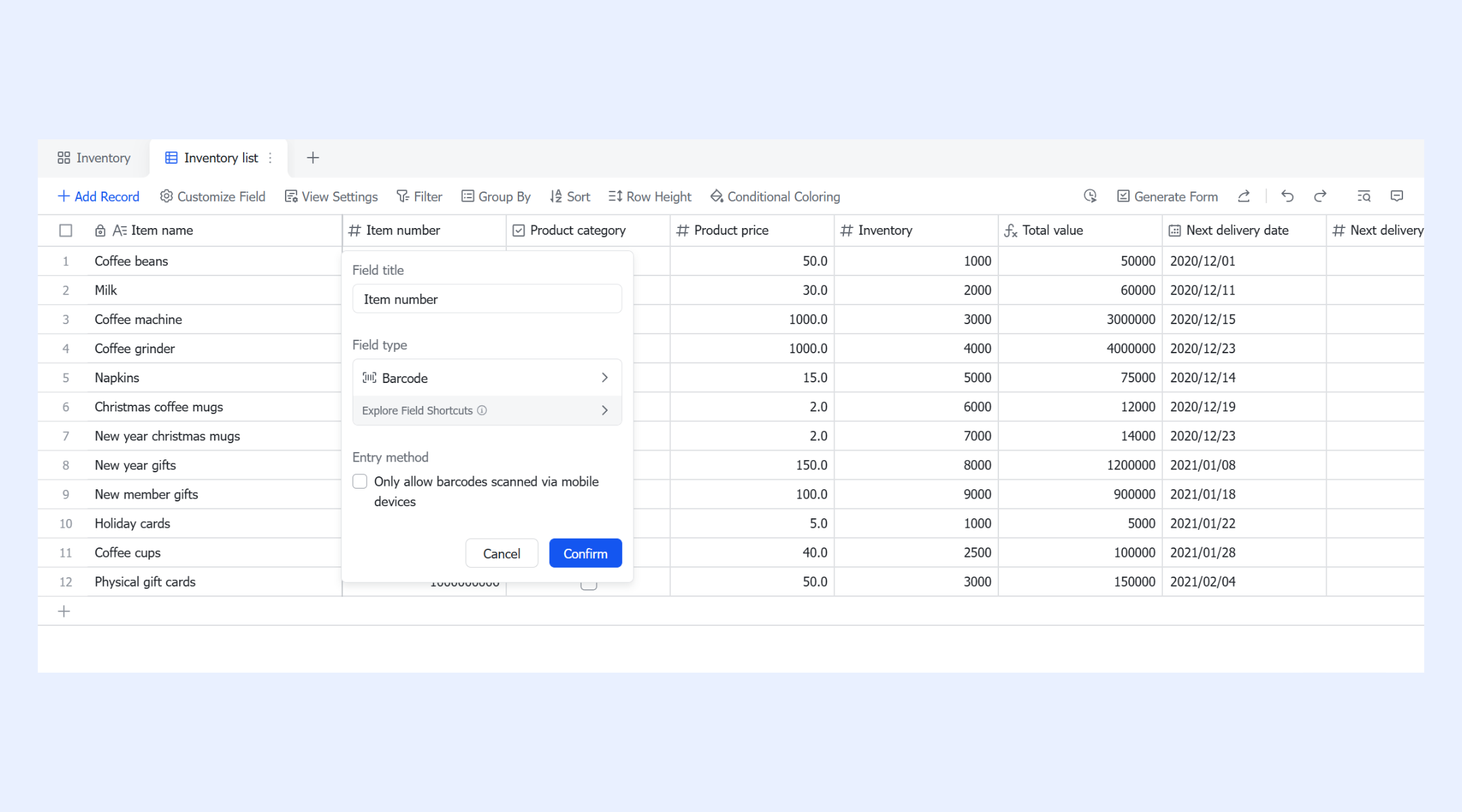
Lookup functions for fast inventory reference
Lark Base provides lookup fields that allow users to retrieve related inventory data from tables or sheets using matching values. This makes it easy to check stock levels, product details, or pricing without manually searching through records. Lookup functions support reporting, reconciliation, and quick decision-making. They are particularly useful when summarizing inventory data for reviews or audits. This capability enhances visibility while . 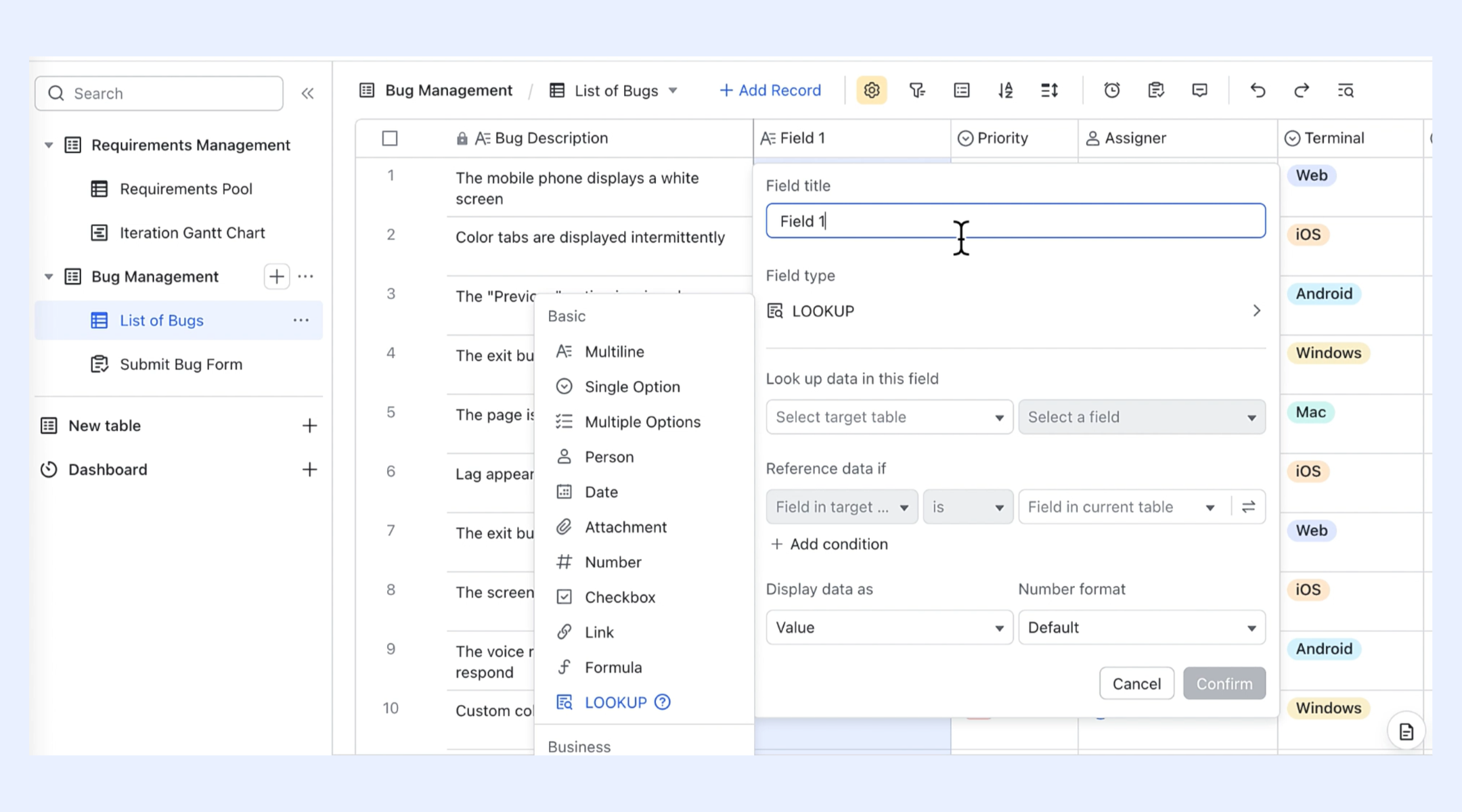
Low-stock reminders with rule-based notifications
Lark Base automations feature enables teams to define safety stock thresholds directly within inventory records. When stock levels fall below the specified threshold, to designated team members. These alerts help ensure timely reordering of critical medical items such as drugs or consumables. Notifications can be sent instantly through system messages, improving response speed. This function helps prevent stockouts without constant manual monitoring. 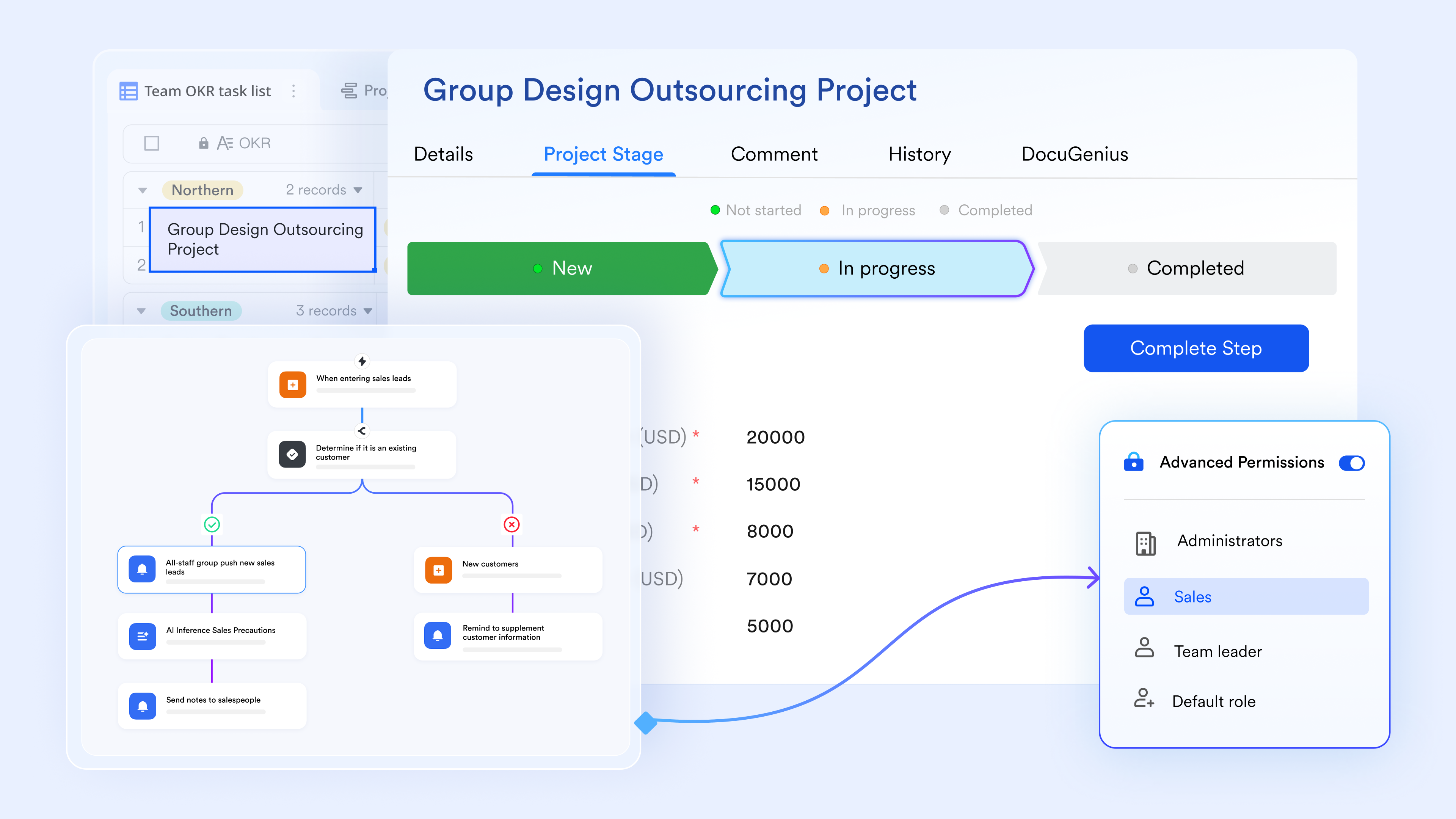
Built-in dashboard and AI analysis offer instant data insight
Lark Base dashboards transform medical inventory management by providing real-time visibility through metric blocks and automated low-stock alerts. Admins can track critical supply levels and expiration trends using line and column charts, ensuring essential medications are used before they perish. Also, if you are short of time, built-in smart analysis can help you gain a quick understanding of the data in the charts. 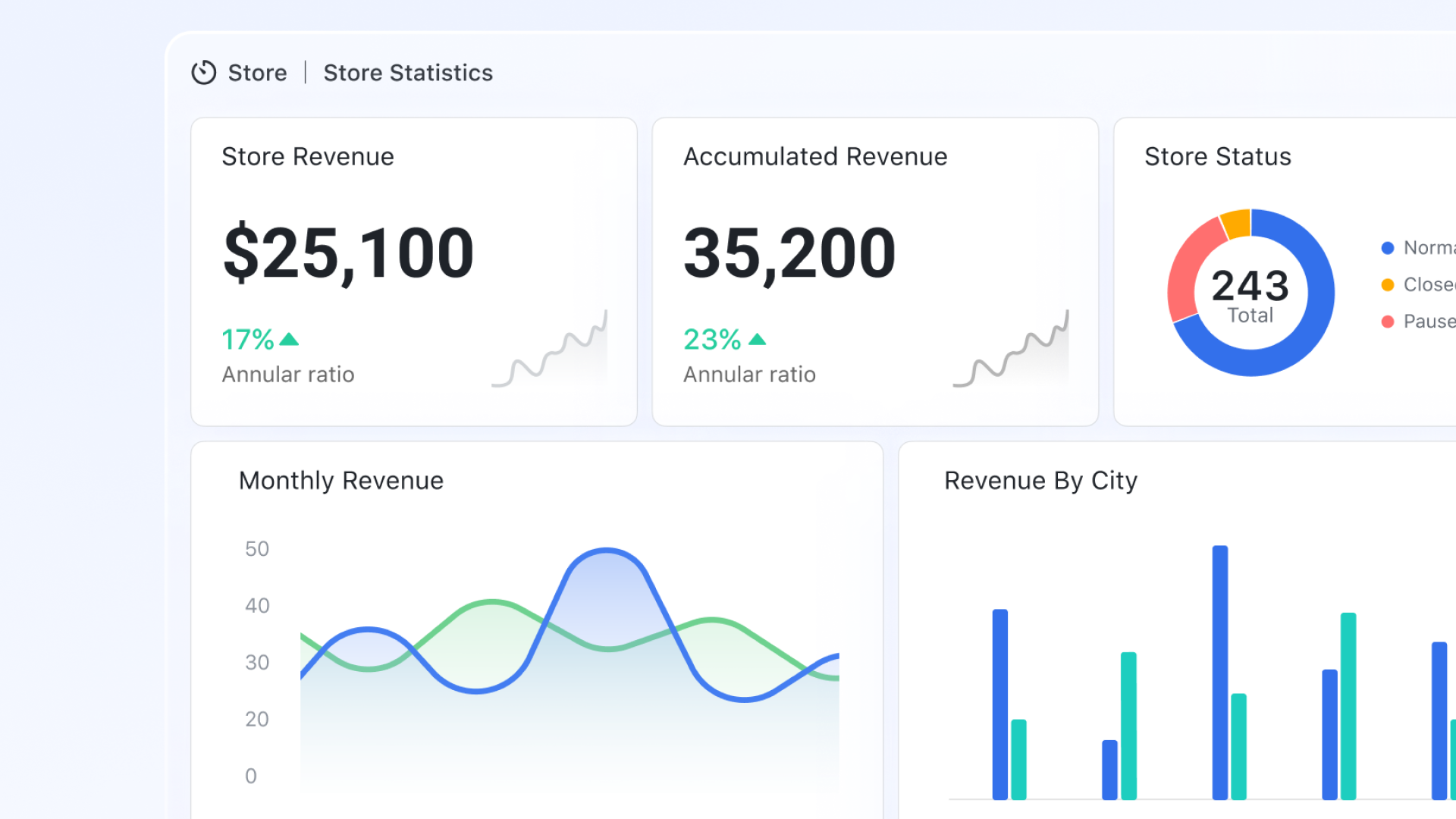
Pre-built templates for tracking inventory movement
for inventory management across various use cases. These templates typically include fields such as order number, item reference, quantity, status, and expected delivery date. Order records can be linked to inventory items to show how stock levels change over time. Filters and views help teams monitor pending, fulfilled, or delayed orders. This provides clear visibility into inventory flow and demand patterns.
:
- Starter plan: Free forever plan that includes 11 powerful tools for up to 20 users. It also comes with 100GB of storage, 1000 automation runs, AI translations, and more.
- Pro plan: $12/user/month (billed annually) for up to 500 users. It includes everything in Starter plus group calling for up to 500 attendees, 15TB of storage, 50,000 automation runs, and more.
- Enterprise plan: for custom pricing. Supports unlimited users and includes even more automation runs and advanced security, compliance, and management features.
For small teams with simple communication needs

18 months message history
1000 Base automation runs/month
2000 rows per table in Base
Most POPULAR
For companies with comprehensive collaboration and management needs
Unlimited message history
500-participant video meetings
50k Base automation runs/month
20k rows per table in Base
For large companies with advanced security and organizational management needs
Get a personalized demo and pricing
Unlimited message history
500-participant video meetings
15 TB storage + 30 GB storage/user
500k Base automation runs/month
50k Base automation runs/month
Most POPULAR
For companies with comprehensive collaboration and management needs
Unlimited message history
500-participant video meetings
50k Base automation runs/month
20k rows per table in Base
Common challenges in medical inventory management
Even with the best software, healthcare teams face hurdles that can compromise both operational efficiency and patient safety.
- Inaccurate data entry: During a "code blue" or a high-stress shift, staff may prioritize speed over logging a used kit. This leads to "shrinkage," where the shows more stock than is physically available. Over time, these discrepancies accumulate and distort purchasing forecasts. Managers may unknowingly delay reorders, increasing the risk of critical shortages.
- Hidden inventory: Sometimes staff "hoard" supplies in specific units because they don't trust the central supply chain. These "just-in-case" stashes create inaccurate counts, leading to unnecessary reordering and waste. This behavior ties up capital in unused stock. It also prevents equitable distribution of supplies across departments.
- Fragmented systems: If your inventory software doesn't "talk" to the billing system, the clinic may forget to charge patients for the specific consumables used during their treatment, directly impacting revenue. Over time, this results in consistent revenue leakage. It also makes auditing and financial reconciliation more complex.
- Complex regulatory compliance: Healthcare organizations must navigate strict FDA and HIPAA regulations. Manually tracking batch numbers or handling a sudden medical device recall without an automated system is incredibly labor-intensive and prone to compliance failures. Delayed responses increase legal and financial risk. They can also damage patient trust and institutional credibility.
- Unpredictable demand fluctuations: Sudden spikes in patient volume or seasonal illnesses can lead to rapid stock depletion. Without real-time visibility, managers struggle to balance the "tightrope" between dangerous stockouts and costly overstocking, leading to expired products. Poor forecasting worsens this challenge. It limits the organization's ability to prepare for emergency scenarios.
Best practices for medical inventory management systems
Beyond basic software implementation, success depends on the day-to-day habits of your clinical and administrative teams. Implementing these best practices ensures your medical inventory management system remains a "source of truth."
- Standardize nomenclature: Ensure every department uses the same names and SKUs for supplies. This prevents duplicate ordering where "latex gloves" and "exam gloves" are ordered separately for the same purpose.
- Conduct regular cycle counts: Instead of a massive annual audit that shuts down operations, perform small, frequent "cycle counts" of specific shelves. This reconciles digital records with physical reality without disrupting patient care.
- Assign responsibility: Designate "Inventory Champions" for each ward or department. These individuals are responsible for the accuracy of their local stock and training new staff on logging protocols.
- Leverage cloud solutions: Ensure data is accessible from any device. This allows a doctor to check stock levels from the bedside or a procurement officer to approve orders while off-site. For more on this, see how to to maintain a unified system.
- Utilize ABC analysis: Categorize inventory by value and frequency of use. "A" items (high-value/high-use) receive the tightest control, while "C" items (low-value bulk) can be monitored more loosely to save staff time.
- Integrate mobile scanning: Use the to turn smartphones into scanners. Scanning a QR code during use is faster and more accurate than manual typing, especially during busy shifts.
Choosing the right medical inventory management system
Selecting the wrong tool can lead to expensive "shelfware" that staff find too difficult to use. When evaluating a medical clinic inventory management tool, consider these core pillars:
- Scalability: Can the system handle one clinic today and ten clinics next year? Ensure the software supports multi-location tracking without requiring a complete system overhaul as you grow.
- User experience: Is the interface simple enough for a busy medical assistant to learn in ten minutes? High adoption rates depend on a tool that feels helpful rather than a chore.
- Integration: Does it "play well" with your existing Electronic Health Record (EHR), accounting software, or automated billing solutions? Seamless data flow prevents the need for manual double-entry.
- Regulatory compliance: The system must support and automated audit trails. It should be able to generate one-click reports for health authority inspections or product recalls.
- Real-time analytics: Look for a system that offers more than just a list of items. It should provide a dashboard with usage trends, expiration forecasts, and waste reports to help you make informed financial decisions.
- Automated reordering & alerts: Choose a system that doesn't just track stock but proactively manages it. Automated alerts for low stock or upcoming expirations are essential for preventing "emergency" high-cost orders.
- Customizability: Every clinic has unique needs (e.g., cold chain tracking for vaccines). The software should allow you to add without needing a professional developer.
- Reliable support & onboarding: Ask about the vendor's implementation timeline. A good partner provides training resources and responsive 24/7 support to help your team through the transition.
Conclusion
A medical inventory management system is no longer optional for healthcare organizations that aim to deliver safe, efficient, and compliant patient care. From preventing stockouts of critical supplies to managing expiring medications and supporting regulatory audits, the right system transforms inventory from a back-office task into a strategic capability. As healthcare operations grow more complex, relying on manual tracking or fragmented tools increases the risk of errors, waste, and delayed treatment. , automation, and real-time collaboration are essential to maintaining control over medical inventory at scale.
enables healthcare teams to manage inventory workflows in a structured yet flexible way, connecting data, processes, and people in one place. By streamlining stock tracking and reducing manual effort, Lark helps organizations focus on what matters most—consistent supply availability and high-quality patient care. Get started with Lark today to build a more reliable and future-ready medical inventory system.
Simplify inventory workflows for healthcare teams
FAQs
Can a medical inventory system support multi-location clinics?
Yes, modern medical inventory systems are designed to support centralized tracking across multiple clinics or branches. They provide real-time visibility into stock levels at each location, enabling transfers and better demand planning. With Lark, teams can maintain shared inventory records while still viewing location-specific data.
What roles should have access to medical inventory data?
Access should be role-based, typically including pharmacists, procurement teams, store managers, and select clinical staff. Administrators may need full visibility, while frontline staff require limited update permissions. Lark supports granular to protect data accuracy and compliance.
Are free medical inventory systems suitable for pharmacies?
Free systems can work for very small pharmacies with low item volumes and minimal compliance needs. However, they often lack advanced features like audit trails, expiration alerts, and controlled-drug tracking. Lark offers scalable options that grow with pharmacy operations.
When should healthcare teams move away from Excel tracking?
Teams should move away from Excel when inventory volumes increase or when real-time accuracy becomes critical. Spreadsheets lack automation, alerts, and reliable version control in clinical environments. Lark provides structured data, automation, and collaboration beyond the limitations of spreadsheets.
Related reading