It is Monday morning, and an operations manager is staring at three different spreadsheets, a warehouse dashboard, and a stream of chat messages asking the same question: "Do we actually have this item in stock?" This moment is increasingly common. Inventory feels harder today because businesses manage more SKUs, demand shifts faster than planning cycles, and teams are no longer sitting in the same office. A smart inventory management system exists to address this reality—not as a shiny piece of technology, but as a more practical way to run inventory operations.
This article is not just about explaining tools or buzzwords. Its purpose is to help modern teams understand how to operate inventory better in real conditions. You can expect a clear explanation of core concepts, realistic use cases, guidance on how such systems work, and an honest look at the operational challenges teams face when moving beyond traditional inventory practices.
What is a smart inventory management system?
A smart inventory management system is a coordinated approach to managing inventory that combines software, data, and workflows to help teams make better inventory decisions in real time. Unlike vendor-driven definitions that focus only on features, a practical definition centers on outcomes: Visibility, coordination, and timely action. Traditional inventory management is largely manual. Teams rely on spreadsheets, periodic stock counts, and experience-based judgment. Updates happen in batches, and by the time reports are shared, the information may already be outdated. This approach can work in small, stable environments, but it struggles as product lines expand and operations become distributed.
Automated inventory management improves on this by digitizing tasks. Inventory management software records stock movements automatically, updates quantities after sales or receipts, and reduces human error. However, automation alone does not make inventory "smart." Many automated systems still operate in silos, producing accurate data that teams struggle to interpret or act on.
A smart inventory management system goes a step further. It connects inventory data with context—who owns a decision, when action is needed, and how inventory impacts other teams such as sales, finance, and procurement. In this sense, a smart inventory system is not only a database but a decision-support layer across the organization.
- Decisions are rather than intuition-based. Historical trends, current stock levels, and expected demand inform replenishment and allocation choices.
- Visibility is real-time and shared. Inventory is not "owned" by one department's spreadsheet but is accessible to all stakeholders who need it.
- Cross-functional alignment is built into daily workflows. Inventory conversations happen where teams already work, rather than after problems appear.
You may see this described in different ways—some teams call it a "smart inventory system", while others frame it as advanced inventory management software—but the core idea remains the same: inventory management that supports better decisions, not just better records.
How a smart inventory management system works
At a high level, a smart inventory management system works through a continuous cycle rather than a linear process. The goal is not only to collect information, but to shorten the distance between insight and action.
- The first stage is data collection: Inventory data comes from multiple sources: Sales transactions, purchase orders, , and returns. In modern environments, this data is captured digitally through point-of-sale systems, warehouse scans, or a smart inventory app used on mobile devices. The emphasis here is accuracy and timeliness, not complexity.
- The second stage is : Once data is collected, the system maintains an up-to-date view of stock levels across locations. This includes not only quantities on hand but also inventory in transit or reserved for orders. Tracking transforms raw inputs into a reliable operational picture that teams can trust.
- The third stage is analysis and forecasting: This is where smart systems begin to differentiate themselves. Patterns are identified from historical data, seasonal fluctuations are recognized, and potential risks such as stockouts or excess inventory are highlighted. Importantly, forecasting does not replace human judgment; it supports it by providing structured insights.
- The final stage is alerts and actions: A system becomes "smart" when it helps teams act at the right time. Alerts signal when inventory reaches defined thresholds, when demand deviates from expectations, or when manual review is required. Actions may include generating a replenishment task, notifying stakeholders, or prompting a discussion before a decision is made.
This cycle highlights a critical distinction: Having data is not the same as acting on data. Many teams already possess accurate inventory information but lack clear ownership or workflows to turn insight into decisions. A smart inventory management system closes that gap.
Several core technologies typically support this workflow. Cloud-based platforms allow distributed teams to access the same information . AI and machine learning techniques assist with pattern recognition and forecasting, especially in environments with frequent demand changes. IoT devices, RFID, and barcode scanning improve the accuracy and speed of data capture. APIs and system integrations connect inventory data with accounting, procurement, and sales platforms, ensuring that inventory decisions reflect the broader business context. Beyond inventory, see how teams use Lark Base to manage .
Key features of a smart inventory management system
While implementations vary, most smart inventory management systems share a common set of features designed to support daily operations rather than just reporting.
Real-time inventory visibility
is foundational. Teams need to understand stock levels across warehouses, retail locations, and fulfillment centers without waiting for end-of-day updates. Movement tracking shows how inventory flows through the system, from receipt to storage to shipment. When implemented well, this creates a single source of truth that reduces disputes and redundant checks. Instead of asking whether data is correct, teams can focus on what to do next.
Automated workflows and alerts
Automation supports consistency and speed. Reorder point automation helps ensure replenishment happens before shortages occur, based on predefined rules rather than memory. Exception-based alerts draw attention to unusual situations—unexpected demand spikes, delayed shipments, or inventory discrepancies—so teams can intervene early. By reducing manual checks, frees people to focus on analysis and coordination rather than routine monitoring.
Demand forecasting and inventory optimization
Forecasting capabilities help teams anticipate rather than react. By analyzing historical data and recognizing seasonal demand patterns, a smart inventory management system supports more balanced inventory levels. The objective is not perfect prediction, but informed planning that reduces the risk of both stockouts and overstock. Over time, this leads to more stable operations and fewer emergency decisions.
Multi-location and multi-channel support
Modern inventory rarely lives in one place. Smart systems are designed to handle warehouses, retail locations, and online channels simultaneously. This unified view is especially important when inventory is shared across channels, such as fulfilling online orders from store stock. Effective multi-location support ensures that decisions made in one area do not create problems in another.
Across all these features, the emphasis is on usability and adoption. Whether a team uses enterprise-grade smart inventory management software or starts with a lightweight smart inventory app, the system must fit into real workflows. When are aligned with how teams communicate and make decisions, they become part of everyday operations rather than an isolated system checked only when problems arise.
Find all these features in an all-in-one tool
Business benefits of smart inventory management
The value of a smart inventory management system is best understood through its operational impact rather than through a list of technical features. When inventory is managed as a connected, decision-oriented process, teams experience improvements that go beyond efficiency and extend into confidence and control.
Reduced stockouts and overstock
One of the most visible benefits is a better balance between supply and demand. A smart inventory system continuously reflects what is available, what is committed, and what is expected to move next. This shared visibility helps teams respond earlier to demand shifts instead of reacting after shelves are empty or warehouses are full. By identifying potential issues sooner, teams can adjust replenishment plans before problems escalate, reducing both missed sales and excess inventory that ties up capital.
Lower operational costs
often rise quietly through inefficiencies rather than through obvious failures. Manual checks, emergency reorders, and last-minute coordination all add friction. Smart inventory management software reduces these hidden costs by automating routine updates and highlighting only the exceptions that require attention. Over time, this leads to smoother operations, fewer urgent interventions, and a more predictable workload for teams involved in inventory planning and execution.
Higher inventory accuracy
Accuracy is not only about correct numbers; it is about trust in the data. When inventory records are updated in real time and shared across teams, discrepancies are easier to detect and resolve. Mobile tools, such as a smart inventory app used during receiving or picking, reduce the gap between physical movement and digital records. As confidence in inventory data increases, teams spend less time verifying information and more time acting on it.
Faster, more confident decision-making
Perhaps the most underestimated benefit is decision speed. Inventory success is often about how quickly a team can move from insight to action, not just how accurate the data is. A smart inventory management system project typically succeeds when it clarifies ownership and accelerates decisions. When alerts, context, and , teams can decide and act without waiting for multiple approvals or manual confirmations.
Together, these benefits shift inventory management from a reactive task into a proactive operational discipline.
Experience these benefits in a powerful tool
Smart inventory management use cases across industries
Smart inventory management systems are not limited to a single industry or company size. Their flexibility allows them to scale across different operational contexts, proving that "smart" does not always mean complex.
Retail and e-commerce
In , inventory visibility directly affects customer experience. Smart inventory management systems help teams coordinate stock across physical stores and online channels, reducing the risk of selling unavailable items. By aligning sales data with inventory planning, retailers can respond more effectively to changing demand without overcommitting resources.
Manufacturing
rely on the timely availability of raw materials and components. A smart inventory system supports production planning by ensuring that materials are available when needed and by highlighting potential shortages early. This reduces production delays and supports smoother coordination between procurement, production, and logistics teams.
Warehousing and logistics
and logistics operations benefit from real-time tracking and clear workflows. Smart inventory management software helps teams monitor inventory movement, manage space more effectively, and coordinate inbound and outbound activities. The result is improved throughput and fewer disruptions caused by missing or misallocated stock.
For smaller organizations, smart inventory management does not require enterprise-level complexity. Many start with lightweight tools or even open-source experimentation, such as reviewing a smart inventory management system GitHub project to understand core concepts. The focus is on scalability—choosing systems and workflows that can grow with the business rather than forcing immediate, heavy investment.
Across these use cases, the common thread is adaptability. Smart inventory management systems scale by aligning with operational needs, not by imposing unnecessary complexity.
How to implement a smart inventory management system successfully
Implementing a smart inventory management system is as much an organizational effort as a technical one. Success depends on clear roles, realistic scope, and alignment with daily operations.
Step 1: Define inventory ownership and workflows
Before introducing new tools, teams must clarify responsibility. Someone needs to monitor stock levels, someone must approve replenishment decisions, and accountability should be explicit rather than implied. Clear workflows reduce confusion and ensure that inventory issues are addressed promptly instead of being passed between departments.
Step 2: Start with visibility before advanced automation
Many smart inventory management system projects fail because teams attempt to automate too much too early. Real-time visibility and shared understanding should come first. Once teams trust the data and understand how inventory flows through the organization, automation can be introduced gradually. This approach avoids over-investing in technology that teams are not ready to use effectively.
Step 3: Align inventory with daily operations
should be embedded into routine work, not treated as a separate task. Regular inventory reviews, structured , and documented standard operating procedures help make inventory decisions consistent. When inventory updates and discussions happen within existing workflows, adoption improves and reliance on ad hoc fixes decreases.
Throughout implementation, it is important to remember that tools support processes, not the other way around. Whether a team adopts comprehensive smart inventory management software or supplements existing systems with collaboration tools, the goal remains the same: enabling better, faster decisions through shared visibility and clear ownership.
By approaching implementation thoughtfully, organizations can build a smart inventory system that evolves with their operations and supports sustainable growth.
Combining smart inventory with CRM and other business tools
A smart inventory management system rarely operates in isolation. In real organizations, inventory decisions are shaped by multiple forces, including customer demand, supplier commitments, financial constraints, and operational capacity. For this reason, integration with CRM and other business tools is not a "nice to have," but a foundational requirement for sustainable inventory management.
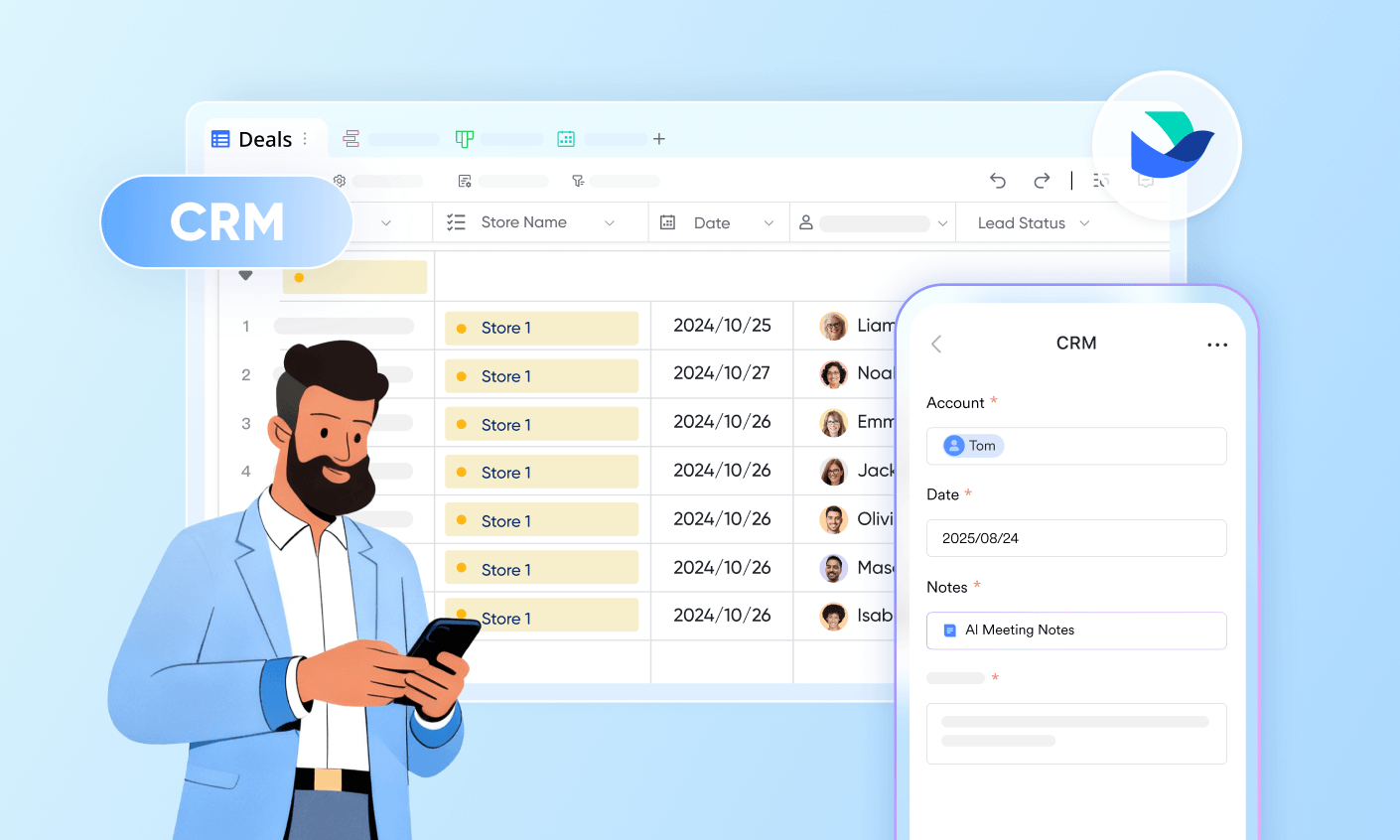
- Connecting inventory data with helps teams understand how customer behavior influences stock movement. Sales forecasts, pipeline changes, and customer commitments can directly inform replenishment and allocation decisions. Instead of treating inventory as a back-office function, integration makes it part of a customer-facing strategy. When sales teams see inventory constraints in real time, they can set more realistic expectations and prioritize opportunities more effectively.
- Integrating beyond CRM is equally important. Smart inventory management software often connects with accounting, procurement, and logistics tools to ensure alignment across the business. Procurement teams gain visibility into supplier performance and timelines, while finance teams better understand how inventory affects cash flow and planning. This creates a shared operational picture rather than fragmented reports owned by individual departments.
- Starting small with integration is often the most practical approach. Many teams begin a smart inventory management system project by linking only their most critical tools, focusing first on shared visibility rather than . Others explore community-driven examples, such as reviewing a smart inventory management system GitHub repository, to learn how lightweight integrations can work before committing to broader implementations.
- Mobile access strengthens integration in daily operations. A smart inventory app used by warehouse or field teams can push real-time updates into connected systems. This reduces delays between physical inventory movement and digital records, improving coordination across departments without adding administrative burden.
Ultimately, integrating inventory with CRM and other tools serves a single goal: Enabling consistent decisions based on shared, timely information. A smart inventory system becomes far more valuable when it reflects not only what is in stock, but also why that inventory matters to customers, finances, and operations at that moment.
Smart inventory management as a collaboration challenge
While technology often takes center stage, inventory management is fundamentally a coordination challenge. Many organizations struggle not because they lack data, but because teams operate on different timelines and priorities. Recognizing this reality is essential to understanding why smart inventory initiatives succeed or fail.
- Different teams view inventory through different lenses. Operations teams focus on availability and efficiency. Finance teams prioritize cost control and cash flow. Procurement works around supplier contracts and lead times. Sales concentrates on customer commitments and revenue goals. Each group depends on inventory data, yet often accesses it through separate systems and reports.
- Fragmented information leads to reactive decisions. When teams do not share a common view of inventory, delays and conflicting actions become common. Decisions are made in isolation, and issues are addressed only after they escalate, increasing operational stress.
- Shared context changes how teams collaborate. A smart inventory management system helps create a common understanding of stock levels, ownership, and next steps. When information is accessible and clear, conversations shift from assigning blame to coordinating action. This cultural shift is just as critical as any technical capability.
- Collaboration must align with real communication habits. Even the most advanced smart inventory management software can fall short if updates remain hidden in dashboards. Inventory insights are only effective when stakeholders see them in time and understand their implications within their daily work.
- Inventory as a improves coordination. When inventory decisions flow naturally through everyday processes—linking updates with discussion and accountability—teams can act without adding unnecessary meetings or manual follow-ups. Visibility into both stock levels and decision ownership supports faster, more aligned responses.
Viewing inventory management as a collaboration challenge highlights why integration, communication, and workflow design matter as much as forecasting or automation. Smart inventory management succeeds when it supports people and processes together, not when it focuses on technology alone.
Lark's solution: Enabling smarter inventory decisions across teams
In a modern smart inventory management system, plays a supporting yet strategic role by connecting inventory data with the way teams actually work. Rather than acting as a standalone inventory tool, Lark functions as an operational layer that brings visibility, communication, and accountability together. By combining messaging, tasks, approvals, and collaborative documents in one platform, Lark helps teams coordinate inventory decisions without switching between disconnected systems. This unified approach allows to flow naturally into daily workflows, enabling faster responses, clearer ownership, and more consistent execution across operations, finance, procurement, and sales teams.
Embedding inventory into daily work through automated workflow
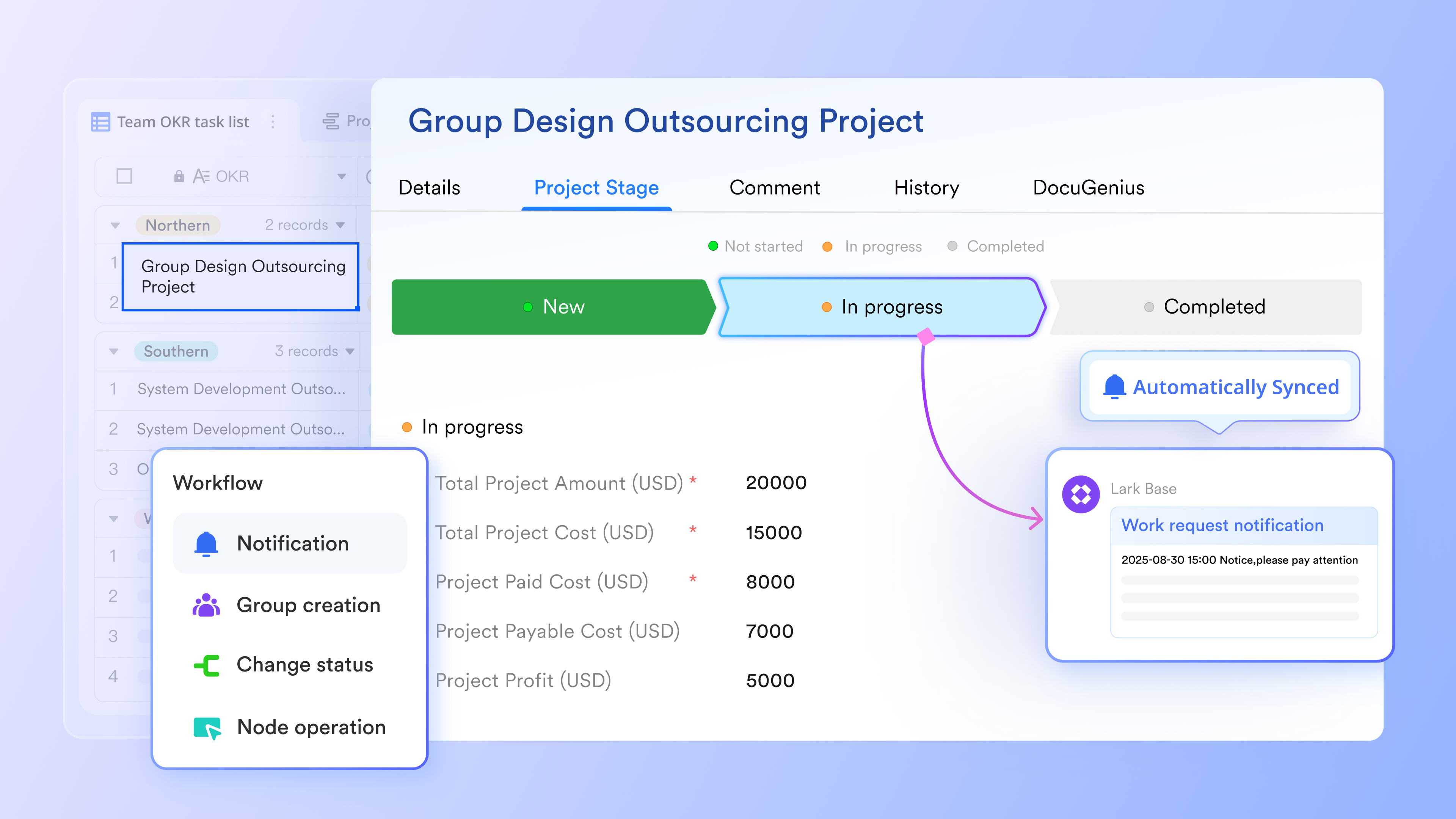
Automation and scheduling help turn inventory insights into consistent daily actions. Through , Lark can trigger timely alerts before stock reaches critical levels, assign follow-up tasks without manual intervention, and set up recurring inventory review routines using . Inventory management is no longer an occasional check, but a natural part of everyday work.
This approach positions Lark as an operational enablement layer rather than a standalone inventory platform. It works alongside existing smart inventory management systems, helping teams stay aligned, maintain shared visibility, and follow through on decisions more reliably.
By embedding inventory into daily workflows, Lark supports the core goal of smart : Enabling teams to move from data to action with greater clarity, speed, and shared responsibility.
Inventory decisions through multiple views
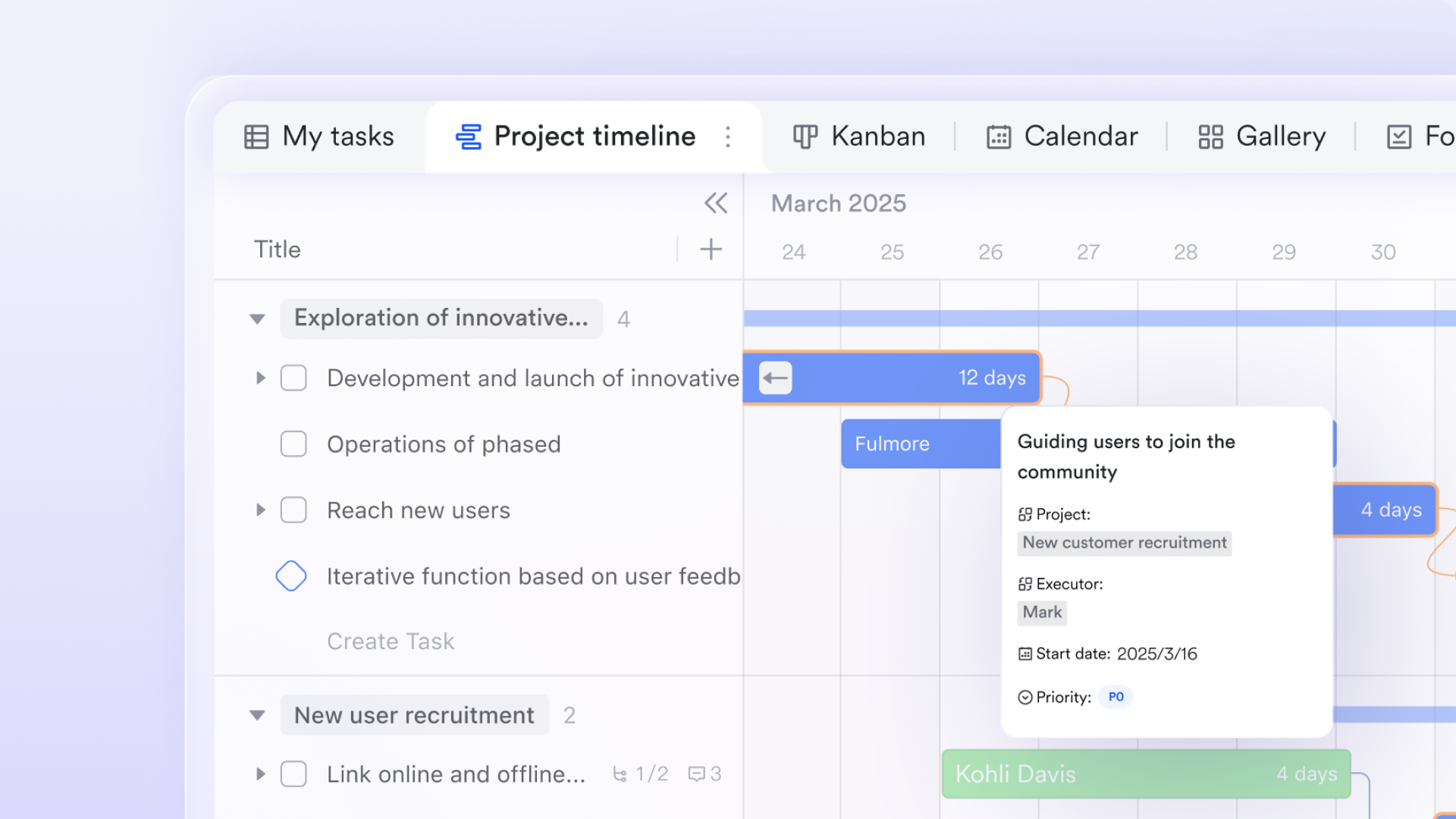
's multiple views make inventory information easier to understand and act on across teams. A single inventory table can support different perspectives—such as stock status, supplier tracking, reorder priorities, or ownership—without creating duplicate data. Each team sees what matters most to them, while everyone stays connected to the same underlying source of truth.
This flexibility allows inventory workflows to evolve naturally. Operations teams can focus on stock levels and movement, procurement can track suppliers and lead times, and managers can review risks and priorities at a glance. Views can be adjusted as processes change, without rebuilding the system or disrupting other teams.
The value to users is practical and immediate. Friction is reduced because teams no longer maintain separate spreadsheets. Accountability improves because owners and next steps are clearly visible in every view. Alignment happens faster because , supporting shared decisions rather than delayed handoffs.
Turning inventory data into action
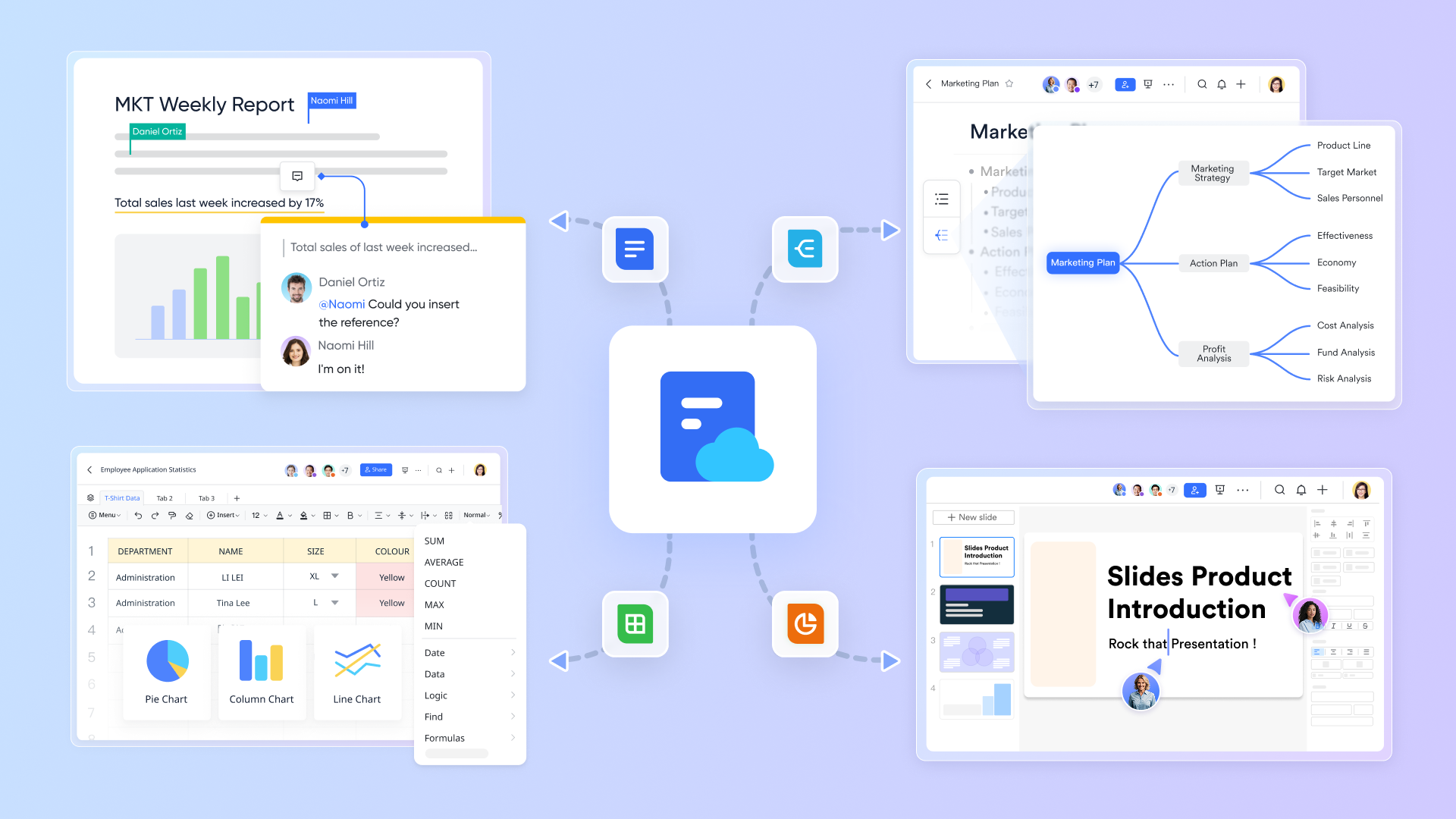
Inventory discussions often happen outside inventory systems, leading to lost context. keeps conversations connected to the data itself, allowing teams to discuss changes in real time and link messages directly to inventory records. stores standard operating procedures, supplier terms, and replenishment rules where teams can easily find and update them.
The underlying insight is simple: Smart inventory systems fail when insights don't translate into action. By connecting data with communication, Lark helps ensure that inventory signals lead to timely decisions.
:
- Starter plan: Free forever plan with 11 powerful tools for up to 20 users, 100GB storage, 1,000 automation runs, AI translations, and more. No credit card needed.
- Pro plan: $12/user/month (billed annually) for up to 500 users. Includes everything in Starter plus group calling for up to 500 attendees, 15TB storage, 50,000 automation runs, and more.
- Enterprise plan: for custom pricing. Supports unlimited users and includes advanced automation, security, compliance, and management features.
For small teams with simple communication needs

18 months message history
1000 Base automation runs/month
2000 rows per table in Base
Most POPULAR
For companies with comprehensive collaboration and management needs
Unlimited message history
500-participant video meetings
50k Base automation runs/month
20k rows per table in Base
For large companies with advanced security and organizational management needs
Get a personalized demo and pricing
Unlimited message history
500-participant video meetings
15 TB storage + 30 GB storage/user
500k Base automation runs/month
50k Base automation runs/month
Most POPULAR
For companies with comprehensive collaboration and management needs
Unlimited message history
500-participant video meetings
50k Base automation runs/month
20k rows per table in Base
Future trends in smart inventory management systems
The evolution of the smart inventory management system is moving beyond feature accumulation toward practical intelligence that fits real operations. As supply chains become more dynamic and teams more distributed, future trends point to systems that are not only smarter in analysis, but also more supportive of how people actually work.
Increased AI-driven forecasting
AI will continue to play a growing role, particularly in recognizing patterns that are difficult for humans to detect across large product ranges and changing demand signals. Instead of producing static forecasts, future smart inventory management software will increasingly support scenario-based planning. This allows teams to explore "what if" questions and prepare responses in advance. Importantly, is becoming a decision-support tool rather than a decision-maker, helping teams understand options instead of prescribing actions.
Smarter automation, not more automation
Many organizations have learned that automation alone does not solve inventory problems. The next phase focuses on selective automation that targets high-friction moments, such as delayed replenishment approvals or missed handoffs between teams. Rather than automating every step, smart systems will automate only where clarity already exists. This approach reduces errors and builds trust, making automation easier to adopt over time within a smart system project.
Lighter, more flexible systems
Future systems are trending toward modular, adaptable designs. Teams want the ability to start small and expand as needs grow, instead of committing to rigid platforms upfront. This is why some organizations explore open-source concepts through a smart inventory management system GitHub repository or pilot lightweight tools like a smart inventory app before scaling. Flexibility allows inventory systems to evolve alongside business models, not lag behind them.
Better human–system collaboration
Perhaps the most important trend is improved collaboration between people and systems. A smart inventory system of the future will not just display data but guide attention, highlight ownership, and support conversations. Systems that respect human judgment and integrate naturally with daily workflows will outperform those that rely solely on dashboards and reports. In this sense, "smart" increasingly means supportive, not complex.
Together, these trends suggest that the future of inventory management is less about technology alone and more about thoughtful alignment between insights, actions, and people.
Conclusion
As inventory challenges continue to grow in complexity, it is tempting to search for a single tool or platform that promises complete control. In reality, an effective inventory management system succeeds only when people, processes, and systems evolve together. Technology can provide structure and visibility, but outcomes are ultimately shaped by human decision‑making and coordination. What we consistently observe in growing teams is that the most successful inventory initiatives are incremental rather than disruptive. Teams first improve visibility, then clarify ownership and accountability, and only later introduce deeper levels of automation. This steady progression builds confidence and avoids the frustration caused by over‑engineered solutions.
In the end, building smarter inventory operations is an ongoing journey. By focusing on practical insights, collaboration, and continuous improvement—and by using a flexible, built-in workspace like to connect information, workflows, and teams—organizations can transform inventory management from a source of stress into a reliable foundation for sustainable growth.
Start a real bargain for your inventory management?
FAQs
How to build an inventory management system?
Start by defining workflows and ownership, then ensure real-time visibility of stock. Many teams struggle with fragmented tools; integrating inventory with collaboration platforms like Lark helps turn data into action without heavy system complexity.
What are the 4 types of inventory management systems?
The main types are manual, periodic, perpetual, and smart or automated systems. Traditional systems often lack collaboration, while modern smart inventory systems benefit from tools like Lark that align teams around shared data.
What are the four types of WMS?
They include standalone WMS, supply chain–integrated WMS, ERP-based WMS, and cloud-based WMS. Standalone systems can be rigid; pairing a cloud WMS with Lark improves coordination and daily execution.
What are the best inventory management systems?
Popular options include NetSuite, Zoho Inventory, Odoo, and TradeGecko. These tools manage stock well, but often lack built-in collaboration. Lark complements them by connecting inventory insights with communication and tasks.
What is the difference between WMS and IMS?
A WMS focuses on warehouse operations, while an IMS manages inventory across the business. Both generate data, but without tools like Lark, teams may struggle to align and act on insights.
Related reading