














Order Management System: Definition, Features, and Top Tools

Ryan Tanner
Product Marketing Specialist
Sep 18, 2026
Ryan Tanner
Sep 18, 2026

20 min read


Managing orders efficiently has become critical for modern businesses juggling multiple sales channels, suppliers, and customer expectations. An effective order management system (OMS) helps companies streamline everything from order capture to fulfillment and delivery, ensuring accuracy and real-time visibility across operations.
In today's market, solutions like Lark, Salesforce OMS, Shopify Plus OMS, IBM Sterling, and Adobe Commerce are redefining how organizations handle orders through automation and smart collaboration. Whether you run an ecommerce store, retail chain, or manufacturing unit, choosing the right OMS can simplify processes, improve collaboration, and enhance customer satisfaction across the entire order lifecycle Here is the list of order management systems:
1. Lark: Unified order and team management
2. Salesforce OMS: Enterprise-grade ecommerce fulfillment platform
3. Shopify Plus OMS: Multichannel retail and order automation
4. IBM Sterling OMS: Omnichannel retail operations management system
5. Adobe Commerce OMS: Smart order routing and analytics
6. Katana MRP: Manufacturing and inventory control software
7. Körber OMS: Supply chain and logistics optimization
8. MYOB OMS: Simple purchase and order management

What is an order management system (OMS)
An order management system (OMS) is a digital platform that helps businesses efficiently track, process, and fulfill customer orders across multiple sales channels. It serves as a centralized hub connecting sales, inventory, warehouse, and customer service operations, ensuring every order is managed accurately from placement to delivery. An OMS automates key steps such as order capture, inventory updates, payment processing, and shipping coordination, reducing manual work and human error.
Modern systems also combine with ecommerce platforms, CRMs, and logistics partners, giving teams real-time visibility into stock levels and order statuses. By providing a unified view of operations, an OMS enables faster fulfillment, fewer delays, and a smoother customer experience. It's an essential tool for retailers, ecommerce businesses, manufacturers, and wholesalers aiming to scale operations efficiently while maintaining complete control over their supply and fulfillment processes.
Core features of an order management system
A modern order management system (OMS) offers a complete suite of tools designed to streamline every stage of the order lifecycle. From tracking inventory to automating workflows, these features ensure businesses can manage orders efficiently, minimize delays, and deliver exceptional customer experiences across all channels.
- Centralized order processing: An OMS consolidates all incoming orders from multiple sales channels into one dashboard. This ensures teams can monitor, update, and fulfill orders quickly without switching between platforms.
- Inventory management: It provides real-time visibility into stock levels and automatically updates inventory after each sale. This prevents overselling, stockouts, and discrepancies across warehouses.
- Multi-channel collaboration: The system connects with major ecommerce platforms like Amazon, Shopify, and Magento. It keeps product data, pricing, and order details consistent across every channel.
- Workflow automation: Automation routes orders to the right warehouse or supplier based on rules such as location or availability. This speeds up fulfillment and reduces manual intervention.
- Shipping and fulfillment tracking: OMS platforms combine with logistics and courier APIs to generate labels, update shipping status, and provide real-time delivery tracking. Customers and teams stay informed at every stage.
- Reporting and analytics: Real-time dashboards and reports help businesses analyze performance, forecast demand, and identify process bottlenecks. These insights drive smarter decision-making and operational efficiency.
- Customer management: A centralized customer database records purchase history, returns, and preferences. This helps personalize service, manage returns smoothly, and build stronger customer relationships.
Types of order management systems
Order management systems come in different deployment models, each offering distinct advantages depending on business size, complexity, and IT infrastructure. Choosing the right type helps organizations balance flexibility, control, and cost while ensuring efficient order handling and scalability.
- Cloud-based OMS: A cloud-based OMS is hosted online, allowing access from anywhere with minimal IT setup. It's highly scalable, cost-effective, and automatically updated by the provider. This model suits growing businesses seeking flexibility and reduced infrastructure costs.
- On-premise OMS: An on-premise OMS is installed and maintained on a company's own servers, offering greater control, customization, and data security. It's ideal for enterprises with complex workflows and dedicated IT resources. However, it involves higher setup and maintenance costs.
- Hybrid OMS: A hybrid OMS blends cloud flexibility with on-premise control, offering the best of both environments. It enables enterprises to store sensitive data locally while leveraging cloud-based tools for scalability, speed, and collaboration.
Top 8 order management systems
1. Lark: The all-in-one order and team management platform
Businesses need more than just an order management system; they need a connected workspace where teams can collaborate, automate, and track every step of the order lifecycle in real time. Lark stands out as a modern, cloud-based platform that merges order management, team collaboration, and process automation into one unified solution. It is ideal for ecommerce, retail, and multi-department teams that want to streamline everything from order tracking to approvals in a single intelligent workspace.
Key features:
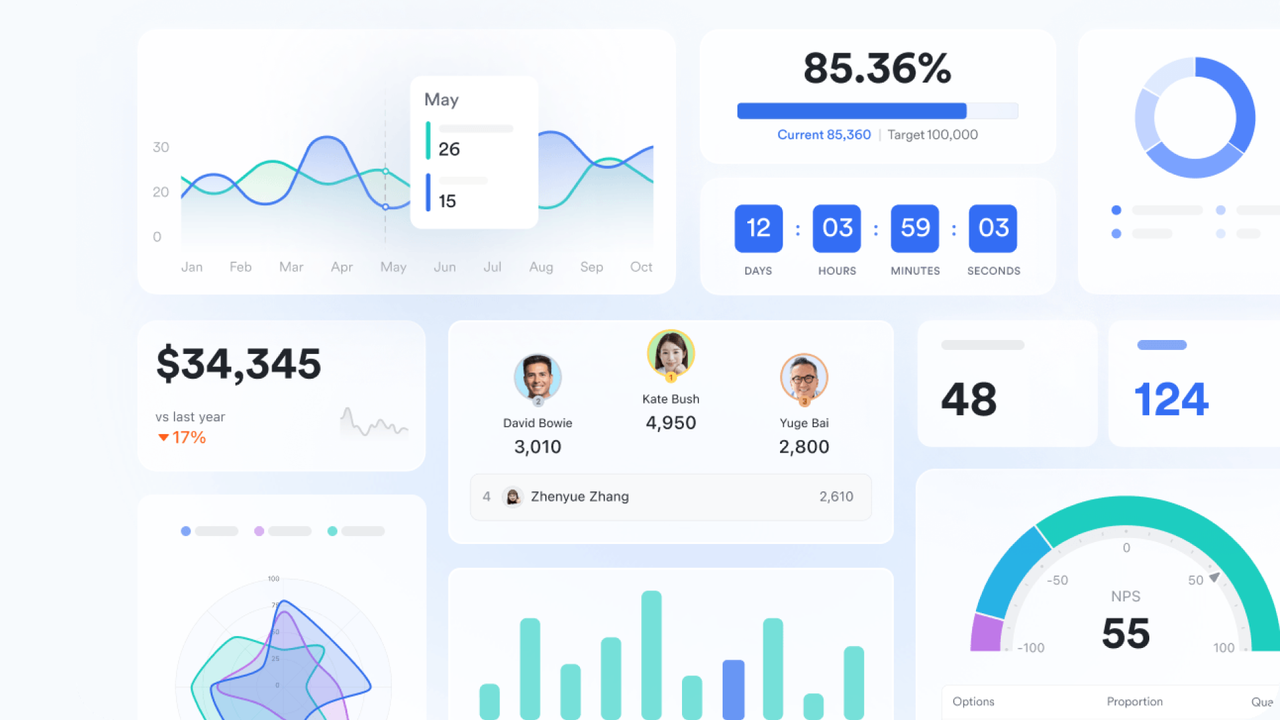
- Dashboard in Lark Base for clean data visualization: The dashboard feature in Lark Base enables you to visualize order-management data in real time across multiple dimensions — from overall order volume to pending shipments or delayed deliveries. You can display charts and graphs that track key metrics like orders by status, fulfillment times, or customer segments, making deviations or bottlenecks instantly visible.
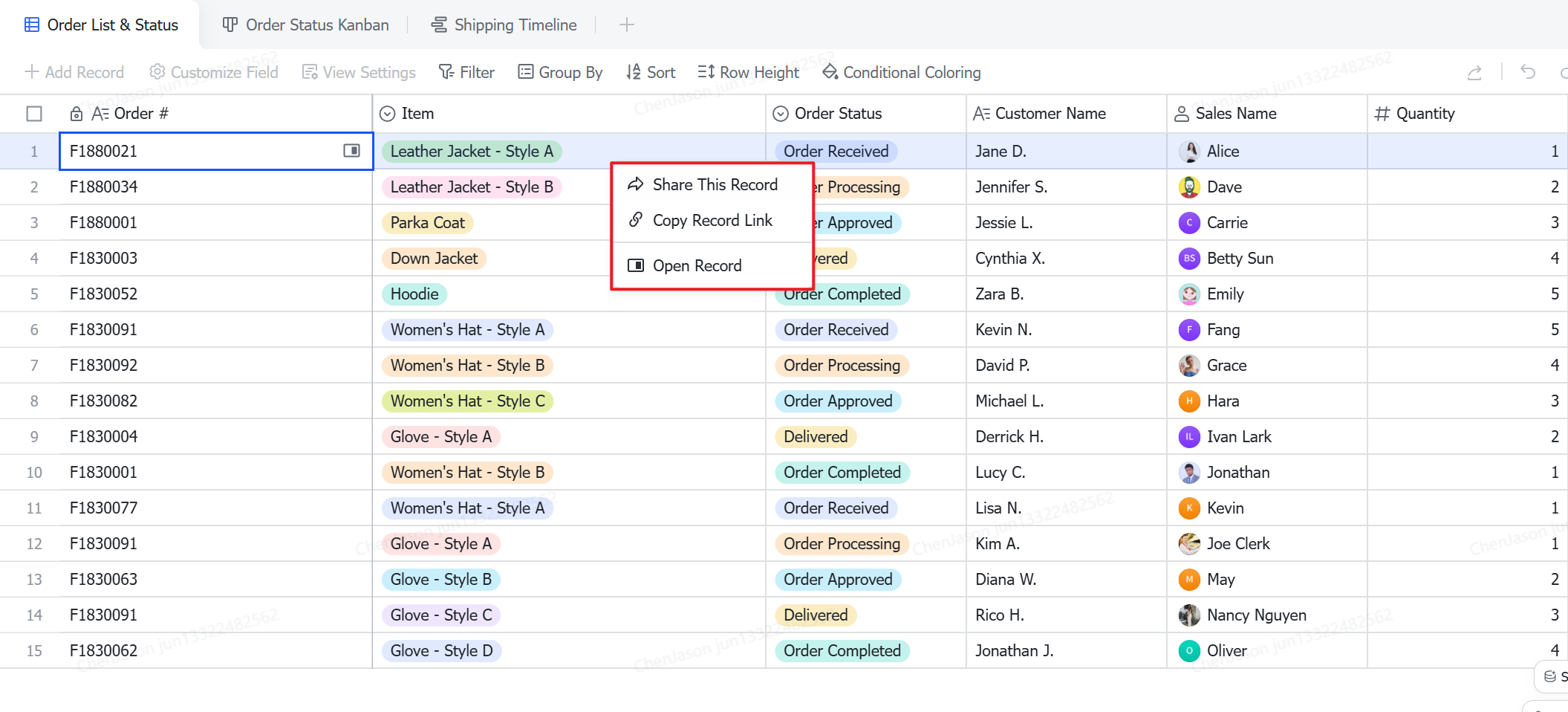
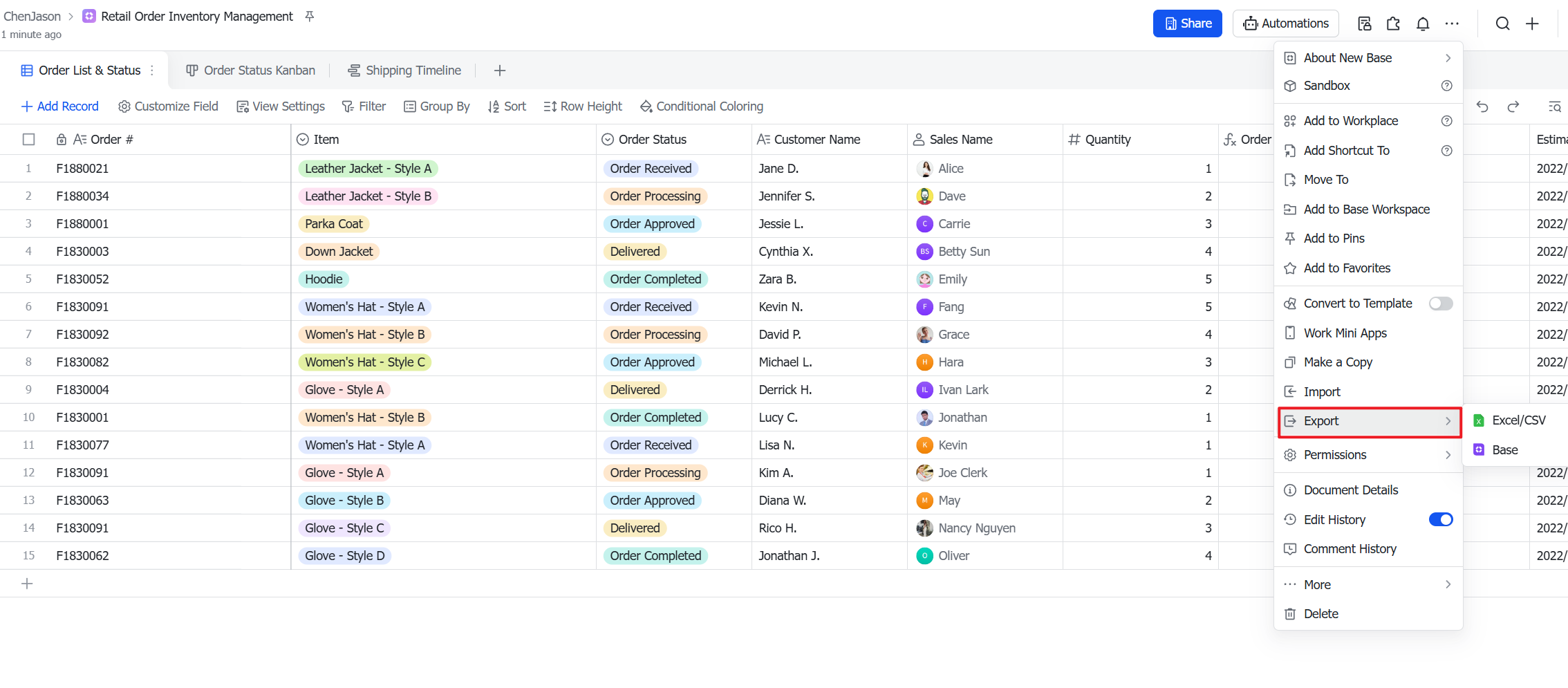
- Ready-to-use templates for order management: The "Order Management" table in Lark Base lets you record order details like order number, item, status, customer name, sales rep, quantity, price, and order date. It helps trace issues, analyze sales, and maintain accurate records. Real-time updates ensure the team stays aligned, turning order management into a seamless, collaborative process.
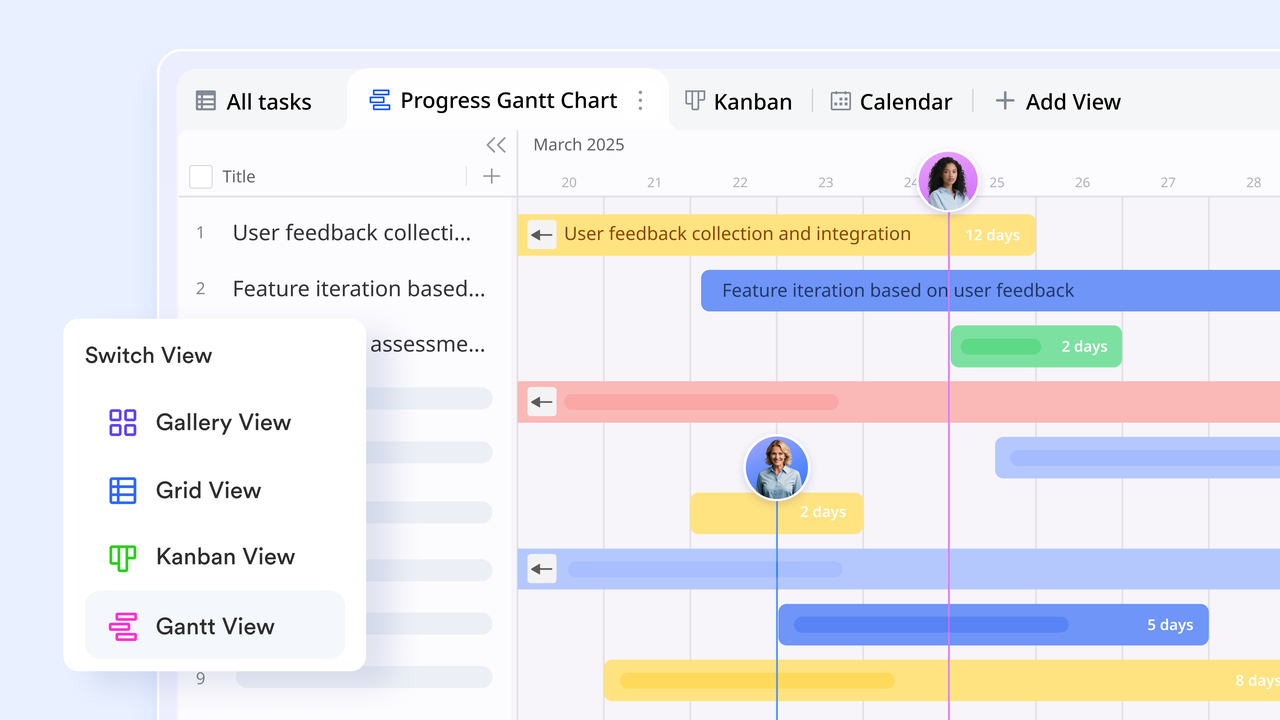
- Lark Base's Gantt view helps track progress: The Gantt view in Lark Base provides a visual timeline of shipping schedules, allowing you to monitor and adjust delivery timelines effectively. By visualizing each order's start and end dates, you can quickly identify potential delays or overlaps, ensuring timely deliveries. This feature enhances coordination among teams, facilitates proactive issue resolution, and contributes to smoother operational workflows.
- Lark Base's dynamic record of query orders: The record option in Lark Base enhances order management by enabling team members to efficiently find, share, and update orders directly from a centralized interface. Users can search for orders using criteria such as order number, customer name, or order status, facilitating quick access to specific records.
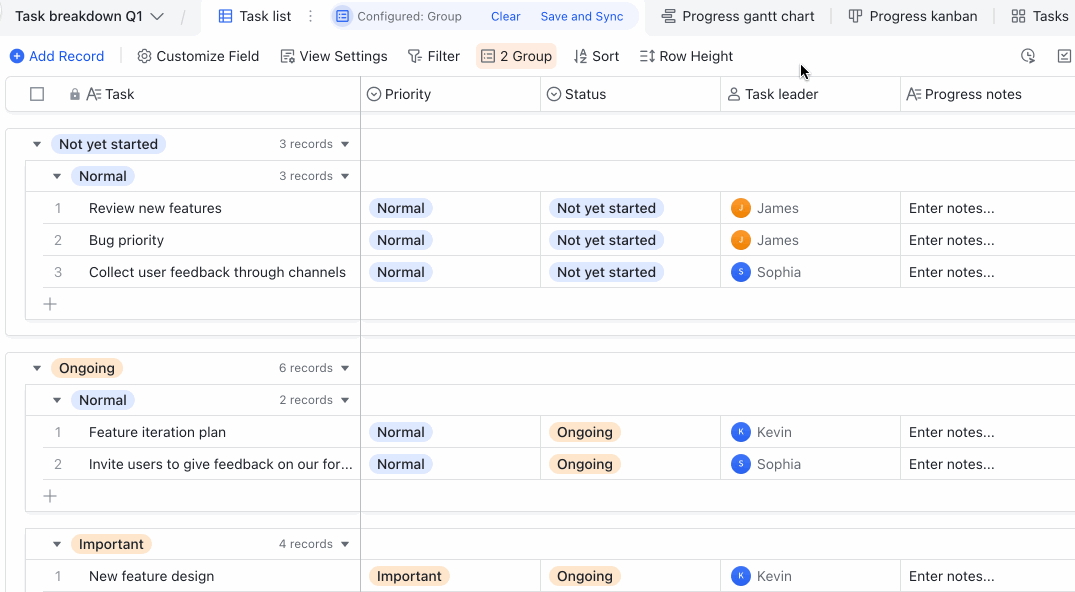
- Sorting, grouping, and filtering data in Lark Base: Lark Base's powerful sorting, grouping, and filtering functions enable you to organize and analyze orders with precision. By sorting data, you can arrange orders in ascending or descending order based on fields like order number, customer name, or order date. Grouping allows you to categorize orders by criteria such as product type or sales representative, providing a clear overview of performance across different segments. Filtering helps you focus on specific subsets of data, such as pending orders or high-value transactions, by applying conditions to fields.
- Export orders from Lark Base for further analysis: Lark Base lets you export all orders as an Excel file for deeper analysis and reporting. With just a few clicks, you can download a complete record of your order data, including details like order number, customer, status, and dates. The exported file can then be used in Excel to create pivot tables, charts, or apply advanced filters
Pros:
- Unified workspace for operations and communication that combines collaboration tools and order management functions under one platform.
- Real-time synchronization and automation that reduces manual work and errors by connecting all data and workflows.
- AI-driven insights that help identify bottlenecks and predict issues before they affect fulfillment.
- Scalable for any business size, working seamlessly for startups, SMBs, and enterprise teams with flexible modules.
Cons:
- Advanced features require learning curves, but its AI Assistant and Help Center provide complete guides.
Best for: Lark is best for omnichannel businesses, ecommerce retailers, and collaborative teams that want a single, intelligent platform to manage orders, automate workflows, and communicate in real time. It is ideal for organizations that value transparency, speed, and teamwork from purchase requests to delivery confirmation.
- Starter plan: Free forever plan that includes 11 powerful tools for up to 20 users. It also comes with 100GB of storage, 1000 automation runs, AI translations, and more.
- Pro plan: $12/user/month (billed annually) for up to 500 users. It includes everything in Starter plus group calling for up to 500 attendees, 15TB of storage, 50,000 automation runs, and more.
- Enterprise plan: Contact sales for custom pricing. Supports unlimited users and includes even more automation runs and advanced security, compliance, and management features.
2. Salesforce OMS: Enterprise-grade ecommerce fulfillment platform
Salesforce order management system is a powerful cloud-based platform built for enterprise retailers and ecommerce brands. It connects sales, service, and fulfillment into one ecosystem, ensuring every customer order is processed seamlessly. With strong automation and AI capabilities, it simplifies complex fulfillment workflows. It's ideal for businesses that rely on Salesforce CRM and want unified customer visibility.
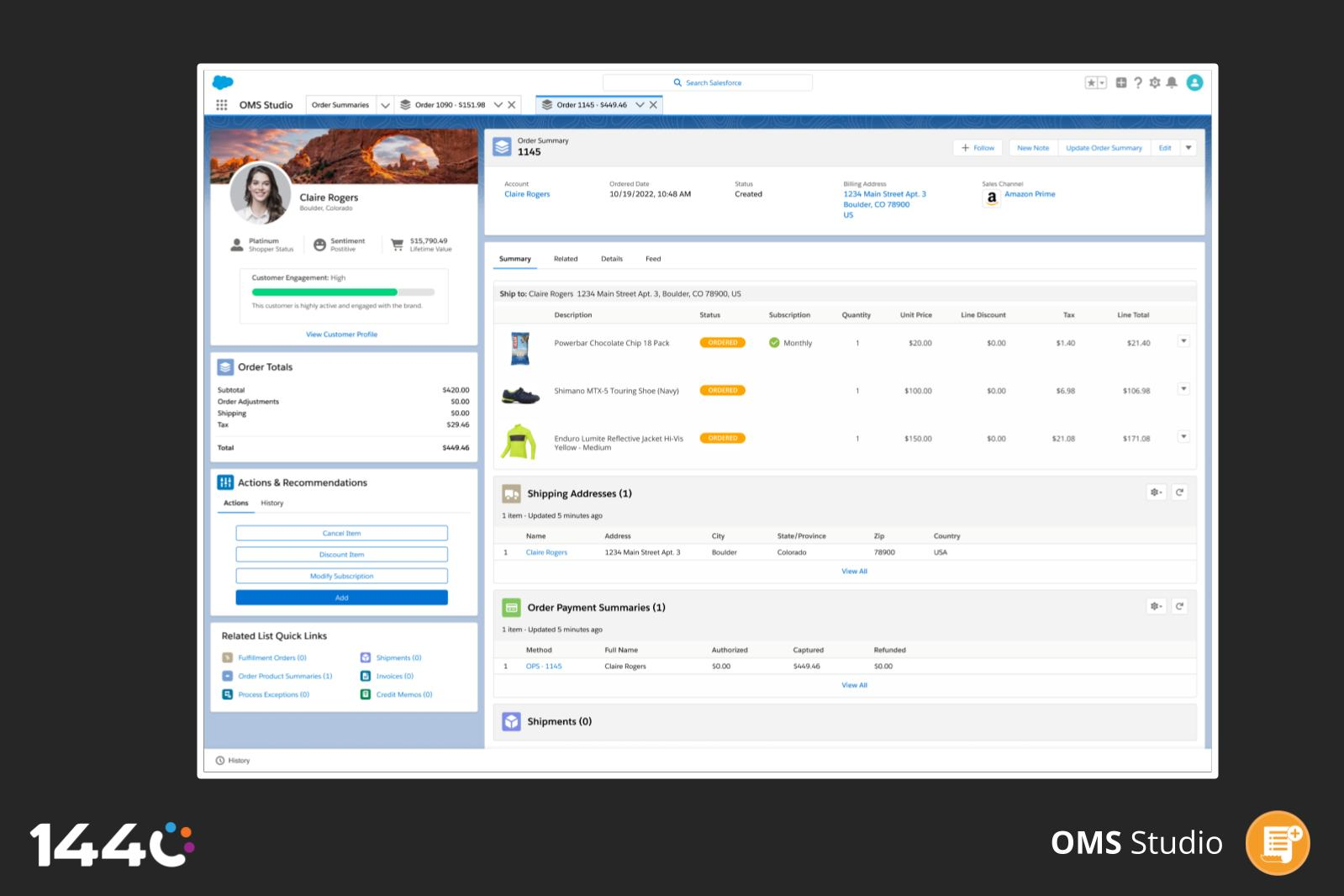
Image source: salesforce.com
Key features:
- AI-powered order routing and fulfillment optimization
- Seamless integration with Salesforce CRM and Commerce Cloud
- Centralized inventory and shipping management
- Real-time customer updates and tracking
- Advanced analytics and post-purchase support
Pros:
- Strong CRM and ecommerce integration
- Highly customizable for enterprise workflows
- Excellent analytics and reporting tools
- Reliable scalability and cloud infrastructure
Cons:
- Complex setup for small businesses
- Higher cost for full-feature implementation
Best for: Large enterprises and global retailers needing CRM-integrated fulfillment.
Pricing: Custom pricing based on business size and Salesforce plan.
3. Shopify Plus OMS: Multichannel retail and order automation
Shopify Plus OMS offers seamless order and inventory management for ecommerce brands selling across multiple channels. It automates everything from order capture to shipping while syncing data across web stores, social media, and marketplaces. The platform is built for speed, simplicity, and scale. It enables businesses to deliver consistent customer experiences across all channels.
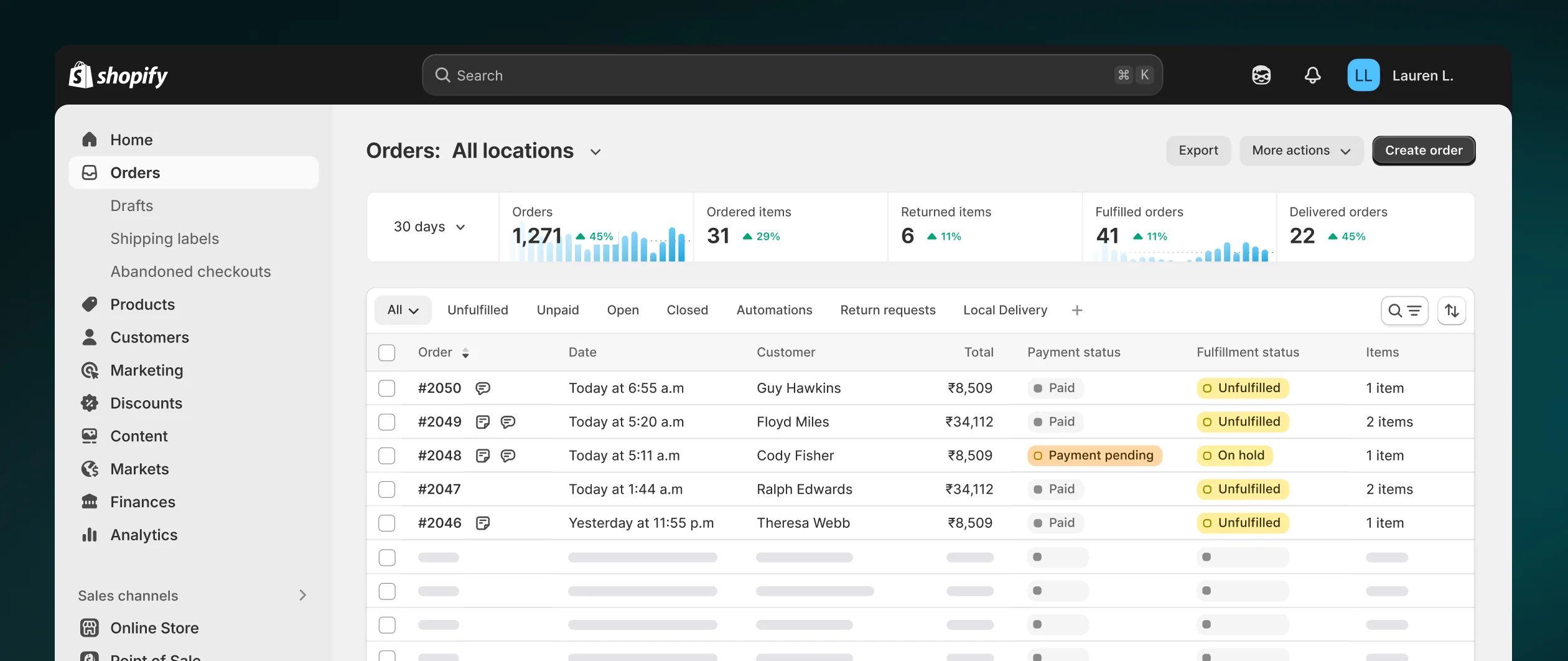
Image source: shopify.com
Key features:
- Centralized dashboard for multichannel order management
- Automated order routing and tracking updates
- Integrated fulfillment and returns management
- Real-time synchronization across stores and marketplaces
- Analytics for sales, orders, and customer trends
Pros:
- Intuitive and easy-to-use interface
- Excellent integration with sales channels
- Built-in automation for order workflows
- Strong scalability for high-volume ecommerce
Cons:
- Limited customization outside the Shopify ecosystem
- Higher transaction fees depending on payment gateway
Best for: Fast-growing ecommerce brands managing multichannel sales.
Pricing: Included in Shopify Plus plan starting around $2,000/month.
4. IBM Sterling OMS: Omnichannel retail operations management system
IBM Sterling OMS is an enterprise-grade platform designed to orchestrate complex order and supply chain processes. It provides a unified view of inventory, orders, and customers across all channels. With advanced automation and analytics, it helps large retailers improve delivery efficiency and customer satisfaction. It's a robust solution for enterprises handling global operations.
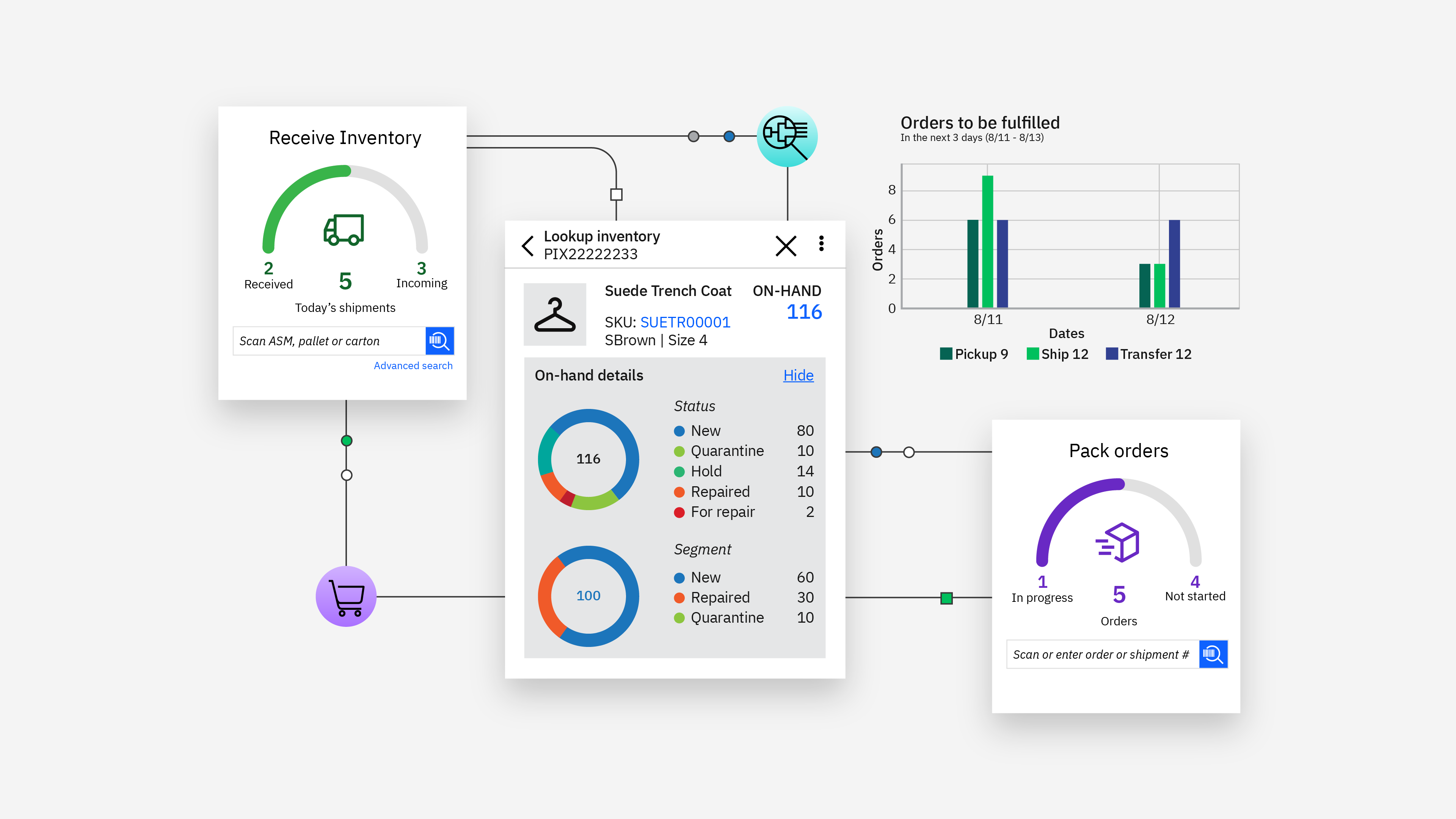
Image source: ibm.com
Key features:
- Real-time inventory visibility across all locations
- Automated order routing and fulfillment
- Integration with supply chain and warehouse systems
- Scalable architecture for global businesses
- AI-driven insights for demand forecasting
Pros:
- Highly reliable enterprise solution
- Deep integration with ERP and logistics systems
- Advanced analytics and data management
- Supports large-scale global operations
Cons:
- Requires high technical expertise for implementation
- Expensive for small or mid-sized companies
Best for: Large retailers and enterprises managing omnichannel operations.
Pricing: Enterprise-level pricing based on deployment and customization.
5. Adobe Commerce (Magento) OMS: Smart order routing and analytics
Adobe Commerce OMS (formerly Magento) is built for online retailers seeking flexibility and deep analytics. It offers a comprehensive suite of ecommerce and order management capabilities. Businesses can track, fulfill, and analyze orders with advanced data insights. Its customizable design makes it suitable for medium to large online businesses.
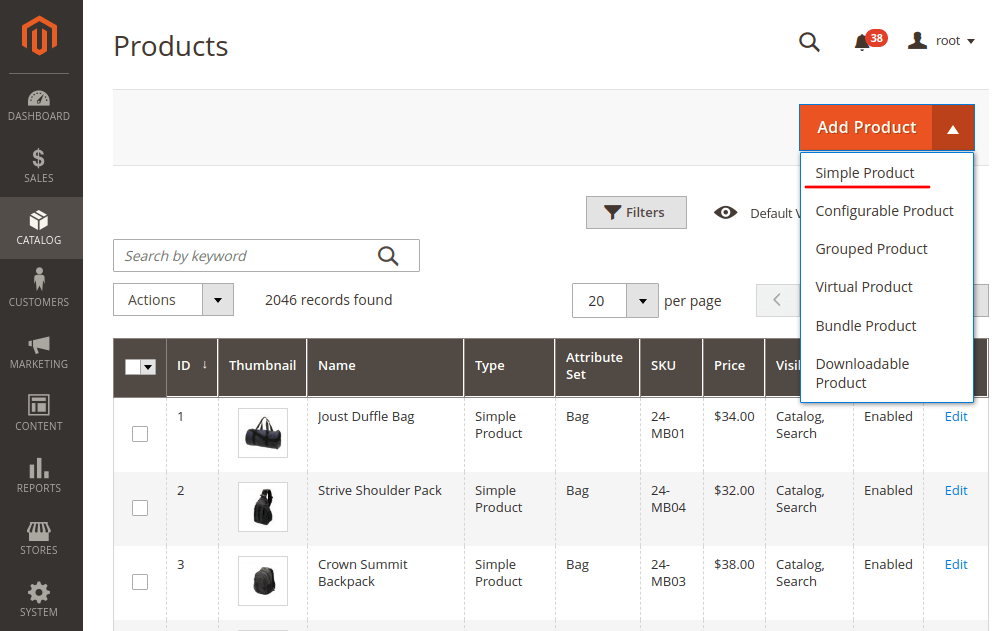
Image source: adobe.com
Key features:
- Centralized order and inventory control
- Smart order routing and automated workflows
- Real-time analytics and performance reports
- Integration with Adobe Experience Cloud
- Support for multiple storefronts and currencies
Pros:
- Highly customizable and flexible
- Powerful analytics for business decisions
- Excellent scalability for online growth
- Strong community and support ecosystem
Cons:
- Requires technical skills for setup and management
- Can be resource-heavy for smaller businesses
Best for: Online retailers wanting advanced customization and analytics.
Pricing: Based on Adobe Commerce licensing; varies by business scale.
6. Katana MRP: Manufacturing and inventory control software
Katana MRP is designed for manufacturers and D2C brands that need real-time visibility of production and inventory. It brings together order management, resource planning, and production scheduling in one easy-to-use platform. With automation and integrations, it reduces manual errors and ensures efficient operations. It's especially valuable for small to mid-sized manufacturing businesses.
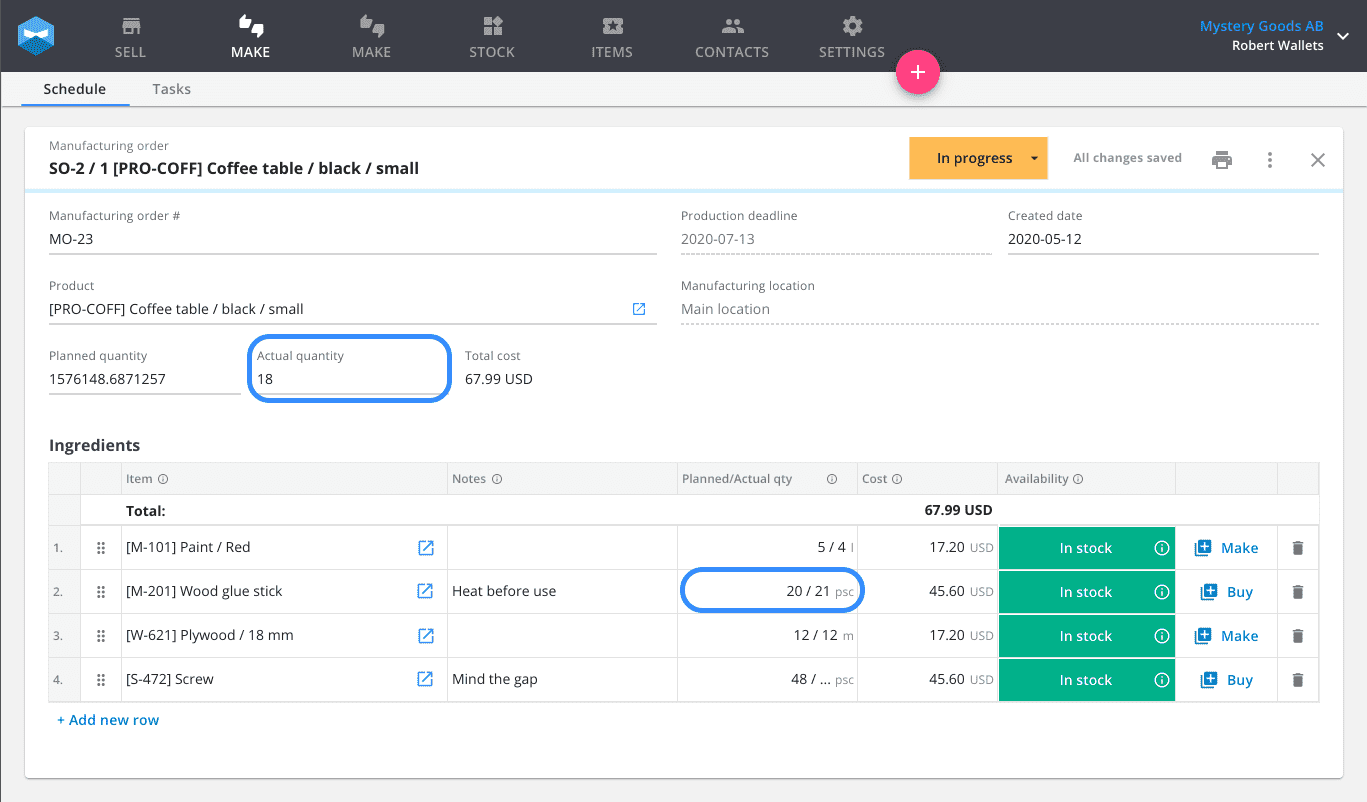
Image source: katana.com
Key features:
- Real-time inventory and production tracking
- Automated material and order scheduling
- Integration with ecommerce and accounting tools
- Visual production planning dashboard
- Accurate costing and reporting features
Pros:
- Simple and intuitive interface
- Ideal for manufacturing and D2C brands
- Real-time visibility of operations
- Strong integration capabilities
Cons:
- Limited advanced analytics features
- May not suit very large enterprises
Best for: Small to medium manufacturers managing inventory and production.
Pricing: Starts at $99/month per user with scalable plans.
7. Körber OMS: Supply chain and logistics optimization
Körber OMS focuses on optimizing supply chain, warehouse, and order fulfillment processes. It helps businesses coordinate inventory, logistics, and delivery operations in one platform. With deep supply chain visibility, it improves responsiveness and reduces fulfillment delays. The system is built for enterprises managing large, distributed operations.
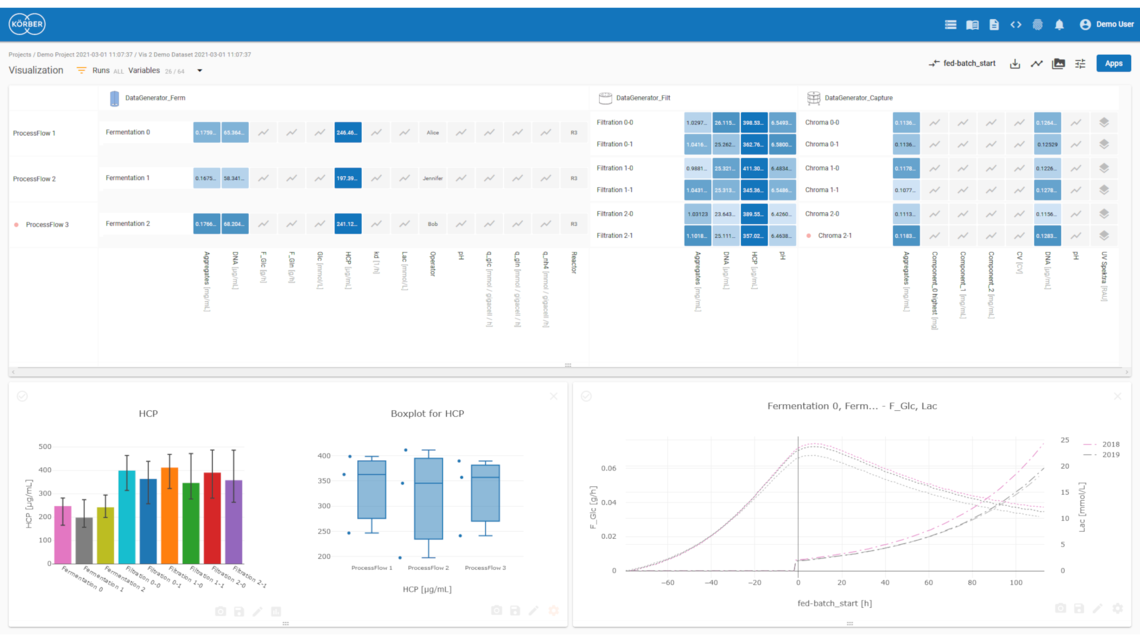
Image source: korber.com
Key features:
- Real-time visibility across supply chain networks
- Integration with warehouse and transport management systems
- Automated order allocation and routing
- Demand forecasting and logistics analytics
- Cloud and on-premise deployment options
Pros:
- Excellent supply chain integration
- High reliability for enterprise use
- Strong analytics for logistics optimization
- Supports multiple fulfillment models
Cons:
- Complex setup and customization process
- Premium pricing for enterprise features
Best for: Large enterprises optimizing logistics and warehouse operations.
Pricing: Enterprise pricing available upon request.
8. MYOB OMS: Purchase and order management for SMEs
MYOB OMS is built for small and medium-sized businesses to simplify purchase and order management. It helps track orders, manage suppliers, and monitor inventory levels efficiently. The platform integrates accounting and reporting features for a complete financial overview. Its ease of use makes it a favorite among retailers and wholesalers.
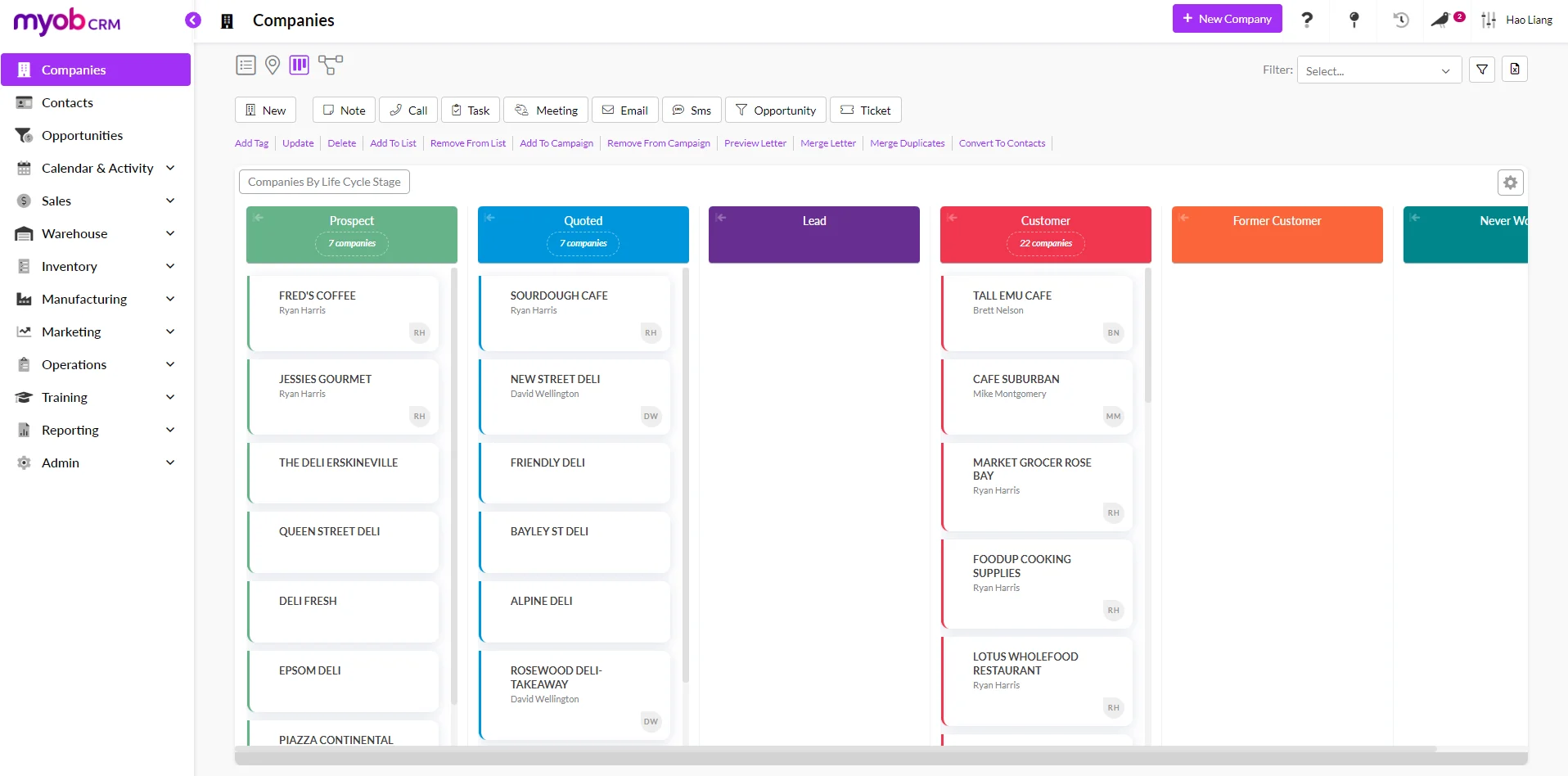
Image source: myob.com
Key features:
- Simple purchase and sales order management
- Real-time inventory tracking
- Integration with accounting and invoicing tools
- Order status and supplier management dashboard
- Customizable reporting and analytics
Pros:
- User-friendly and affordable
- Integrates well with financial tools
- Ideal for small business workflows
- Provides clear visibility of stock and orders
Cons:
- Limited advanced automation features
- Not suitable for complex enterprise needs
Best for: Small retailers and wholesalers managing basic order operations.
Pricing: Starts at $12/month with scalable plans for SMEs.
How to choose the right OMS for your business
Selecting the right order management system (OMS) depends on your company's size, processes, and long-term goals. The ideal system should align with your current operations while supporting future growth and seamless collaboration across all business functions.
- Combining with existing ERP/CRM tools: Choose an OMS that connects easily with your ERP, CRM, and accounting systems to ensure smooth data flow between departments and eliminate manual updates.
- Scalability with business growth: Opt for a platform that can handle increased order volumes, new product lines, and multiple sales channels as your business expands.
- Real-time tracking and automation: Look for systems offering live inventory and order tracking, along with automation features that reduce manual effort and improve accuracy.
- Cloud vs. on-premise flexibility: Decide based on your IT capacity, cloud-based systems offer flexibility and lower costs, while on-premise solutions provide control and customization.
- User interface and support: A user-friendly interface and responsive support team are essential for smooth adoption, minimizing training time, and ensuring consistent system performance.
Key benefits of an order management system
Implementing an order management system (OMS) delivers measurable improvements across operations, customer experience, and business growth. By automating manual processes and unifying sales, inventory, and fulfillment, an OMS helps companies operate smarter, faster, and more efficiently.
- Improved order accuracy: Automated order tracking and inventory synchronization reduce human errors, ensuring every order is processed and fulfilled correctly the first time.
- Faster fulfillment and delivery: Streamlined workflows and intelligent routing accelerate order processing and shipping, helping businesses meet tight delivery deadlines.
- Reduced operational costs: Automation and collaboration eliminate redundant tasks, lower manual labor, and minimize costly fulfillment delays or stock discrepancies.
- Better data visibility: Centralized dashboards provide real-time insights into orders, inventory, and performance metrics, enabling faster and more informed decisions.
- Enhanced customer satisfaction: Accurate, on-time deliveries and transparent tracking improve reliability, leading to stronger customer trust and loyalty.
- Scalability across channels and regions: A robust OMS supports growing order volumes, new markets, and multiple sales channels without compromising performance or efficiency.
Future trends in order management systems
As technology and customer expectations evolve, order management systems (OMS) are becoming smarter, faster, and more sustainable. The next generation of OMS platforms will harness automation, AI, and data visibility to create more agile and environmentally conscious supply chains.
- AI-driven demand forecasting: Artificial intelligence will help businesses analyze sales data and market patterns to predict demand with greater accuracy. This reduces excess inventory, minimizes stockouts, and ensures timely replenishment based on real-time insights.
- Omnichannel fulfillment: Modern OMS platforms will enable fulfillment from multiple sources such as warehouses, retail stores, and third-party partners. This approach improves delivery speed, optimizes logistics costs, and enhances customer experience across every channel.
- Real-time customer visibility: Customers will gain complete transparency into order status from purchase to delivery through live tracking and automated updates. Real-time communication will increase trust and satisfaction by eliminating uncertainty in the buying journey.
- Sustainability and green logistics collaboration: Future OMS systems will incorporate eco-friendly logistics features such as route optimization and carbon tracking. These capabilities help businesses reduce environmental impact while maintaining operational efficiency and cost savings.
Conclusion
An order management system (OMS) is no longer a luxury but a necessity for businesses aiming to operate with greater efficiency, accuracy, and scalability. In an increasingly competitive market, a robust OMS streamlines workflows, enhances visibility, and ensures customers receive fast, error-free deliveries. From automating tasks to collaborating sales, inventory, and logistics, it becomes the backbone of seamless operations. Whether you're managing retail, ecommerce, or manufacturing orders, choosing the right system can transform your business performance.
Considering that, platforms like Lark offer a unified, collaborative approach that connects teams, automates workflows, and simplifies every step of the order lifecycle. It's time to modernize your operations and move toward smarter, data-driven order management.
FAQs
How do I know if my business needs an order management system?
If your team struggles with manual order tracking or inventory errors, you likely need an OMS. It centralizes data, automates workflows, and improves fulfillment accuracy.
Can an order management system integrate with existing ERP or CRM tools?
Yes, most OMS platforms integrate easily with ERP, CRM, and accounting systems. This ensures smooth data flow and real-time visibility across all departments.
What industries benefit the most from using an OMS?
Retail, ecommerce, manufacturing, and logistics businesses benefit most. OMS platforms help manage large order volumes, multi-location inventory, and faster delivery.
How does an order management system improve customer experience?
An OMS ensures faster order processing, real-time tracking, and accurate stock updates. These improvements lead to better service quality and stronger customer trust.
What is the difference between an order management system and an inventory management system?
An OMS manages the full order lifecycle from purchase to delivery. In contrast, an inventory system focuses solely on tracking stock levels and movements.
Related reading
Table of contents
Start using Lark today

Manage all your work in one place
Boost team efficiency by 10x
Save up to 70% on software costs
Table of contents
Start using Lark today
Manage all your work in one place
Boost team efficiency by 10x
Save up to 70% on software costs
Keep reading









2026 Lark Technologies Pte. Ltd.
Headquartered in Singapore with offices worldwide.






Explore: