Imagine you're the owner of a small retail store, juggling countless responsibilities from customer service to managing orders. You glance at your stock levels and feel a growing sense of anxiety—are there enough items to meet today's demand, or are you at risk of overstocking products that may not sell? Without a reliable inventory management system, these uncertainties can lead to lost sales, unsatisfied customers, and frustrated employees. This is where implementing a PHP inventory management system can truly transform your operations. With its robust capabilities, you can effortlessly track inventory levels in real time, streamline your order processes, and make informed, data-driven decisions that take your business to new heights. In this guide, we will explore the key features of a PHP inventory management system, its benefits over traditional methods, and how to install and set it up efficiently.
What is a PHP inventory management system?
A PHP inventory management system is a software application developed using PHP (a popular server-side scripting language) that helps businesses manage their inventory effectively. It enables companies to track stock levels, orders, sales, and deliveries through a centralized platform. The use of PHP offers flexibility, ease of deployment, and extensive integration capabilities, making it an ideal choice for businesses of all sizes.
At its core, a PHP inventory management system integrates various functionalities to streamline the . It provides real-time visibility into stock levels, allowing businesses to monitor their inventory accurately at any given moment. This capability is crucial for preventing stockouts and overstock situations, which can lead to lost revenue or increased holding costs. Key features of a PHP inventory management system often include:
- : Businesses can keep track of inventory in real-time, ensuring an accurate reflection of stock levels. This helps in making timely decisions regarding restocking and inventory turnover.
- : The system allows for efficient processing of orders, including purchase orders, sales orders, and returns. It helps automate order fulfillment tasks and monitor order statuses throughout the supply chain.
- Reporting and analytics: Built-in reporting tools enable users to generate insights on inventory performance, sales trends, and stock valuation. These analytics help businesses make data-driven decisions that enhance operational efficiency.
- User roles and permissions: Businesses can assign various roles to users, controlling access to inventory data based on their responsibilities. This feature enhances data security and accountability within the organization.
- Integration capabilities: A PHP inventory management system can be integrated with other business applications, such as accounting software or , facilitating seamless data flow across departments.
- Customizability: One of the significant advantages of using PHP for inventory systems is the ability to customize the software according to specific business needs. Companies can add or modify features to create a tailored solution that addresses their unique inventory challenges.
In summary, a PHP inventory management system serves as an essential tool for businesses looking to improve their inventory processes. By providing real-time tracking, efficient order management, and valuable insights, it empowers organizations to optimize inventory control and enhance overall operational performance.
Key features of a PHP inventory management system
A well-designed inventory management system PHP solution offers a variety of essential features that facilitate effective inventory control. Let's delve into some of the key features that make these systems indispensable for businesses.
User roles and permissions
One of the standout features of a PHP inventory management system is its user roles and permissions functionality. This feature allows businesses to define various roles within the system, ensuring that users have appropriate access to inventory data based on their responsibilities.
- Improved access control: By assigning specific roles—such as administrators, managers, and warehouse staff—you can control who can view, edit, or delete inventory records. This drastically reduces the risk of unauthorized access or data manipulation.
- : With defined user roles, it becomes easier to track changes made to the inventory, thereby holding individuals accountable for their actions. This is particularly beneficial for auditing and reviewing inventory processes.
Effective management of user roles promotes security and fosters a collaborative environment where users can fulfill their responsibilities without hindering others' access to vital information.
Stock tracking and management
Real-time stock tracking is another critical feature of a PHP stock management system. This capability allows businesses to monitor their inventory levels constantly, ensuring that stock data is always accurate and up-to-date.
- Preventing stockouts and overstocking: By having real-time visibility into stock levels, businesses can make informed decisions about reordering products before they run out or avoiding excess inventory that ties up capital.
- Minimizing errors: reduces manual input, significantly lowering the risk of errors that can occur with traditional paper-based systems or spreadsheet management. This enhancement ultimately leads to better customer satisfaction, as products are consistently available when required.
- Re-order alerts: Many systems include features that provide alerts for low stock levels, prompting timely reordering so that inventory remains at optimal levels.
Consistent and precise stock tracking not only helps businesses maintain efficient operations but also offers insights that can enhance overall inventory strategy.
Reporting and analytics
A robust reporting and analytics module is essential in any PHP inventory management system. This feature provides businesses with insights into their inventory performance, enabling data-driven decisions that can lead to increased efficiency.
- : Most inventory management systems offer customizable reports that provide key performance indicators (KPIs) such as stock turnover rates, sales trends, and inventory valuation.
- : By analyzing this data, businesses can identify patterns, such as which products are performing well and which are not. This information can be crucial for optimizing stock levels and making strategic decisions, like introducing new products or discontinuing underperforming items.
- : Modern PHP inventory systems often include user-friendly visual dashboards that present data in an easily digestible format, helping users quickly assess their inventory status at a glance.
Leveraging reporting and analytics helps businesses understand their inventory dynamics and make proactive decisions to enhance their operational strategy.
Eager to try a better and smarter tool?
Benefits of using a PHP inventory management system
Implementing a PHP inventory management system comes with numerous benefits that make it an attractive choice for businesses of all sizes:
- Cost-effectiveness: Many PHP inventory management systems are open-source, which means businesses can either implement them for free or at a significantly lower cost compared to proprietary solutions. This affordability allows smaller businesses to access sophisticated inventory management tools without straining their budget.
- Scalability: As a business grows, its inventory management needs change. PHP frameworks are inherently scalable, allowing developers to modify and expand the system to accommodate additional products, locations, or features seamlessly.
- Customizable solutions: Developers can leverage the flexibility of PHP to tailor the according to specific business requirements. They can add unique features, integrate with existing systems, or adjust the user interface to enhance user experience.
- Community support: The PHP community provides extensive resources, documentation, and support, making it easier for developers to troubleshoot issues and enhance functionality as needed. This network can be particularly valuable for businesses without extensive in-house IT capabilities.
- Example of successful implementations: Consider a medium-sized retail company that switched from a manual inventory system to a PHP inventory management system open source solution. As a result, they achieved increased accuracy in stock levels, reduced administrative overhead, and improved response times to customer orders. Similarly, numerous businesses have shared their success stories, highlighting how efficient inventory management has positively impacted their bottom line.
These advantages portray a compelling narrative for businesses considering a PHP inventory management system, showing how it can lead to significant operational improvements and cost savings.
Installation and requirements for PHP inventory management systems
To get started with a PHP inventory management system, it is essential to understand the required software, server configurations, and the step-by-step installation process.
Understanding software prerequisites
Before diving into installation, it's crucial to ensure your environment meets the necessary prerequisites:
- PHP version: Most modern PHP inventory management systems require a minimum PHP version (typically version 7.2 or later) to ensure compatibility with newer features and security enhancements.
- MySQL database: A reliable MySQL database is also essential for storing inventory data efficiently. Ensure that your server has MySQL installed and configured correctly.
- Web server: A web server such as Apache or Nginx will be necessary to host your PHP application. Ensure that the server is properly configured to run PHP scripts.
- Additional PHP extensions: Your server may need additional PHP extensions, such as "mbstring", "XML", and "cURL", for the inventory management system to function optimally.
By confirming these prerequisites, you can avoid complications during the installation process.
Step-by-step installation tutorial
Installing a PHP inventory management system can be a straightforward process if you follow the steps outlined below:
- Download the source code: Begin by downloading the Inventory Management System PHP MySQL source code from a reputable repository, such as GitHub.
- Upload to your server: Use an FTP client or your hosting provider's file manager to upload the downloaded files to your web server's designated directory.
- Create a database: Access your MySQL server via phpMyAdmin or another , and create a new database for your inventory management system. Note down the database name, username, and password, as you will need this information in the next steps.
- Configure the settings: Locate the configuration file (often named "config.php") within the uploaded files and input your database credentials. This step ensures your application can communicate with the MySQL database.
- Run the installer: Open your web browser and navigate to the URL where you uploaded the system files. You should see the installation wizard guiding you through the setup process. Follow the prompts to complete the installation.
- Log in: After completing the installation, you can log in using the default admin credentials provided in the documentation. Be sure to change these credentials immediately for security purposes.
- Customize and go live: Explore the system settings and customize it according to your business needs. Once you are satisfied with the configuration, your PHP inventory management system is ready to use.
Following these steps, you can successfully set up a PHP inventory management system that will help you maintain control over your stock levels, streamline operations, and improve overall efficiency.
Tired of lengthy and complex steps?
Combination with a powerful modern tool: Lark
The combination of modern tools and technologies in inventory management systems enables businesses to streamline their operations and improve collaboration across departments. Utilizing platforms like Lark within a PHP inventory management system can and visibility into inventory levels, leading to better decision-making.
Streamlined inventory audits
In a traditional PHP inventory management system, employees often depend on desktop applications to log inventory counts. This reliance on manual data entry leads to inefficiencies, particularly in multi-store environments where each location may record inventory differently. Such methods can create discrepancies that delay real-time updates for headquarters, making it difficult to track stock levels accurately.
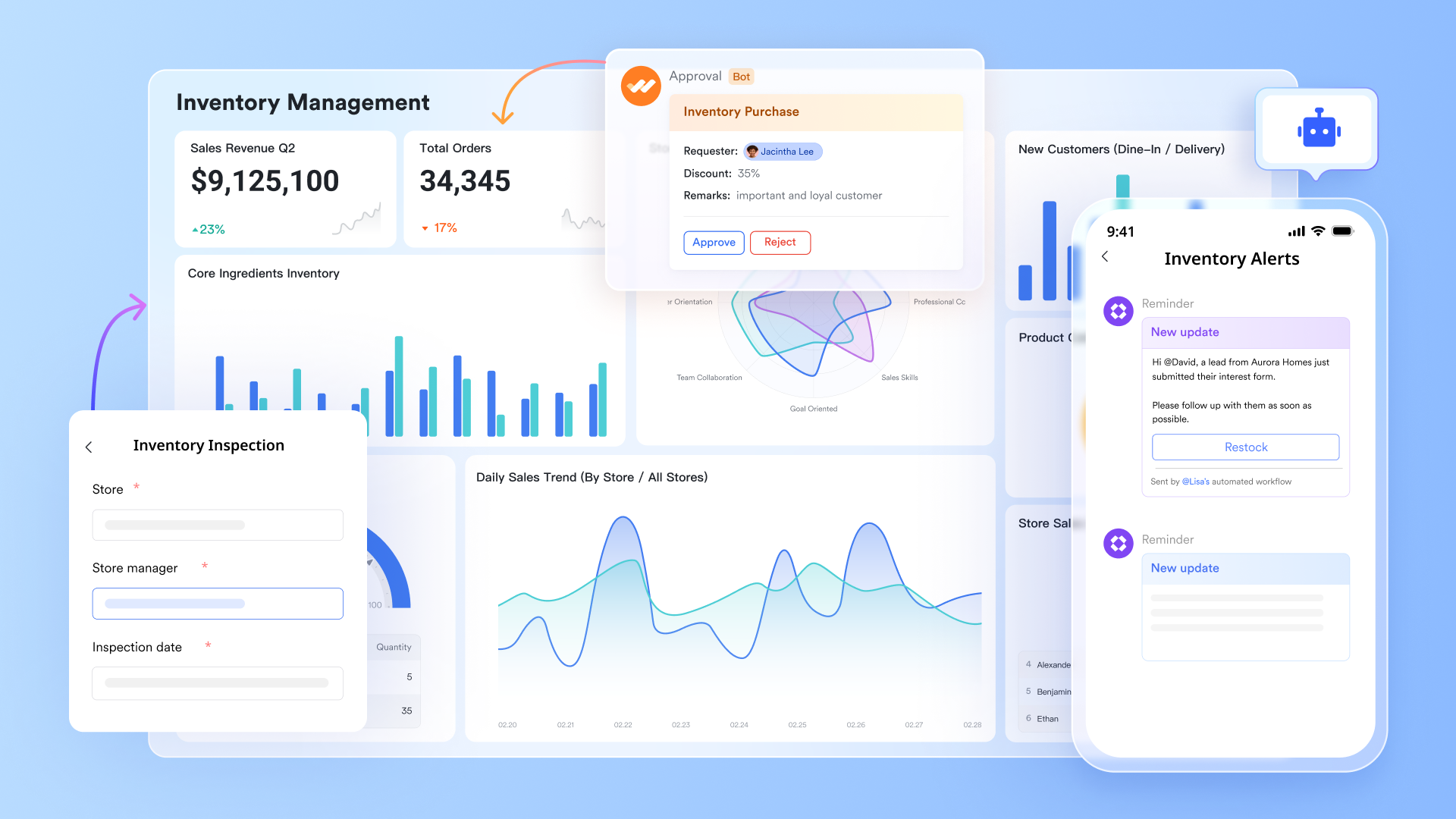
Lark addresses these challenges effectively with its powerful combination of and mobile functionality. Employees can utilize the Lark mobile app to scan SKU barcodes using their smartphones, linking directly to the baseline data maintained within the PHP system. With Lark Base, custom multi-dimensional spreadsheets allow teams to easily input and in an organized manner. After scanning and confirming quantities, employees can submit the data with just one click, ensuring instant synchronization with Lark's shared dashboards.
This real-time visibility into each store's inventory status allows headquarters to monitor stock levels immediately. Any discrepancies are instantly highlighted, enabling rapid corrective actions. The combination of Lark's capabilities greatly reduces manual errors and speeds up the inventory auditing process, ensuring that data collection is efficient and accurate.
Automated inventory approval processes
for incoming and outgoing inventory requests in a PHP system can be cumbersome, often relying on emails or physical paperwork. This method not only slows down the process but can also lead to miscommunications and manual entry errors during data transfer.
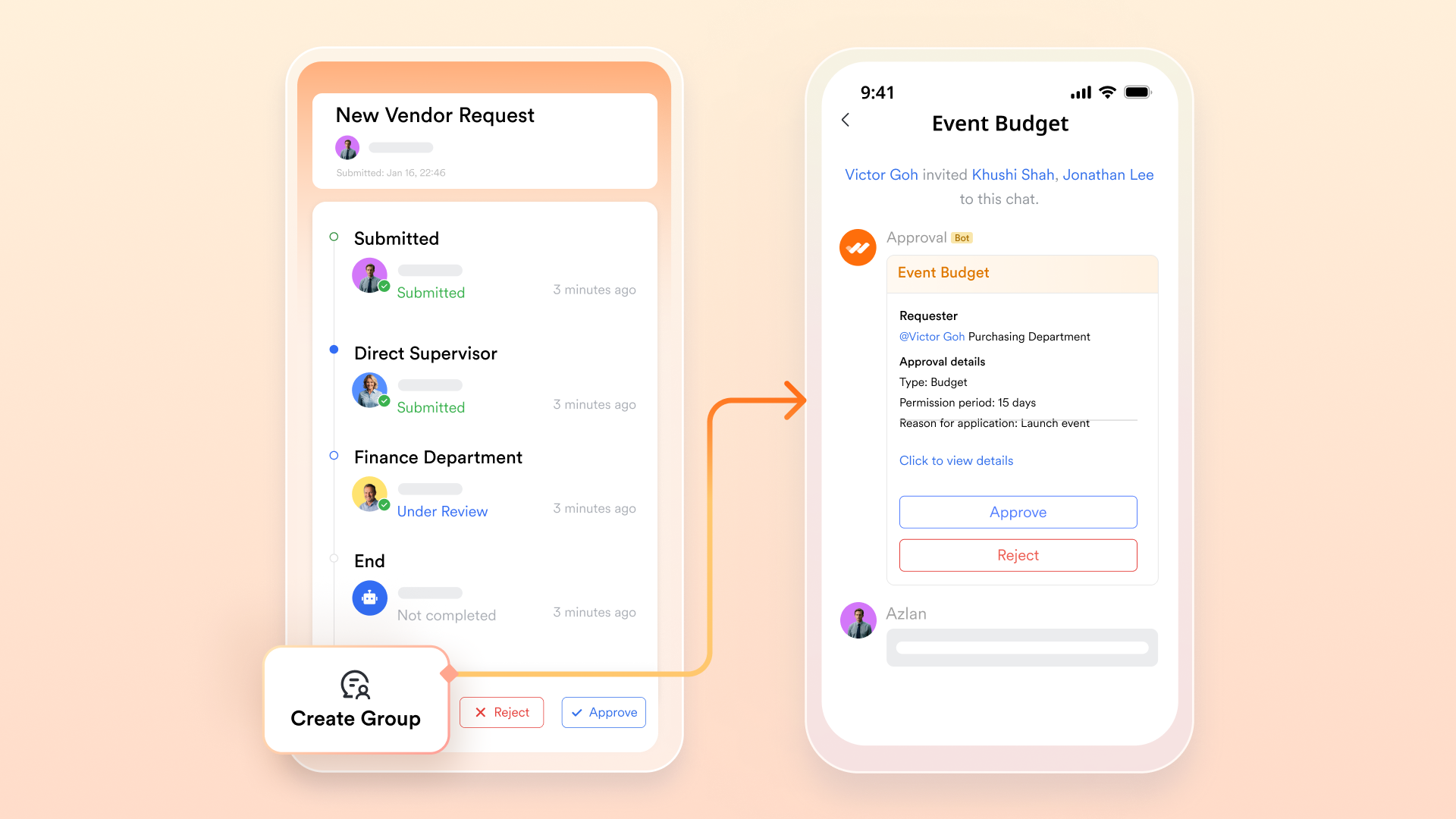
By combining feature with the PHP inventory management system, businesses can completely automate these workflows. When an employee initiates an inventory request in PHP, Lark's approval system automatically creates a task that includes critical details, such as SKU names, requested quantities, and current stock levels. Approvers receive notifications through Lark Messenger, enabling them to review requests on their mobile devices or desktops.
Approvals or rejections can be processed directly in the app, complete with comments or necessary feedback. This instant communication ensures that decisions are made quickly, thereby automating the subsequent actions in the PHP system, such as generating purchase orders or notifying appropriate personnel about . This streamlining reduces the risk of approval delays and enhances operational responsiveness across departments.
Breaking down data silos for cross-department collaboration
Inventory data is frequently siloed within the PHP management system, creating barriers for other departments—such as sales and finance—when accessing this critical information. Such isolation can lead to inefficient workflows, missed opportunities, and scheduling conflicts as teams often operate without real-time inventory data.
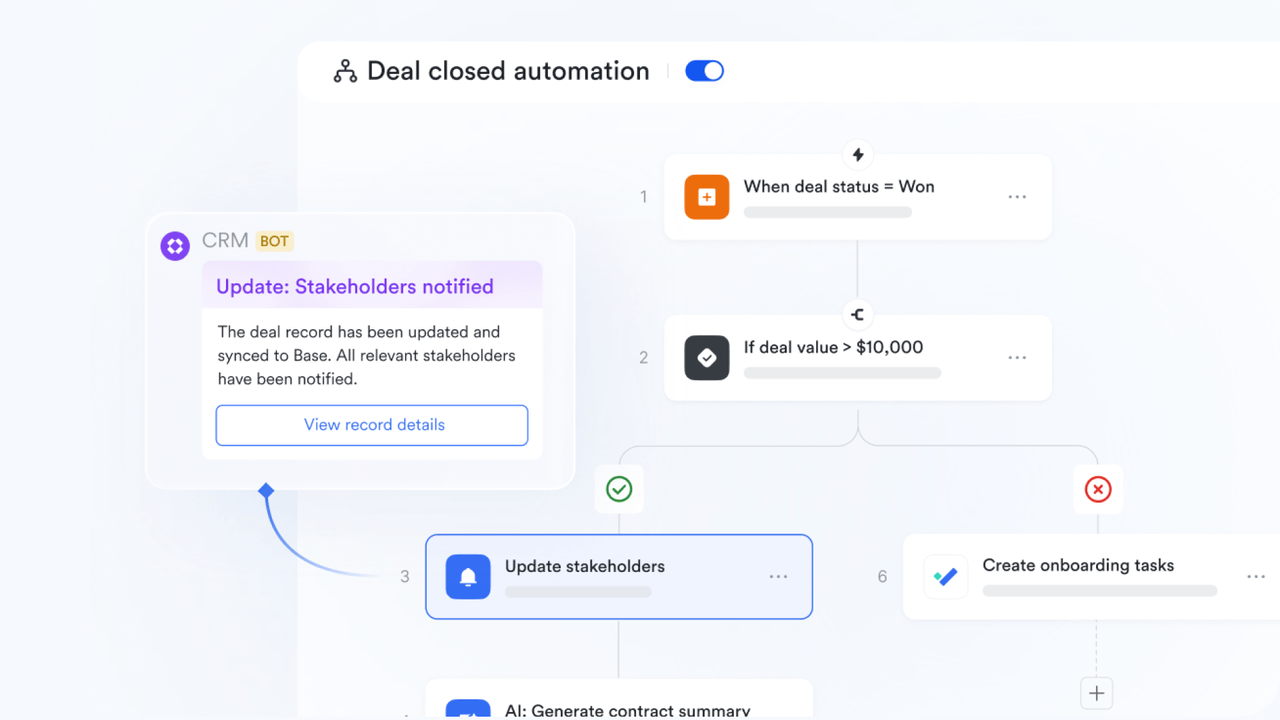
Lark provides a centralized platform for data sharing, seamlessly integrating with the PHP inventory management system to eliminate these silos. By regularly synchronizing key inventory metrics—like current stock levels, recent transaction statistics, and lists of slow-moving products—businesses can utilize Lark Base multi-dimensional spreadsheets to visualize data comprehensively.
With , each department can gain access to the information relevant to their operations while maintaining role-based permissions to protect sensitive data. Furthermore, Lark enables automatic notifications to be sent to departmental channels whenever significant inventory changes occur, keeping all teams in sync.
For example, the finance team can effortlessly pull cost data during meetings from Lark's documentation feature, streamlining their reporting processes and reducing delays caused by inter-departmental data requests. This connectivity not only enhances but also fosters a transparent and agile workflow culture where real-time data drives strategic decision-making.
Customizable templates for inventory management
One of the key aspects of managing inventory is generating insightful reports that can guide strategic decisions. Lark's streamline the reporting process within a PHP inventory management system, enhancing user experience and ensuring that critical data is readily available.
Lark enables users to create templates for various reports, including stock counts, sales forecasts, and product turnover analysis. These templates can be pre-configured with the necessary fields, allowing users to input data quickly and efficiently.
In general, incorporating Lark's reporting features into a PHP inventory management system not only simplifies the reporting process but also provides businesses with powerful insights that can drive operational improvements.
:
- Starter plan: Free forever plan with 11 powerful tools for up to 20 users, 100GB storage, 1,000 automation runs, AI translations, and more. No credit card needed.
- Pro plan: $12/user/month (billed annually) for up to 500 users. Includes everything in Starter plus group calling for up to 500 attendees, 15TB storage, 50,000 automation runs, and more.
- Enterprise plan: for custom pricing. Supports unlimited users and includes advanced automation, security, compliance, and management features.
For small teams with simple communication needs

18 months message history
1000 Base automation runs/month
2000 rows per table in Base
Most POPULAR
For companies with comprehensive collaboration and management needs
Unlimited message history
500-participant video meetings
50k Base automation runs/month
20k rows per table in Base
For large companies with advanced security and organizational management needs
Get a personalized demo and pricing
Unlimited message history
500-participant video meetings
15 TB storage + 30 GB storage/user
500k Base automation runs/month
50k Base automation runs/month
Most POPULAR
For companies with comprehensive collaboration and management needs
Unlimited message history
500-participant video meetings
50k Base automation runs/month
20k rows per table in Base
: Switching to Lark's Pro plan can lead to significant cost savings— for example, a 100-employee company using Slack, Google Workspace, and Airtable could save approximately $19,800 annually by consolidating their tools with Lark.
Best practices for managing inventory efficiently
Managing inventory efficiently is crucial for any business, irrespective of its size or industry. Here are some best practices that can help ensure that inventory is maintained at optimal levels, minimizing costs while maximizing service quality.
Tips for maintaining stock levels, conducting audits, and leveraging technology
- Implement regular stock audits: Regular inventory audits help identify discrepancies between physical stock and recorded inventory levels. Scheduled audits allow businesses to adjust their records and maintain a more accurate representation of inventory status. This practice helps prevent stockouts and overstock situations which can lead to lost sales or increased holding costs.
- Adopt a first in, first out (FIFO) approach: Implementing a FIFO inventory management method is particularly effective for perishable goods. This approach ensures that older stock is sold before newer stock, reducing waste and ensuring product freshness.
- Utilize technology for automation: Automating aspects of inventory management, such as reordering thresholds and alert notifications, can save time and reduce human error. A PHP system can be programmed to alert users when stock levels fall below a specified threshold, allowing for timely reordering.
- Integrate with : Connecting your inventory management system PHP with sales platforms can provide valuable insights into which products have the highest turnover rates. This integration can help anticipate demand and optimize stock levels accordingly.
- Regularly review supplier performance: Assessing supplier reliability is essential for maintaining stock levels. Establish metrics to evaluate supplier performance in terms of delivery times, product quality, and pricing. This review process can provide insights that lead to better and improved inventory management.
By following these practices, businesses can create a robust framework for inventory management that enhances operational efficiency and drives customer satisfaction.
Focus on continuous improvement in inventory management processes
Continuous improvement is a vital philosophy for any aspect of business operations, including inventory management. Here are a few strategies to foster this mindset within your organization:
- Seek feedback: Encourage employees to provide feedback regarding inventory processes. Employees who interact with inventory systems daily can offer valuable insights into areas for improvement.
- Stay updated with industry trends: Regularly research new technologies and methodologies in inventory management. This could include attending webinars, conferences, or engaging with industry publications. Staying informed allows businesses to adopt innovative solutions that enhance their inventory processes.
- Track performance metrics: Establishing key performance indicators () related to inventory management helps assess performance and identify areas needing improvement. Metrics such as carrying costs, order accuracy, and inventory turnover rates can guide strategic decisions.
By fostering a culture of continuous improvement, businesses can adapt their inventory management processes to changing market conditions, ensuring they remain competitive and responsive.
Conclusion
As businesses continue to navigate evolving market conditions, the importance of effective inventory management cannot be overstated. A well-implemented PHP inventory management system allows for flexibility and scalability, integral attributes for adaptation in a rapidly changing business landscape. Choosing the right inventory management system is essential to meeting evolving business needs. As highlighted, integrating tools like Lark into a PHP open-source inventory management system can provide significant advantages in collaboration and reporting. These integrations facilitate real-time data access, smarter decision-making, and streamlined operations across teams.
The future of inventory management will undoubtedly be characterized by increased automation, real-time data utilization, and continued innovation. Businesses that leverage the power of a PHP inventory management system alongside modern collaboration tools like Lark will be equipped to tackle the challenges of tomorrow, ensuring they remain agile and efficient in their inventory management practices.
Start a smoother inventory management journey in Lark
FAQs
What is a PHP inventory management system?
A PHP inventory management system is a web-based application developed in PHP that helps businesses track and manage their inventory levels, orders, sales, and deliveries. It provides tools for real-time stock management, reporting, and analysis, making it easier for companies to maintain control over their inventory.
How can a PHP inventory management system improve efficiency?
Implementing a PHP inventory management system improves efficiency by automating stock tracking and order management, reducing manual errors. Users can quickly access real-time inventory data, generate reports, and make informed decisions, enhancing overall operational effectiveness and saving valuable time and resources.
What are the benefits of using an open-source PHP inventory management system?
Using an open-source PHP inventory management system offers several advantages, including cost savings, customizable features, and community support. Businesses can tailor the software to their specific needs and benefit from ongoing improvements made by the developer community, ensuring they remain competitive in their inventory management practices.
How do I get started with a PHP inventory management system?
To get started with a PHP inventory management system, first evaluate your business requirements and choose a solution that meets those needs. Download the source code, ensure your server has the necessary software (PHP, MySQL), and follow a tutorial for installation. Consider using tools like Lark for enhanced collaboration and reporting.
How does Lark help with inventory management collaborations?
Lark enhances inventory management collaborations by providing real-time communication tools, such as shared documents and task assignments. Teams can seamlessly update inventory information, discuss stock levels, and manage responsibilities through Lark's platform, improving coordination and accountability across all departments involved in inventory management.
Related reading