














Supply Chain Management: Process, Software & Practices

Ryan Tanner
Product Marketing Specialist
Sep 18, 2026
Ryan Tanner
Sep 18, 2026

20 min read


Supply chain management (SCM) oversees every step involved in delivering a product—from sourcing raw materials to final delivery. It ensures goods, information, and finances move efficiently across suppliers, manufacturers, and customers. As operations become more complex, businesses need clear visibility and coordination to stay competitive. Let's step into this management and realise it smoother collaboration, faster decision-making with ready to use templates and tools today.

What is supply chain management?
At its core, supply chain management is the coordination of all activities involved in producing and delivering goods. It ensures that materials, information, and finances flow efficiently from suppliers to manufacturers to consumers. In other words, SCM connects procurement, production, logistics, and inventory management into one seamless network.
Modern supply chain management systems leverage data analytics, automation, and AI to improve efficiency and minimize costs. Whether it's a global supply chain management system for a multinational corporation or a local logistics network, the principles remain consistent—coordination, visibility, and optimization.
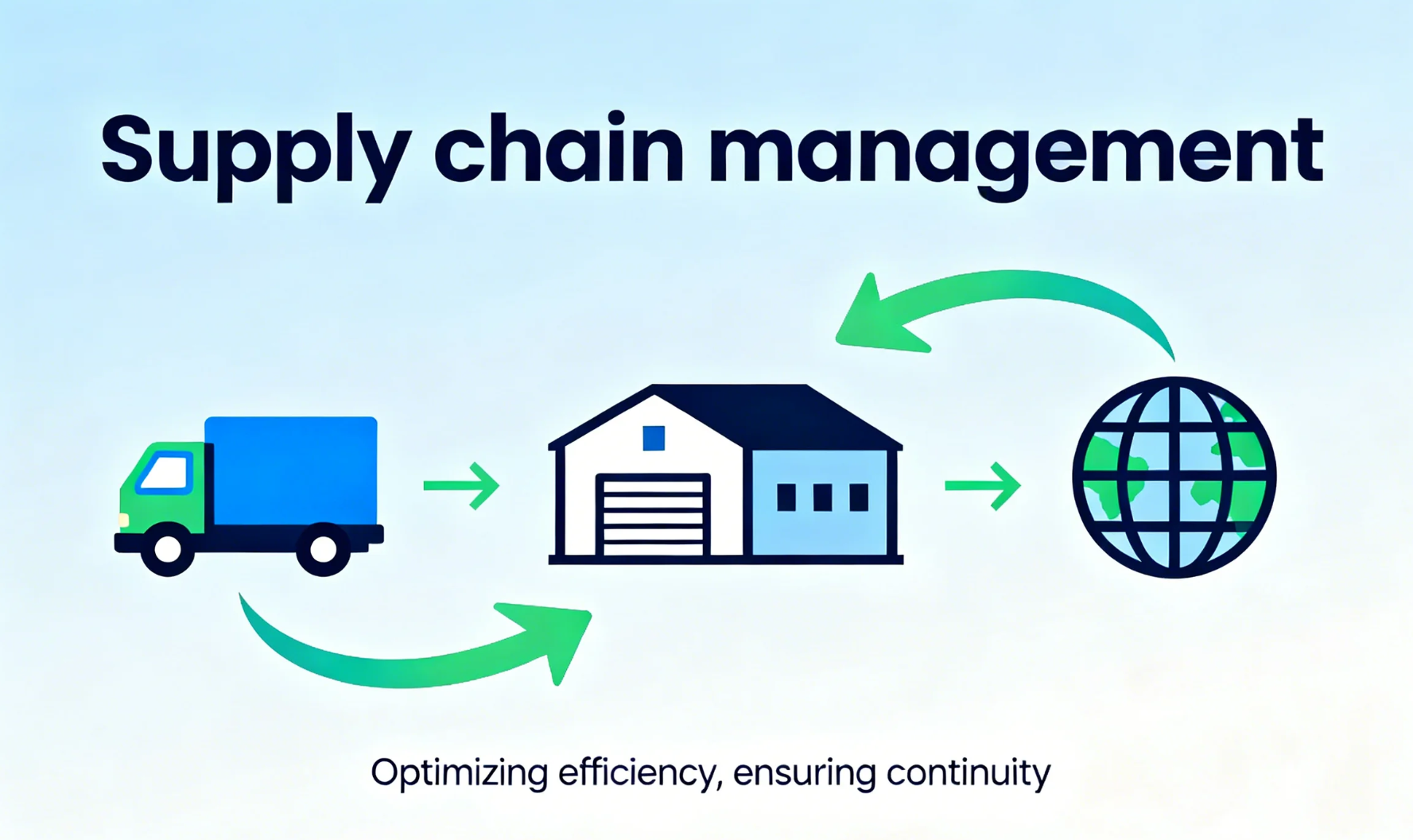
Image source: unsplash.com
Core components of an effective supply chain
- Planning: Effective supply chain operations start with accurate demand forecasting and capacity planning. Companies must anticipate future demand based on market trends, seasonality, and customer preferences. With digital tools like supply chain management software, planners can model scenarios, optimize inventory, and minimize waste.
- Sourcing: Procurement and supply chain management go hand in hand. This stage focuses on selecting reliable suppliers, negotiating contracts, and managing purchasing. A well-designed supplier management system monitors vendor performance, pricing, and compliance. Lark Base, for instance, helps supply chain leaders visualize supplier data and track milestones effortlessly.
- Production: This involves converting raw materials into finished products. A modern supply chain management system coordinates production schedules with material availability, ensuring minimal downtime. Integration with inventory management systems allows manufacturers to balance supply and demand in real-time.
- Logistics: Logistics and supply chain management cover transportation, warehousing, and distribution. Efficient logistics ensure that goods move seamlessly between suppliers, factories, and customers. Using tools like Lark Messenger, teams can communicate instantly about shipping updates, route changes, or warehouse statuses.
- Inventory management: Inventory management in the supply chain involves maintaining optimal stock levels—not too high to increase costs, and not too low to cause shortages. Automation platforms and AI-powered forecasting help teams respond dynamically to demand changes. Tools like Lark Sheets enable real-time inventory tracking across multiple regions.
- Returns / reverse logistics: Not every product reaches the customer perfectly. Reverse logistics covers returns, repairs, recycling, and disposal. Companies focusing on sustainable supply chain management integrate recycling processes to minimize waste and environmental impact.
Supply chain management software and technology
The rise of supply chain management software has revolutionized operations across industries. Instead of spreadsheets and disconnected tools, companies now rely on integrated platforms that centralize procurement, logistics, and inventory workflows.
Centralized operations
Modern supply chain management platforms provide end-to-end visibility—connecting procurement, warehouse, and logistics teams to ensure smoother coordination, real-time tracking, and faster decision-making. They integrate data from multiple sources to monitor inventory levels, supplier performance, and delivery timelines, helping businesses minimize delays.
Automation and AI
Automation in supply chain management eliminates repetitive tasks like data entry and order tracking. Artificial intelligence in supply chain management enhances forecasting accuracy, predicts disruptions, and optimizes route planning. These technologies reduce human error while increasing speed and efficiency.
Analytics and IoT
Real-time data from Internet of Things (IoT) devices, such as GPS trackers and warehouse sensors, helps logistics teams monitor assets continuously. When combined with analytics dashboards, this data uncovers inefficiencies and drives continuous improvement.
Blockchain for traceability
Blockchain ensures secure and transparent tracking of goods across the supply chain. From raw materials to end products, every step is recorded immutably—improving compliance and trust.
In short, software for supply chain management now powers every step, from forecasting demand to confirming last-mile delivery.
How Lark enhances supply chain collaboration
In modern supply chains, information moves as fast as materials—and any delay in communication, approvals, or tracking can create costly bottlenecks. Lark offers a unified workspace that brings procurement, production, logistics, and operations teams onto one platform, helping them stay coordinated and responsive. Each feature is designed to make supply chain collaboration more transparent, automated, and data-driven.
Key features:
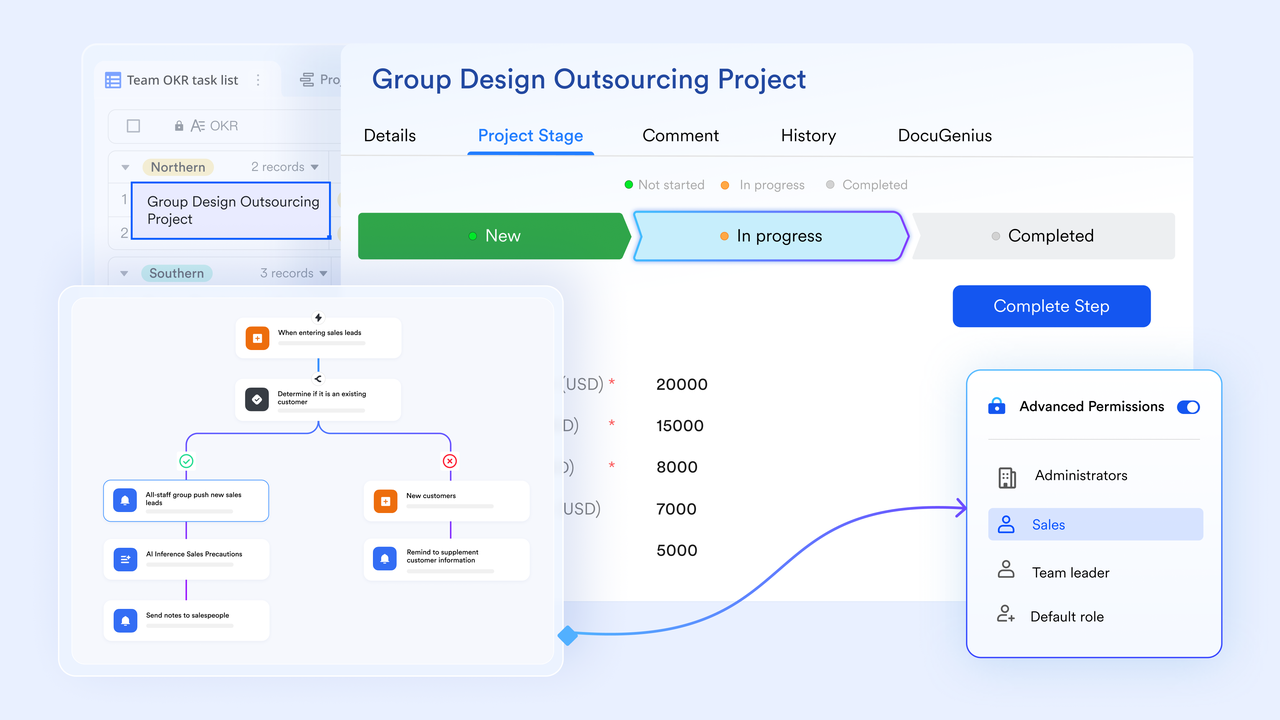
Lark Base: Workflow visualization and supplier data management
Supply chain leaders rely on accurate, up-to-date data to manage suppliers, inventory, and logistics milestones. Lark Base provides visual dashboards and dynamic databases to track every component of your operation—from purchase orders to shipment records.
Teams can customize Kanban boards or table views to monitor supplier performance, order statuses, or stock levels. With built-in automation rules, you can trigger updates or approvals automatically when a shipment arrives or a supplier's contract needs renewal—a powerful use case for automated workflow.
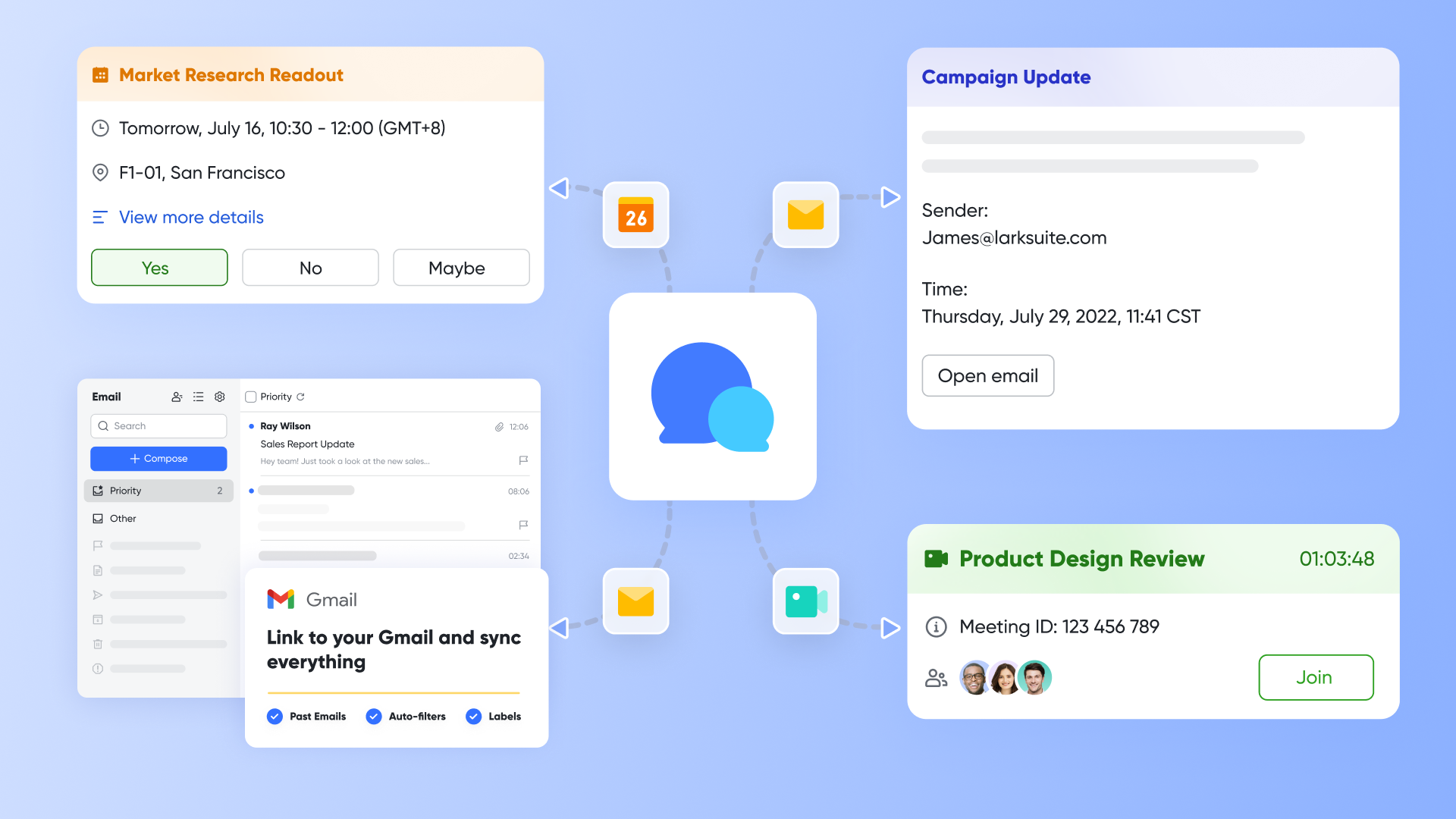
Lark Messenger: Real-time coordination across logistics teams
Logistics coordination often happens across multiple time zones and departments. Lark Messenger enables instant communication between procurement, warehouse, and distribution teams—keeping everyone aligned.
With contextual threads, message reactions, and document sharing inside the chat, every conversation stays tied to its operational context. Logistics managers can tag suppliers, attach delivery notes, and share updates without switching platforms.
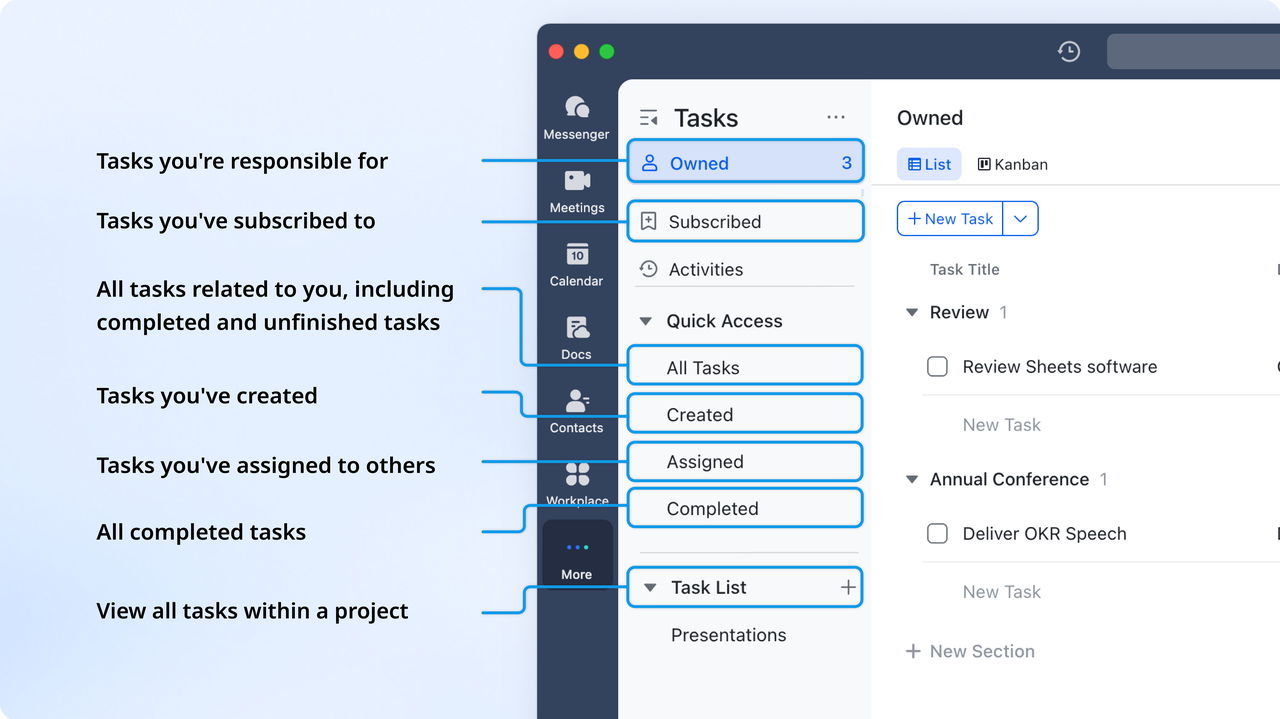
Lark Tasks: Action tracking for time-sensitive operations
Supply chain operations depend on timely execution. Lark Tasks helps teams assign, prioritize, and track critical logistics and procurement activities—from order approvals to stock audits. Each task can include deadlines, assignees, and linked documents (like invoices or order sheets). Managers can visualize progress with Gantt charts or list views, ensuring no handoff is missed.
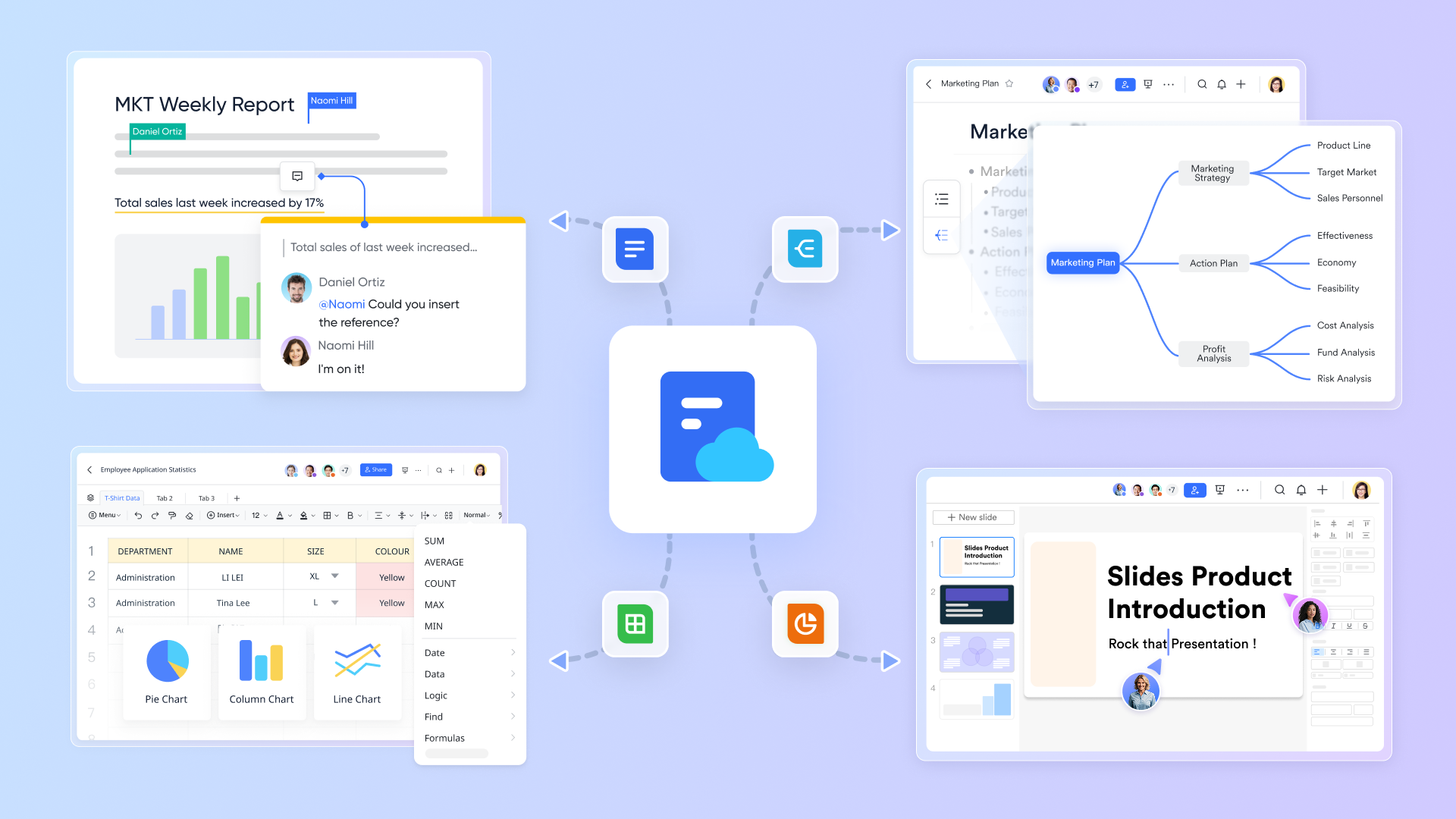
Lark Docs & Sheets: Shared records and real-time documentation
Supply chain visibility depends on accessible and consistent documentation. With Lark Docs and Sheets, teams can maintain live records—from supplier contracts to logistics performance metrics—in a single, editable space.
Everyone works on the same file simultaneously, with version control ensuring accuracy and transparency. Procurement managers can maintain a “master supplier list,” while warehouse leads can update real-time inventory logs.
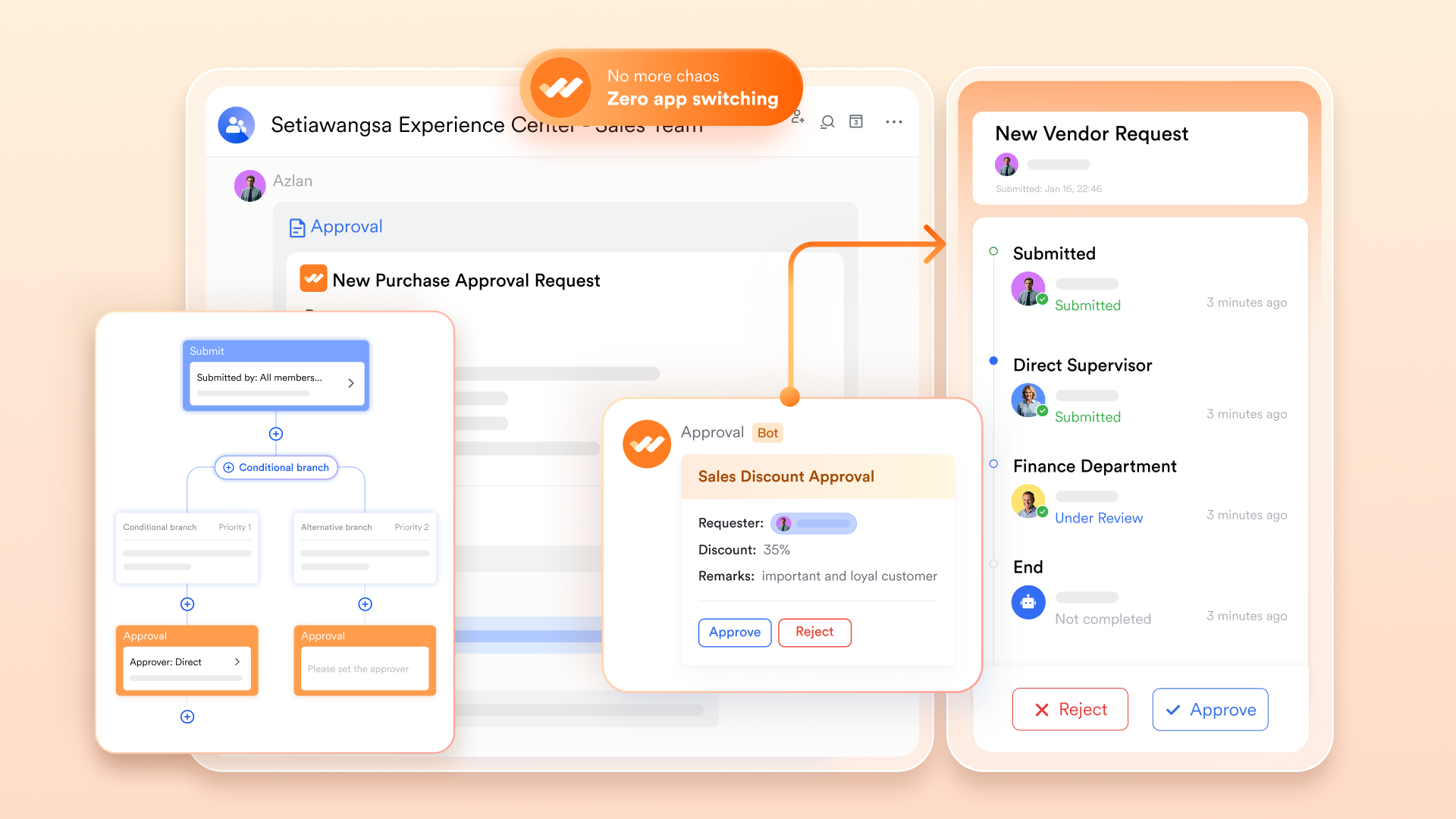
Lark Approval: Faster decisions across departments
Procurement and logistics teams often need quick approvals for purchase orders, shipment releases, or vendor contracts. Lark Approval shortens this cycle with automated forms and multi-level authorization workflows.
Instead of email threads, users can submit structured requests directly through customizable templates, and approvers get instant notifications via Lark Messenger. This keeps procurement agile while maintaining full compliance.
Lark Meetings & Calendar: Coordinated scheduling across regions
Supply chains rarely stop—especially when teams are global. Lark Calendar and Meetings simplify coordination between regional offices, suppliers, and logistics partners. Teams can schedule recurring syncs, share agenda Docs, and attach live dashboards directly to meetings. With auto-time zone adjustment and integrated video calls, cross-functional communication becomes seamless.

Recommended templates:
- Inventory accuracy check sheet for audit teams
Ensure your warehouse records match real-world stock with this audit-friendly tool. Capture recorded quantities, physical counts, variances, and required actions in one clear sheet. Designed to empower audit officers and inventory managers to spot discrepancies and maintain data integrity. Simplify your stock audits and drive more accurate inventory management.
- Distribution order fulfillment tracker
Track the full lifecycle of each order from receipt to delivery with this streamlined template. Monitor key milestones such as dispatch date, delivery date, current status, and special instructions—all in one collaborative workspace. Help your distribution team stay aligned, respond swiftly to delays, and maintain visibility over every shipment. Ideal for distribution managers and logistics teams committed to timely and accurate fulfillment.
- Supplier management
Gain clear oversight of your supplier network with this unified template designed to house supplier details, project progress, and contract status all in one place. Record key information—such as supplier contacts, project start dates, and financial commitments—to stay on top of your operations. Share and update the workspace as a team to improve coordination and reduce manual spreadsheet headaches. Ideal for procurement, manufacturing, and supply-chain professionals seeking smarter supplier oversight.
- Supply chain purchase order tracking template
Unlock full visibility into your procurement process with the "Supply Chain Purchase Order Tracking" template. It enables you to centralise and monitor purchase orders—tracking supplier details, quantities, prices, and delivery status. With everything in one place, teams can identify delays early and maintain control over order fulfilment. Perfect for supply chain analysts and procurement managers dedicated to keeping operations on track.
- Goal setting for logistics teams
Empower your logistics team with a clear roadmap of success using this streamlined goal-setting template. Define precise objectives, assign KPIs, and track progress all in one collaborative workspace. Boost alignment across departments, keep everyone accountable, and make goal visibility effortless. Designed for logistics managers and operations teams ready to elevate performance.
- Request form
Streamline your organisation's request process with this easy-to-use form template. Capture essential details such as requestor name, department, priority, due date, and description—all in one place. Ideal for HR, IT, legal, marketing, and any team handling multiple incoming requests. Stay organised, collaborate effectively and make sure every request gets tracked and resolved clearly.
- Expense management reimbursement
Simplify your organisation's expense tracking and reimbursement process with this robust template from Lark. Monitor overall budget allocation, actual spend, remaining funds, and departmental breakdowns all in one dashboard. Enable employees to submit claims, attach receipts, and streamline approvals while giving finance teams full visibility. Ideal for businesses looking to boost transparency, reduce manual errors, and stay budget-smart.
- Starter plan: Free forever plan that includes 11 powerful tools for up to 20 users. It also comes with 100GB of storage, 1000 automation runs, AI translations, and more.
- Pro plan: $12/user/month (billed annually) for up to 500 users. It includes everything in Starter plus group calling for up to 500 attendees, 15TB of storage, 50,000 automation runs, and more.
- Enterprise plan: Contact sales for custom pricing. Supports unlimited users and includes even more automation runs and advanced security, compliance, and management features.
Best practices for effective Supply Chain Management
- Centralize Data: Use unified dashboards for procurement, logistics, and inventory. Platforms like Lark Base simplify this integration.
- Leverage Automation: Using supply chain management software powered by automation, analytics, and AI ensures better forecasting and efficient operations. Real-time decision-making reduces delays and improves overall supply chain performance.
- Strengthen communication: Effective operations and supply chain management depend on seamless collaboration between procurement, production, and logistics teams. Adopting collaboration tools like Lark Messenger and Meetings to ensure real-time information flow.
- Focus on resilience and sustainability: A resilient and sustainable supply chain minimizes disruption risks and supports long-term growth. Businesses can achieve this by diversifying suppliers and adopting eco-friendly logistics practices.
- Invest in analytics and adopt cloud tools: Platforms like Lark centralize workflows, automate approvals, and enhance real-time coordination across departments. This unification drives agility, transparency, and smarter supply chain decision-making.
Conclusion
Efficient supply chain management is no longer just about moving products—it's about moving information, decisions, and strategies with speed and accuracy. Businesses that embrace digital transformation, automation, and collaboration tools are better positioned to thrive in competitive markets.
Platforms like Lark empower teams to streamline workflows, reduce delays, and make data-driven decisions—turning complex supply chains into agile, resilient ecosystems.
FAQs
What is supply chain risk management?
Supply chain risk management involves identifying and mitigating risks that could disrupt production or delivery. This includes monitoring supplier performance, ensuring backup sourcing options, and maintaining transparent communication channels. Collaboration tools like Lark Base and Lark Approval help teams detect issues early and act quickly through automated workflows.
How does automation improve supply chain efficiency?
Automation reduces manual data entry, eliminates repetitive approvals, and accelerates workflows. With automated task assignments, inventory updates, and purchase approvals through platforms like Lark Base and Lark Approval, teams can respond faster and reduce operational delays.
How can data analytics improve supply chain performance?
Data analytics helps identify demand patterns, predict disruptions, and optimize inventory. It provides leaders with actionable insights to improve forecasting accuracy and reduce excess stock. Tools like Lark Sheets can centralize this data for cross-team analysis and reporting.
What are key performance indicators (KPIs) for supply chain management?
Common KPIs include order accuracy, on-time delivery rate, inventory turnover, supplier lead time, and fulfillment cycle time. Monitoring these metrics through dashboards—such as those created in Lark Base—helps identify inefficiencies and improve performance.
Related reading
Table of contents
Start using Lark today

Manage all your work in one place
Boost team efficiency by 10x
Save up to 70% on software costs
Table of contents
Start using Lark today
Manage all your work in one place
Boost team efficiency by 10x
Save up to 70% on software costs
Keep reading







2026 Lark Technologies Pte. Ltd.
Headquartered in Singapore with offices worldwide.






Explore: