














Customer Lifetime Value: Formula, Importance & Tips

Ryan Tanner
Product Marketing Specialist
Sep 8, 2026
Ryan Tanner
Sep 8, 2026

15 min read


Understanding the lifetime value of a customer is one of the most critical metrics for any business aiming for sustainable growth. Customer lifetime value (CLV) measures the total revenue a business can expect from a single customer throughout their relationship. This insight not only helps identify your most profitable customer segments but also guides smarter investments in marketing, retention, and customer success.
Modern businesses use platforms like Lark to turn CLV insights into action. By unifying customer data, team communication, and task management in one connected workspace, Lark enables organizations to collaborate on improving customer experiences, strengthening loyalty, and maximizing lifetime revenue. Whether you operate in SaaS, retail, or professional services, leveraging Lark helps ensure that every customer relationship grows stronger and more valuable over time.

What is customer lifetime value (CLV)?
Customer Lifetime Value, often abbreviated as CLV, represents the total worth of a customer to your business over the entire period of their engagement. It is one of the most insightful metrics that businesses use to measure profitability and customer success.
The importance of customer lifetime value lies in shifting the focus from short-term revenue to long-term relationships. Rather than prioritizing one-time transactions, companies that measure CLV aim to maximize the lifetime customer value through retention, loyalty, and engagement.
For example, a customer who spends $50 per month for 3 years contributes far more to the company's bottom line than one who makes a single $200 purchase. By analyzing and increasing Customer Lifetime Value, businesses can improve profitability without necessarily expanding acquisition costs.
In customer relationship management (CRM), understanding CLV helps in segmentation, forecasting, and determining which customer groups provide the highest return on investment.
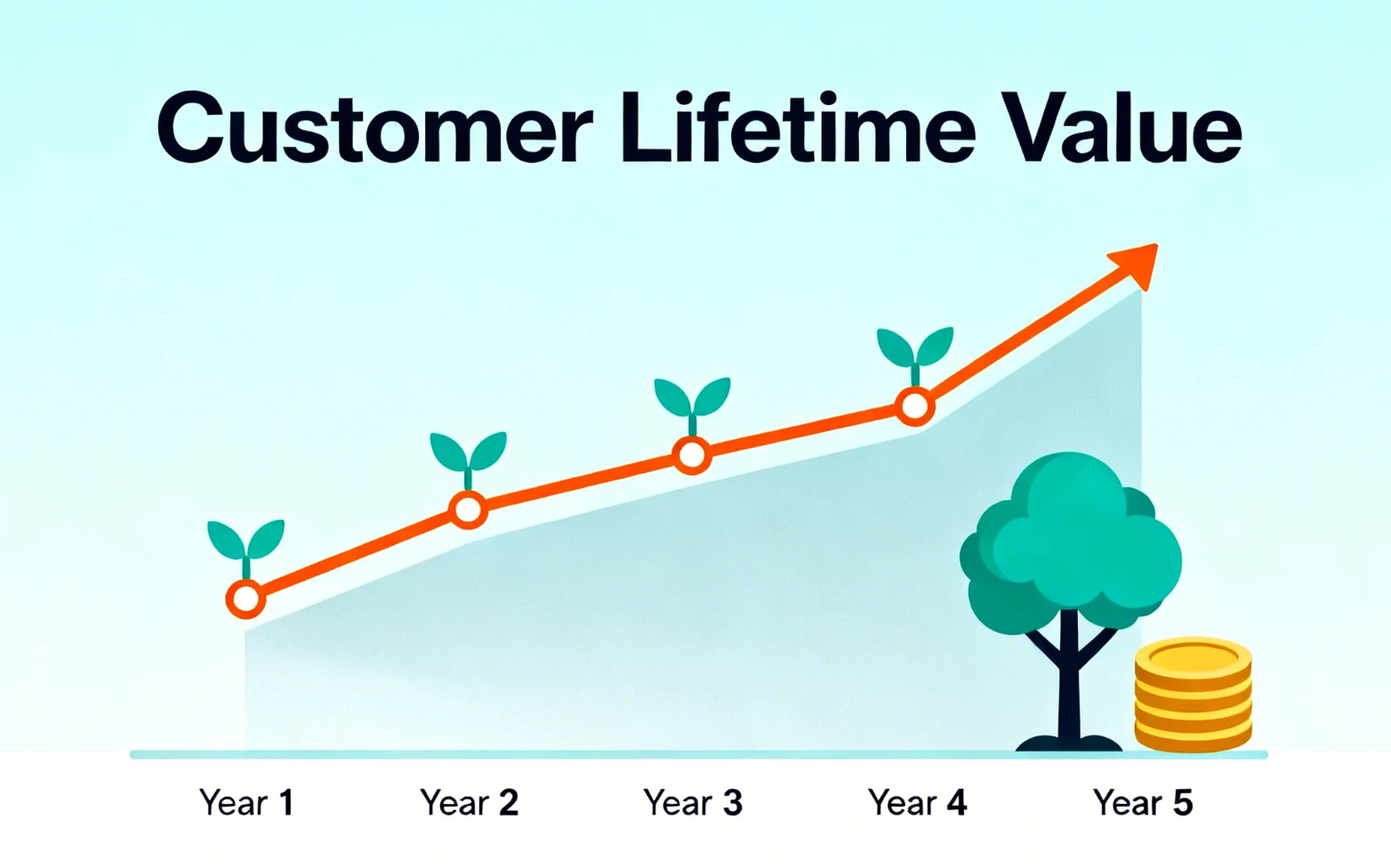
Image source: unsplash.com
The formula of customer lifetime value
Standard CLV formula:
CLV = (average purchase value × purchase frequency × customer lifespan)
- Average purchase value: Total revenue divided by the number of purchases.
- Purchase frequency: How often customers buy within a specific timeframe.
- Customer lifespan: The average duration a customer remains active.
Example: If a customer spends $100 per month for 24 months with a 70% gross margin: CLV = $100 × 24 × 0.7 = $1,680
Simplified SaaS CLV formula:
CLV = (average revenue per account × gross margin %) ÷ Churn Rate
This formula is ideal for subscription-based businesses. A lower churn rate and higher gross margin directly increase CLV.
Why customer lifetime value matters
Understanding customer lifetime value (CLV) provides actionable insights that shape marketing, sales, and customer success strategies. It helps businesses focus on long-term profitability, retention, and relationship strength. Here's why CLV plays such a pivotal role:
- Guides marketing and retention investment decisions
CLV helps organizations determine where to allocate budgets for maximum impact. By focusing on high-value customer segments, companies can reduce wasted marketing spend and invest more in channels that drive stronger retention. This long-term view allows marketing and finance teams to plan campaigns that prioritize sustainable growth instead of short-term gains.
- Helps prioritize high-value customer segments
Not all customers contribute equally to revenue. CLV identifies which segments generate the most profit, helping teams tailor engagement strategies accordingly. Businesses can offer premium service or exclusive programs to high-CLV customers while using automation or streamlined support for others. This ensures personalized attention goes where it delivers the most value.
- Improves forecasting and revenue predictability
When businesses understand customer lifetime value, they can better forecast future revenue and plan growth strategies. CLV provides a data-backed way to estimate recurring income, upsell potential, and churn impact. By monitoring these patterns, organizations can anticipate fluctuations, strengthen their financial models, and prepare for long-term stability.
- Strengthens alignment between sales, marketing, and success teams
CLV acts as a shared performance metric across departments. Marketing attracts the right audience, sales closes sustainable deals, and customer success focuses on retention. This alignment ensures every team contributes to the same long-term goal maximizing the lifetime value of each relationship. When all departments work toward this metric, collaboration becomes more strategic and efficient.
- Supports CRM systems and subscription models
In recurring revenue or subscription-based businesses, CLV helps track renewal health and loyalty program effectiveness. It also signals when customers might be at risk of churn, giving teams a chance to intervene early. By linking CLV data with CRM insights, businesses can predict renewal outcomes, optimize pricing, and maintain consistent engagement.
- Enhances customer experience and brand loyalty
CLV data provides insight into what drives satisfaction, repeat purchases, and advocacy. Companies can use this understanding to refine onboarding, support, and communication processes. By improving customer experience based on CLV trends, businesses strengthen trust and foster loyalty that extends well beyond the first transaction.
- Drives data-driven decision-making across the organization
CLV promotes informed decision-making at every level of the company. It connects customer data to pricing, marketing, and product development strategies. Sharing CLV insights across departments encourages accountability and ensures that every initiative supports the same long-term growth objectives.
- Encourages long-term strategic thinking
Focusing on CLV shifts a company’s mindset from short-term sales to relationship building. It encourages investments that improve customer engagement, service quality, and lifetime satisfaction. Businesses that prioritize CLV tend to grow sustainably because they value retention as much as acquisition, creating balanced and enduring profitability.
CLV challenges and how to fix them (with smarter collaboration)
Improving customer lifetime value requires more than just tracking numbers; it's about aligning your marketing, sales, and customer success teams around shared goals, data, and actions. Lark brings these elements together in one connected workspace, helping organizations increase customer retention, boost loyalty, and uncover upsell opportunities more efficiently. Here's how each Lark feature supports this process in depth, with verified use cases:
Lark Base: Centralize customer and revenue data
Challenge: Customer insights are scattered across spreadsheets, CRMs, and support tools — leading to delayed responses and missed churn signals.
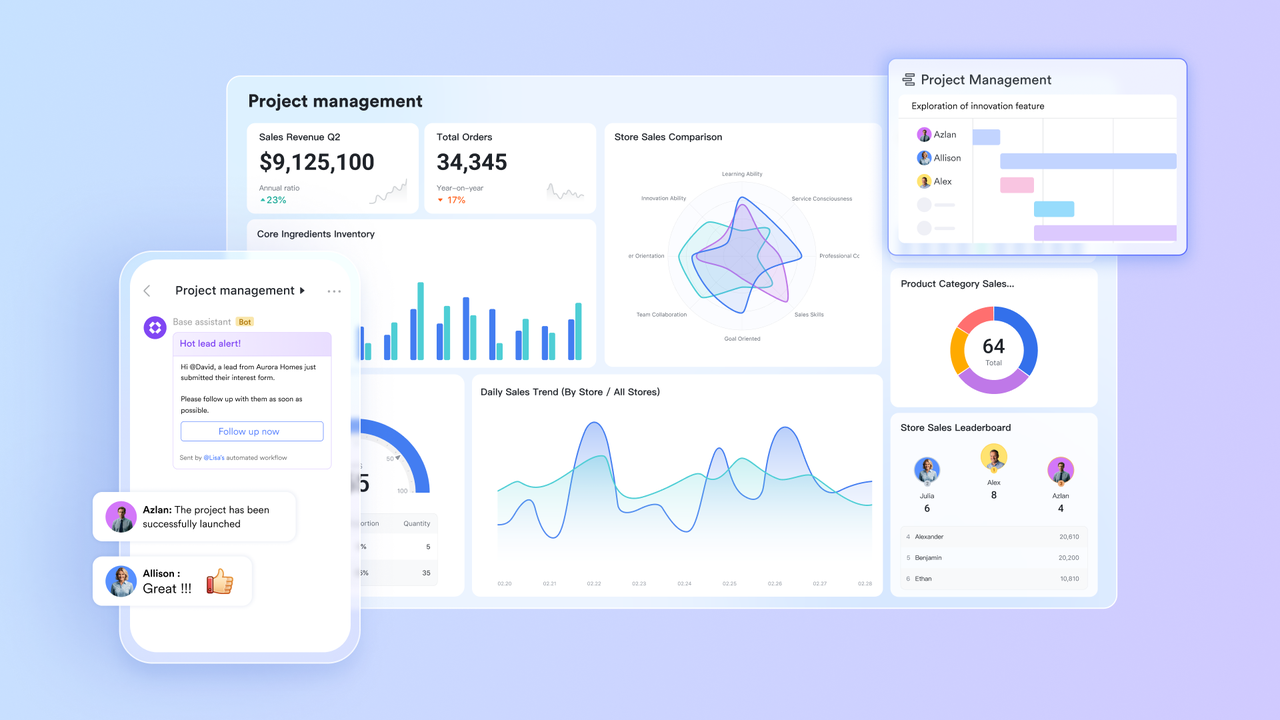
Lark Base serves as a dynamic customer data hub where teams can monitor key metrics like purchase frequency, renewal rates, support activity, and satisfaction scores. You can design relational databases linking customers, transactions, and account managers, ensuring every department views the same real-time information.
How it helps CLV:
- Provides a single source of truth for customer and revenue data
- Supports lifetime value modeling
- Enables proactive churn prevention through alerts and automations
Example: A Saas company uses Lark Base to track subscription revenue and customer sentiment. When an account's engagement score drops below a threshold, Base automatically triggers an alert to the customer success lead in Lark Messenger and creates a follow-up Task for review. As a result, proactive outreach reduces churn and increases renewals, boosting CLV across segments.
Lark Messenger: Proactive customer alignment and retention
Challenge: Customer requests often disappear in email threads — delaying action and harming loyalty.
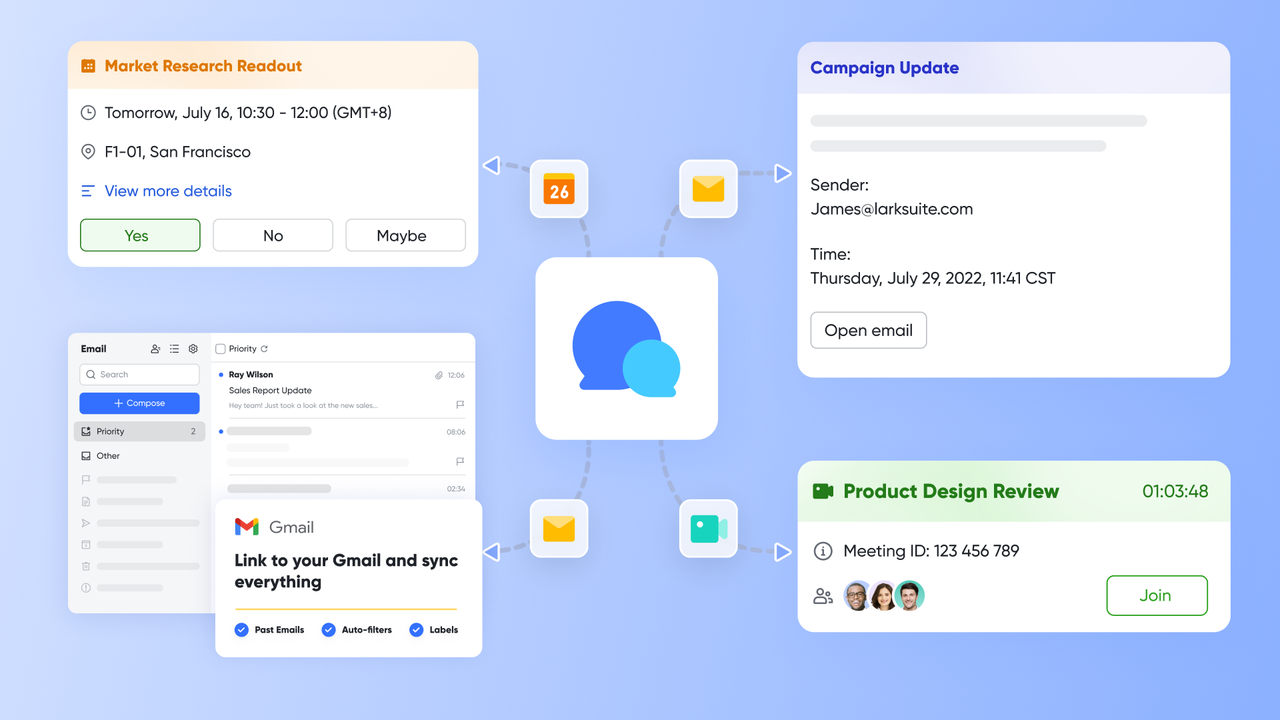
Lark Messenger enables real-time collaboration between customer-facing teams. Whether sharing account updates or discussing customer health, Messenger keeps communication tied to actionable data through linked messages, Docs, or Base records.
How it helps CLV:
- Reduces response times
- Improves satisfaction and loyalty
- Enables collaborative problem-solving
Example: When a high-value customer expresses frustration in a support chat, the service representative tags the success manager in Messenger, linking the customer's Base record directly. The team responds immediately with a goodwill gesture and schedules a check-in call preventing potential churn and preserving lifetime revenue.
Lark Tasks: Structured follow-ups for renewals and upsells
Challenge: Follow-ups get forgotten, leaving renewals and expansion opportunities unattended.
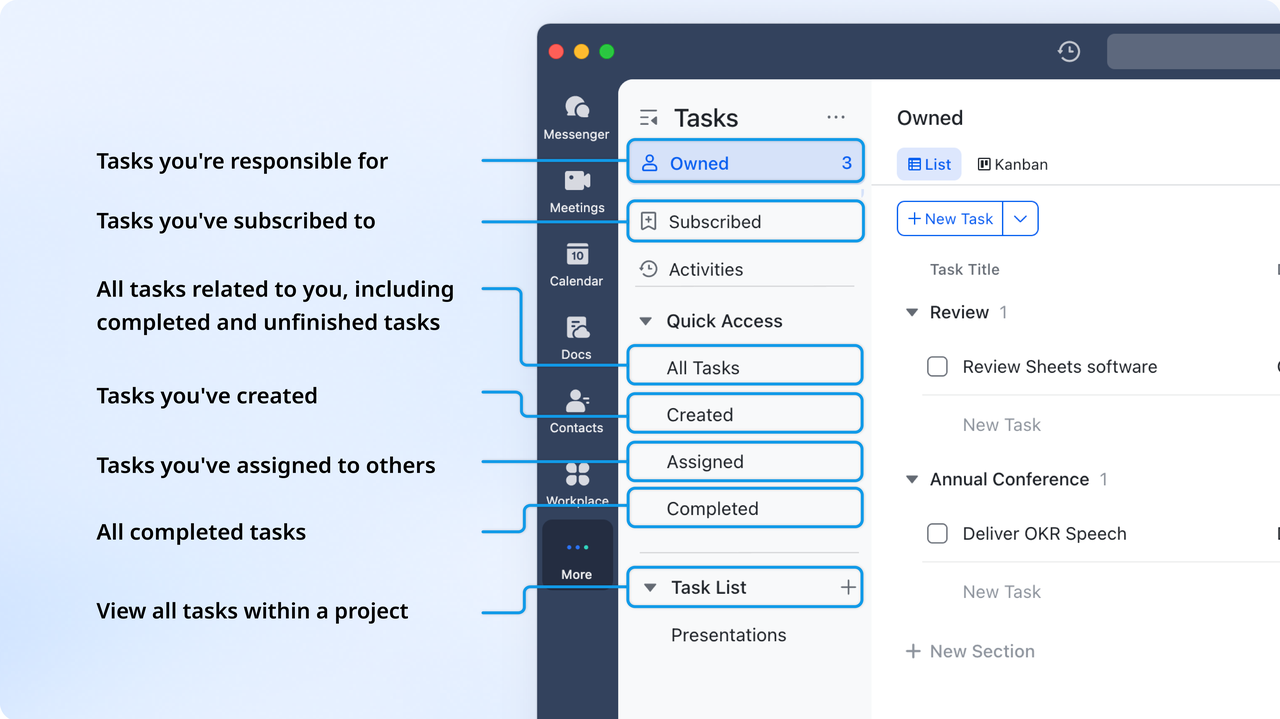
Lark Tasks turns customer management into an actionable process. Teams can create, assign, and track every follow-up tied to retention, renewal, or expansion activities.
How it helps CLV:
- Ensures timely follow-ups
- Keeps teams accountable for renewals and expansions
- Increases revenue through structured retention cycles
Example: A manager sets a recurring task for renewal check-ins. Lark automatically assigns tasks to account managers before contracts expire, increasing the likelihood of renewal.
Lark Docs & Lark Sheets: Analyze and share CLV insights
Challenge: CLV data often stays hidden in analytics platforms — not shared or acted upon.
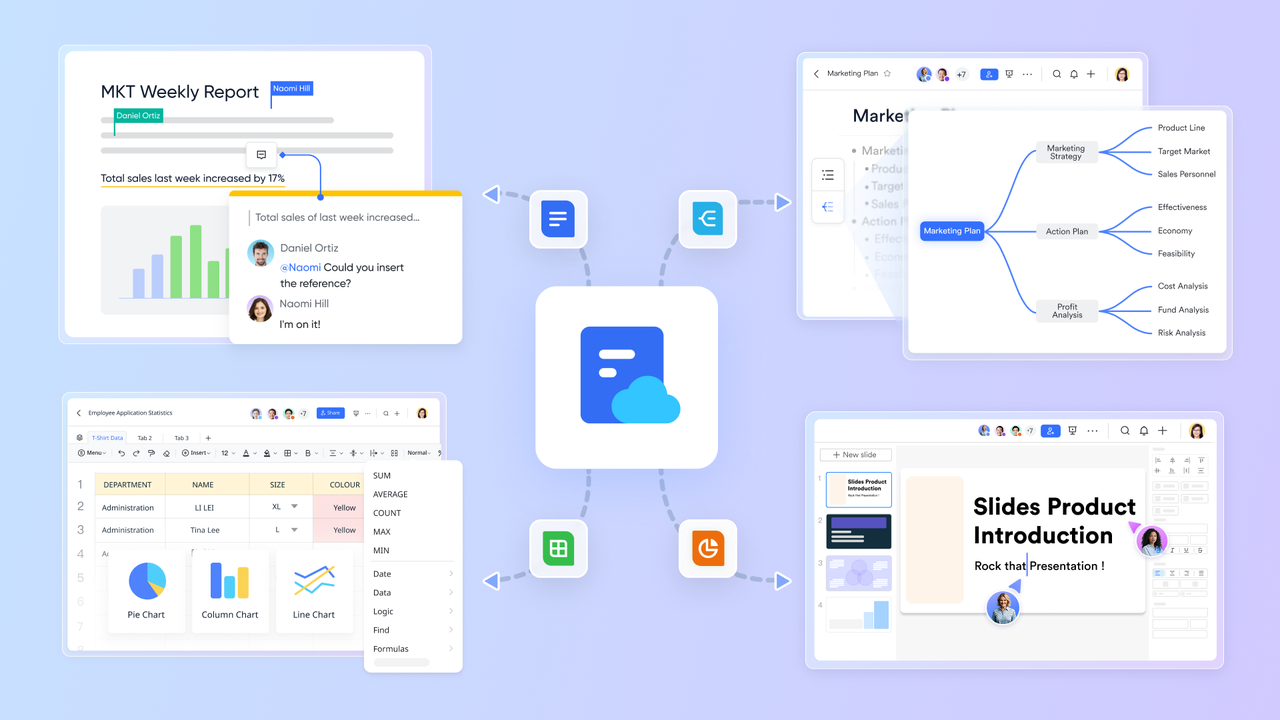
Lark Docs and Sheets allow teams to calculate, visualize, and share CLV metrics in real time. Sheets formulas handle lifetime value modeling (revenue × retention × margin), while Docs serve as shared knowledge bases for success playbooks and retention strategies.
How it helps CLV:
- Unites data and collaboration
- Tracks trends and performance by customer segment
- Guides strategic decisions based on insights
Example: A marketing manager creates a CLV dashboard in Lark Sheets, shares results in a Doc, and aligns the team around new retention strategies.
Lark Approval: Simplify retention and discount decisions
Challenge: When approvals for discounts or compensation drag on, customers lose patience and confidence.
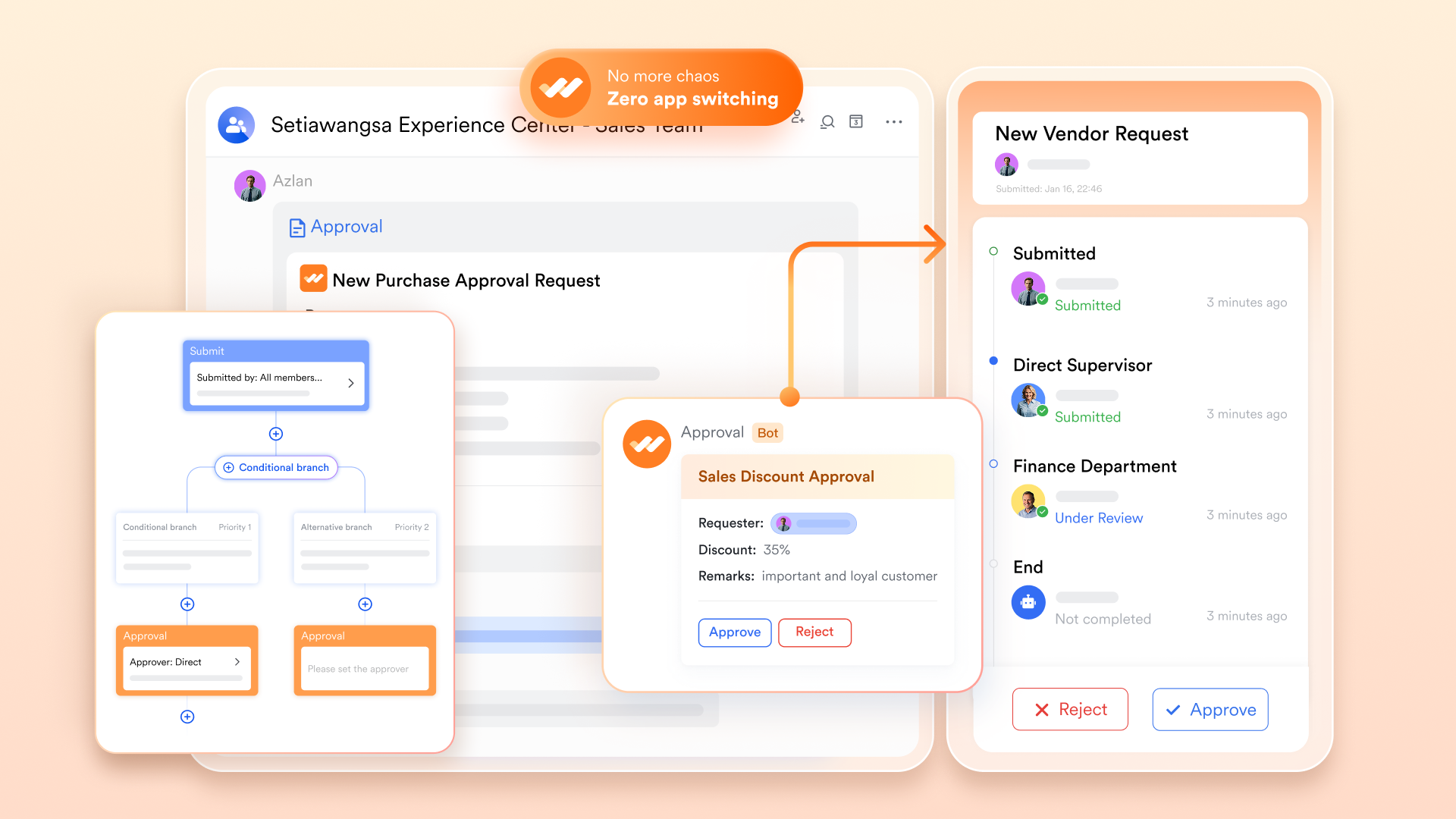
Lark Approval automates multi-step decision workflows like loyalty program approvals, renewal discounts, or refund exceptions. Each approval flow captures requester details, reason, and manager sign-off in one streamlined process.
How it helps CLV:
- Accelerates decision-making
- Improves customer experience
- Keeps records transparent
Example: An account manager submits a discount request through Lark Approval. It routes automatically to finance and leadership for sign-off. The approved offer secures a two-year renewal, boosting lifetime value.
- Starter plan: Free forever plan that includes 11 powerful tools for up to 20 users. It also comes with 100GB of storage, 1000 automation runs, AI translations, and more.
- Pro plan: $12/user/month (billed annually) for up to 500 users. It includes everything in Starter plus group calling for up to 500 attendees, 15TB of storage, 50,000 automation runs, and more.
- Enterprise plan: Contact sales for custom pricing. Supports unlimited users and includes even more automation runs and advanced security, compliance, and management features.
Key drivers that influence customer lifetime value
Understanding what drives Customer Lifetime Value (CLV) helps organizations improve retention, engagement, and long-term revenue growth. Here are the key factors that directly influence CLV performance:
- Customer experience quality: The overall experience a customer has with your brand, from onboarding to support, determines loyalty and repeat purchases. Fast response times, proactive communication, and consistent satisfaction build trust that extends customer relationships. Businesses using Lark Messenger and Tasks can manage interactions efficiently to deliver superior customer experiences.
- Product fit and pricing model: A product that matches customer needs and offers fair value encourages renewals and long-term satisfaction. When customers clearly see the value they receive for the price, they are more likely to remain engaged. Lark Docs and Sheets help teams analyze product feedback and pricing performance together to maintain competitiveness.
- Customer onboarding and engagement: The speed at which customers realize value from your product directly affects their lifetime potential. Effective onboarding ensures users understand benefits early and remain active. With Lark Base and Tasks, teams can track onboarding progress, assign follow-ups, and maintain consistent engagement throughout the customer journey.
- Retention and churn management: Strong retention strategies such as loyalty programs, feedback loops, and timely outreach are vital to extending customer relationships. Even small reductions in churn can significantly increase revenue. Lark Approvals and Base allow teams to automate renewal processes, manage incentives, and monitor at-risk customers before they disengage.
- Cross-sell and upsell success: Encouraging customers to explore complementary products or higher-tier services increases their overall value to the business. When relevant and personalized, these efforts strengthen relationships and support revenue growth. Using Lark Base and Docs, teams can analyze purchase trends and coordinate upsell or cross-sell opportunities that maximize CLV.
Best practices for managing customer lifetime value effectively
Managing customer lifetime value (CLV) effectively requires data consistency, automation, and cross-functional collaboration. The following best practices help businesses build strong customer relationships and maximize long-term profitability.
- Maintain a single source of customer data truth: Centralized data ensures every team works with accurate and up-to-date customer information. A unified view improves coordination between departments and reduces errors caused by fragmented data. Lark Base enables teams to consolidate customer details, revenue records, and engagement history in one place for seamless visibility.
- Regularly segment and update lifetime value models: Customer behaviors and preferences change over time, making it essential to update lifetime value models regularly. Segmentation helps identify evolving patterns and adjust strategies for different customer groups. With Lark Sheets and Base, teams can automate segmentation reports and visualize performance across key metrics.
- Automate retention actions: Automation saves time and ensures timely communication with customers. Setting up renewal reminders, satisfaction surveys, or inactivity alerts keeps engagement consistent and reduces churn. Lark Tasks and Approvals allow teams to automate follow-ups and retention workflows to improve customer satisfaction and loyalty.
- Foster collaboration between sales, support, and success teams: Strong collaboration across departments leads to better customer outcomes and higher CLV. Sharing insights and feedback ensures that every team supports the same customer goals. Lark Messenger and Docs help align teams by enabling real-time communication, document sharing, and coordinated follow-up planning.
- Review CLV metrics monthly to identify revenue opportunities: Regular performance reviews help identify trends, bottlenecks, and potential revenue growth areas. Analyzing monthly CLV reports ensures that customer retention strategies remain relevant and effective. Lark Sheets and Base make it easy to track changes in lifetime value and present insights through interactive dashboards.
Conclusion
Customer lifetime value (CLV) is essential for building long-term business success. It shifts focus from short-term sales to sustained profitability by helping companies understand how every customer relationship contributes to overall growth. Tracking CLV enables better pricing strategies, improved retention, and smarter allocation of marketing and service investments.
To manage CLV effectively, businesses need clear visibility into customer data, consistent collaboration, and actionable insights across teams. Modern digital workspaces make this coordination easier by connecting people and performance in one place. Lark supports this approach by helping teams stay aligned, organized, and proactive in improving customer relationships. By combining strategy with collaboration, companies can turn every customer connection into a source of long-term value and loyalty.
FAQs
What is the difference between CLV and CAC?
Customer Lifetime Value (CLV) measures the total revenue a customer generates throughout their relationship with your business, while Customer Acquisition Cost (CAC) measures the expense required to acquire that customer. Balancing both helps assess profitability. Using Lark Base and Lark Sheets, teams can visualize CLV and CAC data side by side, helping optimize marketing spend and improve long-term ROI.
How often should CLV be calculated?
CLV should be recalculated quarterly or after significant changes to pricing, product offerings, or retention strategies. With Lark Base, teams can automate Customer Lifetime Value calculations and keep dashboards updated in real time, ensuring decisions are backed by accurate, current data.
What is a good CLV to CAC ratio?
A healthy CLV to CAC ratio is generally around 3:1, meaning every dollar spent on acquisition should yield three dollars in lifetime revenue. Lark's analytics tools enable companies to track this ratio continuously, aligning marketing and sales investments with actual revenue performance.
How do SaaS businesses improve CLV?
SaaS businesses increase CLV by reducing churn, improving onboarding, and offering targeted upsell opportunities. Lark's unified workspace connects customer success, product, and marketing teams to ensure consistent engagement, automated follow-ups, and shared visibility on retention activities that drive lifetime value.
Which tools are best for tracking CLV?
Lark, Salesforce, HubSpot, and Shopify Analytics are among the best tools for tracking Customer Lifetime Value. Lark stands out for combining customer data management, team communication, and task automation giving organizations a 360-degree view of each customer's journey, engagement, and profitability.
Related reading
Table of contents
Start using Lark today

Manage all your work in one place
Boost team efficiency by 10x
Save up to 70% on software costs
Table of contents
Start using Lark today
Manage all your work in one place
Boost team efficiency by 10x
Save up to 70% on software costs
Keep reading








2026 Lark Technologies Pte. Ltd.
Headquartered in Singapore with offices worldwide.






Explore: