Ever found yourself staring at racks of unsold sweaters while your best-selling dresses are completely out of stock? Or perhaps you've felt the pinch of capital tied up in inventory that just won't move? These are common frustrations for fashion businesses, highlighting a critical truth: Effective apparel inventory management isn't just a logistical task; it's the heartbeat of your profitability and customer satisfaction. This comprehensive guide will equip you with the strategies and insights to transform your inventory from a source of stress into a powerful engine for growth. By mastering your inventory, you can reduce waste, optimize cash flow, and ensure your customers always find what they're looking for.
What is apparel inventory management?
Apparel also known as clothing inventory management, encompasses everything from forecasting demand for upcoming seasons to managing returns and ultimately liquidating obsolete stock. Apparel businesses face unique inventory challenges compared to other industries, such as managing seasonal trends, high SKU counts, and rapid shifts in consumer demand. For fashion businesses, this complexity is magnified by factors such as size runs, color variations, and the rapid pace of trends. A robust apparel inventory management system acts as the central nervous system for your entire , ensuring seamless operations.
Key strategies for optimizing apparel inventory
To further optimize your operations, it's important to organize inventory using methods like barcode scanning and RFID tags, which streamline processes and reduce manual errors. Modern inventory management also requires the ability to track inventory in real time across multiple locations and sales channels, ensuring accurate stock levels and synchronization between all outlets.
Accurate demand forecasting
This involves meticulously analyzing historical , identifying recurring patterns, and understanding the impact of past marketing campaigns. Identifying seasonal trends by analyzing past sales data for seasonal peaks can inform stocking decisions, helping businesses capitalize on popular items. Crucially, it also means staying attuned to broader market trends, monitoring fashion blogs, social media influencers, and runway reports.
Setting optimal inventory levels
The sweet spot in apparel inventory management is maintaining optimal stock levels – enough to meet demand without holding excessive quantities that drain capital and incur carrying costs. Optimizing storage space through efficient inventory methods can further reduce carrying costs and improve . This is a delicate balancing act. For some, a Just-in-Time (JIT) inventory approach, minimizing on-hand stock and relying on frequent, smaller deliveries, might seem appealing.
Implementing a robust inventory tracking system
Modern inventory tracking systems employ technologies like barcode scanning for rapid and accurate data entry, significantly reducing human error. RFID technology, while a larger investment, offers even greater precision, allowing for near of individual items without direct line of sight.
These systems not only provide up-to-date inventory counts but also manage and update customer orders across multiple sales channels, ensuring efficient order fulfillment and improved accuracy. Using a Point-of-Sale (POS) system is one of the most effective ways to manage inventory, as it automatically updates inventory counts whenever a sale is made.
Start streamlining your apparel inventory management
Top 8 apparel inventory management software solutions
Designed to support physical or online stores, sales data, customer demand, and customer satisfaction, apparel inventory software provides real-time tracking, seamless integration, and helps synchronize stock levels across multiple sales channels. Fashion genuinely empowers retailers to thoughtfully analyze sales data, recognize promising emerging trends, and make well-informed decisions about which products deserve shelf space. By embracing practical inventory management tools like barcode scanning and real-time inventory tracking, apparel businesses can confidently keep their inventory data both precise and current.
1. Lark: An all-in-one collaboration for apparel inventory
offers highly customizable tools that can be effectively adapted for managing apparel inventory. Its integrated suite of features allows businesses to build bespoke without needing specialized, often costly, fashion-specific software.
Key features
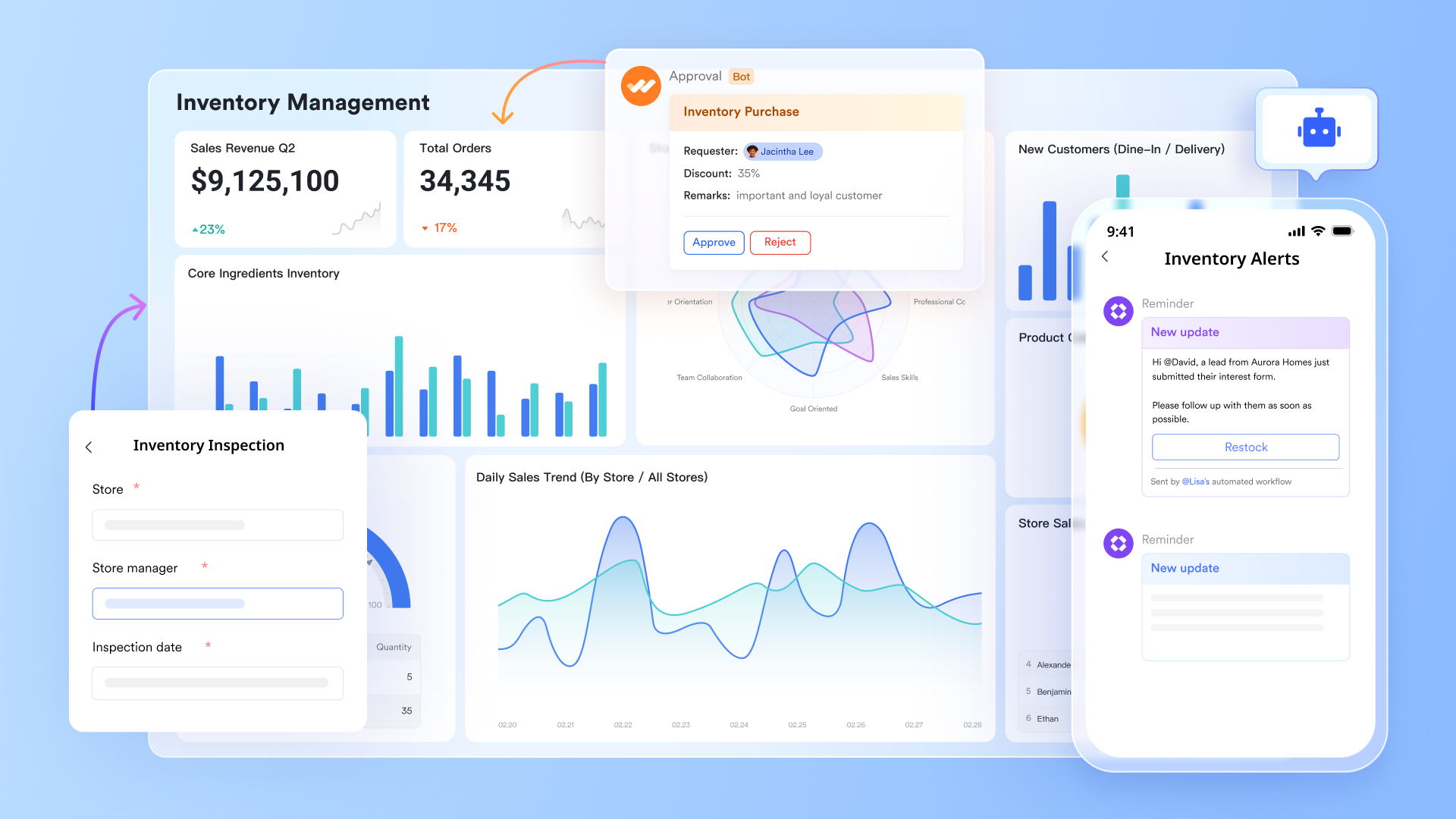
No-code, customizable inventory databases: feature allows users to create custom databases to track specific apparel attributes like SKU, size, color, style, season, supplier, quantity in stock, reorder points, barcodes, and even images. This addresses the multi-SKU challenge by providing granular control. You can link these tables to manage purchase orders, sales records, and returns effectively.
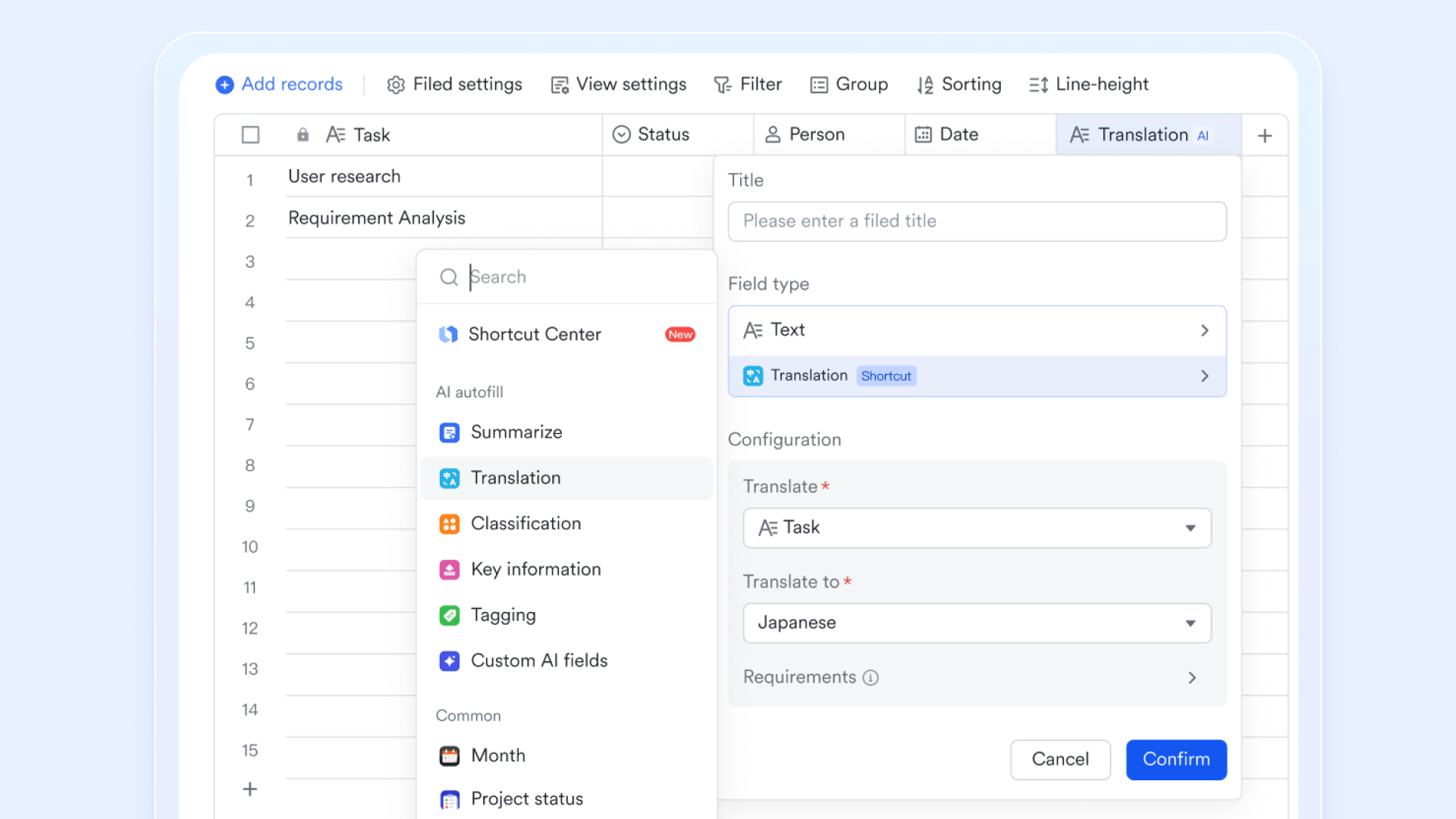
Mobile capability for inventory management: allows users to create custom intake forms for easily logging apparel inventory data. Users can input product information, stock quantities, and other relevant details directly from their mobile devices. Once submitted, these records automatically populate a designated Lark Base, ensuring consistent data entry and minimizing errors, which is vital for accurate, real-time apparel inventory management. This makes it highly convenient for warehouse staff or retail employees to update stock on the go.
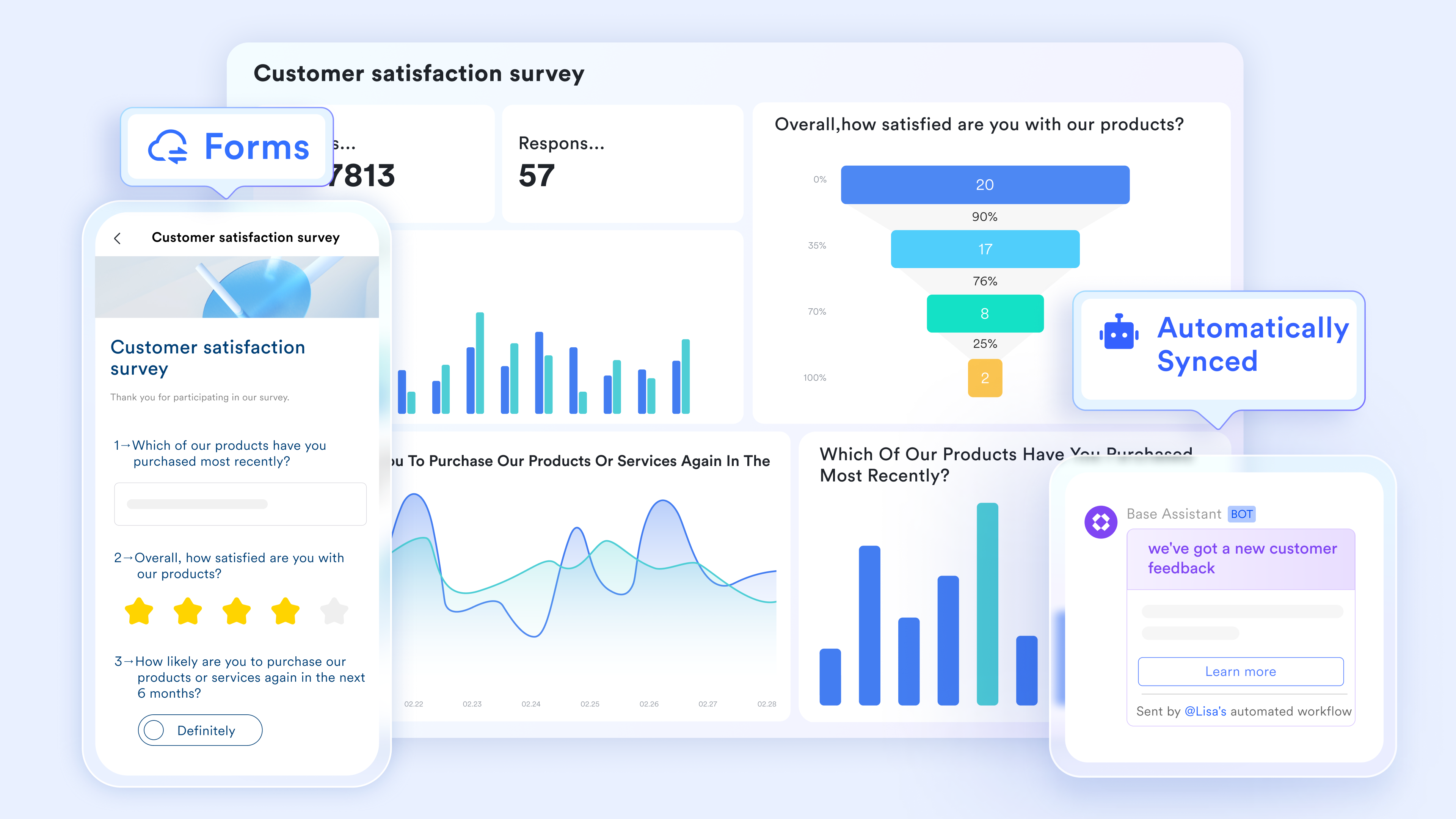
Spreadsheet reporting and visual functionality: For detailed analysis and reporting, the Lark Base dashboards offer robust data visualization capabilities. You can create live, visual, auto-updated dashboards and charts to visualize inventory trends, sell-through rates, and identify slow-moving items. 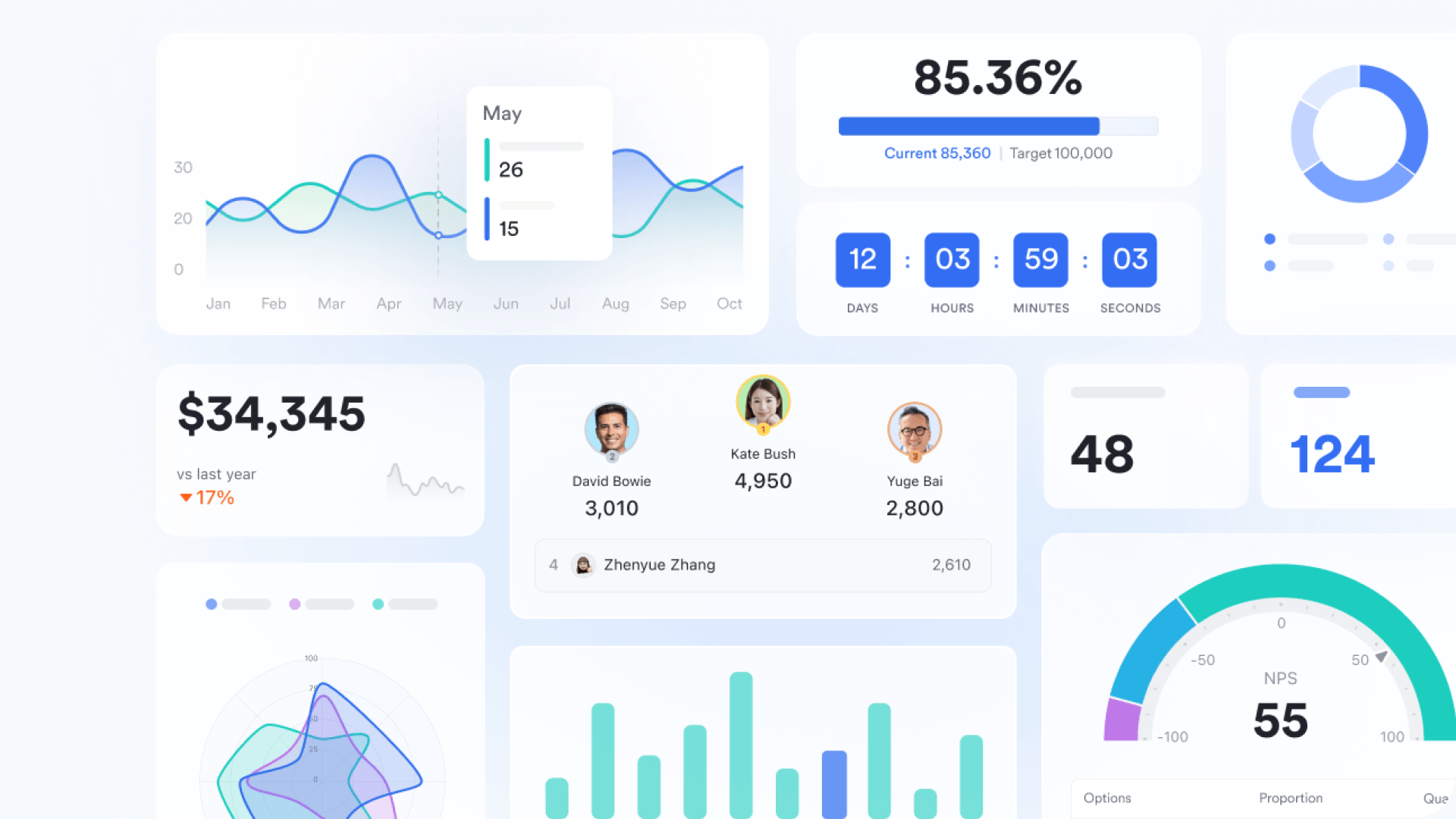
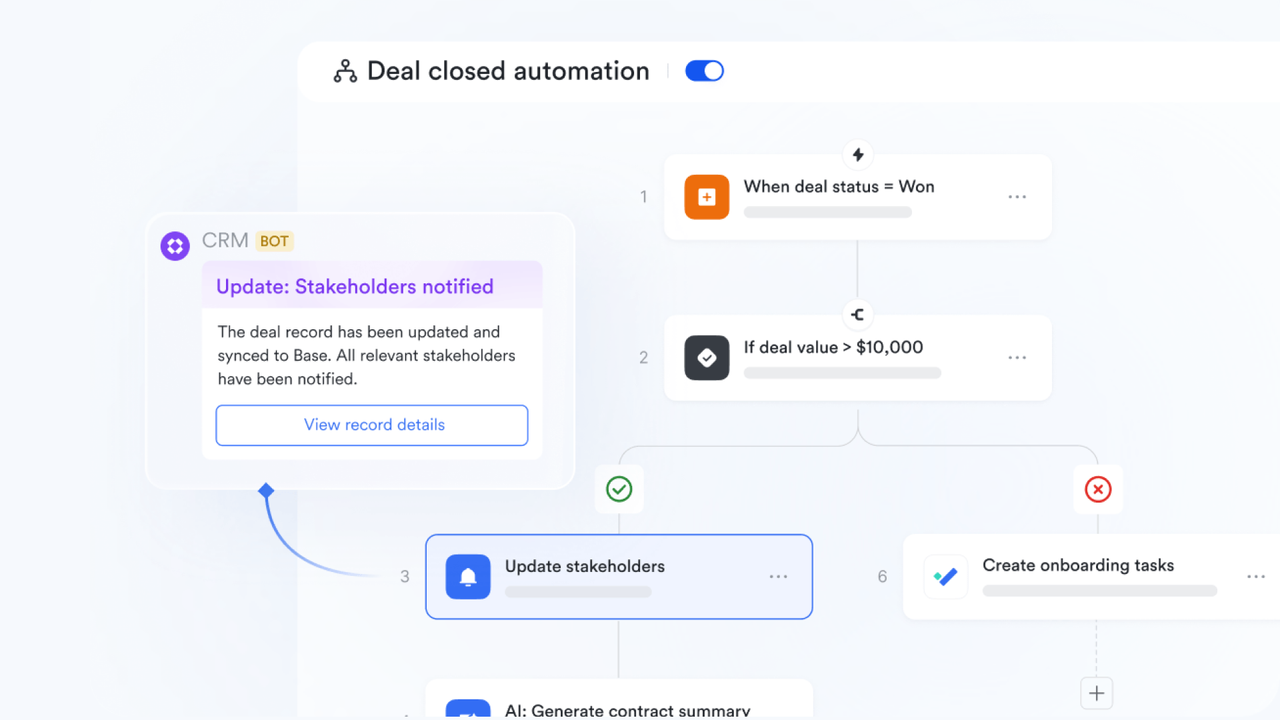
Automations for streamlining stock management: Lark Base customizable can be set up with triggers for critical inventory alerts, such as sending notifications when stock levels fall below reorder points or when a new shipment is due. This proactively helps prevent stockouts.
Seamless collaboration: The unified chat, , and document sharing functions facilitate seamless communication between purchasing, sales, and warehouse teams, which is essential for coordinating inventory flows in a fashion business.

:
- Starter plan: that includes 11 powerful tools for up to 20 users. It also comes with 100GB of storage space, 1000 automation runs, AI translations, and more. No credit card needed.
- Basic plan: (billed annually) for up to 500 users. It includes everything in Starter and unlimited message history, 5TB of storage space, 1,000 automation runs, and more. Some users may need to to purchase this plan.
- Pro plan: (billed annually) for up to 500 users. It includes everything in Basic plus group calling for up to 500 attendees, 15TB of storage space, 50,000 automation runs, and more.
- Enterprise plan: for custom pricing. Supports unlimited users and includes even more automation runs and advanced security, compliance, and management features.
For small teams with simple communication needs

18 months message history
1000 Base automation runs/month
2000 rows per table in Base
Most POPULAR
For companies with comprehensive collaboration and management needs
Unlimited message history
500-participant video meetings
50k Base automation runs/month
20k rows per table in Base
For large companies with advanced security and organizational management needs
Get a personalized demo and pricing
Unlimited message history
500-participant video meetings
15 TB storage + 30 GB storage/user
500k Base automation runs/month
50k Base automation runs/month
Most POPULAR
For companies with comprehensive collaboration and management needs
Unlimited message history
500-participant video meetings
50k Base automation runs/month
20k rows per table in Base
2. Shopify POS: A tool for small to medium-sized apparel brands
Shopify POS is a popular choice, particularly for small to medium-sized apparel brands and that operate both online and in physical stores. Clothing stores use Shopify POS to manage inventory and sales, leveraging its real-time tracking and inventory management features to streamline operations and prevent stockouts.
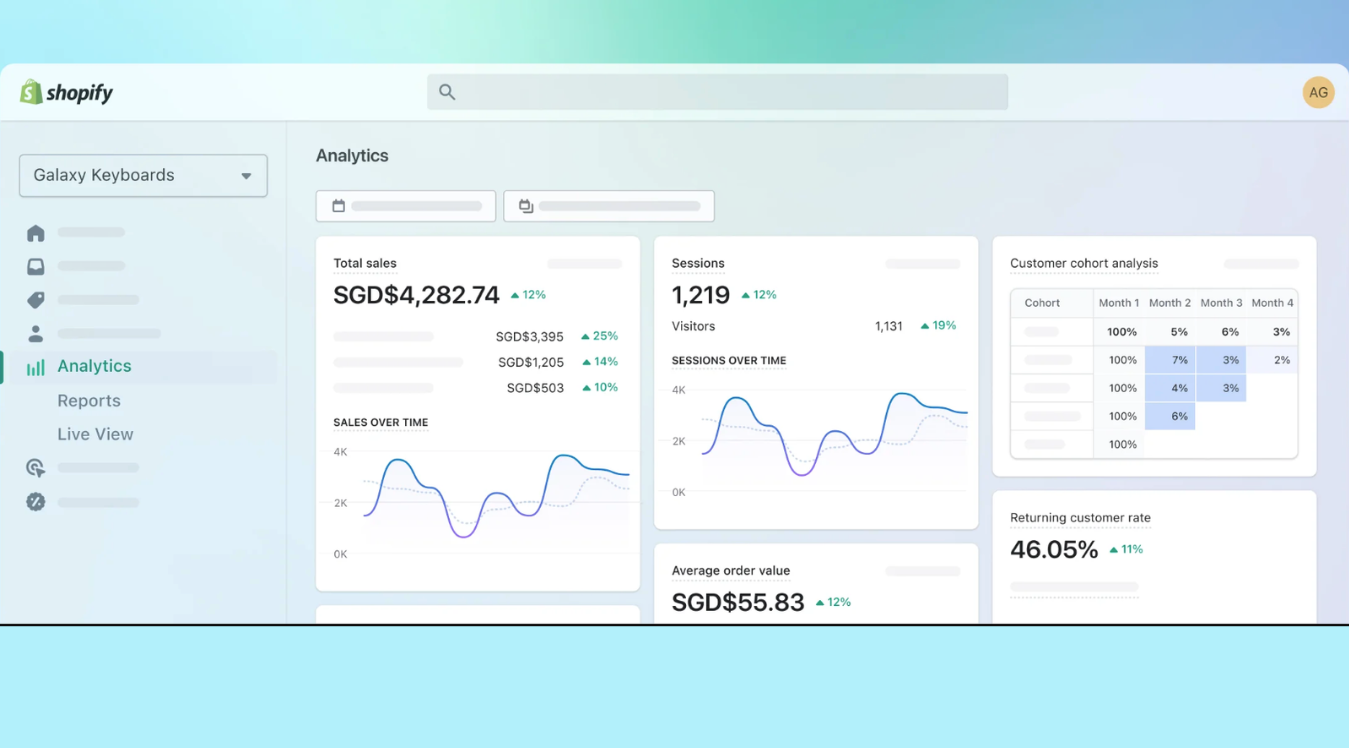
Image source: shopify.com
Key features:
- Integrated online and offline inventory: Automatically syncs inventory levels between your Shopify online store and physical retail locations, preventing overselling.
- Variant management: Handles the complexities of apparel SKUs (sizes, colors, styles) efficiently.
- Purchase order management: Helps streamline ordering from suppliers and tracking incoming stock.
- Reporting and analytics: Provides insights into sales performance, stock levels, and product profitability.
- Return and exchange processing: Simplifies handling customer returns and exchanges, updating inventory accordingly.
Pricing: Shopify POS plans vary depending on the Shopify subscription chosen (Basic, Growth, Advanced, Plus), starting from approximately SGD$29/month, plus transaction fees. Hardware is purchased separately.
3. NetSuite ERP: A comprehensive cloud-based ERP
NetSuite is a comprehensive cloud-based ERP (Enterprise Resource Planning) solution, often considered a strong contender for larger apparel companies requiring robust financial, inventory, and supply chain management. It offers deep functionality for complex apparel inventory management needs.
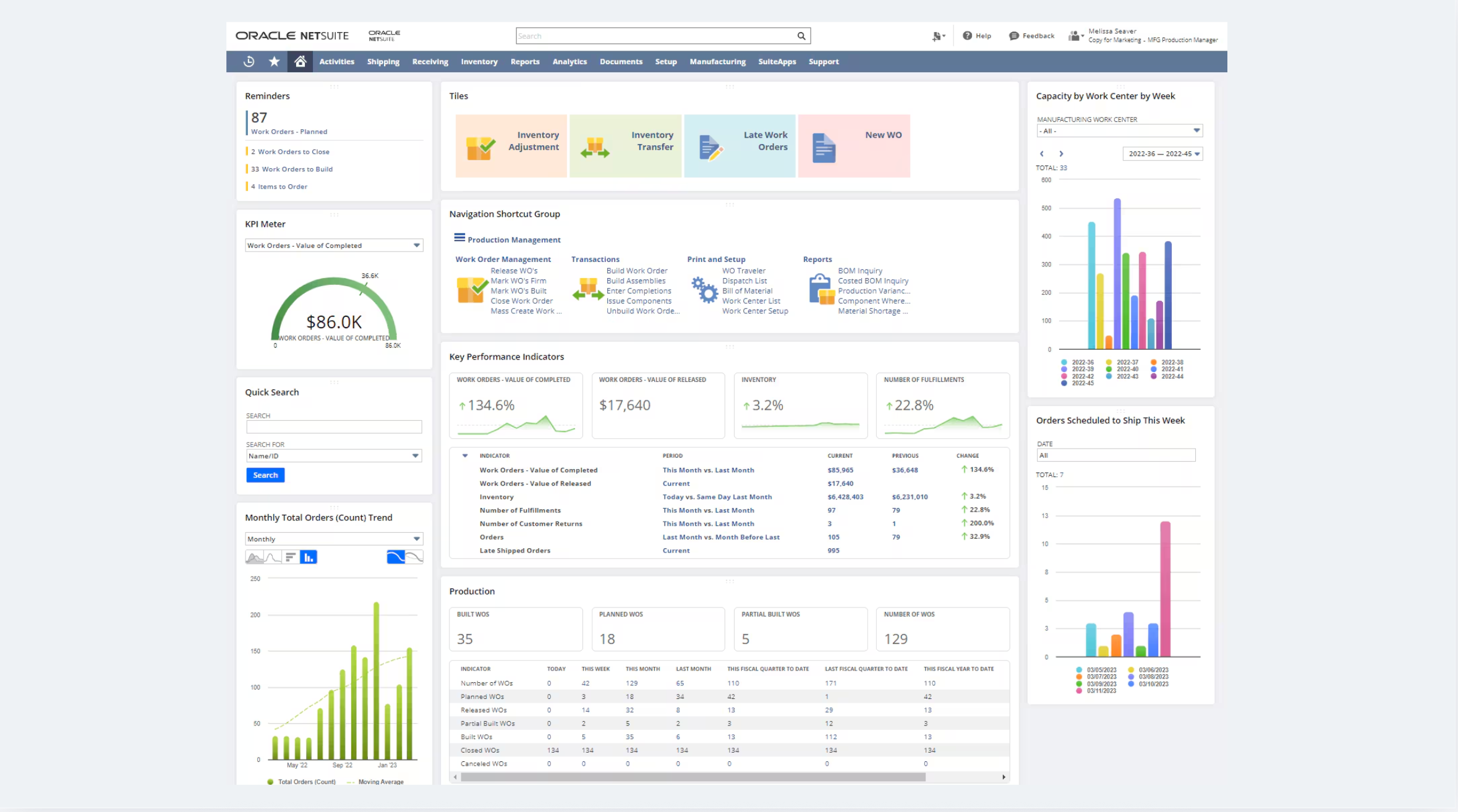
Image source: netsuite.com
Key features:
- Multi-location inventory management: Tracks stock across multiple warehouses, retail stores, and distribution centers.
- Order management: Manages the entire order-to-cash process, from sales orders to fulfillment.
- Production planning: Supports manufacturing processes, including bill of materials and work orders, relevant for brands that produce their own apparel.
- Advanced analytics: Provides in-depth reporting on inventory turns, sell-through rates, and profitability.
- CRM integration: Links inventory with customer data for a holistic view of the business.
Pricing: NetSuite ERP pricing is typically custom-quoted based on the specific modules, number of users, and complexity of the implementation.
4. AIMS 360: ERP system specifically designed for the apparel and fashion industry
AIMS 360 is an ERP system specifically designed for the apparel and fashion industry, offering tailored solutions for manufacturers, wholesalers, and distributors. It aims to provide fast onboarding and operational visibility.
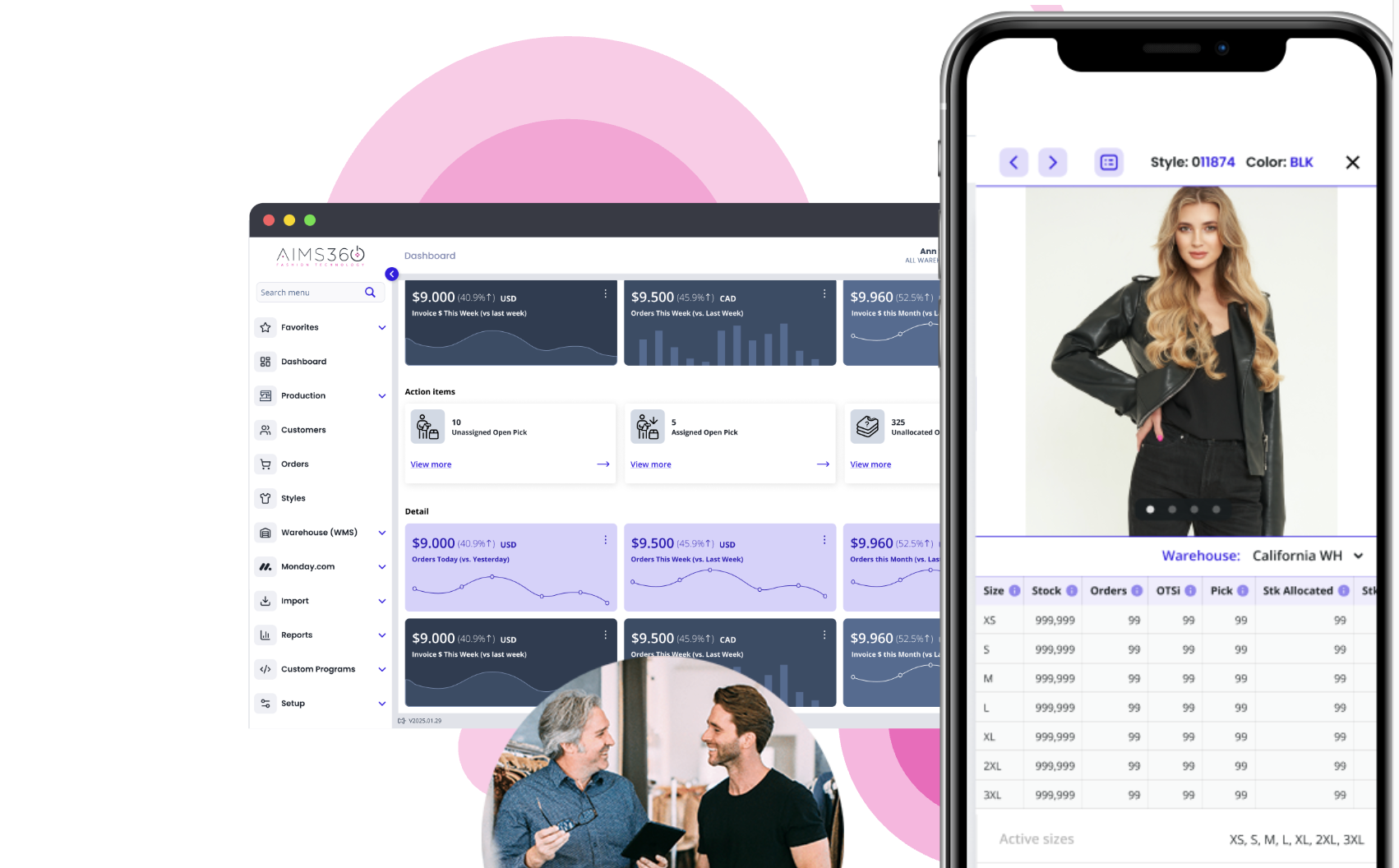
Image source: aims360.com
Key features:
- Apparel-specific SKU management: Handles complex size, color, and style matrices unique to fashion.
- Production management: Manages cut and sew operations, material tracking, and production scheduling.
- Wholesale order processing: Streamlines order entry, allocation, and invoicing for wholesale clients.
- Integrated PLM (Product Lifecycle Management): Some versions offer PLM capabilities to manage product development from concept to retail.
- EDI integration: Facilitates electronic data interchange with retailers and suppliers.
Pricing: AIMS 360's pricing is typically customized based on the modules selected and the scale of the business. Contact their sales team for a detailed quote. Paid from $59/month/user.
5. Brightpearl: A retail operating system that combines ERP, WMS, and POS
Brightpearl is a retail operating system that combines ERP, WMS, and POS functionalities, making it suitable for growing e-commerce and omnichannel apparel businesses. It focuses on automating workflows and providing real-time data.
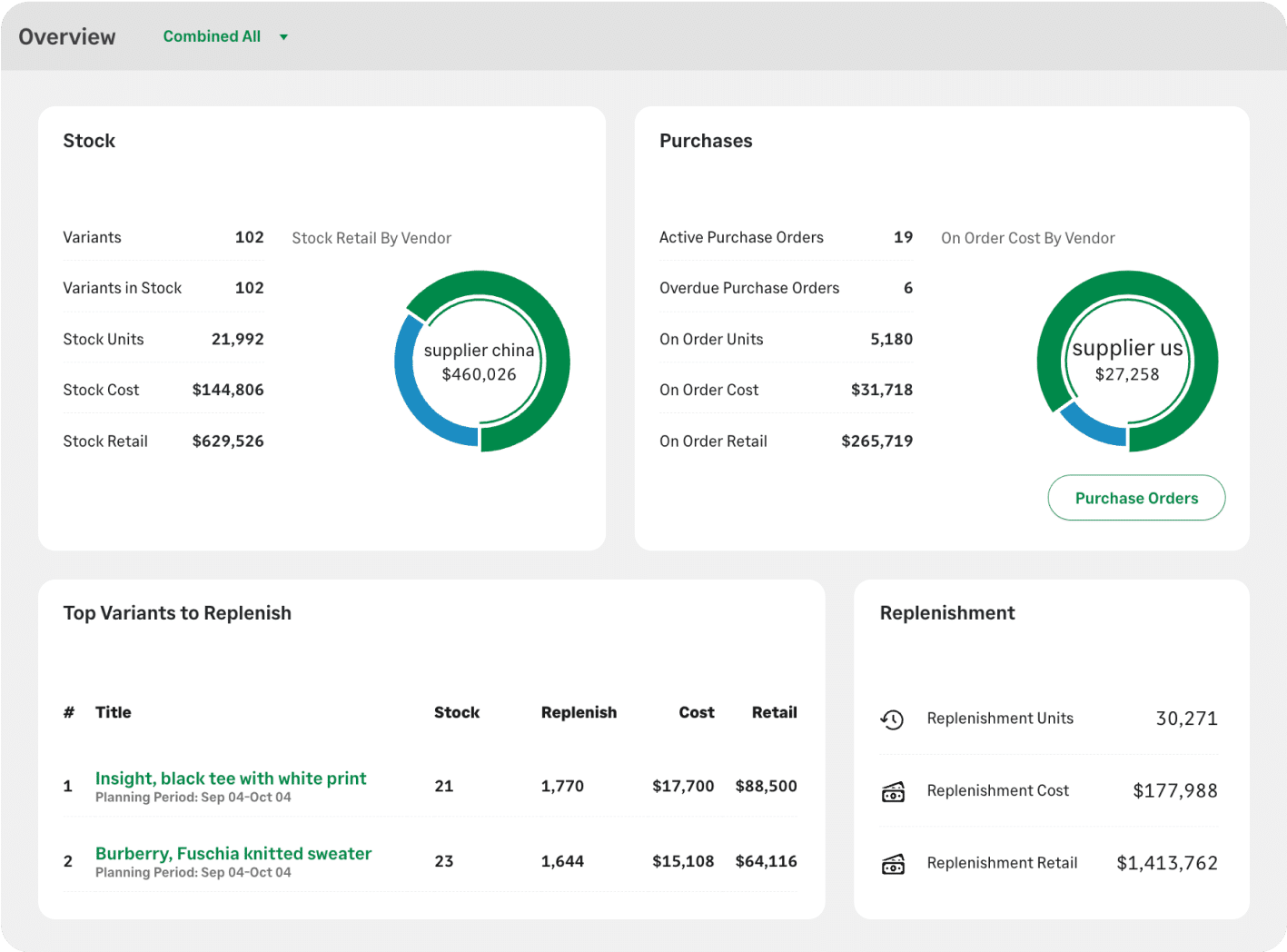
Image source: brightpearl.com
Key features:
- Unified inventory management: Centralizes inventory across all sales channels and warehouses.
- Order management automation: Automates order routing, fulfillment, and shipping.
- Warehouse management (WMS) capabilities: Optimizes picking, packing, and dispatch processes within the warehouse, crucial for wms for apparel inventory management.
- Retail accounting integration: Connects with accounting software for seamless financial reporting.
- Demand forecasting tools: Help predict future sales and optimize purchasing.
Pricing: Brightpearl offers customized pricing based on the client's needs, often requiring a demo and consultation to get a precise quote.
6. Linnworks: A commerce automation platform
Linnworks is a commerce automation platform that helps businesses manage their multi-channel selling, including inventory, orders, and shipping. It's particularly strong for businesses selling across various online marketplaces.
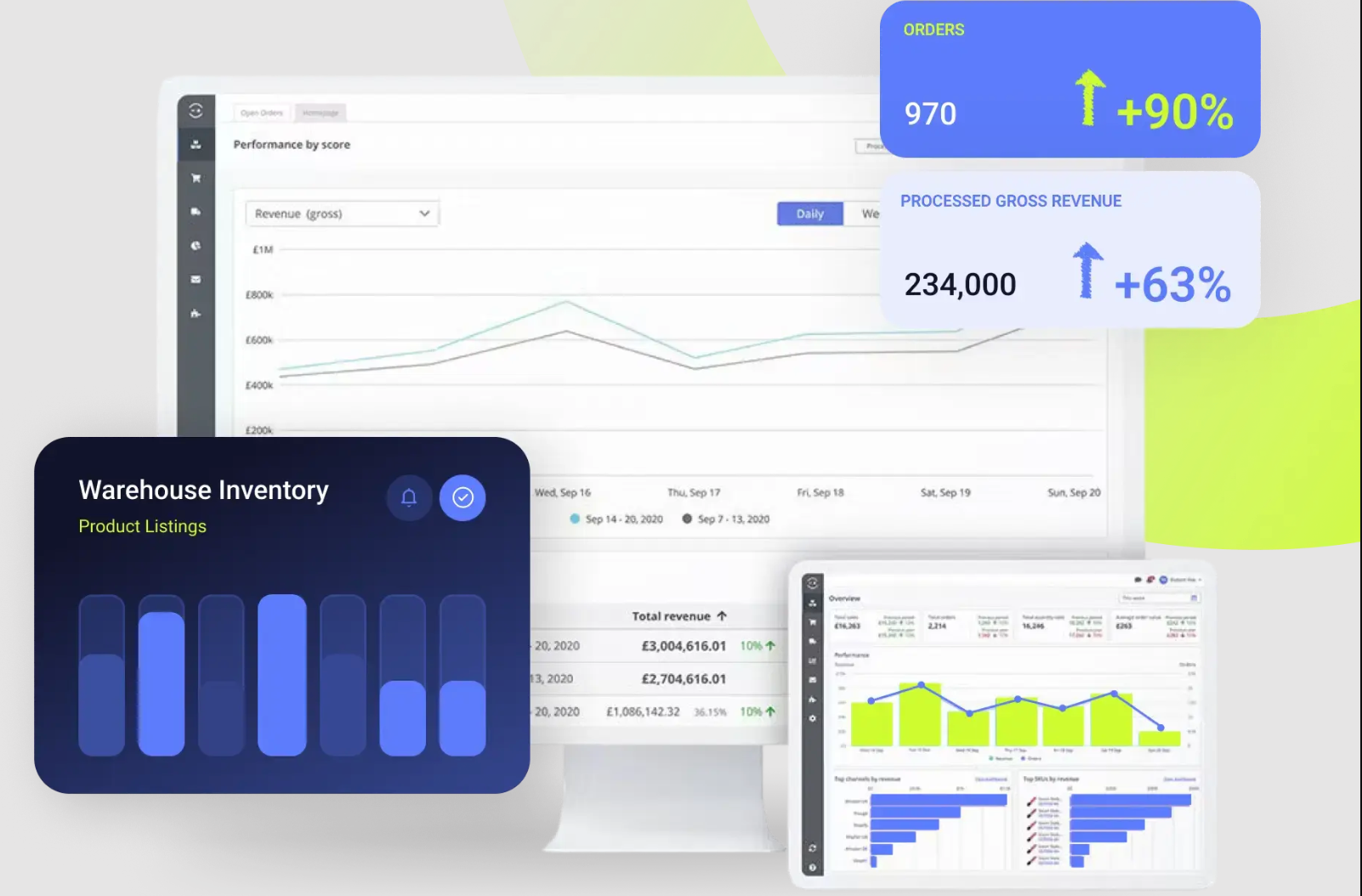
Image source: linnworks.com
Key features:
- Centralized inventory control: Manages stock across all marketplaces and e-commerce platforms.
- Order management: Processes orders from multiple channels in a single interface.
- Shipping management: Integrates with various shipping carriers for efficient fulfillment.
- Product listing management: Helps create and update product listings across different sales channels.
- Reporting: Provides detailed insights into sales and inventory performance.
Pricing: Linnworks offers different pricing tiers with features scaling up, and all plans need quotes.
7. PULPO WMS: A dedicated warehouse management system
PULPO WMS is a dedicated Warehouse Management System designed to automate logistics and optimize warehouse operations. While not a full ERP, it excels in the physical handling and tracking of inventory within the warehouse, which is essential for wms for apparel inventory management.
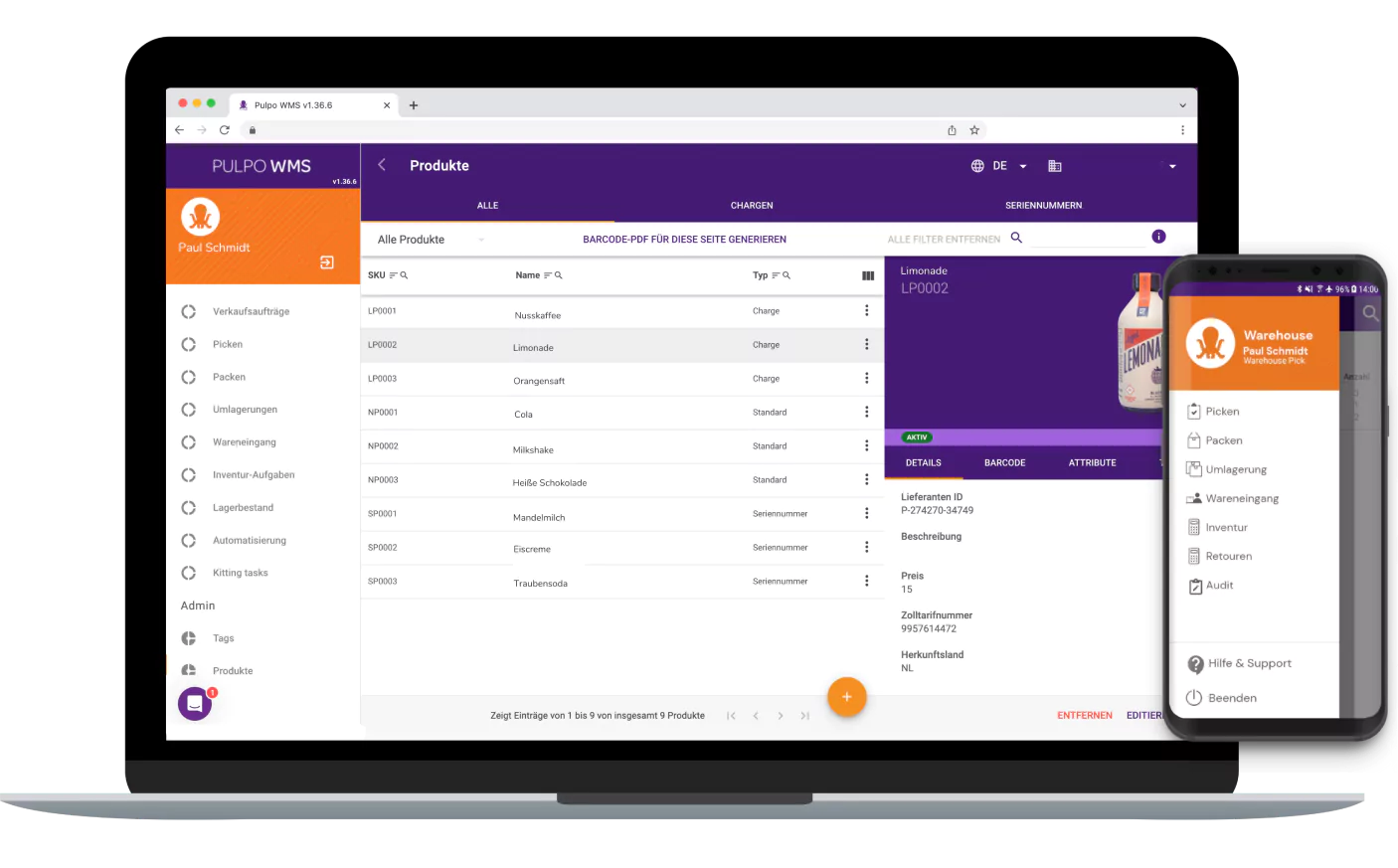
Image source: pulpowms.com
Key features:
- Real-time stock tracking: Provides accurate, up-to-the-minute inventory levels within the warehouse.
- Picking and packing optimization: Guides warehouse staff for efficient order fulfillment.
- Receiving and putaway management: Streamlines the process of incoming goods and their placement.
- Batch and lot tracking: Important for managing specific production runs or quality control.
- Reporting and analytics: Offers insights into warehouse performance and efficiency.
Pricing: PULPO WMS pricing is typically tailored to the size and complexity of the warehouse operation, requiring a custom quote.
8. Inventory Planner: A specialized forecasting and planning tool
Inventory Planner is a specialized forecasting and planning tool that integrates with various e-commerce platforms and inventory systems. It focuses on helping businesses make data-driven purchasing decisions for their inventory management of apparel.
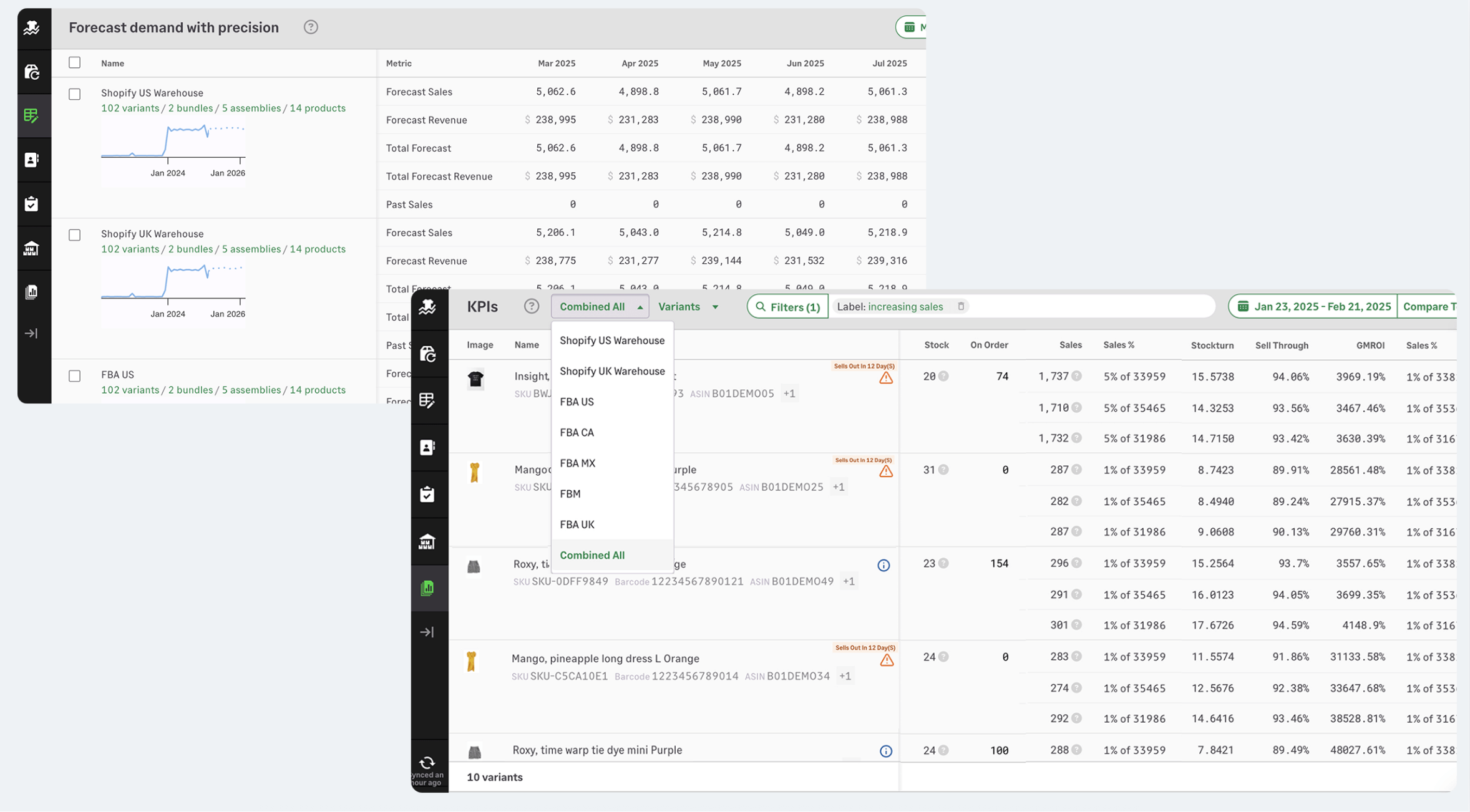
Image source: inventory-planner.com
Key features:
- Demand forecasting: Uses historical sales data and algorithms to predict future demand.
- Purchase order generation: Automatically suggests optimal quantities for purchase orders.
- Open-to-buy planning: Helps allocate budgets for inventory purchases effectively.
- Performance reporting: Provides insights into inventory health, slow-moving items, and lost sales.
- Supplier management: Tracks supplier lead times and order history.
Pricing: Inventory Planner requires a quote for exact pricing.
Key features to look for in apparel inventory management software
- Multi-channel Inventory synchronization: Seamlessly updates inventory levels across all your sales platforms (e-commerce, physical stores, marketplaces) in real-time, preventing overselling and ensuring a consistent customer experience.
- Real-time reporting and analytics: Provides instant access to crucial data like sales trends, stock levels, stock turnover, and profitability by SKU, enabling informed decision-making.
- SKU management for variations: Effectively handles the complexity of product variations (sizes, colors, materials) within a single product, simplifying tracking and reporting. This is especially important for brands like hair extensions, where each product has multiple SKUs based on length, style, and color variations.
- Purchase order management: Streamlines the creation, tracking, and reception of purchase orders from suppliers, improving lead time management.
- Integration capabilities: Crucially, it should integrate smoothly with your existing tech stack, including Point of Sale (POS) systems, e-commerce platforms (like Shopify or Magento), accounting software (e.g., QuickBooks), and shipping solutions.
- Demand forecasting modules: Many advanced systems include features that leverage historical data and algorithms to help predict future demand, assisting in strategic purchasing.
- Returns management functionality: Simplifies the processing of returns, allowing for quick restocking of saleable items and accurate inventory adjustments.
Types of apparel inventory management systems
The market offers various solutions, each suited to different business sizes and complexities.
- Standalone inventory software: These focus purely on inventory management and are often a good starting point for smaller businesses, though they may require more manual integration with other systems. Apparel businesses frequently use standalone inventory software to efficiently manage their clothing inventory, benefiting from features like real-time inventory visibility and streamlined tracking.
- Integrated : For larger and growing businesses, an ERP apparel inventory management offers a comprehensive suite that combines inventory with other core business functions like financial management, customer relationship management, and supply chain management.
- Cloud-based vs. On-premise solutions: offer flexibility, accessibility from anywhere, and lower upfront costs, with updates typically handled by the provider. On-premise solutions provide greater customization and control but require significant upfront investment and IT infrastructure.
Best practices for sustainable apparel inventory management
Incorporating sustainable practices into your inventory strategy is not just good for the planet; it enhances your brand reputation and can attract a wider, values-driven customer base.
Minimizing waste and dead stock
The most direct way to achieve sustainable inventory movement for apparel is to minimize waste, particularly in the form of dead stock – unsold inventory that has little to no market value. during sales events, using barcoding and tagging, also helps manage stock levels and reduce waste by providing real-time visibility into product movement and automating stock updates.
Leveraging data for ethical sourcing
A robust ERP for apparel inventory management can help trace the journey of materials and finished goods, providing transparency and enabling you to make informed choices that align with your sustainability goals.
The role of pre-orders and made-to-order
To combat overproduction and its associated waste, many fashion brands are increasingly adopting pre-order and made-to-order models. Pre-orders gauge customer interest before full production, while made-to-order manufacturing eliminates speculative production.
These strategies allow businesses to produce only what has already been purchased or is highly likely to sell, significantly reducing the risk of excess inventory and contributing to the inventory process.
Benefits of effective apparel inventory management
- Direct impact on profitability and cash flow: Optimized inventory management of apparel frees up cash, allowing for strategic growth and improved bottom lines. Retail clothing stores use apparel inventory management systems to optimize clothing inventory and reduce inventory shrinkage, helping prevent losses from theft, errors, or fraud.
- Enhanced customer satisfaction and brand reputation: Consistent product availability, facilitated by sound apparel inventory management, translates directly into happier customers, repeat business, and a sterling brand reputation.
- Reduced waste and improved sustainability: Strategic apparel inventory management helps reduce overproduction and ensures that resources are utilized efficiently, contributing to a more sustainable fashion ecosystem.
Transform your fashion inventory management strategy
The unique challenges of apparel inventory
The fashion industry, with its inherent dynamism and creative flair, poses distinct challenges for inventory management. These challenges often distinguish inventory management in apparel from other , demanding specialized solutions and strategic thinking.
The multi-SKU maze: Sizes, colors, and styles
Regular inventory counts and a streamlined inventory process—often supported by templates or —are essential for tracking SKUs, sizes, and reorder levels, especially for small to medium-sized brands. Without these practices, keeping tabs on available stock becomes a manual nightmare, prone to inaccuracies and costly errors.
The unpredictable nature of fashion trends and seasonality
Businesses must be agile, ready to capitalize on fleeting trends while mitigating the risks of being left with outdated inventory. This volatility underscores the need for responsive inventory management apparel strategies that can adapt quickly to market shifts.
Demand volatility and forecasting difficulties
Beyond trends and seasons, actual consumer demand can be incredibly volatile. External factors like celebrity endorsements, social media virality, economic shifts, or even unexpected weather patterns can cause sudden spikes or drops in sales. Increasingly, AI-driven insights to refine demand predictions for apparel inventory management.
Returns management: A cycle of complexity
The apparel sector typically experiences higher return rates compared to other retail categories, largely due to issues like sizing discrepancies, color variations, or simply buyer's remorse. Each returned item triggers a series of logistical steps: inspection, quality control, re-packaging, and re-entry into inventory. This reverse logistics process can be cumbersome and costly, especially if not efficiently integrated into the broader apparel inventory management workflow. For brands that manufacture their own apparel, tracking raw materials is crucial to ensure efficient and cost control.
Measuring success: KPIs for apparel inventory
Effective apparel inventory management isn't a "set it and forget it" process; it requires and analysis. By tracking specific , you can gain valuable insights into the health of your inventory operations, identify areas for improvement, and ensure your strategies are yielding the desired results.
- Inventory turnover rate: This KPI measures how many times your average inventory is sold and replaced over a specific period (e.g., a year). A higher inventory turnover rate generally indicates efficient sales and effective inventory management, as it means your products are moving quickly off the shelves. A very low rate might signal slow-moving or obsolete stock, tying up capital and incurring carrying costs.
- Sell-through rate: The sell-through rate is a crucial metric, especially for fashion businesses dealing with seasonal collections or limited edition drops. It calculates the percentage of inventory sold versus the amount of inventory received from a supplier over a specific period. A high sell-through rate indicates strong demand and for that particular product or collection, meaning you effectively sold what you intended to.
- Gross Margin Return on Investment (GMROI): is a powerful profitability metric that assesses the efficiency of your inventory investments. It measures the gross profit generated for every dollar invested in inventory. A higher GMROI signifies that your inventory is generating substantial profits relative to its cost, indicating effective product selection and efficient sales.
- Stockout rate: The stockout rate measures the percentage of customer demand that cannot be met due to a lack of available inventory. A high stockout rate is a direct indicator of lost sales and can severely impact and loyalty. It highlights inefficiencies in your forecasting, reordering processes, or supply chain.
- Accuracy of inventory records: This might seem fundamental, but the accuracy of your inventory records is the bedrock of all other KPIs. It measures how closely your physical inventory matches what is recorded in your apparel inventory management software. Discrepancies can lead to a host of problems, from incorrect stock counts on your website to misplaced items in the warehouse. Regular inventory audits, such as cycle counting (counting a small portion of inventory at regular intervals), are essential for maintaining a high level of accuracy.
Conclusion
We've explored how crucial effective apparel inventory management is, not just for operational efficiency but for your brand's profitability, customer satisfaction, and long-term sustainability. It's clear that in the dynamic world of fashion, managing inventory isn't a mere logistical task; it's a strategic imperative. By embracing strategies like refined demand forecasting, optimized stock levels, and implementing robust apparel inventory management software like , you gain unparalleled control. This proactive approach minimizes costly pitfalls, frees up capital, and enables swift responses to market shifts. Integrating sustainable practices further enhances your brand's reputation and appeal. It's an ongoing commitment, but one that promises significant returns, ensuring your fashion business is well-equipped to thrive.
Optimize your apparel stock levels today
FAQs
What is the biggest challenge in apparel inventory management?
The biggest challenge lies in managing the unique complexities of the fashion industry: vast numbers of (sizes, colors, styles), rapidly changing trends, and unpredictable seasonal demand. This volatility makes accurate forecasting difficult, often leading to issues like overstocking or stockouts.
How can technology help with apparel inventory management?
Technology, particularly dedicated apparel inventory management software or erp for apparel inventory management, automates tracking, provides real-time data visibility, and enhances forecasting accuracy. It streamlines processes like multi-channel syncing, purchase order management, and returns, significantly reducing manual errors and improving efficiency across your operations.
What is "dead stock" and why is it bad for my fashion business?
Dead stock refers to unsold inventory that is unlikely to ever sell. It's detrimental because it ties up significant capital, incurs carrying costs (storage, insurance), and often requires costly markdowns, directly impacting your profitability. Minimizing dead stock is a key goal of effective inventory management for apparel.
How often should I conduct an inventory audit for my clothing store?
The frequency depends on your business size and sales volume, but regular audits are crucial for accurate apparel inventory management. Many businesses conduct monthly or quarterly cycle counts for high-value items and a full physical inventory count annually. Technology solutions can also provide continuous, real-time accuracy checks.
Is a WMS necessary for apparel inventory management?
A , often integrated into larger ERP apparel inventory management solutions, is highly beneficial for businesses with significant warehouse operations. It optimizes storage, picking, packing, and shipping, improving efficiency and accuracy within the physical movement of your apparel inventory.
Related reading