














Operational Planning Guide: How to Align Plans and Execution

Ryan Tanner
Product Marketing Specialist
Sep 18, 2026
Ryan Tanner
Sep 18, 2026

15 min read


Many organizations have strong visions and strategies but often struggle to turn them into consistent daily results. Operational planning bridges this gap by translating strategy into concrete actions, assigning clear responsibilities, and aligning resources with measurable goals. It's what turns ambition into execution.
In this guide, you'll learn what operational planning is, how it differs from strategic planning, its key components and types, and best practices for success. We'll also explore how modern collaboration platforms like Lark empower teams to plan, coordinate, and execute seamlessly, keeping every objective, task, and update connected in one place.

What is operational planning?
Operational planning is the process of turning a company's strategic goals into actionable, short-term plans that guide daily operations. It defines the specific steps, resources, timelines, and responsibilities needed to achieve measurable outcomes. Unlike high-level strategy, operational planning definition focuses on execution of what needs to be done this quarter, who is accountable, and how success will be tracked. It aligns day-to-day tasks with long-term business objectives, ensuring every team effort supports the organization's broader vision.
A strong operational plan includes measurable KPIs, clear milestones, risk assessments, and precise resource allocations. It provides managers with a roadmap to coordinate people, budgets, and project management tools effectively while maintaining the flexibility to adapt to changing priorities. By linking strategic intent with concrete action, operational planning empowers businesses to improve efficiency, maintain accountability, and turn ambitious goals into consistent, real-world results.
Strategic planning vs operational planning: What's the difference?
While strategic planning defines where an organization wants to go, operational planning focuses on how to get there. The two are closely connected but serve different purposes and time frames. Strategic planning outlines long-term vision and goals, while operational planning translates them into short-term, actionable steps. Understanding this difference ensures that big-picture strategies turn into measurable results on the ground.
Key components of an effective operational plan
A well-crafted operational plan serves as a practical guide for turning strategic goals into measurable outcomes. To make it effective, each component must clearly define what success looks like, how it will be achieved, and who is responsible. Below are the six key components that form the foundation of an effective operational plan:
- Measurable objectives + KPIs: Set clear, quantifiable goals that define what success looks like. Use Key Performance Indicators (KPIs) to track progress and ensure every activity contributes to organisational objectives.
- Resource planning (people, budget, tools): Identify the human, financial, and technological resources needed to execute the plan. Proper resource allocation ensures teams have the support required to deliver results efficiently.
- Risk & contingency planning: Anticipate potential challenges and outline backup strategies. This helps teams stay agile and maintain progress even when unexpected issues arise.
- Clear roles and accountability: Assign responsibilities to specific individuals or teams to avoid confusion. Defined ownership improves coordination, decision-making, and accountability across departments.
- Time-bound execution roadmap: Create a timeline with milestones and deadlines for every major activity. This ensures tasks are prioritised correctly and progress is visible at each stage.
- Performance review cadence: Establish regular check-ins weekly, monthly, or quarterly to assess results. Continuous review enables timely adjustments, fosters improvement, and keeps the plan aligned with business goals.
Types of operational planning
Types of operational planning vary depending on an organization's structure, goals, and industry. Each type focuses on a specific area of execution but shares the same purpose, aligning day-to-day actions with strategic objectives. Understanding these categories helps teams design plans that are practical, measurable, and aligned with real business needs. Here are the four main types of operational planning:
- Sales & operational planning (S&OP): This type focuses on balancing supply and demand through accurate forecasting and coordination between sales, production, and finance teams. It helps predict market trends, manage inventory, and align revenue targets with operational capacity. Effective S&OP ensures resources are optimally used to meet customer demand without overproduction.
- Operational workforce planning: Workforce planning ensures the right number of people with the right skills are available when needed. It covers staffing, scheduling, and utilization to avoid overwork or resource gaps. By forecasting hiring needs and managing workload distribution, it helps maintain productivity and operational stability.
- Process & production planning: This focuses on optimizing processes, production schedules, and resource usage for maximum efficiency. It identifies bottlenecks, reduces waste, and ensures timely output within budget constraints. Strong process and production planning improve product quality, cost control, and delivery performance.
- Cross-functional execution plans: Many operations require multiple departments to work together seamlessly. Cross-functional plans align goals, timelines, and responsibilities across teams such as marketing, finance, and operations. This ensures dependability, minimizes delays, and keeps everyone focused on shared outcomes and deliverables.
How Lark powers operational planning as a one-stop solution
Operational planning only works when teams execute consistently with the right people, timing, and information in sync. Lark connects planning with day-to-day work, so decisions translate into real operational outcomes. Teams can align on objectives, assign tasks, monitor progress, and communicate in real time—all within a single workspace.
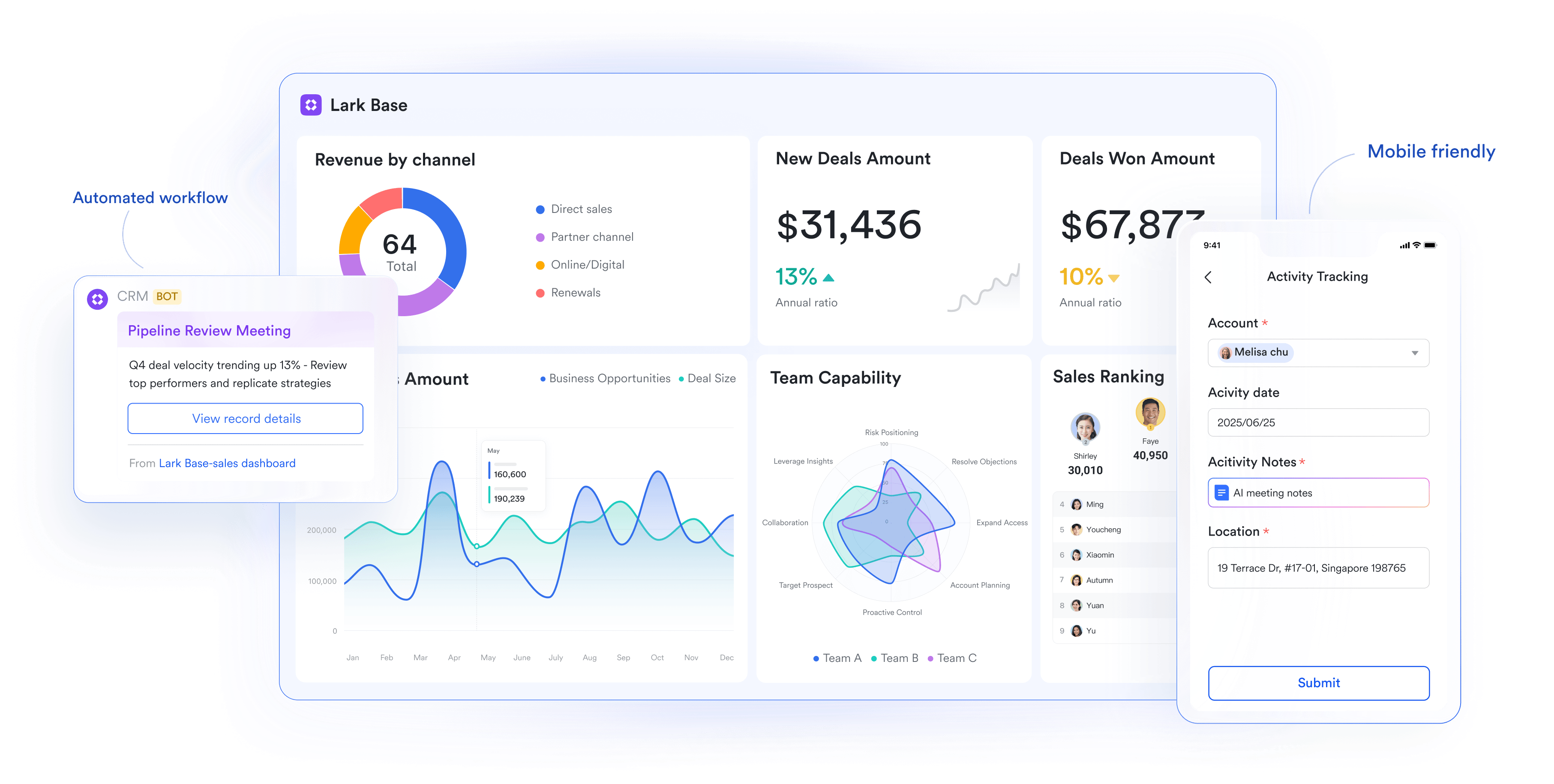
- Lark Base: Align operational plans with real-time execution
Operational plans break when data is scattered. Lark Base creates a shared hub where every operational record, staffing requirements, milestones, procurement items, risks, and KPIs stay linked to real owners and timelines. Managers can assess capacity, track plan progress, and adjust resource allocations as conditions shift. Dashboards show up-to-date operations performance, so bottlenecks are visible early.
Example: When warehouse workload spikes 40% next week, Base alerts managers and suggests reassigning staff from lower-priority work preventing shipping delays before they occur.
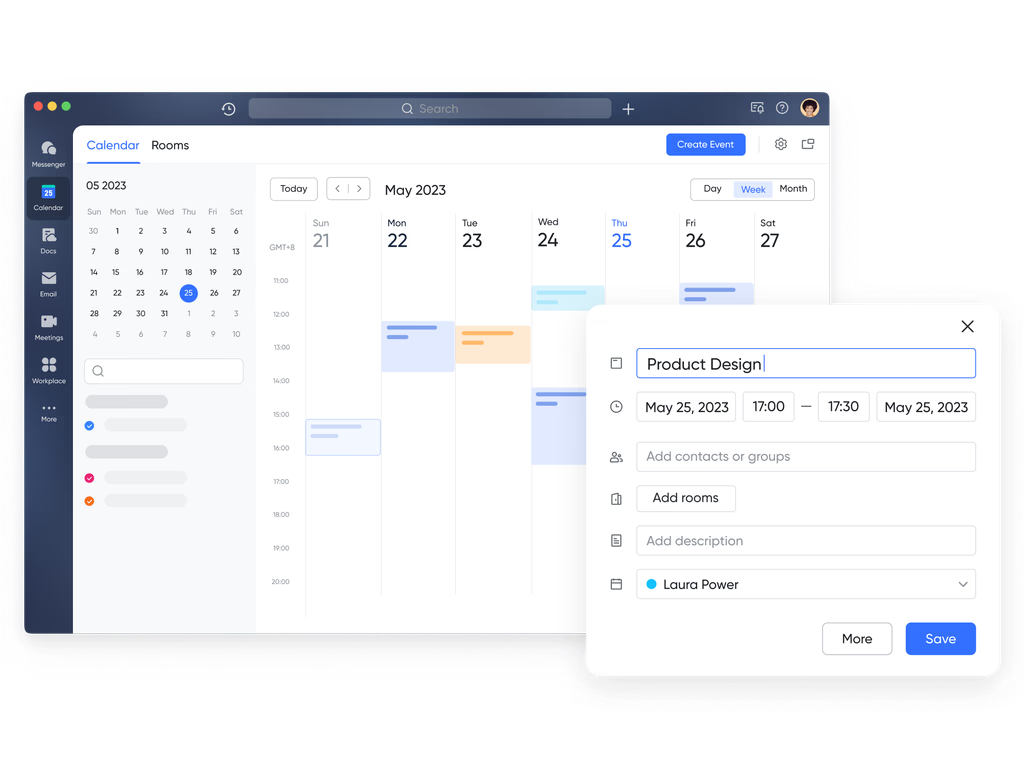
- Lark Calendar: Keep schedules and milestones perfectly synchronized
Operational success requires perfect timing across teams. Lark Calendar connects major checkpoints like go-live dates, production windows, staffing rosters, and financial deadlines into one unified view. Teams see what's due now, what's coming next, and where dependencies exist.
Example: A store renovation project automatically posts milestone tasks to the calendar, ensuring contractors, suppliers, and store leaders stay synchronized no missed handoffs or last-minute chaos.
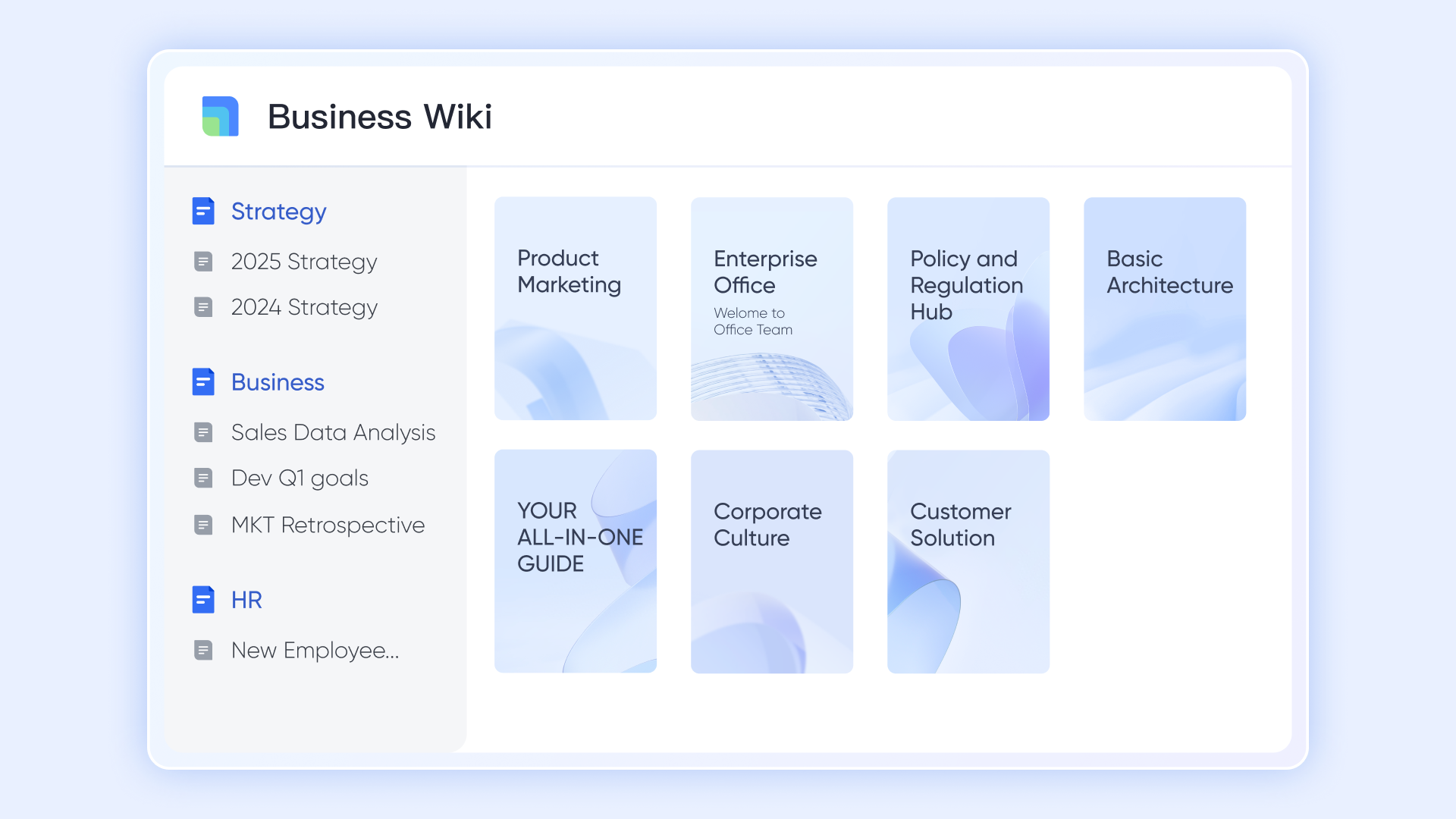
- Lark Wiki: Standardize processes for consistent execution
Even the best plan fails if teams interpret instructions differently. Lark Wiki stores SOPs, checklists, safety documentation, and process guides where workers can open them instantly, even mid-execution. This eliminates errors caused by outdated PDFs or tribal knowledge.
Example: During a new equipment rollout, technicians scan a Wiki QR code in the factory to follow the correct step-by-step setup, ensuring every location meets compliance and performance standards.
- Lark Messenger: Accelerate decisions with instant procurement collaboration
Procurement delays can derail operational plans. Lark Messenger keeps vendor communication, cost approvals, and supply status conversations in one context with a full history attached to sourcing records. Questions are resolved faster, approvals move forward immediately, and every stakeholder stays informed.
Example: When a supplier warns of shipment delays, procurement messages the operations lead directly in the vendor's channel, allowing immediate re-prioritization of order loads instead of waiting for back-and-forth emails.

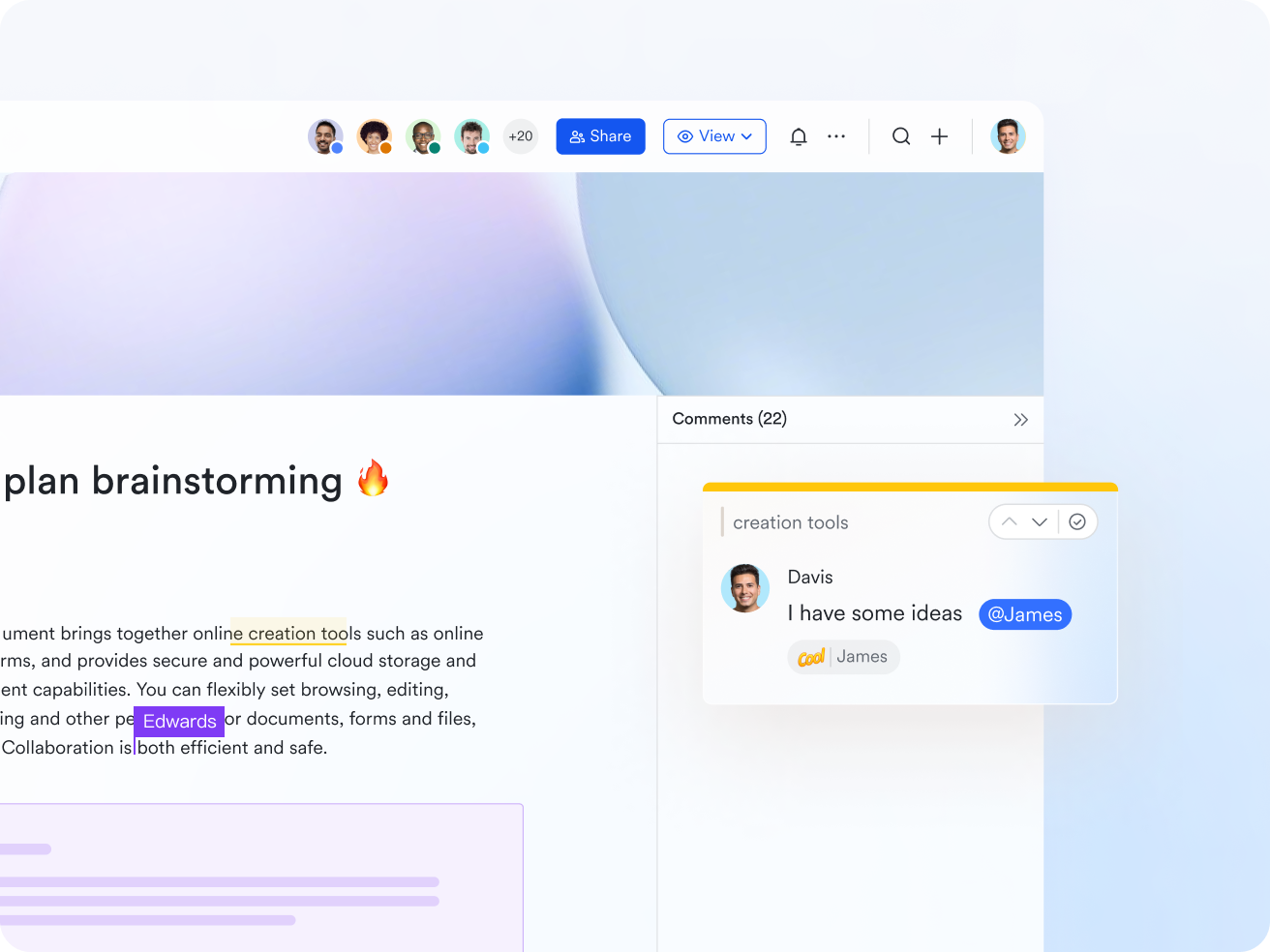
- Lark Docs: Maintain audit-ready compliance and documentation control
Operations face strict compliance and audit requirements. Lark Docs gives teams a collaborative space for compliance manuals, audit findings, inspection reports, and incident documentation linked directly to the operational plan. Version control is built in so everyone always refers to the latest requirement.
Example: During a safety audit, inspectors access the most current compliance policies tied to each facility's operations plan—reducing risk and ensuring regulatory clarity.
- Starter plan: Free forever plan that includes 11 powerful tools for up to 20 users. It also comes with 100GB of storage, 1000 automation runs, AI translations, and more.
- Pro plan: $12/user/month (billed annually) for up to 500 users. It includes everything in Starter plus group calling for up to 500 attendees, 15TB of storage, 50,000 automation runs, and more.
- Enterprise plan: Contact sales for custom pricing. Supports unlimited users and includes even more automation runs and advanced security, compliance, and management features.
Operational planning templates to start quickly
Creating an operational plan from scratch can be time-consuming, especially when multiple teams and processes are involved. Operational planning templates simplify this process by providing structured frameworks for defining goals, tracking progress, and aligning resources efficiently. These ready-to-use templates help teams jump-start execution, maintain consistency across projects, and ensure no critical detail is overlooked. Whether you're managing production schedules, team tasks, or project milestones, these templates make it easier to turn plans into organized, actionable workflows.
1. Production planning and scheduling management template
The production planning and scheduling management template is a comprehensive tool designed to help businesses streamline their production process. It provides a detailed overview of the master production plan, detailed production plan, and production reporting. It also includes a section for product coverage and total product demand, complete with visual aids for better understanding. This template is designed to help you manage your production process more efficiently, ensuring that you meet your product demand without any hiccups."
2. Roadmap template
Roadmap template provides a comprehensive project management solution, including a brief introduction of the project, its purpose, scope, goals, and key stakeholders. It ensures that everyone on the team is on the same page and working towards the same goals. The roadmap feature allows you to visualize the progress of various tasks and milestones, making it easy to track and manage your project effectively.
3. Team task allocation template
Managing tasks and deadlines is crucial for any team to function effectively. Our team task allocation template helps you assign tasks to team members, set priorities, deadlines, and track the progress of each task. With Lark's powerful features, you can easily collaborate with your team, share updates, and ensure that everyone is on the same page.
4. Project management Gantt chart
The project management Gantt chart template is a visual tool for project planning and scheduling. It allows you to display the timeline of a project, the tasks involved, and the project owners. This template is designed to provide a clear view of the project's progress, with tasks displayed against time. It is an excellent tool for managing complex projects with multiple tasks and stakeholders.
5. Multi-project tracker
Multi project tracker template is a comprehensive project management tool that allows you to track and manage your projects in a structured and organised manner. It provides a Gantt chart for visualizing project progress, a task priority view for identifying critical tasks, and customizable fields for tailoring the template to your specific needs. It also allows you to filter, group, and sort tasks based on various parameters such as project, priority, status, and executor. Additionally, it provides a record of start and end dates for each task, enabling you to keep track of timelines effectively.
6. Project planning & implementation
This template is designed to help you efficiently plan and implement your projects by providing a clear structure for outlining project background, objectives, milestones, and core team members. With Lark's advanced features, you can easily collaborate with your team, track progress, and ensure that everyone stays on the same page throughout the project lifecycle.
7. OKR task subdivision and progress control
The OKR (Objectives and Key Results) task subdivision and progress control template is a comprehensive tool designed to help you break down your key results into manageable tasks, track their progress, and control their execution. It features a Gantt chart for visualizing your timeline, status-based and priority-based views for easy sorting and prioritization, and customizable fields for personalized tracking. It also includes an owner-based view for accountability and a weekly report section for regular updates.
Operational planning best practices
Building an effective operational plan is only the first step, consistent execution and continuous improvement are what make it successful. Following proven best practices helps teams stay aligned, agile, and performance-driven throughout the process. Here are five essential best practices to strengthen your operational planning efforts:
- Plan with those who execute: Involve the people who will carry out the plan from the start. Their insights ensure goals are realistic, resources are adequate, and execution stays practical.
- Keep work & metrics in the same place: Centralize tasks, KPIs, and progress tracking in one system. This improves visibility, accountability, and decision-making across teams.
- Review operational KPIs weekly: Regularly track performance to spot deviations early. Weekly reviews keep momentum high and enable quick adjustments when targets drift.
- Celebrate improvement milestones: Recognize progress and small wins to maintain motivation. Celebrating achievements reinforces accountability and encourages continuous effort.
- Adapt continuously based on data: Use real-time insights to refine plans as conditions change. Data-driven adaptability ensures operations remain efficient and aligned with evolving goals.
Conclusion
Effective operational planning turns strategy into structured, measurable action ensuring teams know what to do, when, and how. It bridges long-term vision with short-term execution by defining clear objectives, allocating resources, and maintaining accountability. Organizations that prioritize strong operational planning improve agility, coordination, and overall performance across departments.
To sustain this momentum, teams need tools that connect planning with execution seamlessly. Lark brings every element—tasks, documents, communication, and reporting into one collaborative workspace. With features like Lark Base for tracking, Calendar for scheduling, and Wiki for process consistency, it keeps plans aligned and progress visible in real time. Whether managing daily operations or large-scale initiatives, Lark empowers teams to move from planning to execution effortlessly—turning strategic goals into consistent, measurable results.
FAQs
What's included in an operational plan?
An operational plan includes clear objectives, key performance indicators (KPIs), resource allocation (people, budget, tools), timelines, and milestones. It also covers risk management, contingency actions, and a performance review schedule. Together, these elements ensure every activity supports strategic business goals.
Who is responsible for operational planning?
Operational planning is typically led by department or functional managers, supported by team leads and guided by executive leadership. While top management sets strategic direction, operational managers translate it into actionable, day-to-day plans for their teams.
How often should operational plans be updated?
Operational plans should be reviewed regularly typically every quarter, with weekly or monthly progress check-ins. Frequent updates allow teams to adapt to changing conditions, reallocate resources, and ensure alignment with evolving business priorities.
What tools support operational planning?
Tools that combine planning, collaboration, and tracking streamline the process. Platforms like Lark, Asana, and Smartsheet collaborate task management, document sharing, real-time communication, and reporting—keeping planning and execution connected in one workspace.
How does operational planning improve business performance?
Operational planning improves coordination, accountability, and efficiency by turning strategy into structured action. It ensures teams stay aligned, reduces resource waste, identifies risks early, and enables faster decision-making resulting in better outcomes and stronger overall performance.
Related reading
Table of contents
Start using Lark today

Manage all your work in one place
Boost team efficiency by 10x
Save up to 70% on software costs
Table of contents
Start using Lark today
Manage all your work in one place
Boost team efficiency by 10x
Save up to 70% on software costs
Keep reading







2026 Lark Technologies Pte. Ltd.
Headquartered in Singapore with offices worldwide.






Explore: