As marketing strategies continue to evolve, organizations are increasingly looking for effective tools to manage their automated campaigns. While Marketo is a prominent name in marketing automation, its complex interface and higher pricing can be challenging for many businesses. This has led to a growing interest in exploring Marketo alternatives that provide similar functionalities without drawbacks. In this article, I will highlight some of the best alternatives to Marketo, examining their features, usability, and pricing. Additionally, tools like Lark can enhance the collaboration necessary for seamless marketing efforts within these platforms.
Key takeaways: Glance at top Marketo alternatives
Here's a concise list of 5 Marketo alternatives along with a brief description of each software. To know details of each tool, check the full list section which includes 10 tools recommended.
- Lark: A comprehensive platform effective CRM and collaboration
- HubSpot: An inbound marketing and sales platform
- ActiveCampaign: A powerful marketing automation tool
- Salesforce Pardot: A B2B marketing automation solution
- Zoho Marketing Automation: An affordable tool that combines marketing functionalities
Discover insights from successful business cases
What is Marketo?
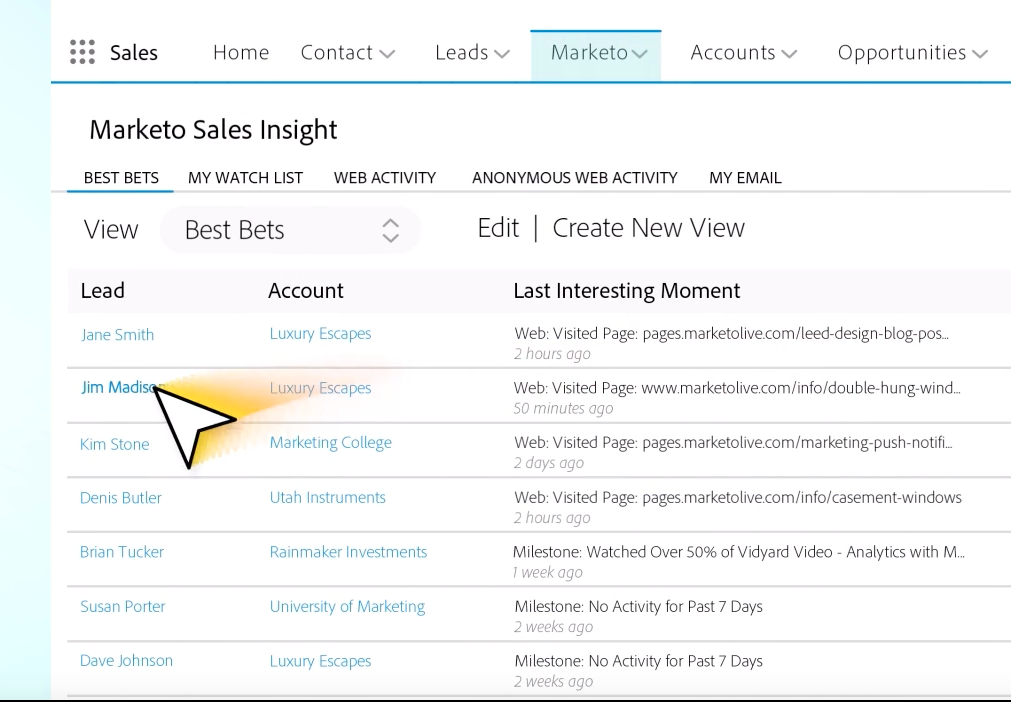
Image source: business.adobe.com
Marketo, now part of Adobe, is a leading designed to streamline and enhance marketing processes across various digital channels. As a comprehensive software-as-a-service (SaaS) solution, Marketo helps organizations automate, measure, and optimize their marketing efforts, from lead generation to . Marketo is often categorized among enterprise platforms due to its advanced features and scalability.
Key features of Marketo
By understanding the features and functions of Marketo, businesses can better evaluate whether this powerful marketing automation tool meets their specific needs, or if exploring Marketo alternatives is a more suitable option for their marketing strategies.
- Campaign management: Marketo allows businesses to plan, execute, and measure campaigns across multiple channels, ensuring that marketing efforts remain cohesive and effective. Users can create targeted campaigns using various tools, including batch email, automated nurture sequences, and event-driven marketing. Marketo's advanced automation capabilities support sophisticated marketing processes, enabling complex workflows and multi-channel orchestration.
- Lead scoring and nurturing: Lead scoring in Marketo uses sophisticated algorithms to assign scores to leads based on their behavior, interests, and demographics. This feature enables marketing teams to prioritize their outreach efforts and craft targeted email campaigns that resonate with leads. By with timely and relevant content, businesses can significantly enhance customer engagement and enable sales teams to approach potential conversions with confidence and precision.
- Analytics and reporting: Marketo provides in-depth analytics and reporting features that allow users to track and ROI. Real-time data insights empower marketers to adapt their strategies rapidly based on performance metrics, enhancing decision-making processes.
- Marketing automation: Marketo provides a robust marketing automation foundation that helps streamline repetitive tasks such as email campaigns and . This automation enables businesses to create personalized customer experiences, allowing marketing and sales professionals to focus on strategic and creative initiatives. When effectively implemented, marketing automation enhances collaboration between marketing and sales teams, ensuring every lead receives the attention it deserves while maximizing efficiency.
- Integration capabilities: Marketo integrates seamlessly with various CRM systems, including Salesforce, ensuring that marketing and sales teams can work collaboratively and efficiently. The platform also supports integrations with numerous third-party applications, enabling customized workflows that fit specific business needs.
- Migration and implementation support: Transitioning to Marketo from another marketing automation platform can be a strategic opportunity for growth. Marketo offers dedicated support during the migration process, ensuring that essential customer data is transferred smoothly and that automated workflows are rebuilt effectively. With comprehensive , businesses can adapt quickly to the platform, empowering marketing and sales teams to maintain momentum and deliver valuable results from the start.
- User experience: While Marketo is highly regarded for its capabilities, users often mention a learning curve due to its extensive feature set. This is often due to the enterprise complexity of Marketo, which can require significant customization and technical expertise. However, the platform provides various resources, including tutorials and community support, to assist users in maximizing its potential.
When evaluating Marketo, consider Marketo's capabilities in automation, , and multi-channel marketing, and how these compare to other platforms in terms of advanced features and enterprise-level support.
Promotes the benefits of efficient CRM tools
Why consider Marketo alternatives?
Choosing a Marketo alternative can provide several significant benefits that align better with the unique needs of your organization:
Cost efficiency: Many users find Marketo's pricing to be on the higher side, particularly for small to medium-sized businesses. Marketo's pricing is based on the size of the database (number of leads) and the chosen features, allowing businesses to select a plan that aligns best with their marketing strategies and budgets. Unlike some competitors, Marketo does not offer a free plan, which may be a consideration for budget-conscious organizations.
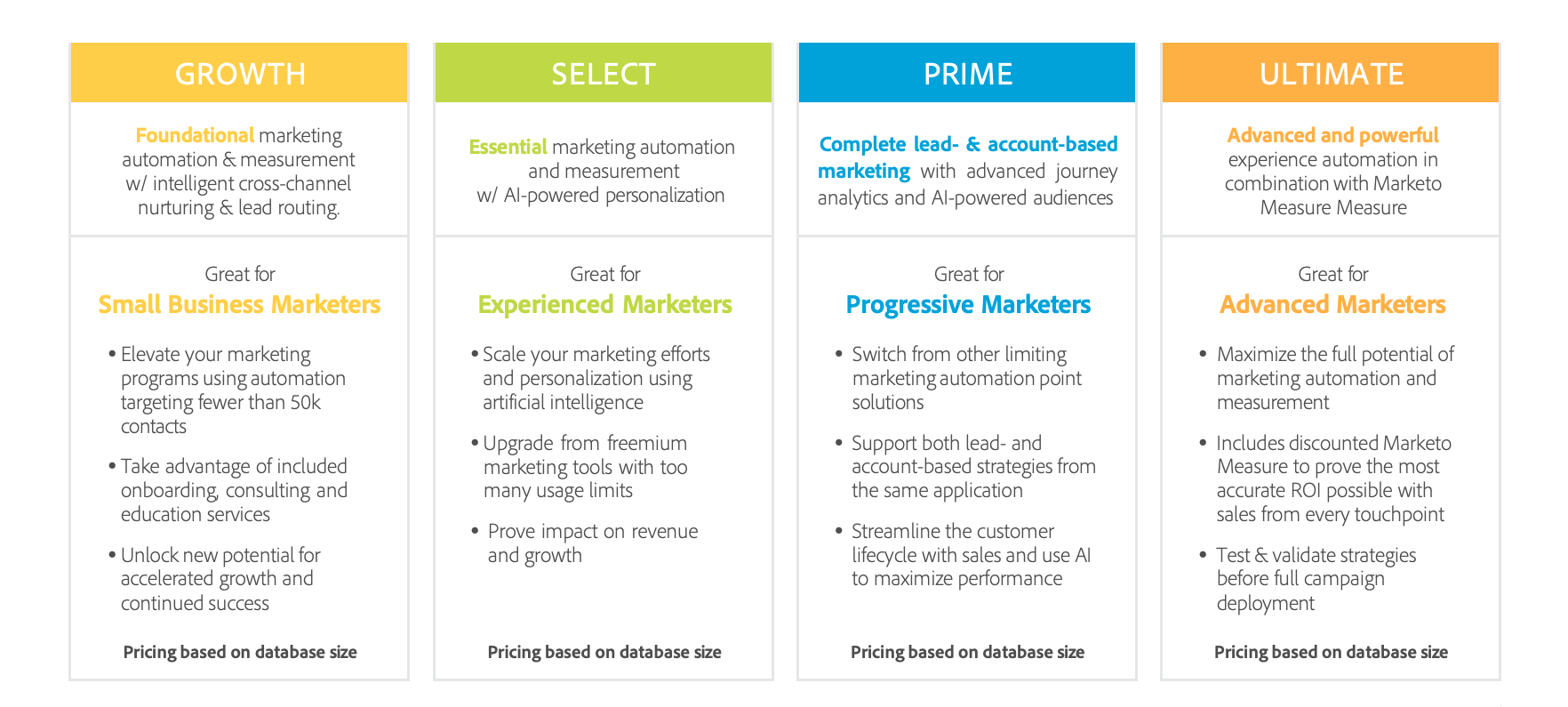
Image source: business.adobe.com
By exploring alternatives, organizations can access essential marketing features without straining their budgets. Alternative platforms often offer flexible pricing structures, allowing businesses to select plans that suit their specific requirements and scale as they grow. Companies looking to optimize software spending frequently compare their options against and .
Simplicity and user experience: Marketo is known for its robust capabilities, but this often comes with a steep learning curve. In addition, Marketo often requires significant technical expertise, which can be a barrier for some organizations. Many alternatives pride themselves on user-friendly interfaces that enhance accessibility. A simpler platform can lead to quicker onboarding for team members and improved overall productivity. By reducing time spent on training and troubleshooting, these alternatives can further enhance team productivity.
Top 10 Marketo alternatives
1. Lark: A comprehensive platform effective CRM and collaboration
is a comprehensive collaboration platform that combines communication, , and project planning tools tailored for teams. It facilitates real-time collaboration, making it an excellent choice for marketers who need to coordinate efforts efficiently. Additionally, Lark can serve as a by centralizing communication and project management, helping marketing teams engage customers across multiple channels.
Key features:
No-code CRM database: Users can customize various fields and AI short-cut fields in around customer information to build a powerful and user-friendly CRM database. Its robust filtering capabilities allow for efficient management of customer data.
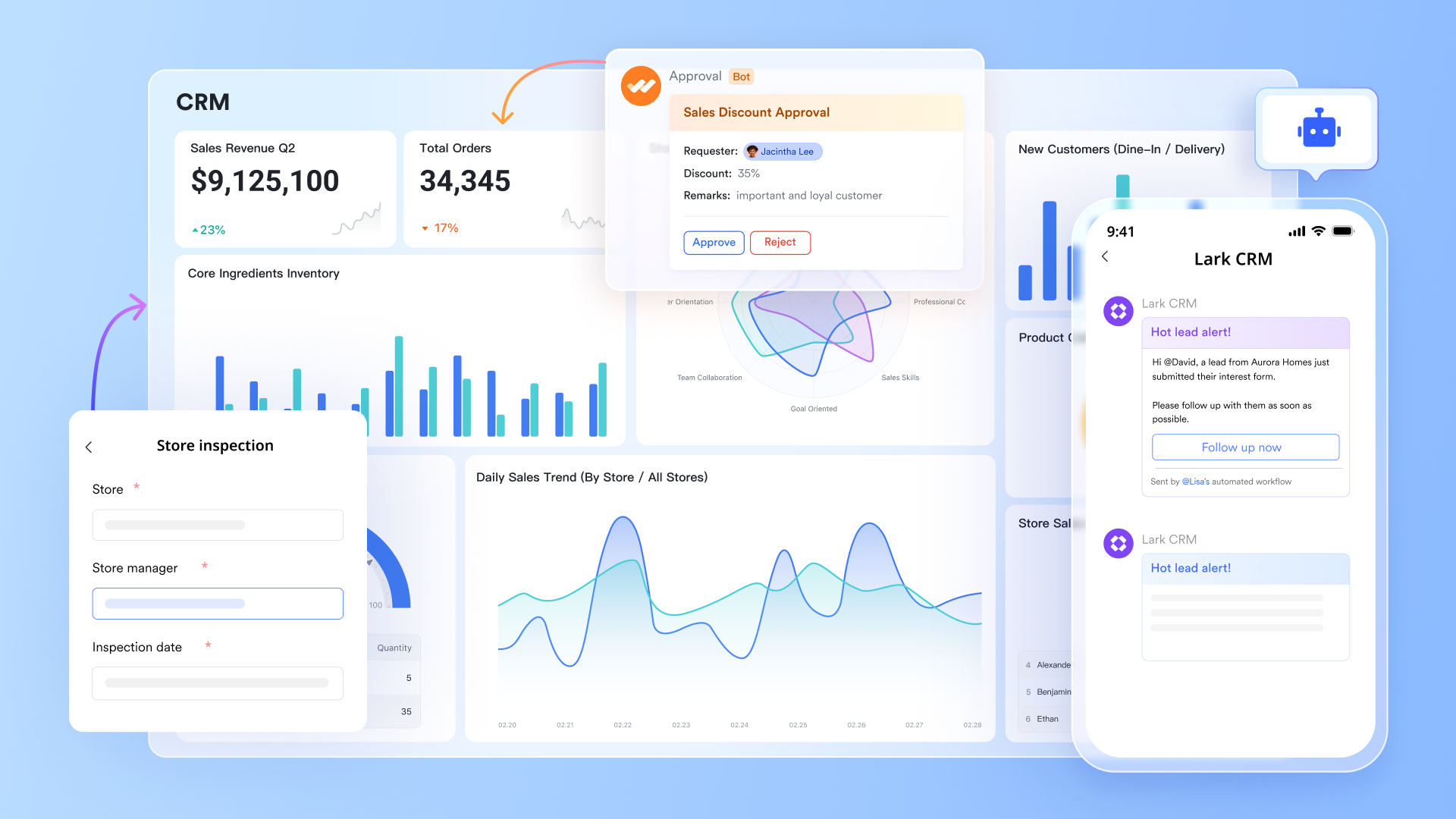
Data visualization: The visual capabilities of Lark Base dashboards assist in data analysis and reporting, providing valuable insights to help drive decision-making. 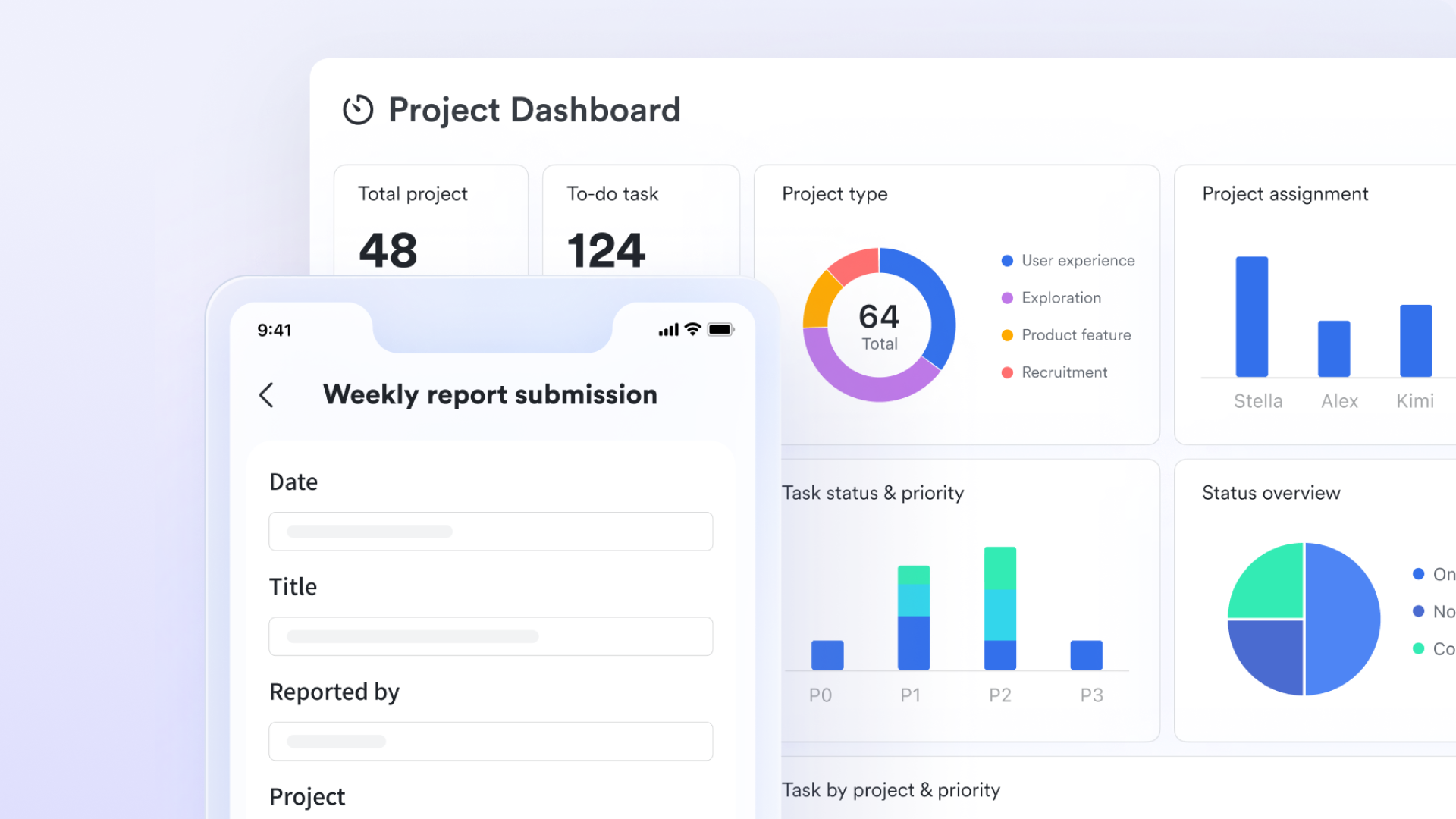
Email management during marketing process: feature integrates with third-party software like Gmail, facilitating smooth communication with customers and ensuring all interactions are easily accessible. Users can turn an email to tasks in Lark Tasks or send emails to personal or group chats via , boosting communication concerning CRM. 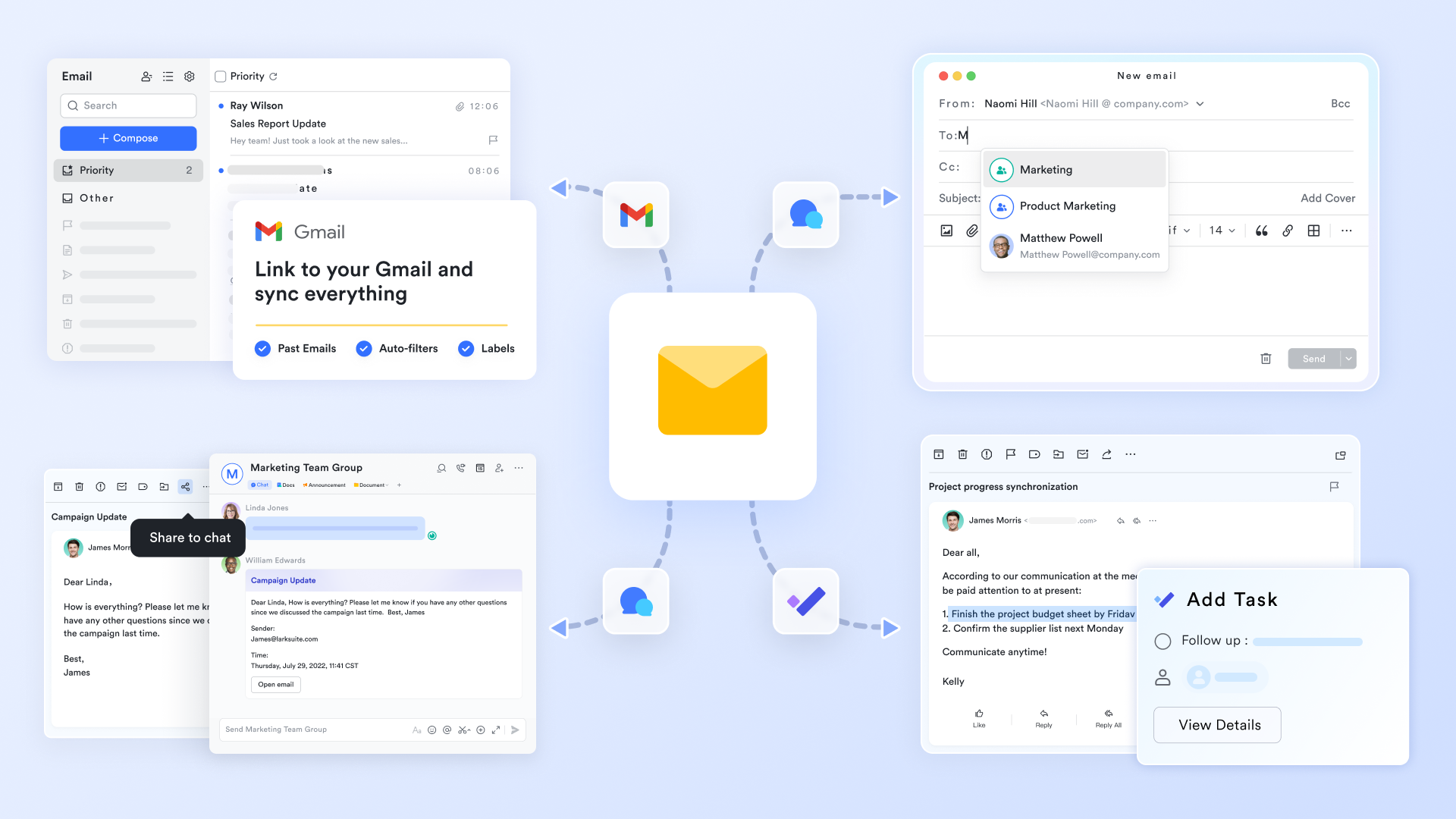
Automated information collecting processes: By combining and Lark Base, users can set up automated workflows that collect customer information through forms and directly import it into Base, allowing for quick responses to client needs. Additionally, users can set customizable automated workflows with pre-set triggers and notifications via Lark Base, accelerating marketing campaign processes.
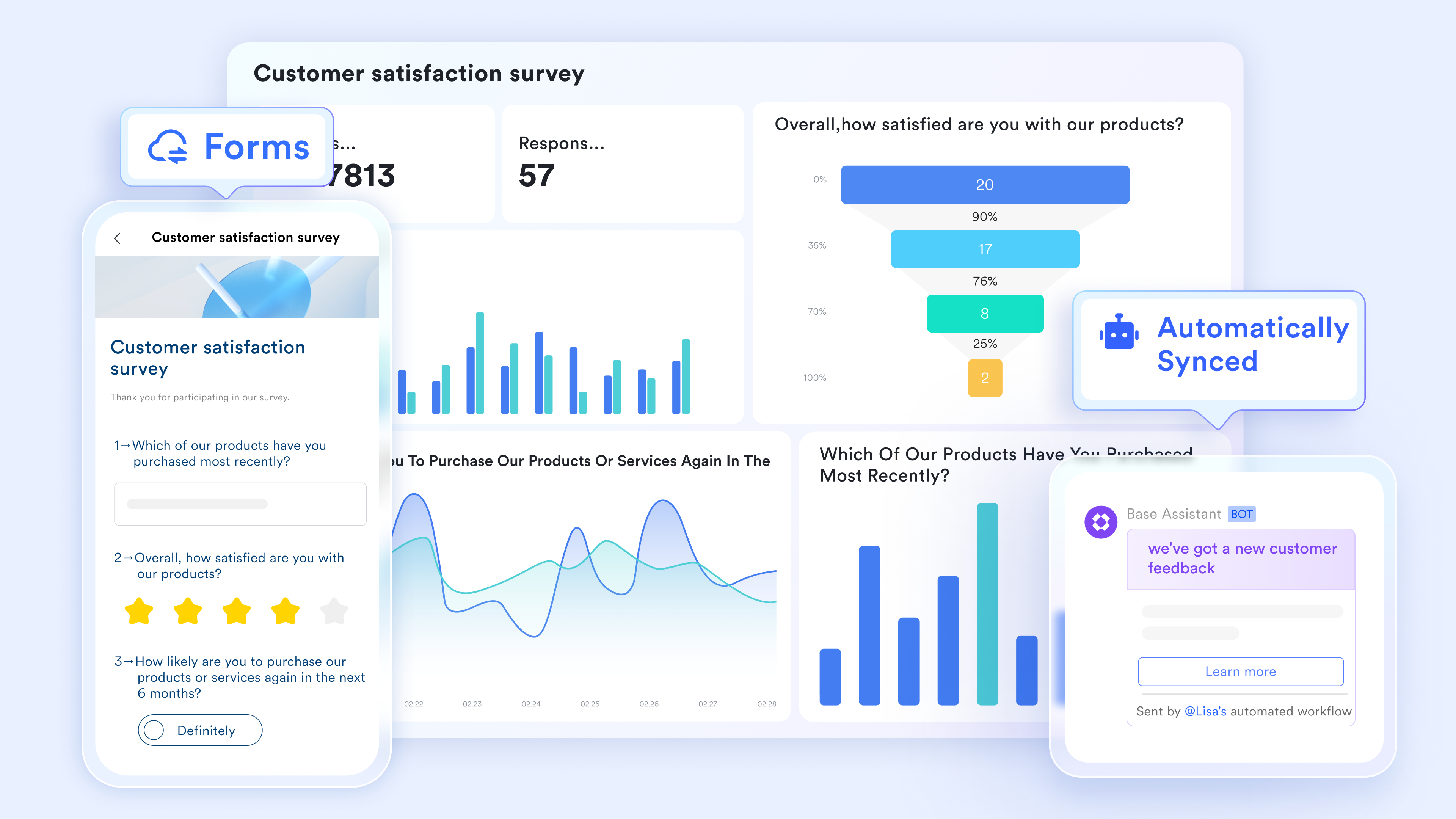
Unified, all-in-one workspace: All of Lark's features are housed within a single workspace, enhancing communication and collaboration, saving time and effort, and eliminating additional costs.
Why I pick Lark as a Marketo alternative: Lark enhances collaboration and project management, making it easier for marketing teams to execute campaigns effectively without the complexity of traditional marketing automation software. Its focus on team productivity and centralized communication supports both internal efficiency and customer engagement.
:
- Starter plan: Free forever plan that includes 11 powerful tools for up to 20 users. It also comes with 100GB of storage, 1,000 automation runs, AI translations, and more.
- Pro plan: $12/user/month (billed annually) for up to 500 users. It includes everything in Starter plus a group calling for up to 500 attendees, 15TB of storage, 50,000 automation runs, and more.
- Enterprise plan: for custom pricing. Supports unlimited users and includes even more automation runs and advanced security, compliance, and management features.
For small teams with simple communication needs

18 months message history
1000 Base automation runs/month
2000 rows per table in Base
Most POPULAR
For companies with comprehensive collaboration and management needs
Unlimited message history
500-participant video meetings
50k Base automation runs/month
20k rows per table in Base
For large companies with advanced security and organizational management needs
Get a personalized demo and pricing
Unlimited message history
500-participant video meetings
15 TB storage + 30 GB storage/user
500k Base automation runs/month
50k Base automation runs/month
Most POPULAR
For companies with comprehensive collaboration and management needs
Unlimited message history
500-participant video meetings
50k Base automation runs/month
20k rows per table in Base
2. HubSpot: An inbound marketing and sales platform
HubSpot Marketing Hub is the core all-in-one inbound marketing, sales, and service platform that provides various tools to attract, engage, and delight customers. It is ideal for businesses seeking a user-friendly solution to enhance their marketing efforts through marketing automation.
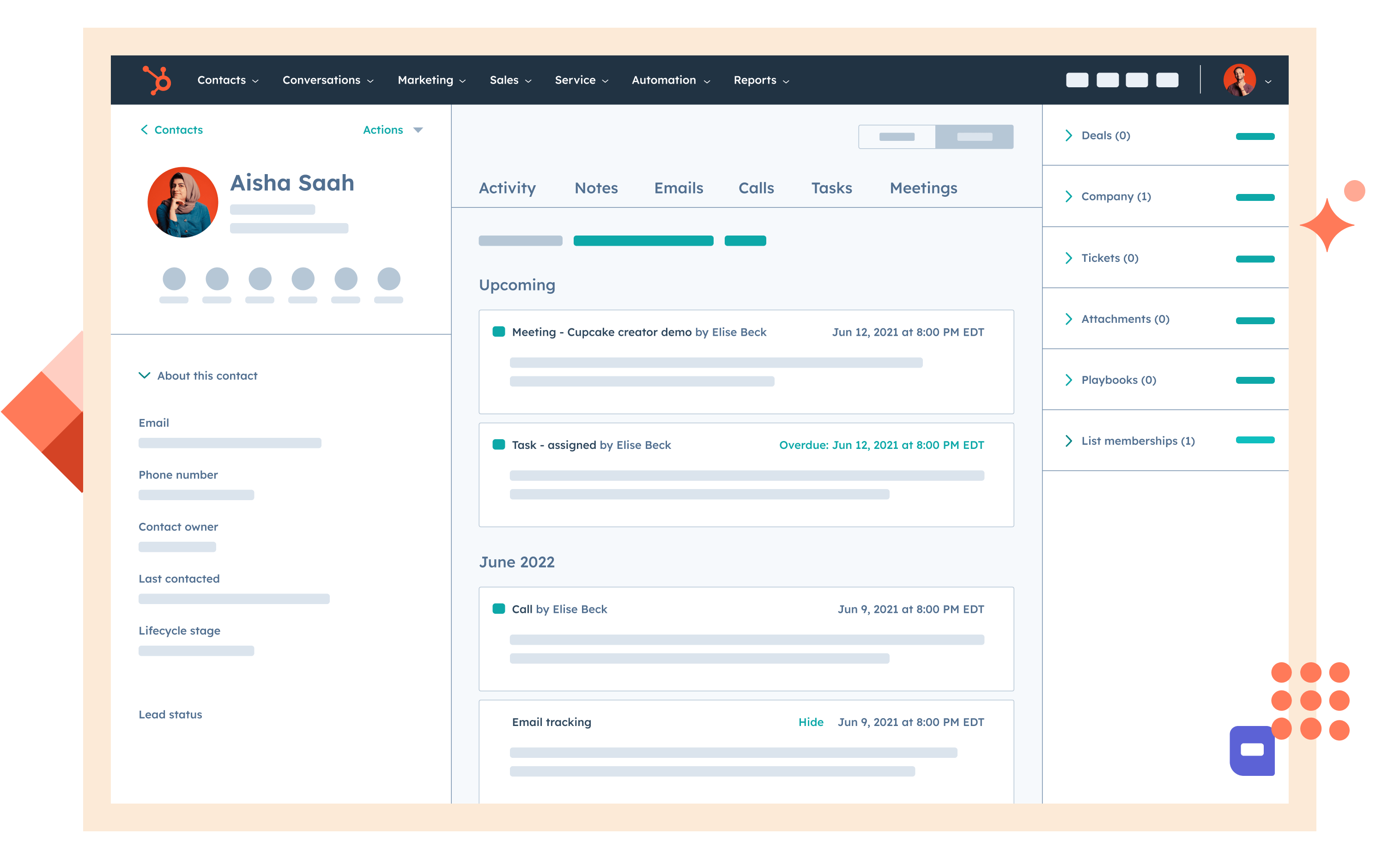
Image source: hubspot.com
Key features:
- Comprehensive CRM integration to manage customer interactions, including native integration with Salesforce CRM for seamless data management.
- User-friendly email marketing tools with automation capabilities, including the ability to create email marketing campaigns using visual tools.
- Lead management and nurturing functionalities.
- Detailed analytics and reporting for measuring campaign success.
- Extensive resource library and community support for users.
Why I pick HubSpot as a Marketo alternative: HubSpot's intuitive platform and free tier make it accessible for small to medium-sized businesses, offering powerful marketing capabilities without the complexity of Marketo. HubSpot supports an inbound marketing strategy through integrated tools that help attract, engage, and nurture leads across multiple channels.
Pricing (billed annually):
- Marketing Hub Professional: $800/mo, including 3 core seats
- Marketing Hub Enterprise: $3,600/mo, including 5 core seats
3. ActiveCampaign: A powerful marketing automation tool
ActiveCampaign specializes in email marketing and marketing automation, designed to improve customer engagement through personalized experiences. It's ideal for businesses looking to streamline their marketing processes and enhance customer relationships.
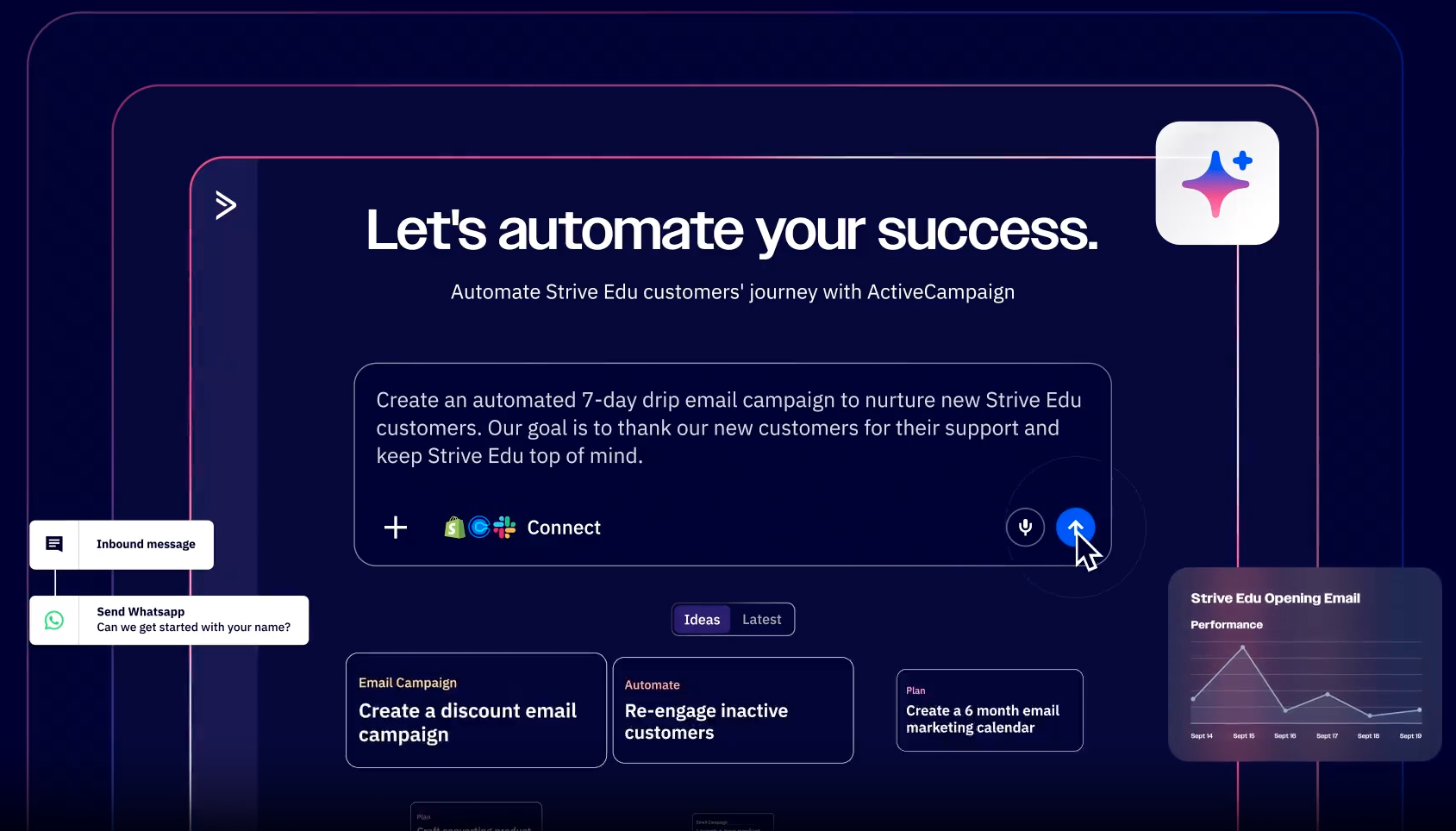
Image source: activecampaign.com
Key features:
- Advanced automation workflows that adapt based on user behavior, with sophisticated automation for complex, multi-channel marketing strategies.
- Visual workflow builder that allows users to design and manage automation sequences graphically, making campaign creation more intuitive.
- Advanced automation capabilities for smarter segmentation, seamless integrations, and scalable marketing automation.
- Integrated CRM features for detailed customer tracking.
- Comprehensive email marketing with segmentation options.
- Customizable reporting to assess campaign performance.
- Multichannel marketing options, including SMS and social media outreach.
Why I pick ActiveCampaign as a Marketo alternative: ActiveCampaign offers robust marketing automation features at a lower cost, making it suitable for businesses focused on email marketing without the overhead of larger platforms.
Pricing (billed annually): For Email marketing, Whatsapp marketing, or the bundle of Email+Whatsapp marketing, ActiveCampaign provides different tiers of pricing based on contact capability. For example, for 1,000 email contacts,
- Enterprise: $145/user/month
4. Salesforce Pardot: A B2B marketing automation solution
Pardot, part of Salesforce, is a marketing automation tool designed for B2B marketing. It helps organizations streamline their lead generation and nurturing processes while integrating seamlessly with Salesforce's CRM. Pardot also offers robust enterprise capabilities for large-scale or complex organizational needs, supporting sophisticated campaign management and multi-channel orchestration.
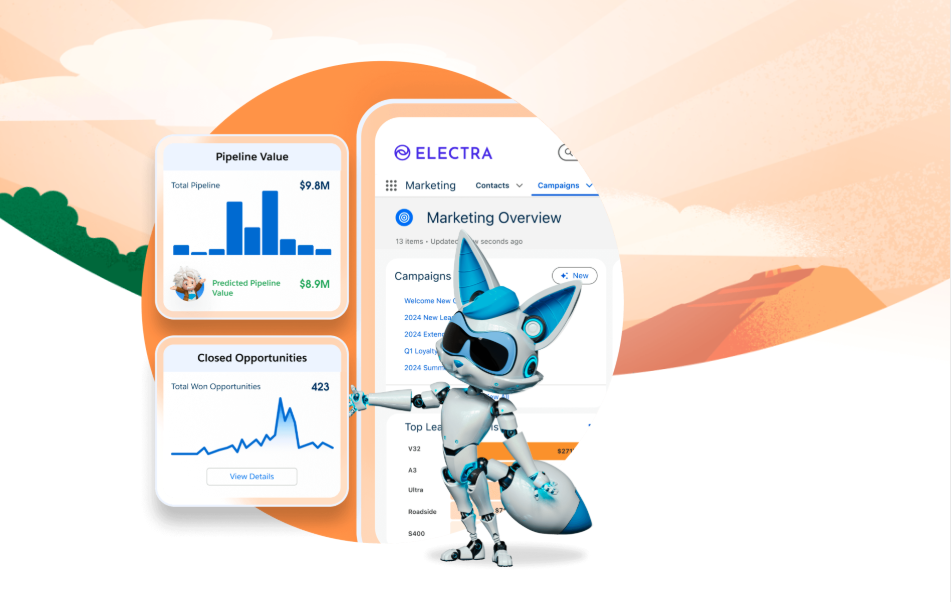
Image source: salesforce.com
Key features:
- Comprehensive lead scoring and grading systems.
- Automated email campaigns tailored for B2B interactions.
- Advanced analytics and reporting to measure marketing ROI.
- Native integration with Salesforce CRM for real-time data synchronization and enhanced personalization.
- Sales hub functionality with CRM, lead management, sales pipeline tracking, and collaboration tools to align sales and marketing teams.
- Custom landing pages and forms to capture leads effectively.
Why I pick Pardot as a Marketo alternative: For businesses already using Salesforce, Pardot provides a complementary toolset that aligns well with existing CRM functionalities, improving marketing effectiveness. The sales hub features help unify sales and marketing efforts, automate customer engagement, and streamline lead management. Pardot's enterprise capabilities make it a strong choice for organizations with large-scale B2B marketing requirements.
Pricing (billed annually):
- Account Engagement+: $1,250/org/month
- Marketing Cloud Growth Edition: $1,500/org/month
- Marketing Cloud Advanced Edition: $3,250/org/month
5. Zoho Marketing Automation: An affordable tool that combines marketing functionalities
Zoho Marketing Automation is part of the Zoho suite that offers a wide array of marketing tools designed to engage customers effectively through multiple channels. It is suitable for businesses of all sizes, including ecommerce businesses aiming to grow and engage their customer base.
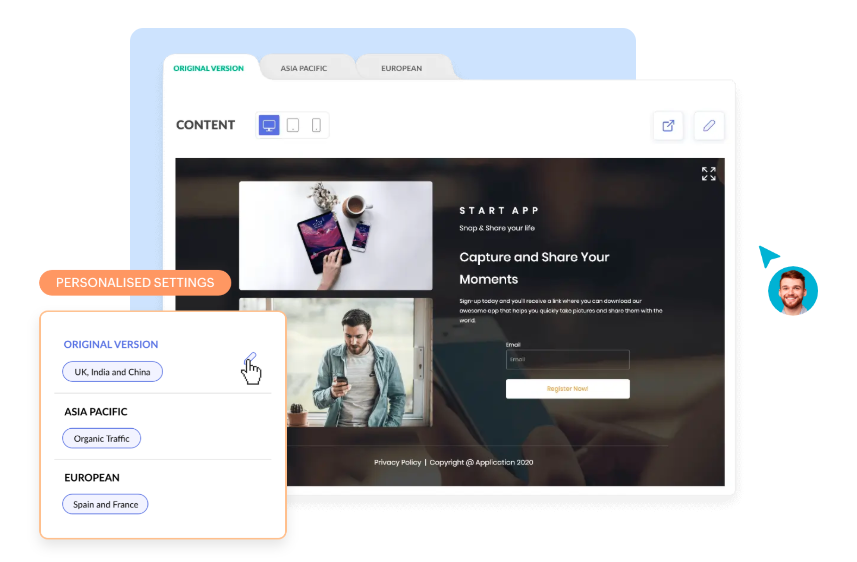
Image source: zoho.com
Key features:
- Lead management, scoring, and nurturing capabilities.
- Customized email marketing automation with templates.
- Multi-channel marketing support, including social media and online ads.
- Analytics and reporting tools to analyze customer engagement.
- Integration with other Zoho applications for a complete solution.
- Integration with popular ecommerce platforms like Shopify and WooCommerce for real-time synchronization and personalized marketing campaigns.
Why I pick Zoho Marketing Automation as a Marketo alternative: Its affordability and easy integration with the Zoho ecosystem make it a compelling choice for businesses seeking comprehensive marketing features without significant investment. Zoho is especially suitable for ecommerce businesses looking to grow their customer base through targeted and automated marketing efforts.
Pricing (billed annually): Zoho Marketing Automation starts at a cost-effective monthly rate, with different tiers based on user needs. For example, for 1,000 contacts:
- Standard: $19/month, 10 users
- Professional: $29/month, 15users
- Enterptise: $59/month, 25 users
6. Mailchimp: A comprehensive marketing solution
Mailchimp originally focused on email marketing but has expanded its capabilities to offer a comprehensive marketing platform suitable for small businesses. It is known for its ease of use and effective features.
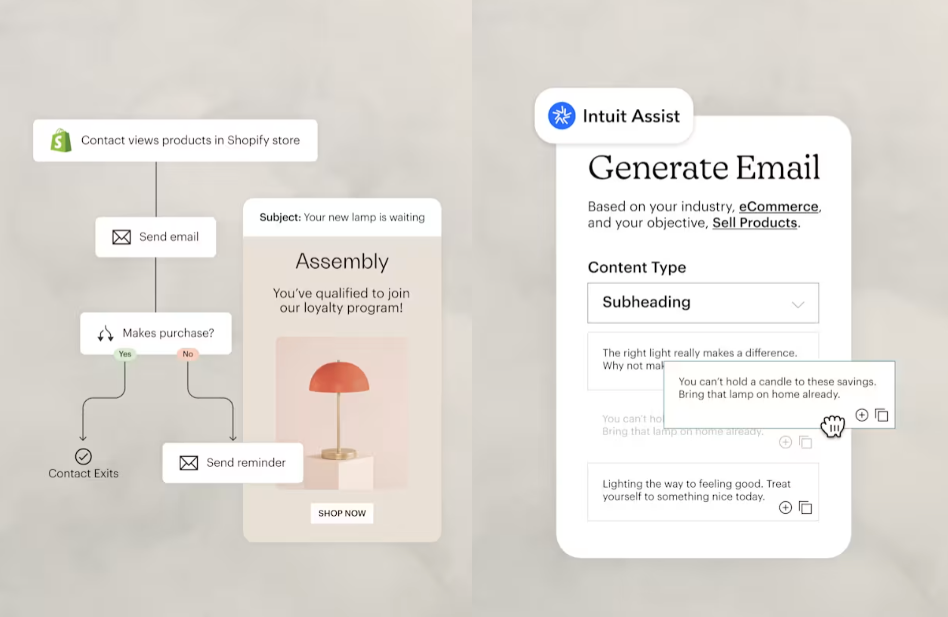
Image source: mailchimp.com
Key features:
- Intuitive drag-and-drop email builder for creating campaigns.
- Audience segmentation and targeting to enhance engagement.
- Automation features for personalized marketing messages.
- Web push notifications and social media automation for cross-channel campaigns.
- Support for social media ads as part of omnichannel marketing strategies.
- Detailed analytics to track performance and optimize strategies.
- Integration options with various e-commerce and CRM platforms.
Why I pick Mailchimp as a Marketo alternative: Mailchimp's simplicity and user-friendly interface make it a great choice for startups and small businesses looking for effective email marketing without the complexity of larger systems.
Pricing: Paid plans start at a low monthly cost, providing various options for different business needs. Starts at $25/month (500 contacts)
7. Eloqua: Marketing automation platform targeted at enterprises
Eloqua is one of the leading enterprise platforms for marketing automation, designed specifically for enterprise-level organizations. It provides advanced tools for planning and executing marketing campaigns across different channels, supporting the complexity and scalability required by large businesses.
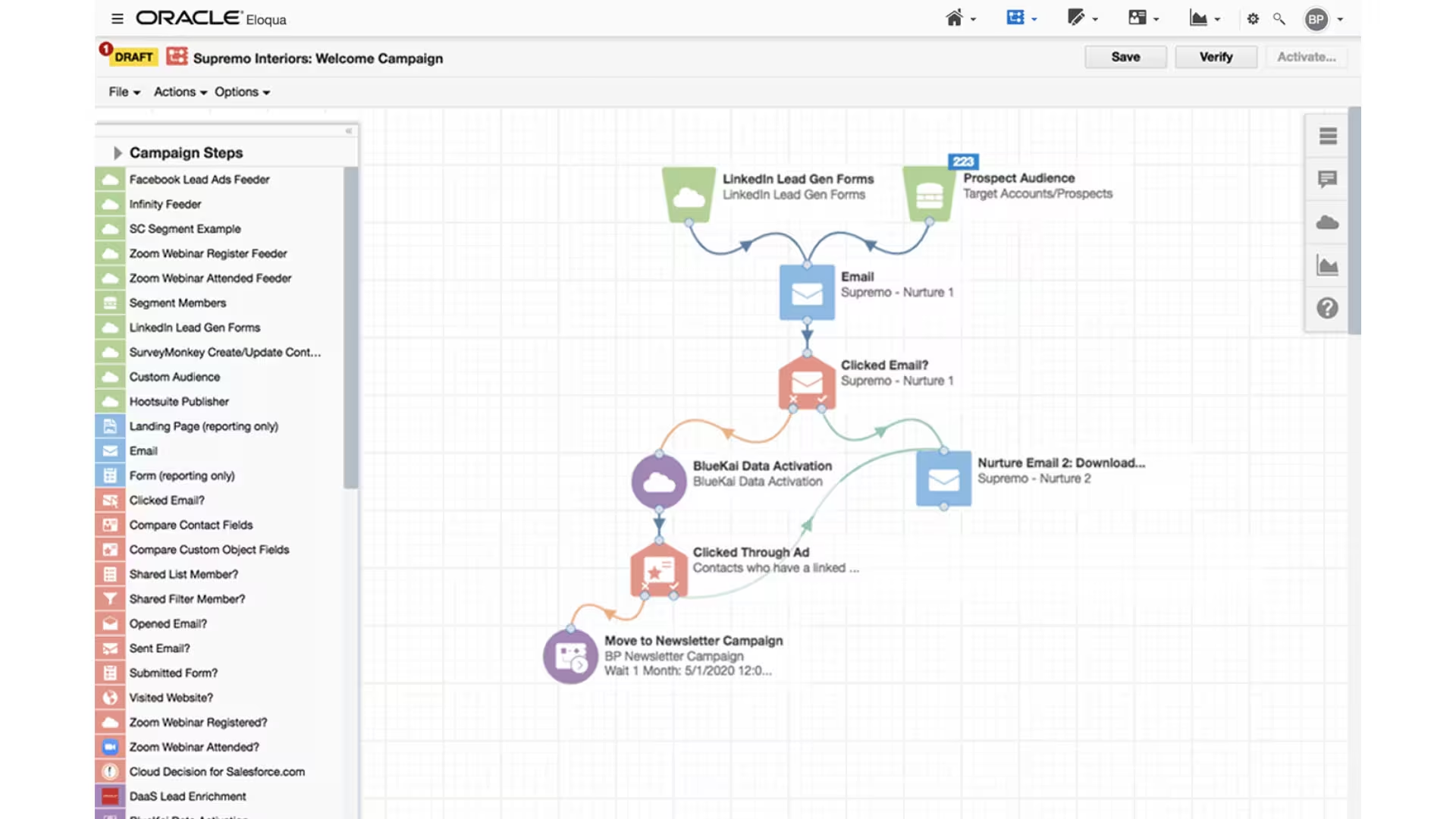
Image source: eloqua.com
Key features:
- Comprehensive campaign management from planning to execution.
- Advanced lead scoring and nurturing capabilities.
- Integration with various CRM systems, especially Oracle's offerings.
- Multi-channel marketing support for managing campaigns across different environments.
- Extensive analytics and reporting features for performance measurement.
- Enterprise features tailored for large organizations, including sophisticated account-based marketing and scalable workflows.
- Marketing attribution tools to measure the effectiveness of various marketing channels and campaigns.
Why I pick Eloqua as a Marketo alternative: Eloqua's focus on enterprise needs makes it suitable for larger organizations requiring robust capabilities and intricate marketing strategies without the steep learning curve of Marketo.
Pricing: Request-based custom pricing
8. Microsoft Dynamics 365 Marketing: A suite integrated with Microsoft
Microsoft Dynamics 365 Marketing is a marketing automation solution that integrates seamlessly with Microsoft products, helping businesses manage customer engagement and marketing processes efficiently.
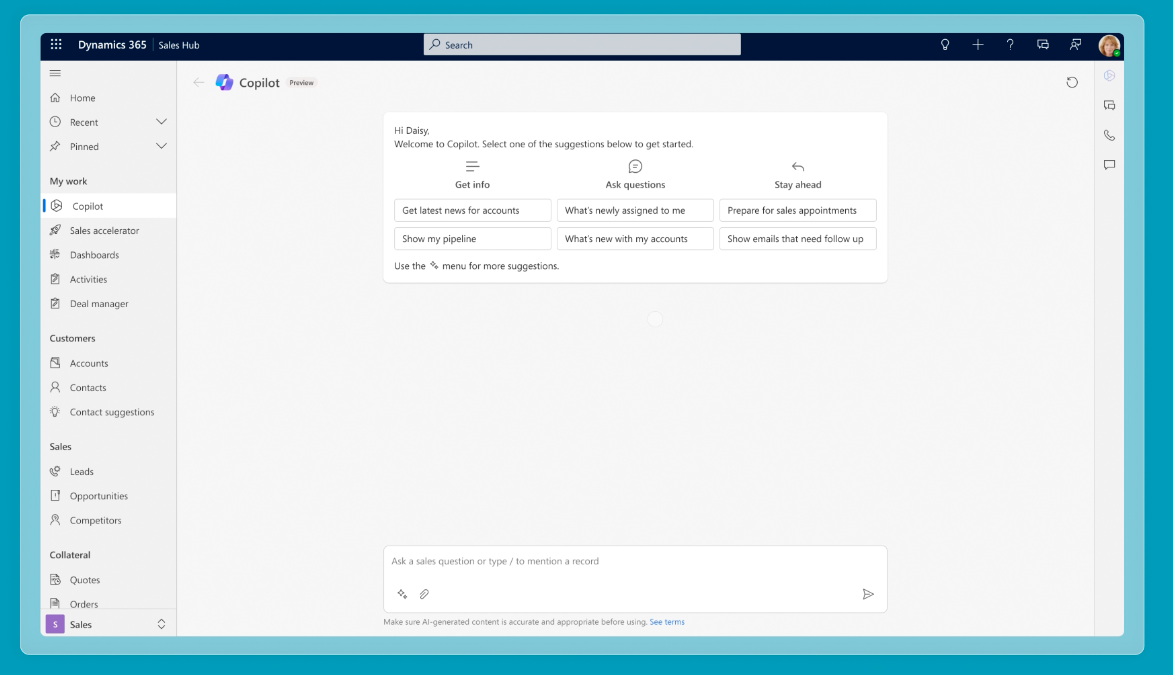
Image source: microsoft.com
Key features:
- Event management capabilities that automate invites and registrations.
- Customer journey builder for designing personalized, multi-step workflows and automated nurturing campaigns.
- Customer journey orchestration for personalized interactions.
- Integration with Microsoft Dynamics CRM for centralized data management.
- Support for multi channel customer experiences, including email, web, social platforms, and SMS, enabling seamless, integrated interactions.
- SMS marketing features for direct, personalized communication and campaign engagement.
- Reporting tools to measure campaign effectiveness and customer interactions.
Why I pick Microsoft Dynamics 365 Marketing as a Marketo alternative: For companies already using Microsoft solutions, this tool offers seamless integration, making it easier to align marketing with sales and customer service operations.
Pricing Base plans, paid yearly:
- Dynamics 365 Contact Center: $110.00/month
- Dynamics 365 Contact Center Digital: $95/month
- Dynamics 365 Contact Center Voice: : $95/month
9. Infusionsoft (by Keap): A marketing automation software for small businesses
Keap's Infusionsoft targets small businesses seeking marketing automation combined with sales enablement features. It simplifies marketing processes to help organizations grow effectively.
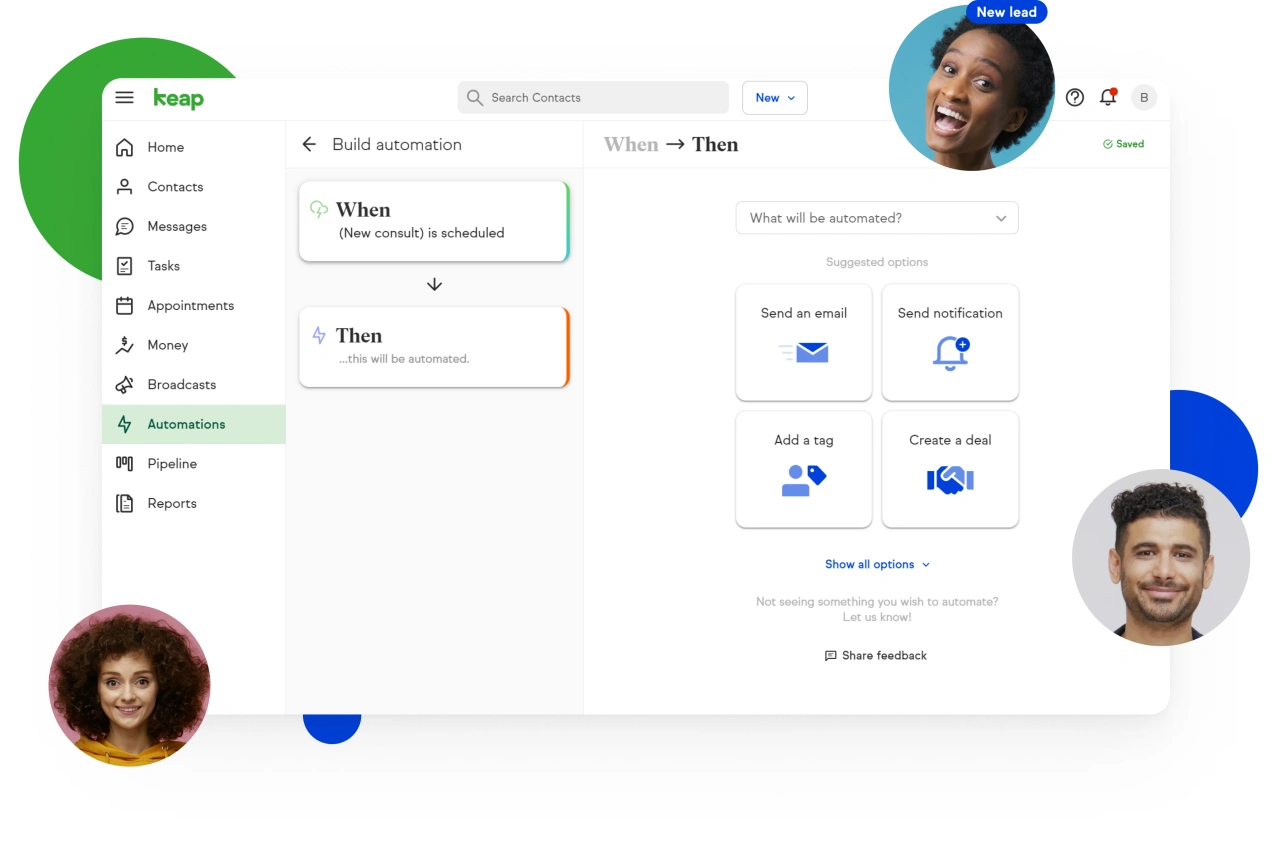
Image source: keap.com
Key features:
- Campaign builder that automates workflows based on customer actions.
- Built-in CRM functionality for managing customer relationships.
- E-commerce capabilities for managing sales transactions directly.
- Marketing automation features tailored to small business needs.
- Supports marketing programs for small businesses, including account-based marketing workflows.
- Customer centric personalization features for creating tailored customer journeys and enhancing engagement.
- Reputation management tools to improve email deliverability, maintain sender reputation, and protect brand image.
- Reporting and analytics to assess the success of marketing efforts.
Why I pick Infusionsoft as a Marketo alternative: Its focus on small businesses and integration of marketing and sales tools make Infusionsoft a compelling option for organizations looking to manage customer interactions comprehensively.
Pricing: Infusionsoft offers scalable pricing starting at a competitive monthly fee suitable for small businesses. Starting at $299/mo (billed monthly) for 2 users & 1,500 contacts.
10. Act-On: A multifaceted marketing platform catering to B2B and B2C
Act-On is a customer engagement platform and marketing automation solution that serves both B2B and B2C organizations, providing a suite of tools to enhance marketing processes and improve customer engagement.
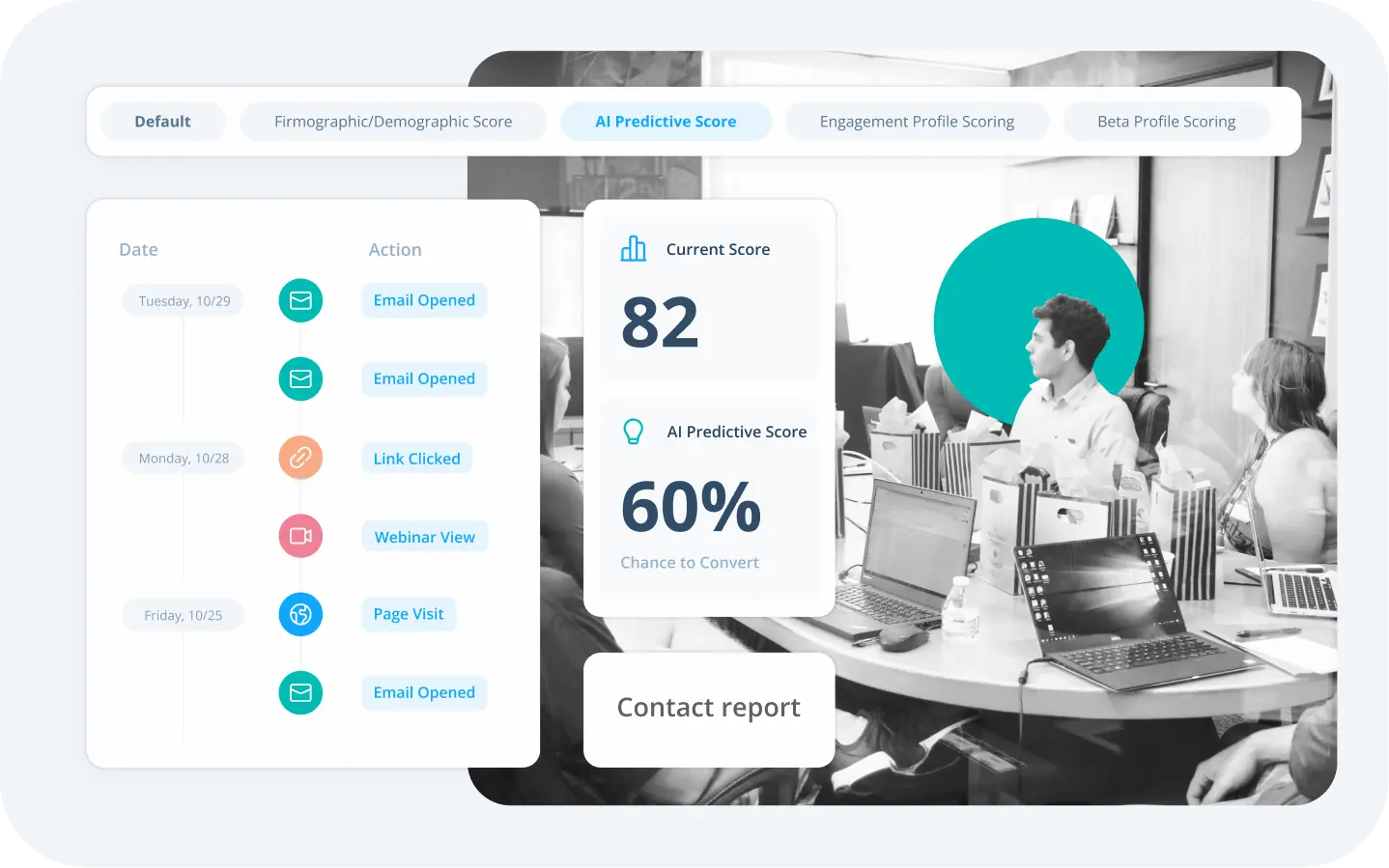
Image source: act-on.com
Key features:
- Multi-channel marketing capabilities including email, social media, and landing pages.
- Lead management tools that include scoring, segmentation, and nurturing.
- Campaign creation capabilities for designing, testing, personalizing, and automating marketing campaigns.
- Tools for managing and tracking the sales pipeline as part of broader CRM and marketing automation features.
- Campaign analytics to monitor effectiveness and ROI.
- Integration with various CRM systems to streamline data flow.
- Content management features to support marketing campaigns.
Why I pick Act-On as a Marketo alternative: Act-On's user-centric design and effectiveness as a customer engagement platform supporting diverse marketing strategies make it an attractive option for businesses looking to enhance their automation efforts without excessive complexity.
Pricing: Act-On pricing typically starts at a competitive monthly rate, allowing businesses to choose plans that fit their marketing needs. For 2,500 contacts,
- Professional: $900/month
- Enterprise: Custom pricing
This comprehensive overview of ten Marketo alternatives highlights each solution's unique features, benefits, and pricing, enabling organizations to make informed choices based on their marketing objectives.
Unlock your marketing potential with a right tool
Feature to look for in Marketo alternatives
When evaluating potential alternatives to Marketo, consider the following critical criteria to ensure you select a tool that fits your organization's needs:
- Marketing automation: The ideal alternative should align with your unique marketing processes and objectives. It is important that the platform supports the entire marketing process, from campaign creation to reporting, to ensure a seamless workflow. Specific functionalities might be crucial depending on your business model and goals. For instance, if lead nurturing is a priority, ensure the alternative has robust features in this area, as well as personalization tools and customer centric personalization features for delivering tailored experiences. Additionally, evaluate campaign creation capabilities, such as the ability to design, test, and automate campaigns.
- Ease of integration: An effective alternative should integrate smoothly with your existing systems, including and other business applications. This integration ensures that data flows seamlessly between platforms, enhancing your overall marketing strategy. A well-integrated solution will help your team avoid disruptions in workflows and maintain consistent communication across departments. The value of a customer journey builder and visual workflow builder should also be considered, as these features help map and automate complex workflows.
- User experience: Assess the usability of the alternative's interface, as designing an intuitive user experience can greatly influence adoption rates among your team members. A clean and straightforward design allows users to navigate the platform efficiently, focusing on their marketing tasks rather than struggling with the software. Conducting trials, demos or free versions can be a practical way to evaluate the user experience and determine if a tool meets your team's needs effectively.
- Analytics and reporting are also essential: Look for platforms that offer , including marketing attribution, to measure the effectiveness of your campaigns and optimize your strategies.
By considering these factors, including support for marketing programs—especially if you require account-based or multi-stakeholder campaigns—you can make a more informed decision when selecting a marketing automation tool that fits your organization's unique priorities and challenges.
Experience automated marketing with better alternative
Future of marketing automation
The landscape of marketing automation is undergoing an exciting transformation, influenced by innovative technologies and strategic advancements that redefine how businesses engage with their customers. As companies adapt to these changes, several key trends are emerging:
- Integration of advanced technologies: The incorporation of artificial intelligence (AI), account-based marketing, and customer data platforms (CDPs) is enhancing marketing teams' automation capabilities. These technologies enable personalized customer experience and more .
- Enhanced CRM integration: Thoughtful integration with is becoming increasingly vital. This approach creates unified customer insights that promote natural collaboration between marketing and sales teams, facilitating smoother operations and more impactful interactions.
- Focus on personalization and data-driven decision making: As platforms evolve, businesses that leverage detailed customer insights can make smarter decisions. This focus leads to more effective marketing campaigns and fosters deeper, more authentic customer relationships.
By embracing these emerging trends in marketing automation and maintaining a customer-centric strategy, organizations can unlock substantial value, boost revenue growth, and strengthen their . This flexibility ensures that businesses remain competitive and well-prepared for the future.
Conclusion
Considering alternatives to Marketo is crucial for businesses looking to optimize their marketing strategies and budgets. With a variety of options available, organizations can find tools that align better with their unique needs and offer greater value.
By exploring these alternatives, marketing teams can tailor their approaches, enhance collaboration, and improve overall efficiency. I encourage you to assess your specific marketing requirements and evaluate these options to discover the best fit for your organization. Making an informed choice can lead to better engagement, increased productivity, and ultimately, a more successful marketing outcome with marketing tools like .
Boost your sales and marketing performance now
FAQs
How much does Marketo cost?
Marketo's pricing is structured based on various factors, including the number of leads and specific features selected. The platform offers multiple packages to cater to different business needs, each with its own pricing tiers. Since costs can vary greatly, it's best for potential users to contact Marketo's sales team directly to get tailored pricing information and determine which plan best fits their requirements. This approach ensures that businesses receive the most accurate and relevant pricing details based on their unique situations.
Is Marketo good for small businesses?
Marketo is generally considered not ideal for small businesses. Its robust feature set and pricing can be overwhelming for smaller organizations with simpler marketing needs. Many users find that it provides more complexity than necessary compared to other more straightforward solutions designed specifically for smaller enterprises. Alternatives like Lark and HubSpot might serve small businesses better due to their user-friendly interfaces and lower costs.
Why did Adobe buy Marketo?
Adobe acquired Marketo for $4.75 billion in 2018 as part of its strategy to enhance its marketing suite, particularly Adobe Experience Cloud. Following the acquisition, the platform is now officially known as Adobe Marketo Engage, reflecting its integration into Adobe's suite. The acquisition aimed to broaden Adobe's capabilities in B2B marketing, allowing it to offer more personalized and integrated customer engagement strategies. This move strengthens Adobe's position in the competitive marketing technology landscape by offering better tools for demand marketing and enabling a more comprehensive experience for users across B2B and B2C markets.
Is Marketo like Salesforce?
While both Marketo and Salesforce serve similar markets focused on sales and marketing automation, they have distinct functionalities. Marketo specializes in marketing automation, particularly for lead management and engagement, while Salesforce primarily focuses on customer relationship management (CRM). They often complement each other, with many companies using both tools to leverage Salesforce's CRM capabilities alongside Marketo's marketing automation features. Essentially, they serve different purposes within the business ecosystem.
Related reading