Walking onto a modern production floor reveals a familiar paradox: while high-resolution screens track machine cycles in real time, shift supervisors still scribble handovers in paper notebooks and struggle to find PDF manuals buried in deep directories.
While discussions around ai in manufacturing promise complete autonomy, the reality is that sophisticated algorithms only work if their outputs actually help the people on the shop floor. To bridge this gap, this guide cuts through the hype, outlines practical use cases, and provides a clear framework to help you prioritize your resources.
What does AI in manufacturing actually mean today?
For decades, relied on fixed, rule-based systems. If a temperature sensor exceeded a specific threshold, the machine stopped. This binary logic protected equipment but did little to optimize processes or find hidden inefficiencies.
Modern artificial intelligence fundamentally changes this approach. Rather than relying on rigid rules, using ai in manufacturing means deploying software models that learn from continuous operational data, detect anomalies, and forecast equipment changes.
Today, this capability is split into three main areas:
- Predictive AI: Systems that analyze machine vibrations, thermal signatures, and historical failures to forecast exactly when a component will break.
- Generative AI: Systems trained on natural language that allow floor technicians to query thousands of pages of complex equipment manuals using conversational questions.
- : Emerging software agents that do not just offer recommendations, but coordinate actions across multiple business applications under human oversight.
True smart manufacturing does not mean replacing human judgment with machines. Instead, it is about connecting these distinct technologies to make life easier for your floor operators, shift leads, and maintenance engineers.
The most common AI use cases in manufacturing
When exploring how is ai used in manufacturing, it helps to look at the practical applications that drive measurable operational improvements. Here are the five most common scenarios deployed across modern production facilities:
Predictive maintenance and machine failure detection
Unplanned downtime is one of the costliest problems in physical production. Predictive maintenance uses sensors to monitor variables like acoustics, temperature, and electrical currents on key machinery.
Machine learning models analyze this data against historical wear patterns. When a subtle anomaly appears, the system flags the issue days before a physical failure occurs.
Imagine a CNC milling machine starting to exhibit minor, high-frequency vibration patterns invisible to the human eye. Rather than waiting for the spindle to seize mid-shift, the predictive system automatically alerts the maintenance crew, a repair during a planned weekend shutdown.
Quality inspection and real-time defect detection
Traditional quality control relies on manual inspection or spot-checking. These approaches are slow and prone to human fatigue, especially on fast-moving high-volume lines.
Computer vision systems change this by using high-speed cameras positioned over conveyor belts. Trained on thousands of images of perfect and flawed products, these systems inspect every single unit in real time.
For instance, on an electronics assembly line, a computer vision system can instantly flag a missing solder joint or a misaligned component. The system automatically routes the defective unit to a rework station before it is packaged and shipped, keeping overall scrap rates low.
Demand, inventory, and supply chain planning
disruptions require manufacturers to remain highly agile. AI models improve forecasting accuracy by analyzing more than just internal order books. They ingest historical sales cycles, global shipping bottlenecks, seasonal weather patterns, and regional economic shifts.
This unified analysis helps managers optimize inventory levels. Instead of tying up precious working capital in surplus steel coil, or facing costly production pauses due to microchip shortages, procurement teams can adjust their material orders dynamically to match actual market demand.
Process optimization and throughput improvement
A modern factory floor is a web of interdependent variables. Changing the speed of an oven on line one can cause unexpected bottlenecks at the packaging station on line three.
To , enterprise teams build digital twins—highly detailed virtual representations of their physical operations. By running simulations within these digital twins, production planners can test different line speeds, shift structures, and machinery layouts in a virtual sandbox, identifying the most efficient setups without risking actual production downtime.
Engineering knowledge search and technician support
When a critical packaging system goes offline, every minute spent searching for information costs money. Unfortunately, maintenance teams often have to dig through hundreds of pages of physical binders, complex schematics, or unindexed shared drives.
Generative AI applications solve this knowledge gap by acting as intelligent search assistants. Technicians can type or speak questions directly into a mobile tablet on the floor.
For example, an operator can ask: "What is the exact torque specification for the tensioning bolt on the primary conveyor?" The model searches the digitized equipment manuals and returns the exact number, along with a step-by-step diagram, in seconds.
Boost visibility and tracking in manufacturing operations
Generative AI vs. agentic AI in manufacturing
As you look to introduce new technologies into your facilities, it is crucial to understand that not all artificial intelligence systems are built for the same tasks. Buying a tool without understanding its core strength is a quick way to add unnecessary complexity to your IT stack.
To help your team choose the right approach, here is a functional breakdown of how traditional machine learning, generative models, and emerging agentic workflows compare:
Traditional machine learning remains the workhorse for deep data analysis, while generative models excel at making unstructured company knowledge easily accessible.
Meanwhile, agentic AI represents the next step in automation. Instead of simply generating a maintenance report, an agentic system can automatically check inventory for a spare part, draft a purchase order if the part is missing, and assign a repair task to the available technician on the next shift.
Real examples of using ai in manufacturing
To understand how these technologies work outside of a lab, we can look at real world implementations across major manufacturing operations.
For example, global automotive manufacturers deploy advanced computer vision pipelines on their assembly lines. By positioning cameras at critical welding stations, their AI models inspect thousands of spots per day, immediately identifying micro-fissures that are invisible to human inspectors. This instant detection keeps defective frames from advancing down the assembly line, avoiding costly rework later.
Another practical application lies in human-robot collaboration on logistics floors. Robotic fleets use path-finding algorithms to navigate crowded fulfillment spaces alongside human workers. These machines adapt their speed and route based on foot traffic, reducing physical strain on warehouse teams while doubling picking speeds.
What these examples show is that AI does not replace human skill; rather, it removes routine friction. The most successful deployments focus on tasks where human operators are overloaded by repetitive manual checks or .
How to decide which AI use case to pilot first
With dozens of potential projects on the table, leadership teams often struggle to choose a starting point. To avoid getting stuck in endless trial phases, you need a objective scoring framework.
We recommend evaluating potential pilots across five specific categories:
- Business value: Hard cost savings or throughput gains. Does this project address a major bottleneck, like reducing unplanned downtime, or is it just a novelty?
- Data readiness: Clean, labeled, and accessible databases. Do you have structured, accessible, and clean historical logs, or will you spend months cleaning databases?
- Workflow maturity: Clear, standardized manual steps. Is the underlying human , or are you trying to automate a chaotic manual process?
- Human oversight: An easy way for operators to verify outputs. Can your existing team easily double-check and override the AI outputs, avoiding costly automated mistakes?
- Cross-functional ownership: An operations champion to lead the rollout. Do you have an operational leader on the floor willing to champion this rollout?
To make this decision-making process visible and collaborative, teams can structure their prioritization scoring inside a single workspace. Using an interactive evaluation sheet allows operations, engineering, and finance leaders to rank pilots, link supporting data documents, and align on budget approvals in one clear view.
Modernize your industrial operations with Lark today
How to operationalize manufacturing AI across teams
The hardest part of any technological transition is moving from an isolated pilot to everyday plant operations. The true bottleneck is almost never the code itself; it is the human coordination required to
When a predictive maintenance system flags an upcoming machine failure, that insight is useless if the repair ticket sits unread in an inbox. To create a highly responsive operation, you must establish a clear communication loop between your digital systems and your frontline teams:
- Predictive AI Alert triggers.
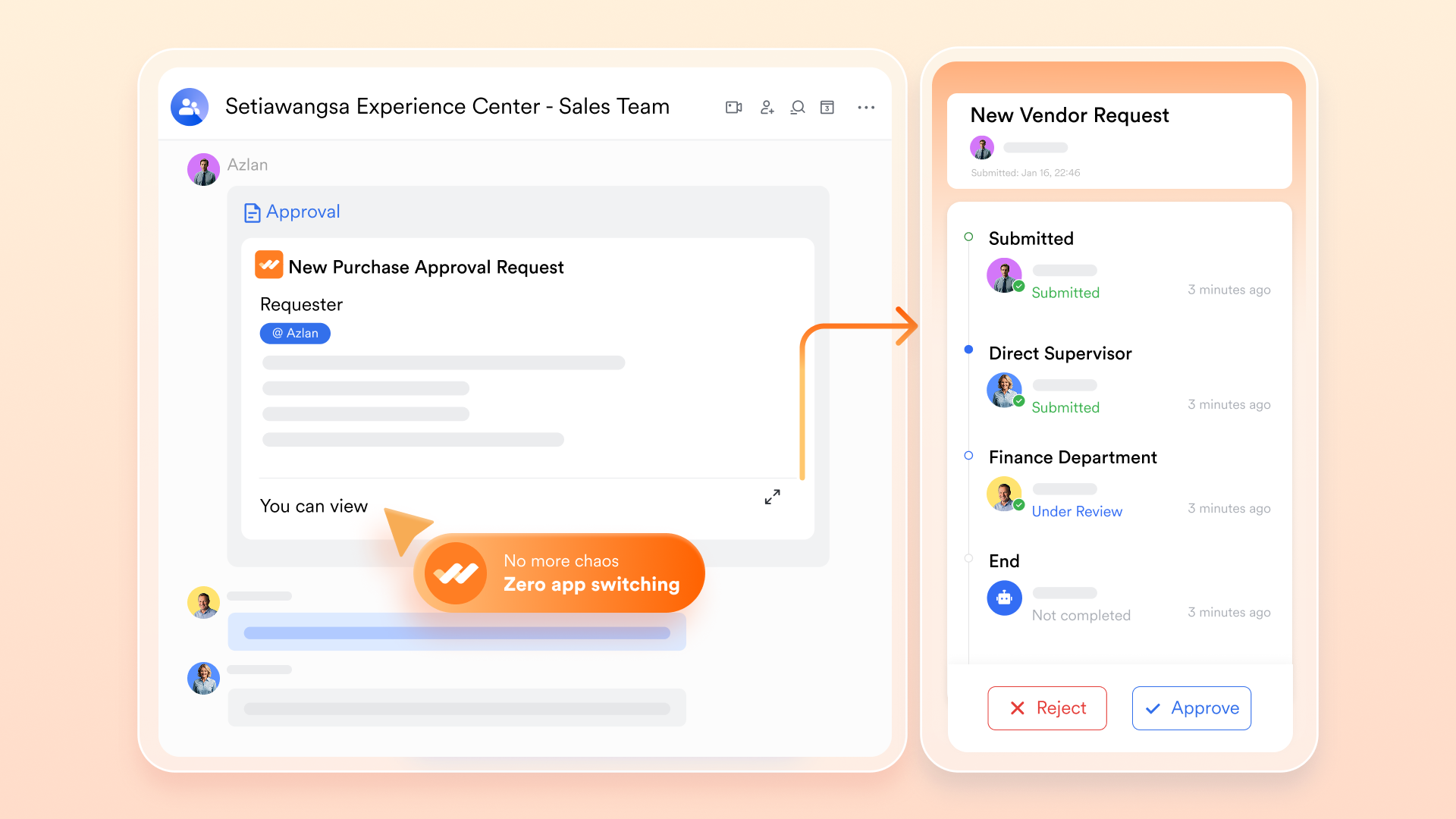
- An Automated Approval Request is sent instantly to the Shift Lead's Mobile Chat.
- If Approved, the system triggers Automated Work Order Dispatch & Mobile Translation.
- If Rejected, the decision is Logged for Model Calibration.
To coordinate these fast-moving events, organizations need a single, unified workspace.
This is where a modern platform like Lark changes the game. By combining messaging, mobile-friendly cloud documents, automated approvals, and instant translation into a single space, Lark connects your desktop-bound engineers with frontline operators on the floor.
Instead of jumping between different chat apps, legacy databases, and paper handovers, shift leads can manage AI alert approvals directly within their team chat. When a technician receives an automated repair task, they can view the updated SOP translated into their preferred language right on their phone, ensuring the job is done safely and correctly without delay.
Why Lark is the operational hub for manufacturing AI rollouts
No matter how sophisticated your predictive algorithms or generative search tools are, they fail if they cannot reach your frontline workers. Physical production requires real-time coordination, yet manufacturing organizations are often split between desk-bound engineering offices and mobile operators walking the factory floor.
bridges this gap by acting as a single, unified operational hub designed specifically to support complex technological transitions:
Translating insights into mobile actions
When an AI model flags an anomaly, the alert should not sit in an email inbox. allows you to direct these automated system notifications straight into From there, shift leads can immediately review the issue and authorize repairs with a single tap using .
Empowering deskless workers with dynamic knowledge
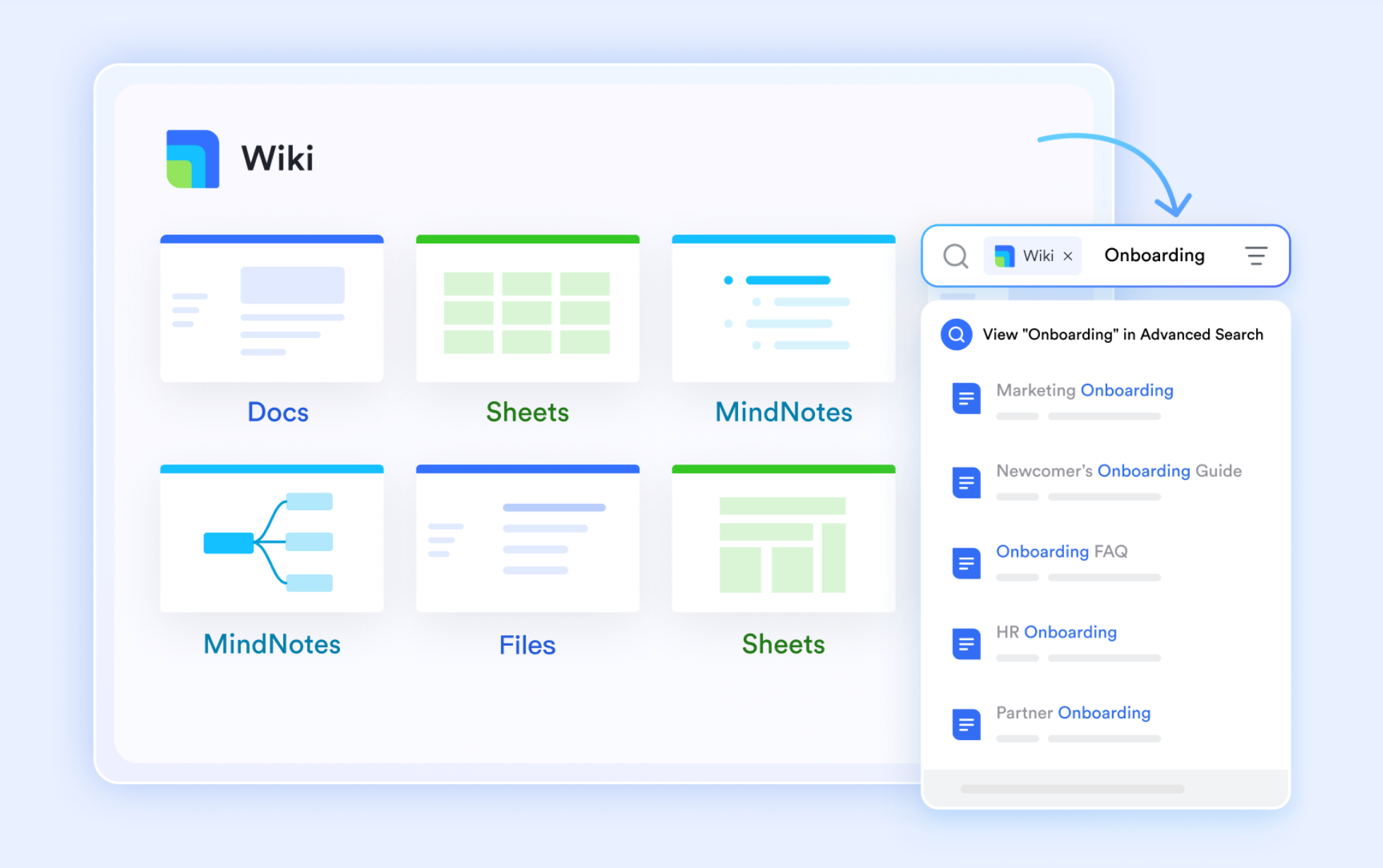
Instead of forcing technicians to search through physical binders, teams can store all digitized manuals and troubleshooting guides in & . Floor staff can instantly access the latest technical guidelines and safety checklists on their tablets right at the machine.
Simplifying shift handovers and task tracking
Managing continuous plant operations requires clear handovers. Teams can use to track daily production metrics and log machine issues, while assigning follow-up maintenance duties directly to the next shift using Lark Tasks to prevent critical repairs from being missed. 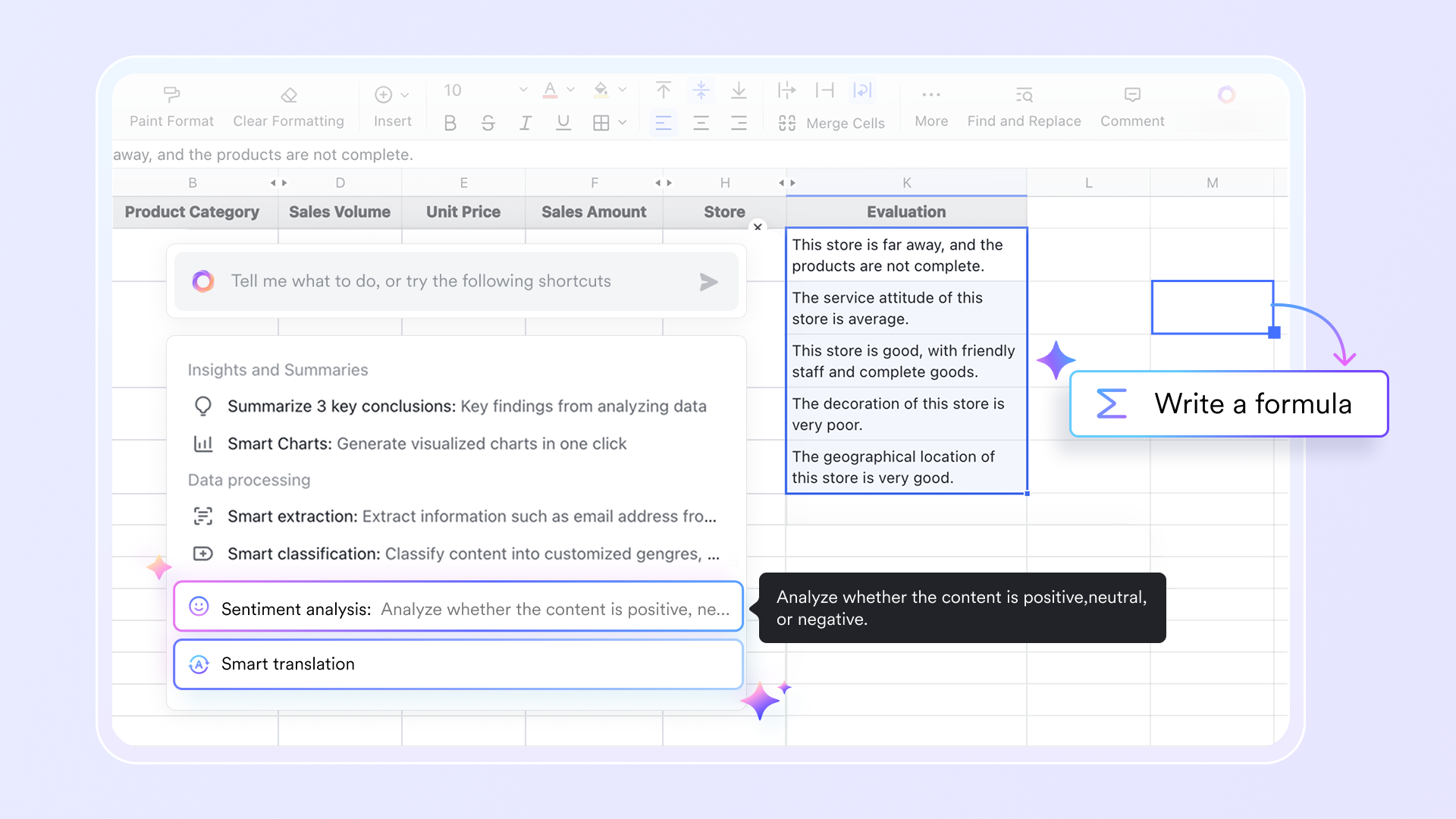
Overcoming communication barriers across departments
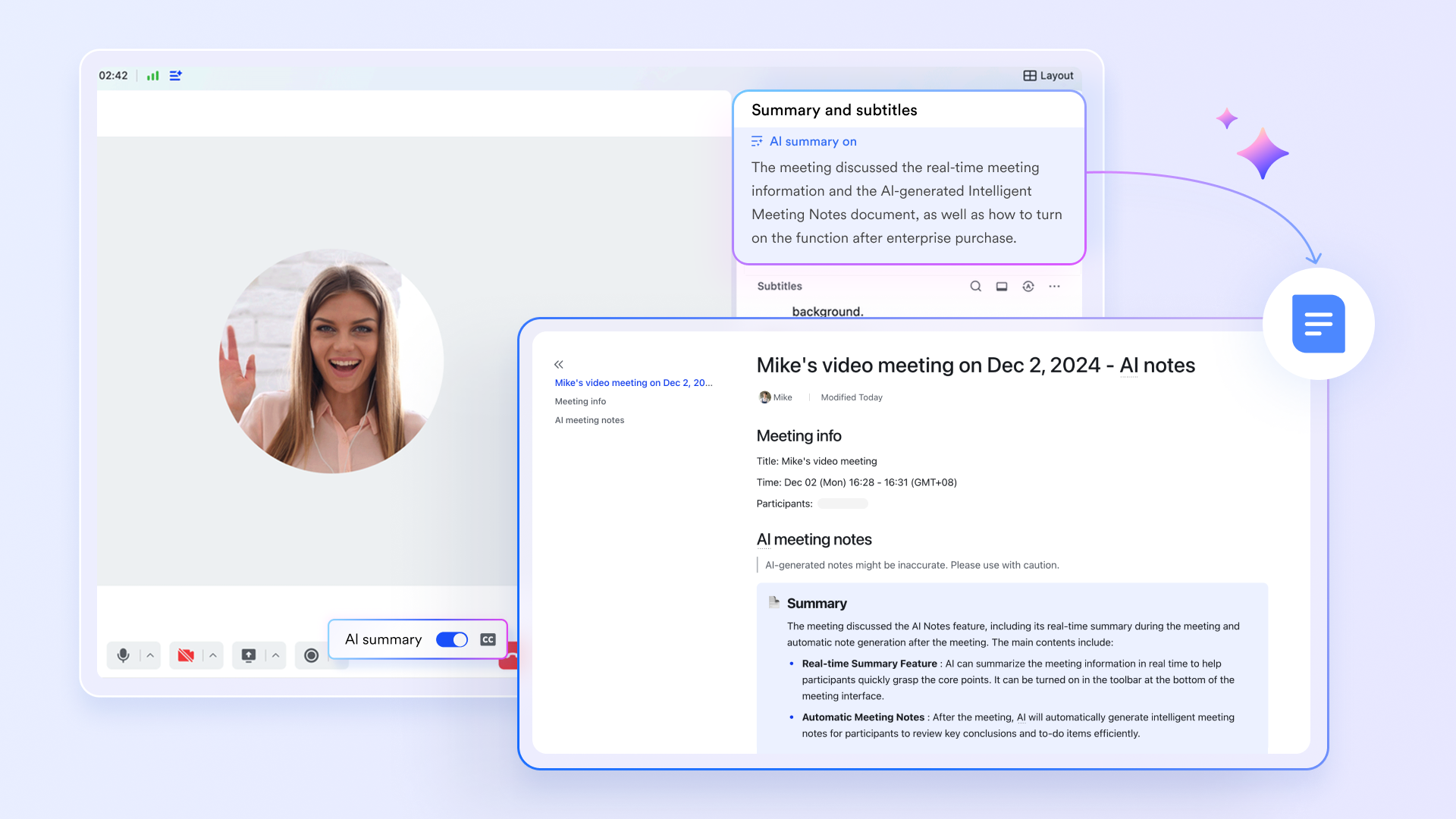
Coordinating plant upgrades requires alignment between leadership, engineers, and suppliers. Teams can use to run daily standups across different sites, and automatically share action items using , which transcribes and summarizes the discussion for those busy on the shop floor.
By bringing these operational tools into a single workspace, Lark removes the administrative friction that typically derails pilot programs, making it the ideal partner for scaling smart manufacturing.
:
- Starter plan: that includes 11 powerful tools for up to 20 users. It also comes with 100GB of storage space, 1000 automation runs, AI translations, and more. No credit card needed.
- Basic plan: (billed annually) for up to 500 users. It includes everything in Starter and unlimited message history, 5TB of storage space, 1,000 automation runs, and more. Some users may need to to purchase this plan.
- Pro plan: (billed annually) for up to 500 users. It includes everything in Basic plus group calling for up to 500 attendees, 15TB of storage space, 50,000 automation runs, and more.
- Enterprise plan: for custom pricing. Supports unlimited users and includes even more automation runs and advanced security, compliance, and management features.
For small teams with simple communication needs

18 months message history
1000 Base automation runs/month
2000 rows per table in Base
Most POPULAR
For companies with comprehensive collaboration and management needs
Unlimited message history
500-participant video meetings
50k Base automation runs/month
20k rows per table in Base
For large companies with advanced security and organizational management needs
Get a personalized demo and pricing
Unlimited message history
500-participant video meetings
15 TB storage + 30 GB storage/user
500k Base automation runs/month
50k Base automation runs/month
Most POPULAR
For companies with comprehensive collaboration and management needs
Unlimited message history
500-participant video meetings
50k Base automation runs/month
20k rows per table in Base
What the future of AI in manufacturing is likely to look like
Looking ahead, the evolution of AI on the factory floor will shift from standalone automation to highly cooperative, mobile-first technologies that work alongside human workforces.
Future industrial environments will rely heavily on real-time software assistants. Instead of searching through dusty binders, technicians will use voice or text queries to instantly pull machine manuals, view historical maintenance logs, and draft shift handovers—drastically reducing cognitive load and saving critical repair time.
Additionally, agentic workflows will begin replacing manual, administrative tasks. Rather than managers routing requests across isolated legacy systems, autonomous workflows will draft production schedules, queue spare parts orders, and send mobile approval cards directly to supervisors.
Ultimately, this transition will separate leaders from laggards. Factories relying on messy data, unstructured documents, and chaotic manual handovers will struggle. The long-term winners will be those who establish clean data, clear process logic, and strong human-in-the-loop oversight today.
Conclusion
Adopting AI in manufacturing is ultimately an execution and communication challenge, not just a technical one. The most advanced predictive algorithms are only as effective as the human coordination supporting them.
By running your operations on a unified workspace like Lark, you can bridge this execution gap. brings together mobile-friendly messaging, dynamic documents, automated approval workflows, and real-time translation—allowing you to align frontline operators with office managers and streamline your AI pilots from the shop floor to headquarters.
Start improving production and project alignment
FAQs
How is AI used in manufacturing?
Manufacturers deploy artificial intelligence to analyze operational data, predict equipment failures, automate quality inspections, and optimize production schedules. By replacing manual, paper-based tracking with digital systems, companies can lower scrap rates, minimize downtime, and keep frontline workers better connected to real-time machine performance.
What are the best AI use cases in manufacturing?
The most reliable and high-value applications include predictive maintenance, computer-vision-based quality inspection, demand forecasting, and engineering knowledge retrieval. Leaders should focus first on use cases that solve clear operational bottlenecks and possess clean, accessible historical data.
What is generative AI used for in manufacturing?
Generative models help technicians instantly query complex technical documentation, generate step-by-step assembly guides, translate standard operating procedures for multilingual workforces, and draft detailed shift handover reports. This reduces time spent searching through physical binders or disjointed shared drives.
What is agentic AI in manufacturing?
Agentic systems are emerging tools designed to execute multi-step processes across different business applications. Instead of just flagging a machine error, an agentic workflow can automatically check inventory databases for spare parts, submit a purchase request, and assign the repair task to the next available technician's shift schedule under human supervision.
What is the future of AI in manufacturing?
The future points toward a more collaborative environment where humans and intelligent systems work side-by-side. Expect fewer siloed automation tools and a stronger focus on unified workspaces that combine messaging, dynamic digital documents, and automated mobile approval flows to keep frontline and office staff perfectly aligned.
Related reading