














Customer Loyalty Guide: What Drives Long-Term Success

Ryan Tanner
Product Marketing Specialist
Sep 8, 2026
Ryan Tanner
Sep 8, 2026

15 min read


In business, customers don't just buy products—they buy outcomes, consistency, and trust. True customer loyalty is built when every interaction reinforces value. Teams that deliver proactive support, personalized engagement, and measurable results don't just retain clients—they create advocates.
In this guide, we'll explore what customer loyalty really means, the most direct causes behind it, and practical ways to build it using teamwork and visibility. We'll also show how Lark helps organizations strengthen relationships, prevent churn, and build communities of loyal, engaged customers.

What is customer loyalty?
Customer loyalty is the ongoing commitment customers have toward a brand or business because of positive experiences, consistent value, and emotional connection. Loyal customers choose you even when competitors offer similar products—not because you're the cheapest, but because they trust you to deliver.
Unlike simple satisfaction, loyalty goes deeper. It's built over time through dependable performance, meaningful engagement, and mutual success. The benefits of customer loyalty are far-reaching—higher lifetime value, stronger referrals, predictable revenue, and a resilient brand reputation.
A loyal customer base also gives teams a competitive edge. They provide feedback, defend your brand publicly, and are more open to upsells and innovation. That's why building customer loyalty isn't a marketing tactic—it's a business strategy.
 Image source: unsplash.com
Core notions differences: Customer loyalty vs retention
While both are often mentioned together, customer loyalty and customer retention serve different—but equally critical—roles in long-term growth. Understanding how they complement each other helps teams design strategies that prevent churn while deepening trust.
- Retention: Retention focuses on keeping customers from leaving. It's about consistent service quality, fast problem-solving, and removing friction points that cause frustration or drop-offs. Retention ensures the foundation of your customer base stays strong.
- Loyalty: Loyalty goes beyond satisfaction. It's when customers not only stay but also recommend you, engage more deeply, and expand their relationship with your brand. True loyalty transforms users into brand champions who drive organic growth. This loyalty process is often assisted with incentives, which loyalty tools like ReferralCandy help to set up. Understanding how loyalty programs work at a mechanics level, from points and tiers to referral structures, helps teams design better incentive strategies before choosing the right tool.
When teams operate with shared visibility and collaboration, both retention and loyalty strengthen naturally. Reliable delivery keeps customers satisfied, while consistent value and communication inspire advocacy—creating a cycle of growth and trust.
The four types of customer loyalty
Not all loyalty looks the same. True customer loyalty goes beyond repeat purchases—it's built on value, trust, and effortless experiences. Understanding these loyalty types helps brands strengthen relationships across every touchpoint.
- Financial loyalty: Customers stay because the price feels fair and the perks add tangible value. They're motivated by savings, exclusive offers, or bundled benefits. However, this form of loyalty is often short-term—it lasts only as long as the deal does.
- Emotional loyalty: This is loyalty built on trust, positive experiences, and brand connection. Customers return because they feel understood and valued, not just rewarded. Emotional loyalty drives advocacy and is the hardest (and most valuable) type to achieve.
- Value-driven loyalty: Here, customers stay because they believe in the product's impact or the brand's purpose. Whether it's sustainability, innovation, or reliability, their loyalty comes from alignment with your brand's mission and consistent delivery of real outcomes.
- Convenience loyalty: Customers remain loyal because the experience is effortless and connected. Easy access, fast support, and seamless digital touchpoints make staying loyal the most convenient choice—turning satisfaction into long-term retention.
Loyalty strategies businesses can start using today
Driving customer loyalty takes more than just a good product—it's about creating continuous value moments that customers can see and feel. These strategies help businesses strengthen retention, build trust, and turn satisfied users into long-term advocates.
- Personalized value moments: Customers remember brands that make them feel understood. Deliver tailored recommendations, timely check-ins, and meaningful gestures that reflect their needs. These moments reinforce that your company is invested in their success—a key driver of loyalty and customer satisfaction.
- Onboarding milestones tracked: A smooth start sets the tone for lasting loyalty. Track key onboarding milestones to ensure customers achieve early wins and stay engaged from day one. When customers see measurable progress, confidence rises—reducing churn and building long-term trust.
- Customer education + enablement: Empower your customers to succeed independently through tutorials, webinars, and resource hubs. Education boosts product adoption and helps customers realize ongoing value. The more equipped they are, the stronger their connection to your brand becomes.
- Closed-loop feedback improvements: Loyalty thrives when feedback turns into visible action. Collect, review, and implement customer suggestions regularly to show that every opinion counts. When users witness real improvements based on their input, their sense of partnership—and loyalty—deepens.
- Visibility into customer outcomes: Transparency transforms relationships into collaborations. Use analytics and shared dashboards to give teams a real-time view of each customer's progress and success metrics. This visibility helps you act before challenges escalate, nurturing proactive engagement and retention.
Practice in reality: Use Lark to strengthen customer loyalty smartly
Customer loyalty isn't built by chance—it's built by visibility, speed, and care. Lark brings every success touchpoint into one connected workspace, helping teams spot risks early, respond faster, and deliver consistent value across the customer journey. From proactive follow-ups to shared progress tracking, every feature in Lark is designed to make customers feel supported before frustration even starts. By combining data management, communication, and accountability, Lark helps turn everyday interactions into lasting loyalty drivers.
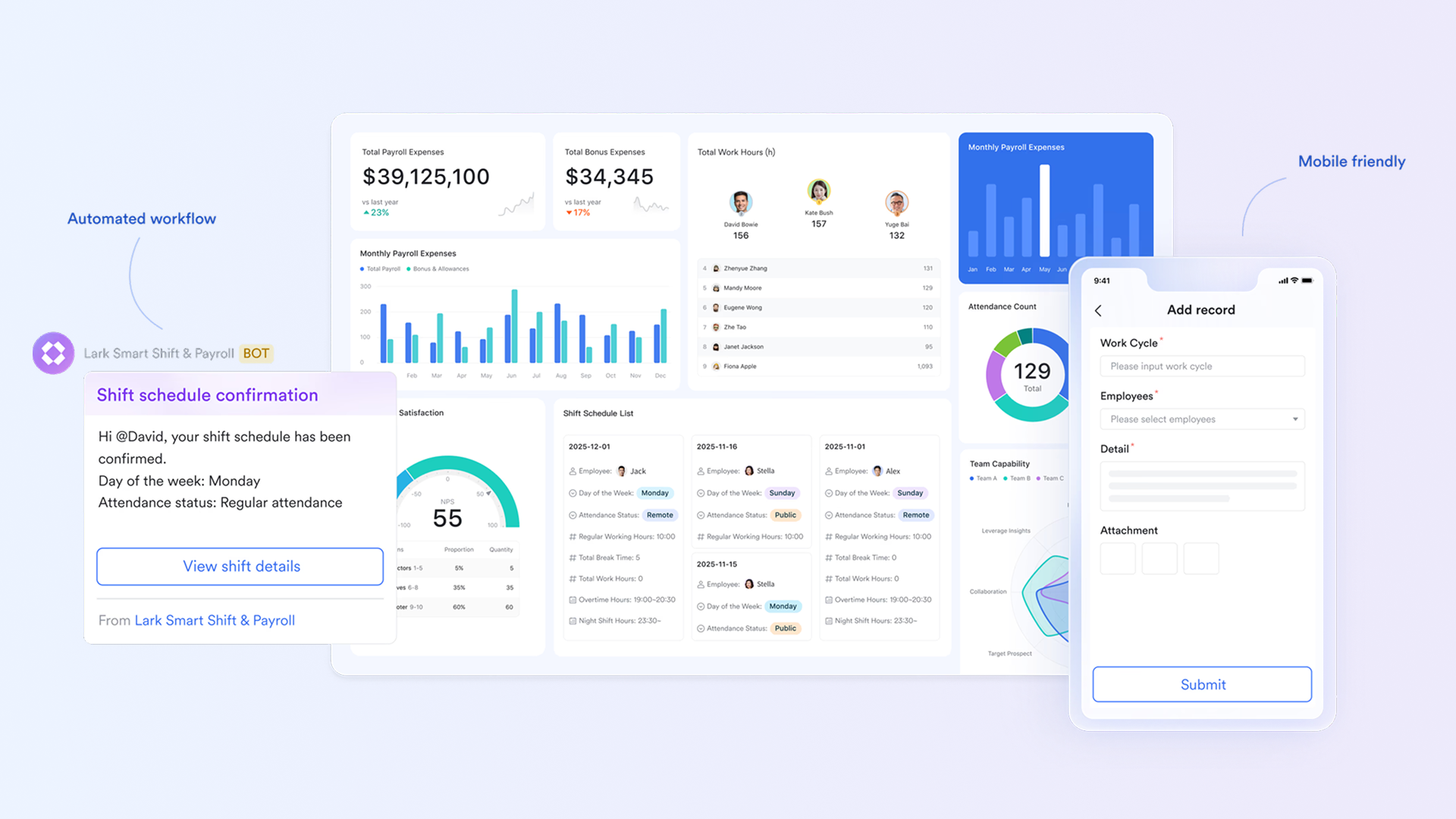
Key features:
Lark Base account health: Track key onboarding milestones and customer info
A loyal customer today can become frustrated tomorrow if no one notices their struggle. Lark Base provides a unified customer health view—usage trends, onboarding milestones, ticket volume, sentiment indicators, and renewal windows—all tracked live. When adoption dips or key actions stall, Base raises alerts and assigns follow-up ownership without manual checks. Because every customer detail lives in one place, teams respond early and with full context. This proactive approach makes customers feel supported before disappointment grows—one of the strongest loyalty drivers in any business.
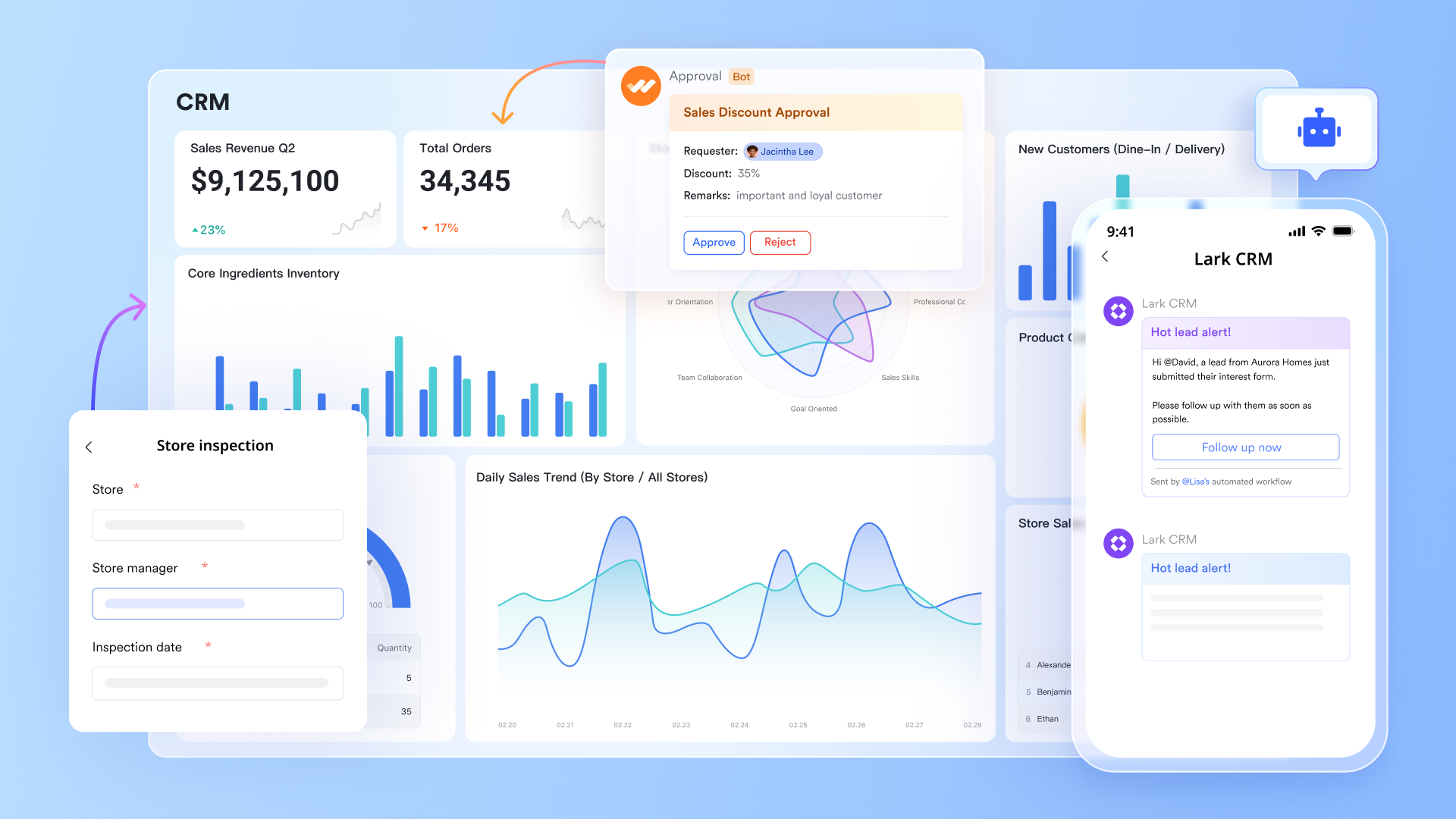
Lark Messenger channels: Increase personalized value moments
Response speed directly shapes customer confidence. Messenger Channels group internal teams around each account, keeping key conversations visible and traceable—not buried in private chats or emails. When customers ask for updates, the account owner can instantly involve product, support, or leadership right in the same . That removes slow handoffs and conflicting responses. Customers see that your entire organization is aligned behind their success, which reassures them that they chose the right partner—and should continue doing so.
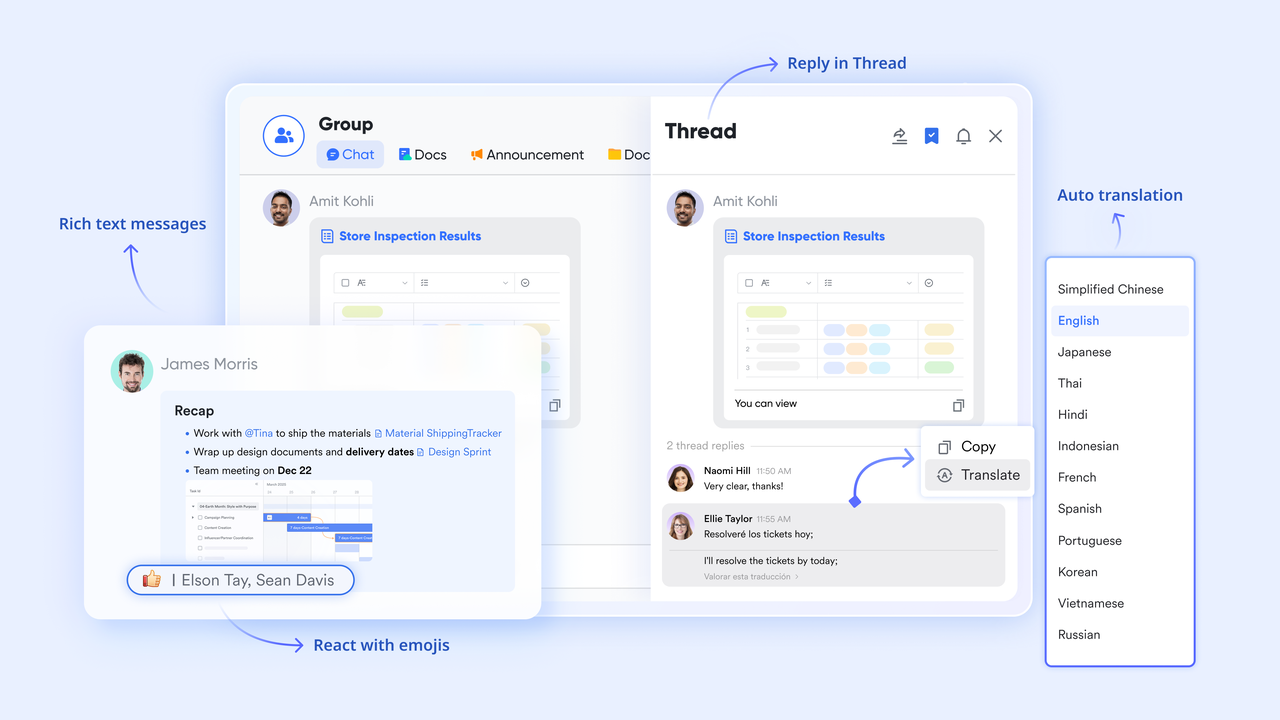
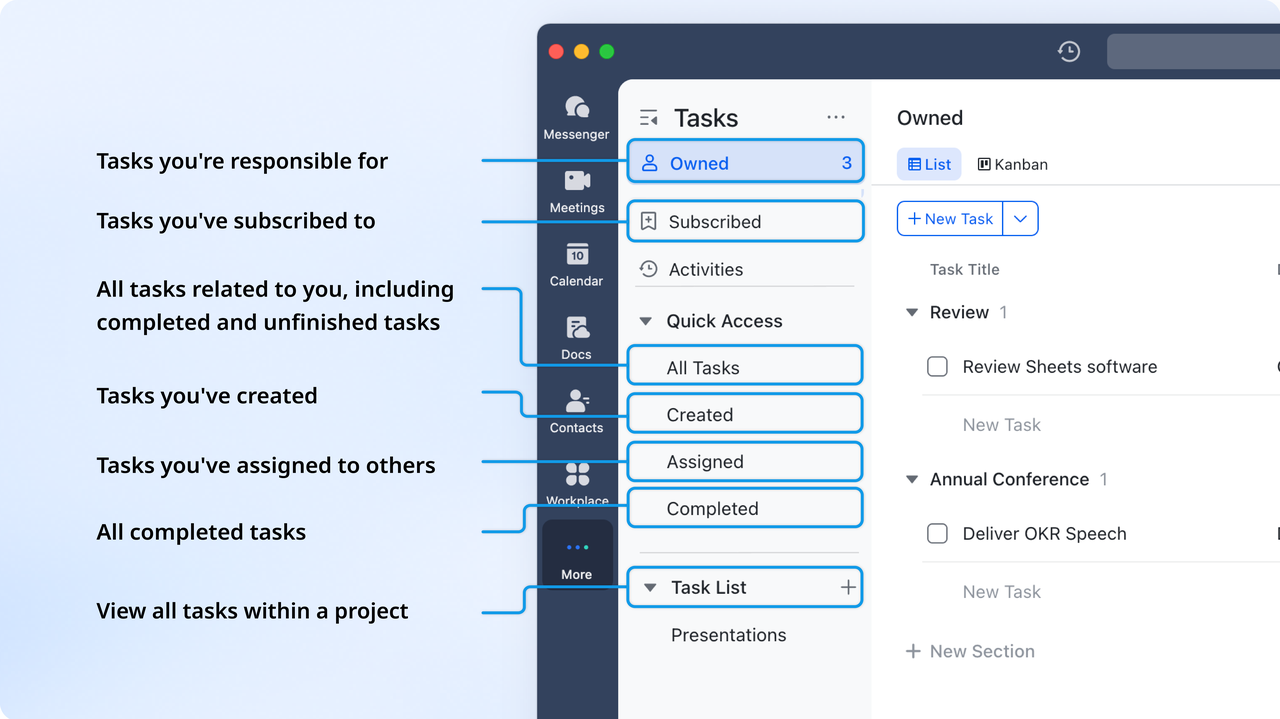
Lark Tasks automation: Keep every commitment you make
Missed follow-ups break trust—and once trust breaks, loyalty is expensive to rebuild. Lark Tasks ensures every customer promise has a clear owner, deadline, and reminder flow. Whether it's an onboarding checklist item, a requested product enhancement, or a renewal preparation action, Tasks keep the team accountable and progress transparent. Leaders can instantly see where effort is lagging and course-correct before it affects the customer. Because your team always delivers on what they say, customers see reliability as part of your brand.
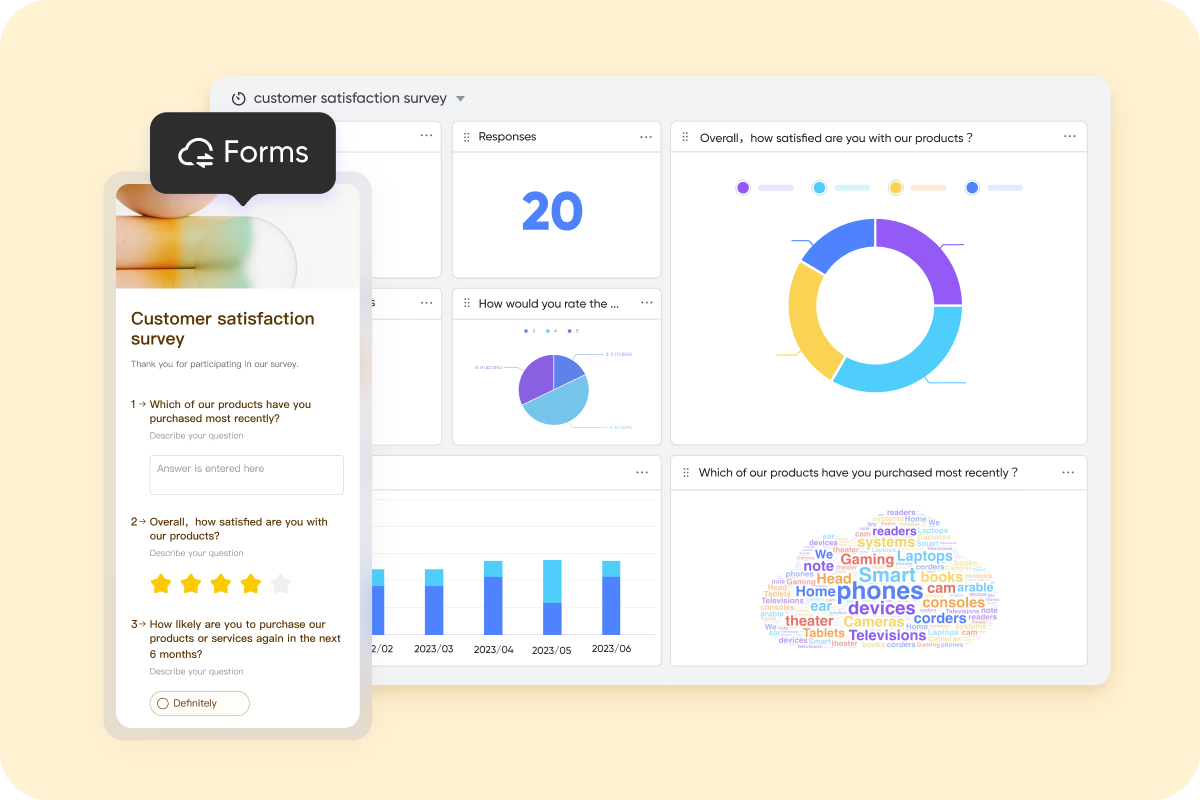
Lark Forms: Capture structured feedback that turns into improvements
Loyalty rises when customers see their opinions matter. Lark Forms helps teams collect activation scores, satisfaction ratings, product requests, and onboarding feedback with structured fields that connect directly to Base records. Responses automatically trigger Tasks or reviews so every suggestion gets addressed—not lost. Customers experience continuous improvement and can directly see that their feedback prioritizes product roadmap enhancements, turning them into long-term advocates who feel heard.
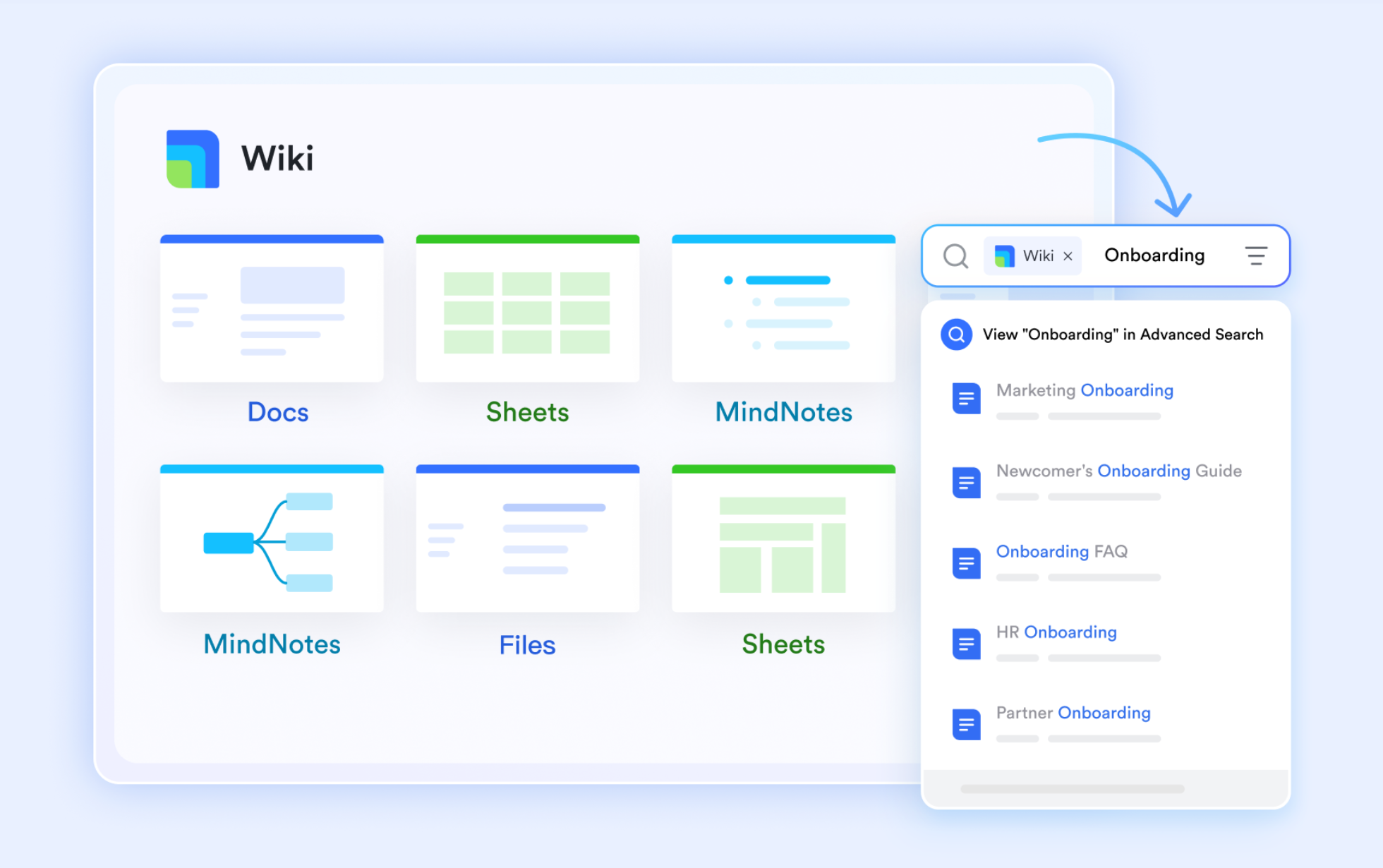
Lark Docs & Lark Wiki: Create customer education & enablement playbooks
Inconsistent guidance frustrates users—and frustration kills loyalty. Lark Docs and Lark Wiki provide version-controlled learning resources, onboarding guides, and success playbooks that always stay up-to-date and accessible. Links to workflows and records ensure documentation remains grounded in real customer needs. When customers navigate your product smoothly from day one—and always find accurate help—their confidence increases and their reliance on your solution deepens. Trust turns into routine usage, and routine usage becomes loyalty.
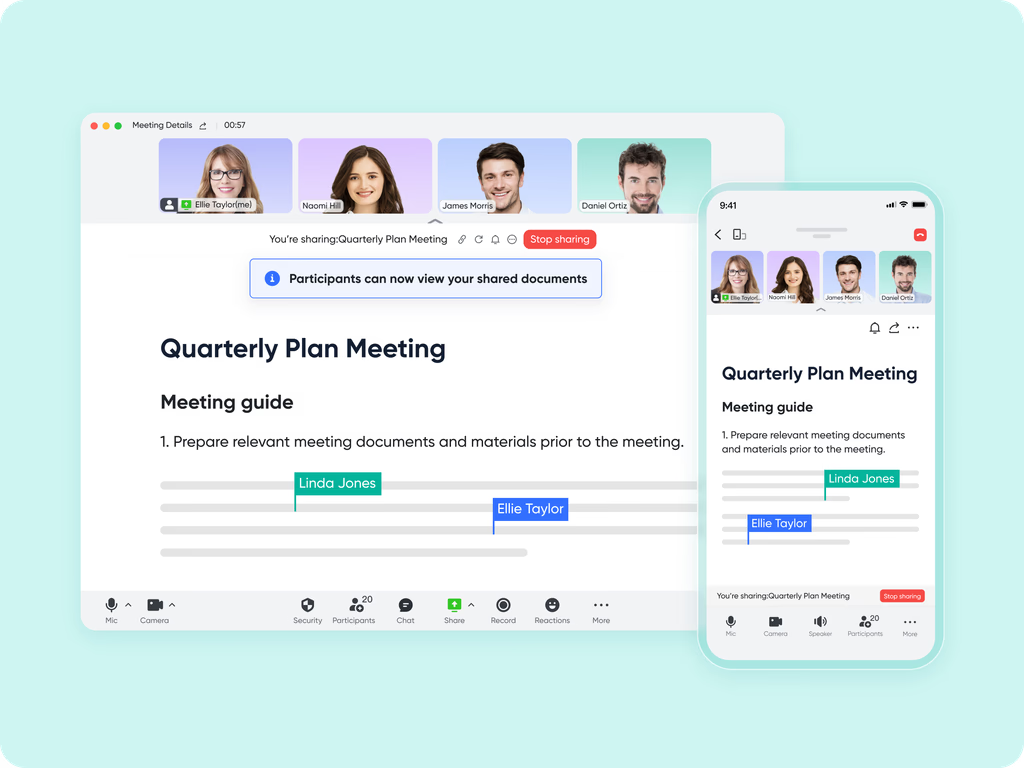
Magic Share in Lark Meetings: Share your achievement of customer outcomes
Customers develop long-term loyalty when they feel like active participants—not just recipients of updates. With Magic Share, teams open live customer dashboards, timelines, and plans right inside Meetings and make changes together based on real data. Customers witness prioritization decisions happening in real time, reinforcing transparency and partnership. By giving customers a seat at the decision-making table, you reinforce that their voice drives your actions—boosting emotional loyalty far beyond transactional support.
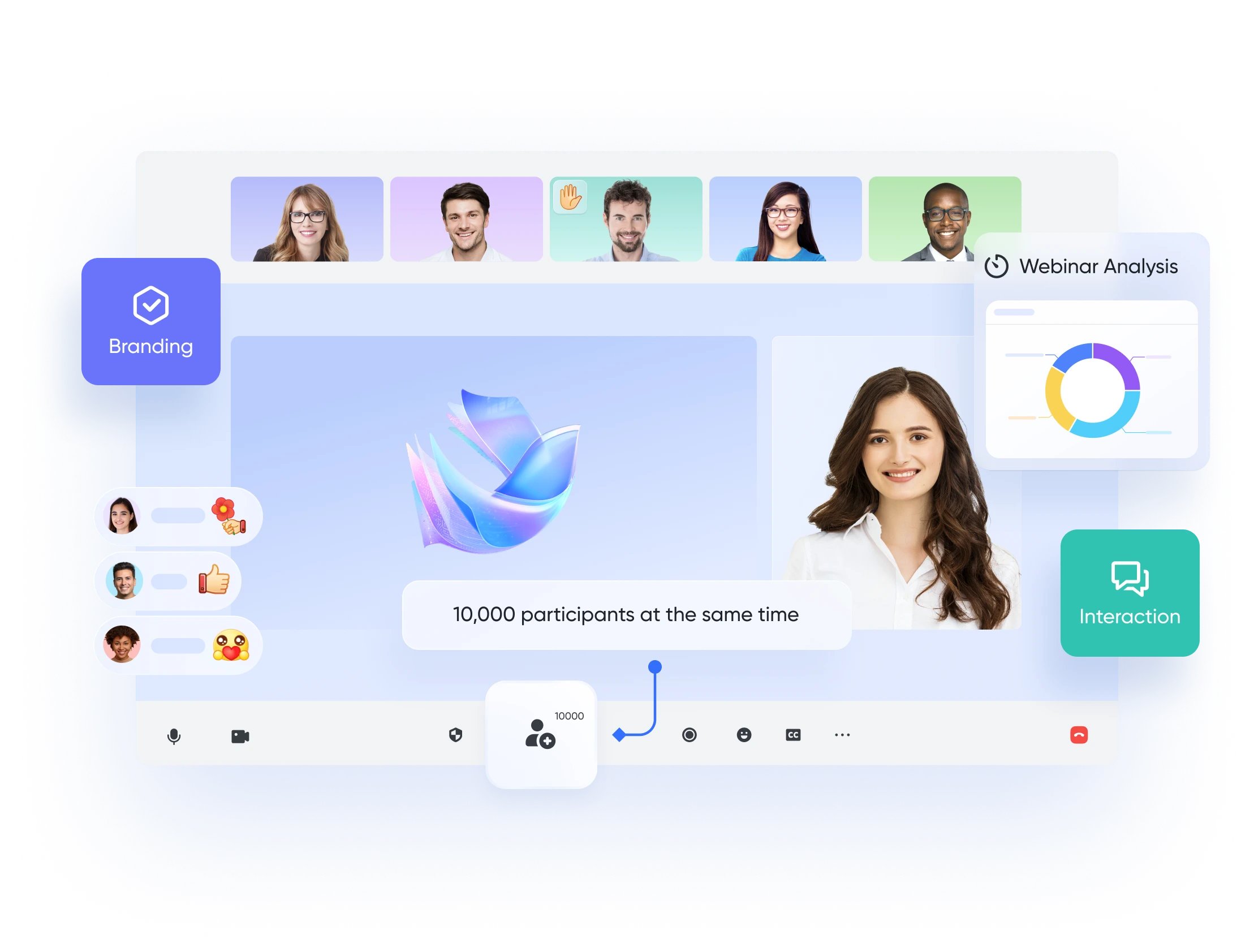
Lark Webinars: Maximize customer outcomes in a webniar
Education and belonging are loyalty power-ups that go beyond support tickets. Lark Webinars allow teams to host training sessions, user meetups, feature launches, and joint success reviews—all inside the same workspace where ongoing engagement happens. On the other hand, Webinar supports chat, reactions, polls, and "raise hand" features, in which customers can ask questions live and apply learning instantly. When a user feels valued as part of a professional community, their connection strengthens with every shared win.
- Starter plan: Free forever plan that includes 11 powerful tools for up to 20 users. It also comes with 100GB of storage, 1000 automation runs, AI translations, and more.
- Pro plan: $12/user/month (billed annually) for up to 500 users. It includes everything in Starter plus group calling for up to 500 attendees, 15TB of storage, 50,000 automation runs, and more.
- Enterprise plan: Contact sales for custom pricing. Supports unlimited users and includes even more automation runs and advanced security, compliance, and management features.
Where Lark stands apart
True customer retention happens when teams collaborate to deliver ongoing value, not just points or perks. Businesses today need systems that connect engagement, communication, and performance—not separate them. Lark stands out by combining visibility, accountability, and real-time teamwork into one workspace. It transforms customer experience from transactional to truly relational, helping companies build loyalty that lasts.
Deeper thinking: What is the most direct cause of customer loyalty
The real secret behind lasting customer loyalty isn't rewards or discounts—it's how consistently you deliver value and help customers succeed. Loyalty grows from results, not transactions. The businesses that retain customers long-term are the ones that deliver continuous value and momentum toward customer success.
- Not discounts: Price cuts may attract attention, but they rarely sustain loyalty. Once a cheaper option appears, price-based loyalty fades instantly. True loyalty comes when customers believe they get more value from your partnership than they ever could elsewhere.
- Not rewards: Points and perks can encourage repeat actions, but they don't build emotional connection. Customers may redeem rewards but still switch when frustrated. Loyalty lasts only when satisfaction is paired with consistent performance and trust.
The most direct cause of customer loyalty is consistent delivery of value and customer success momentum. Customers remain loyal when every interaction—from onboarding to renewal—proves that your product and team are invested in their outcomes.
- Fast support: Responsiveness is one of the strongest customer loyalty drivers. When teams resolve issues quickly and communicate clearly, customers feel prioritized. Each quick, helpful response reinforces reliability and builds emotional confidence in your brand.
- Proactive follow-ups: Don't wait for customers to raise problems. Check in after milestones, new feature launches, or major updates to ensure satisfaction. This proactive communication shows attentiveness and prevents small frustrations from becoming churn triggers.
- Personalized engagement: Treat customers as partners, not tickets. Use data and context to tailor conversations, anticipate needs, and celebrate wins. Personalized engagement helps customers feel recognized—and people stay loyal to brands that truly see them.
- Reliable outcomes: Consistency is the foundation of customer loyalty and retention. When your product performs as promised and results remain predictable, trust deepens. Reliability converts expectations into habits—and habits create long-term loyalty.
Conclusion
Building customer loyalty is not about discounts or one-time gestures—it's about delivering consistent value, proactive support, and authentic relationships. When teams have visibility into customer needs and align around shared goals, loyalty grows naturally. Lark makes that possible by connecting communication, data, and accountability in one workspace. From early engagement to long-term retention, every interaction becomes a loyalty moment. With Lark, businesses don't just manage customers—they empower success, strengthen trust, and turn satisfied users into lifelong advocates.
FAQs
What are the biggest benefits of customer loyalty?
Customer loyalty boosts retention, reduces acquisition costs, and increases lifetime value. Loyal customers spend more, refer others, and advocate for your brand. They're also more forgiving of mistakes and engaged in long-term relationships. For any business, strong loyalty creates sustainable growth, predictable revenue, and lasting customer trust built on consistent value delivery.
How do you measure customer loyalty effectively?
Loyalty can be measured using metrics like Net Promoter Score (NPS), Customer Retention Rate, Customer Lifetime Value (CLV), and repeat purchase frequency. Tracking engagement levels, renewal patterns, and feedback sentiment also reveals loyalty depth. Combining these insights helps teams assess satisfaction, identify risks, and strengthen long-term customer relationships with proactive service and personalized care.
What causes customers to lose loyalty?
Customers lose loyalty when expectations aren't met—slow responses, inconsistent experiences, or lack of follow-up all erode trust. Poor onboarding, product issues, or feeling undervalued can trigger churn. Maintaining transparency, delivering on promises, and addressing feedback quickly are key to preventing disengagement and preserving a customer's confidence in your brand.
Does B2B loyalty work differently from B2C?
Yes, B2B loyalty focuses more on relationships, trust, and shared outcomes rather than emotional branding. B2B clients value proactive communication, reliability, and measurable success. While B2C loyalty often relies on emotional connection and convenience, B2B loyalty is built through collaboration, long-term results, and consistent delivery that aligns with business objectives and customer goals.
Can loyalty grow without a rewards program?
Absolutely. While rewards help, true customer loyalty comes from delivering consistent value, proactive support, and personalized experiences. Customers stay loyal when they feel seen, supported, and successful. Fast issue resolution, transparent communication, and continual improvement create emotional and value-based loyalty that lasts longer than any points-based incentive program ever could.
How does operational excellence impact loyalty?
Operational excellence ensures every process runs smoothly—from onboarding to support—minimizing friction and frustration. When teams deliver consistently and fulfill commitments, customers trust the brand more deeply. Reliable service, speed, and quality create confidence and satisfaction, turning everyday interactions into moments that reinforce long-term customer loyalty and retention.
Related reading
Table of contents
Start using Lark today

Manage all your work in one place
Boost team efficiency by 10x
Save up to 70% on software costs
Table of contents
Start using Lark today
Manage all your work in one place
Boost team efficiency by 10x
Save up to 70% on software costs
Keep reading







2026 Lark Technologies Pte. Ltd.
Headquartered in Singapore with offices worldwide.






Explore: