














Lean Software: Principles, Benefits, and Tools

Ryan Tanner
Product Marketing Specialist
Sep 18, 2026
Ryan Tanner
Sep 18, 2026

17 min read


Why do so many software projects run over budget, miss deadlines, or deliver features no one really needs? The problem isn't just bad planning—it's wasted effort. Lean software takes a different approach, eliminating waste and focusing on what brings the most value. It's about working smarter, improving continuously, and keeping users at the center of every decision. In today's fast-moving world, these principles aren't optional—they're essential. And with modern tools that make workflows more visible and collaborative, like Lark, lean thinking has become easier to put into practice, transforming how teams build and deliver software.

What is lean software?
Lean software is the application of lean thinking to software development, focusing on delivering more value with fewer resources. Inspired by lean manufacturing software practices pioneered at Toyota, the approach was introduced to the tech world through the influential work of Mary and Tom Poppendieck on lean software development principles. At its core, lean software emphasizes speed, efficiency, and continuous improvement, ensuring teams spend time only on what truly benefits users.
In practice, this means streamlining workflows, cutting waste, and improving collaboration. Tools like Lark Base bring these ideas to life with Kanban boards, workflow automation, and real-time tracking—making lean management software actionable for modern teams.
Image source: unsplash.com
The 7 principles of lean software development
Lean software development applies the principles of lean manufacturing to software creation. It's an agile framework designed to maximize value while minimizing waste, guided by seven core principles that help teams build efficient, high-quality, and user-focused products. Let's break them down:
- Eliminate waste: At the heart of lean software is the idea that anything not adding value should go. In development, waste often hides in unnecessary features, redundant code, excessive documentation, or bottlenecks caused by unclear communication. The aim is to streamline the process, so every effort contributes directly to customer value.
- Build quality in: Instead of catching errors at the end, lean teams focus on embedding quality throughout the process. That means testing early and often, writing clean code, and sticking to shared best practices from the start. By building quality in, teams avoid costly fixes later and deliver more reliable products.
- Create knowledge: Software development is not just about writing code—it's a constant learning journey. Lean encourages teams to learn from experiments, share insights, and adapt continuously. Knowledge grows when successes and failures are openly discussed and documented.
- Defer commitment: In lean thinking, flexibility is a strength. Rather than making irreversible decisions too soon, teams are encouraged to wait until the "last responsible moment." This approach allows them to gather more data, test assumptions, and incorporate real user feedback before committing. The result? Products that fit user needs more accurately.
- Deliver fast: Speed is not about rushing—it's about reducing cycle time so that ideas quickly reach users. Lean teams aim to shorten feedback loops, deliver in small increments, and learn from every release. Faster delivery means more opportunities to adapt and improve.
- Respect people: No lean system works without trust and respect for the people building it. Teams thrive when individuals feel ownership of their work and are empowered to solve problems creatively. Lean values the expertise of those closest to the work, recognizing them as key drivers of improvement.
- Optimize the whole: Finally, lean software reminds us to look at the system as a whole, not just isolated parts. A team that optimizes one stage at the expense of another often creates new bottlenecks. The goal is end-to-end flow, where every process works in harmony toward the same outcome.
Lean software vs Agile development
Similarities: Despite different origins, Lean and Agile have several shared principles that make them highly compatible. Both emphasize learning, delivering value, and staying responsive to change.
Differences: While they overlap in many ways, Lean and Agile diverge in their primary philosophies. Lean is about efficiency and waste reduction, while Agile is about adaptability and embracing change.
Lean + Agile hybrid: When combined, Lean and Agile form a model that's both efficient and adaptable. Lean eliminates waste and streamlines workflows, while Agile ensures teams remain flexible and responsive to changing needs.
In Lark Base, this hybrid approach is reflected in the ability to switch between Kanban boards (ideal for Lean's efficiency) and sprint boards (perfect for Agile's adaptability). This flexibility allows teams to apply the best of both methods, depending on the project's needs.
Lean manufacturing software vs lean software development
Lean manufacturing software focuses on optimizing physical processes inside factories: reducing excess inventory, improving production flow, and ensuring every resource is used efficiently. It applies lean management software principles to tangible workflows like assembly lines and supply chains, where the goal is to streamline operations and eliminate waste.
Lean software development, on the other hand, adapts these same principles to digital work. Instead of machines and stock, the focus is on project workflows, backlog management, and delivery pipelines. Guided by core lean software development principles, teams prioritize high-value tasks, cut inefficiencies, and build products that directly serve customer needs.
Here's how they compare:
With Lark Base, teams can adapt lean principles for digital projects just as manufacturers optimize production lines—making lean practices practical across both physical and digital environments.
Challenges of learning software and how Lark solves
Like any methodology, lean software development comes with its own set of challenges. Teams may struggle to maintain discipline, scale practices across multiple departments, or stay aligned on priorities. Fortunately, the right tools make it easier to put lean thinking into action.
Hard to maintain discipline
Lean depends on consistency, but sticking to the process day after day isn't always easy. Teams can lose visibility into workflows, skip agreed steps, or let small bottlenecks pile up. When discipline slips, inefficiency creeps back in and slows the entire system.
How Lark helps: Automated reminders and workflow triggers in Lark Base keep tasks moving without relying on memory or manual follow-ups. The system nudges teams to stay on track, making discipline part of the workflow itself.
Scaling lean across multiple teams
Applying lean with a single team is often straightforward, but scaling it across departments adds complexity. Different teams may use their own project management tools, priorities, or processes, creating misalignment. This disconnect can break the flow and undermine the benefits of lean software development.
How Lark helps: Dashboards in Lark Base consolidate all workflows into one place, providing leaders and teams with a unified view of their work. Everyone sees the same priorities, dependencies, and progress, making alignment easier even at scale.
Unclear priorities
One of the most significant risks in lean software is losing focus on what truly matters. Without clear priorities, teams may end up optimizing the wrong tasks or delivering features customers don't value. This not only wastes effort but also reduces customer satisfaction.
How Lark helps: Lark Docs and Lark Wiki create a shared space where goals, strategies, and team actions are clearly documented. With priorities transparent and aligned, every task contributes directly to delivering customer value.
Using Lark to enable lean software practices
Applying lean software development in practice requires the right tools to keep workflows visible, communication clear, and processes efficient. Lark provides an all-in-one suite of features that map directly to lean principles, helping teams eliminate waste, maximize value, and continuously improve. Here's how each feature supports lean practices:
Lark Base: Visualize and streamline lean workflows
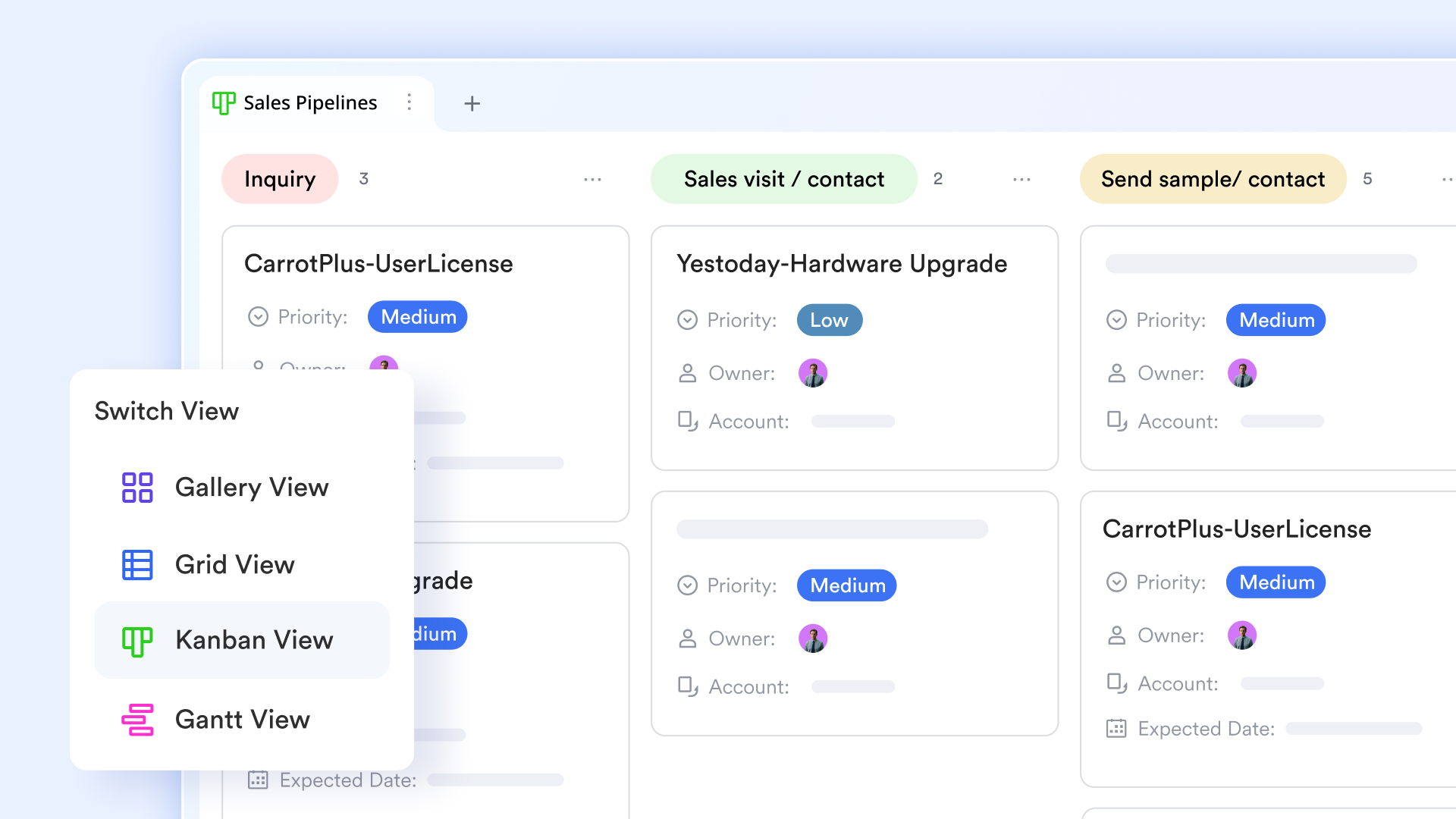
A core lean principle is making work visible, so teams can quickly identify inefficiencies and improve workflow. Lark Base brings this to life with its Kanban view:
Teams can build centralized project databases where every task is represented as a card moving through stages, such as "To Do," "In Progress," and "Done." This gives an instant snapshot of progress and highlights bottlenecks where tasks pile up. Work-in-progress (WIP) limits help teams avoid overload, ensuring a smooth and continuous flow—an essential part of lean software development.
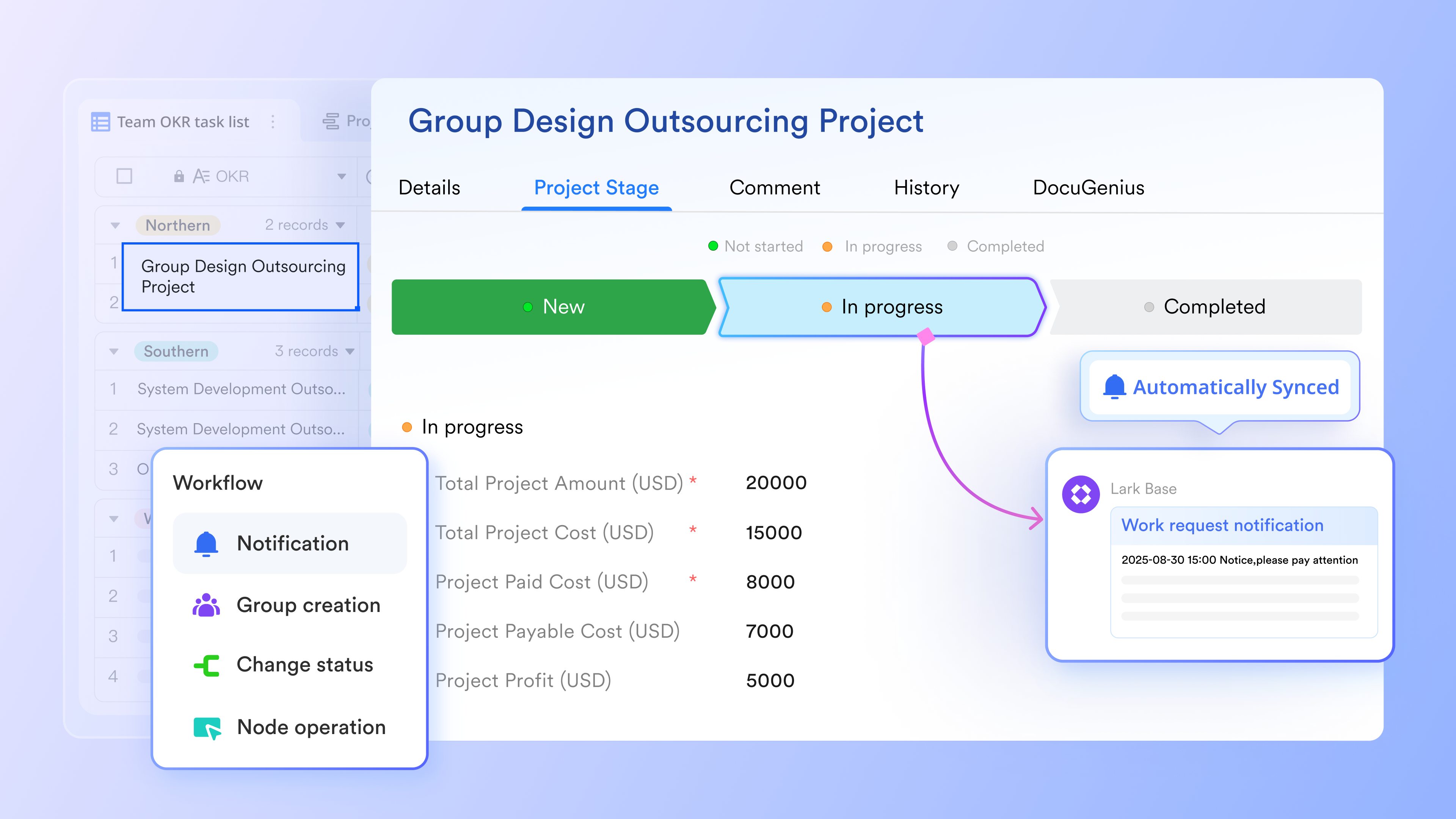
One of lean's goals is to eliminate waste, and that includes unnecessary manual work. Lark's automated workflows turn repetitive tasks into seamless processes:
Rules can be set to trigger specific actions—for example, when a task moves to "In Review," the QA team is automatically notified in Messenger. This reduces the need for manual check-ins and ensures smooth handoffs between stages. By automating routine tasks, teams can maintain their focus on higher-value work and keep momentum without friction.
Lark Tasks: Drive accountability in lean teams
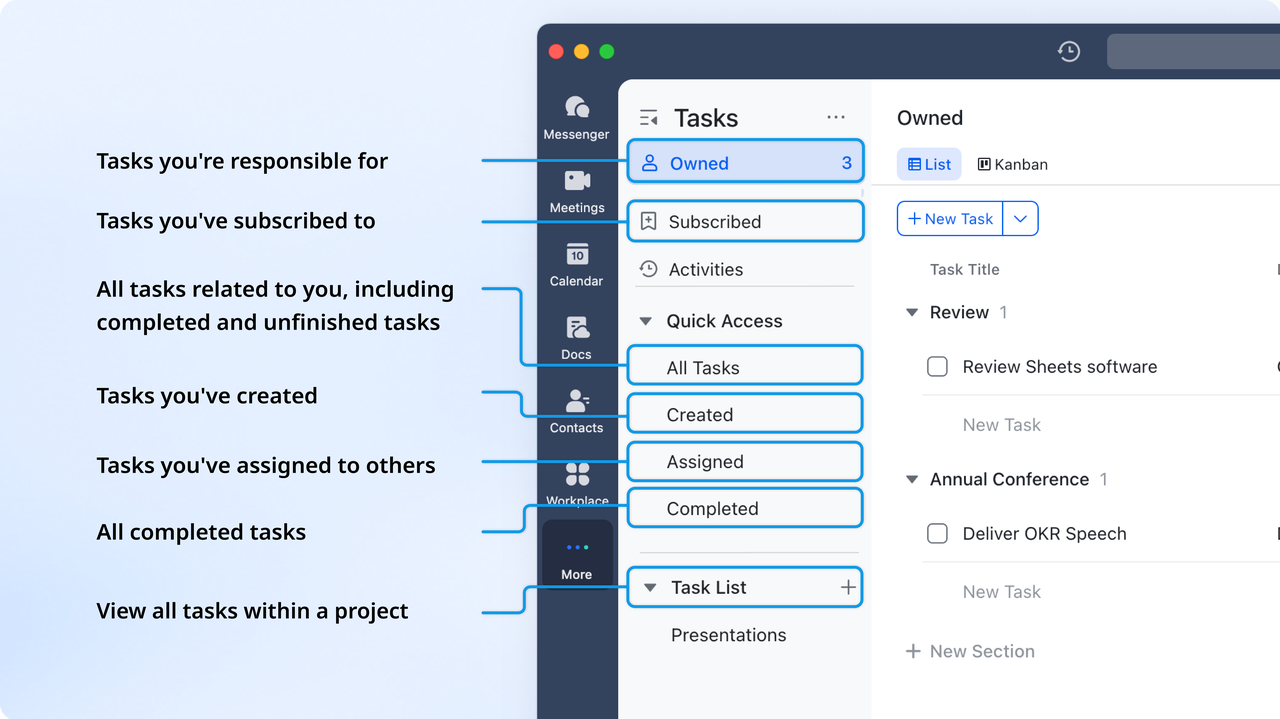
Accountability is key in lean systems, and clarity around who owns what ensures work flows smoothly without delays. With Lark Tasks, assigning and tracking progress becomes seamless:
Lark Tasks can be created, assigned to specific team members, given deadlines, and monitored in real time. This transparency reduces confusion and prevents important work from slipping through the cracks. Since tasks can also be generated directly from chats or documents, nothing gets lost in the shuffle, and workflows remain fully connected.
Lark Messenger + Lark Meetings: Keep lean teams aligned
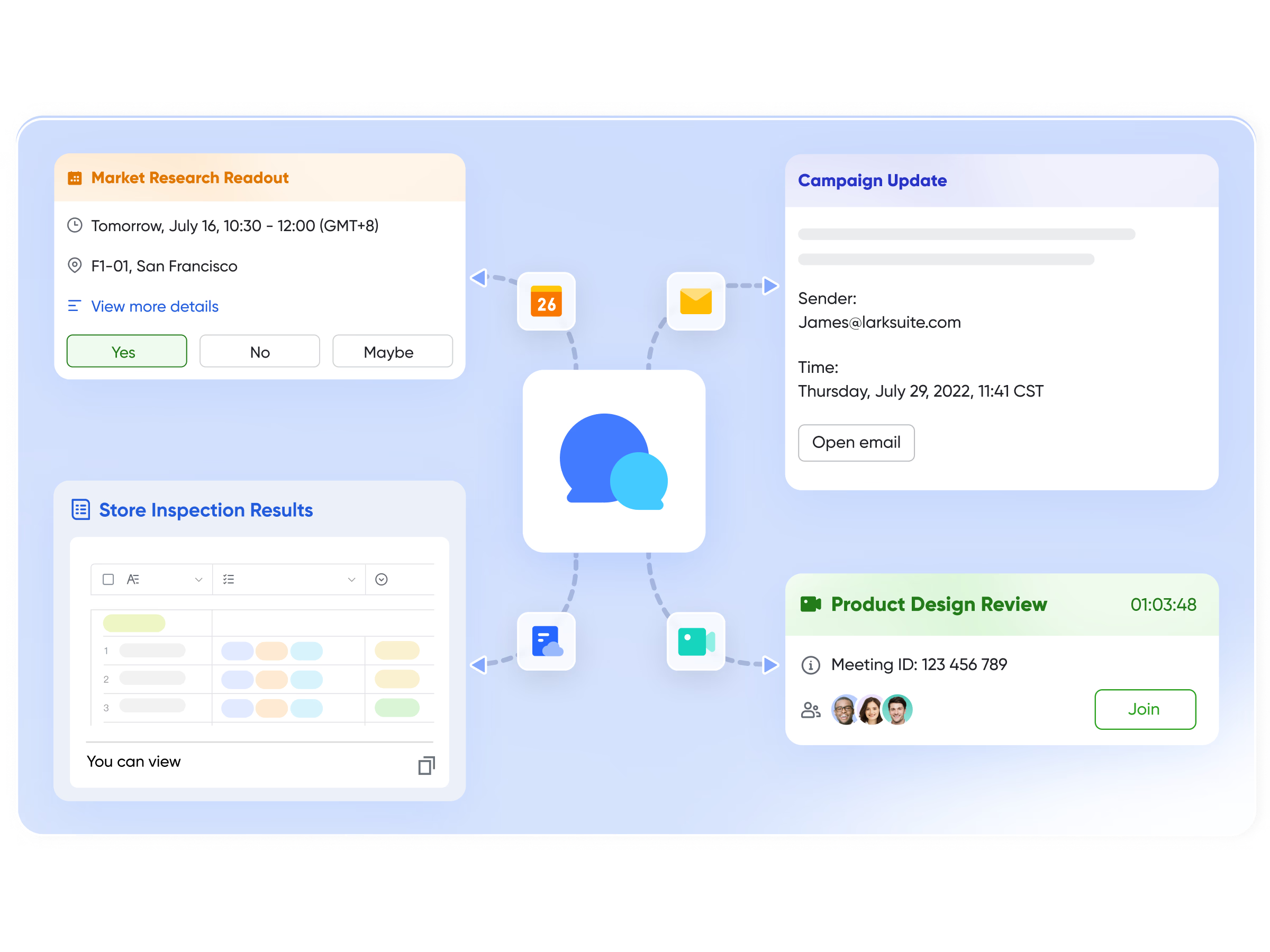
Communication is the lifeblood of lean teams, ensuring problems are addressed before they become bottlenecks. Lark provides multiple ways to stay connected:
Messenger enables quick, focused discussions in group chats or direct messages, reducing the need for endless email threads. Meetings paired with Lark Minutes make daily stand-ups more effective—team members can share progress, flag blockers, and quickly decide on next steps. With auto-generated meeting minutes linked back to tasks, everyone has a clear record of responsibilities and action items.
Lark Calendar: Coordinate lean software development
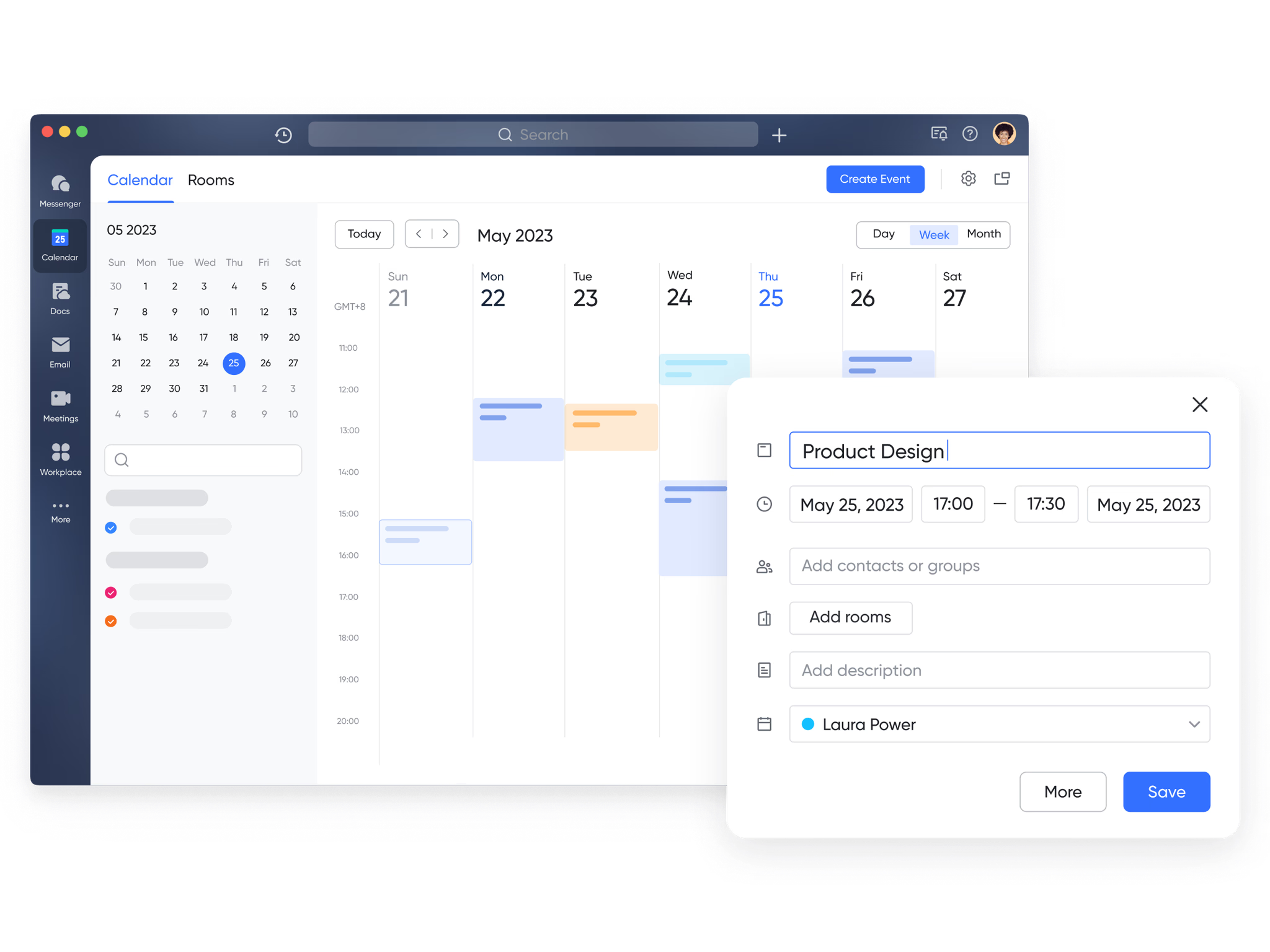
Coordination across teams is crucial to maintaining a lean workflow. Lark Calendar serves as the anchor for key events:
Teams can schedule sprint reviews, product launches, and cross-functional syncs with ease. Shared visibility ensures everyone can see availability at a glance, minimizing scheduling friction. By linking Base records or Docs directly to events, participants arrive prepared with full context—avoiding wasted time in meetings.
Lark Docs + Lark Wiki: Build knowledge for lean success
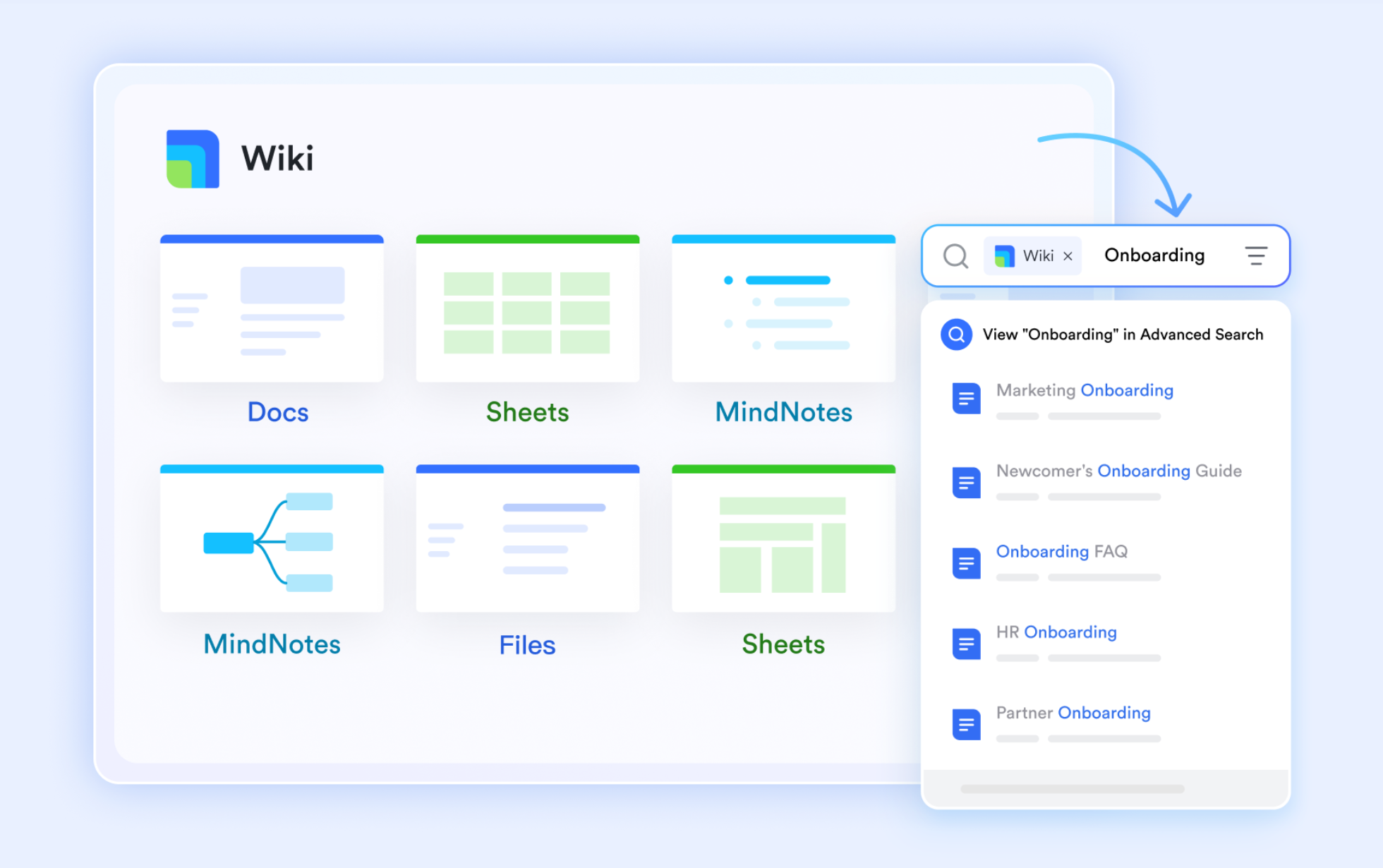
Lean thrives on building quality in from the start, and that requires consistent access to accurate information. Lark Docs and Wiki provide a powerful knowledge backbone:
Docs allow teams to collaborate in real time on project plans, feature requirements, or meeting notes, while the Wiki provides a structured repository for finalized standards, policies, and guides. This dual system prevents knowledge silos and ensures everyone is working from the same playbook. The result is fewer errors, less rework, and higher quality output.
Lark Sheets: Track lean metrics and boost improvement
Continuous improvement is only possible when performance can be measured. Lark Sheets makes lean metrics easy to track:
Teams can build dashboards to monitor cycle time (the duration of tasks from start to finish) and throughput (the number of tasks completed over a set period). These insights help identify recurring bottlenecks and guide process improvements. By analyzing trends, teams can make data-driven decisions to fine-tune their workflows and optimize the whole system.
- Starter plan: Free forever plan that includes 11 powerful tools for up to 20 users. It also comes with 100GB of storage, 1000 automation runs, AI translations, and more.
- Pro plan: $12/user/month (billed annually) for up to 500 users. It includes everything in Starter plus group calling for up to 500 attendees, 15TB of storage, 50,000 automation runs, and more.
- Enterprise plan: Contact sales for custom pricing. Supports unlimited users and includes even more automation runs and advanced security, compliance, and management features.
Benefits of lean software
Adopting lean software development brings significant advantages that reshape how teams build, deliver, and refine products. From faster cycles to happier customers, the benefits go well beyond efficiency.
- Faster delivery cycles: Lean software emphasizes cutting delays and streamlining workflows, which means features and improvements reach users much faster. Shorter cycle times allow teams to gather feedback early and adjust quickly, reducing the risk of wasted effort. By delivering value continuously, rather than waiting for major releases, organizations remain competitive in rapidly changing markets.
- Lower development costs: When waste is eliminated, costs naturally go down. Lean software helps teams avoid overbuilding features, rewriting poor-quality code, or maintaining unnecessary processes—all of which eat into budgets. By focusing only on what creates value, organizations achieve more with fewer resources, stretching their investments further without sacrificing quality.
- Better collaboration across teams: Lean principles break down silos by making workflows transparent and encouraging shared ownership of results. Cross-functional teams—from developers to testers to business stakeholders—can see the same process and contribute to solving problems. This collaboration not only enhances efficiency but also fosters trust and accountability throughout the organization.
- Higher customer satisfaction: By focusing on value, lean software ensures that what gets built is closely aligned with user needs. Fast delivery and regular feedback loops mean customers feel heard and see their input reflected in the product. This responsiveness builds stronger relationships, higher satisfaction, and long-term loyalty.
- Continuous improvement culture: Lean is not just about one project—it's about creating a culture that thrives on learning and adaptation. Teams regularly reflect on what's working and what isn't, then make small, incremental improvements. Over time, this mindset leads to more resilient teams and consistently better products.
To support these outcomes, tools like Lark Base dashboards and Lark Sheets provide teams with visibility into progress and the value delivered. By tracking results in real-time, organizations can see the impact of lean practices as they occur, reinforcing a culture of efficiency and continuous improvement.
Examples of lean software in action
Lean software is not just a set of principles—it's a set of principles that teams can apply in their daily practice across development, product management, operations, and support. Here are some real-world examples of how lean thinking is applied in practice.
- Development: In software development, one of the primary sources of waste is rework resulting from recurring bugs or unclear requirements. Lean practices encourage teams to track issues systematically, address root causes, and build quality into every step. By catching problems early and making workflows transparent, developers spend less time fixing and more time building value. This keeps codebases cleaner and reduces delivery cycles.
- Product management: Feature creep is a classic form of waste—cluttering products with functionality users may never need. Lean product management prioritizes the features that bring the most value to customers. Teams continuously gather feedback, refine requirements, and cut anything that doesn't directly support user outcomes. The result is a product that's both lighter and more impactful.
- DevOps: In DevOps, bottlenecks in build, test, or deployment pipelines can slow down the entire value stream. Lean encourages continuous integration and delivery (CI/CD) with automated testing, fast deployments, and real-time monitoring. By reducing idle time and eliminating manual handoffs, teams push updates to production faster while maintaining quality. This accelerates learning and keeps the product aligned with customer needs.
- Support: Customer support is another area where waste often builds up—in backlogs, repeated handoffs, or slow responses. Lean practices focus on creating smooth ticket flows, removing redundant steps, and resolving issues at the first point of contact whenever possible. By optimizing how tickets move through the system, teams can reduce resolution time and improve customer satisfaction without increasing workload.
Across all these functions, Lark helps teams implement lean ideas quickly. Whether it's a bug-tracking board, a feature-prioritization workflow, or a support queue, pre-built templates make it easy to get started while keeping processes flexible and aligned with lean principles.
Conclusion
At its core, lean software is about doing more with less—removing waste, moving fast, and continually improving. It's a mindset that helps teams stay focused on what matters most: building software that delivers real value to customers. The beauty of lean is that it scales, from startups chasing speed to enterprises seeking efficiency. And with tools like Lark, the principles don't stay stuck on paper—they become part of everyday workflows. From visual Kanban boards to automation that removes repetitive work, Lark makes lean practical, helping teams turn big ideas into more brilliant, faster results.
FAQs
How does lean software improve time-to-market?
Lean software accelerates delivery by eliminating waste—such as unnecessary features, lengthy review cycles, or repetitive rework—and focusing solely on tasks that add value. This reduces delays and shortens feedback loops, soupdates reach users faster. With Lark Base, teams can track work in real time, automate workflows, and keep projects moving without manual bottlenecks, making faster time-to-market a reality.
Can lean software be combined with DevOps practices?
Yes, lean and DevOps work exceptionally well together. Lean focuses on efficiency and value delivery, while DevOps emphasizes automation, continuous integration, and deployment. Together, they create a pipeline that's both fast and reliable. Lark tools support this combination by connecting workflows, code reviews, and automated reporting, helping teams apply both practices without friction.
Is lean software development suitable for startups vs enterprises?
Both. For startups, lean software helps move quickly, test ideas, and avoid wasting resources on features no one needs.For enterprises, it's about scaling efficiency across large and complex teams, while keeping projects aligned with business goals. Lark Base adapts to both scenarios, giving startups lightweight templates to get started and enterprises advanced dashboards to manage multiple teams at scale.
Can lean software be applied in remote or hybrid teams?
Absolutely. In fact, lean principles—visibility, collaboration, and continuous improvement—are especially valuable for distributed teams. Remote teams often lose speed due to unclear communication or disconnected tools. Lark solves this by bringing messaging, docs, meetings, and workflows into one platform. This keeps remote or hybrid teams aligned and ensures that lean practices work seamlessly, no matter where people are located.
Related reading
Table of contents
Start using Lark today

Manage all your work in one place
Boost team efficiency by 10x
Save up to 70% on software costs
Table of contents
Start using Lark today
Manage all your work in one place
Boost team efficiency by 10x
Save up to 70% on software costs
Keep reading







2026 Lark Technologies Pte. Ltd.
Headquartered in Singapore with offices worldwide.






Explore: