


Lean System: Principles, Techniques, and Modern Applications

Ryan Tanner
Product Marketing Specialist
Aug 5, 2026
Ryan Tanner
Aug 5, 2026

16 min read


Organizations often pour time, money, and effort into processes that look busy but deliver little real impact. Without structured systems, inefficiency creeps in—causing wasted resources, missed opportunities, and frustrated teams. This is where the lean system comes in. At its core, it's a management approach built to eliminate waste and maximize value, ensuring every activity contributes meaningfully to customer outcomes. Originating in manufacturing, the lean system has since evolved far beyond factory floors. Today, it shapes how startups innovate, how healthcare streamlines patient care, and how software teams accelerate delivery. In modern workplaces, lean principles are increasingly applied to digital workflows, making efficiency not just a goal but a built-in way of working.

What is a lean system?
A lean system is a structured management approach built on the core principles of lean: eliminating waste, maximizing value, and driving continuous improvement. Its origins trace back to the Toyota Production System, which revolutionized manufacturing and later expanded into lean management practices across industries. At its core, a lean system focuses on creating value for customers while reducing inefficiencies that slow progress.
Just as engineers monitor performance metrics in a fuel trim system lean scenario to ensure efficiency, organizations use lean systems to diagnose and correct waste in real time. In digital teams, platforms like Lark bring lean systems to life by visualizing workflows, automating tasks, and streamlining collaboration for measurable impact.
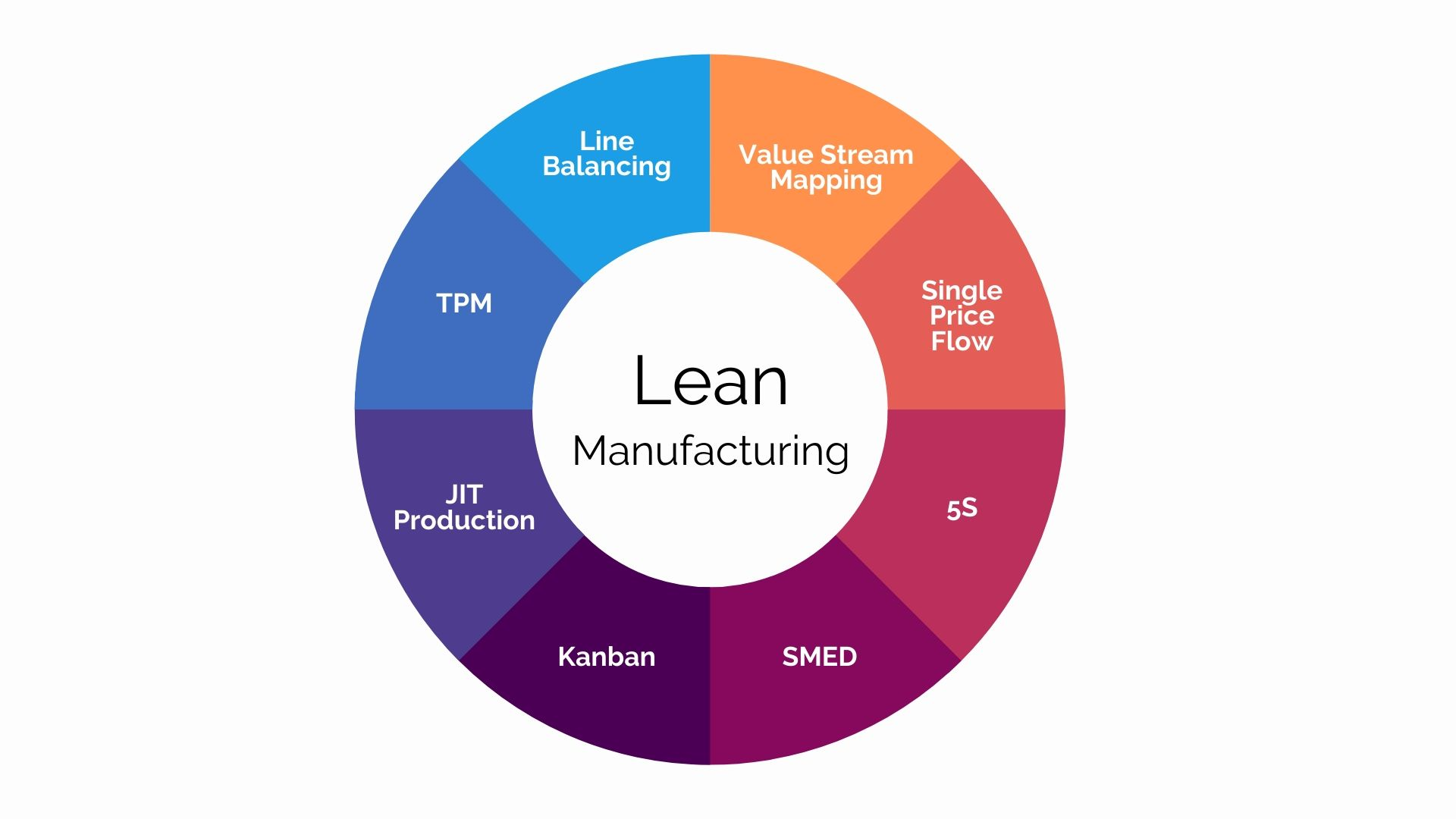
Image source: leanfactories.com
Core principles of a lean system
The lean system is built on guiding principles that help organizations deliver maximum value while eliminating inefficiencies. Each principle plays a role in shaping a culture of focus, flow, and continuous improvement:
- Define value from the customer's perspective: Every lean journey begins with understanding what the customer truly values. By clearly identifying needs, organizations prevent wasted effort on activities that are not relevant. Just as misdiagnosed processes can feel like a "system too lean bank 1" error in engineering—where efficiency is thrown off balance—businesses must constantly check whether their work aligns with real customer priorities.
- Map the value stream: Mapping the value stream means visualizing the whole journey of a product or service. This makes it easier to see redundancies, delays, and non-value-adding steps. Like adjusting a fuel trim system lean conditions to restore balance, mapping helps teams rebalance resources and design more efficient future workflows.
- Create continuous flow: A lean system thrives on uninterrupted movement of work. Bottlenecks and waiting times break this flow, leading to delays and customer frustration. By reorganizing processes and smoothing handoffs, organizations maintain momentum and speed—similar to how technical systems must correct flow when a "system too lean bank" warning indicates imbalance.
- Establish pull (just-in-time processes): Instead of pushing work downstream, whether it's needed or not, lean systems operate on a pull basis—work starts only when there is demand. This prevents overproduction and keeps resources optimized. It's the organizational equivalent of tuning a performance issue, where inefficiencies, such as a P0171 system too lean bank 1 signal, reveal the need to restore timing and balance.
- Pursue perfection through Kaizen: Kaizen, or continuous improvement, is the heart of the lean system. Small, incremental adjustments—whether to workflows, tools, or habits—create lasting change over time. Just as mechanics ask, "How long does lean stay in your system?" when diagnosing issues, organizations must continually check whether inefficiencies linger and refine processes until waste is entirely eliminated.
Each of these principles can be supported in Lark's digital workspace. Lark Base helps map value streams, visualize flow, and automate workflows, and eliminate repetitive tasks. Lark Docs and Lark Wiki centralize shared knowledge, and Lark Sheets track performance metrics. Together, they turn lean principles into daily practice for modern knowledge work.
Techniques in lean systems (manufacturing and beyond)
The lean system is supported by practical techniques that bring its principles to life. While these approaches began in manufacturing, they are now widely applied in services, IT, healthcare, and even digital workflows.
- Kanban production control: Kanban is a visual method for tracking workflow and inventory in real time. Limiting work-in-progress prevents overload and makes bottlenecks easier to spot. In a way, it acts like a diagnostic tool—if a process is running "system too lean bank," Kanban highlights the imbalance so teams can adjust quickly.
- 5S system: The 5S method (Sort, Set in Order, Shine, Standardize, Sustain) is designed to create clean, organized, and efficient workspaces. Originally meant for shop floors, it now applies equally well to digital environments where messy file systems and scattered data slow progress. Just as engineers ask "how long does lean stay in your system" to assess lingering inefficiencies, 5S encourages constant monitoring to ensure clutter and waste don't creep back in.
- Kaizen: Kaizen emphasizes incremental, continuous improvement rather than massive, disruptive change. Small refinements—whether in workflows, team communication, or tools—accumulate into significant long-term gains. This mindset helps organizations remain agile and prevents them from drifting into inefficiency, much like routine maintenance prevents persistent "system too lean bank 1" warnings in technical systems.
- JIT (Just-in-Time): Just-in-Time ensures that materials, products, or services arrive exactly when needed, neither sooner nor later. It reduces inventory costs, prevents waste, and keeps resources optimized. In digital work, JIT translates into delivering outputs at the moment of demand, avoiding unnecessary preparation or stockpiling. This responsiveness mirrors how a fuel trim system lean adjustment fine-tunes balance at just the right moment.
- Error-proofing (Poka-Yoke): Poka-Yoke is about designing processes to make errors less likely, or ideally, impossible. In manufacturing, this might mean fixtures that only fit the right part; in software, it could be automated checks that flag issues before release. The idea is to eliminate defects at the source rather than fix them later. This proactive approach maintains high quality and minimizes waste.
These same techniques translate seamlessly into knowledge work. Kanban boards in Lark Base mirror production control, Docs and Wiki serve as standardized repositories like 5S, and automated workflows provide error-proofing by handling approvals and reminders. By digitizing proven lean techniques, modern teams can apply them consistently across industries.
Build your system: Using Lark to create a digital lean system
Building a truly lean system today means going beyond the factory floor—it requires digitization. When teams have real-time visibility into workflows, clear accountability, and the ability to measure progress continuously, lean principles become more than theory—they become part of daily work. Lark's all-in-one platform provides the foundation for a digital lean system, giving modern teams the tools they need to eliminate waste and maximize value.
- Lark Base: Build digital visibility for a lean workflow
Every lean transformation starts with visibility. With Lark Base, teams can set up Kanban-style boards to track work from "To Do" to "Done," making bottlenecks obvious and keeping projects flowing smoothly. Beyond tasks, Base allows you to map entire value streams—from customer request to delivery—so inefficiencies and waste are easier to pinpoint and improve.
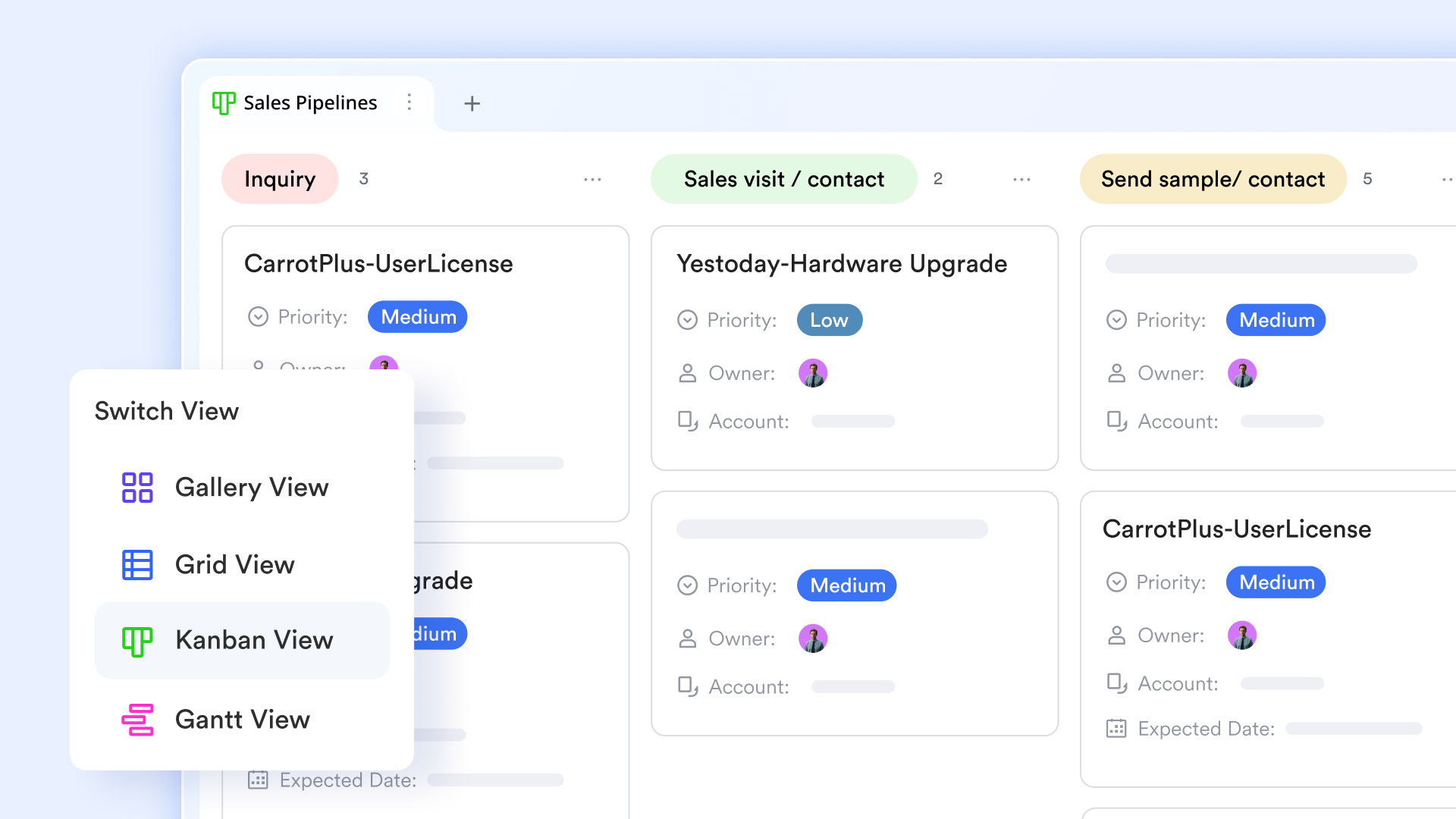
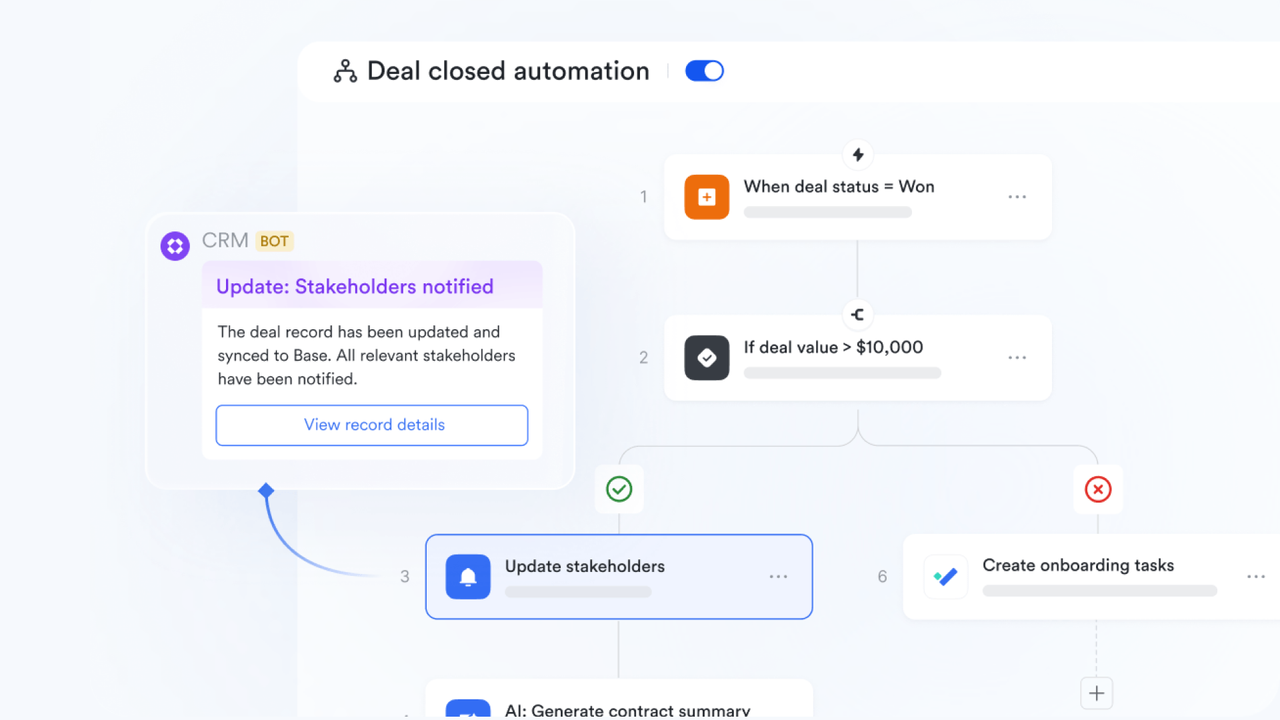
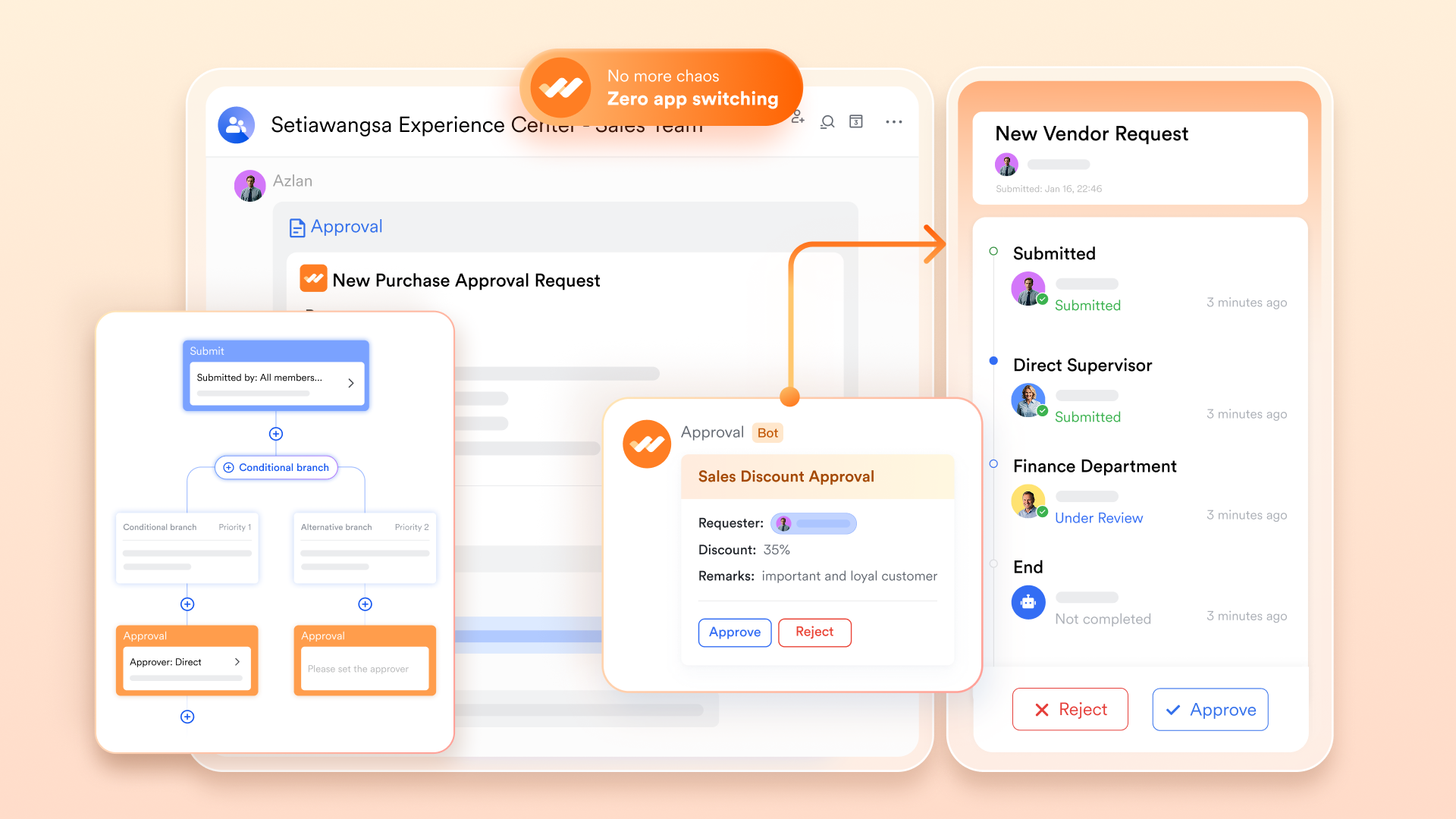
One of the most significant sources of waste is repetitive, manual work. Lark's automated workflows inside Base eliminate that by setting triggers for actions like assigning tasks, sending reminders, or initiating approvals. This reduces administrative overhead and frees teams to focus on activities that directly add value.
- Lark Tasks: Enable accountability across the lean value chain
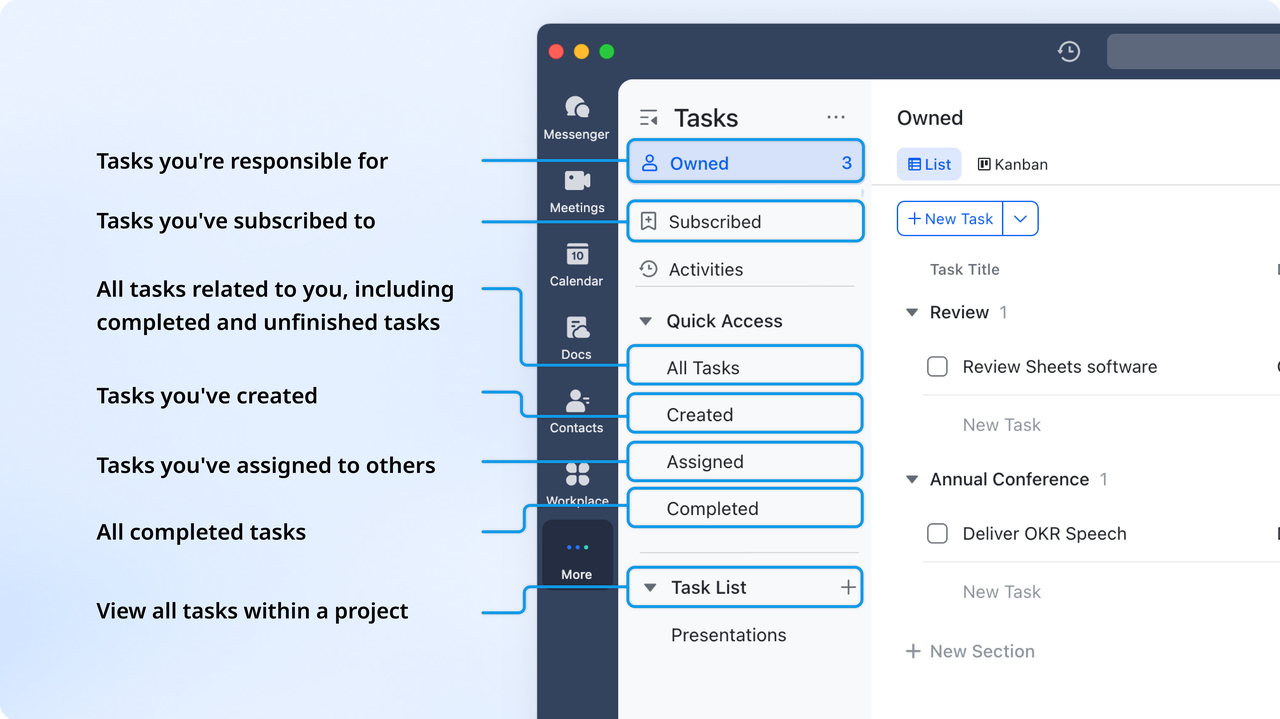
Clarity in responsibility is key to reducing delays. Lark Tasks feature makes ownership explicit by assigning every task to the right person, project, and deadline. This eliminates the waste of waiting, keeps teams aligned, and ensures that everyone knows what's expected of them at each stage.
- Lark Messenger & Lark Meetings: Create faster feedback loops for lean improvement
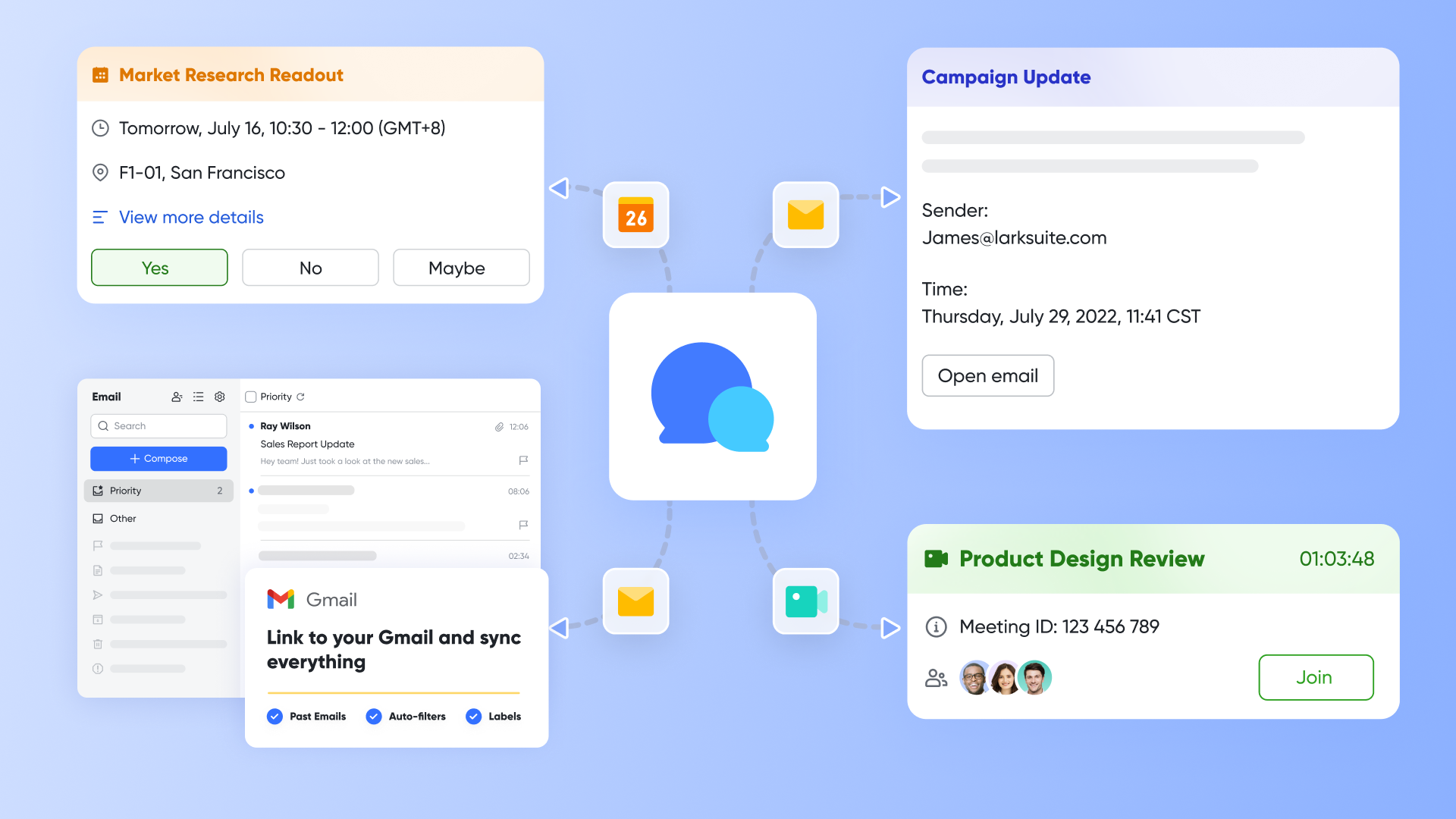
Lean thrives on quick feedback loops. With Lark Messenger, teams can resolve issues instantly, share updates in real time, and avoid communication bottlenecks. When deeper collaboration is needed, Lark Meetings makes it easy to hold short stand-ups or problem-solving sessions—reducing downtime and keeping improvements moving forward.
- Lark Docs & Lark Wiki: Standardize knowledge for lean consistency
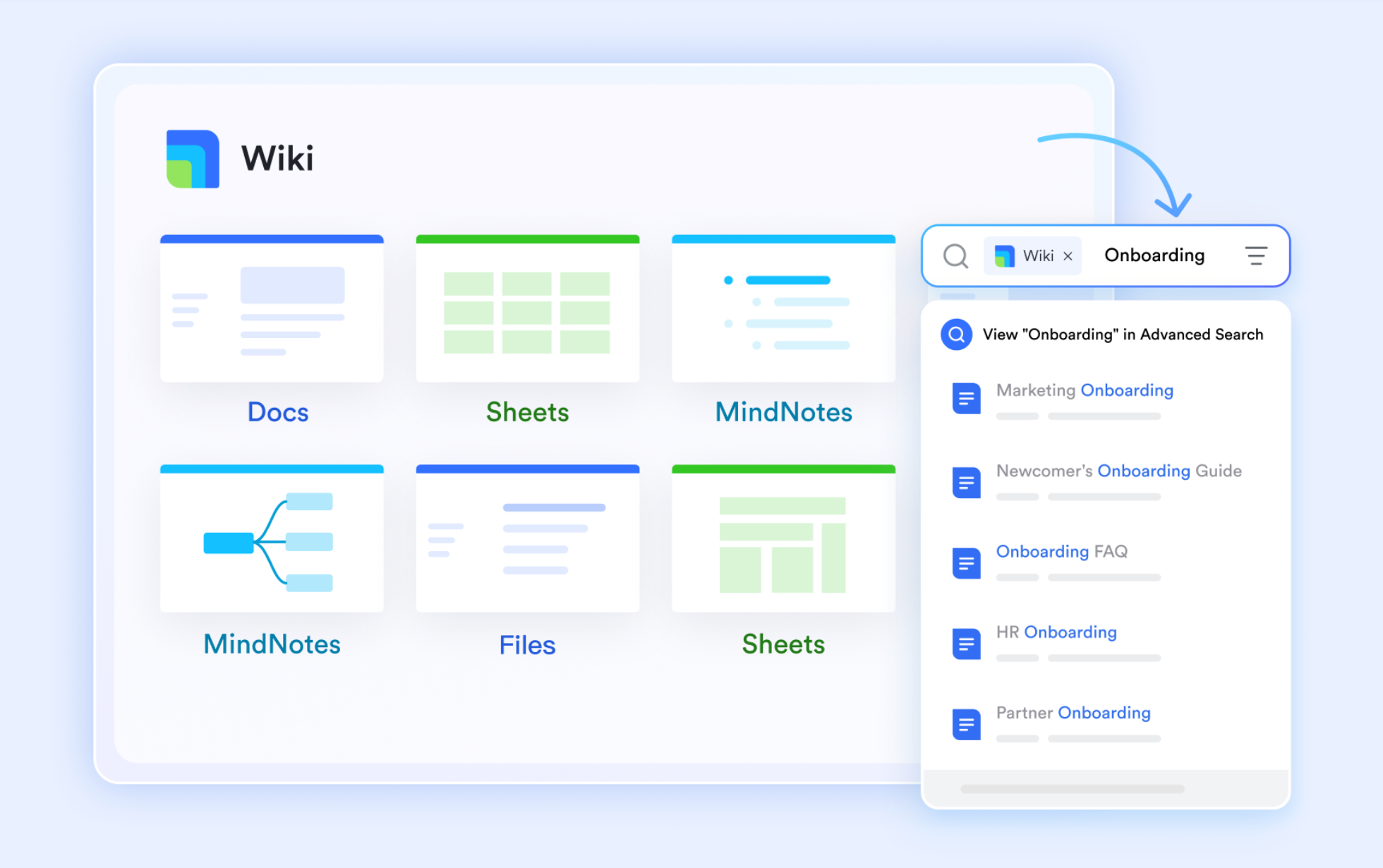
Standardization is critical to avoiding defects and rework. Lark Docs and Lark Wiki provide a centralized hub where teams store process guidelines, best practices, and updates. This ensures everyone works from the same playbook, minimizing errors and promoting consistent quality across the organization.
- Lark Calendar: Embed continuous improvement into team rhythm
Continuous improvement doesn't happen by accident—it requires structured time. With Lark Calendar, teams can plan regular reviews, retrospectives, and Kaizen workshops. These sessions create space to analyze performance, identify areas for refinement, and ensure that improvement is an ongoing habit, not a one-off event.
- Lark Sheets: Track lean metrics to guide smarter decisions
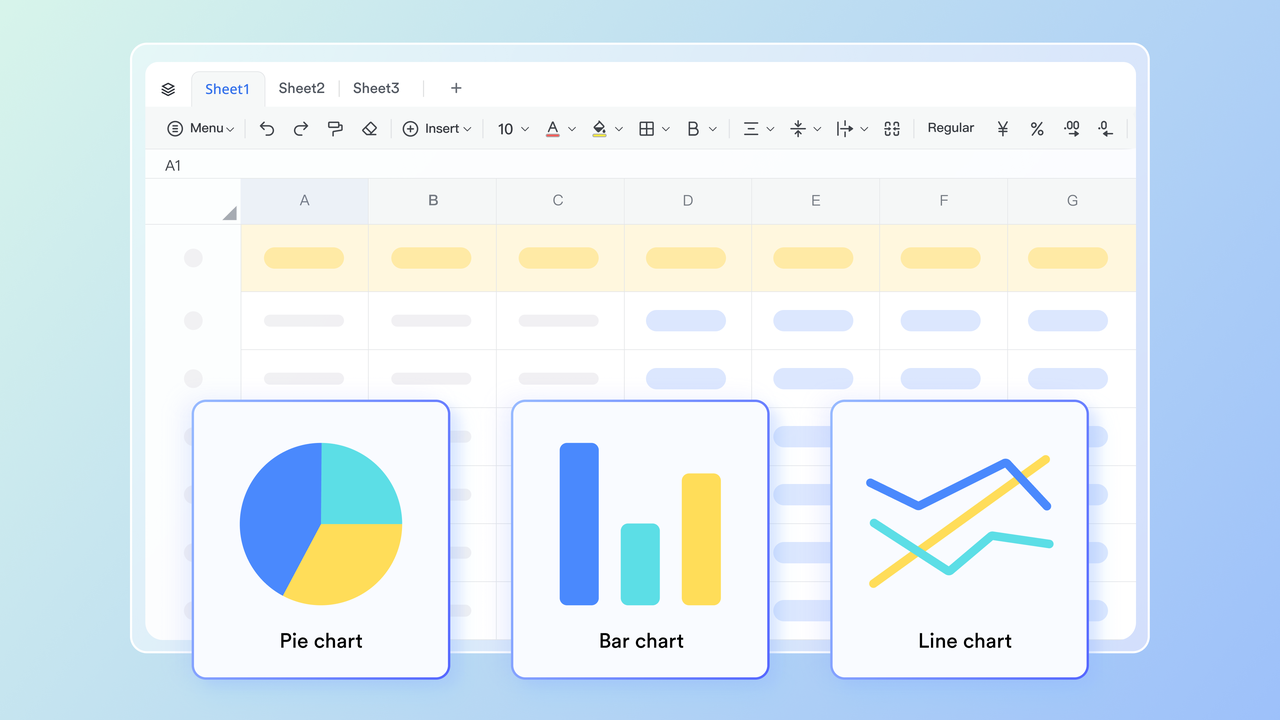
Data drives better decision-making. Lark Sheets helps teams monitor key performance indicators such as cycle time, throughput, or defect rates in a structured, collaborative environment. Teams can calculate efficiency ratios, analyze performance patterns, and compare progress across time periods — all in real time. With intelligent formulas, cross-sheet references, and instant updates, teams can run complex analyses without switching tools or waiting for data refreshes. Lark Sheets supports live collaboration, meaning every edit, comment, and formula adjustment is visible instantly to all stakeholders. This ensures teams base their lean improvement decisions on accurate, shared, and up-to-date data.
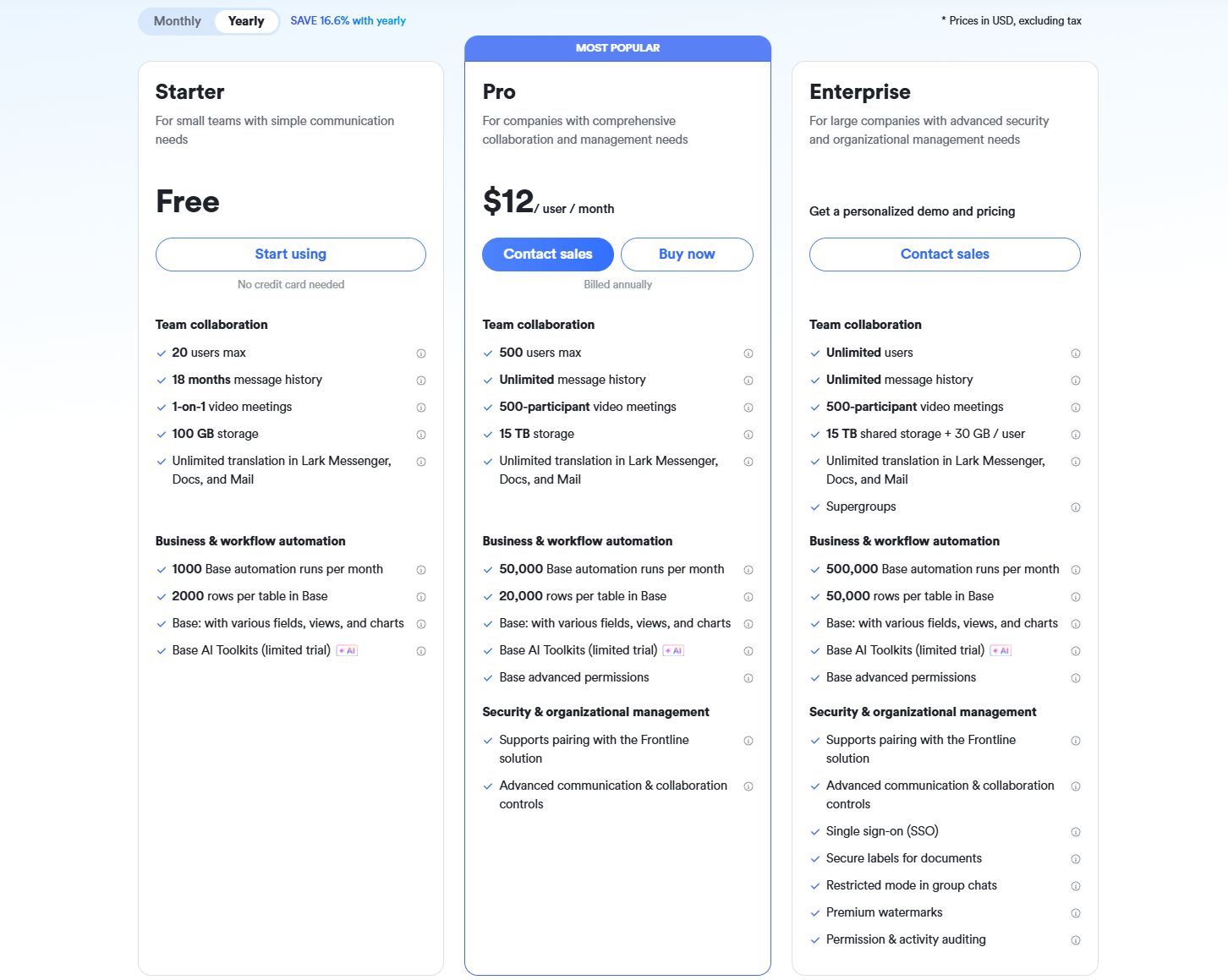
- Starter plan: Free forever plan that includes 11 powerful tools for up to 20 users. It also comes with 100GB of storage, 1000 automation runs, AI translations, and more.
- Pro plan: $12/user/month (billed annually) for up to 500 users. It includes everything in Starter plus group calling for up to 500 attendees, 15TB of storage, 50,000 automation runs, and more.
- Enterprise plan: Contact sales for custom pricing. Supports unlimited users and includes even more automation runs and advanced security, compliance, and management features.
Challenges of lean systems and how Lark helps
Even though lean systems deliver significant benefits, organizations often face obstacles when putting them into practice. These challenges are common across industries, but with the right project management tools, they can be addressed effectively.
- Resistance to cultural change: One of the most complex parts of adopting a lean system is shifting mindsets. Employees may resist new processes or fear the visibility that lean requires. With Lark Messenger, communication becomes open, fast, and collaborative, helping teams share updates, address concerns, and build trust. This transparency reduces resistance and encourages a culture of continuous improvement.
- Hard to visualize processes: Many teams struggle to see where waste or bottlenecks exist because processes are hidden or scattered across tools. Lark Base solves this with Kanban boards that visualize tasks in real time. Workflows become transparent, making it easier to identify inefficiencies and keep projects flowing smoothly.
- Maintaining continuous improvement: Sustaining lean improvements is challenging without precise data and consistent follow-up. Lark Base allows teams to track KPIs such as cycle times, throughput, or error rates, while automated workflows send reminders or trigger actions based on results. Together, they ensure that lean practices are not one-off initiatives but ongoing habits.
- Scaling lean across large organizations: Applying lean in small teams is one thing, but scaling it across multiple departments or global offices is far more complex. With Base dashboards, organizations can unify views across teams, providing leadership with a holistic picture of progress. This alignment makes it possible to apply lean consistently, no matter how large or distributed the organization becomes.
Benefits of adopting lean systems
The value of a lean system lies in its ability to transform how organizations work. By focusing on efficiency, collaboration, and continuous improvement, teams achieve tangible benefits that positively impact performance and customer outcomes.
- Reduced operational waste: Lean systems are designed to spot and eliminate non-value-adding activities. Whether it's excess inventory, redundant processes, or wasted time, every form of inefficiency is systematically addressed. This not only reduces costs but also frees resources to be redirected toward strategic initiatives.
- Improved process efficiency: With waste minimized, processes naturally become more streamlined and consistent. Lean systems help identify bottlenecks and optimize workflows so that tasks flow more smoothly. The result is less downtime, higher productivity, and operations that can scale with fewer complications.
- Faster delivery of value: Lean emphasizes speed without sacrificing quality. By eliminating delays and unnecessary steps, products and services can reach customers more quickly. In industries like healthcare or software, this accelerated delivery directly impacts satisfaction, outcomes, and competitiveness.
- Enhanced team collaboration: A lean system thrives on transparency, which naturally encourages collaboration. Visual tools like Kanban boards and shared documentation make work visible, so teams stay aligned and accountable. This openness helps break down silos and fosters a culture of joint problem-solving.
- Higher customer satisfaction: When waste is reduced and workflows are efficient, customers experience faster, higher-quality service. Continuous improvement keeps offerings relevant and responsive to evolving needs. Over time, this consistency builds trust, loyalty, and stronger customer relationships.
Lark extends these benefits into digital workflows. With Lark Sheets, teams can track efficiency gains in real time, from reduced lead times to improved cycle performance. These insights make value delivery measurable, ensuring lean principles don't remain abstract but translate into visible results across projects.
Lean system applications across industries
While lean systems originated in manufacturing, their adaptability has made them valuable across many different fields. Each industry tailors lean principles to its own challenges, but the core focus on efficiency and value creation remains the same.
- Manufacturing: Manufacturing remains the birthplace of lean, where production lines are continuously refined to eliminate waste. Techniques like Just-in-Time and 5S help reduce inventory costs while maintaining high quality. By standardizing processes and addressing inefficiencies quickly, factories increase throughput and deliver products more reliably.
- Healthcare: In healthcare, lean systems are applied to patient flows, scheduling, and resource management. Hospitals use lean tools to shorten waiting times, eliminate redundant paperwork, and allocate staff more effectively. This results in smoother operations, better patient experiences, and improved health outcomes overall.
- Software & IT: Software teams use lean systems to shorten delivery cycles and improve responsiveness to user needs. By applying practices like Kanban, CI/CD, and automated testing, developers can release updates more frequently and with fewer defects. This keeps products agile, reduces bottlenecks, and ensures customer value is delivered consistently.
- Marketing & Sales: Marketing and sales teams benefit from lean methodology by reducing long approval chains and unnecessary back-and-forth. Streamlined workflows free up time to focus on high-value activities, such as campaign creativity, lead nurturing, and customer engagement. By cutting waste from the process, teams move faster and deliver more targeted outcomes.
Cross-functional teams can bring these industry applications into one workspace with Lark. Base templates provide ready-to-use workflows for HR, sales, IT, and operations, while Docs, Wiki, and Sheets ensure standards and data stay visible. This makes lean systems adaptable not just within one department, but across the entire organization.
Conclusion
Lean systems are powerful because they enable organizations to drive efficiency, reduce waste, and cultivate a culture of continuous improvement. From their roots in manufacturing to applications in healthcare, IT, and marketing, the lean approach has shown that its principles are universally adaptable. By focusing on value, streamlining processes, and encouraging collaboration, businesses can achieve faster delivery, stronger customer satisfaction, and long-term scalability.
With Lark Base and its connected tools, companies can turn lean from an abstract philosophy into a practical, daily system. Visual workflows, shared standards, performance tracking, and automation come together in one platform—allowing teams to build a digital lean system that scales effortlessly across industries. This makes Lark not just a tool, but a complete environment where lean can thrive in the modern workplace.
FAQs
How does a lean system relate to Six Sigma?
A lean system focuses on eliminating waste and maximizing value, while Six Sigma emphasizes reducing process variation and improving quality. When combined as Lean Six Sigma, organizations gain a powerful framework that balances efficiency with precision. Together, they ensure workflows are both fast and reliable, reducing errors while delivering consistent value.
What are the disadvantages or risks of a lean system?
The main risks of adopting a lean system often stem from poor implementation rather than the methodology itself. If organizations overemphasize cost-cutting, they may overlook employee well-being or long-term innovation. Additionally, without cultural alignment, lean can feel like added pressure instead of empowerment. These risks can be mitigated by balancing efficiency with sustainability and involving teams in continuous improvement.
How does a lean system impact employee roles and responsibilities?
A lean system typically increases accountability and visibility across teams. Employees are expected to take ownership of their work, identify inefficiencies, and contribute to problem-solving. While this may feel like added responsibility, it also empowers individuals by giving them clearer roles, stronger collaboration opportunities, and the ability to influence outcomes directly.
Is a lean system suitable for startups or only large enterprises?
Lean systems are highly adaptable, making them suitable for both startups and large enterprises. Startups benefit by applying lean to stay agile, conserve resources, and pivot quickly. Larger organizations leverage lean to standardize processes, scale improvements, and maintain quality across departments. In both contexts, the principles remain the same—delivering value and eliminating waste.
How do digital tools differ from traditional lean systems?
Traditional lean systems relied heavily on physical tools, such as paper Kanban boards, manual data collection, and in-person reviews. Digital tools, such as Lark, bring these same principles online, enabling real-time visibility, automated workflows, and data-driven insights. This not only makes lean easier to sustain at scale but also ensures improvements are continuously tracked and shared across distributed teams.
Related reading
Table of contents
Start using Lark today

Manage all your work in one place
Boost team efficiency by 10x
Save up to 70% on software costs
Table of contents
Start using Lark today
Manage all your work in one place
Boost team efficiency by 10x
Save up to 70% on software costs
Keep reading







2026 Lark Technologies Pte. Ltd.
Headquartered in Singapore with offices worldwide.






Explore: