














10 Best Purchase Approval Software for Smarter, Faster Purchasing Decisions

Ryan Tanner
Product Marketing Specialist
Sep 8, 2026
Ryan Tanner
Sep 8, 2026

15 min read


A purchase order approval system ensures every business expense goes through the right checks before funds are committed. It replaces scattered emails and manual sign-offs with structured workflows that keep purchases compliant, budget-aligned, and fully auditable. For teams handling multiple vendors and budgets, the right tool can mean the difference between smooth operations and costly delays.
Today, we'll review some of the best purchase approval software available — including powerful platforms like Lark, ProcureDesk, Cflow, and others that modernize how organizations handle purchase requests. Here is a brief overview:
- Lark: A unified workspace powering effortless purchase approvals
- ProcureDesk: Tailored procurement workflows for modern finance teams
- Cflow: Customizable no-code PO automation platform
- Zahara Software: Budget control and vendor management in one tool
- Zip: AI-powered procurement orchestration
- Tradogram: Cloud-based procurement and spend visibility
- GEP: Enterprise-grade procurement and approval management
- Kissflow: Low-code platform for end-to-end PO automation
- Coupa: AI-native spend and procurement management
- FlowForma: Visual workflow builder for complex purchase approvals

What is a purchase order approval system?
A purchase order approval system is software or a defined workflow that routes purchase requests (POs) through the right stakeholders for review and sign-off before procurement executes an order. Unlike manual approval of purchase orders — which relies on emails, paper signatures, or disconnected spreadsheets — automated purchase approval software enforces policy, logs every decision, and speeds up supplier commitments. A good system ties each PO to budgets, vendor records, and contractual documents, so finance and procurement teams can approve purchases with confidence and maintain an audit-ready trail. Leveraging a supplier management solution alongside the approval system can further streamline vendor interactions and ensure compliance across the supply chain.
Why businesses need a purchase approval process
- Eliminate duplicate or unauthorized purchases. A formal PO approval process ensures requests are validated against existing orders and budgets before spending occurs.
- Ensure budget compliance and audit readiness. Automated approvals tie requests to budget lines and keep a tamper-evident record for internal and external audits.
- Speed up supplier payments and inventory cycles. Faster approvals reduce procurement lead time and improve vendor relationships through timely payment.
- Improve accountability across teams. With clear ownership and time-stamped decisions, teams know who approved what and why — reducing disputes and fostering internal control.
How to choose the right purchase approval software
Selecting the right purchase approval software depends on your company's size, spending structure, and compliance obligations. The goal is to balance automation efficiency with control, ensuring your PO process stays both fast and accountable.
- Team size and workflow complexity: Smaller teams often need straightforward PO routing, while large organizations require multi-level approvals and departmental hierarchies. Scalable software lets you add new approval layers or departments without rebuilding the workflow each time. Choosing a flexible platform ensures it adapts as your business grows.
- Budget and scalability: Evaluate both upfront costs and long-term scalability. Some solutions charge per user, while others are volume-based (by PO count). Consider how pricing aligns with expected growth so you don't outgrow the system or face hidden upgrade costs later. Cloud-based systems often offer the best cost-to-value ratio for expanding teams. Companies looking to optimize software spending frequently compare their options against Google Workspace pricing and ClickUp pricing.
- Compliance and audit readiness: For industries with strict financial controls, audit trails and role-based access are essential. Choose software that automatically logs every action — who approved, when, and why—creating a tamper-proof record. This ensures transparency during internal reviews and external audits.
- Integration with accounting and ERP systems: Your purchase approval software should sync seamlessly with accounting platforms (like QuickBooks, SAP, or NetSuite) to avoid duplicate data entry. This connection enables automatic budget updates and smoother invoice reconciliation, ensuring the finance team always sees accurate spend data.
- Customization and workflow flexibility: Every organization follows unique approval rules — from single-level sign-offs to complex multi-tier routing. A customizable tool lets you define conditional logic, approval thresholds, and parallel workflows to fit your exact process. A no-code platform simplifies adjustments as business needs evolve.
- Ease of use and accessibility: The software should be intuitive enough for employees across departments to use without training. A clear dashboard, mobile-friendly interface, and built-in notifications make it easier to submit, track, and approve POs on time. Smooth user experience drives adoption and eliminates resistance to change.
Take a glance at the following purchase approval software
10 Best purchase approval software options you can explore
1. Lark: A unified workspace powering effortless purchase approvals
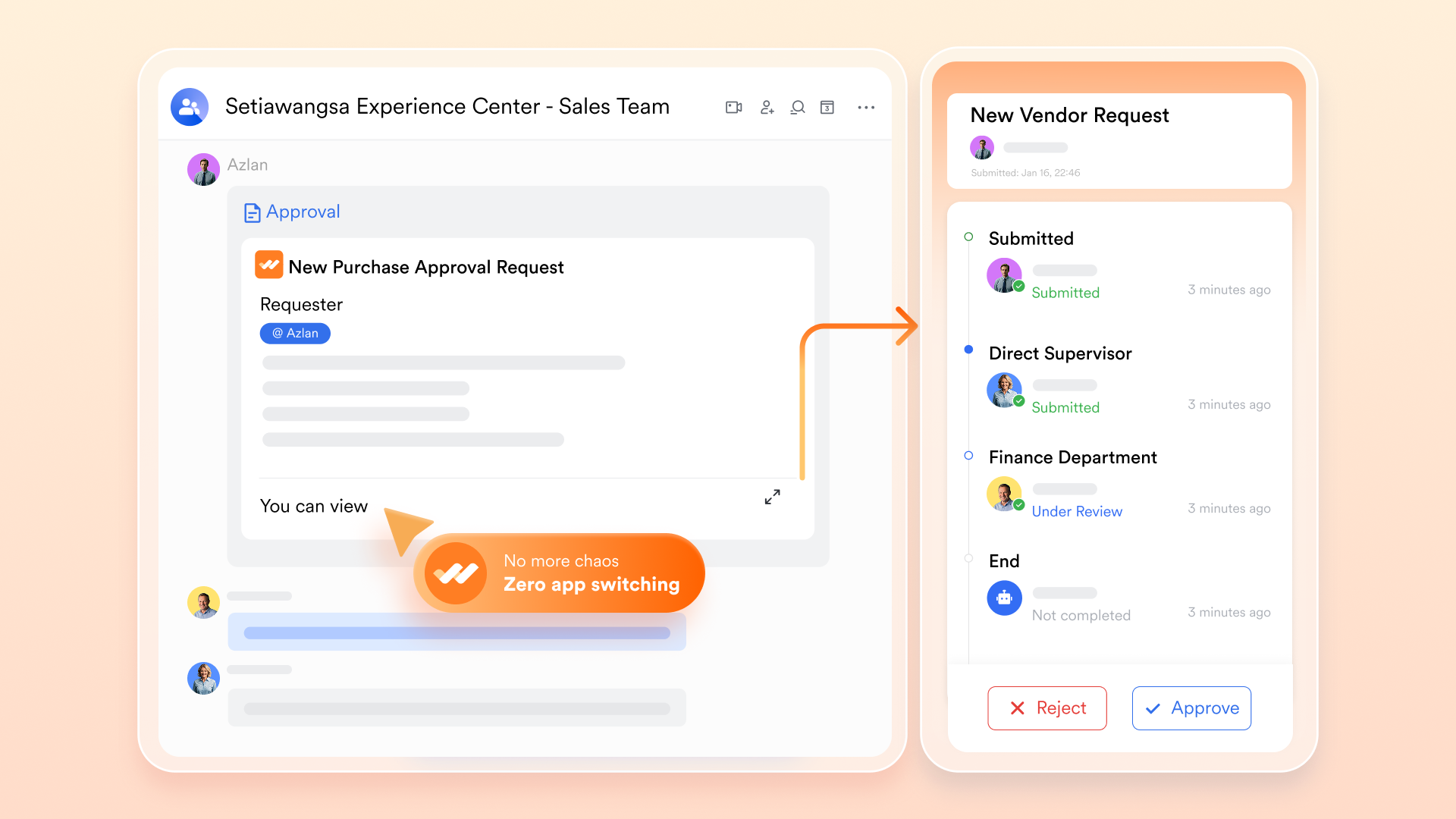
Lark is a unified digital workspace designed to simplify and accelerate purchase approvals for modern teams. It brings communication, collaboration, and decision-making together in one seamless platform—so approval cycles move faster and with complete visibility. From request creation to multi-level sign-offs, every step happens in a connected environment. With Lark, businesses eliminate manual delays and ensure that every purchase decision is transparent, trackable, and efficient.
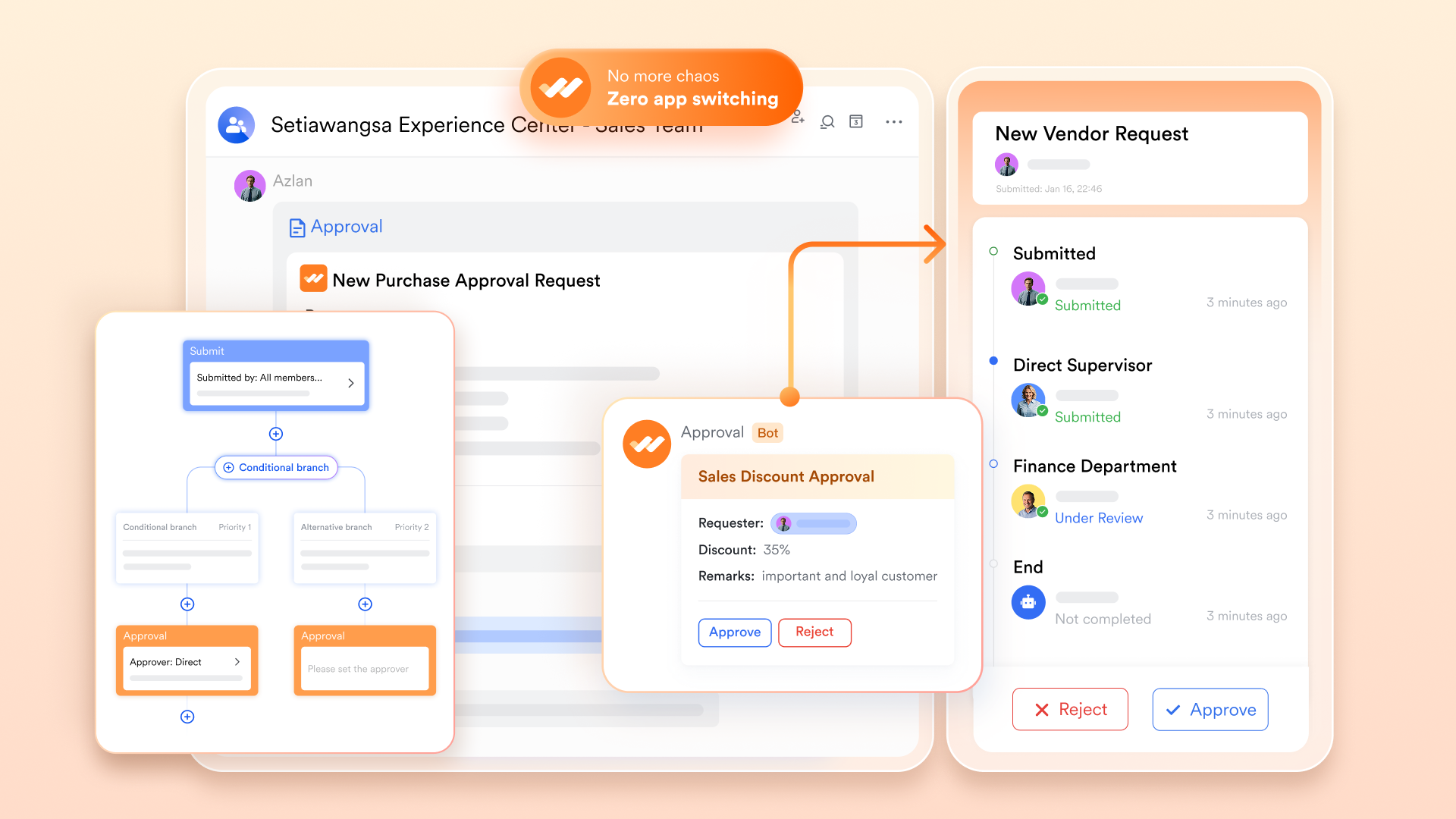
Key features:
- Multi-step routing by Lark Approval
In traditional PO workflows, approvals often get lost in email chains or delayed because the right person isn't looped in at the right time. Lark Approval solves this with automated multi-step routing. You can define an approval path where each purchase request moves through a sequence — for instance, from the requester (employee) → reporting manager → finance → procurement → vendor.
Example: When a marketing executive raises a PO for promotional materials worth $3,000, Lark automatically routes it first to their manager for initial sign-off, then to finance for budget validation, and finally to procurement to issue the order. Each stakeholder sees only the tasks relevant to them, cutting confusion and ensuring a controlled approval flow.
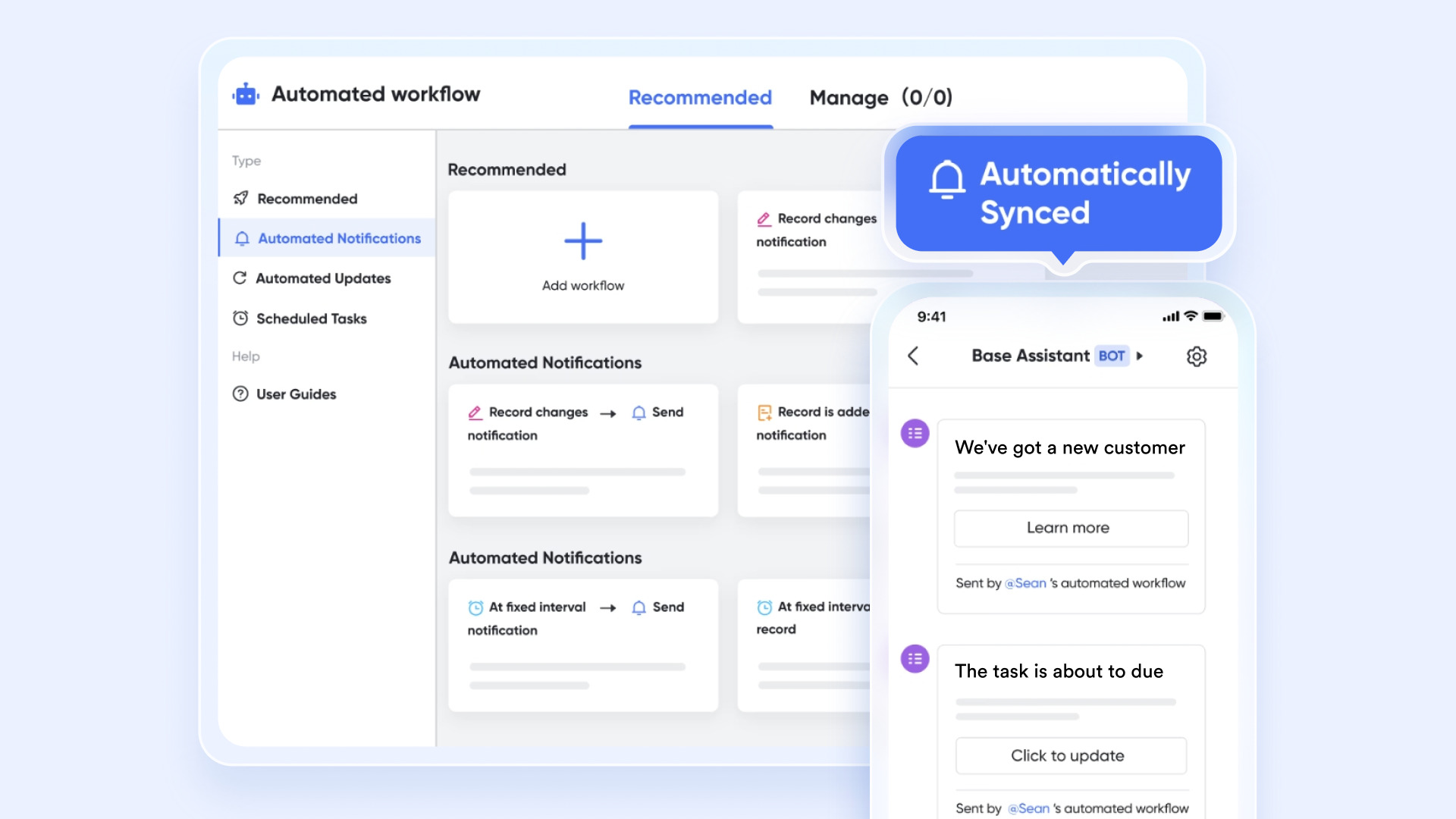
- Workflow automation through Lark Base
While Lark Approval manages routing and sign-offs, Lark Base acts as the data backbone of your purchase process. Teams can build custom tables to track vendors, cost centers, and purchase categories — then link this data directly to approvals. Automated triggers in Base can perform actions like notifying approvers when a new PO exceeds a set budget threshold or updating a "PO status" field once it's approved.
Example: Your finance team sets a rule in Lark Base: if a PO exceeds $10,000, the system automatically adds the Finance Director as a required approver. This automation ensures compliance without anyone needing to manually verify thresholds — reducing delays and policy errors.
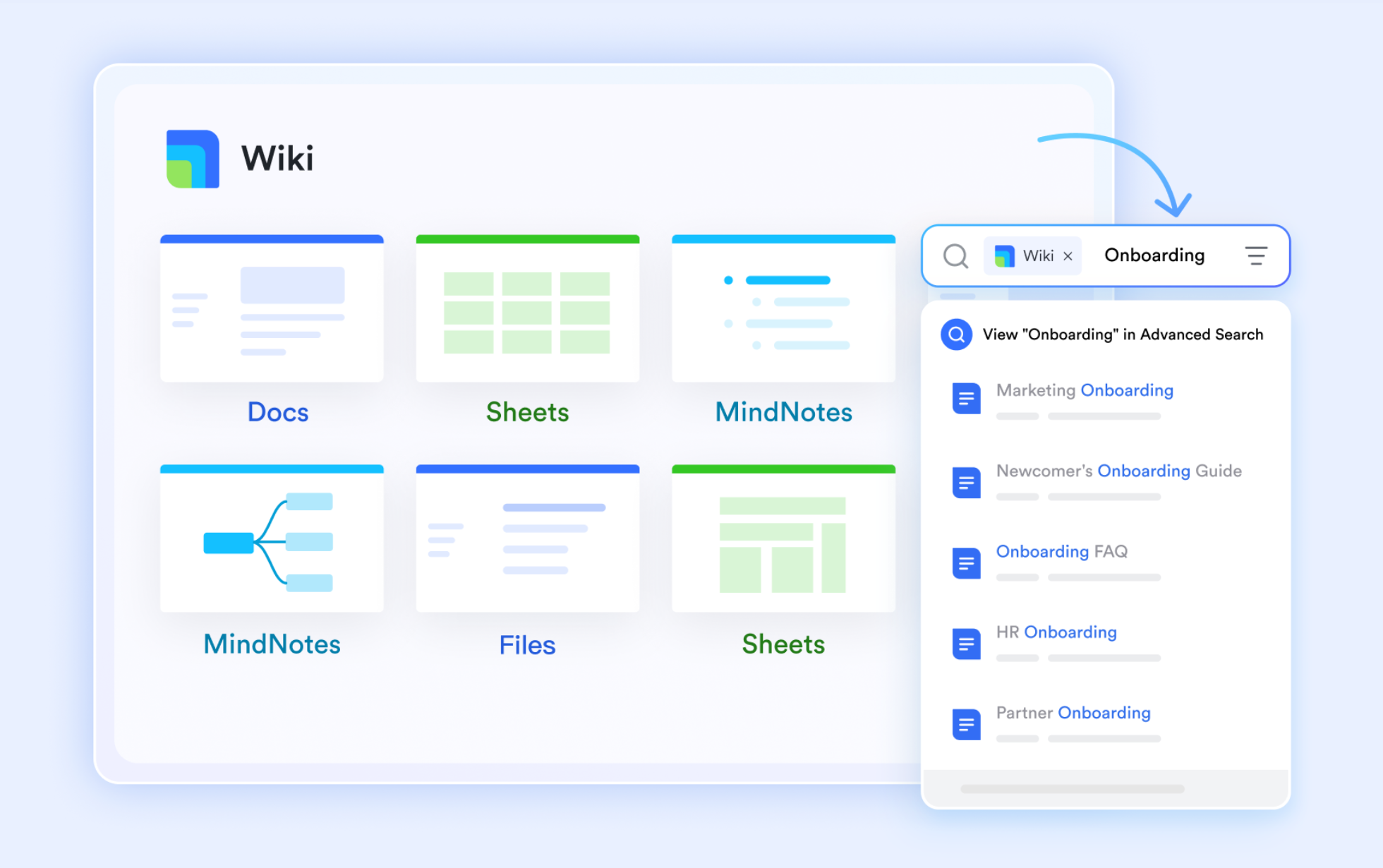
- Lark Docs & Lark Wiki for vendor contracts and compliance policies
Procurement often depends on quick access to accurate documents — vendor agreements, pricing tables, and purchasing policies. With Lark Docs and Lark Wiki, these materials are stored centrally and version-controlled, so approvers always review the latest contract terms or policy references before approving a PO.
Example: Before approving a vendor PO for IT equipment, a finance manager opens the linked vendor contract directly from Lark Wiki to verify payment terms and warranty conditions — without needing to search through shared drives or emails. This ensures informed, compliant decisions.
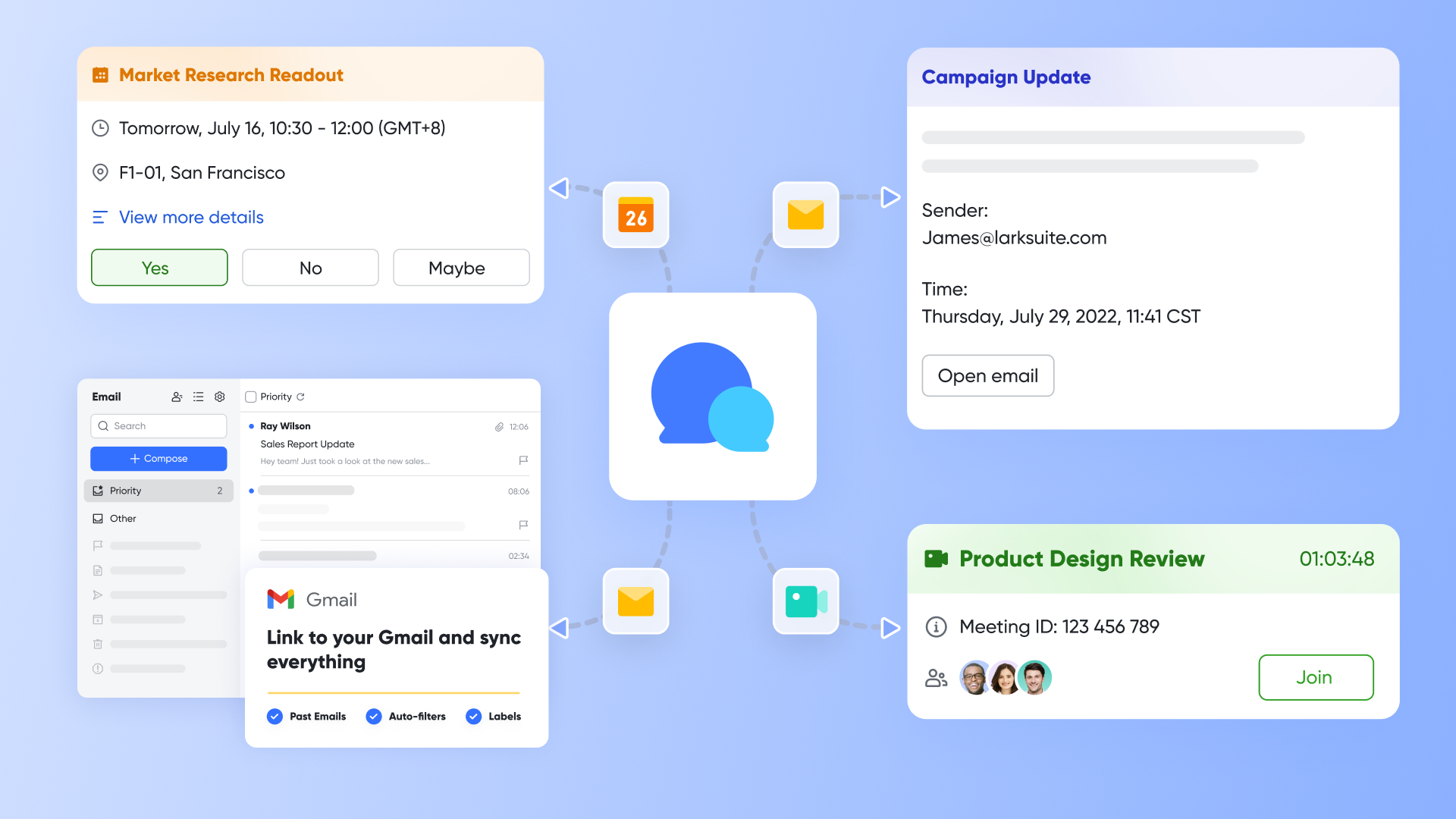
- Lark Messenger & Lark Meetings for instant collaboration during approvals
Approvals often stall when clarifications are needed. Lark eliminates this by embedding Lark Messenger and Lark Meetings within the same workspace, allowing stakeholders to chat, share files, or start a quick call right inside the PO approval thread. This drastically reduces back-and-forth delays.
Example: During a product design review, feedback often gets scattered across emails and chat apps, causing confusion and slow revisions. With Lark Messenger, the design team can discuss changes directly within the document, tag reviewers, and share updated files instantly. If a deeper discussion is needed, they can launch a Lark Meeting from the same chat thread—no need to switch tools.
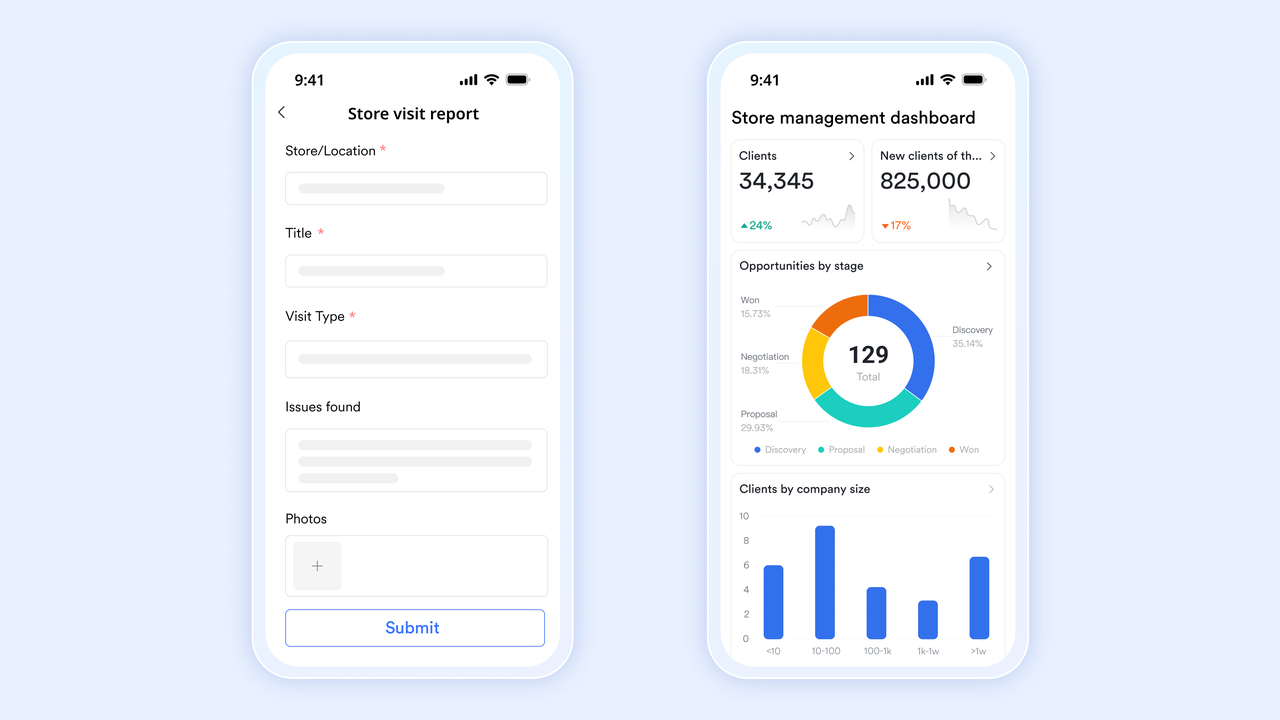
- Mobile-friendly access for quick PO approvals anytime
Modern purchase workflows can't wait for people to be at their desks. Lark's mobile interface lets managers and finance approvers review, comment, or approve POs from their phones — whether they're traveling, in a meeting, or working remotely.
Example: A department head on a business trip receives a mobile notification about a pending PO approval. They open the Lark app, review the request details, and approve it in seconds. This keeps procurement moving smoothly, ensuring vendors get confirmation without unnecessary delay.
- Starter plan: Free forever plan that includes 11 powerful tools for up to 20 users. It also comes with 100GB of storage, 1000 automation runs, AI translations, and more.
- Pro plan: $12/user/month (billed annually) for up to 500 users. It includes everything in Starter plus group calling for up to 500 attendees, 15TB of storage, 50,000 automation runs, and more.
- Enterprise plan: Contact sales for custom pricing. Supports unlimited users and includes even more automation runs and advanced security, compliance, and management features.
2. ProcureDesk: Tailored procurement workflows
ProcureDesk simplifies po approval for modern finance and procurement teams by combining structured workflows with complete budget visibility. Its rule-based automation ensures that every purchase request is routed through the right approvers before being converted into an order. With centralized supplier data and spend analytics, businesses gain the transparency they need to manage purchasing decisions confidently. Designed for mid-sized companies, ProcureDesk helps enforce policy compliance while speeding up the overall procurement lifecycle.
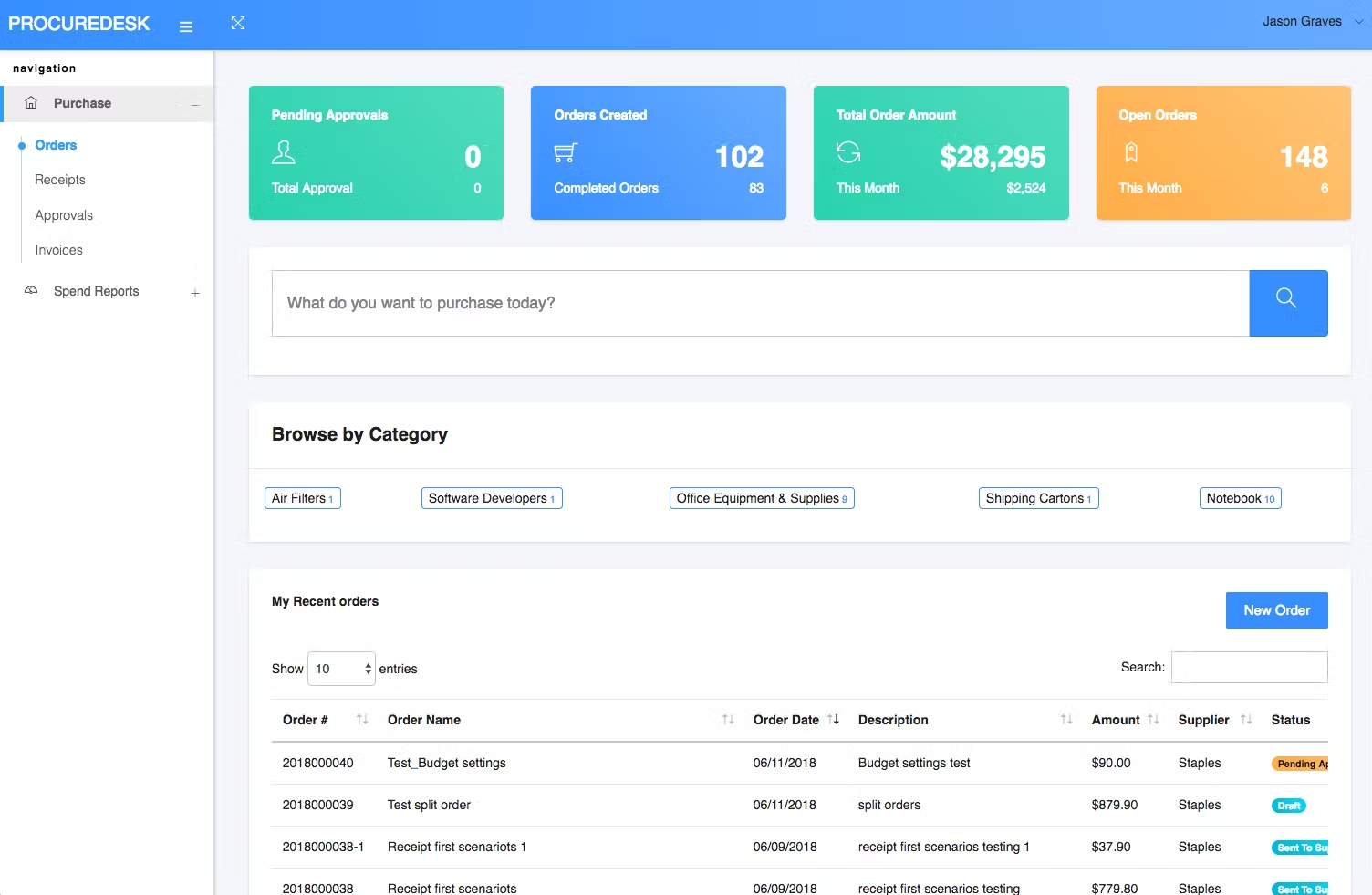
Image source: procuredesk.com
Features:
- Dynamic routing rules: Approval flows adjust automatically by spend level or department.
- Budget tracking panel: Real-time spend visibility keeps finance aware of every purchase.
- Policy enforcement: Custom rules ensure every request meets internal purchasing standards.
- PO-to-payment sync: Connects purchasing and accounts payable for seamless reconciliation.
- Audit-ready trails: Every action is logged for transparent reporting.
Pricing:
- Purchasing Automation Plan: ~$498/month (annual billing, 10 users)
- Purchasing + AP Plan: ~$850/month (adds invoice automation)
- Enterprise: Custom quote available.
3. Cflow: Customizable no-code PO automation
Cflow enables teams to digitize their purchase order approval process using a no-code, drag-and-drop workflow designer. With built-in validation, escalations, and audit logs, it helps organizations reduce approval delays while enforcing procurement policies. Cflow's visual logic and form builder let business users—not just developers—model complex approval paths quickly.
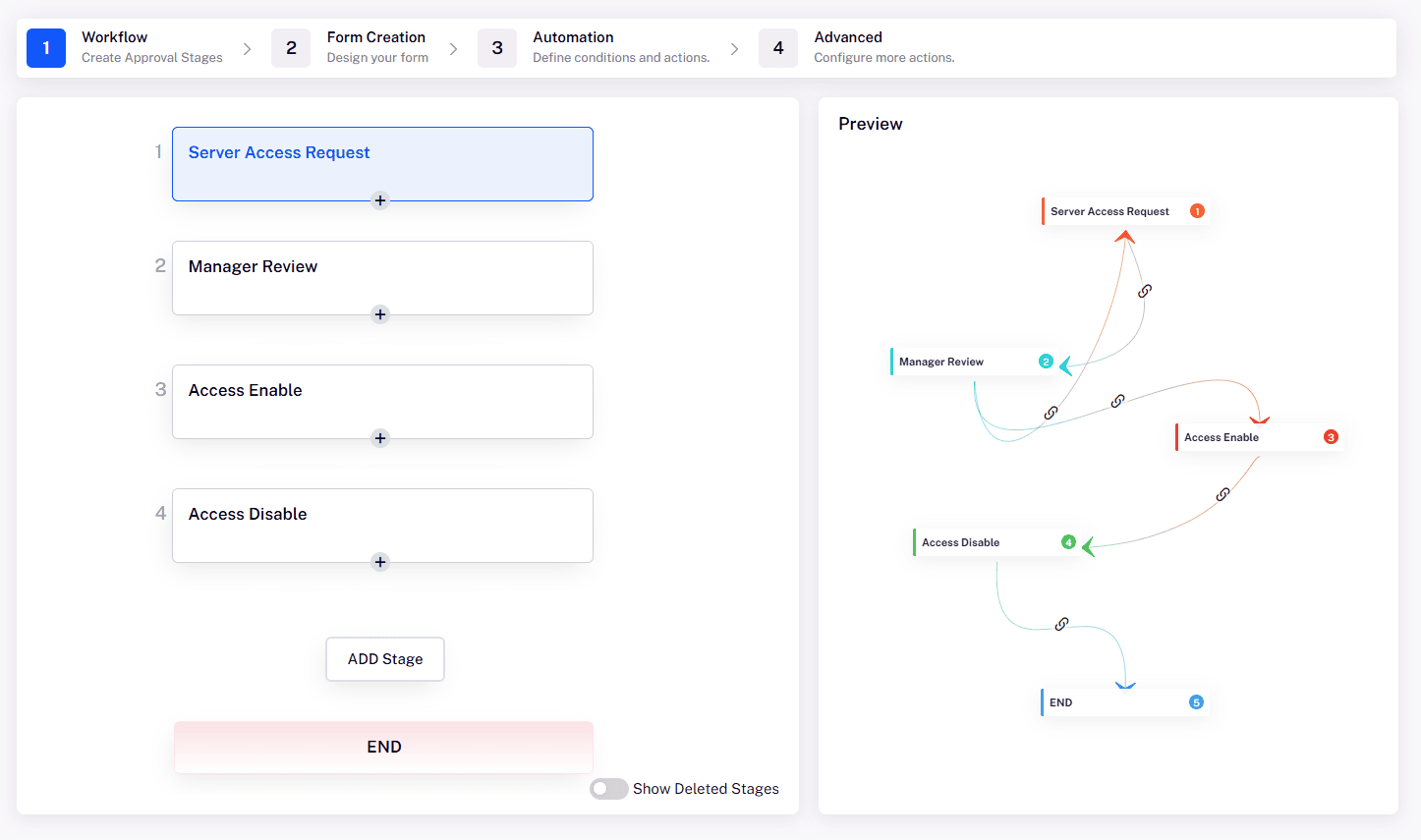
Image source: cflow.com
Features:
- Drag-and-drop workflow designer: Create PO approval flows visually — no coding required.
- Conditional logic: Automate rules like multi-level routing for higher-value purchases.
- Smart form builder: Capture complete vendor and budget details with reusable templates.
- Escalation automation: Delayed approvals trigger reminders or escalate to managers.
- Insightful reporting: Track cycle times and identify bottlenecks in real time.
Pricing:
- Joy Plan: ~$11/user/month (10-user minimum)
- Bliss Plan: ~$16/user/month
- Enterprise: Custom pricing for unlimited workflows.
- 14-day free trial available.
4. Zahara Software: PO and budget control software
Zahara is a leading purchasing approval software designed to help organizations manage requests, budgets, and vendor payments in one unified platform. It gives teams control over spend, automates PO workflows, and integrates approval chains with real-time financial visibility. Zahara is especially attractive for growing or multi-department businesses that need both compliance and ease of use.
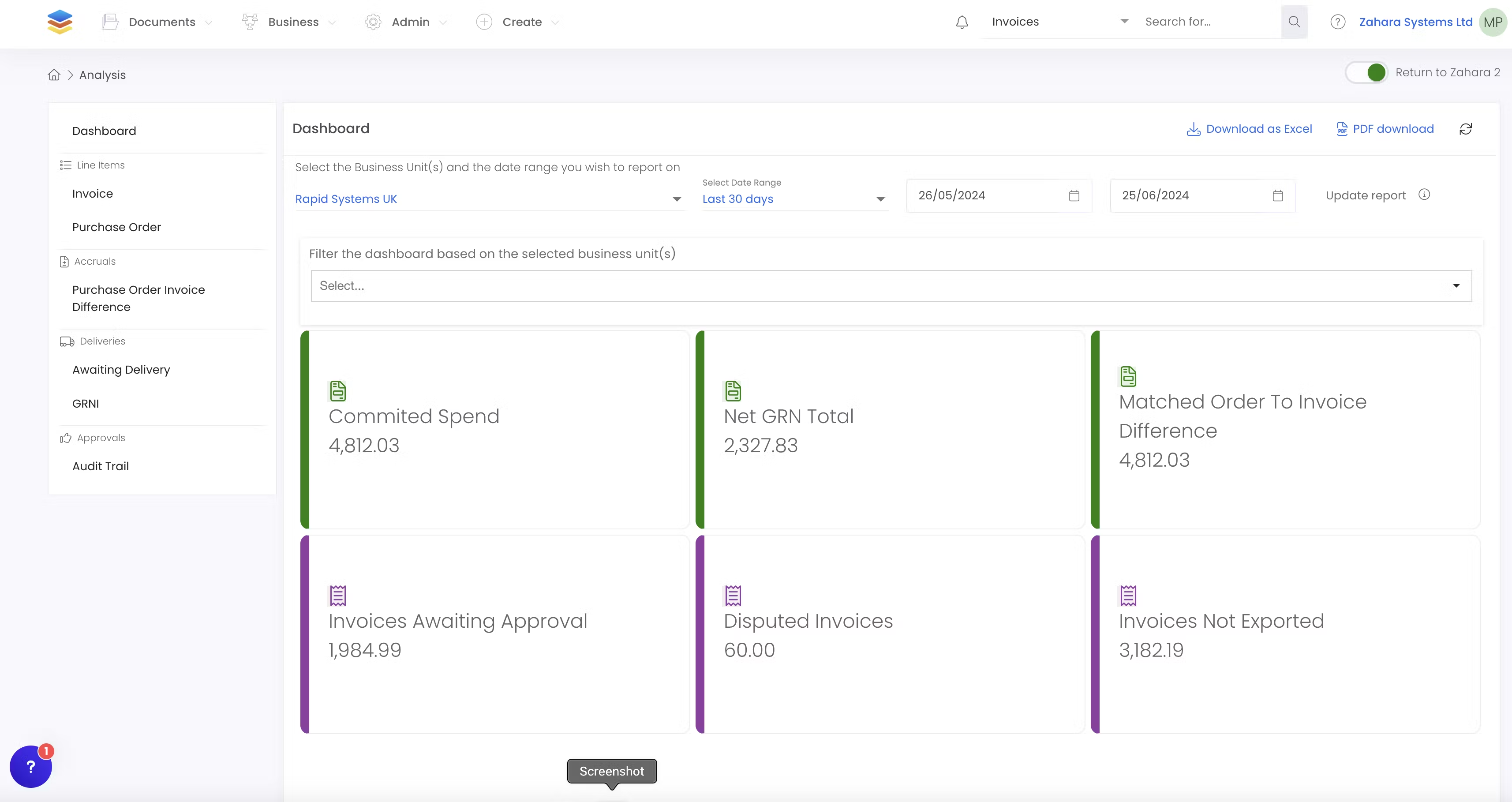
Image source: zaharasoftware.com
Features:
- Budget-based routing: Automatically route requests based on department and available funds.
- Invoice matching: Link each approved PO with its corresponding invoice to reduce errors.
- Cost center tracking: Keep teams accountable with budget allocation by department.
- Document storage: Store receipts, supplier invoices, and audit files in one place.
- Spend insights: Visual dashboards summarize purchasing patterns and vendor usage.
Pricing:
- Teams Plan: ~$180/month (10 users, 120 orders)
- Business Plan: ~$330/month (25 users, 250 orders)
- Enterprise: Custom pricing via Zahara Sales.
5. Zip: AI-powered procurement orchestration
Zip provides a modern intake-to-pay platform that streamlines the entire procurement lifecycle. By centralizing all employee requests in one AI-guided portal, Zip ensures that every purchase is compliant and routed to the correct stakeholders—including legal, IT, and security—automatically. Its unique "Superagents" use AI to validate vendor data and mitigate risk in real-time, allowing finance teams to focus on strategy rather than manual approvals.
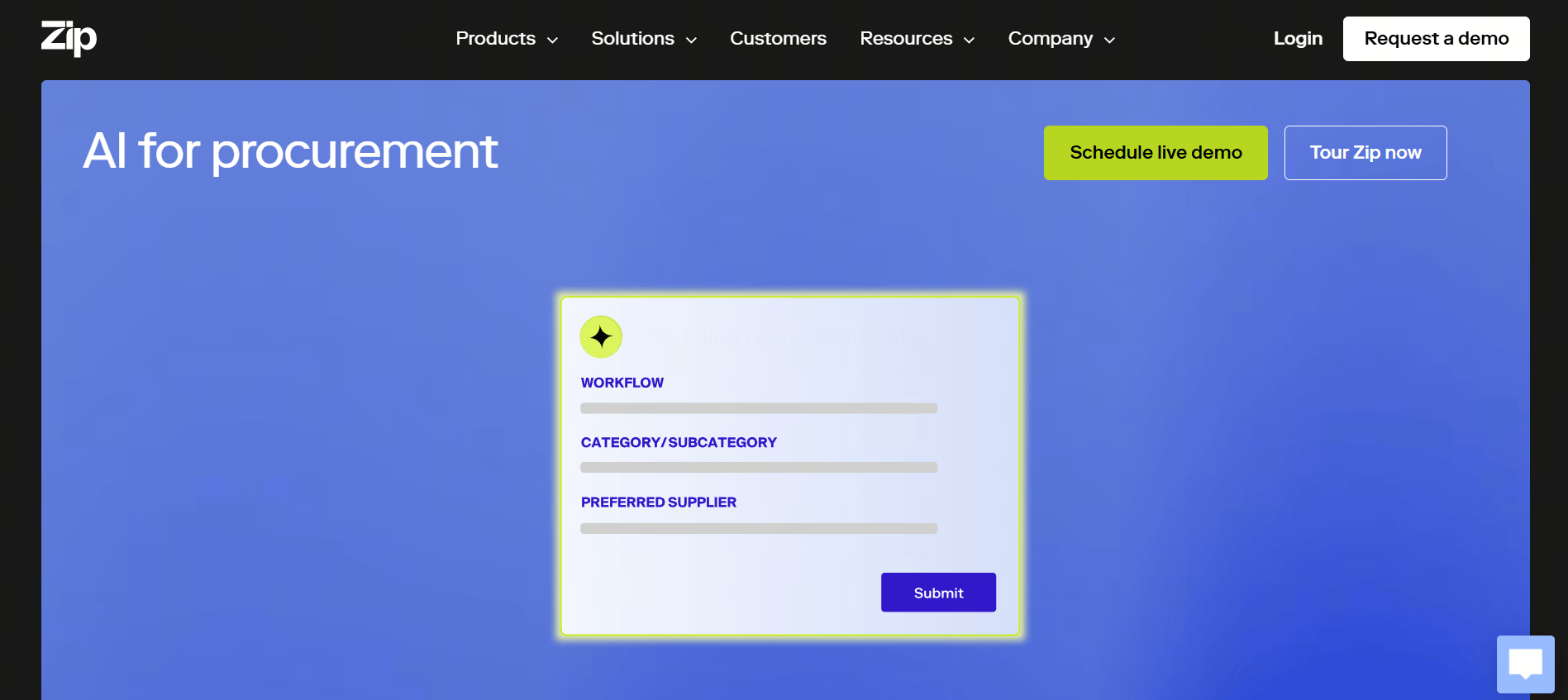
Image source: ziphq.com
Features:
- AI-guided intake: A consumer-grade interface that simplifies the request process for all employees.
- Automated orchestration: Synchronizes approvals across multiple departments and existing software stacks like ERPs and CLMs.
- Risk & compliance: Real-time vendor risk assessments and automated policy enforcement to prevent fraud.
- Spend visibility: Complete oversight of global spend from the moment of request through to final payment.
- Gartner-Recognized: The only procurement orchestration platform featured in the 2026 Gartner Magic Quadrant for Source-to-Pay.
Pricing:
- Enterprise Plans: Custom pricing available based on organizational scale and complexity.ZipHQ offers a smart platform that helps teams approve purchase order requests using AI and automation — escalating only the exceptions while routine ones flow seamlessly. Its intake-to-procure design ensures that approvals, vendor onboarding, and contract checks are coordinated from the very first request, reducing friction and risk.
6. Tradogram: Cloud-based procurement software
Tradogram offers a robust po approval workflow platform that streamlines every stage of procurement — from requisition to invoice — with full visibility and control. Its cloud-native architecture supports departmental hierarchies, real-time budget tracking, and collaborative supplier management. Designed for growing organizations, Tradogram helps ensure that spending aligns with strategy while automating routine approval tasks.
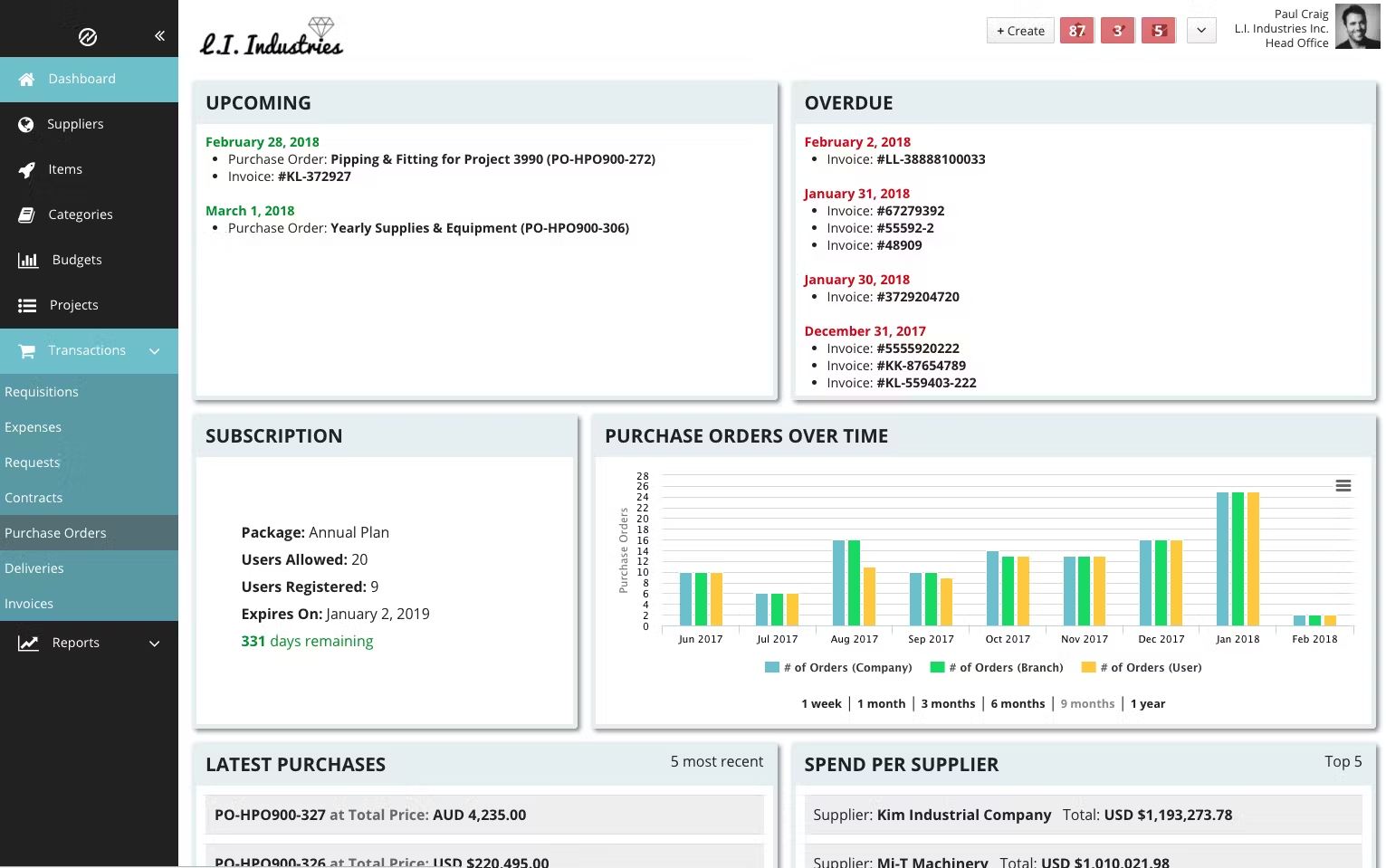
Image source: tradogram.com
Features:
- Smart approval workflows: Route approvals automatically by spend limit or project code.
- Budget compliance tools: Track real-time spending against budgets.
- Supplier directory: Centralize vendor data and contract terms.
- Invoice-to-payment tracking: Follow each PO through to fulfillment and payment.
- Performance analytics: Review procurement KPIs and savings.
Pricing:
- Pro Plan: $195/month
- Premium Plan: $375/month
- Enterprise: Custom pricing.
7. GEP: Enterprise procurement solution
GEP offers powerful purchase approval software as part of its unified, AI-powered procurement suite, helping large enterprises manage everything from sourcing and contracts to approvals and payments in one platform. Its cloud-native architecture ensures teams worldwide can collaborate securely and enforce consistent procurement policies. Designed for scale, GEP brings deep analytics and automation to complex purchasing environments.
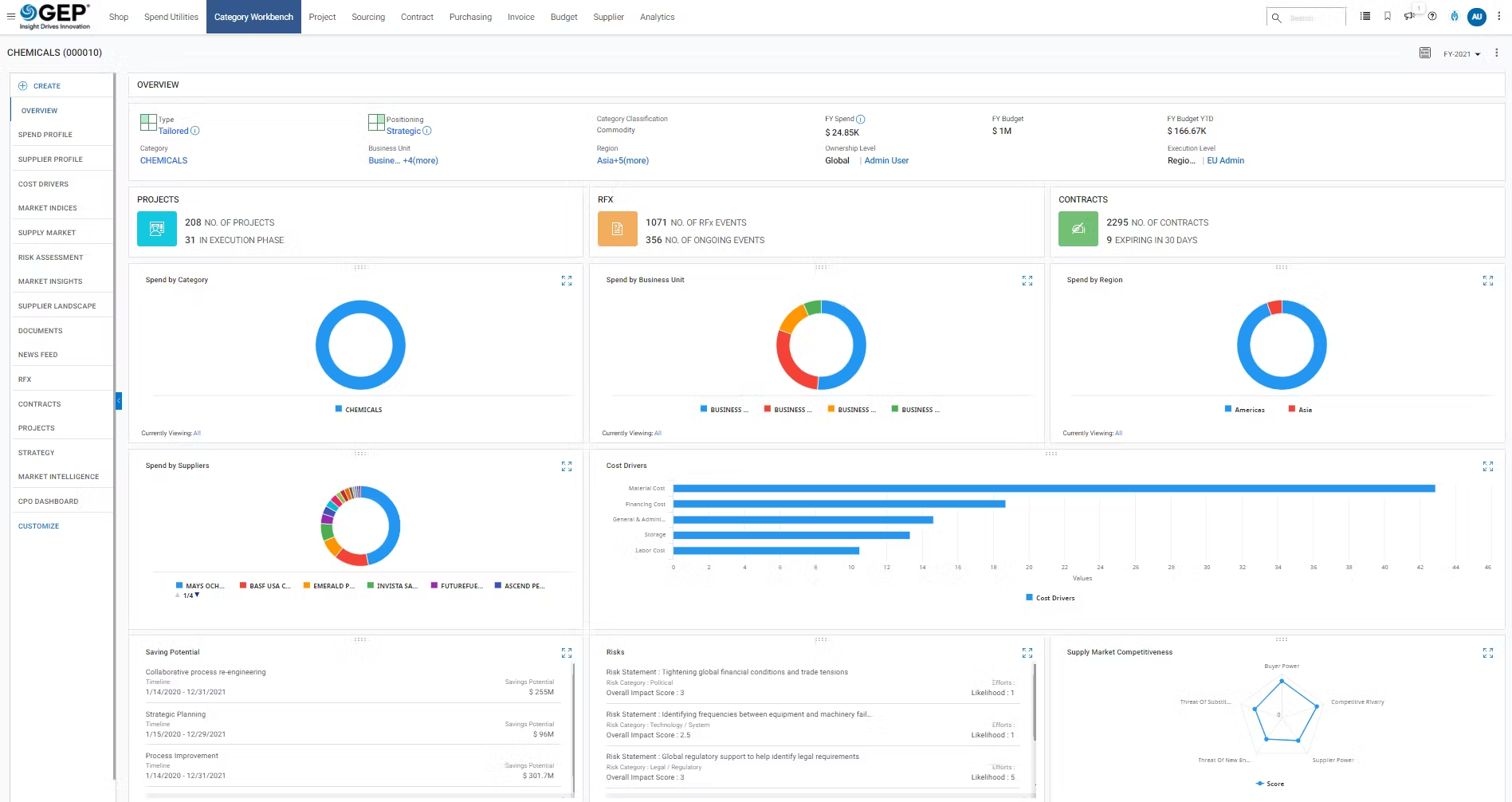
Image source: gep.com
Features:
- Enterprise-grade approval routing: Handle multi-country, multi-department PO workflows.
- Contract compliance checks: Automatically link approvals to pre-approved terms.
- Spend visibility: Global dashboards provide instant budget insights.
- AI analytics: Forecast procurement spend and supplier risk.
- Mobile approvals: Approve high-value purchases on the go.
Pricing: Custom quote based on scale and modules.
8. Kissflow: End-to-end procurement and PO approval
Kissflow offers a flexible platform to automate the purchase approval process from requisition through payment, letting teams configure workflows, manage vendors, and enforce policies — all without writing code. Its low-code / no-code approach makes it easy for procurement and finance teams to adapt to changing business needs while maintaining visibility and control.
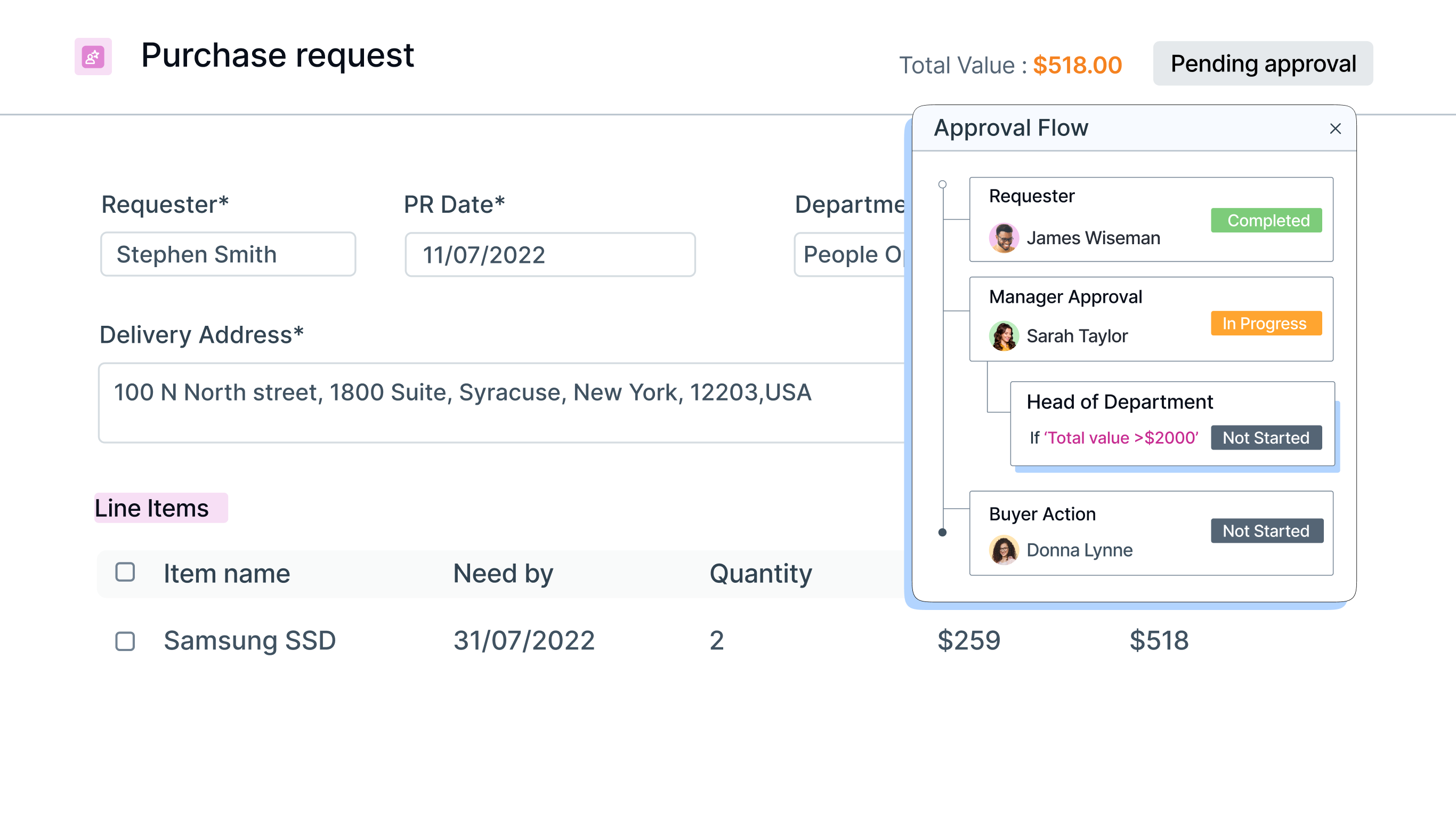
Image source: kissflow.com
Features:
- Low-code workflow builder: Customize PO approvals without coding.
- Adaptive rules engine: Define dynamic thresholds by cost center or role.
- Integrated vendor module: Manage supplier data and contract renewals.
- Invoice automation: Match invoices automatically to approved POs.
- Spend dashboard: View procurement cycle times and compliance reports.
Pricing:
- Starts at $1,500/month for workflow automation.
- Procurement Cloud: from $23,880/year (enterprise-grade).
9. Coupa: AI-native spend & procurement platform
Coupa offers an advanced purchase order workflow solution as part of its AI-powered total spend management suite. It guides employees to approved vendors, automates approvals, and ensures every purchase aligns with contracts and budgets — making it ideal for mid-to large enterprises.
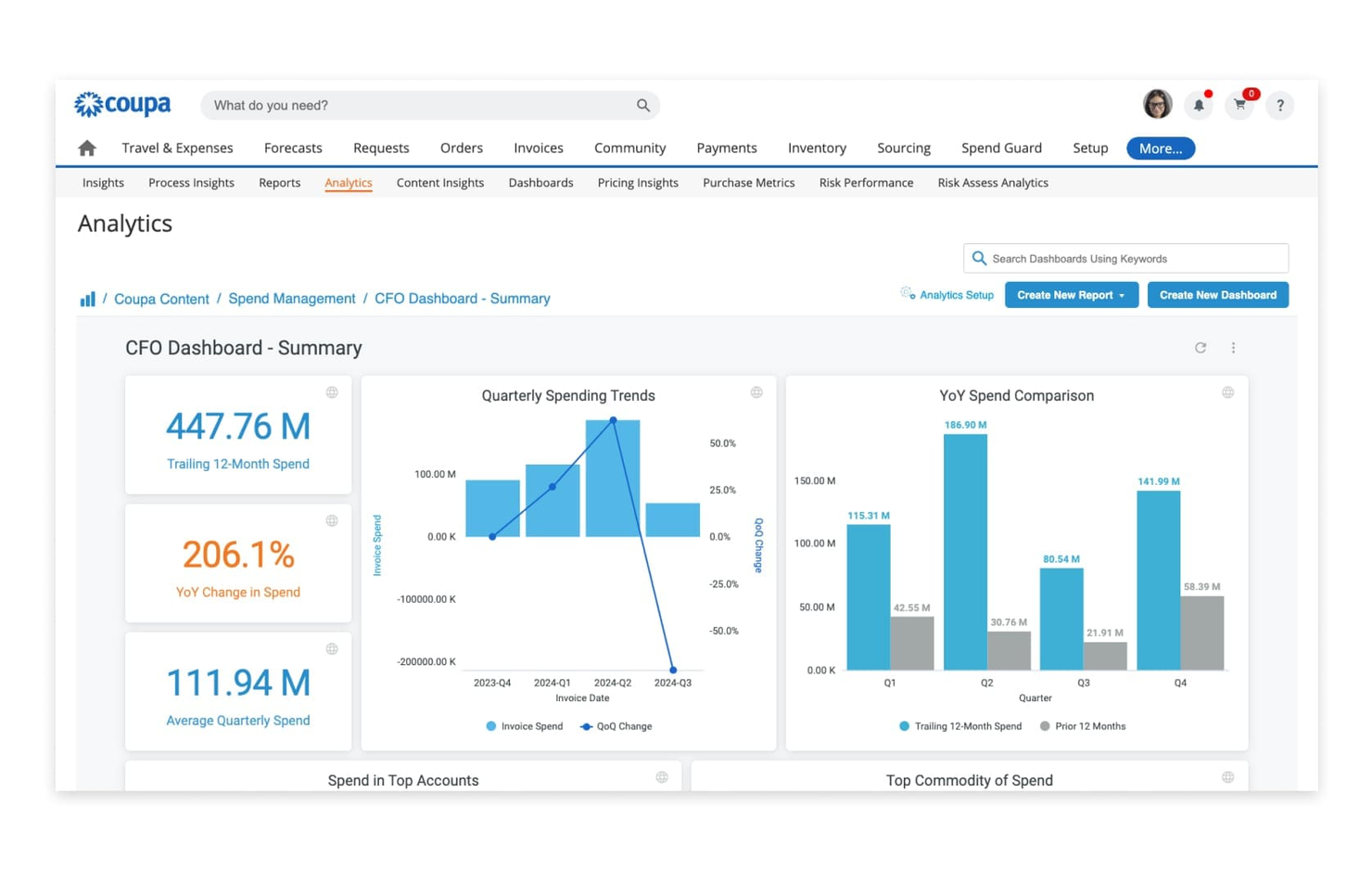
Image source:
Features:
- AI-guided buying: Recommends approved suppliers and best-value contracts.
- Contract visibility: Links all approvals to pre-negotiated terms.
- Smart routing: Automatically directs requests based on spend thresholds.
- Budget enforcement: Prevents requests that exceed allocation limits.
- Savings analytics: Tracks realized savings across business units.
Pricing:
Custom quote based on user volume, modules, and integration needs.
10. FlowForma: Supports complex purchase order workflows
FlowForma is a powerful purchase order approval workflow platform that brings no-code process automation into procurement. Its AI-enabled tools, governance controls, and integration with enterprise systems let organizations automate even highly nested PO flows with confidence. Because you can model complex rules visually, FlowForma suits teams that must enforce compliance, escalation logic, and auditability at scale.
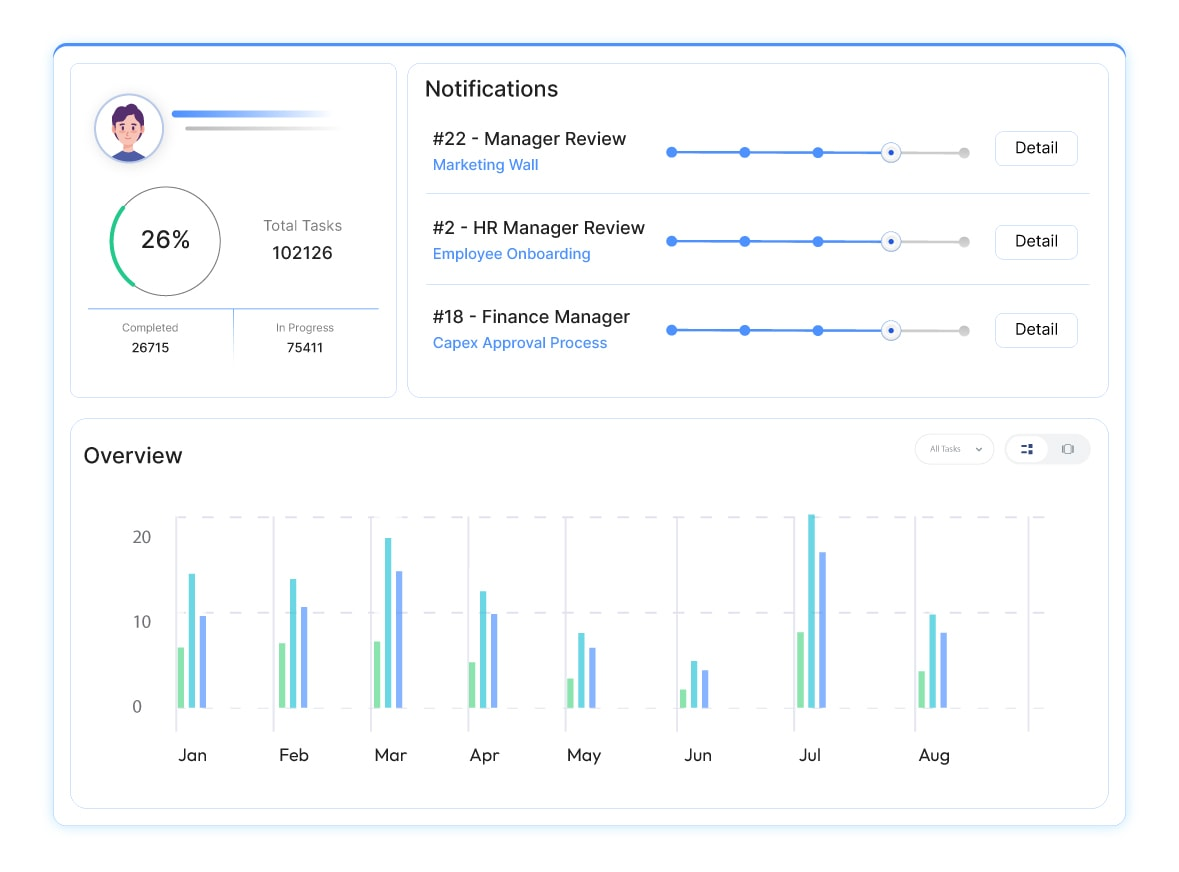
Image source: flowforma.com
Features:
- Complex workflow automation: Build layered multi-approver processes visually.
- Audit-ready records: Automatically capture every decision and timestamp.
- Policy compliance rules: Enforce governance and procurement standards.
- Cross-department visibility: Share PO status across business units.
- Detailed analytics: Identify bottlenecks and optimize approval speed.
Pricing:
- Essentials: ~$2,347/month (up to 3 processes)
- Professional: ~$3,293/month (up to 30 processes)
- Enterprise: Custom pricing.
Conclusion
A structured purchase order approval system ensures every purchase is tracked, compliant, and cost-effective. It brings speed, accountability, and visibility to what was once a manual, error-prone process. Modern purchase approval software solutions help businesses enforce budgets, reduce risks, and accelerate procurement cycles.
Among them, Lark stands out for combining automation with real-time collaboration — allowing teams to manage requests, documents, and approvals all in one place. It's a future-ready platform that keeps your purchasing process efficient and transparent from start to finish.
FAQs
How does a purchase approval process reduce delays?
Automated approval workflows route requests instantly to the right stakeholders and send reminders for pending actions. This removes email backlogs, manual follow-ups, and paper-based delays — helping teams approve POs faster and keep projects on schedule.
Can small businesses use purchase approval software?
Absolutely. Today's solutions are scalable and easy to deploy, allowing even small teams to standardize spending and ensure compliance. Businesses can start with simple workflows and later expand to advanced reporting and budget control as they grow.
What's the difference between PO approval and invoice approval?
PO approval authorizes the purchase before it happens, ensuring the request aligns with budget and policy. Invoice approval happens afterward — confirming that goods or services were received and that billing matches the original purchase order.
How does Lark Approval simplify purchase order workflows?
Lark makes the entire purchase approval process seamless by combining automation with collaboration. Teams can create requests in Lark Base, route them through Lark Approval, clarify details instantly via Messenger or Meetings, and store vendor contracts in Docs. Every action stays connected, ensuring faster approvals and full visibility across departments.
Related reading
Table of contents
Start using Lark today

Manage all your work in one place
Boost team efficiency by 10x
Save up to 70% on software costs
Table of contents
Start using Lark today
Manage all your work in one place
Boost team efficiency by 10x
Save up to 70% on software costs
Keep reading


![What Is a 2-2-3 Work Schedule? Explanation and More [2026]](https://framerusercontent.com/images/uKHRfkp4v7y4azRNTYUmuteNQz8.png)



2026 Lark Technologies Pte. Ltd.
Headquartered in Singapore with offices worldwide.






Explore: